Sight Word “Play” Worksheet
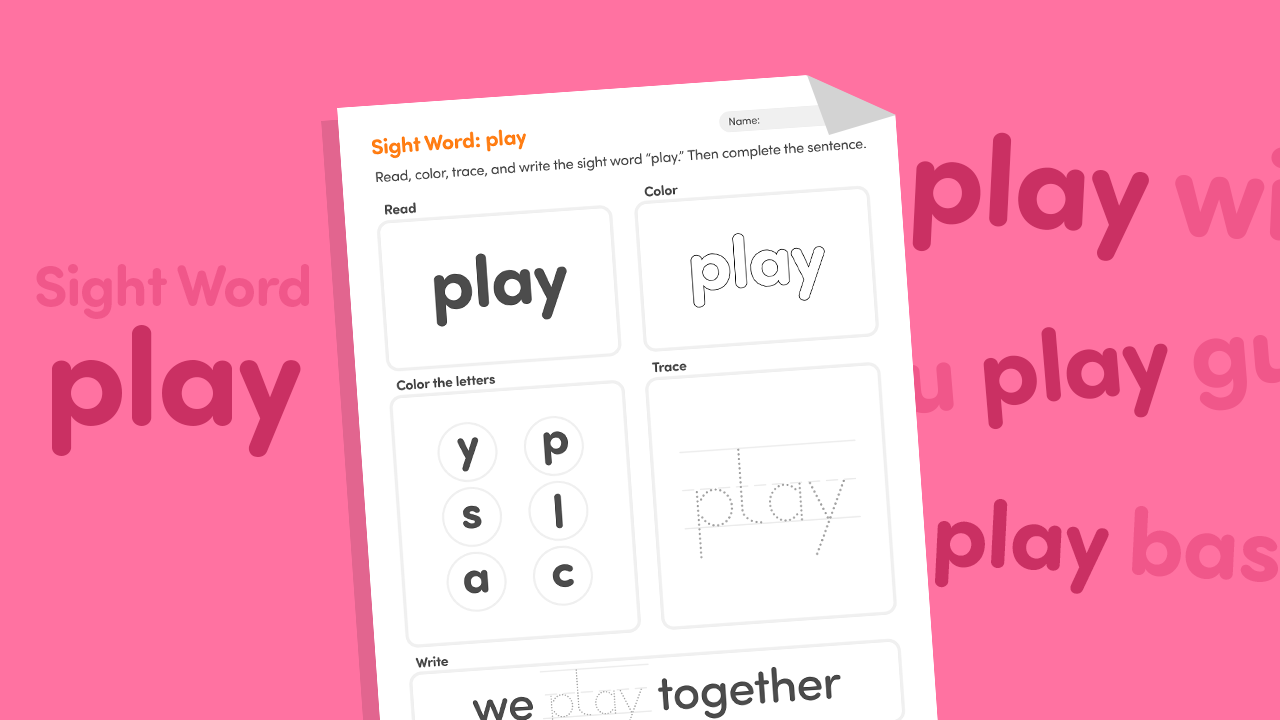
A printable worksheet that helps early readers recognize, trace, and practice the sight word "play" through tracing, writing, and simple sentence activities.
Frequently Asked Questions
Why is "play" harder to sound out than it looks for a beginner?
The "ay" vowel team makes a long "a" sound that hasn't been introduced in most Pre-K phonics sequences yet, so recognizing "play" whole lets children use this favorite word well ahead of formally learning that spelling pattern.
Can "play" be used as both a verb and a noun, and does the worksheet cover both?
Yes, "play" works as an action ("We play outside") or a thing ("It's time for play"), but this worksheet keeps things simple for Pre-K by focusing on the verb form children use most often in everyday speech.
What does the "play" worksheet practice include?
Guided tracing, independent handwriting practice, and a short sentence activity built around one of the most naturally motivating words in a young child's vocabulary.
Why might "play" stick in memory faster than more abstract sight words?
Because it's emotionally meaningful and used constantly in a child's real life, "play" tends to be recognized and recalled faster than more abstract function words like "of" or "for."
Other worksheets
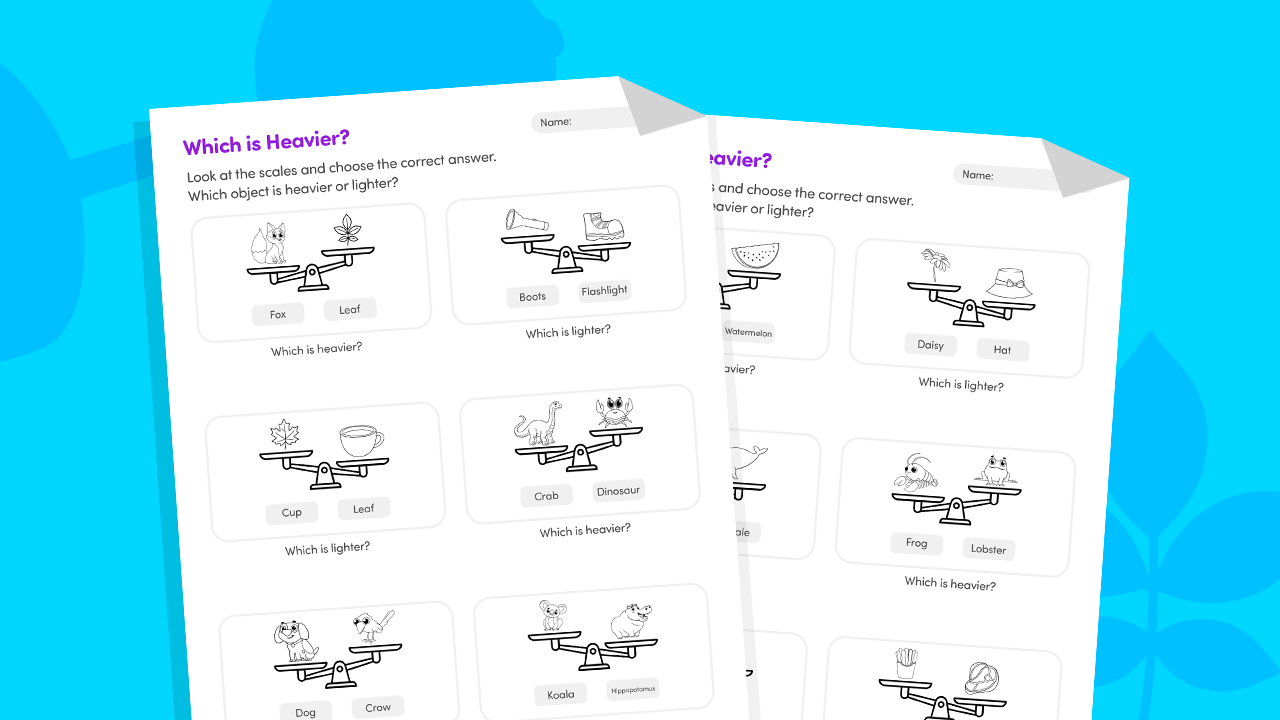
Which is Heavier?
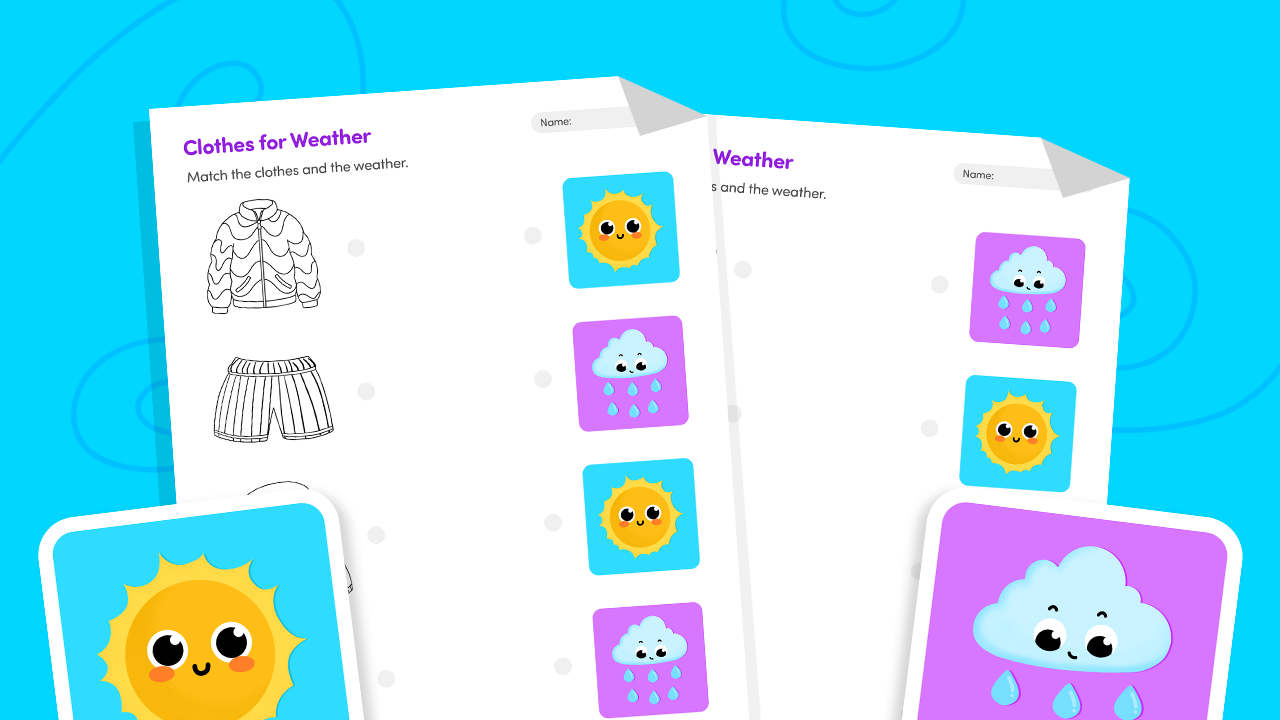
Match the Weather Clothes
Color Mixing Basic Worksheet
Float or Sink Worksheet
What Animals Need (Food, Water, Shelter, Air)
Use a Magnifying Glass – Find Small Details
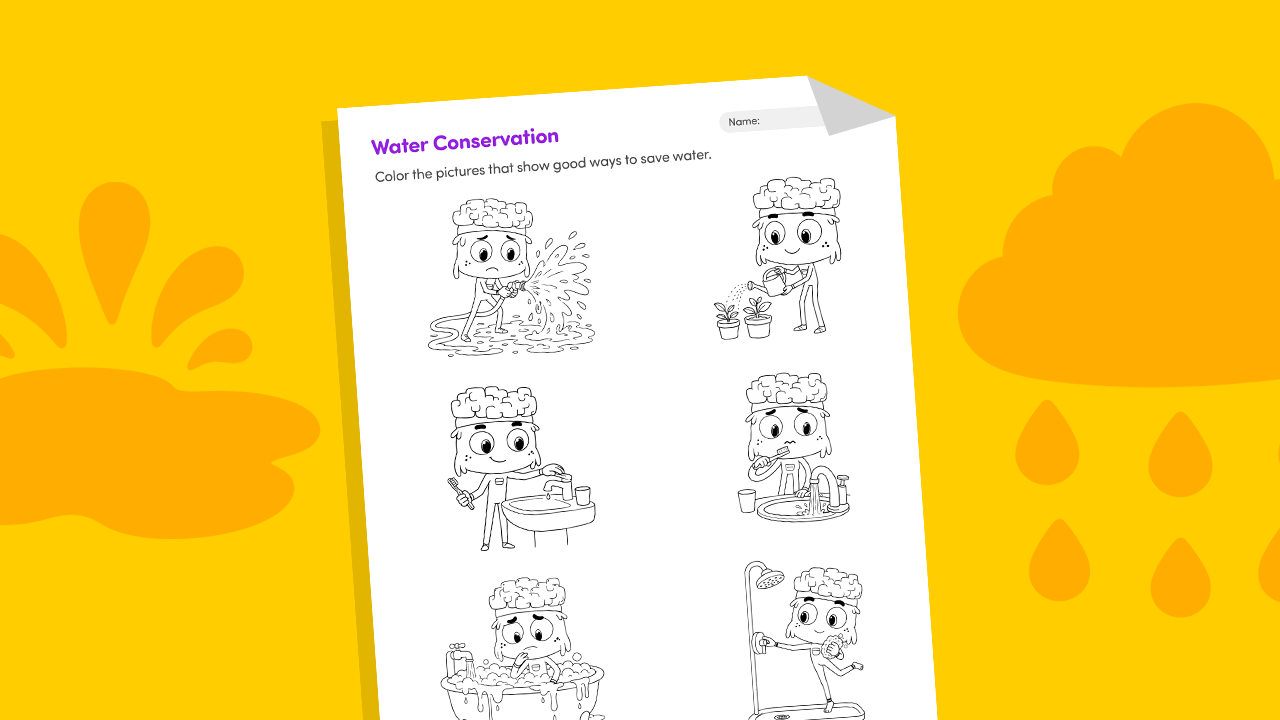
Water Conservation – Yes/No Choices
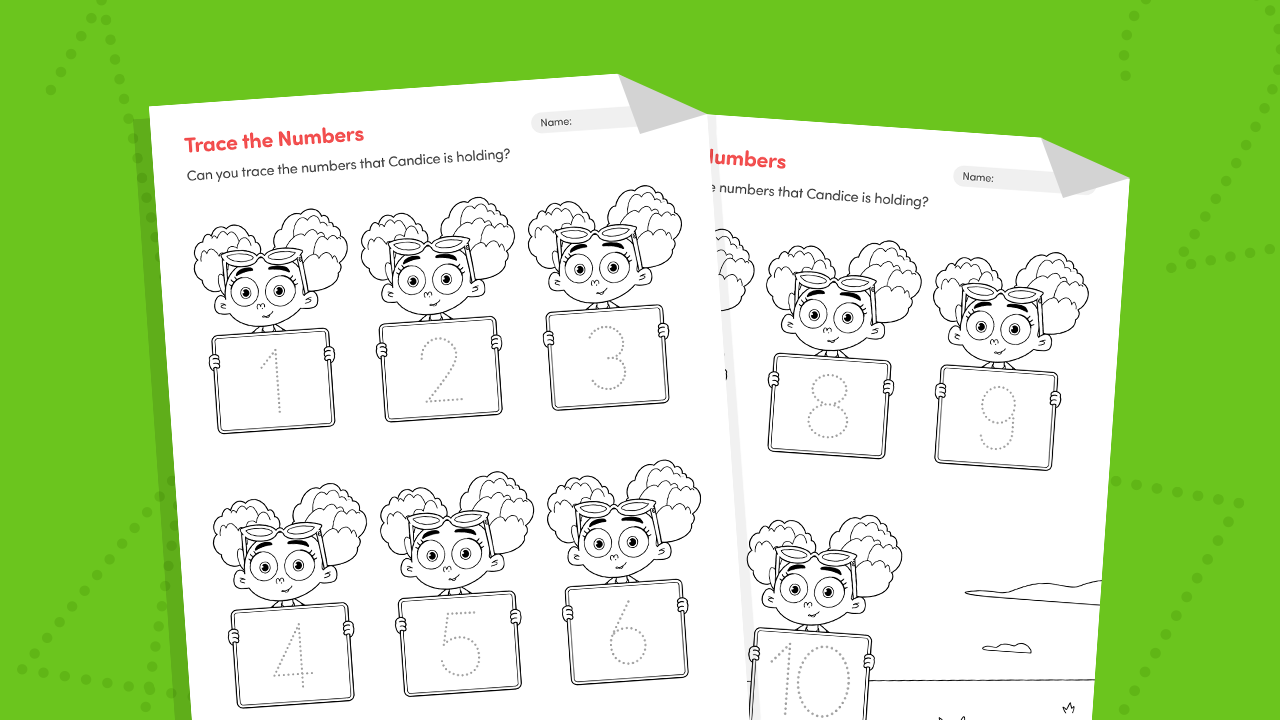
Trace Numbers 1-10 (Jumbo)
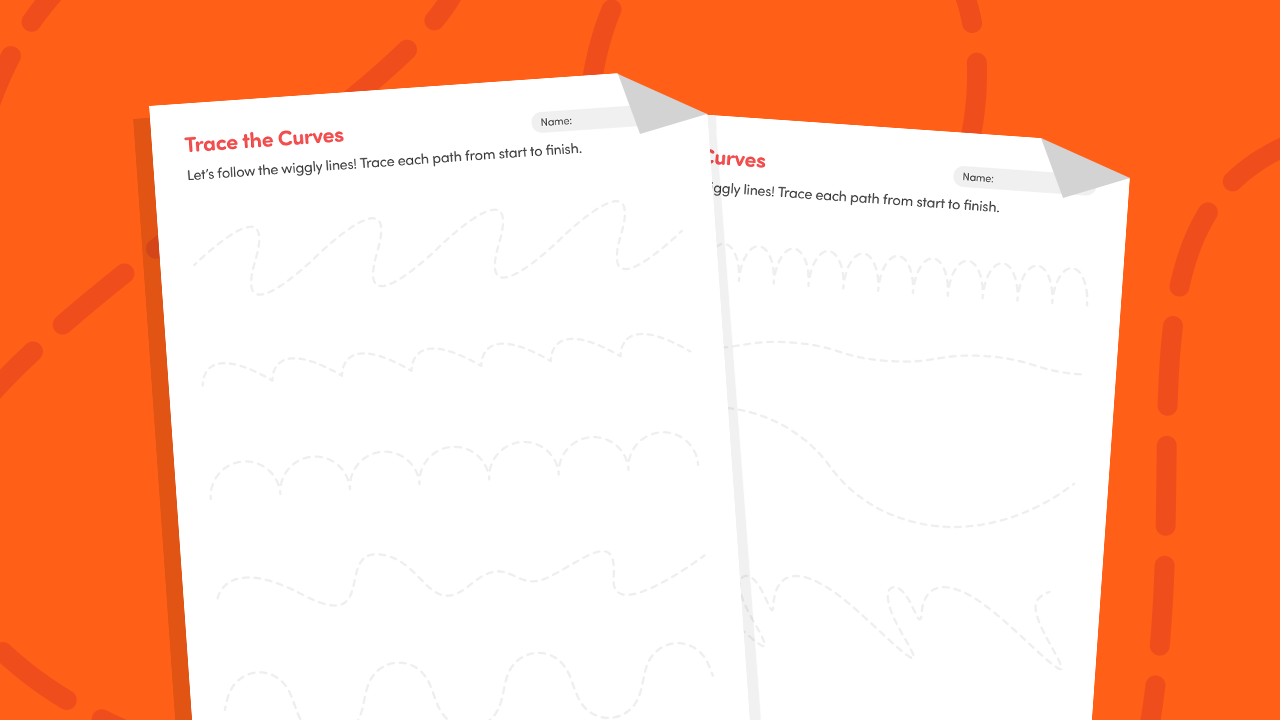
Trace Curves & Waves – Ocean Theme
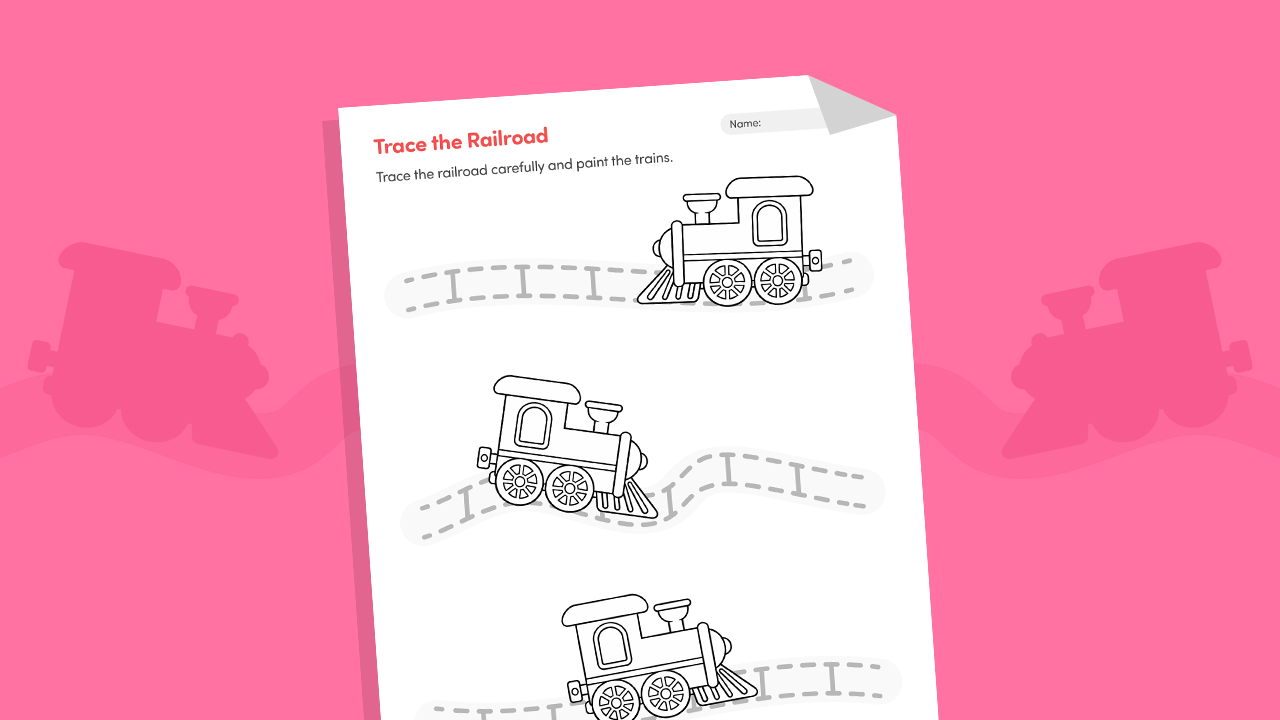
Trace the Rail Tracks – Train Theme
Trace Ice Cream Swirls (Loops)
Trace Space Paths – Rocket to Planet
Trace Butterfly Wings – Symmetry Lines
Trace Shapes with Dotted Lines
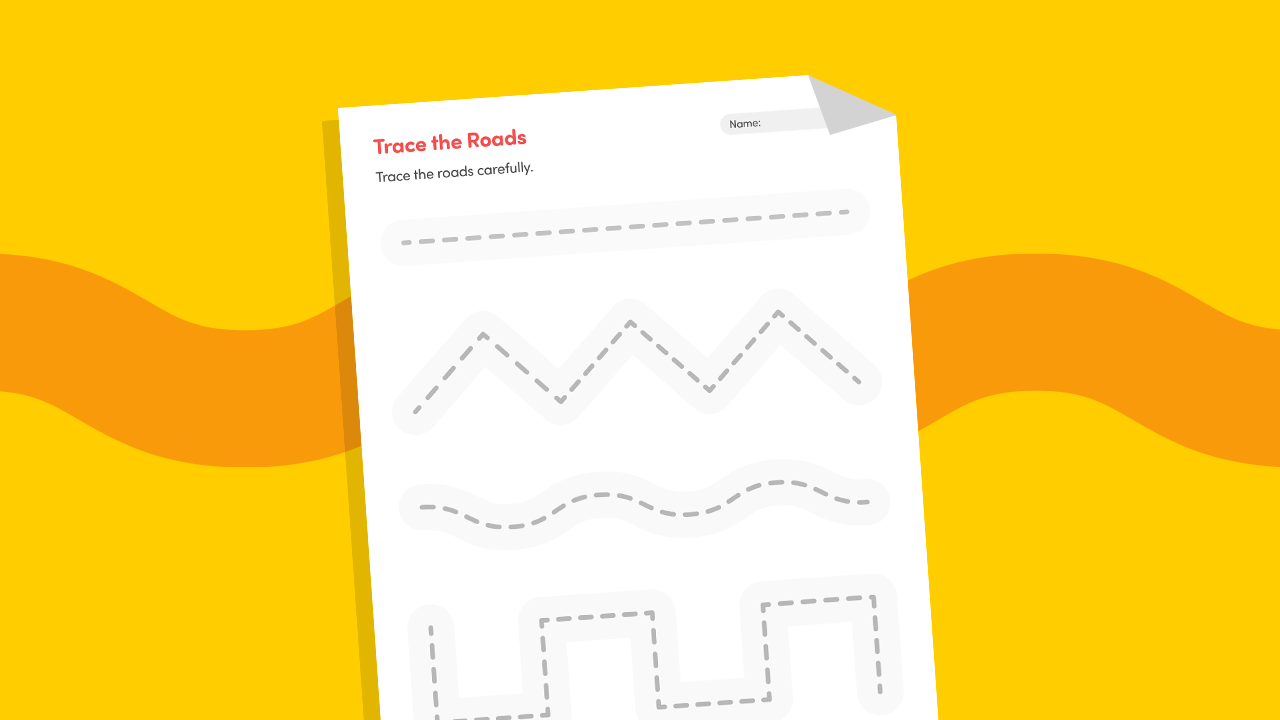
Trace the Roads – City Map
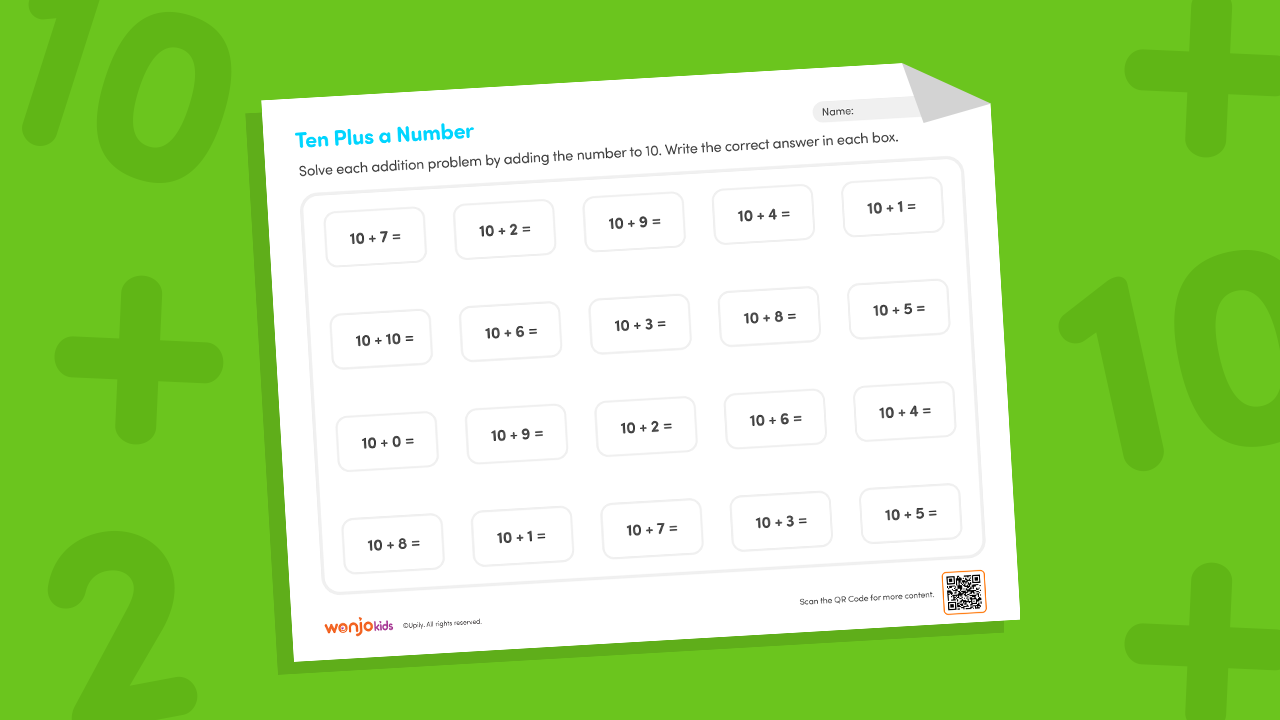
Teen Numbers as 10+N (Base Ten)
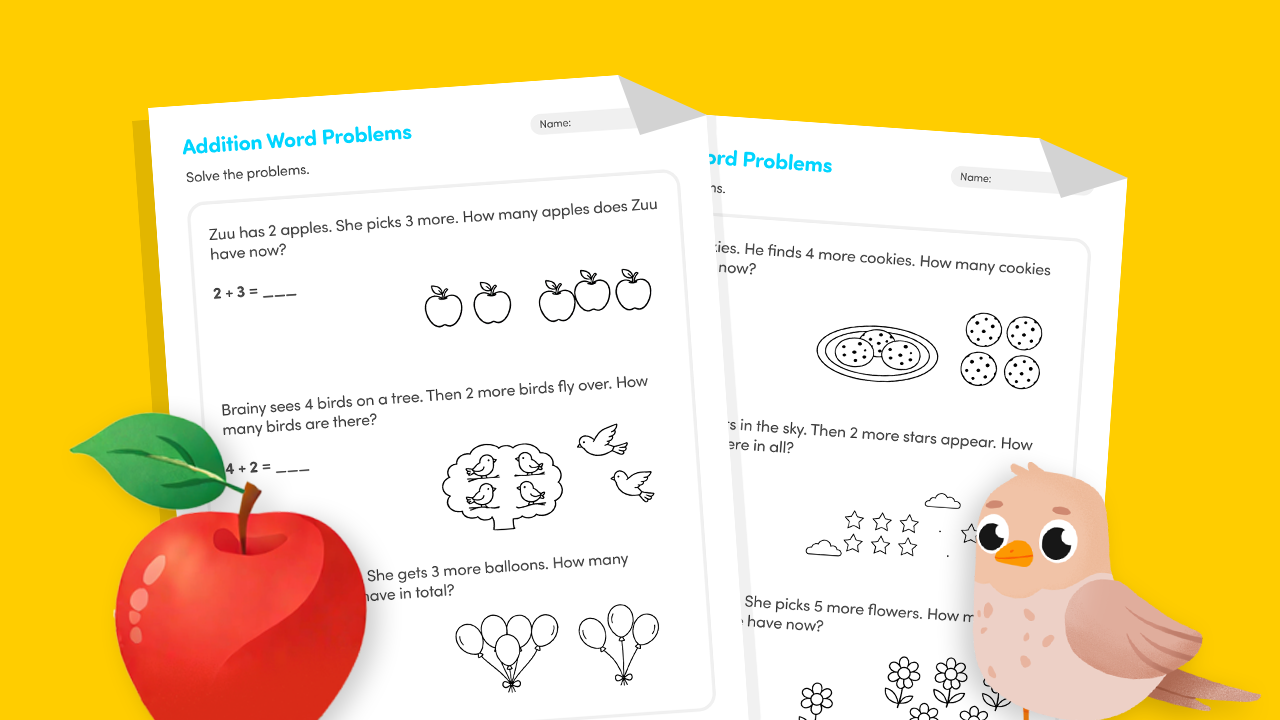
Addition with Pictures (0-10)
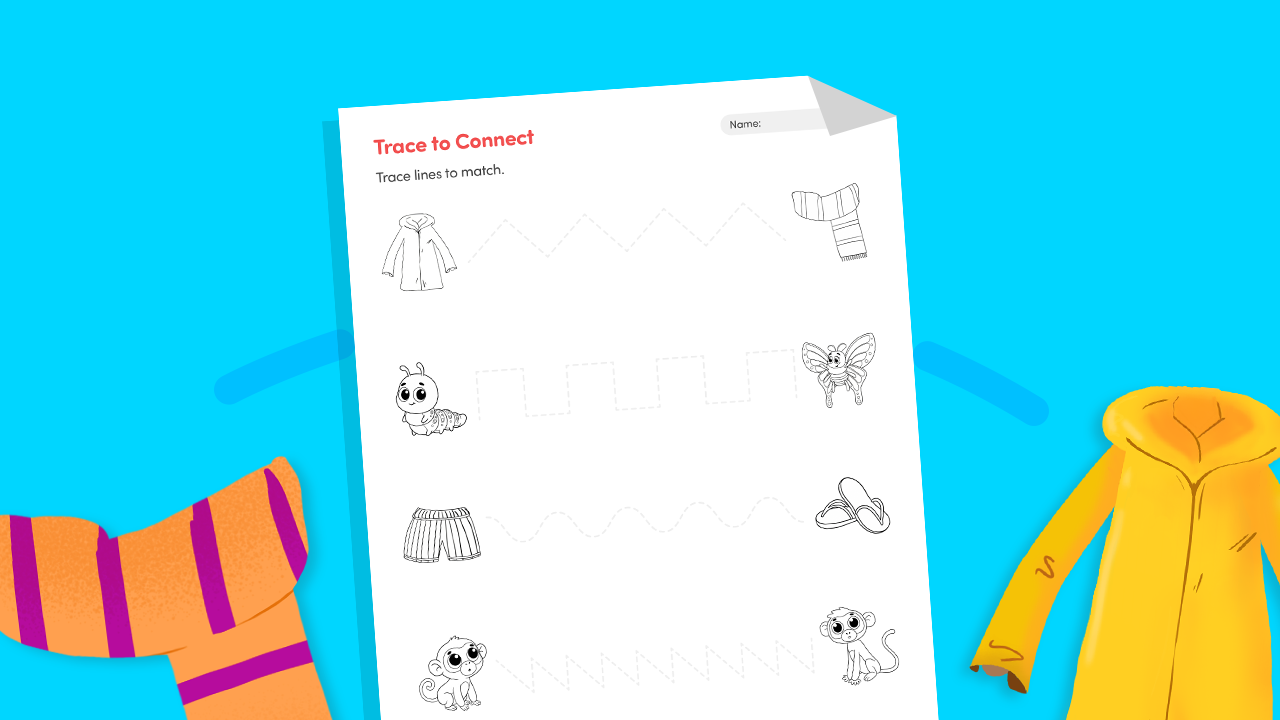
Trace to Connect Pairs 2
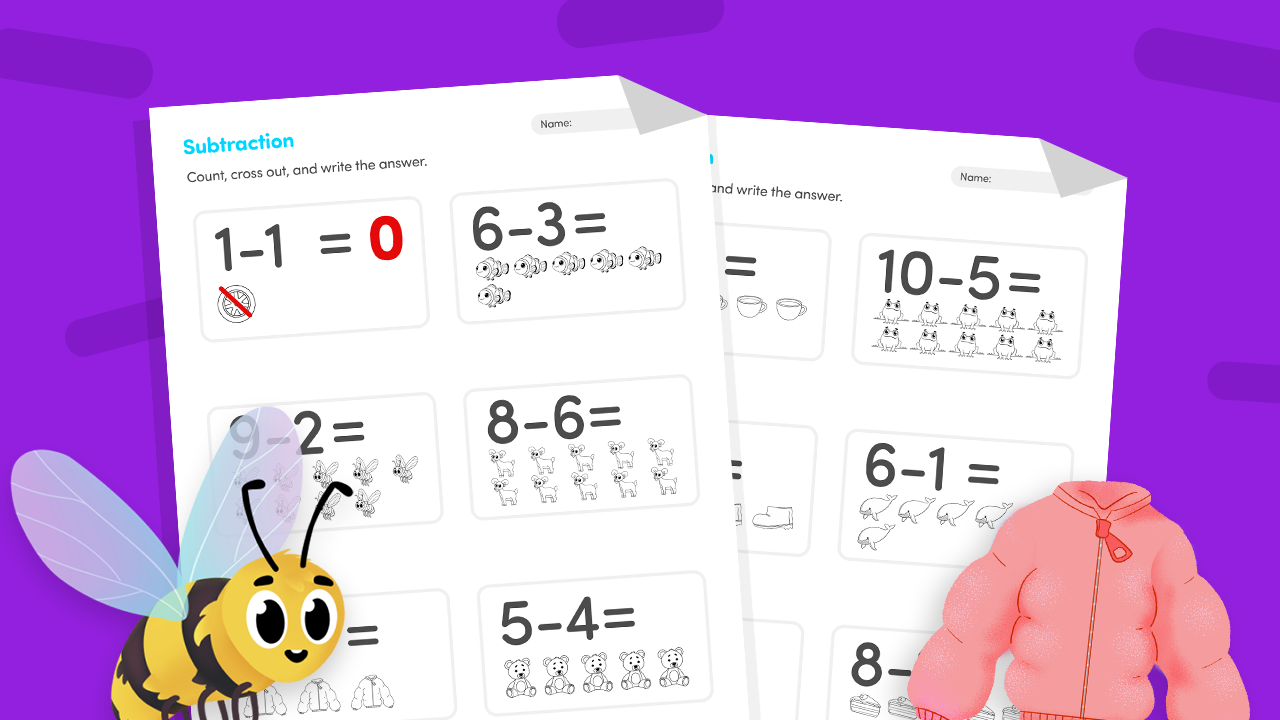
Subtraction with Pictures Within 10
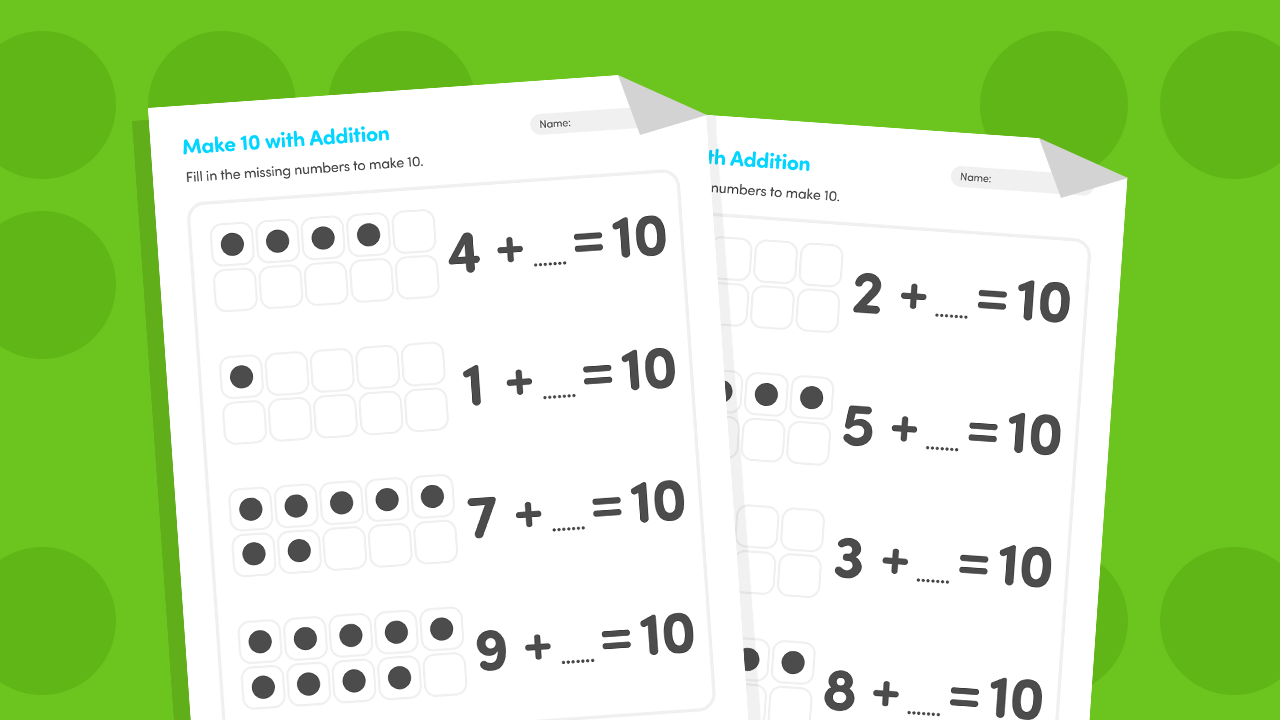
Make 10 with Addition (Tens Frame)
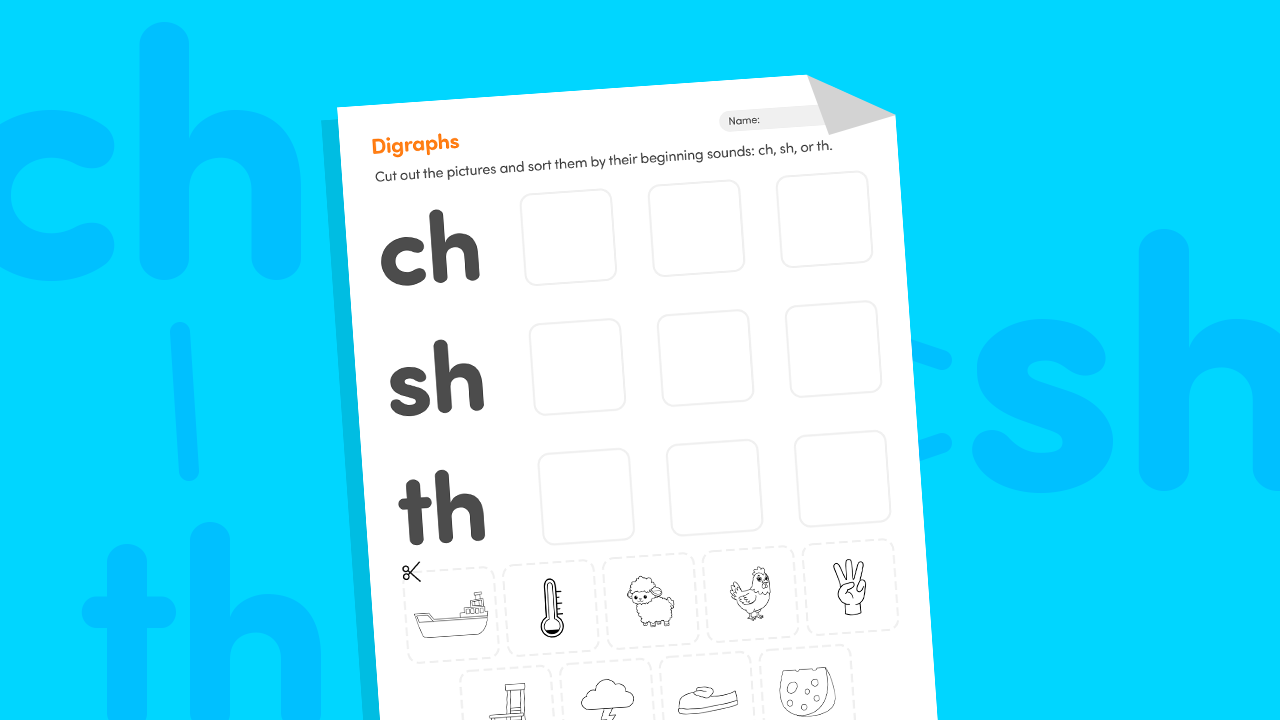
Digraphs Worksheets
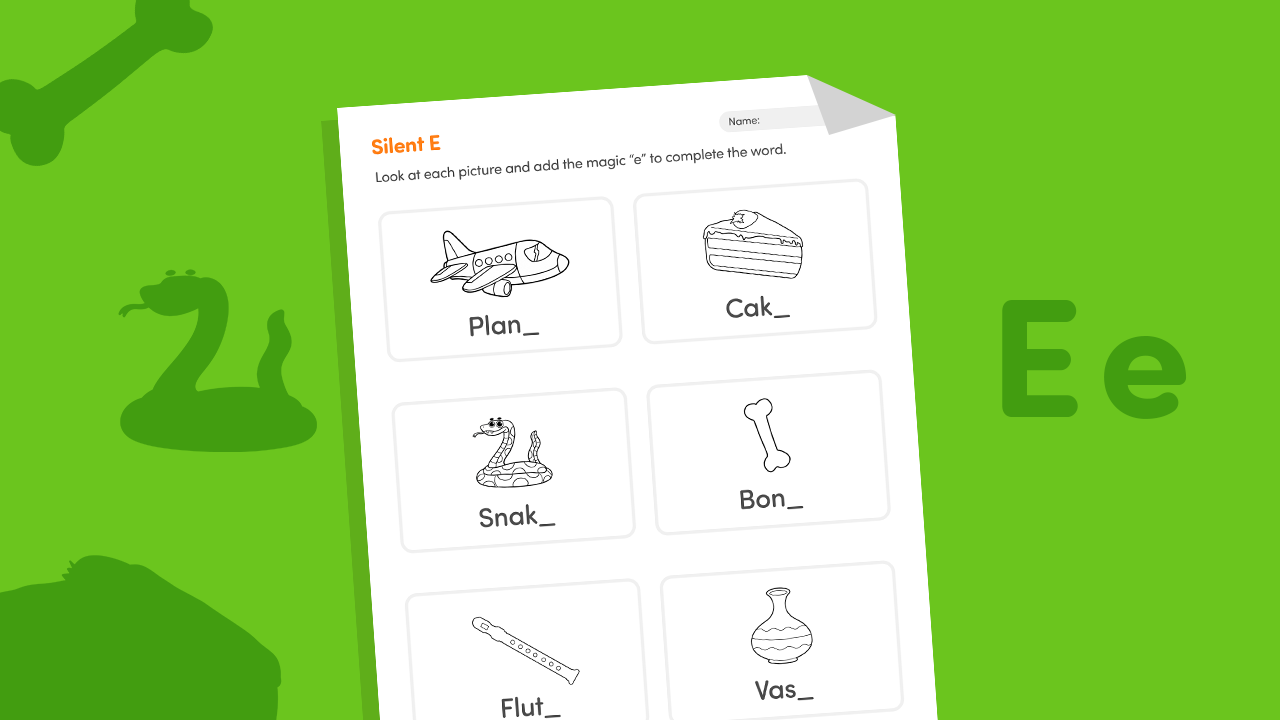
Silent E Worksheets
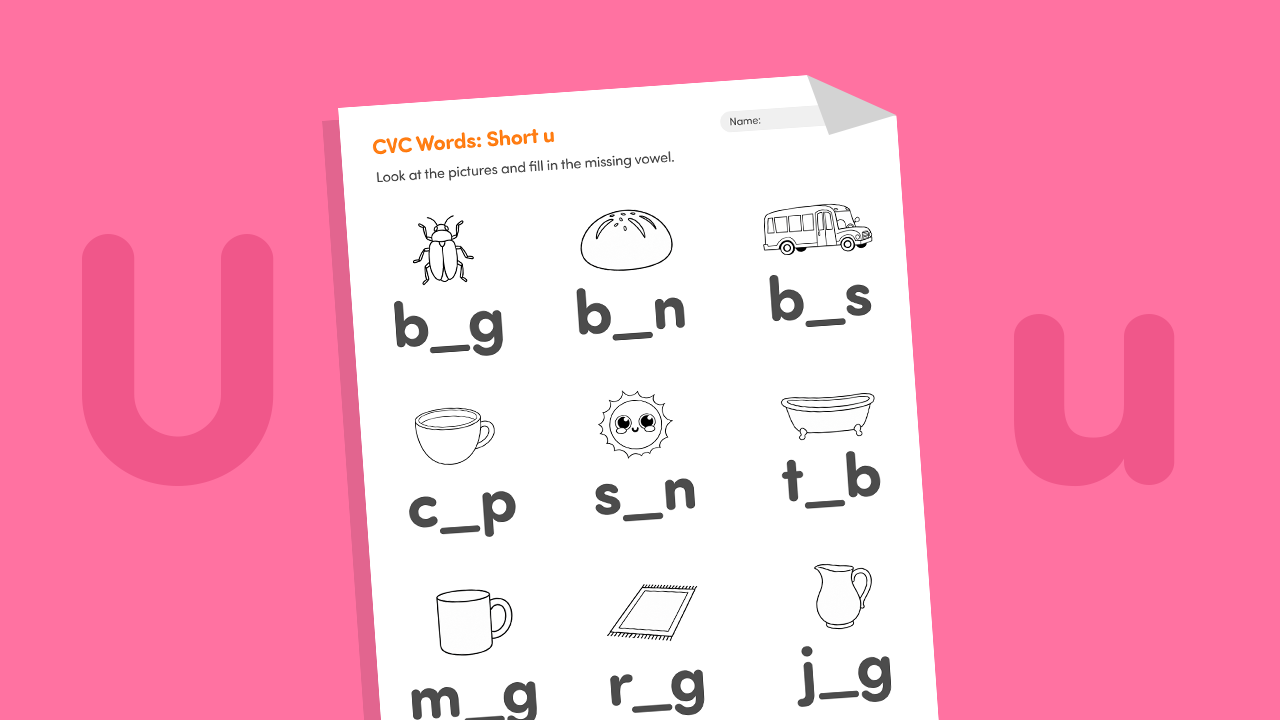
Short U CVC Worksheets
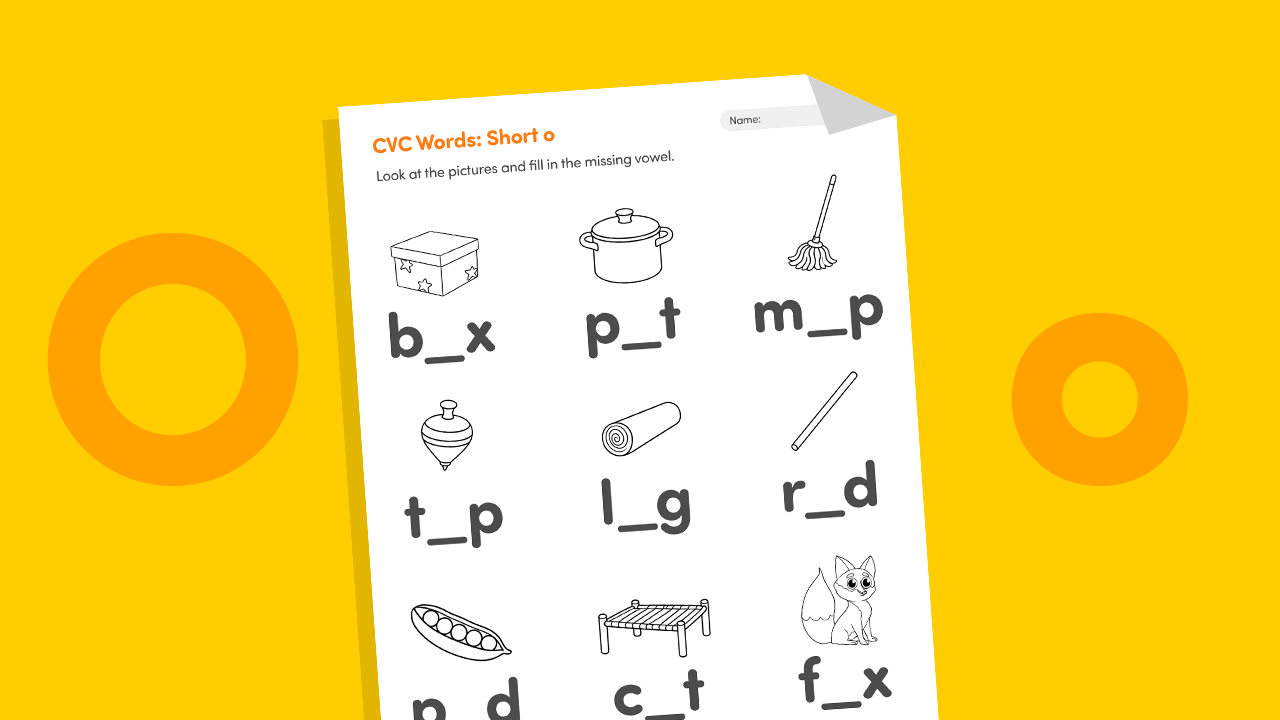
Short O CVC Worksheets
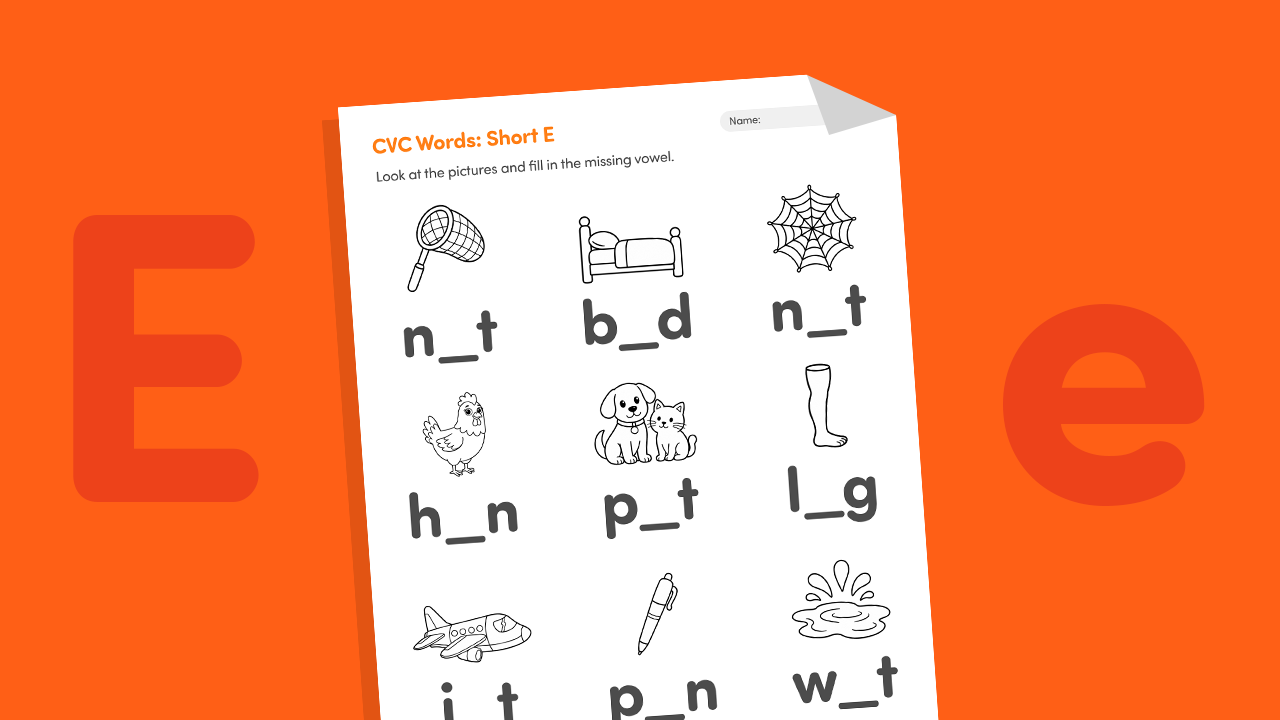
Short E CVC Worksheets
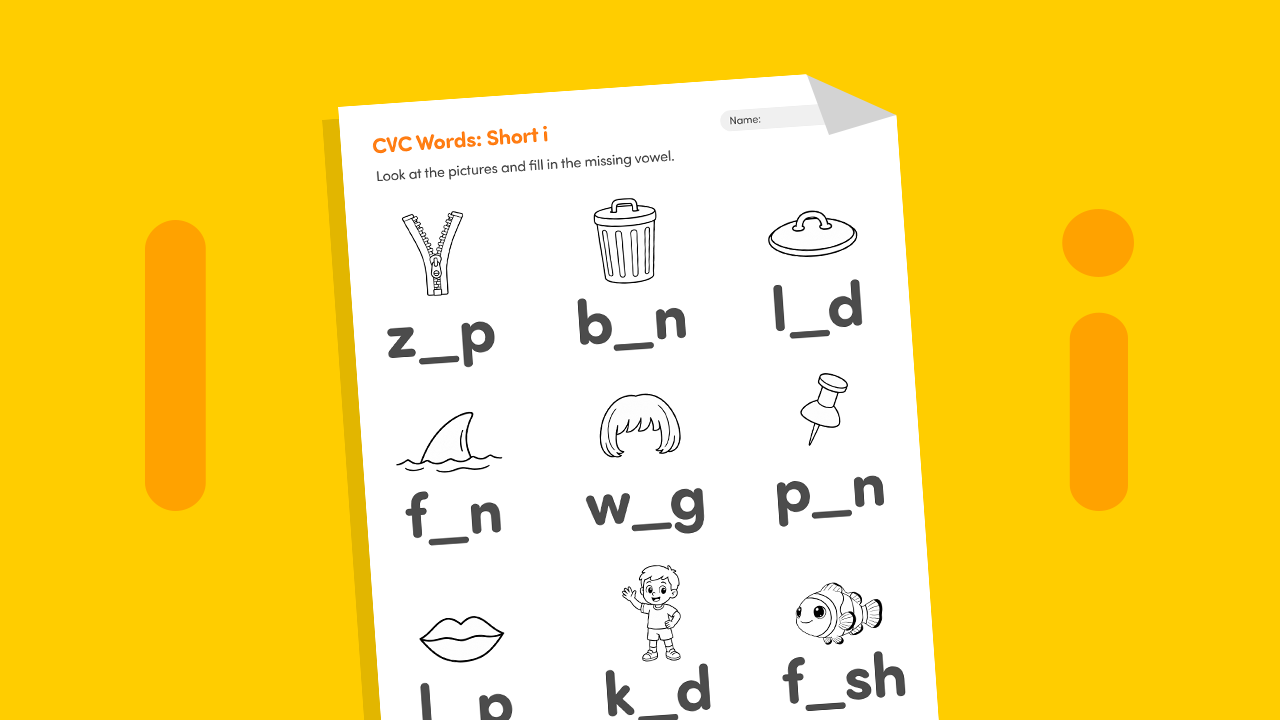
Short I CVC Worksheets
Sight Word “Come” Worksheet
Short A CVC Worksheets
Sight Word “My” Worksheet
Sight Word “For” Worksheet
Sight Word “Said” Worksheet
Sight Word “Here” Worksheet
Sight Word “See” Worksheet
Sight Word “We” Worksheet
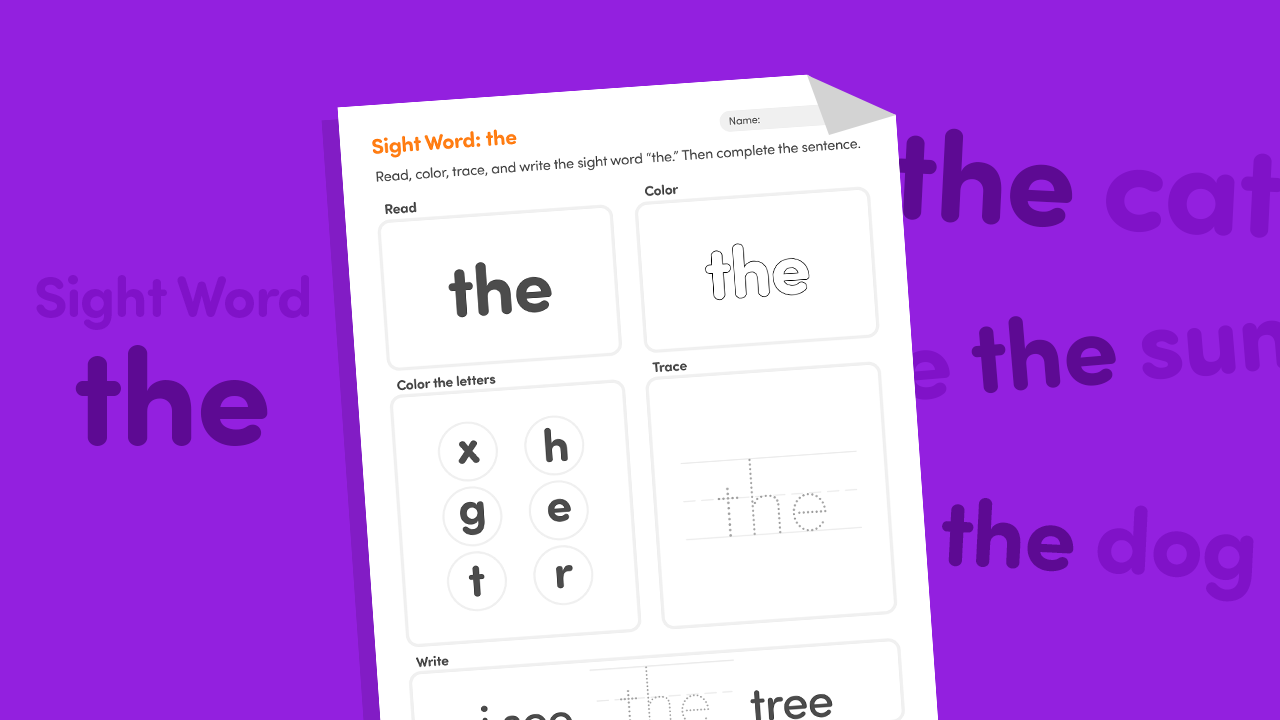
Sight Word “The” Worksheet
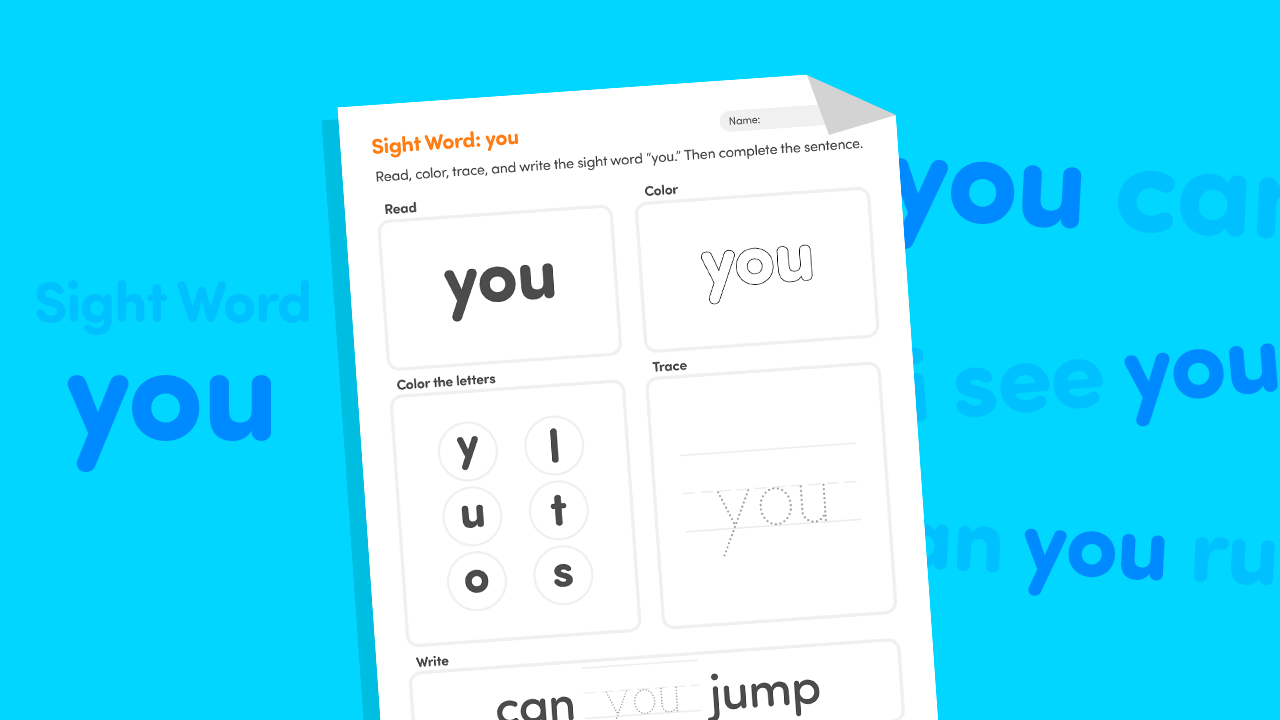
Sight Word “You” Worksheet
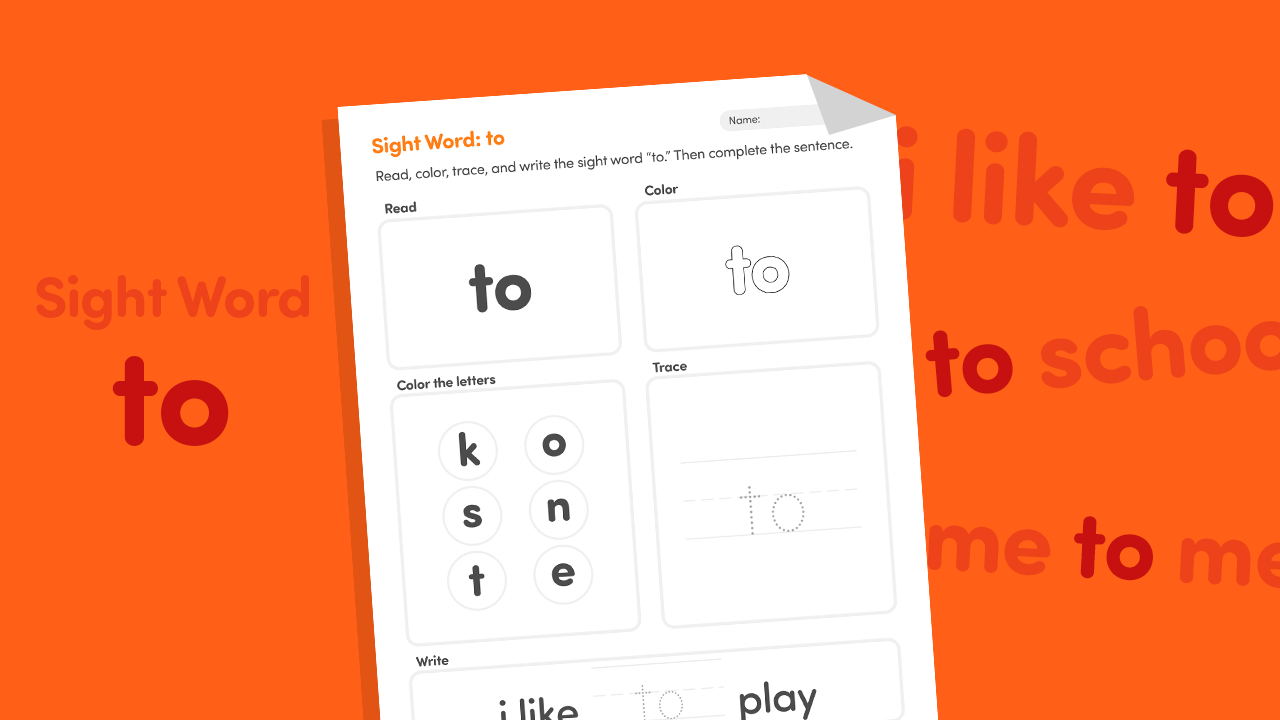
Sight Word “To” Worksheet
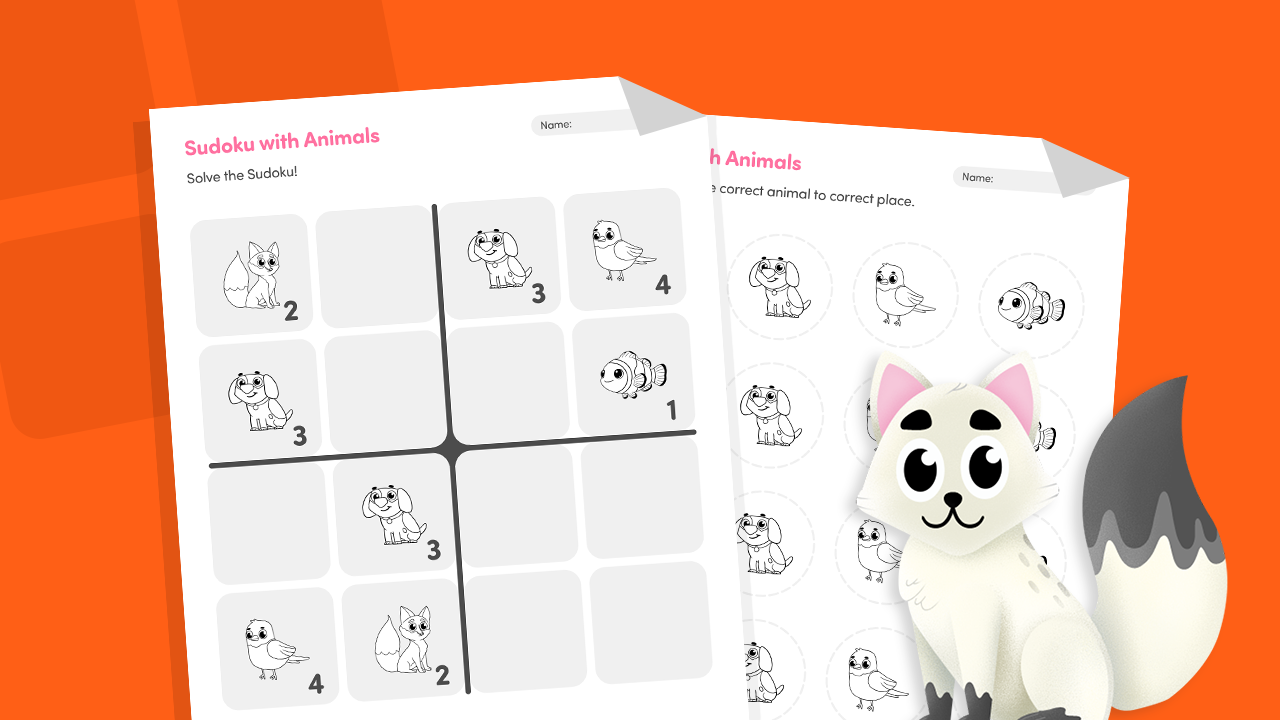
Sudoku 4×4 – Animals (Easy)
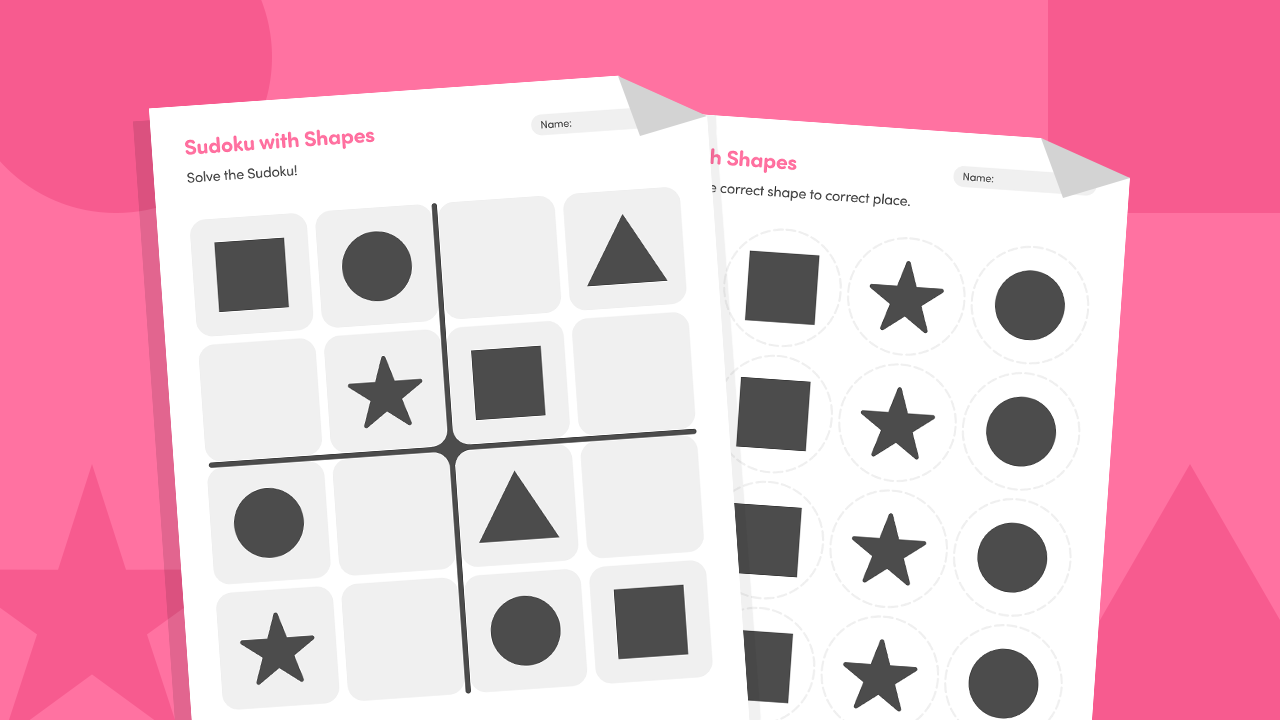
Sudoku 4×4 – Shapes & Colors
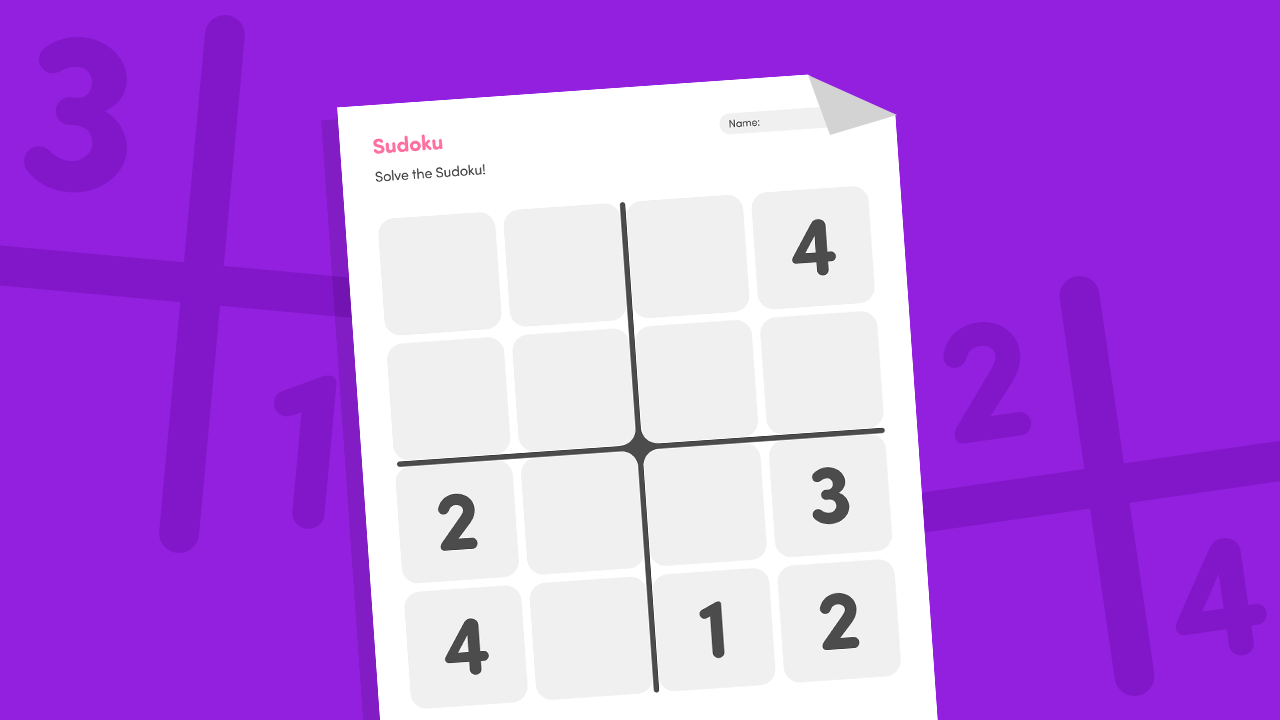
Sudoku 4×4 – Numbers (Easy)
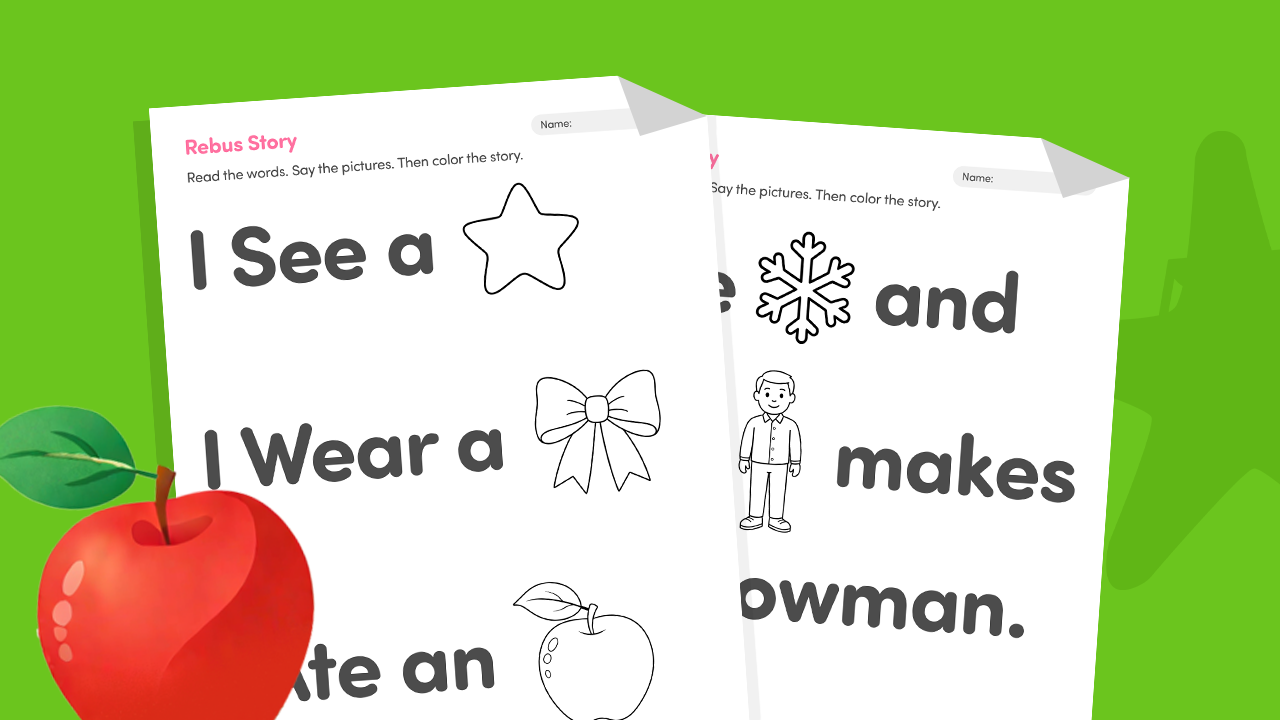
Rebus Reading – Pre-Primer Sight Words
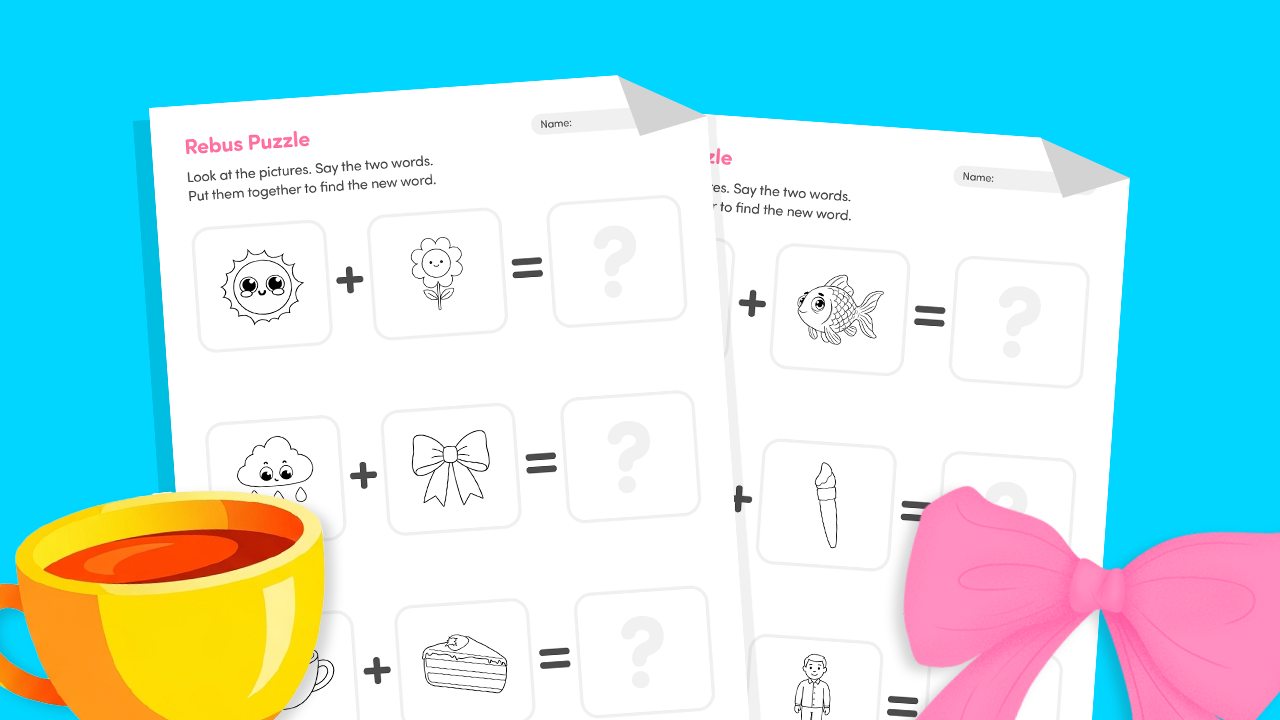
Rebus Puzzles – Simple Words
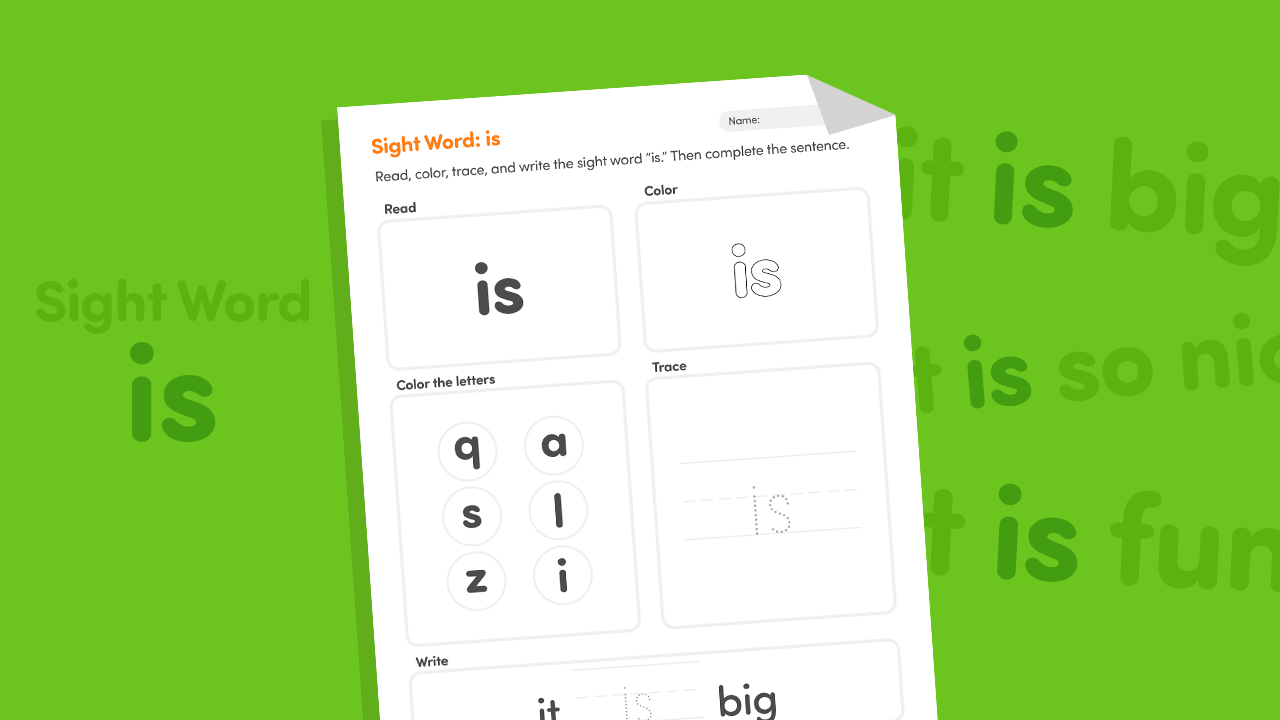
Sight Word “Is” Worksheet
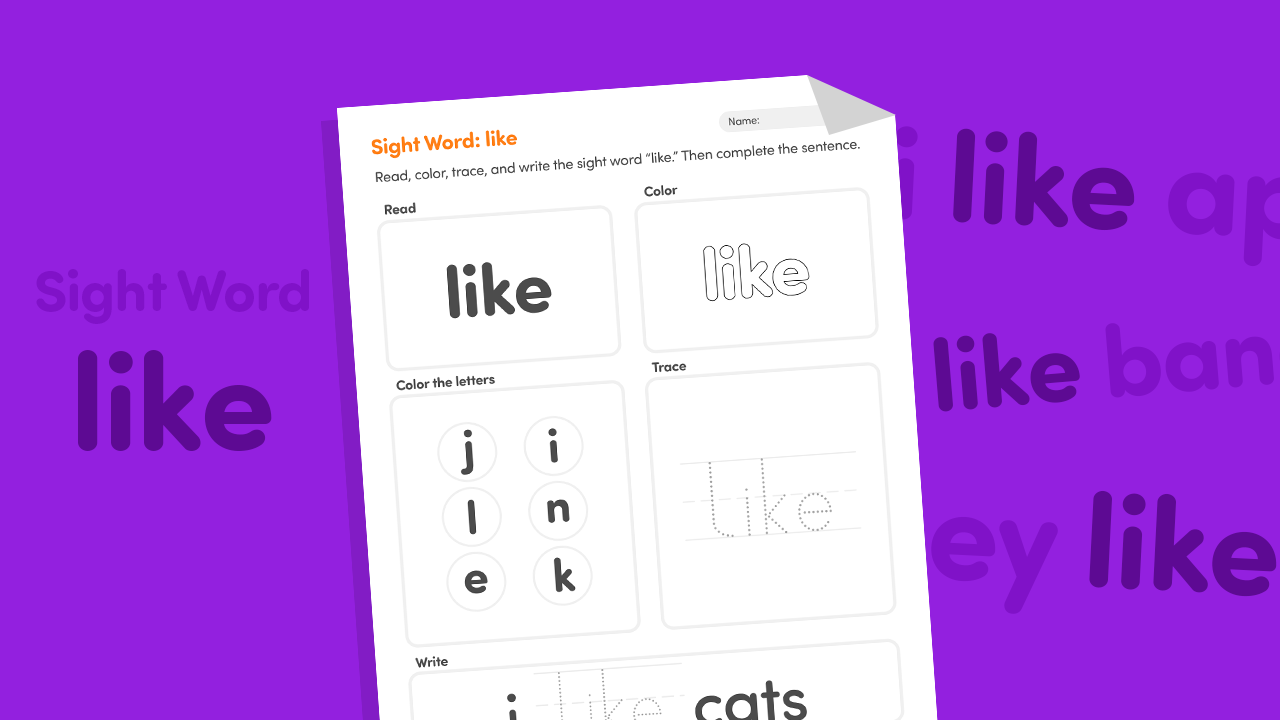
Sight Word “Like” Worksheet
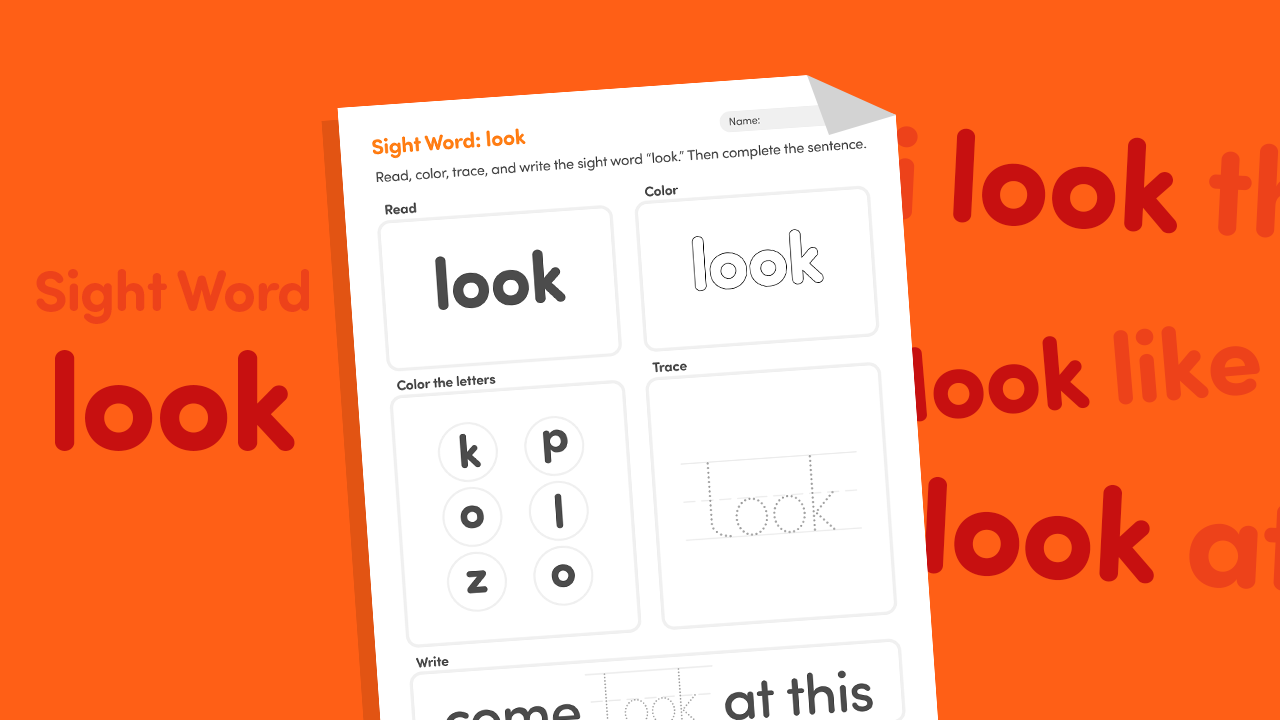
Sight Word “Look” Worksheet
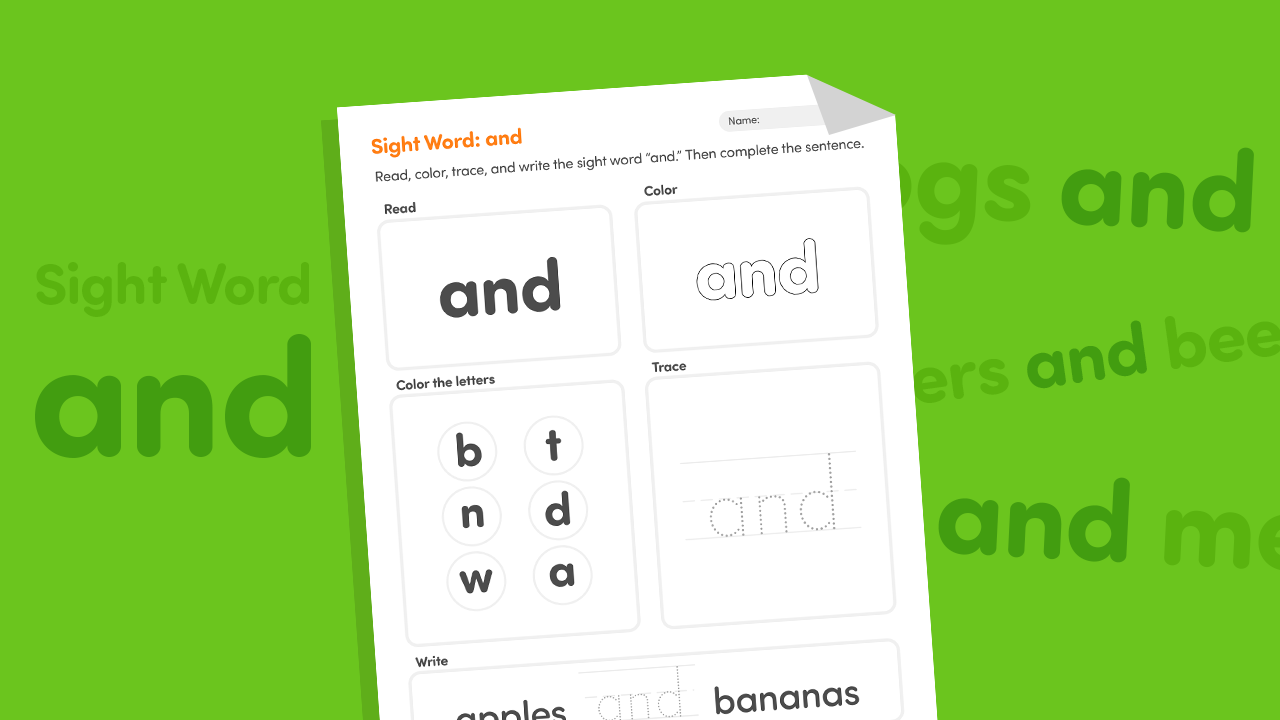
Sight Word “And” Worksheet
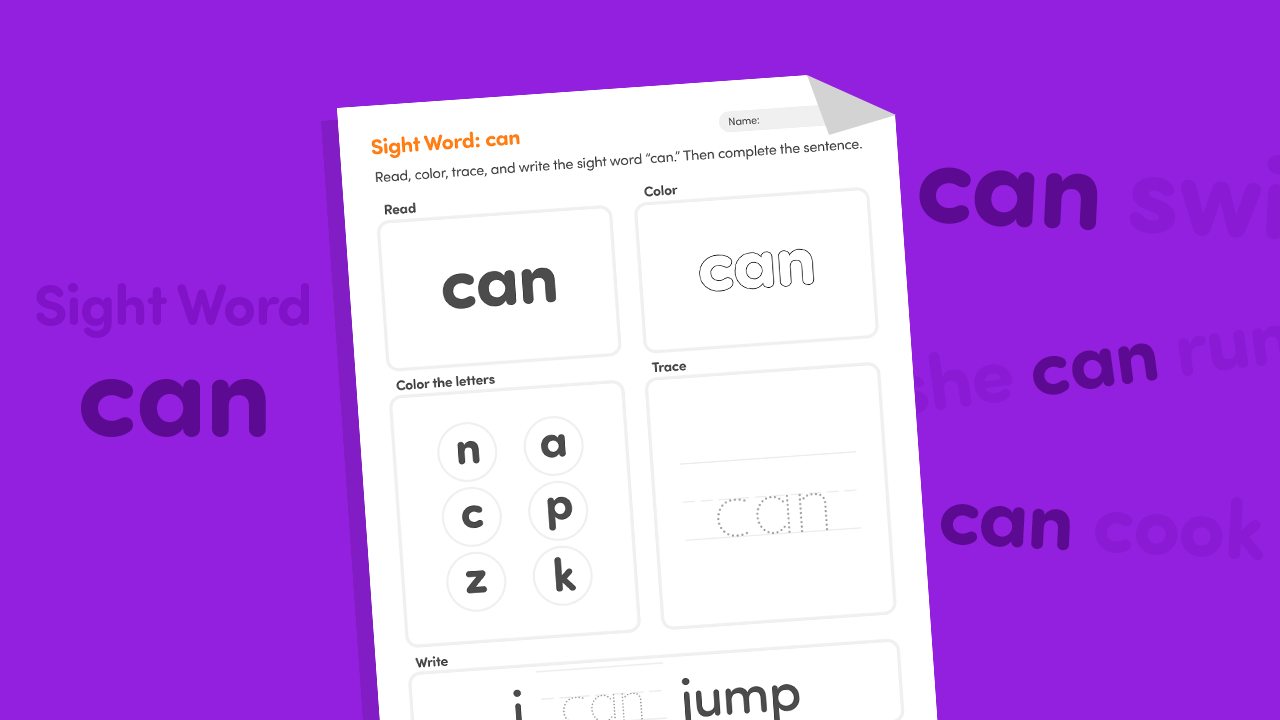
Sight Word “Can” Worksheet
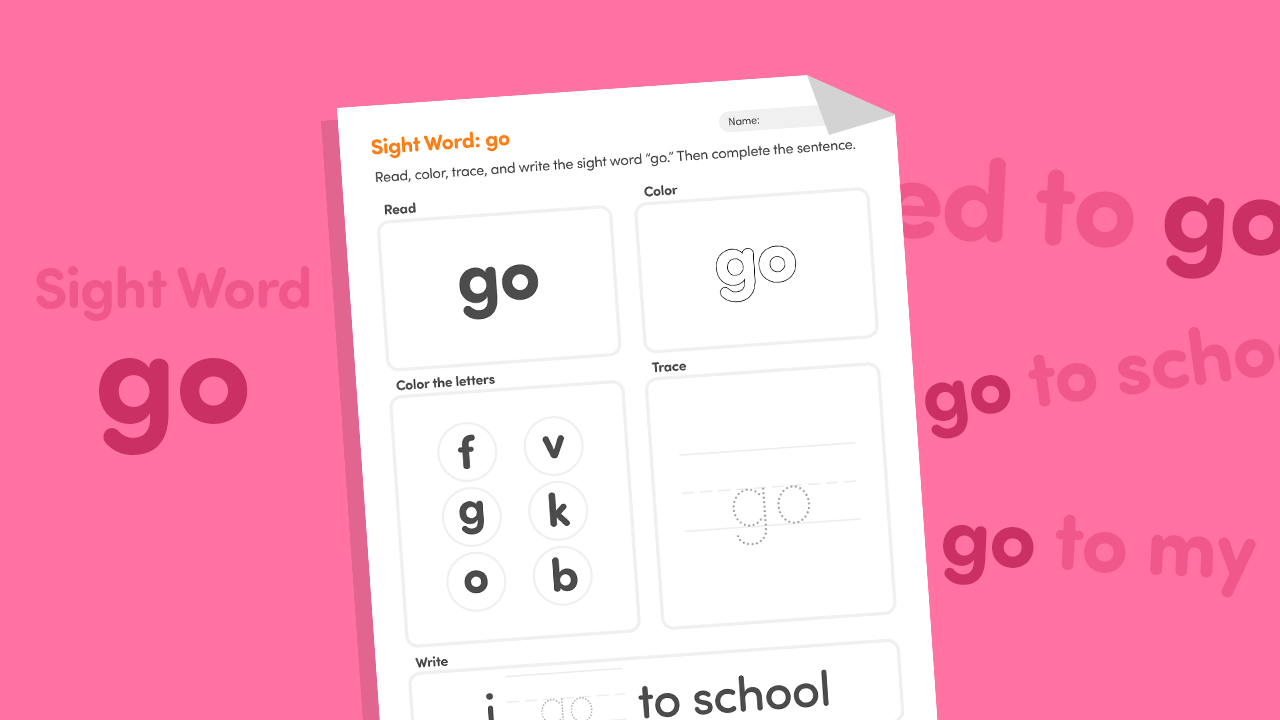
Sight Word “Go” Worksheet
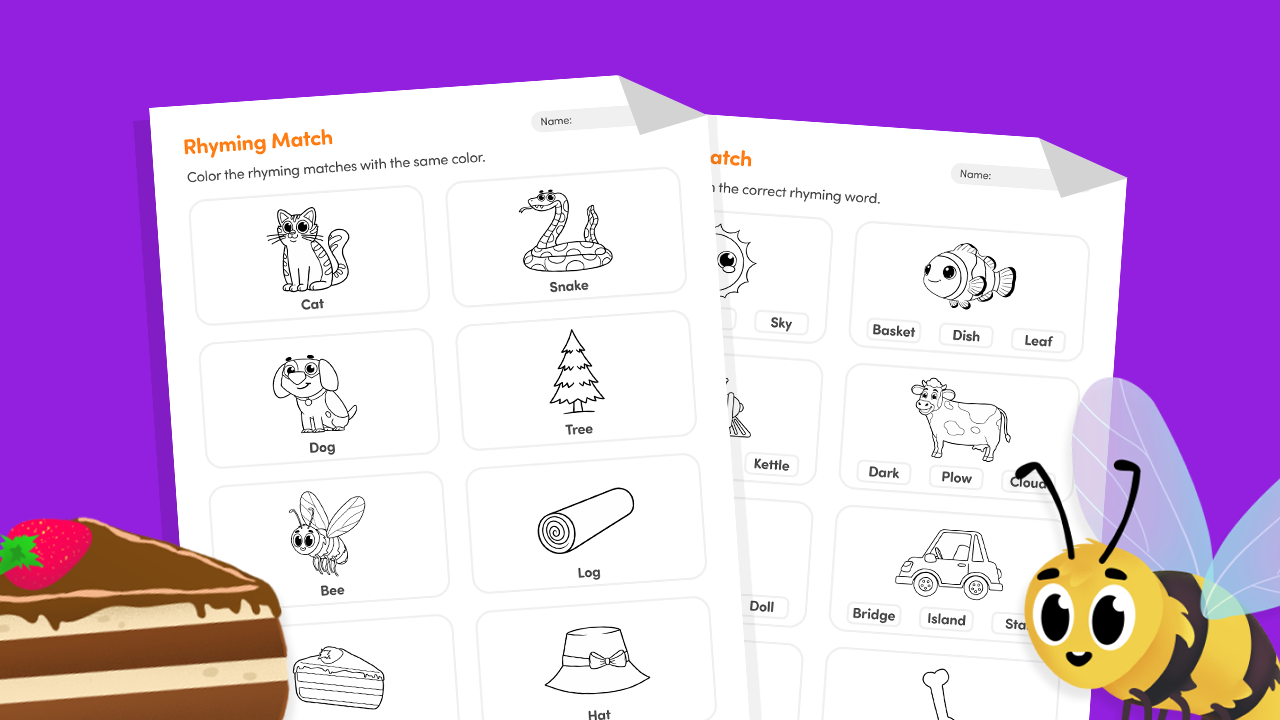
Match the Rhyming Pictures
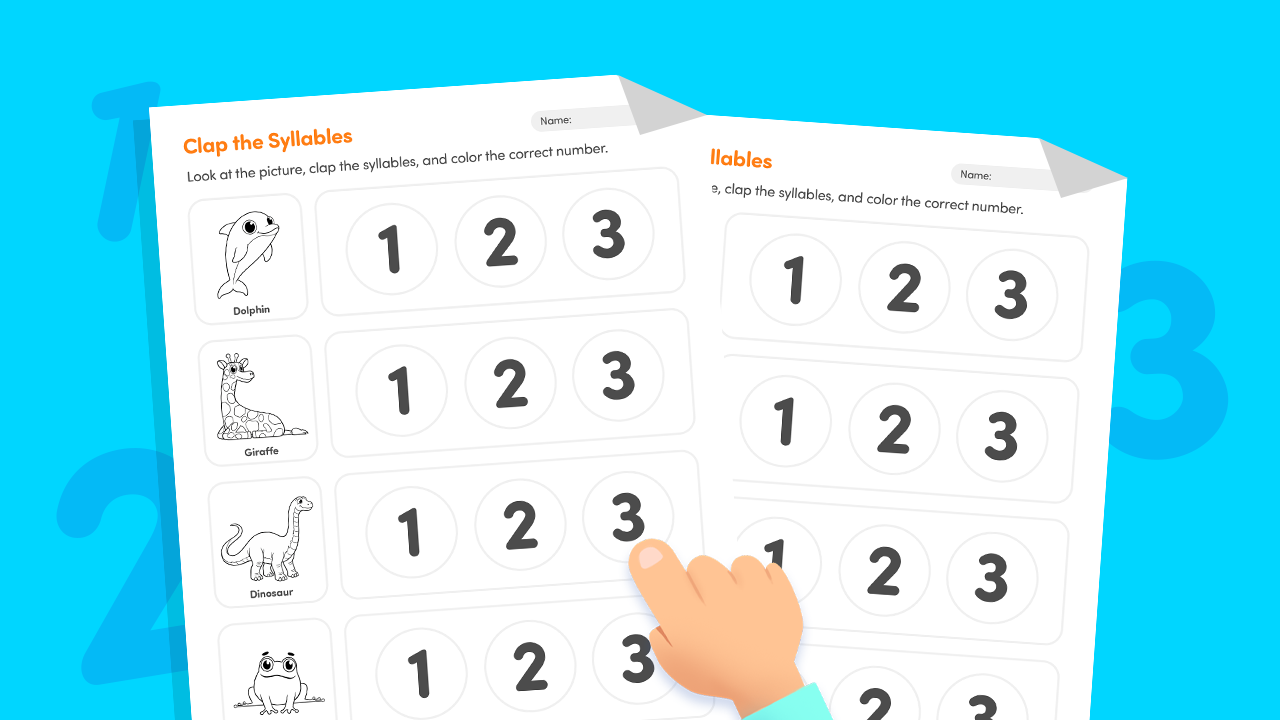
Clap Syllables (1–3) Picture Sort
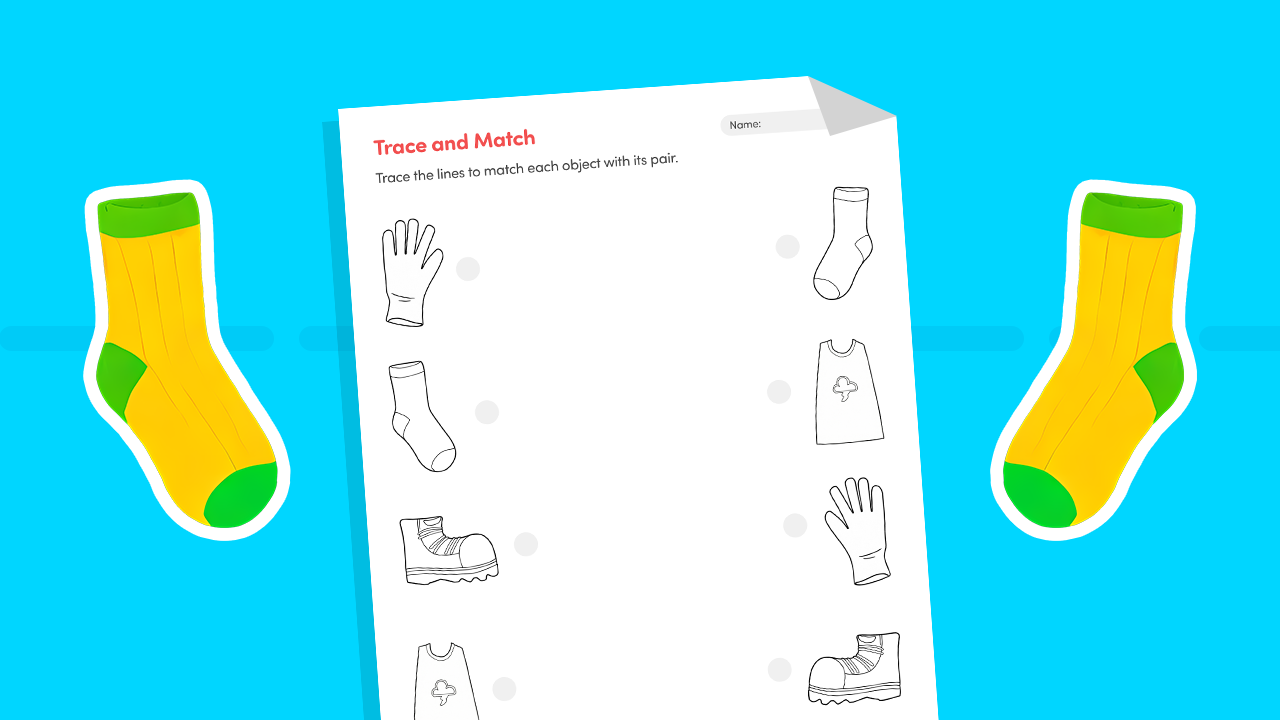
Trace to Connect Pairs 1
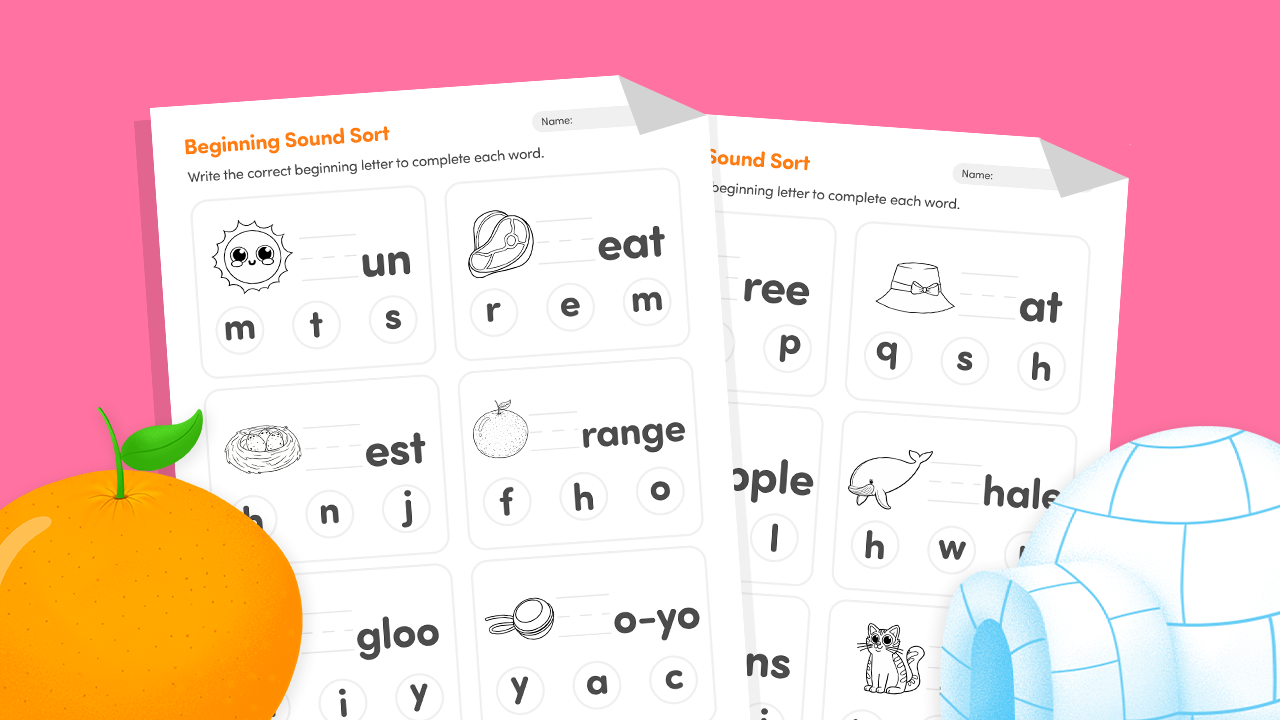
Sort the Beginning Sound (A–Z Mix)
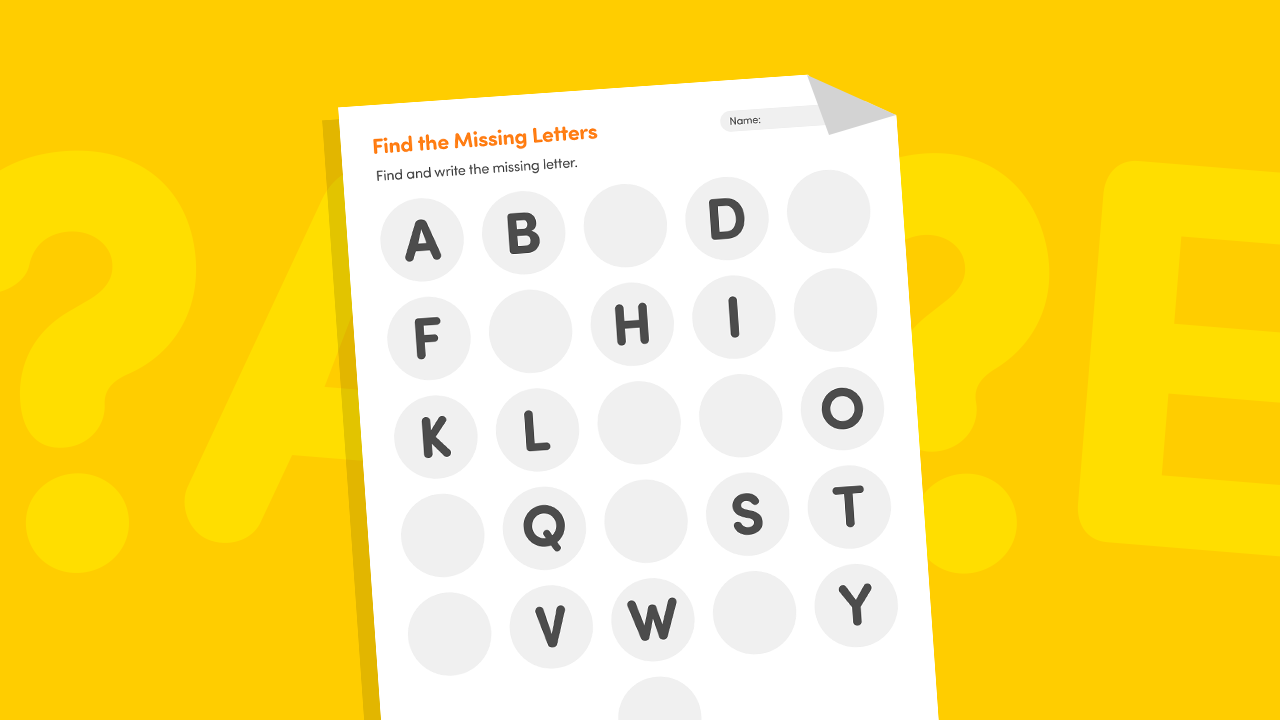
Alphabet Order A–Z | Cut and Paste Strips
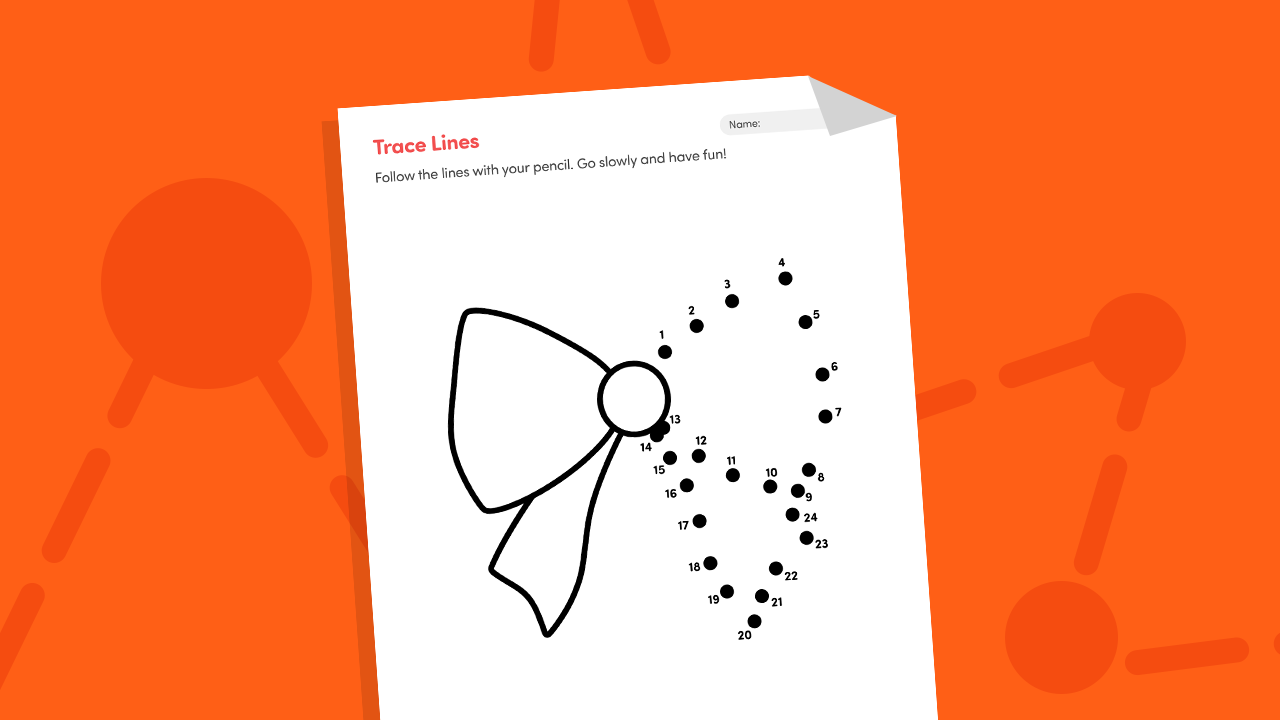
Trace Lines with Sticker Spots
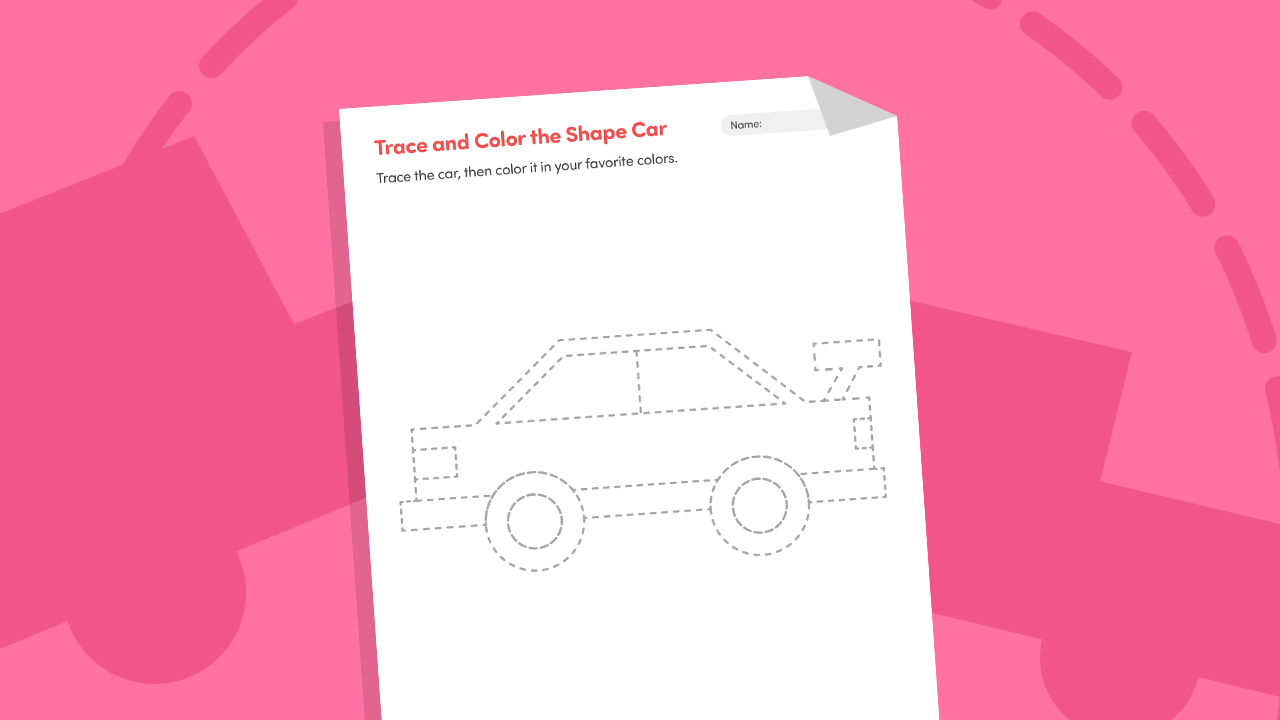
Trace Shapes Inside and Outside Lines
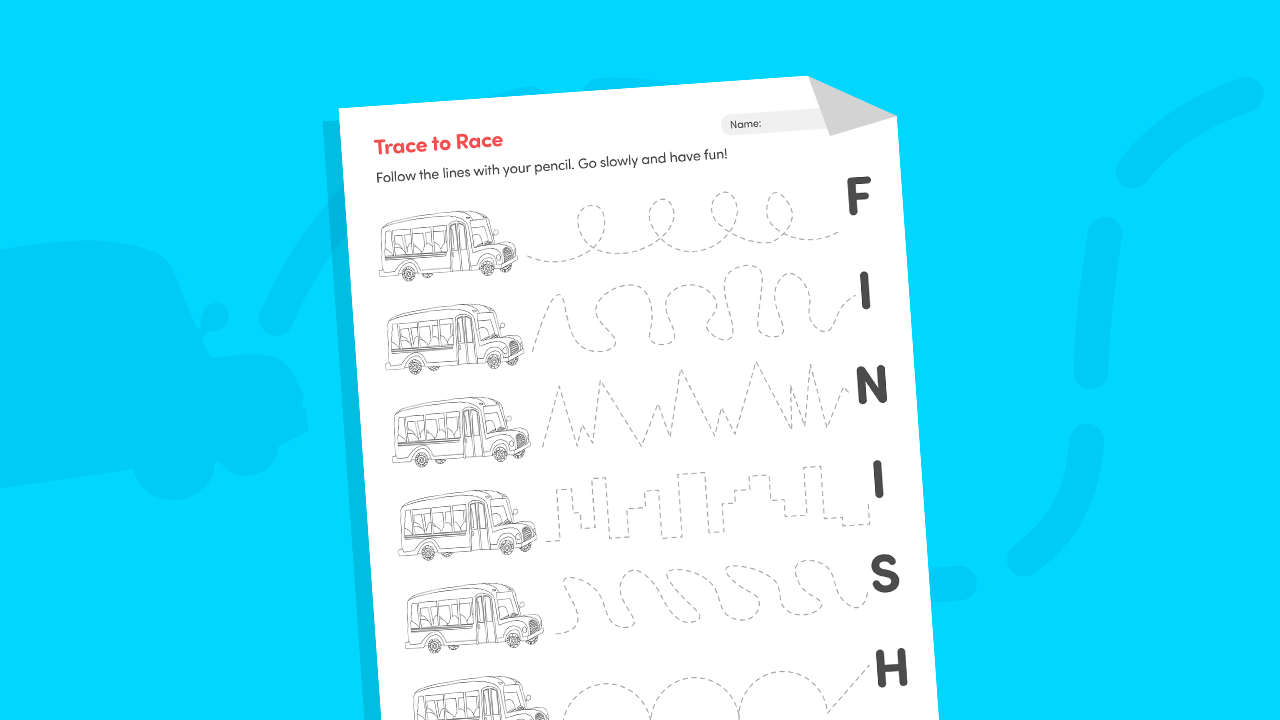
Bridges and Tunnels Tracing
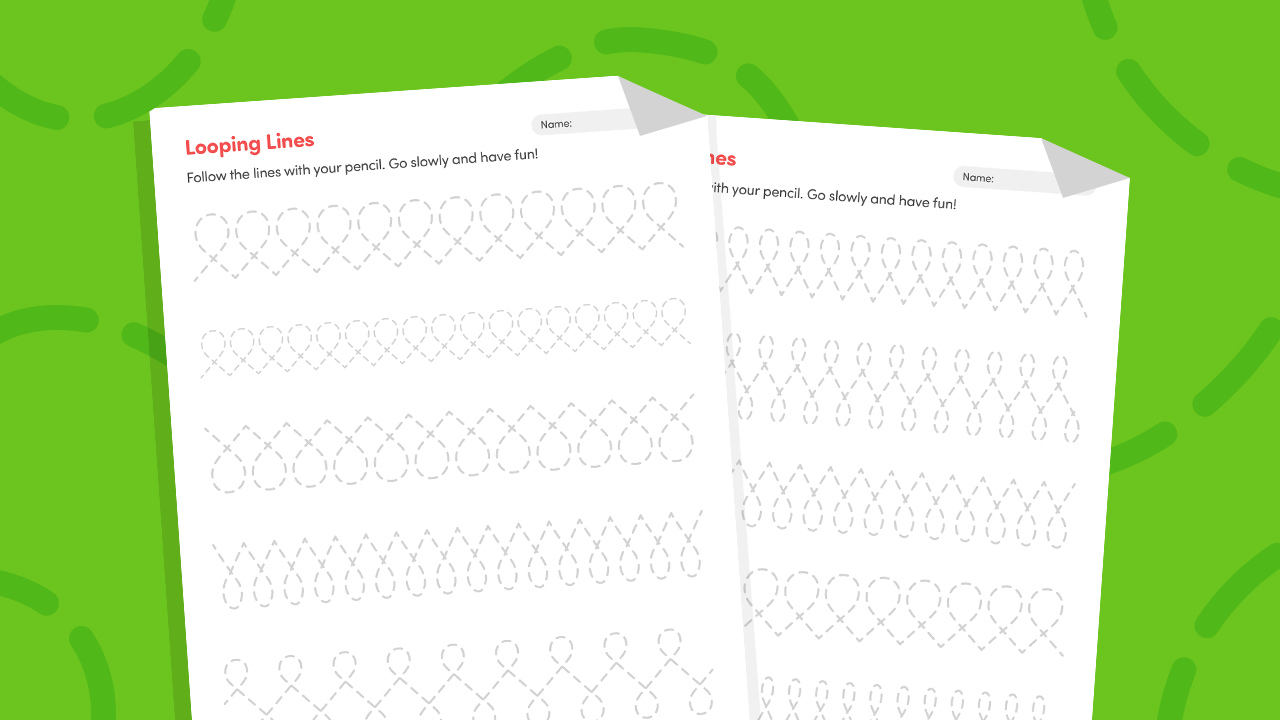
Looping Lines (o-o-o Patterns) Tracing
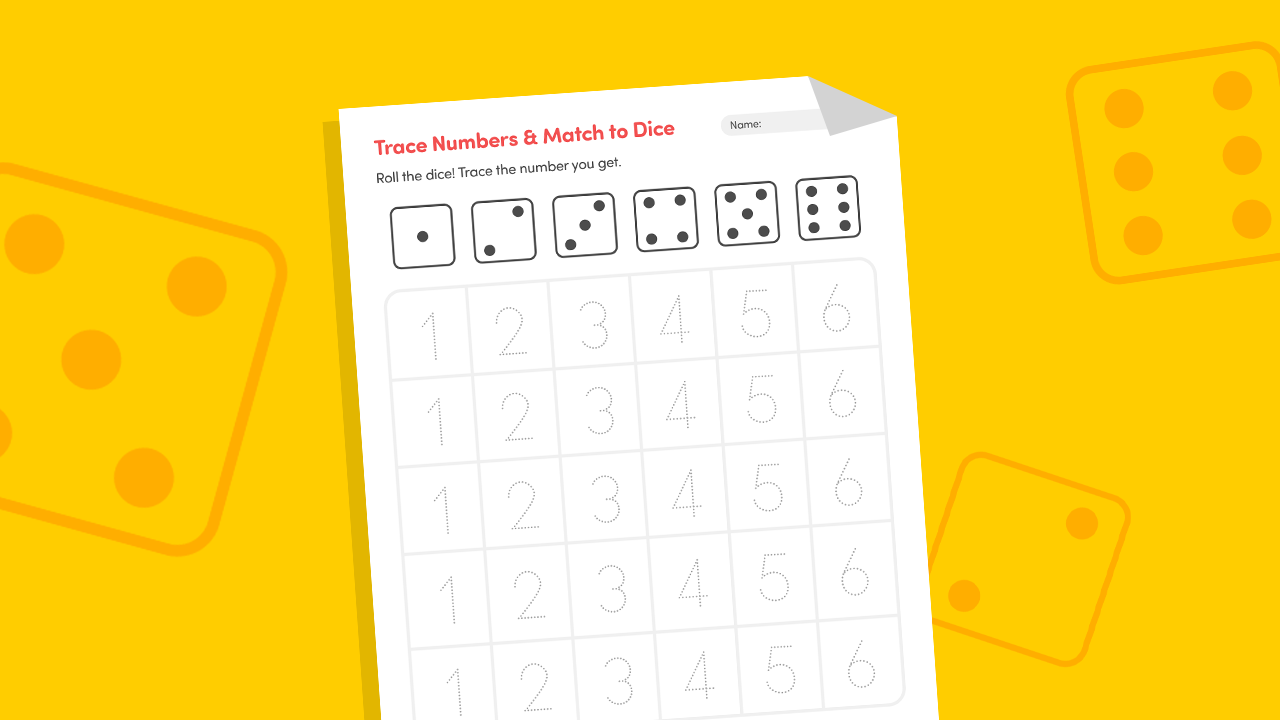
Trace Numbers and Match to Dice
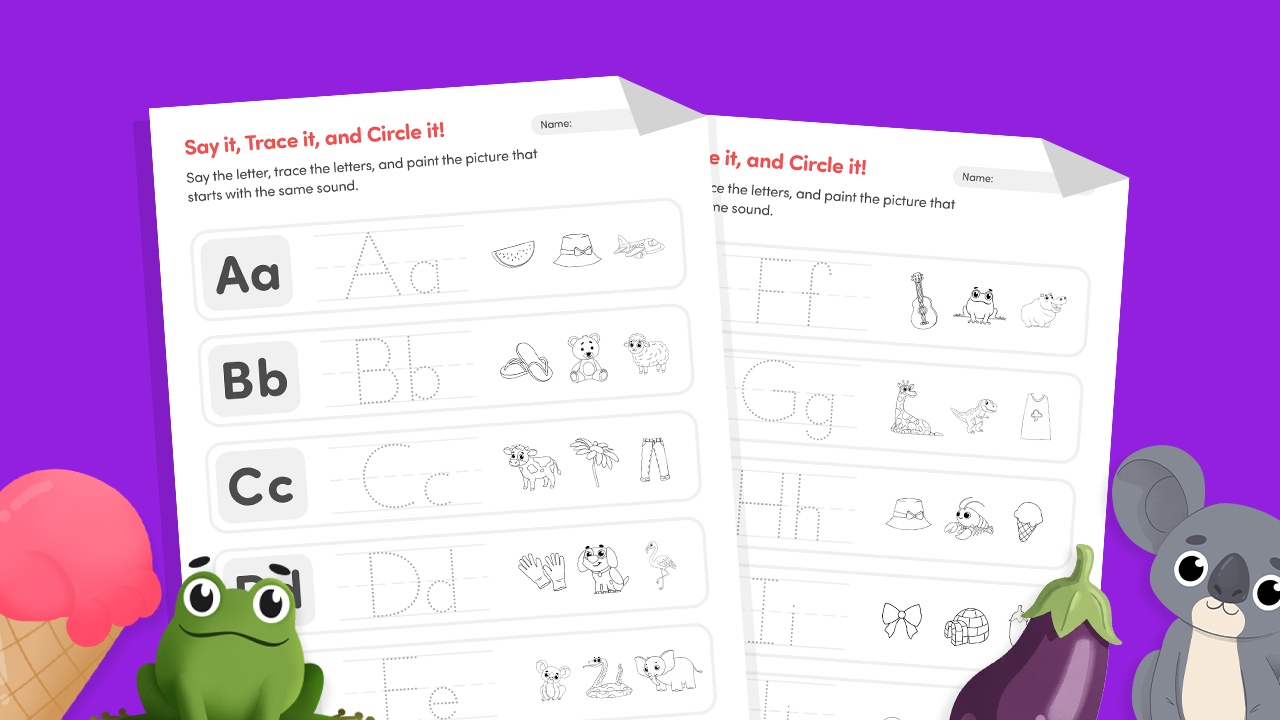
Trace Letters and Match to Pictures
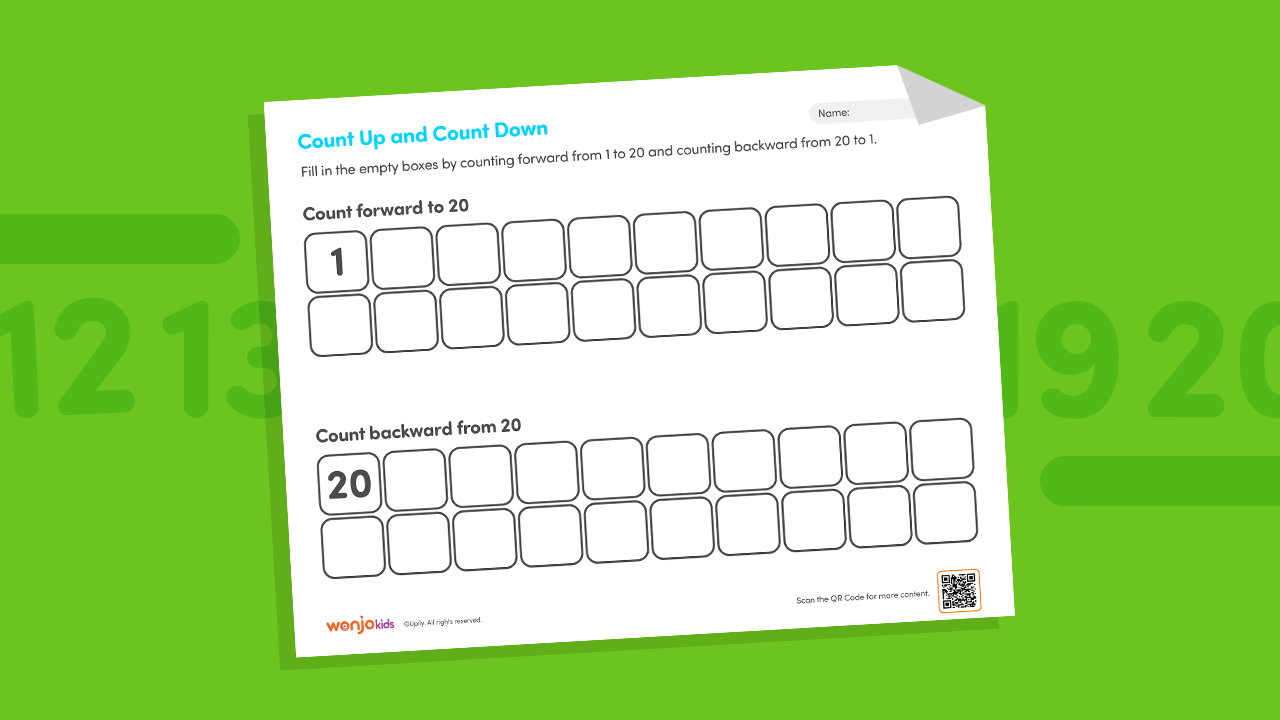
Counting Forward and Backward 0–20
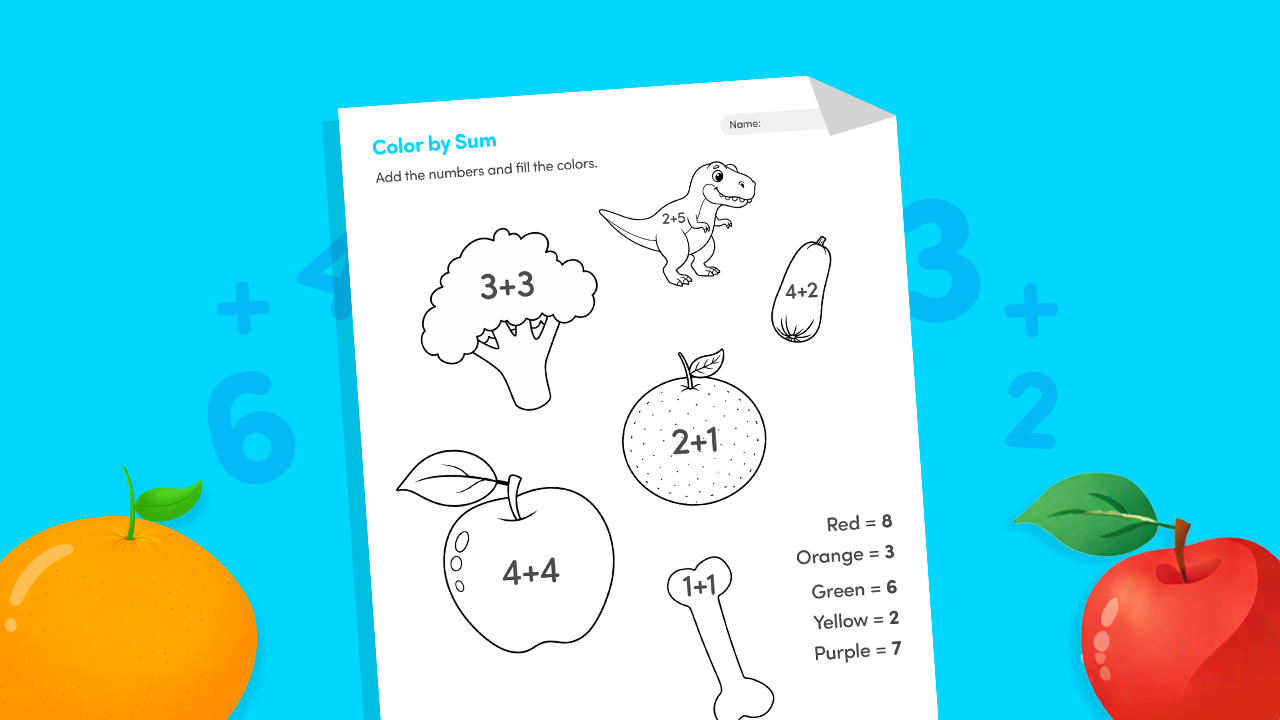
Color by Sum (numbers 1–10)
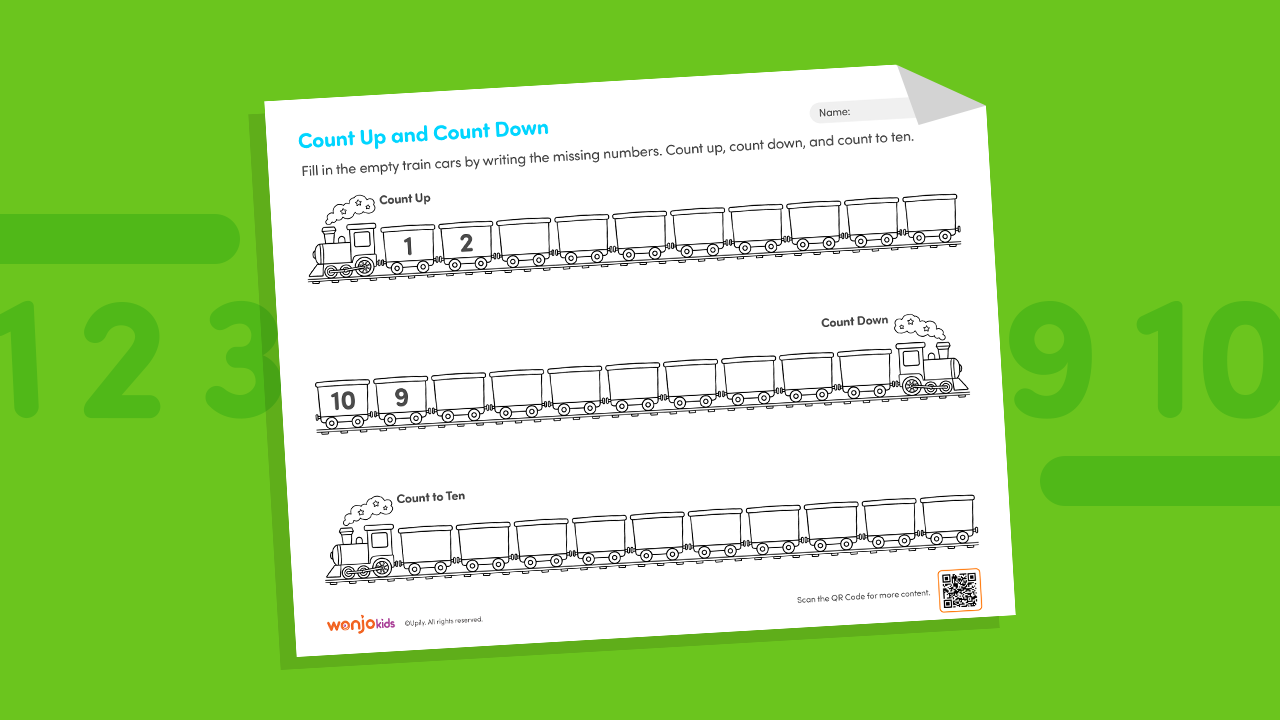
Forward and Backward Counting 0–10
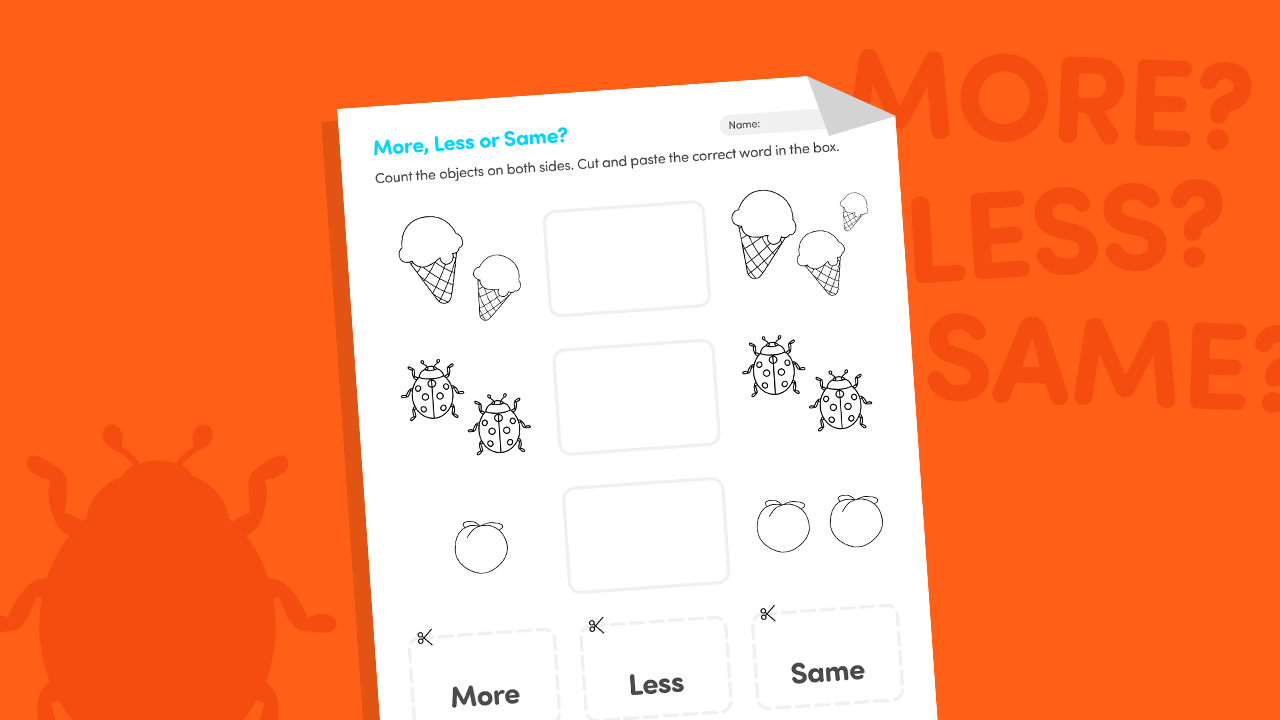
More, Less, or Same? Picture Sets
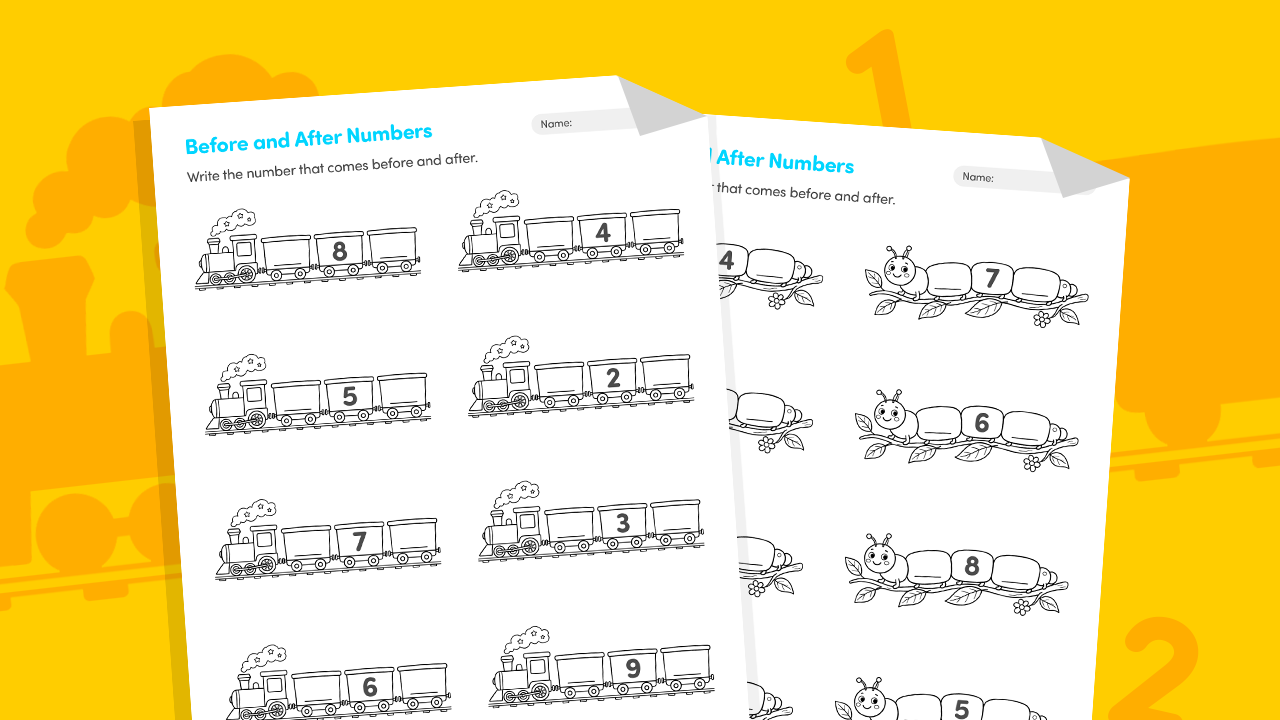
Before, After, and Between Numbers 0–10
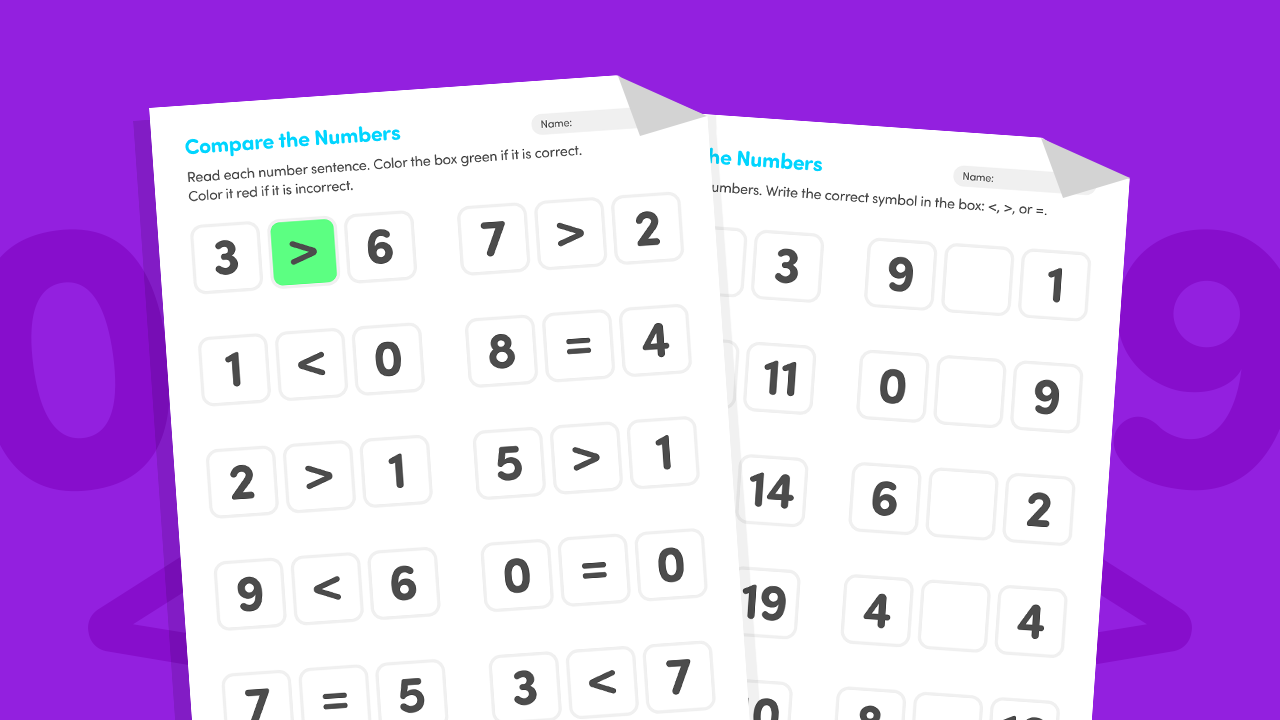
Compare Numbers 0–20
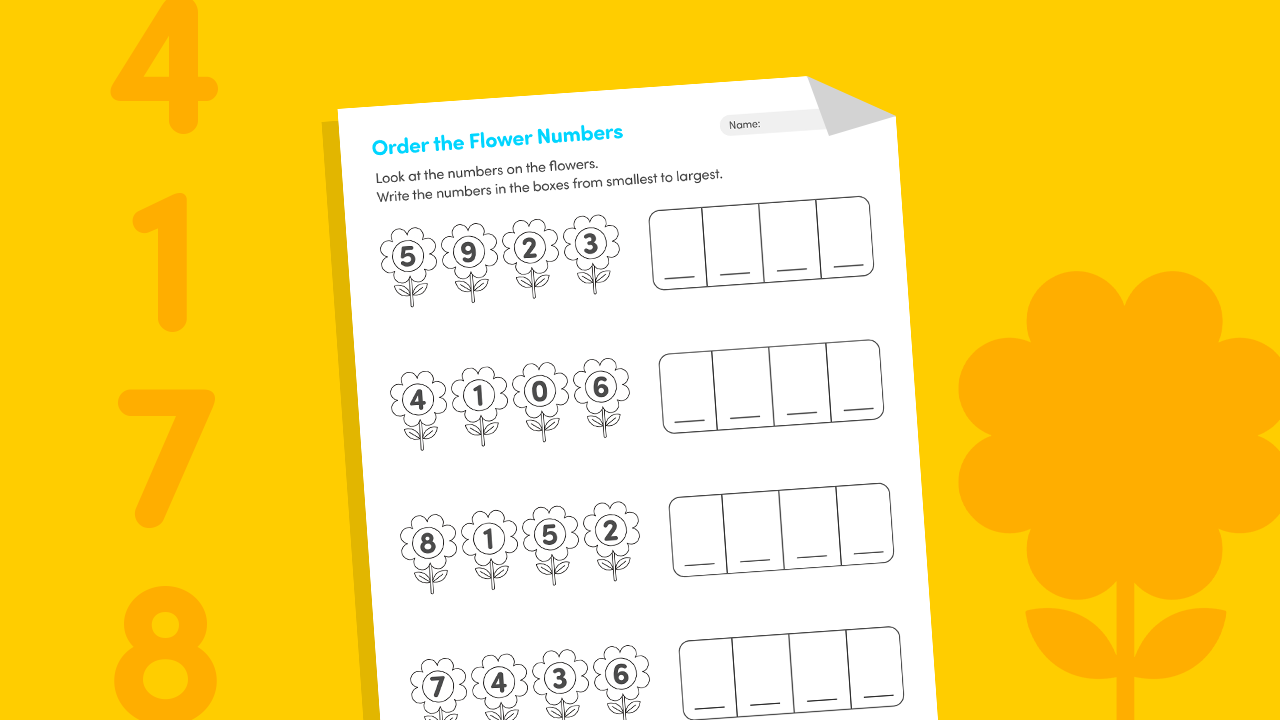
Find and Fix the Counting Sequence
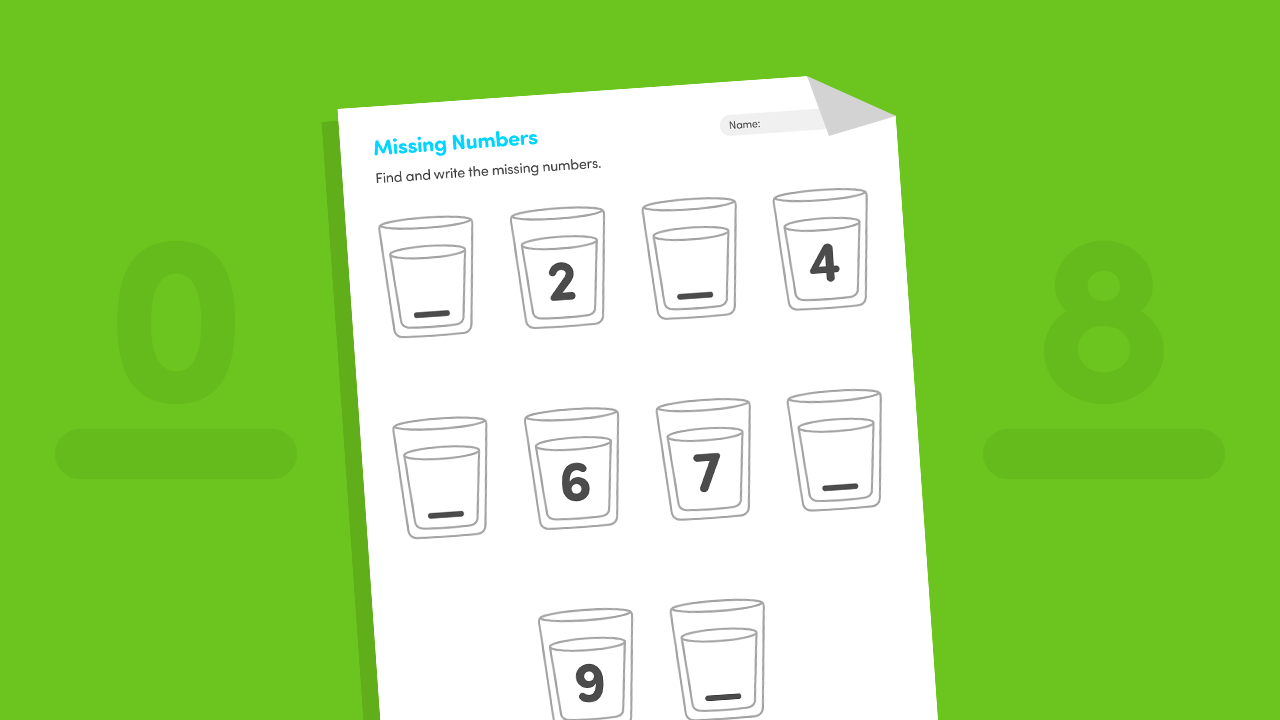
Missing Numbers 0–10 Fill-the-Blank Worksheet
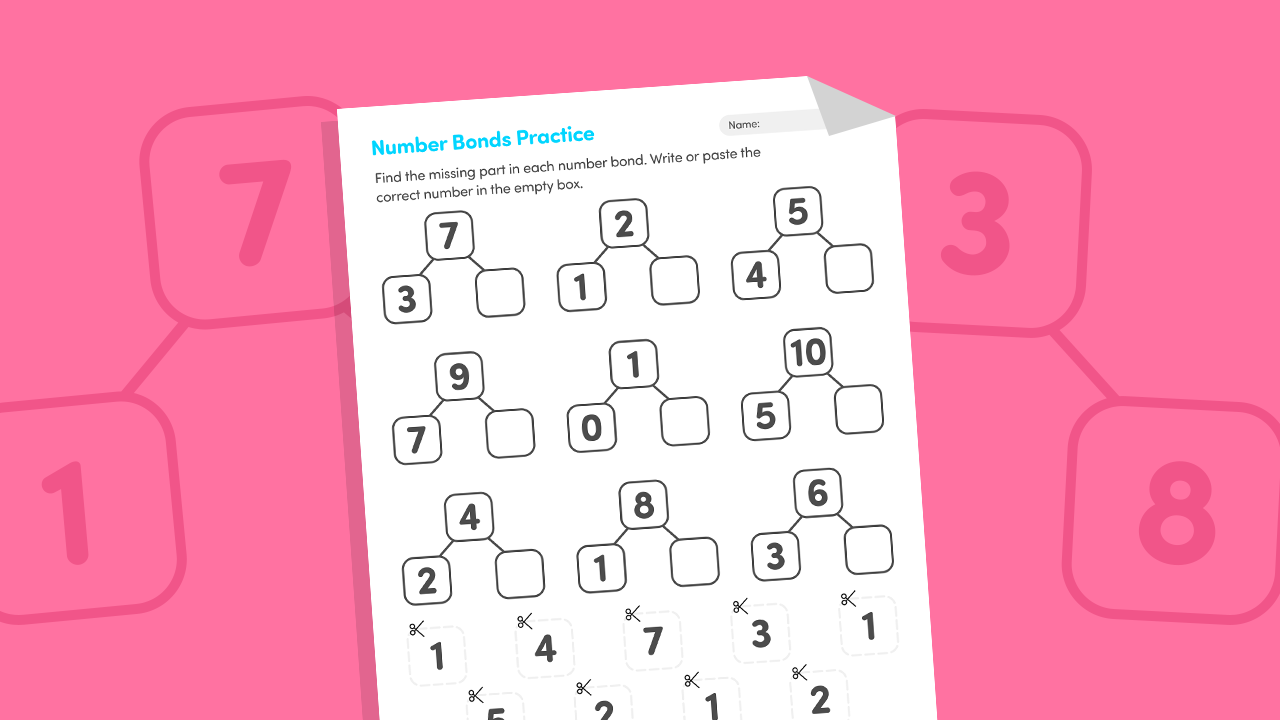
Number Bonds to 10 (Part-Part-Whole) Worksheet
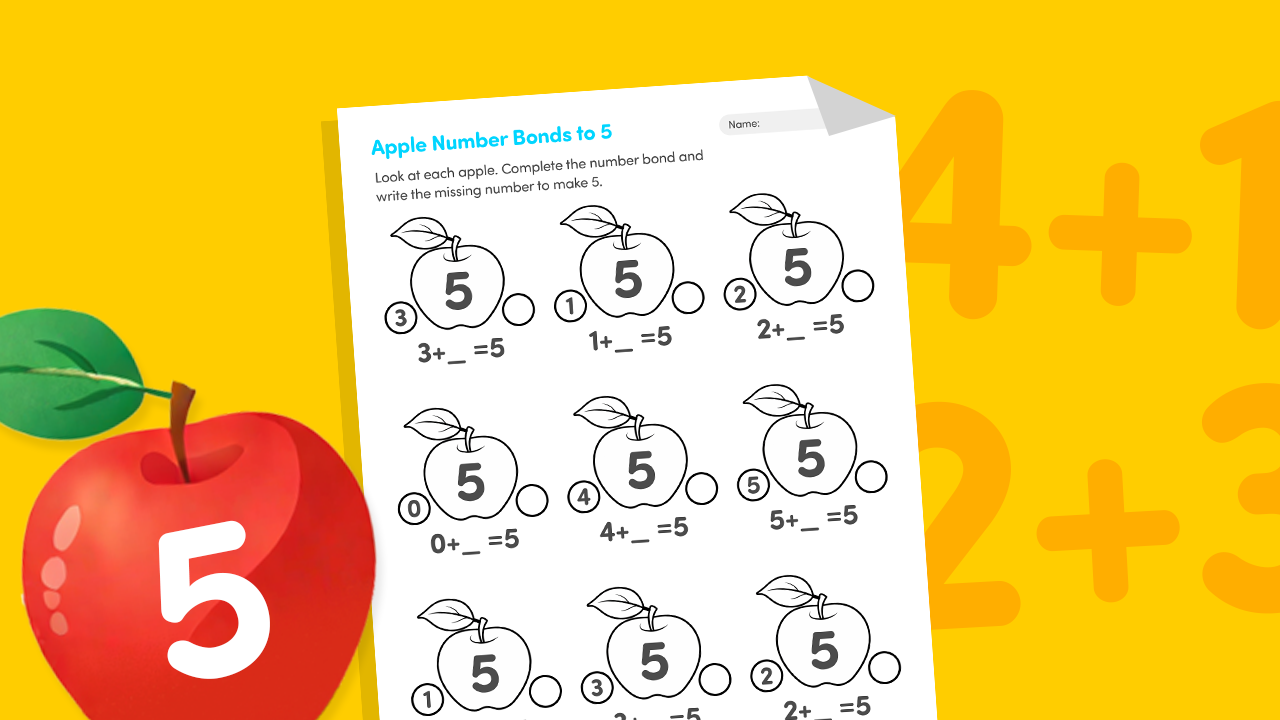
Number Bonds to 5 (Part-Part-Whole)
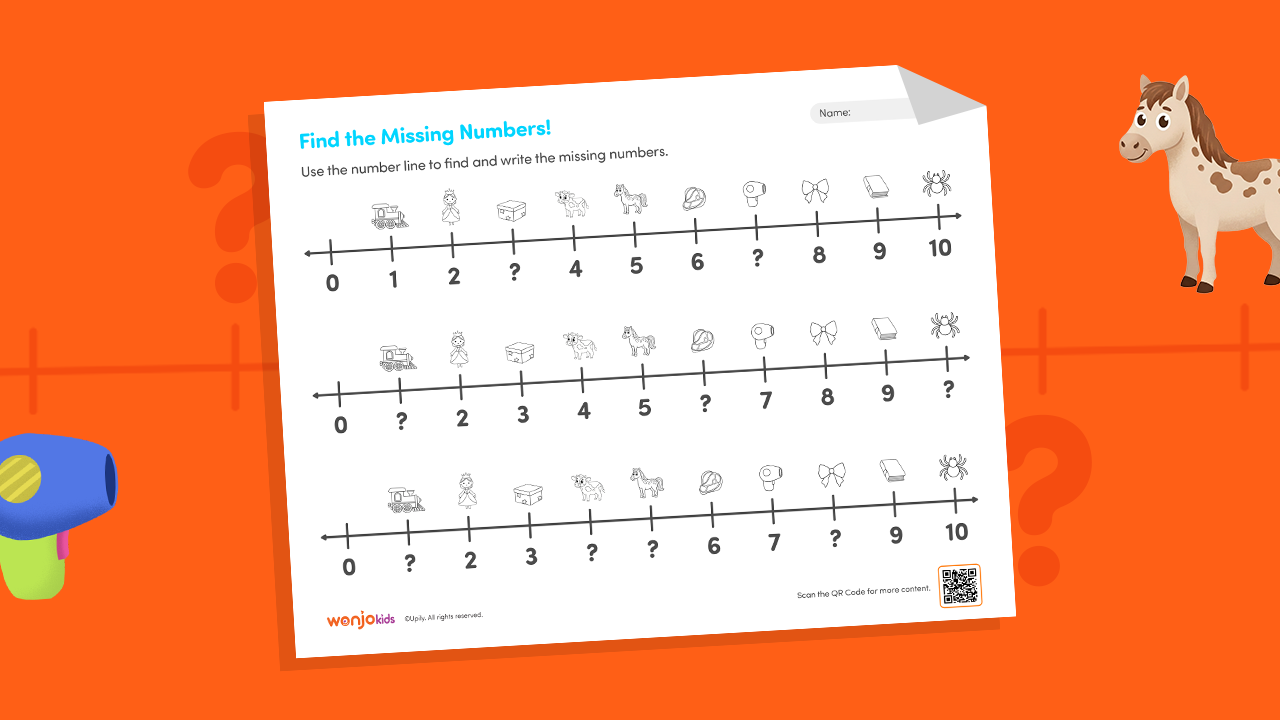
Count On Using a Number Line 0–10
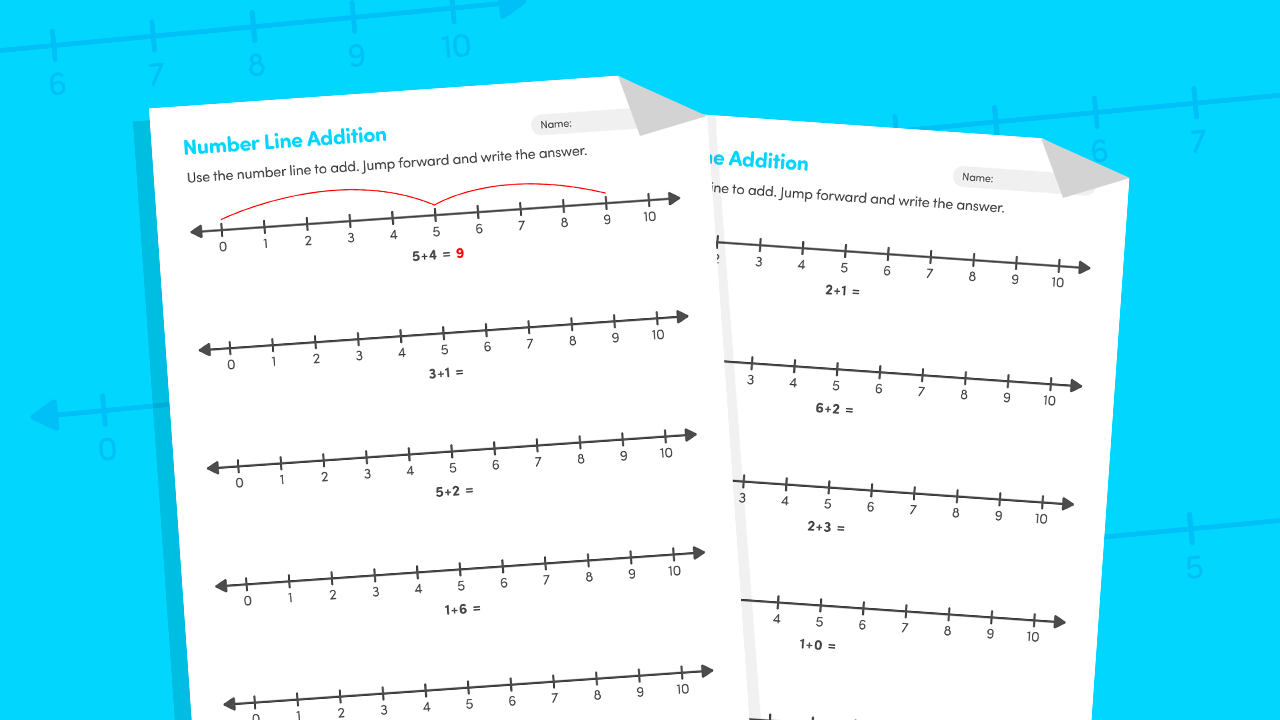
Number Line Addition 0–10
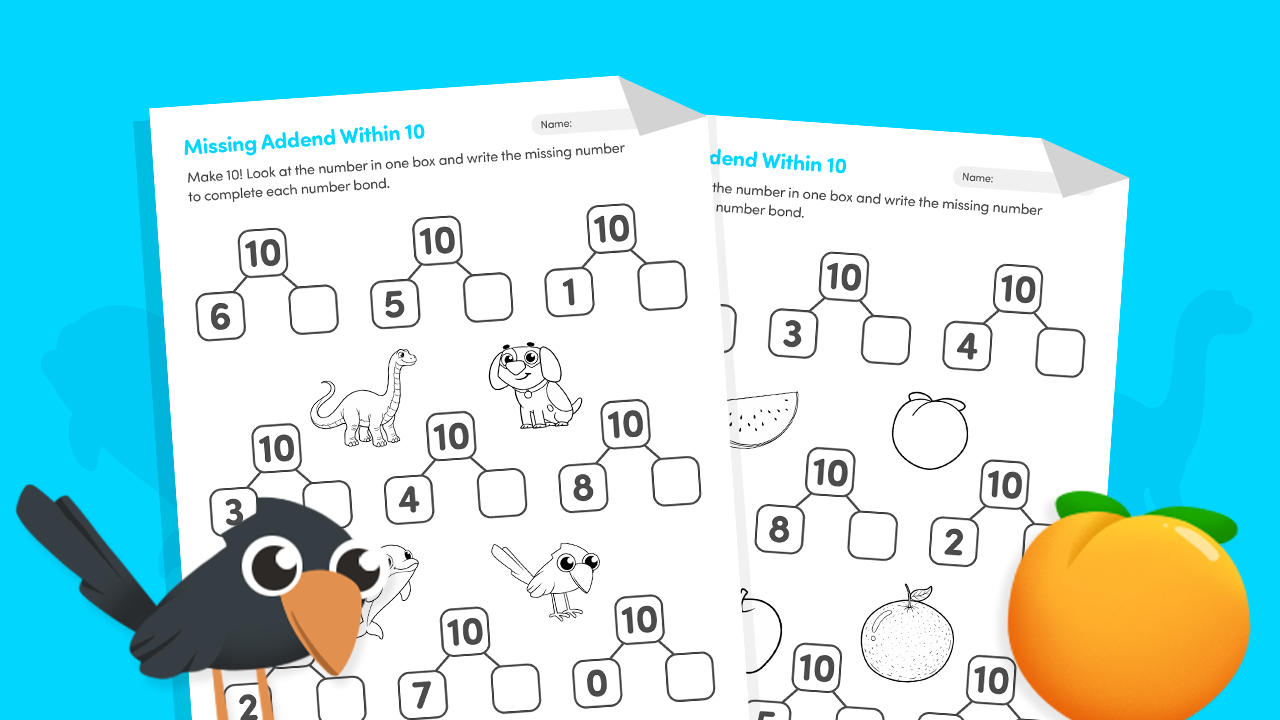
Find the Missing Addend Within 10 Boxes
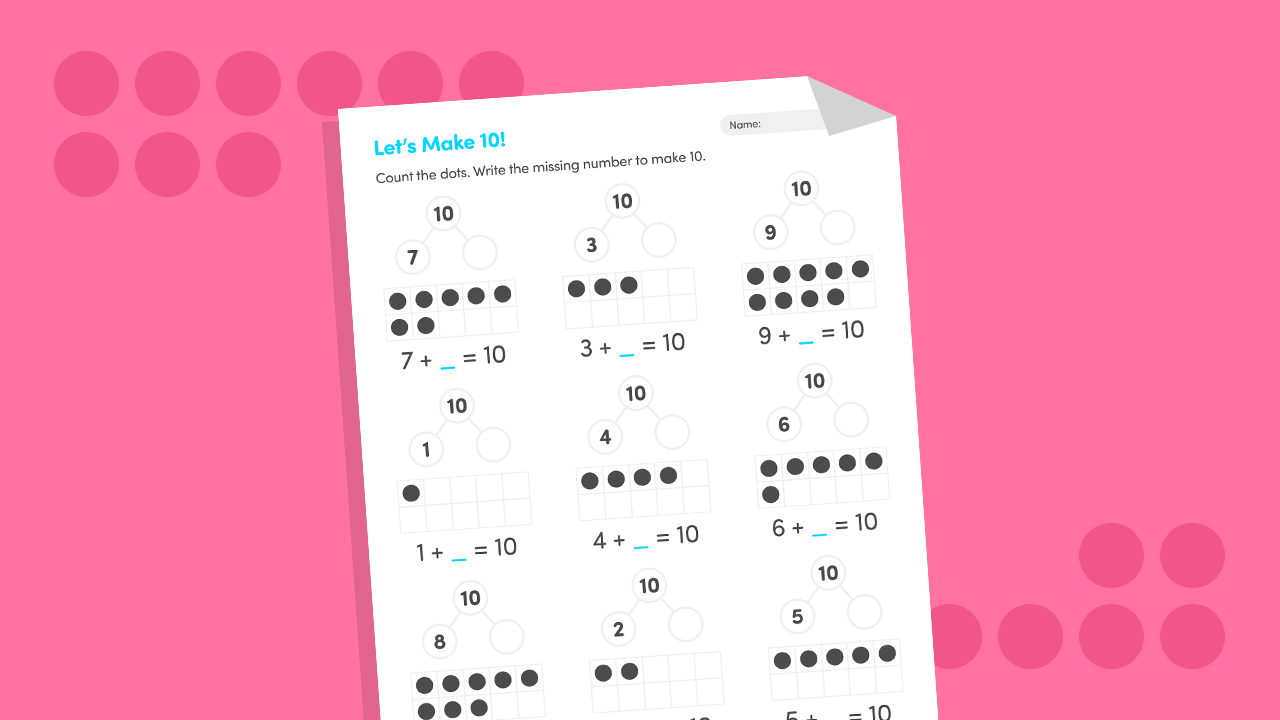
Make 10 Combinations with Ten Frames
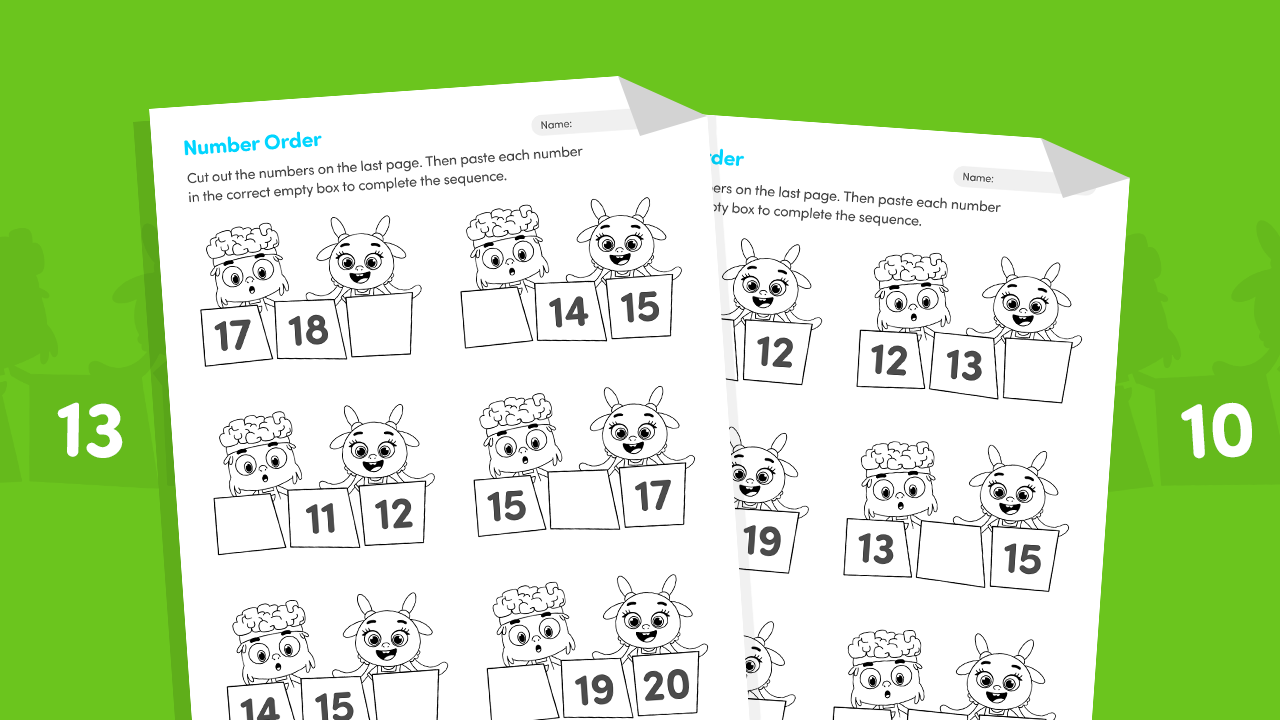
Number Order 10–20 (Cut and Paste)
Picture Addition Within 5 (Count and Add)
Skip Counting by 5s
Skip Counting by 10s
Missing Numbers 0–20 (Mixed)
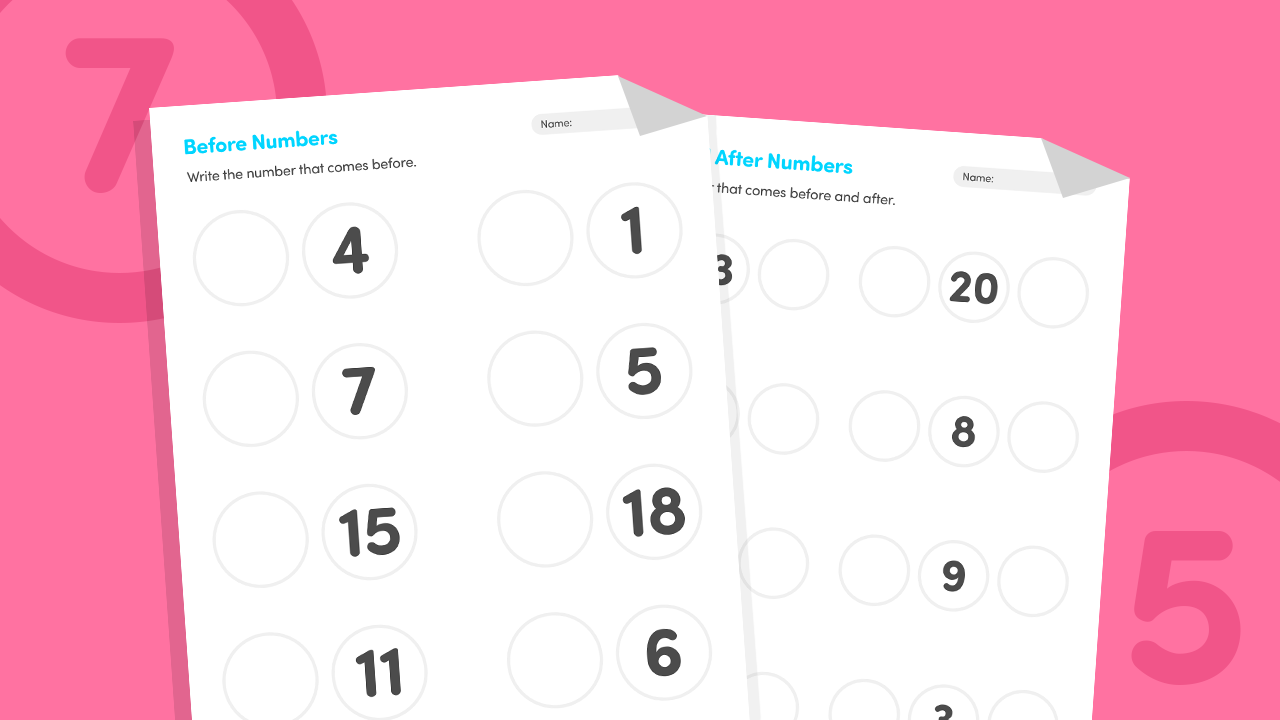
Before, After, and Between Numbers (0–20)
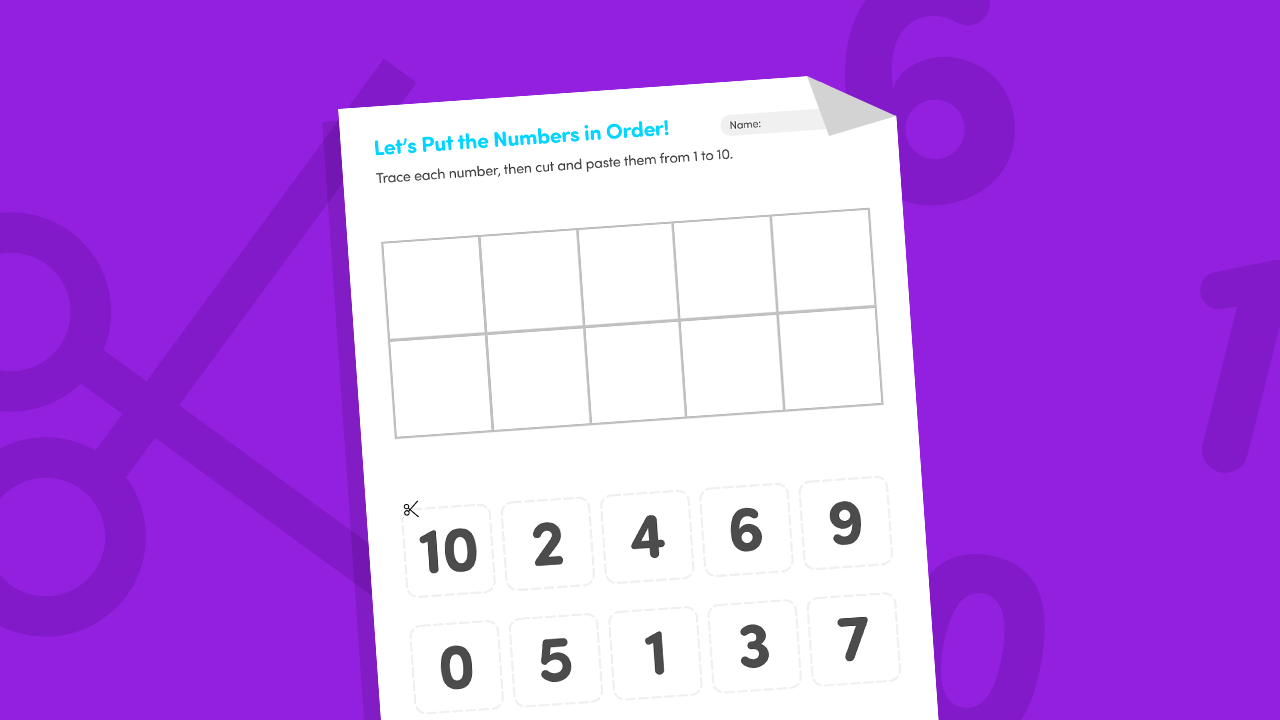
Order Numbers 0–10 (Smallest to Largest)
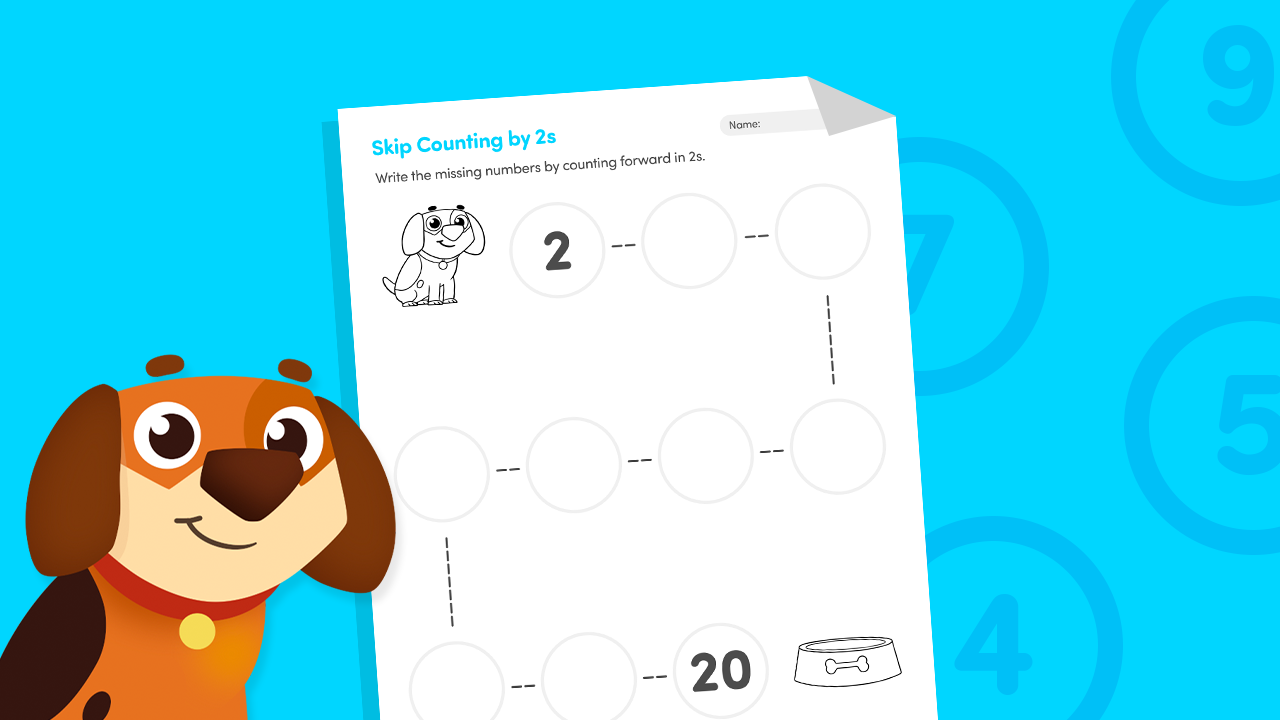
Skip Counting by 2s
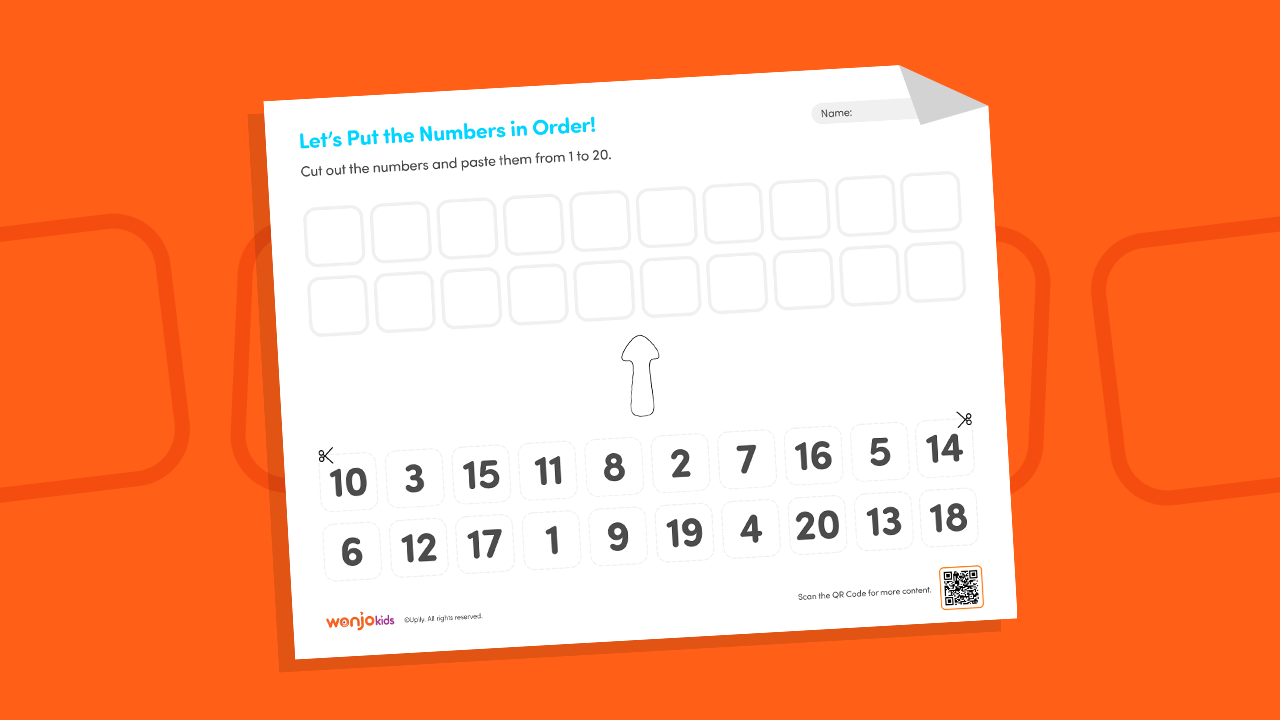
Order Numbers 0–20 (Smallest to Largest)
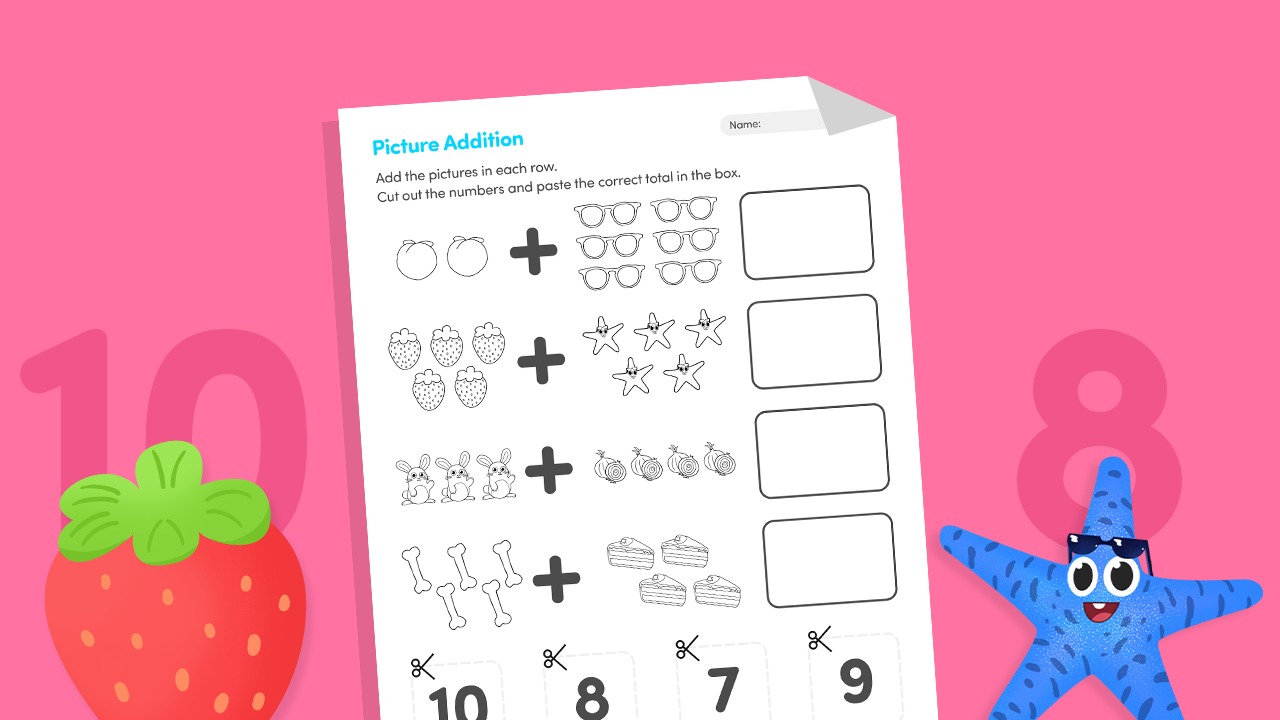
Picture Addition (0-10)
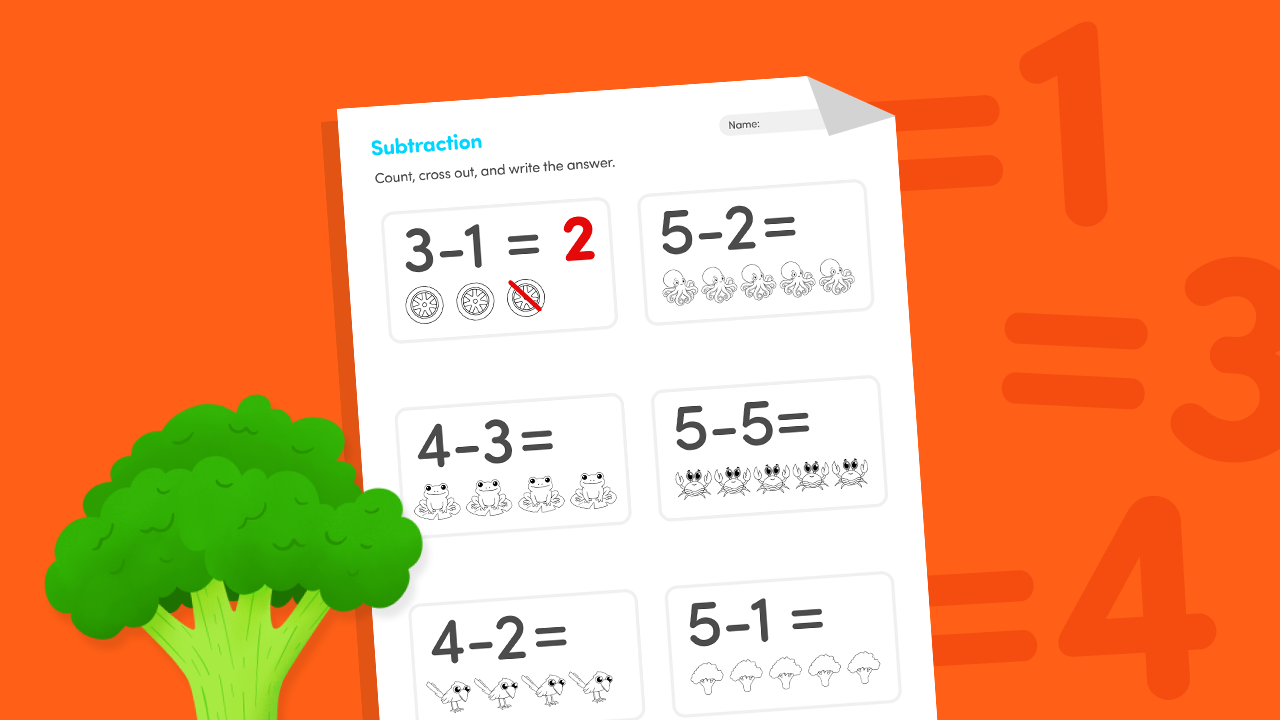
Subtraction with Pictures (0-5)
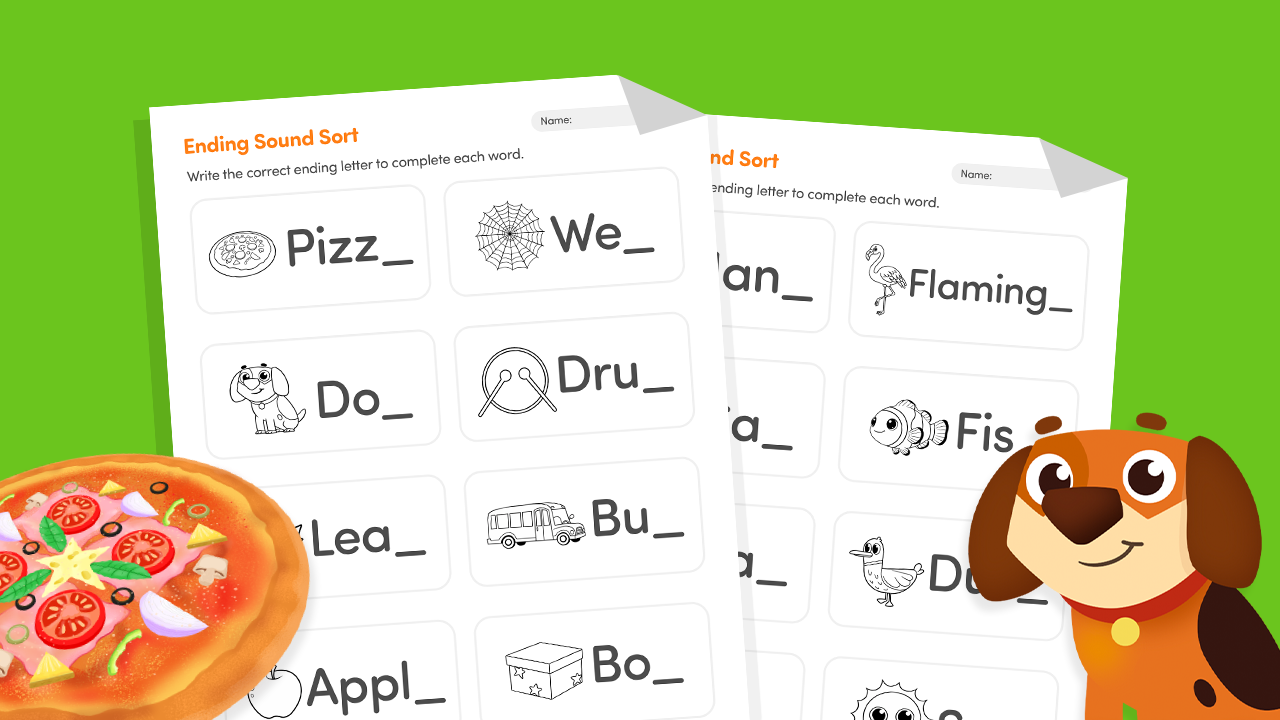
Sort the Ending Sounds (Consonants)
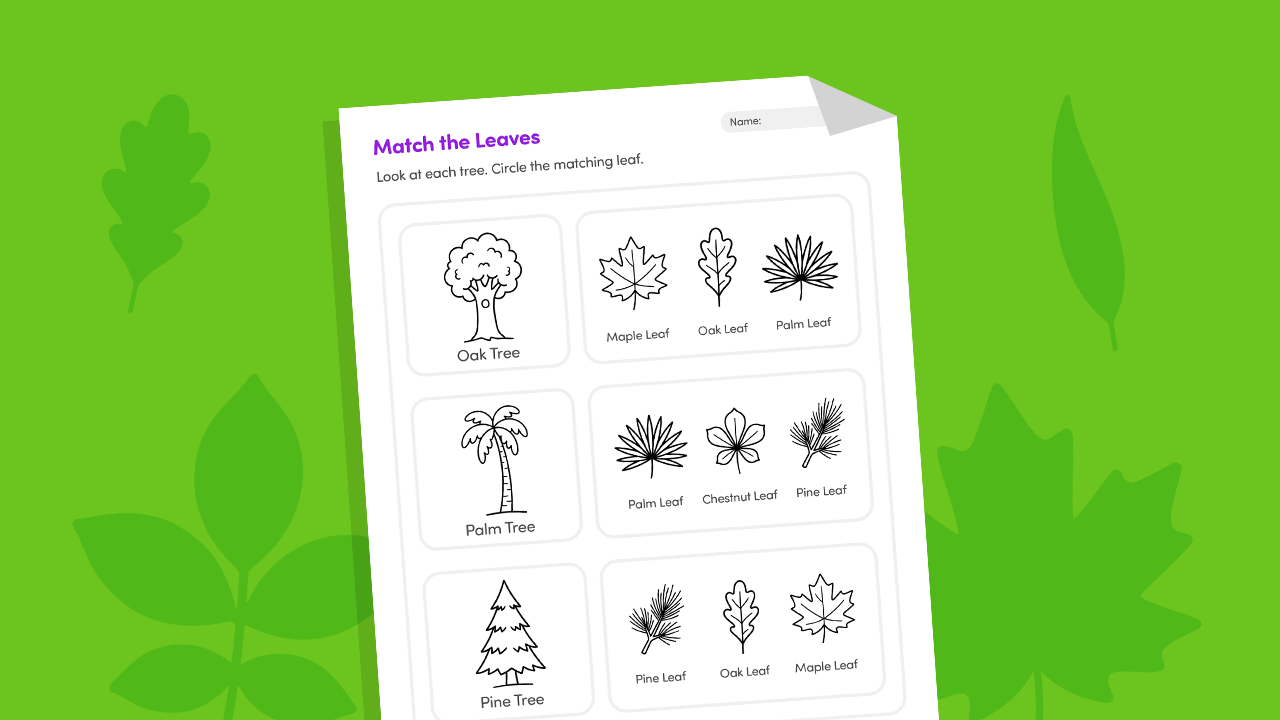
Tree and Leaf Match
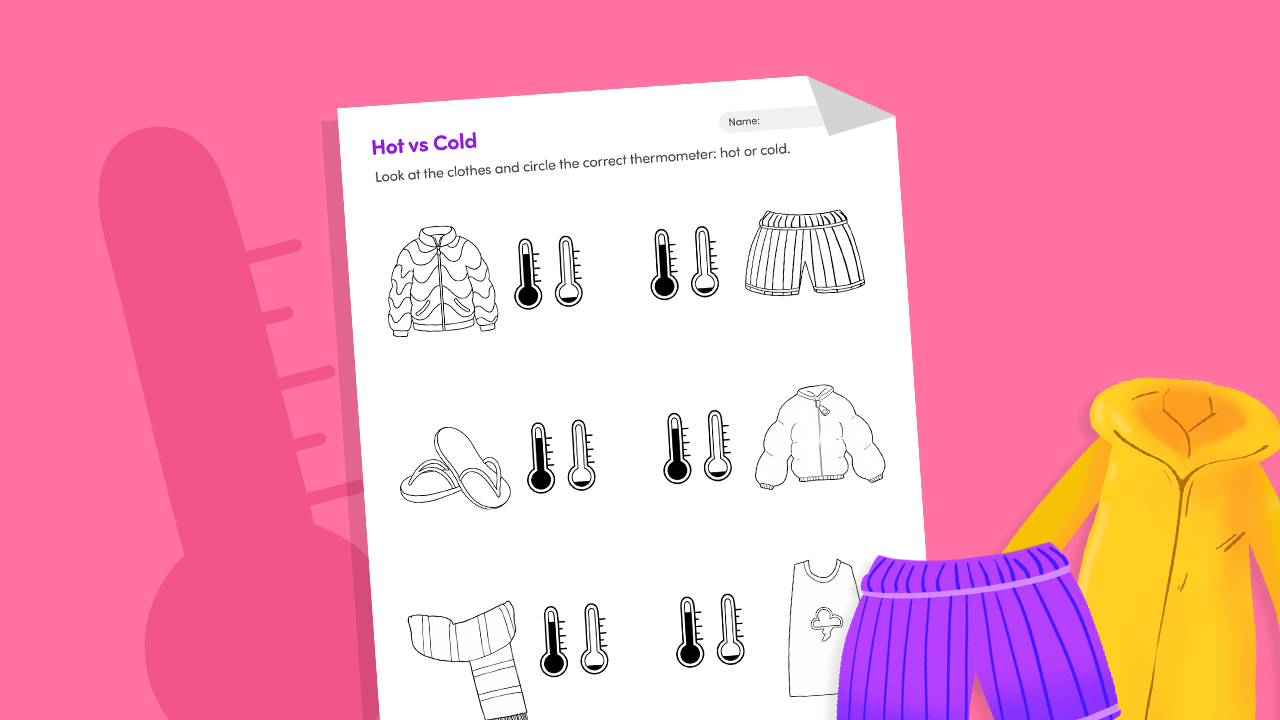
Hot vs Cold
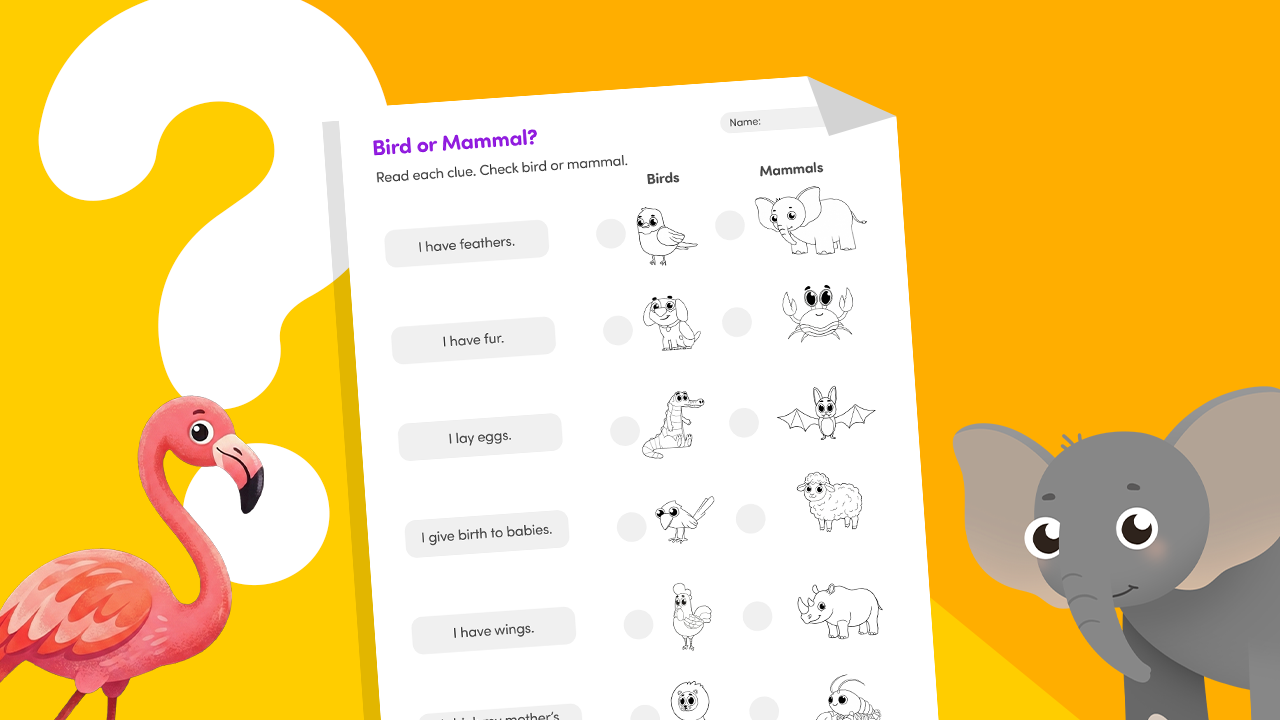
Bird vs Mammal: Feathers and Fur Sorting
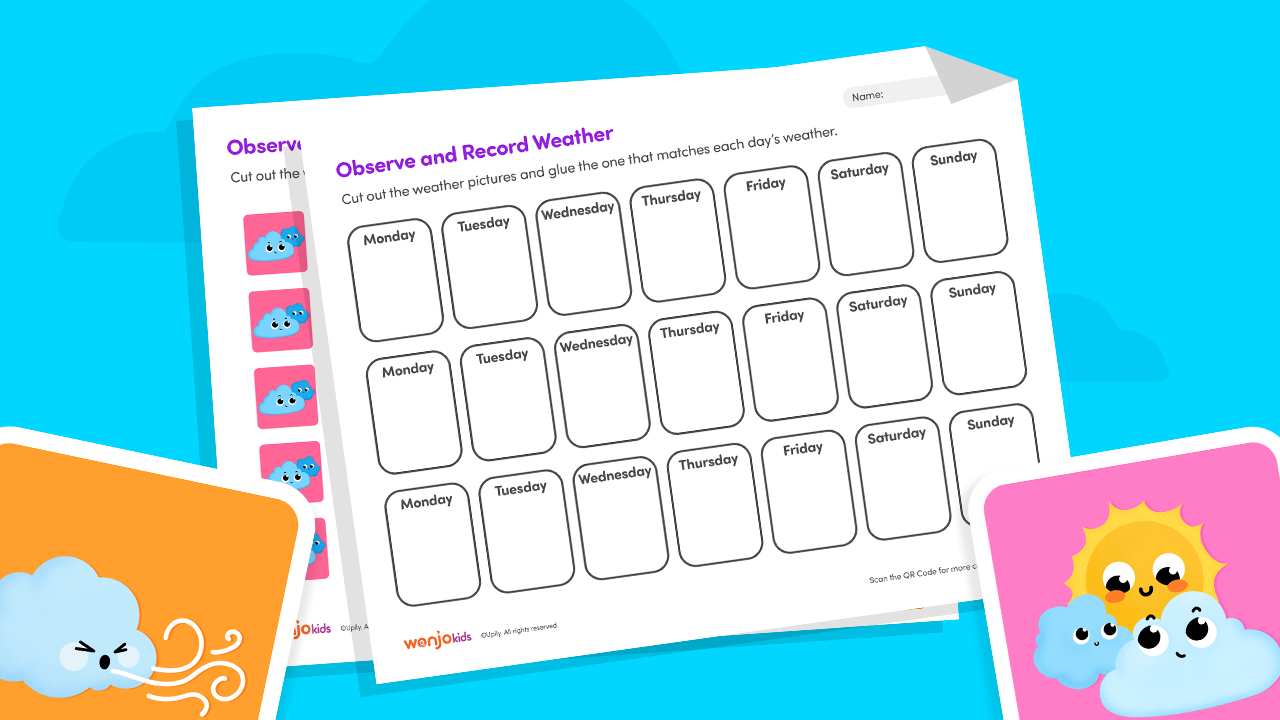
Observe & Record the Weather | Weekly Chart
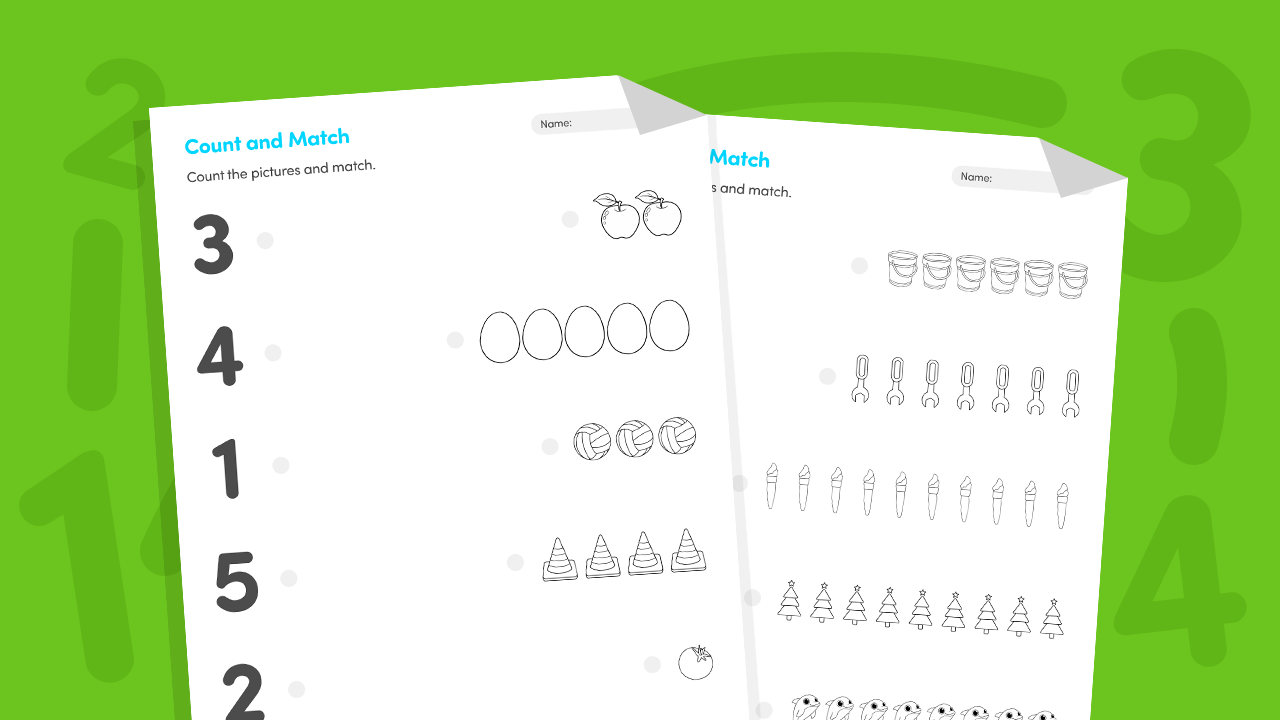
Count and Match 1–10
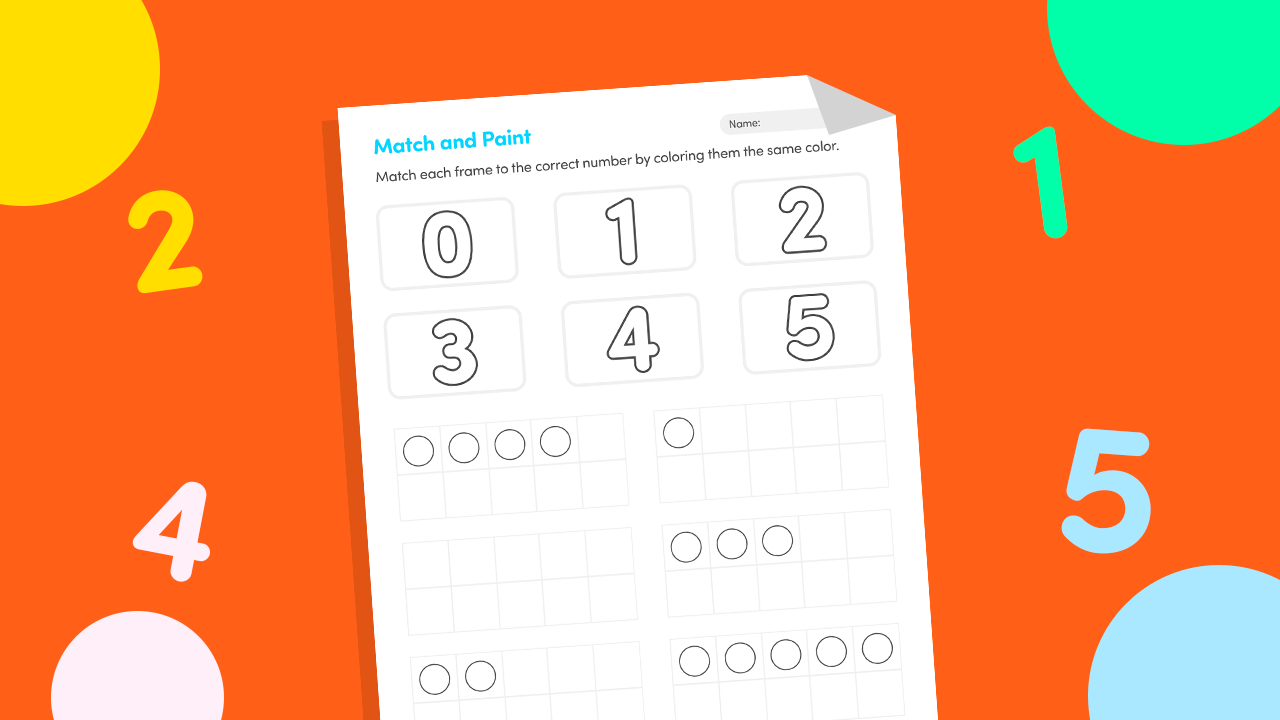
Ten Frames (0–5)
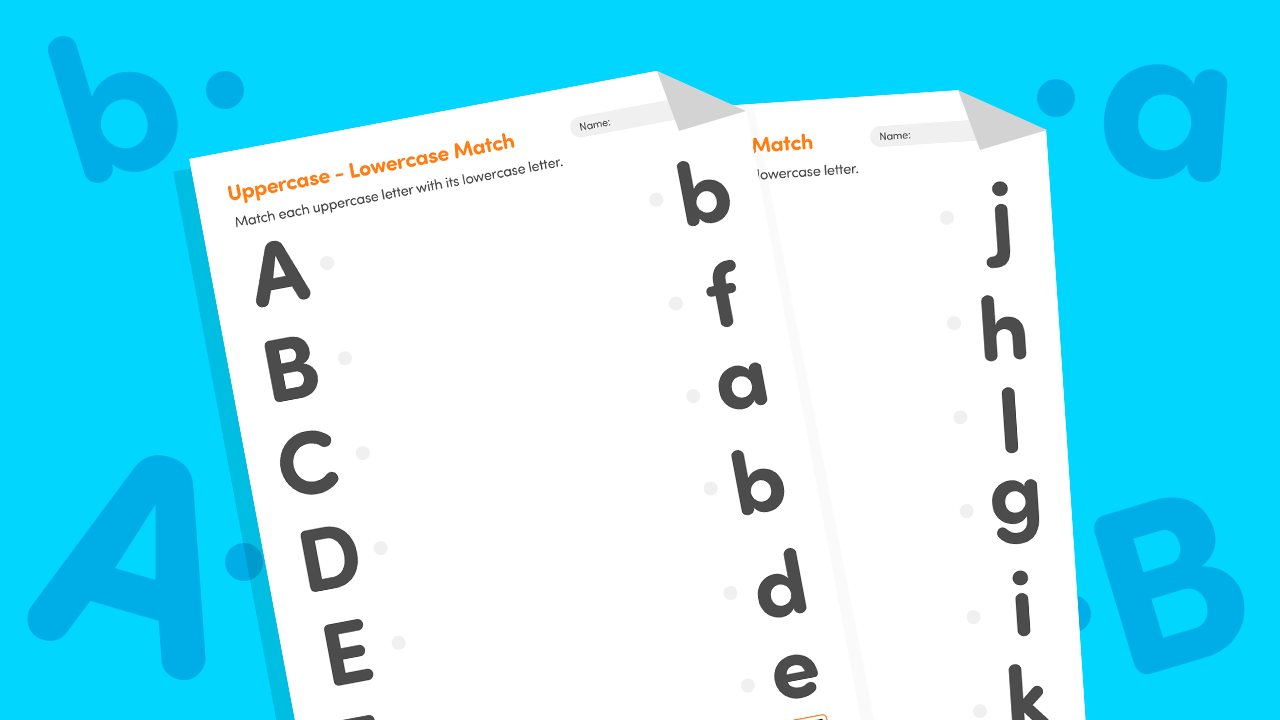
Match Uppercase & Lowercase Alphabets
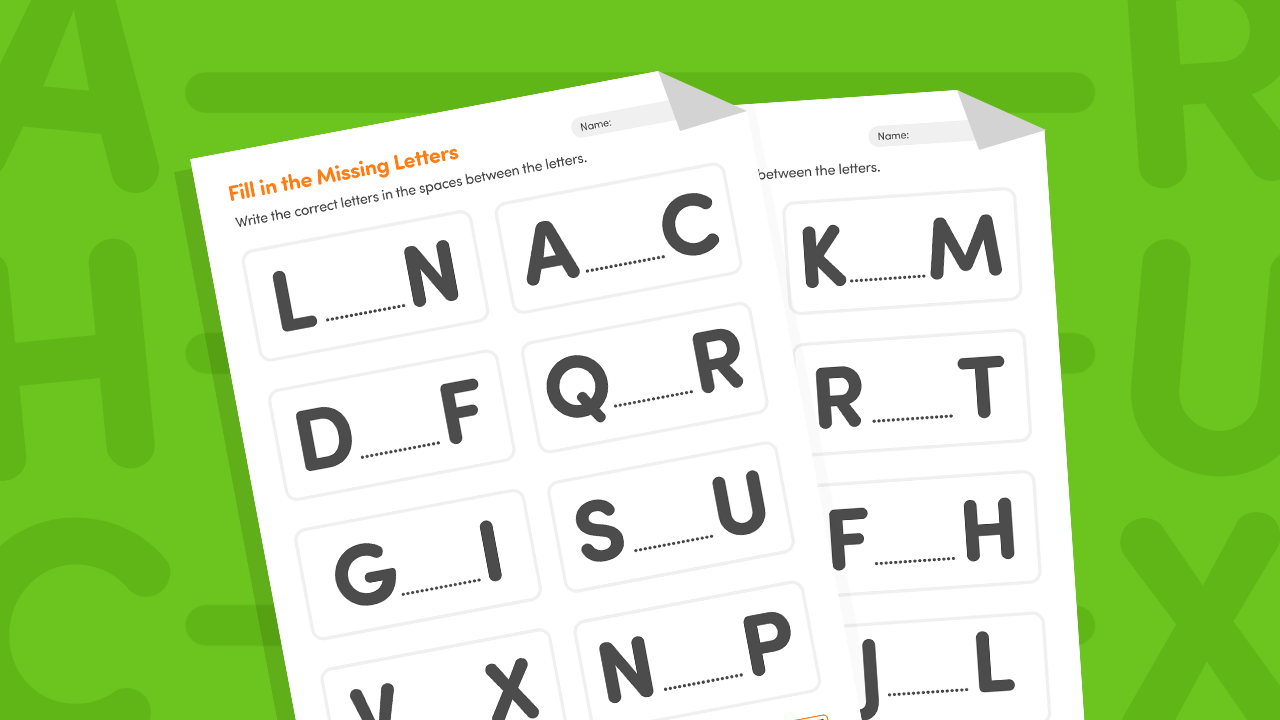
Find the Missing Letters
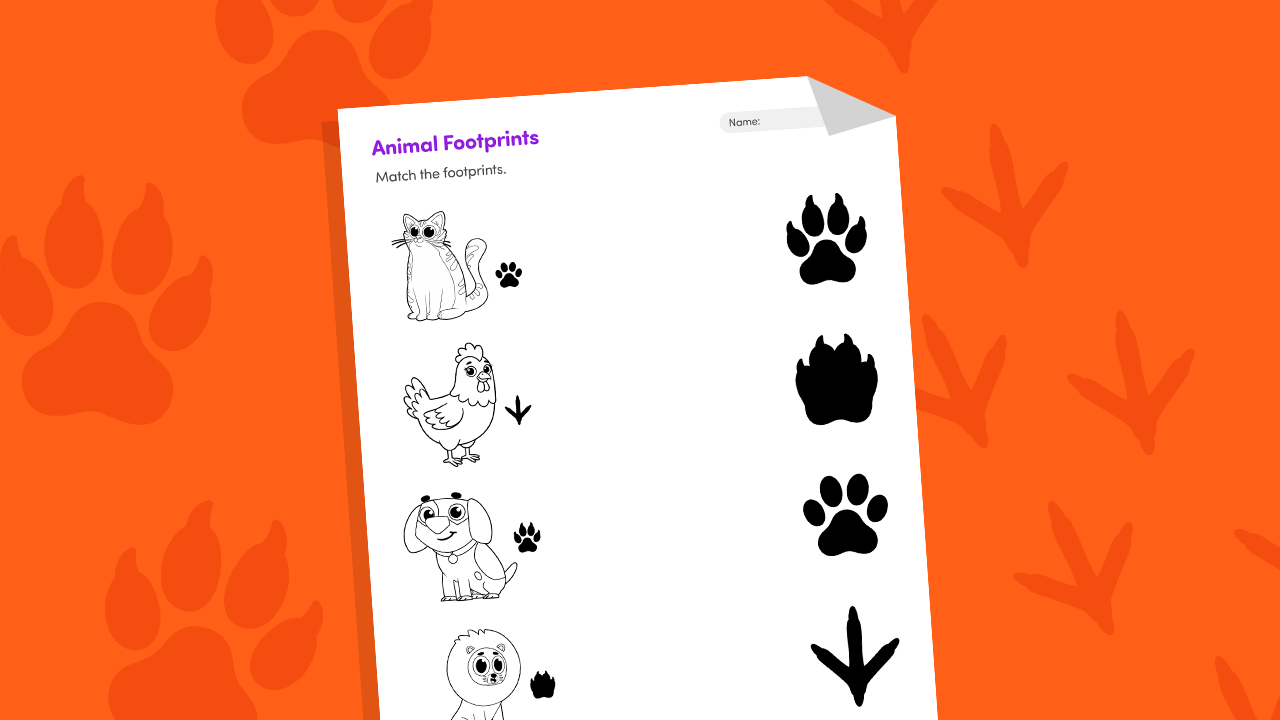
Animal Tracks Match
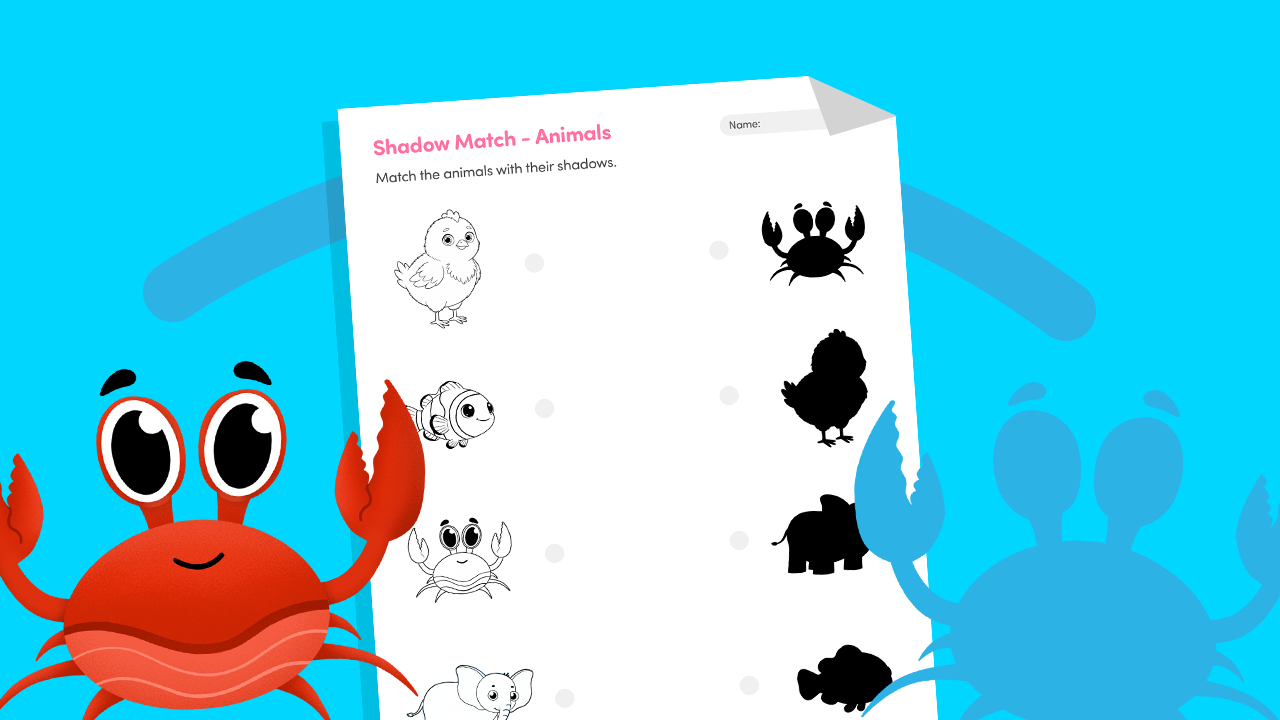
Shadow Match – Animals
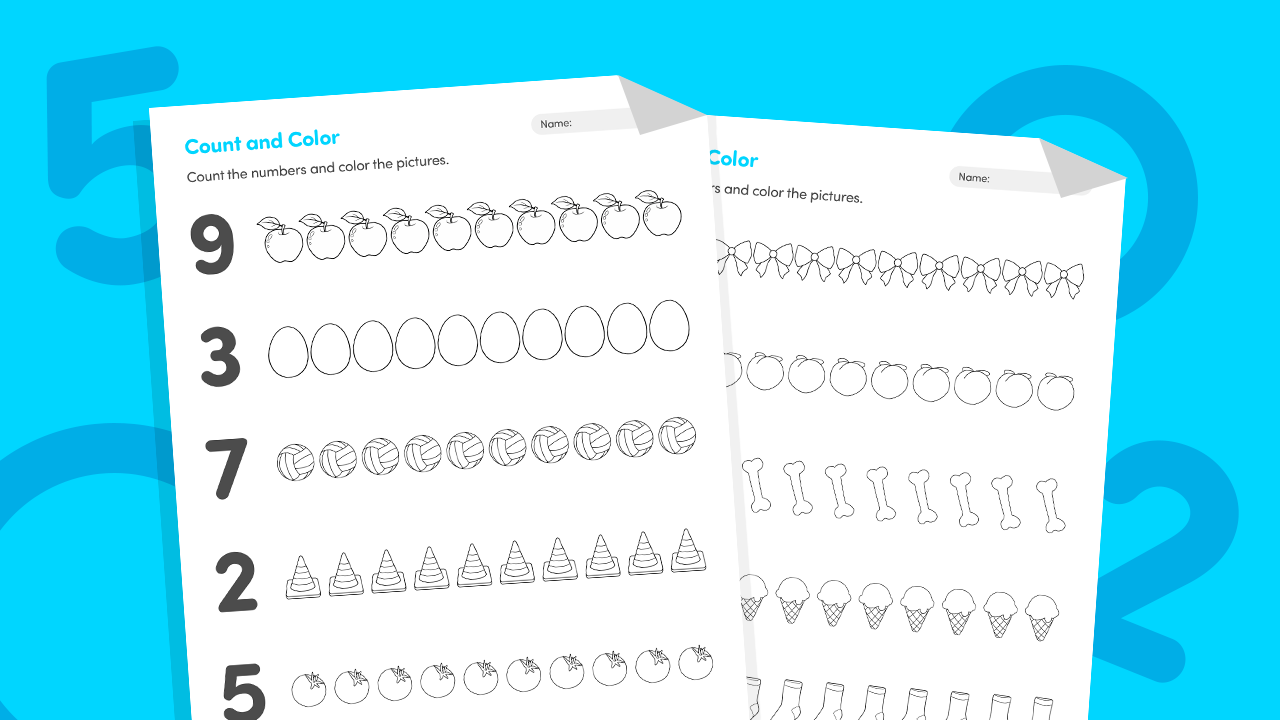
Count and Color 1–10
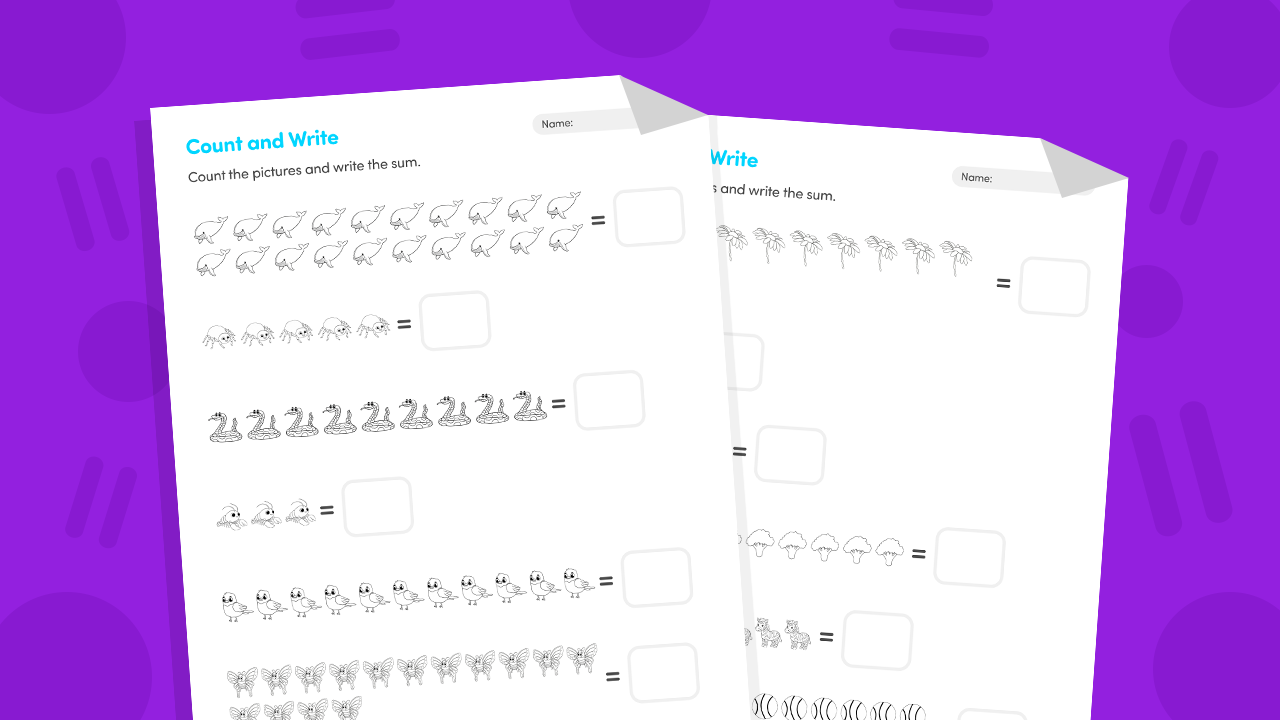
Count and Match 1–20
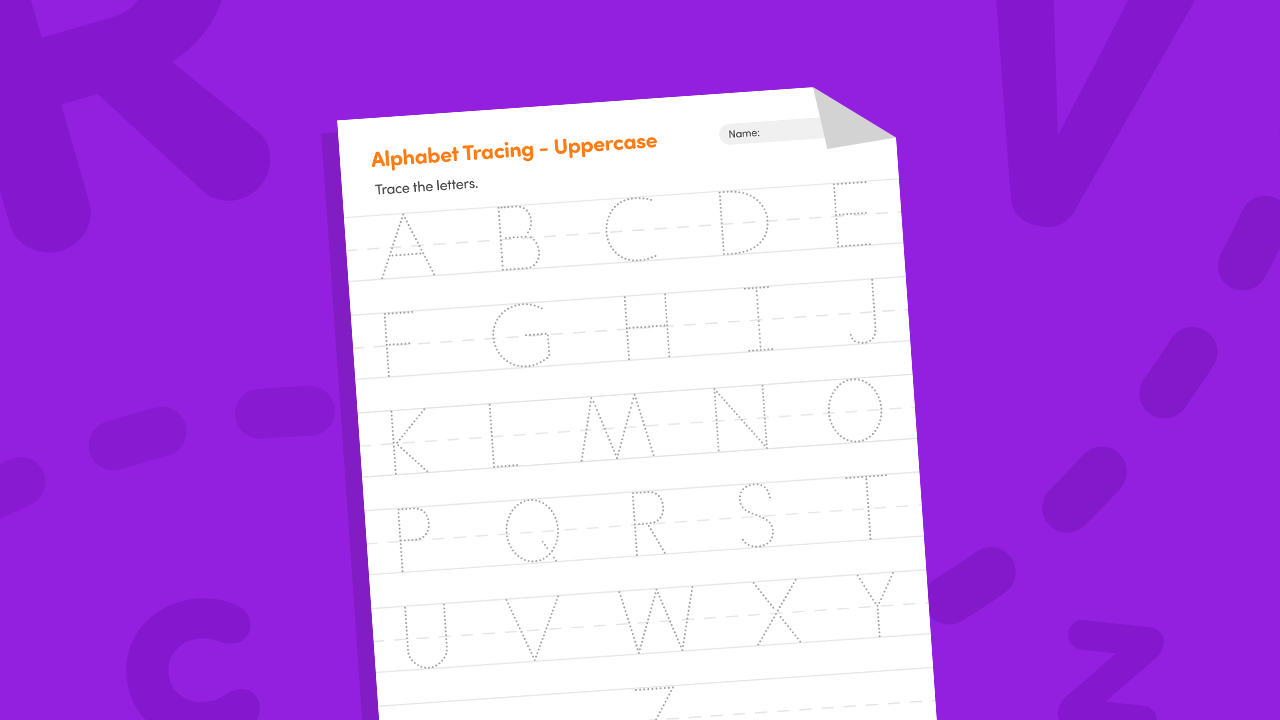
Alphabet Tracing Uppercase A–Z
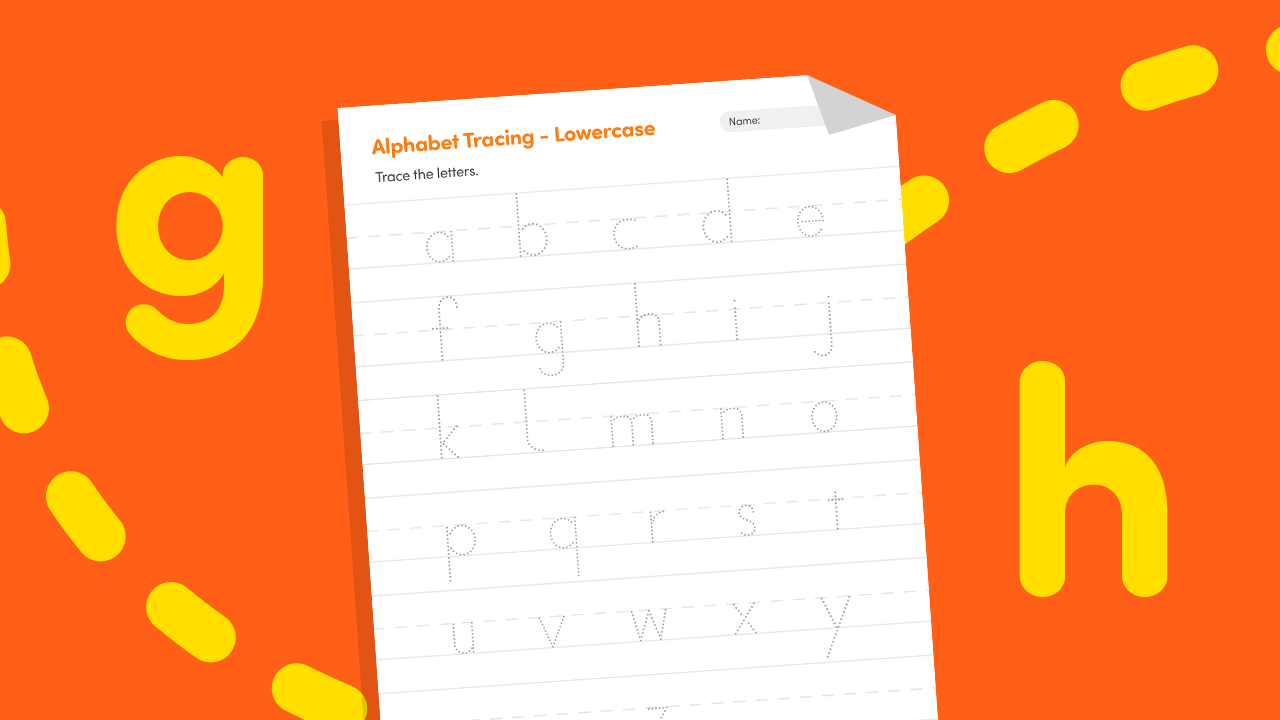
Alphabet Tracing Lowercase (a–z)
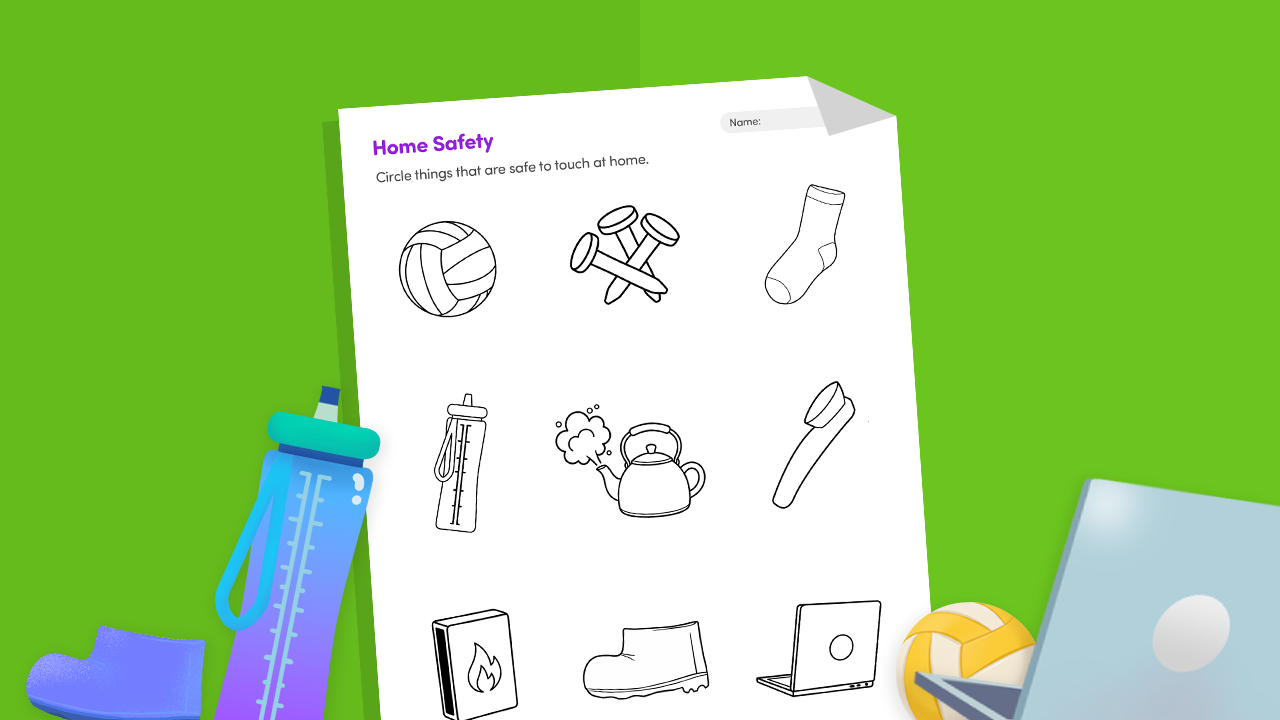
Basic Home Safety for Kids
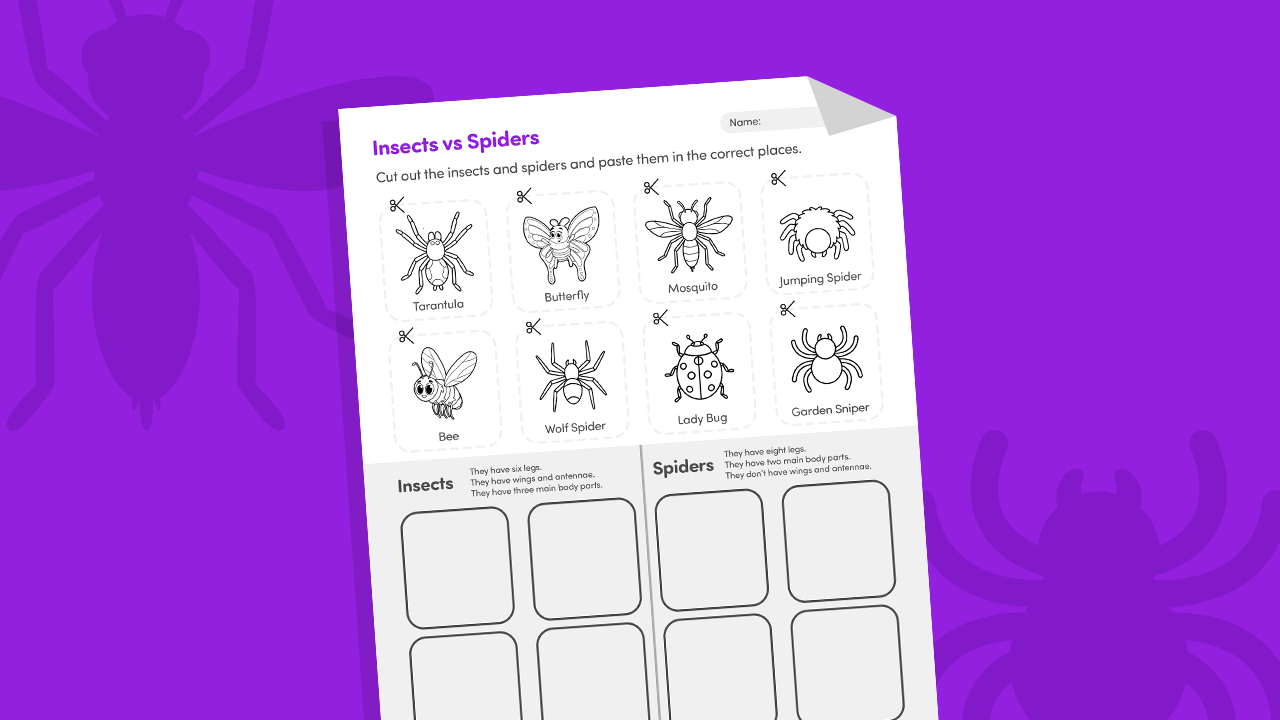
Insects vs Spiders Worksheet
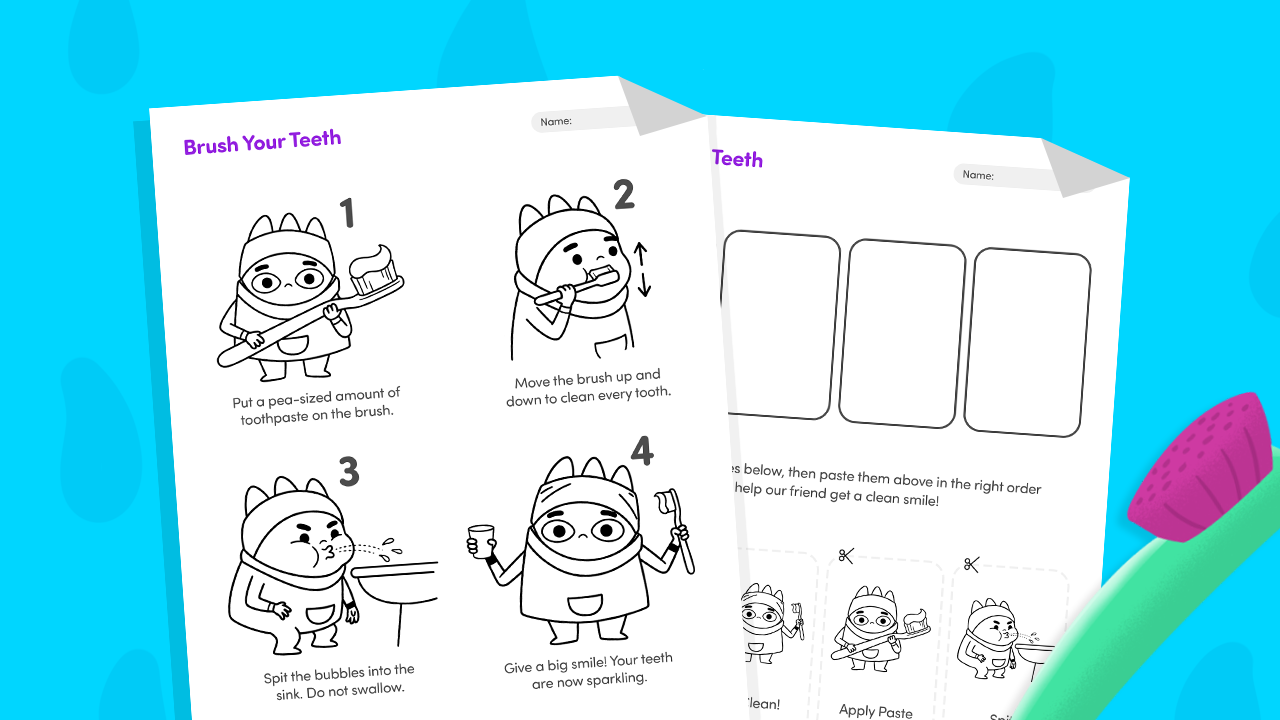
Brush Your Teeth Worksheet
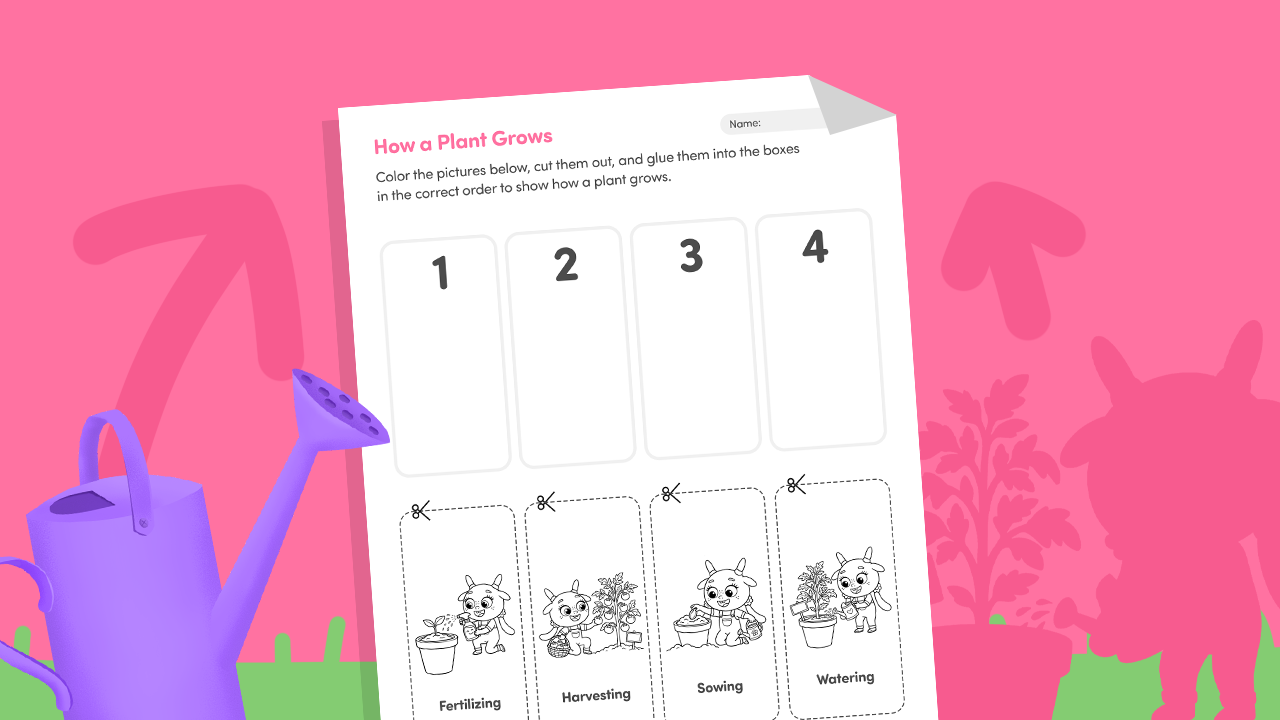
Grow Your Plant
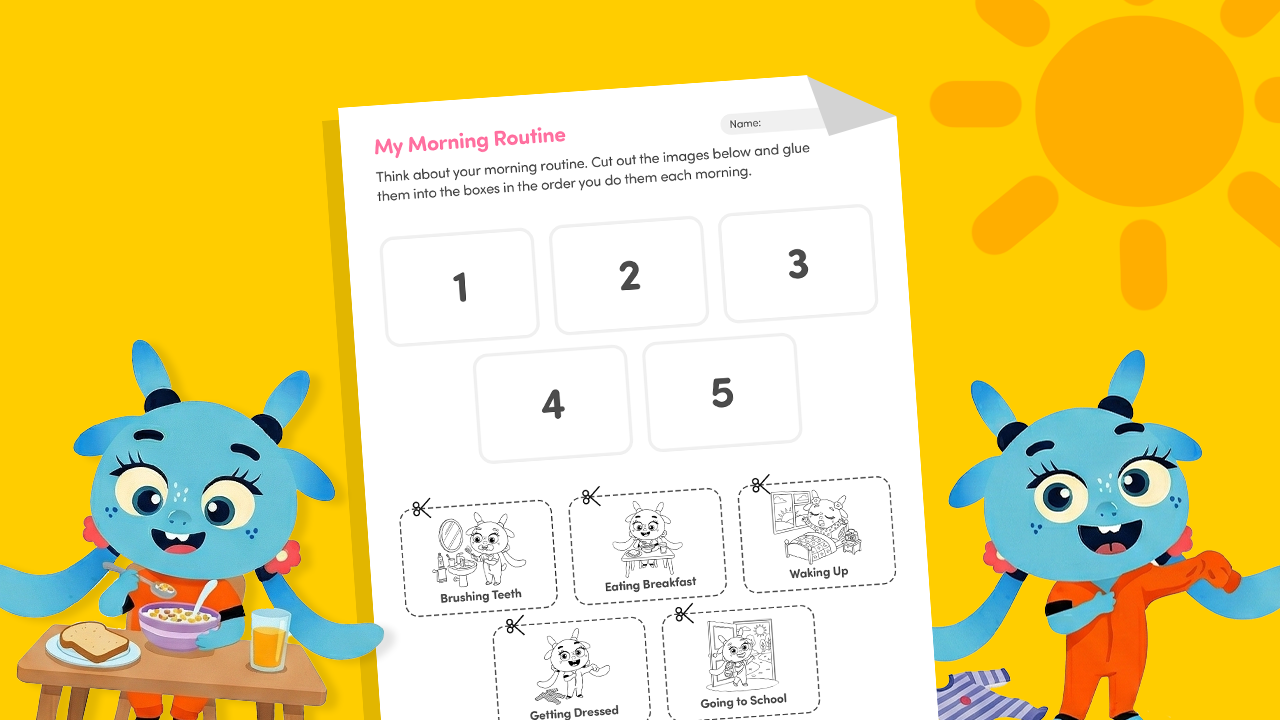
Daily Routine Activity for Kids
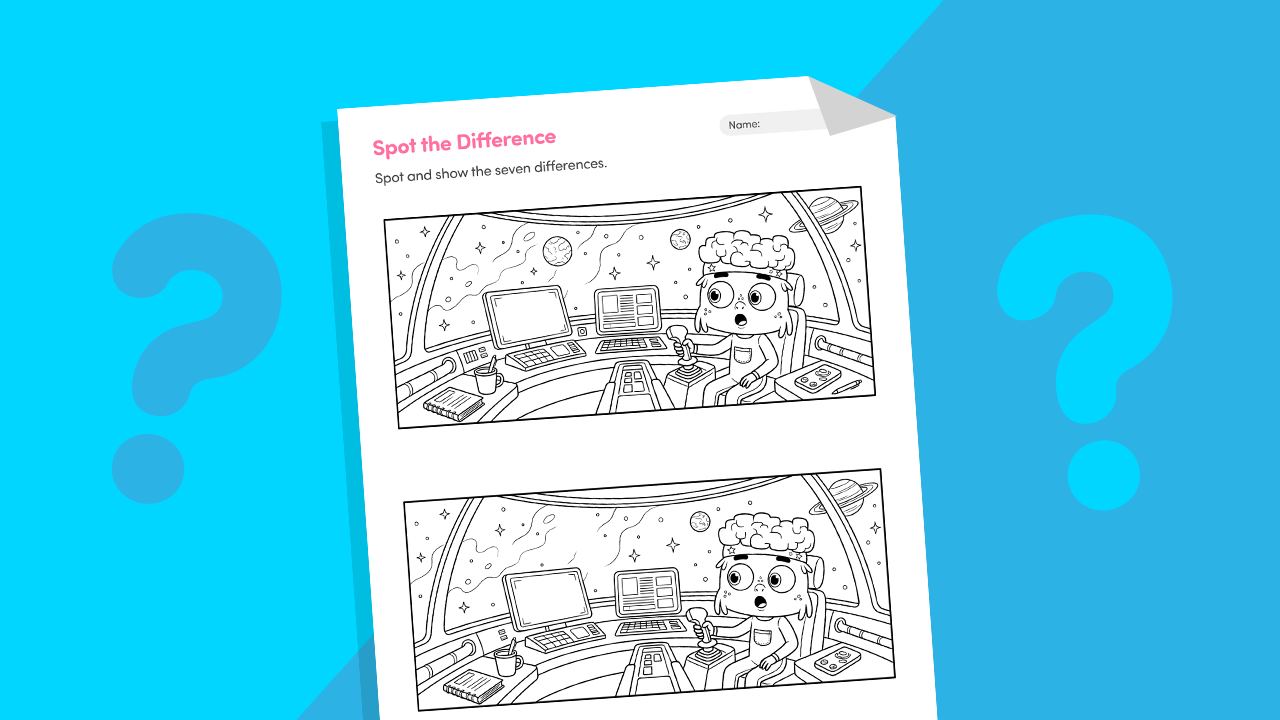
Spot the Difference
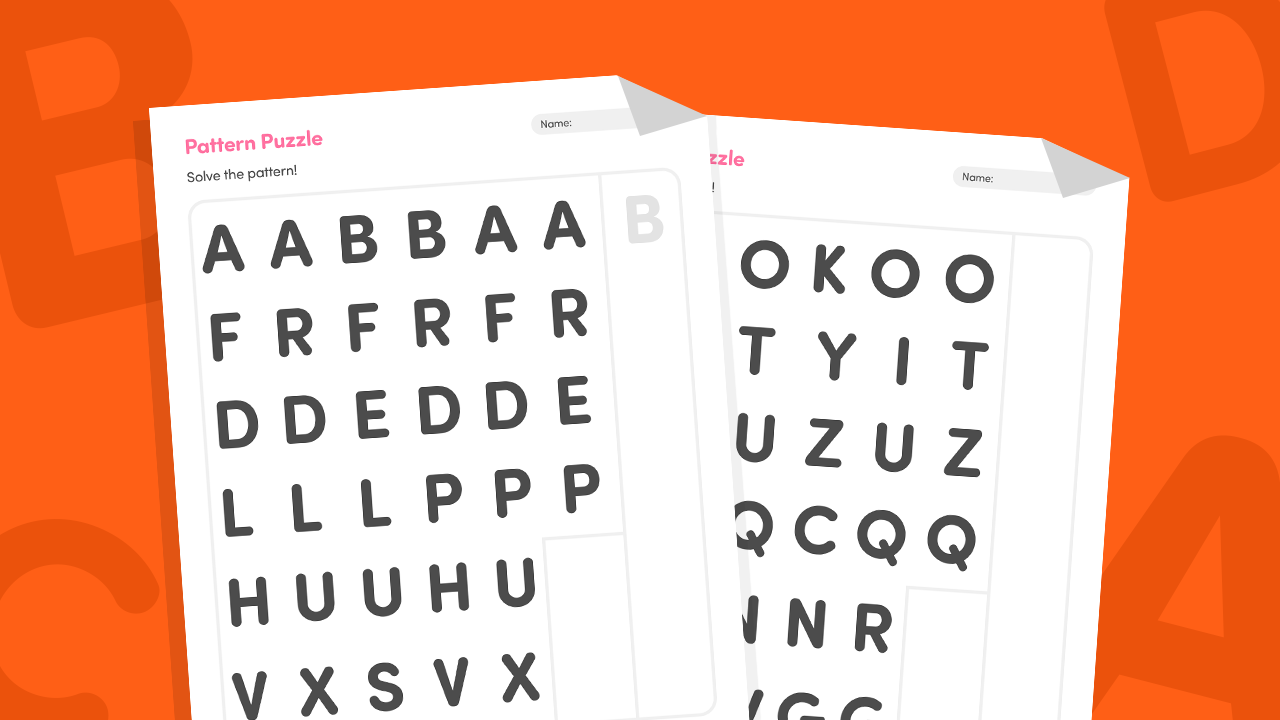
Letter Pattern Puzzle
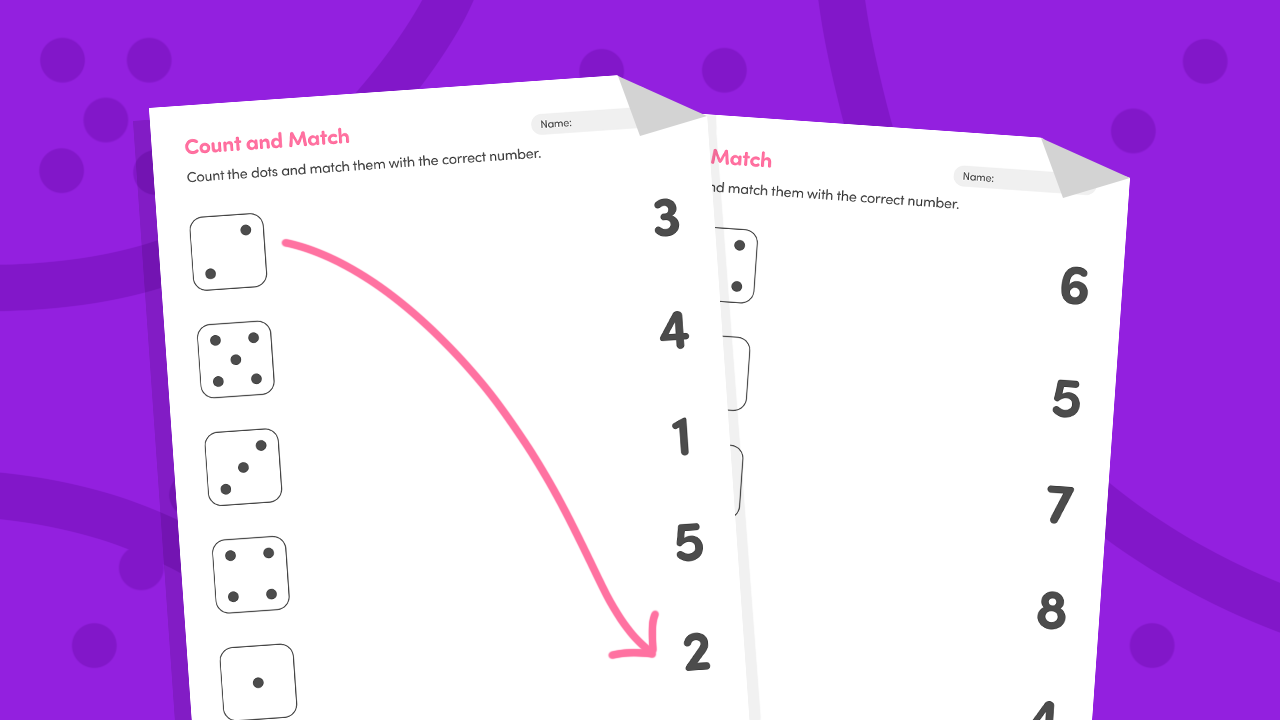
Numbers and Dots Worksheet – Match the Pairs
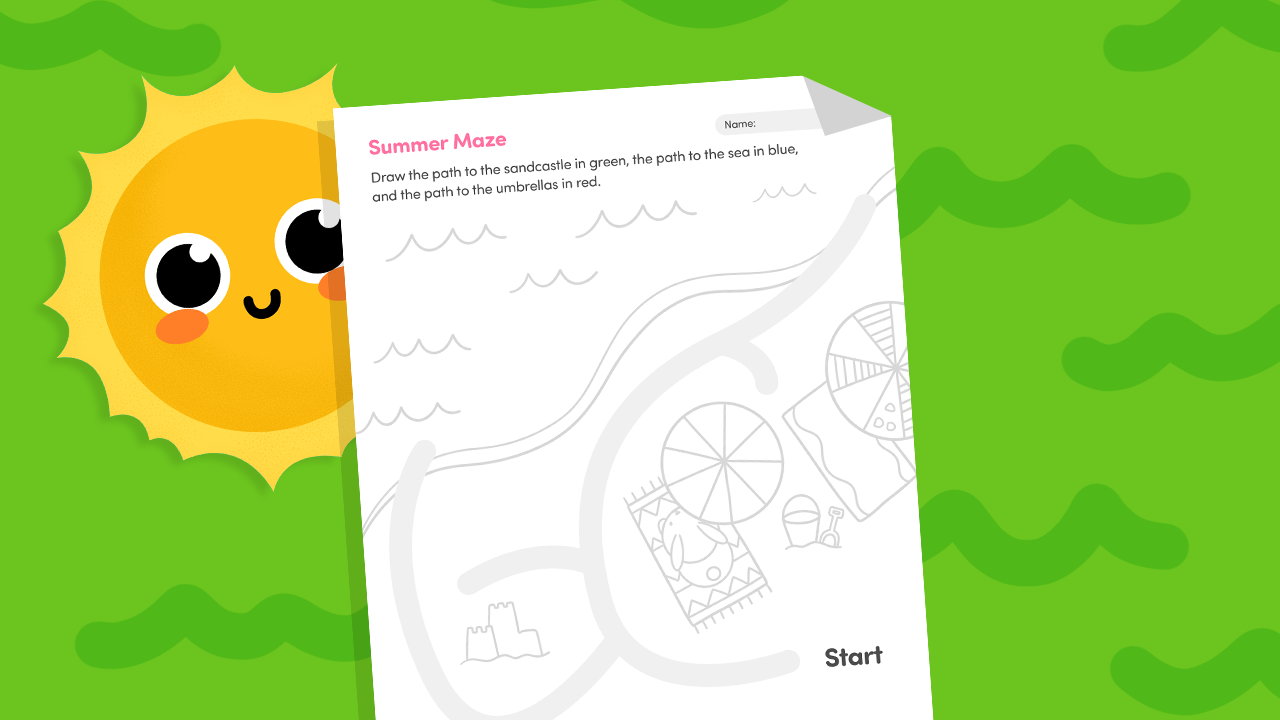
Summer Beach Maze
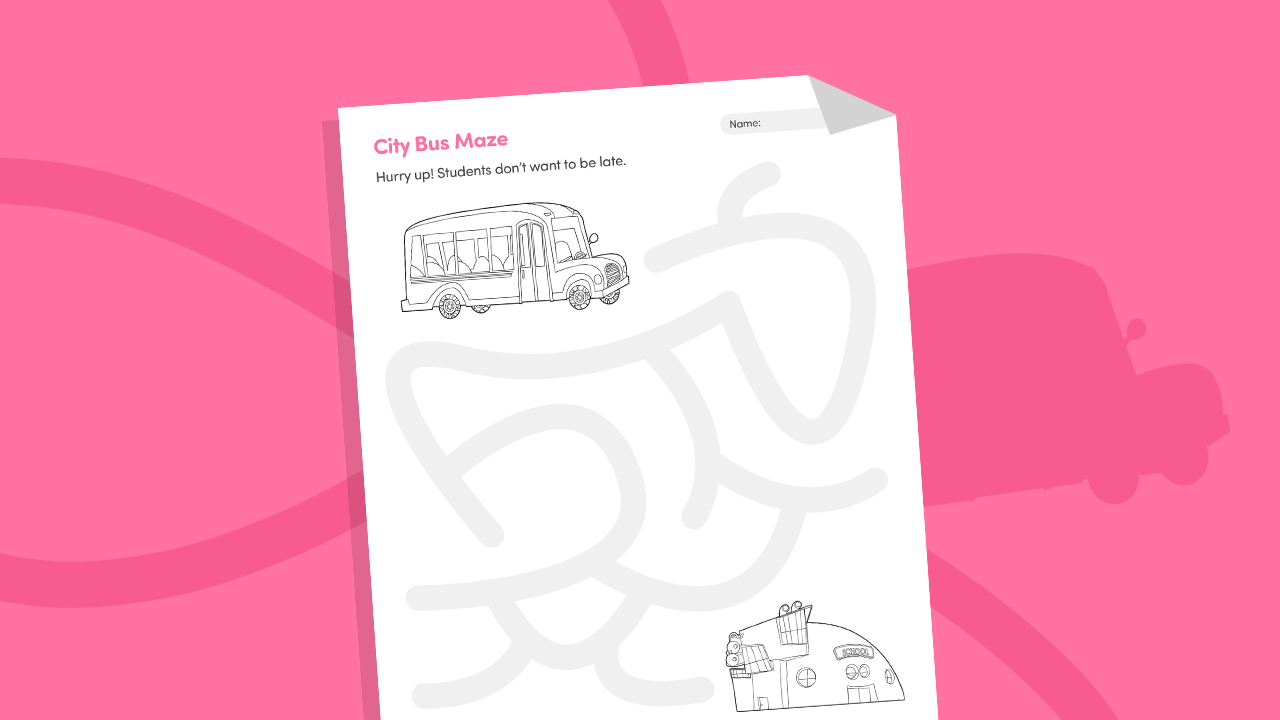
City Bus Maze
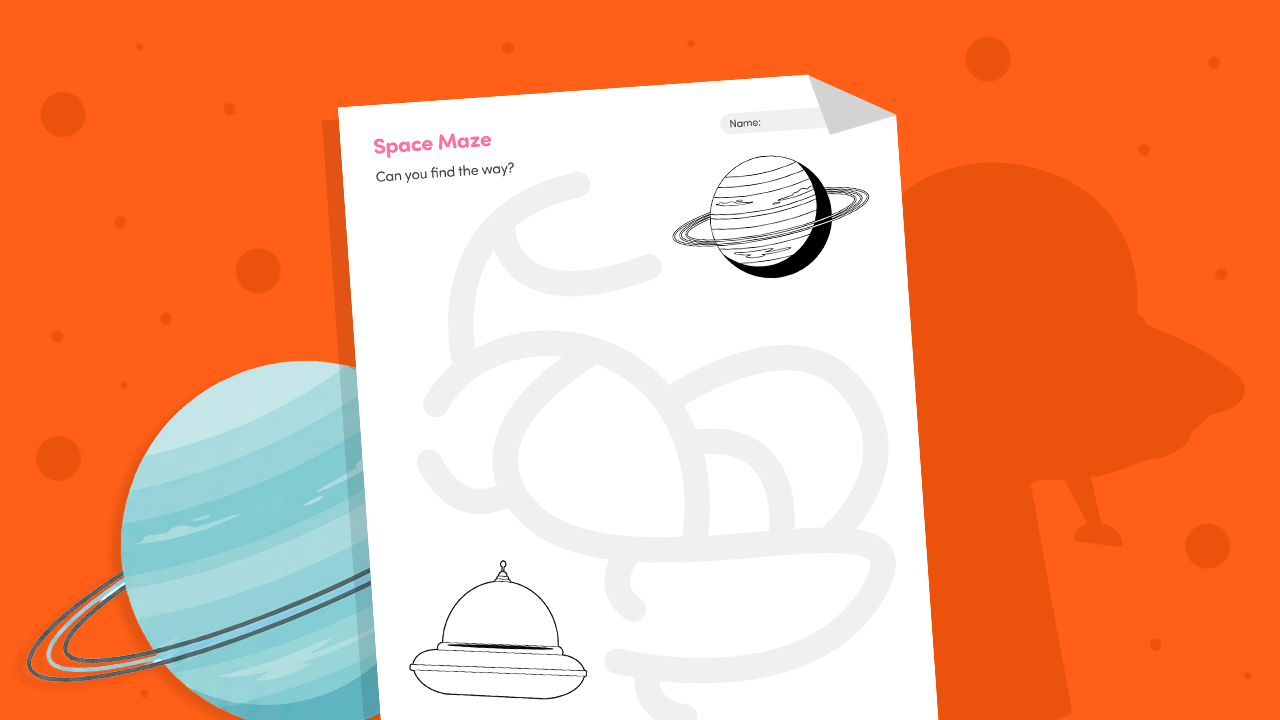
Space Rocket Maze
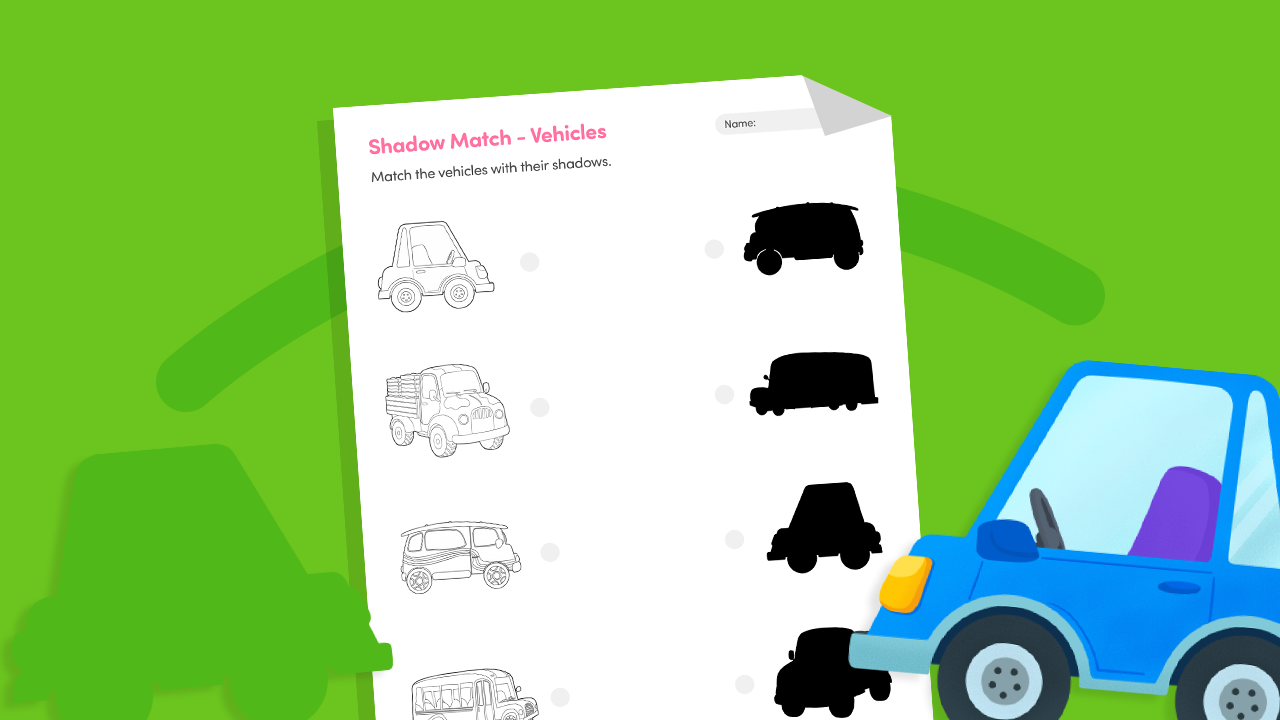
Shadow Match – Vehicles
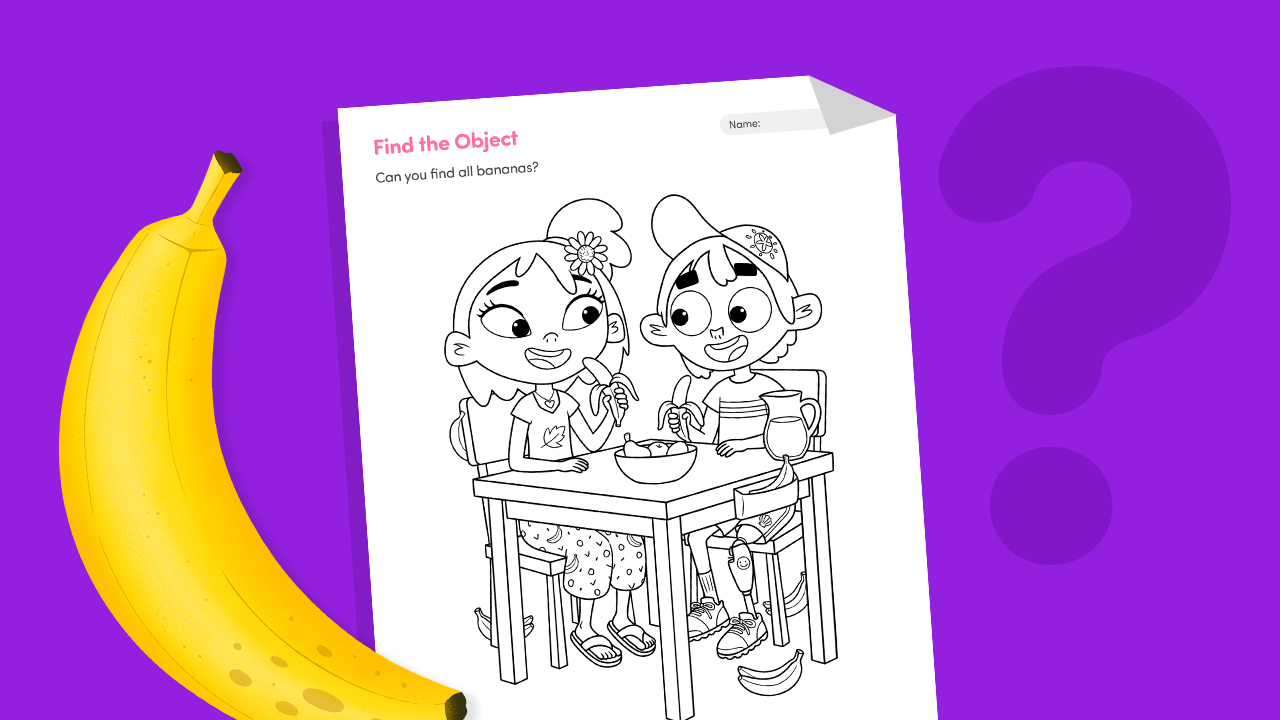
Find the Hidden Pictures- Easy
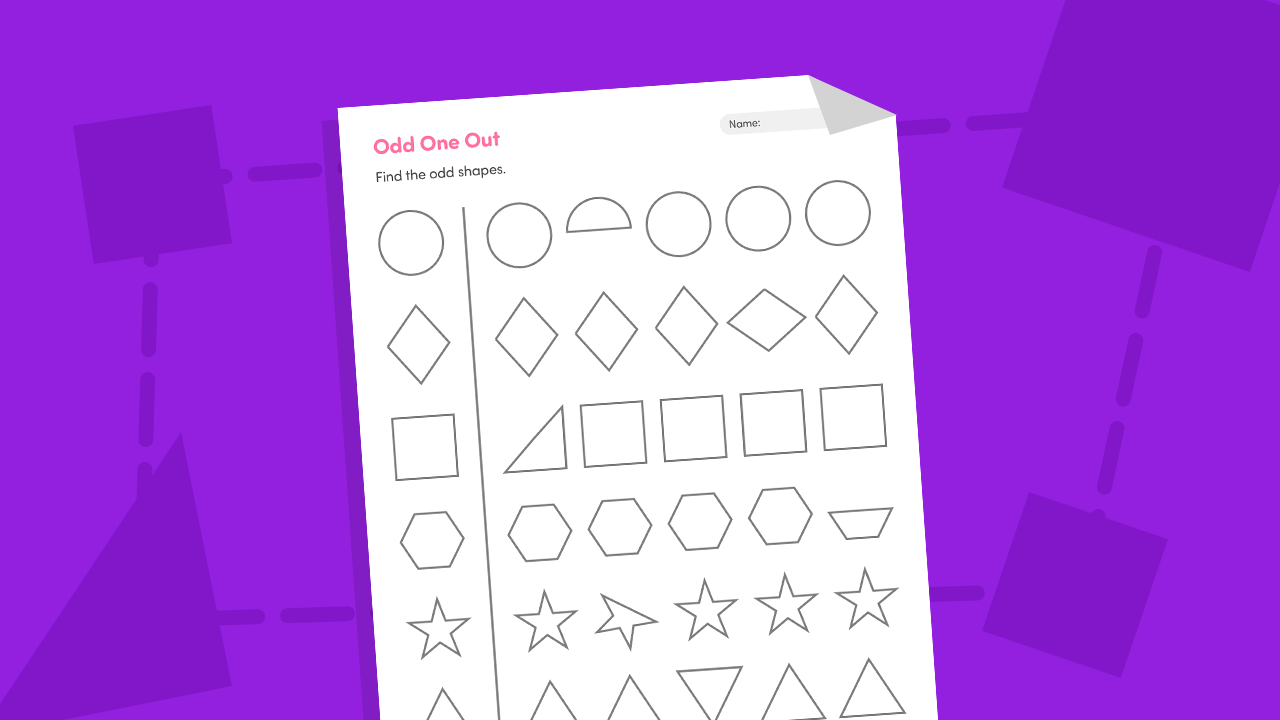
Odd One Out – Shapes Worksheet
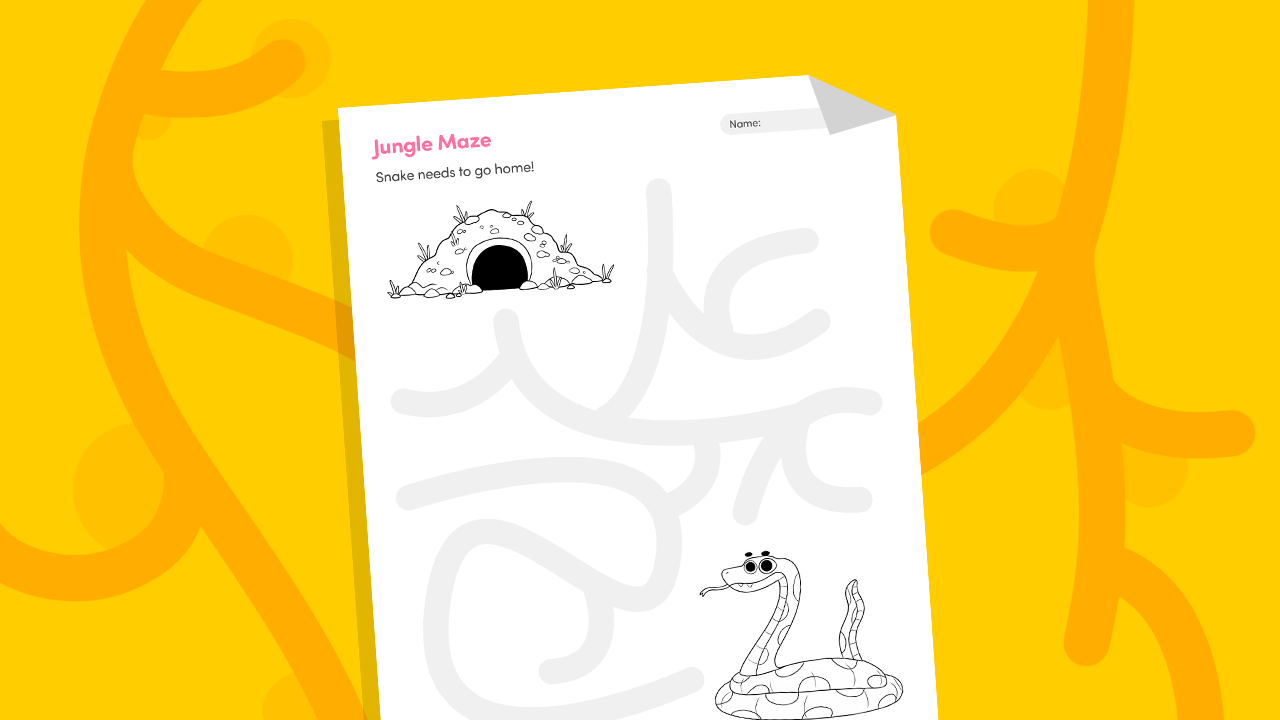
Jungle Animal Maze
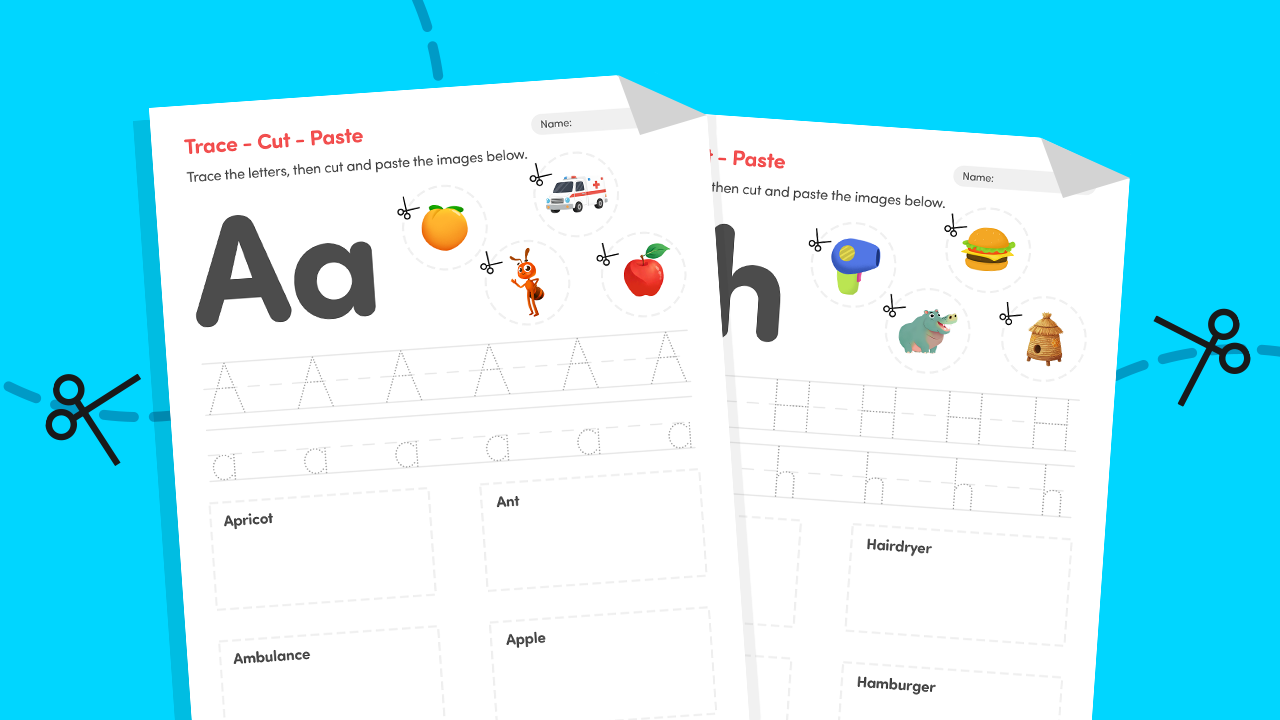
Trace, Cut and Paste the Science-themed picture
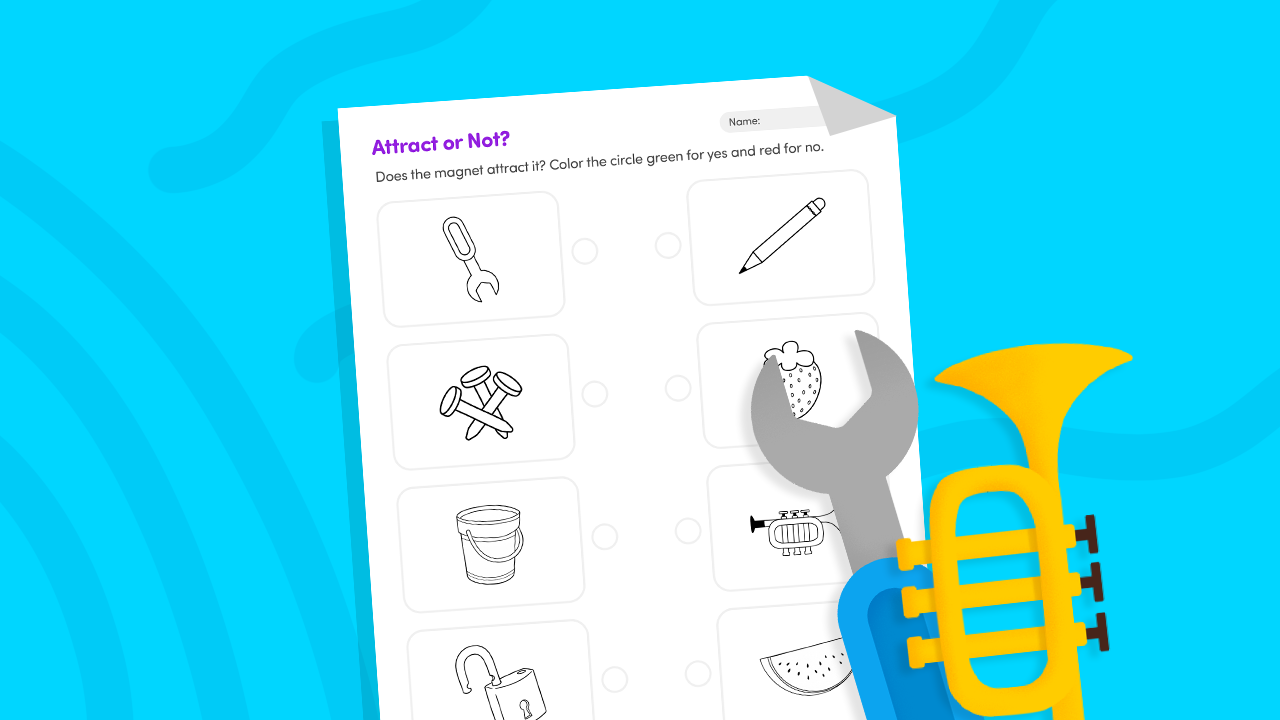
Sort Magnet Attracting Objects
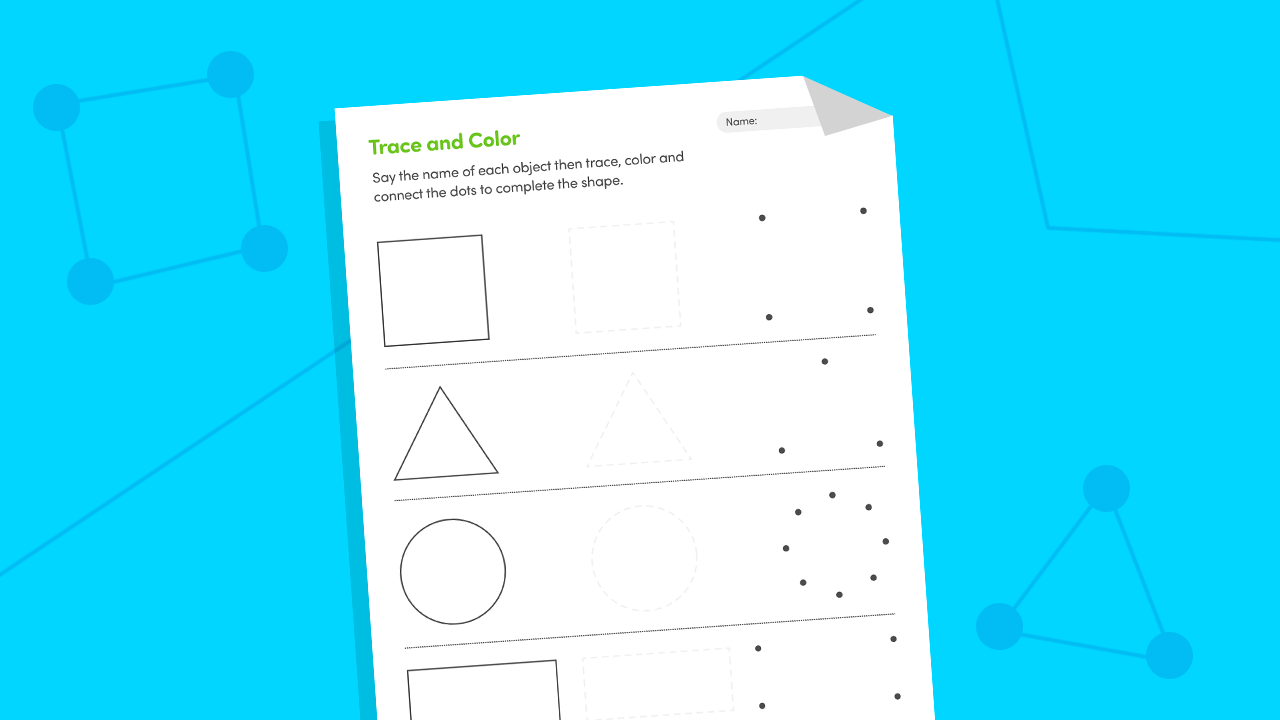
Trace and Color the Shapes
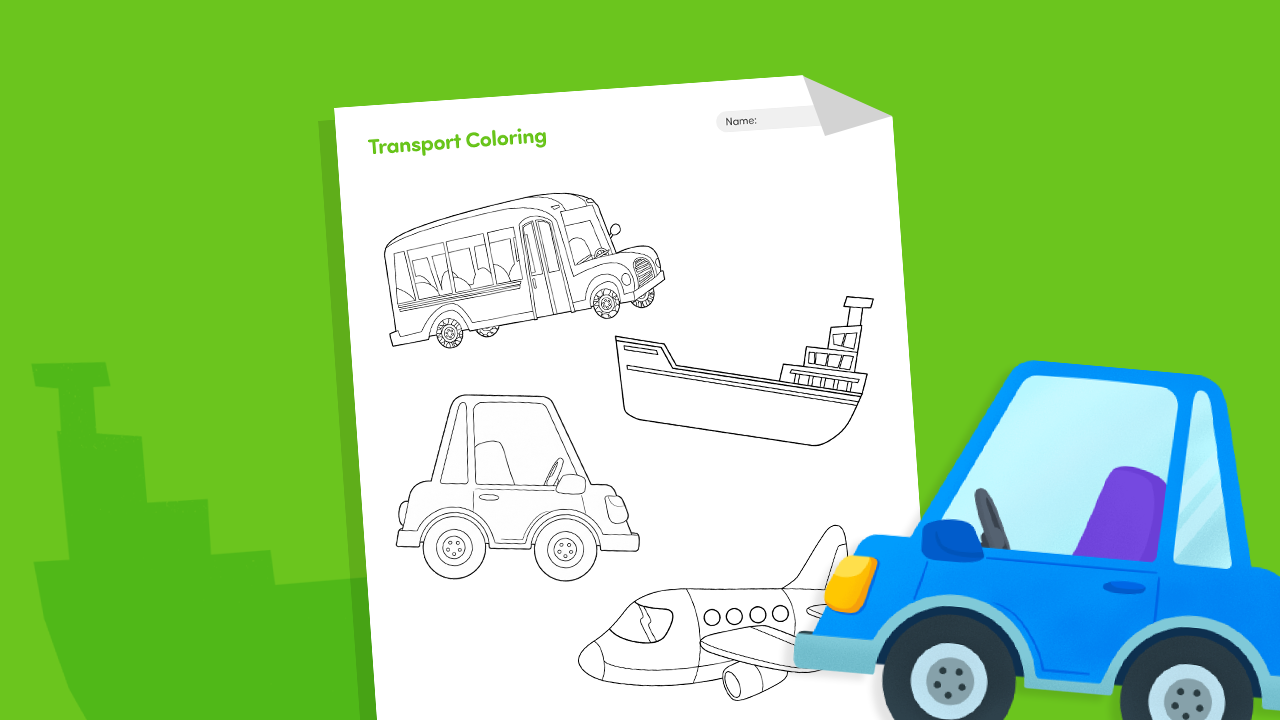
Transport Vehicles Coloring
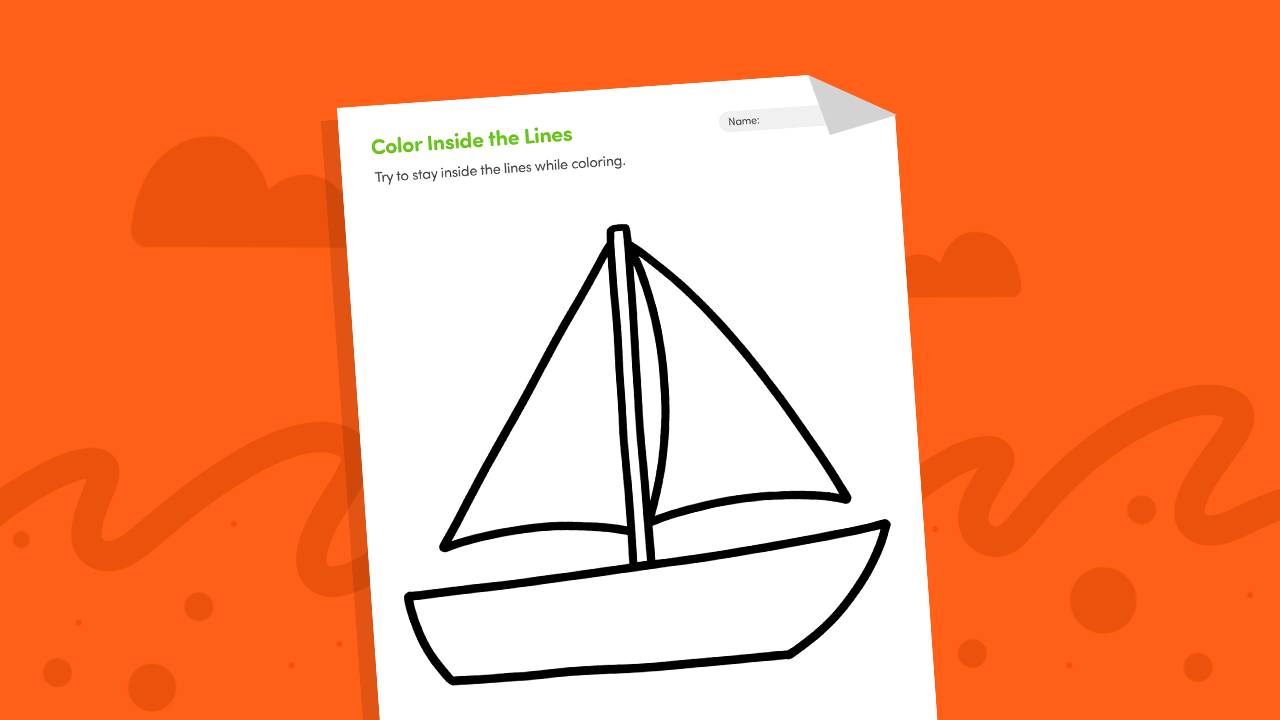
Color Inside the Lines
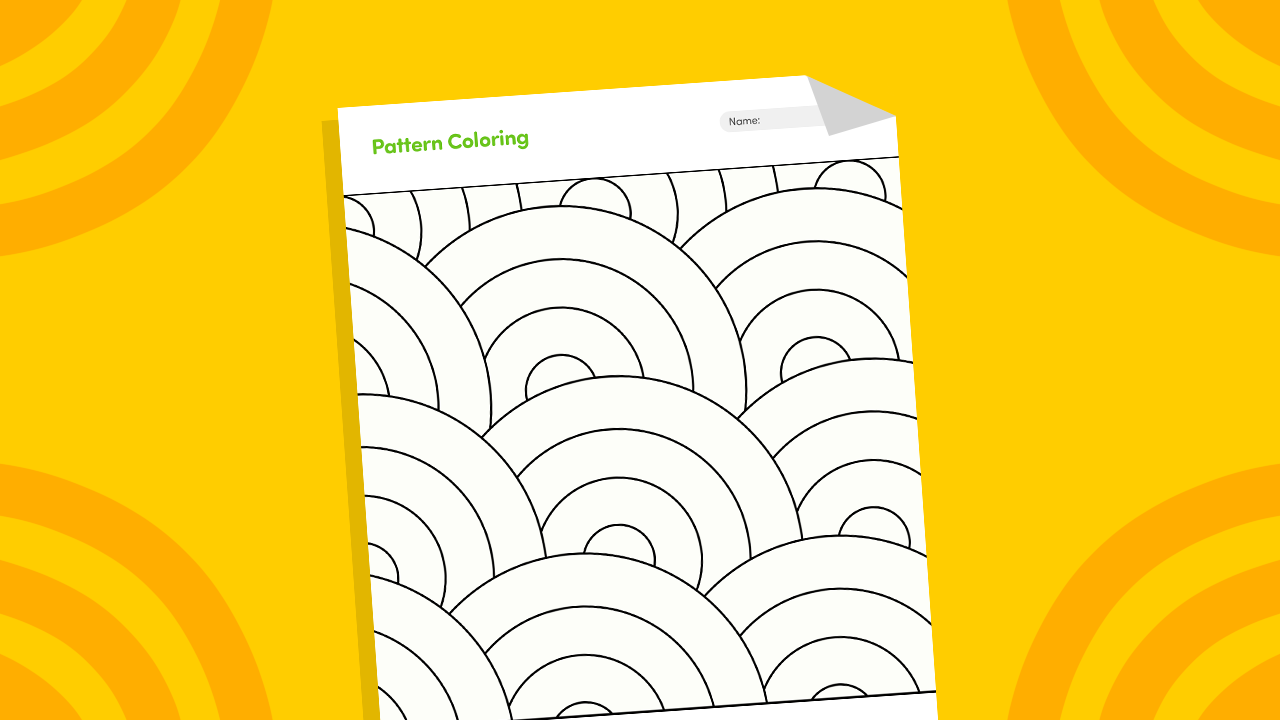
Pattern Coloring
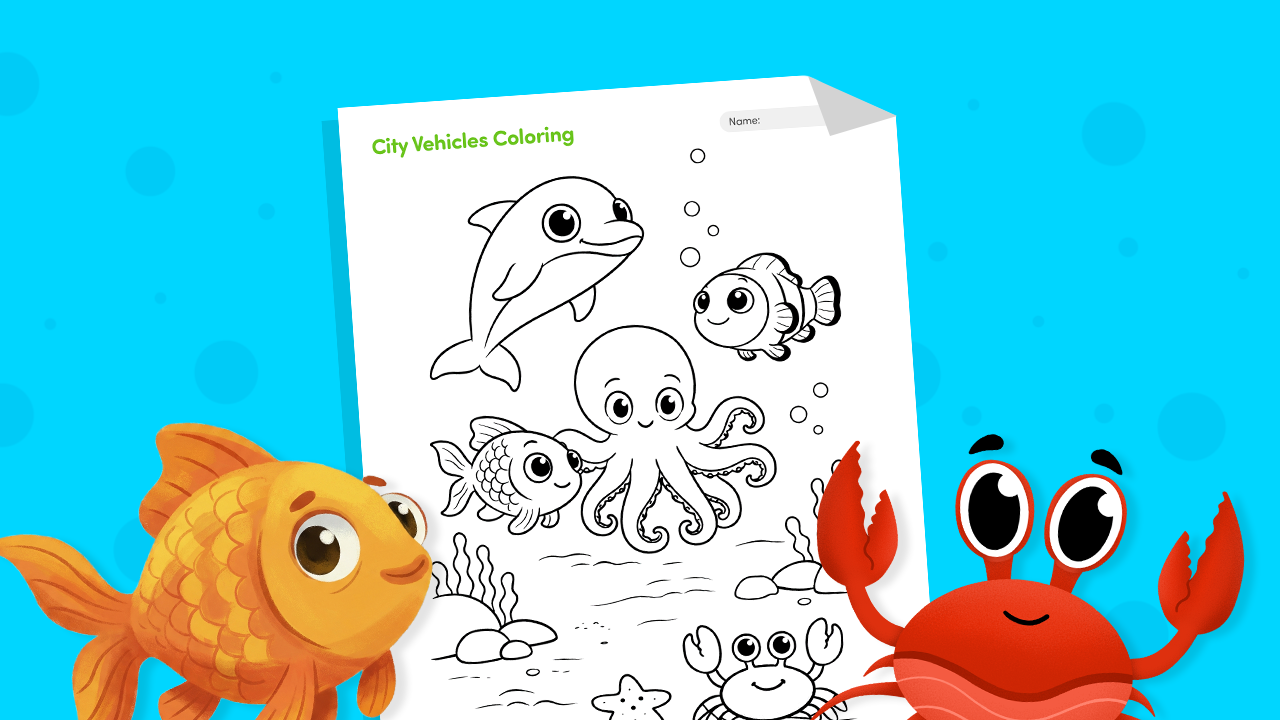
Color the Ocean Animals
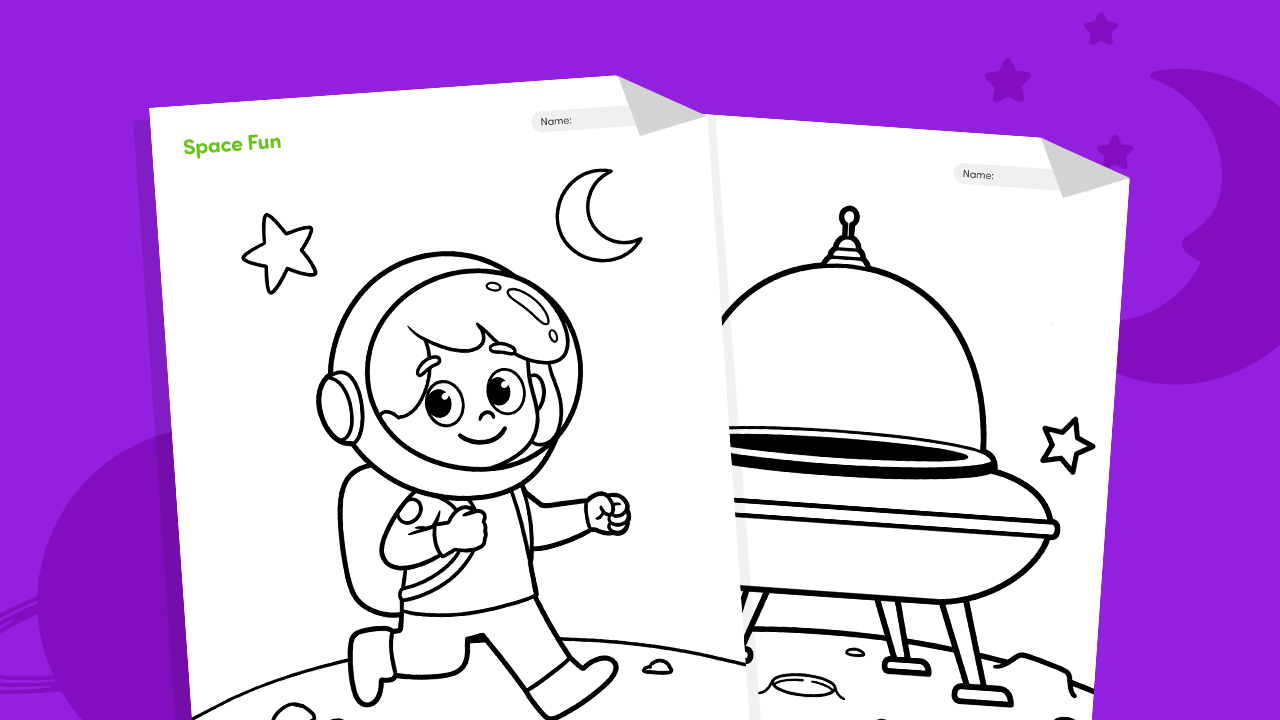
Space Fun Coloring
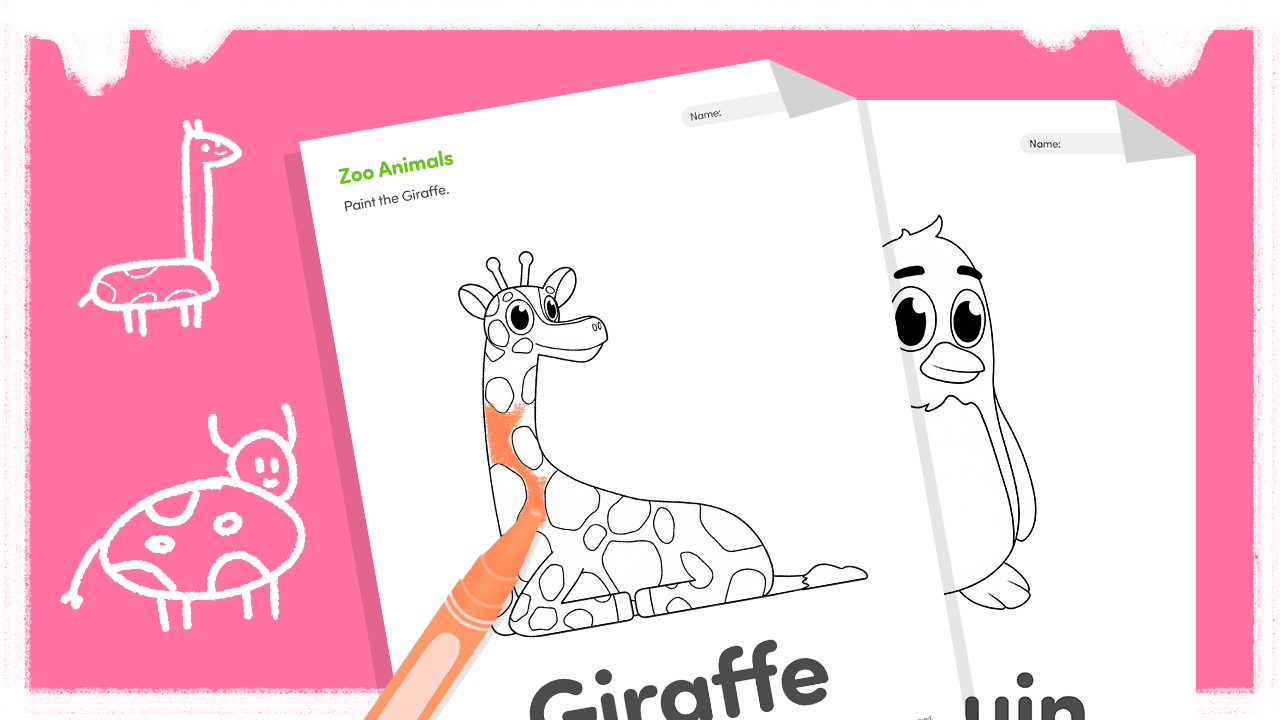
Color the Animals in the Zoo
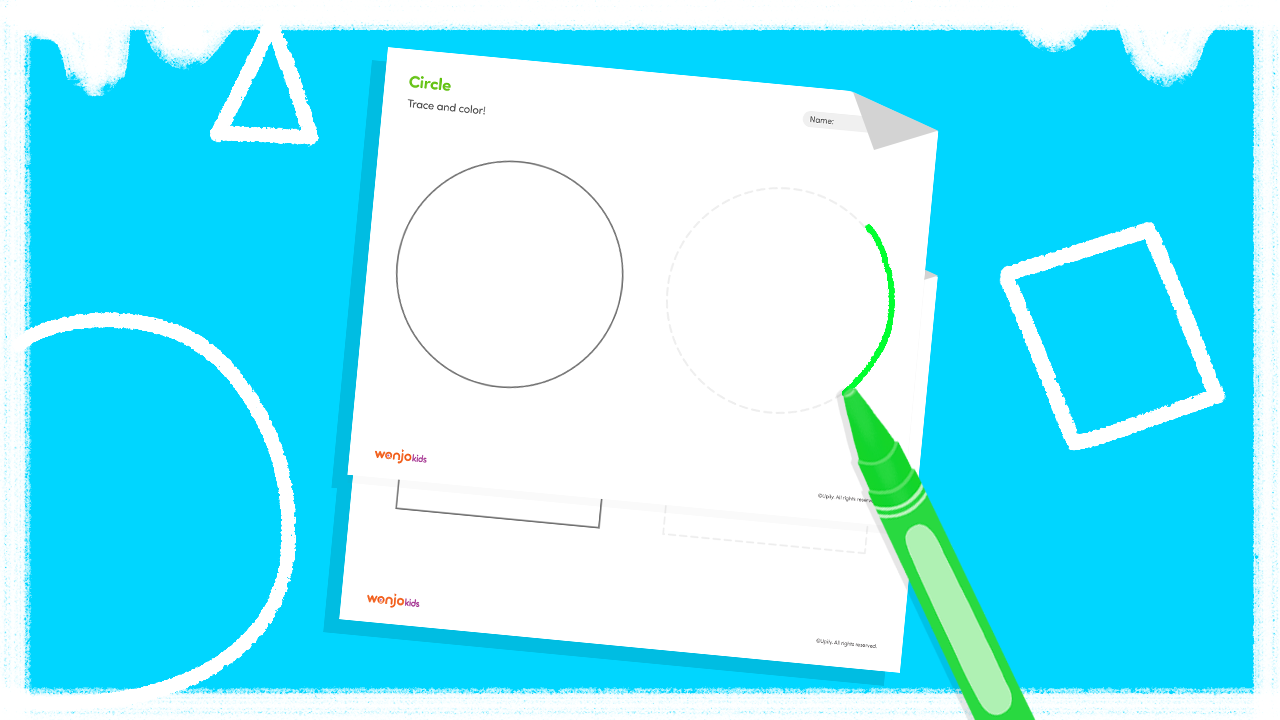
2D Shapes Coloring
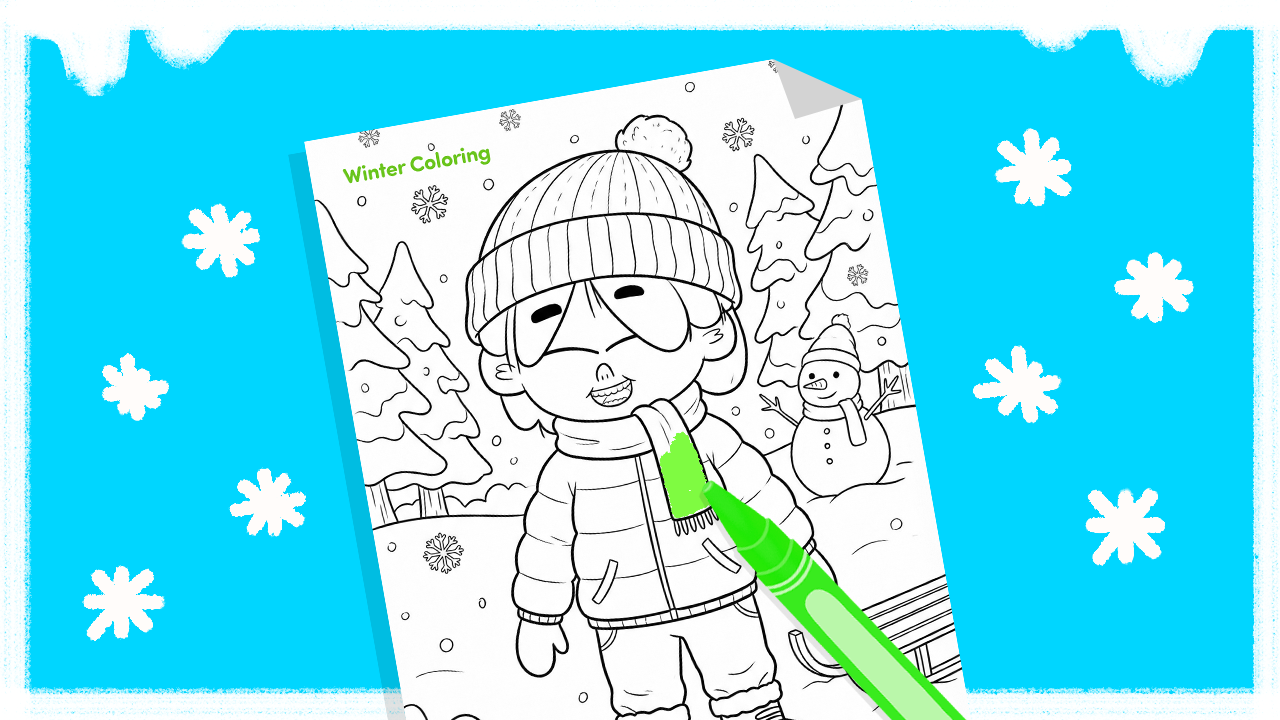
Color the Season – Winter
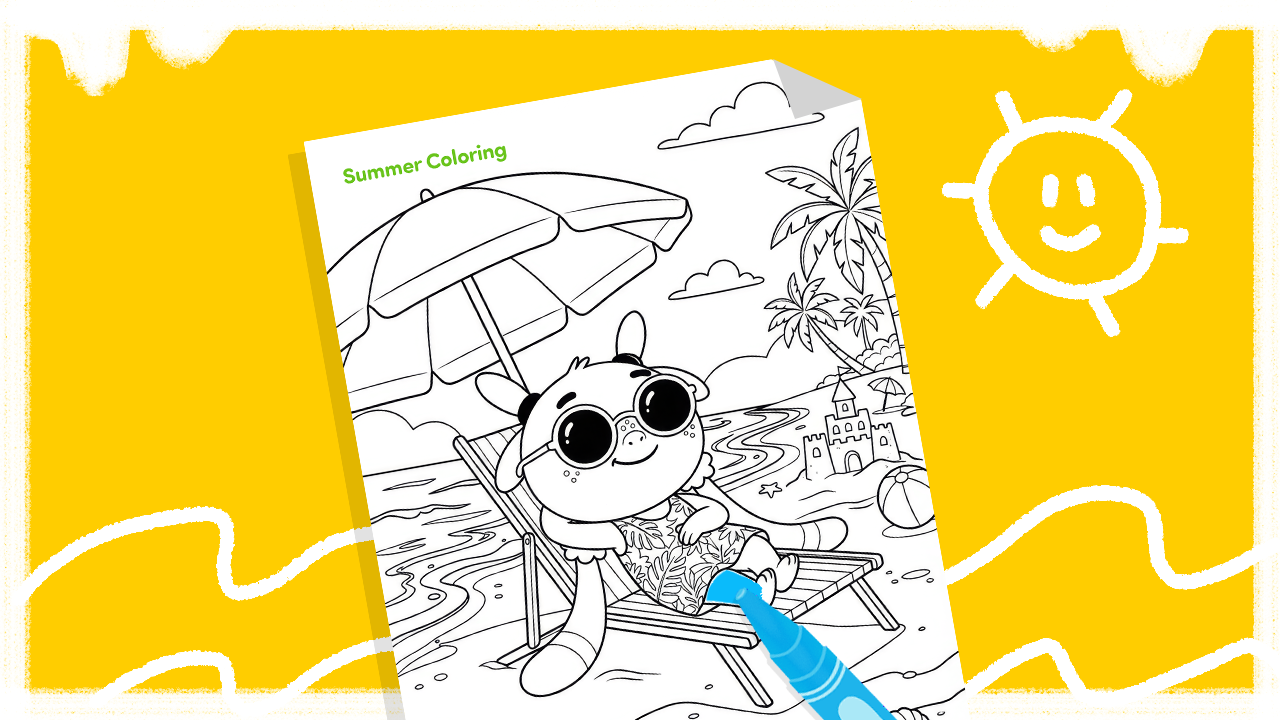
Color the Season – Summer
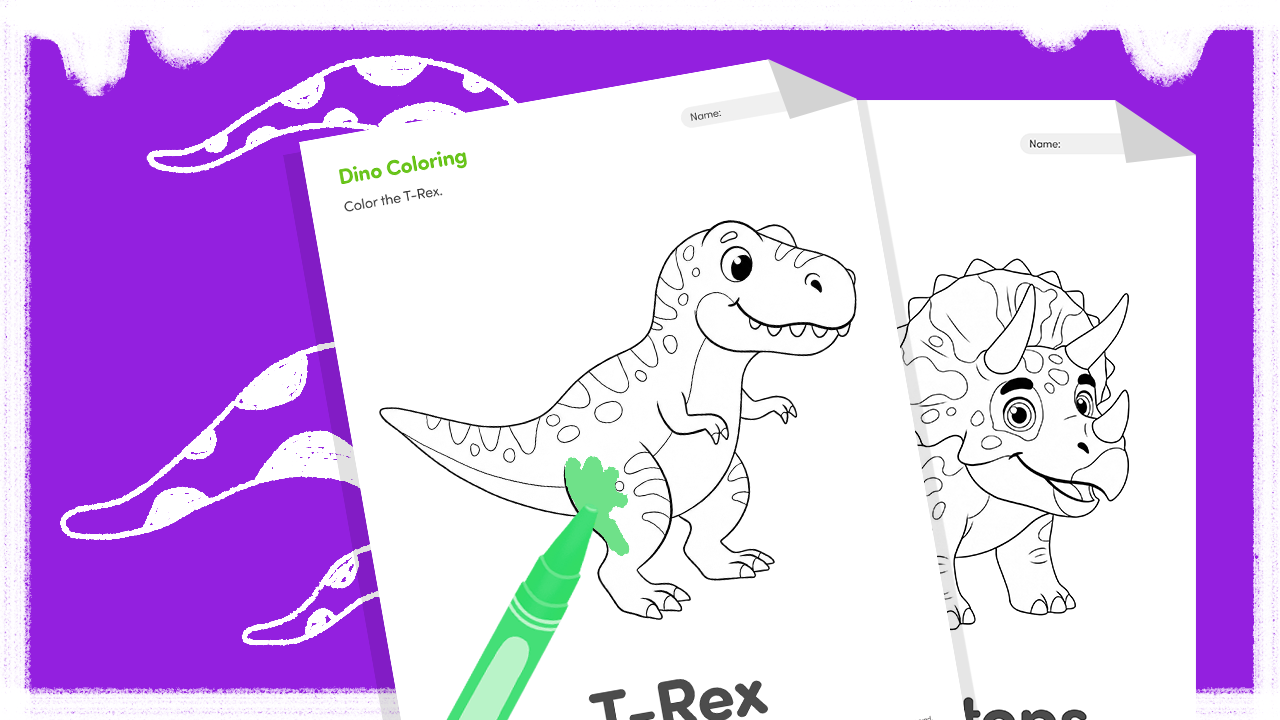
Color the Dinosaur
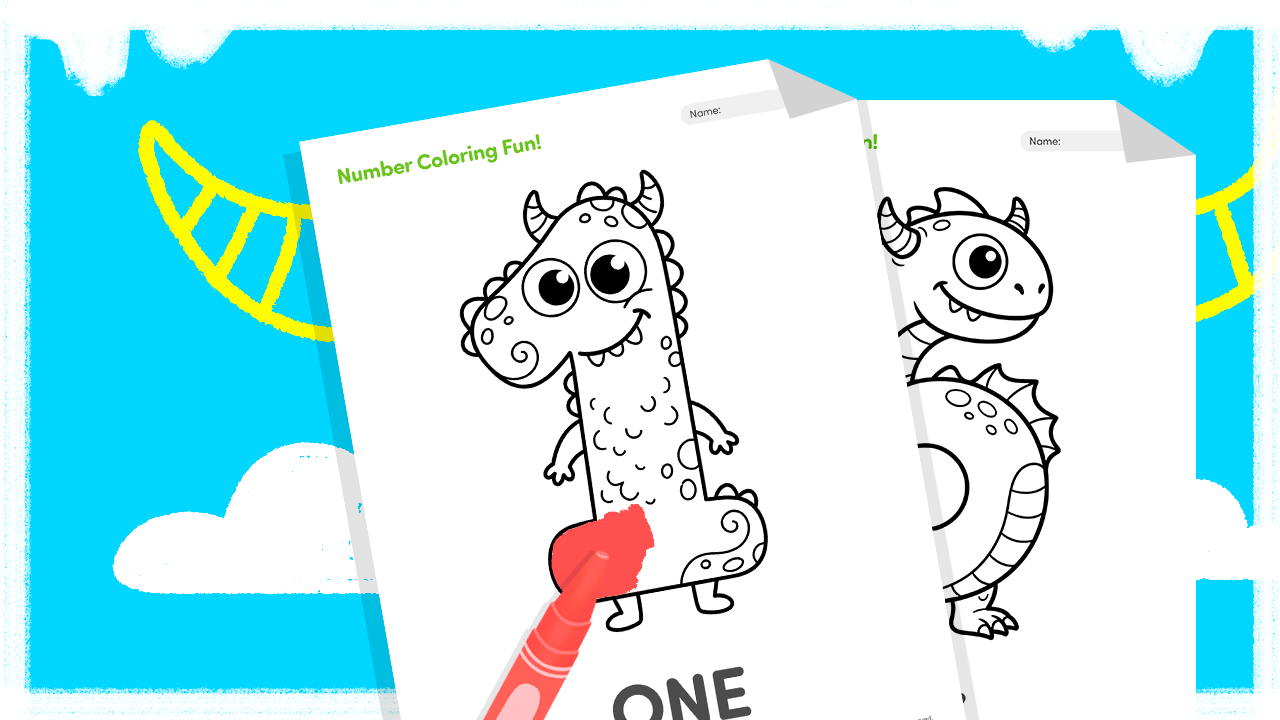
Color the Numbers 1-10
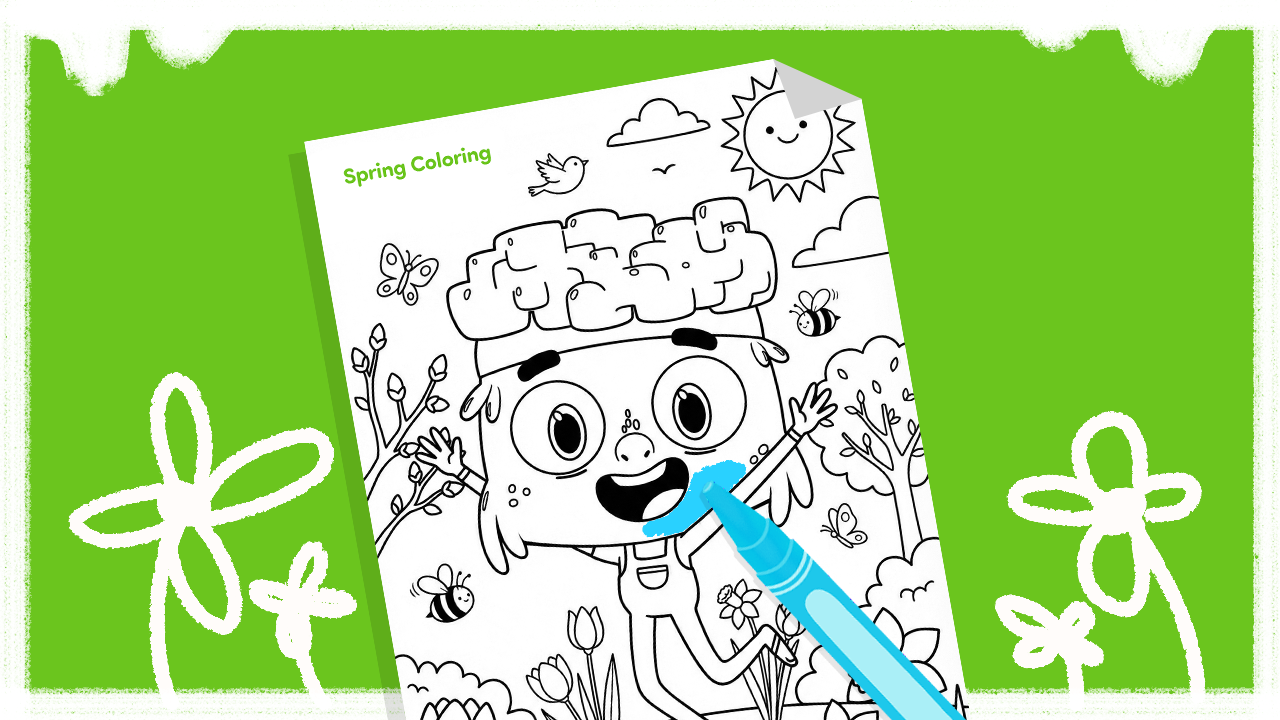
Color the Season – Spring
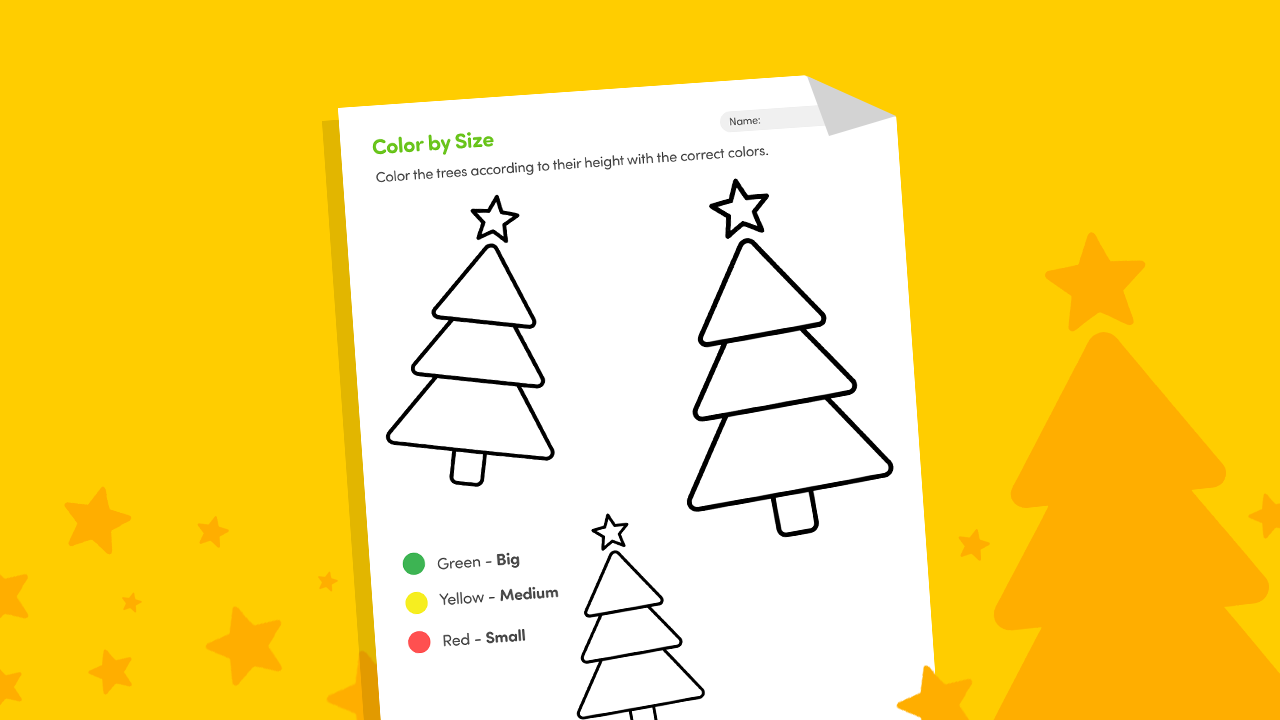
Color by Size
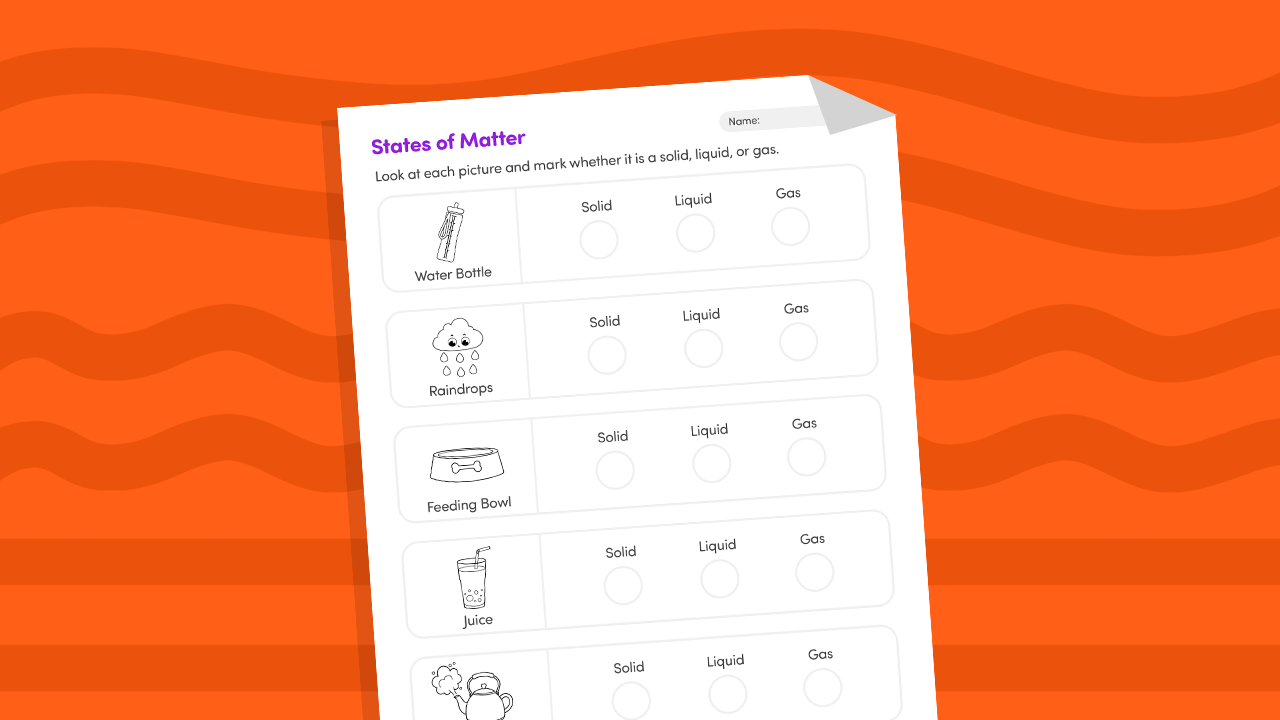
States of Matter
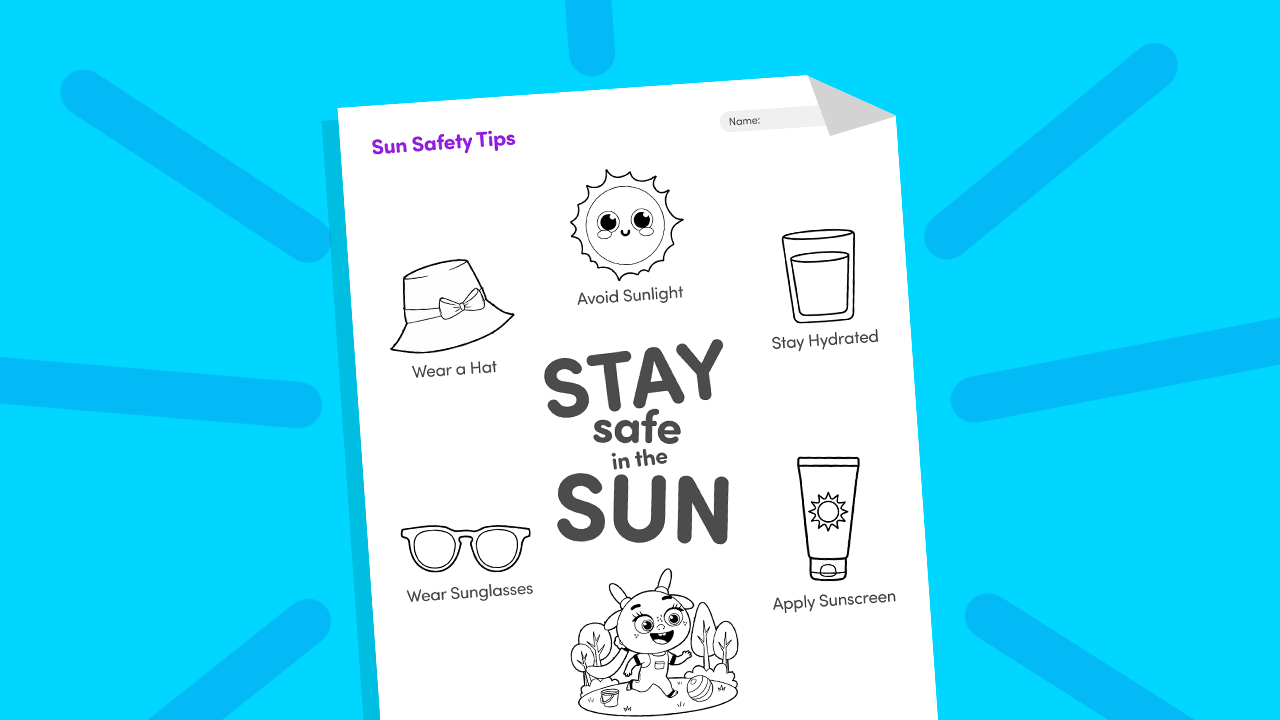
Stay Safe in the Sun – Sun Safety Worksheet
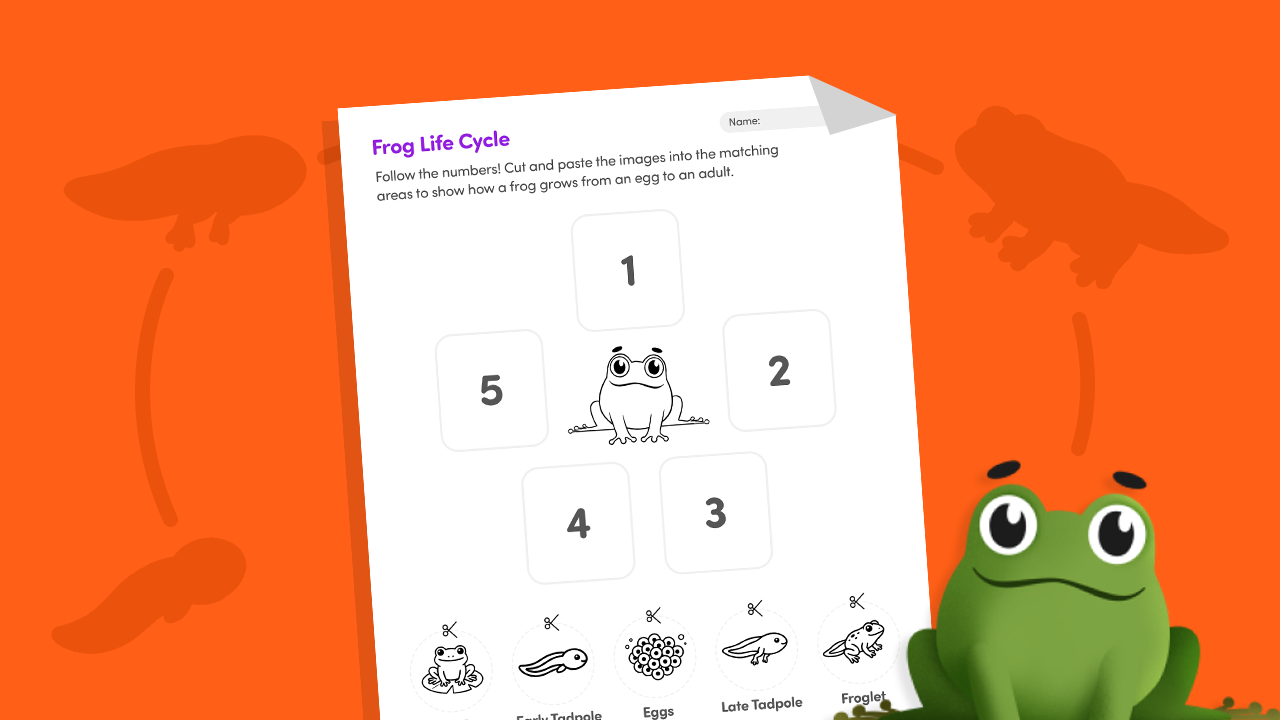
Frog Life Cycle
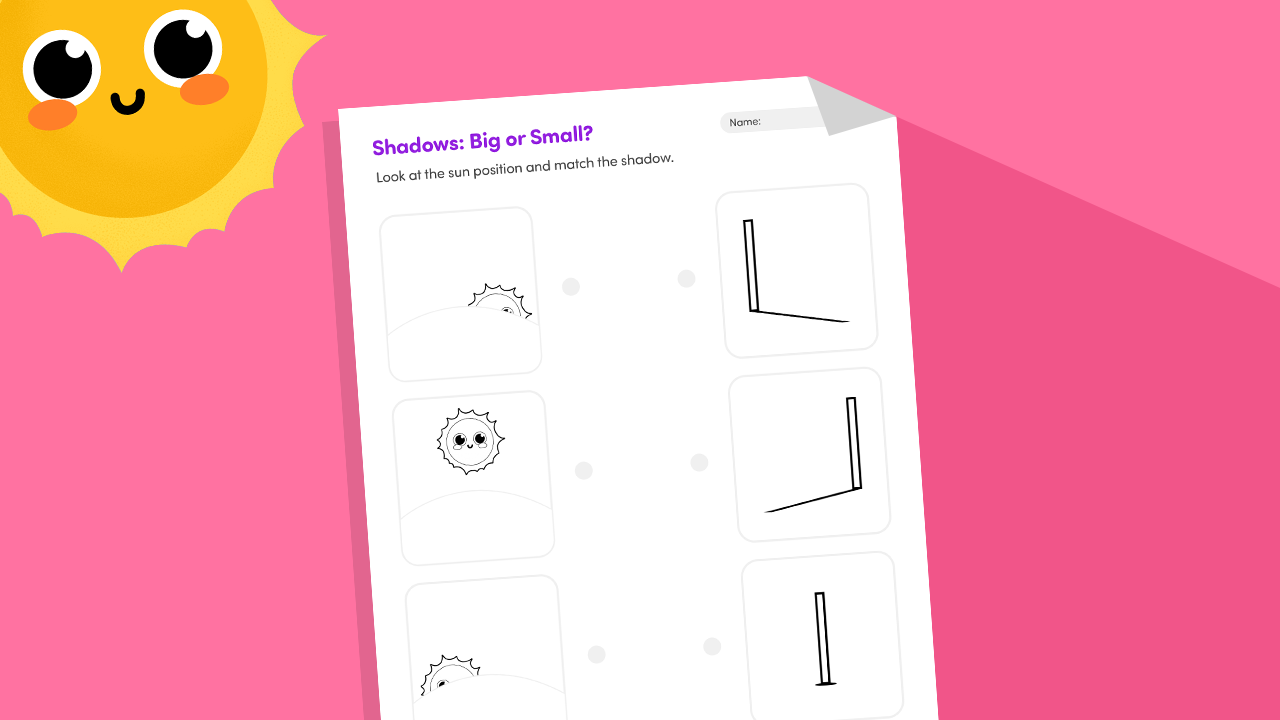
Know the Shadow Size by the Position of the Sun
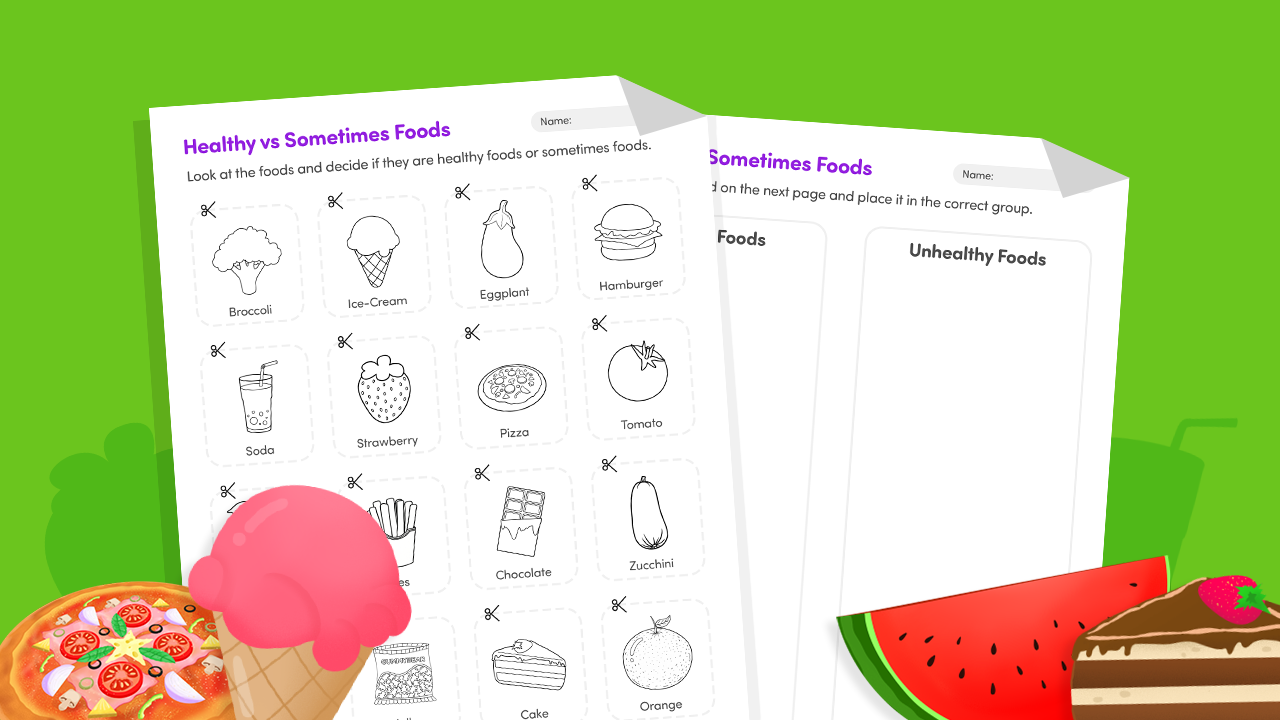
Sort Healthy vs Junk Food (Sometimes Foods)
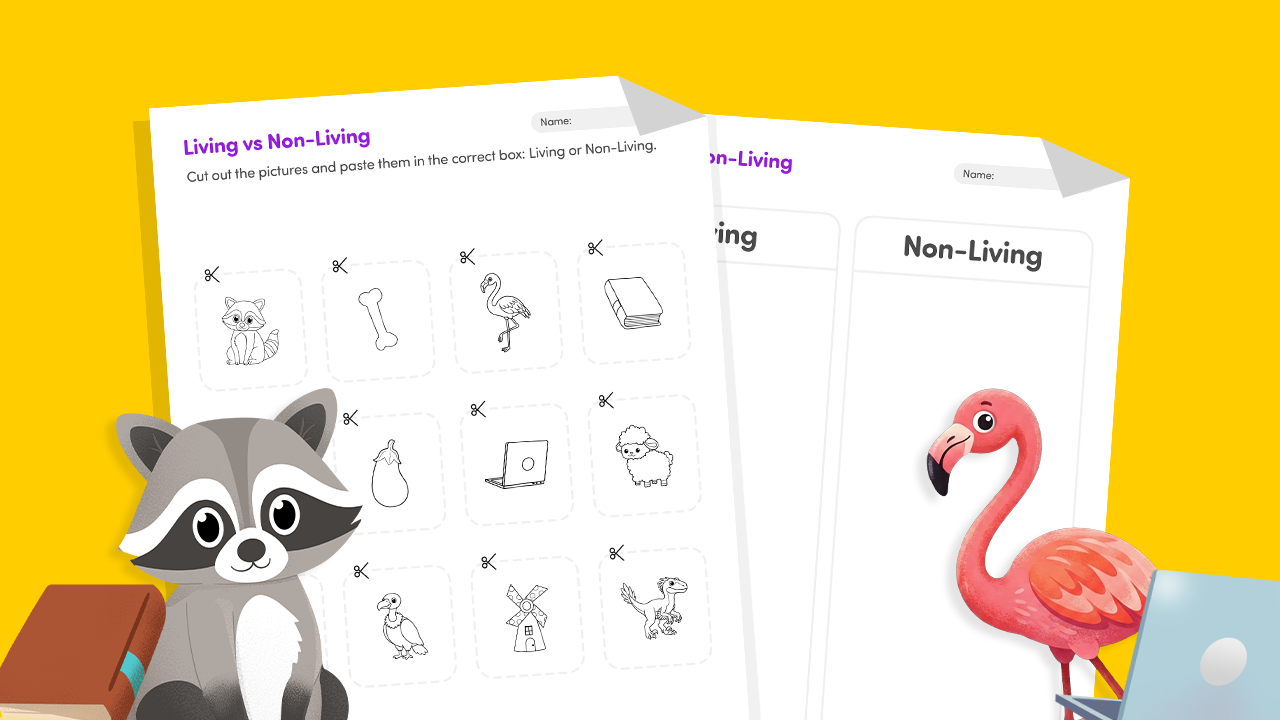
Sort Living vs Non-living Things
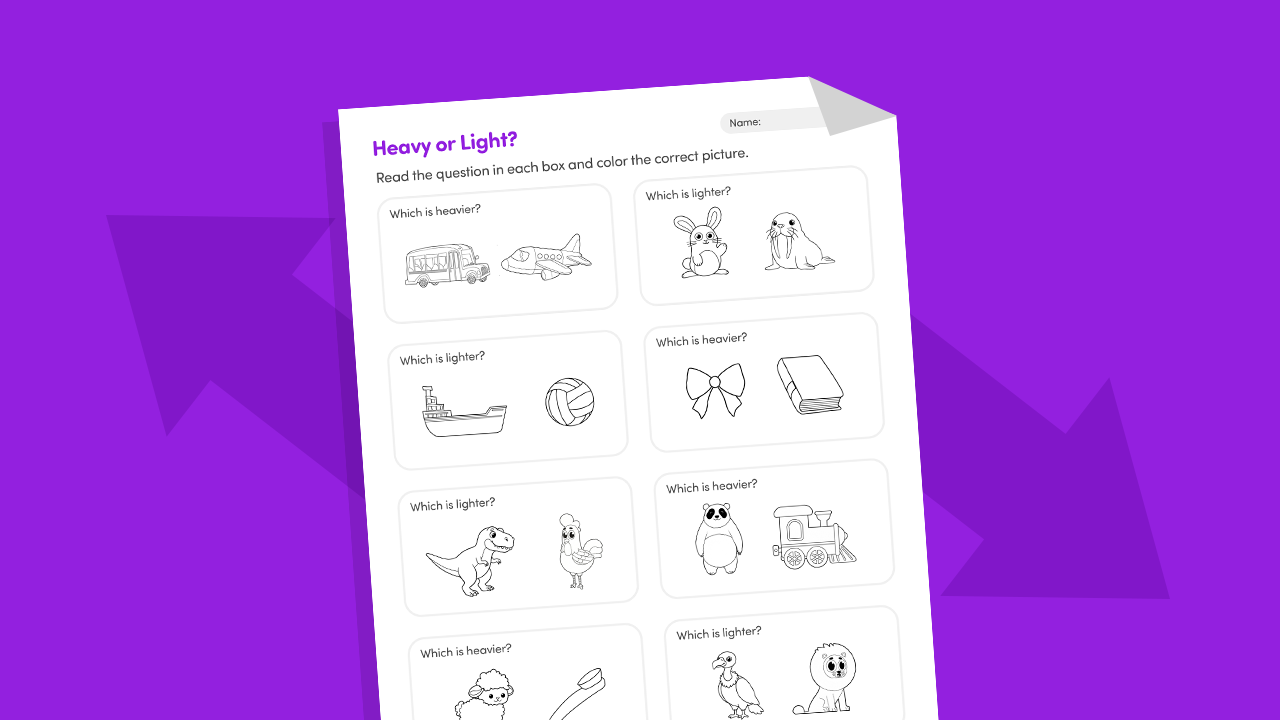
Guess Which is Heavy or Light Objects
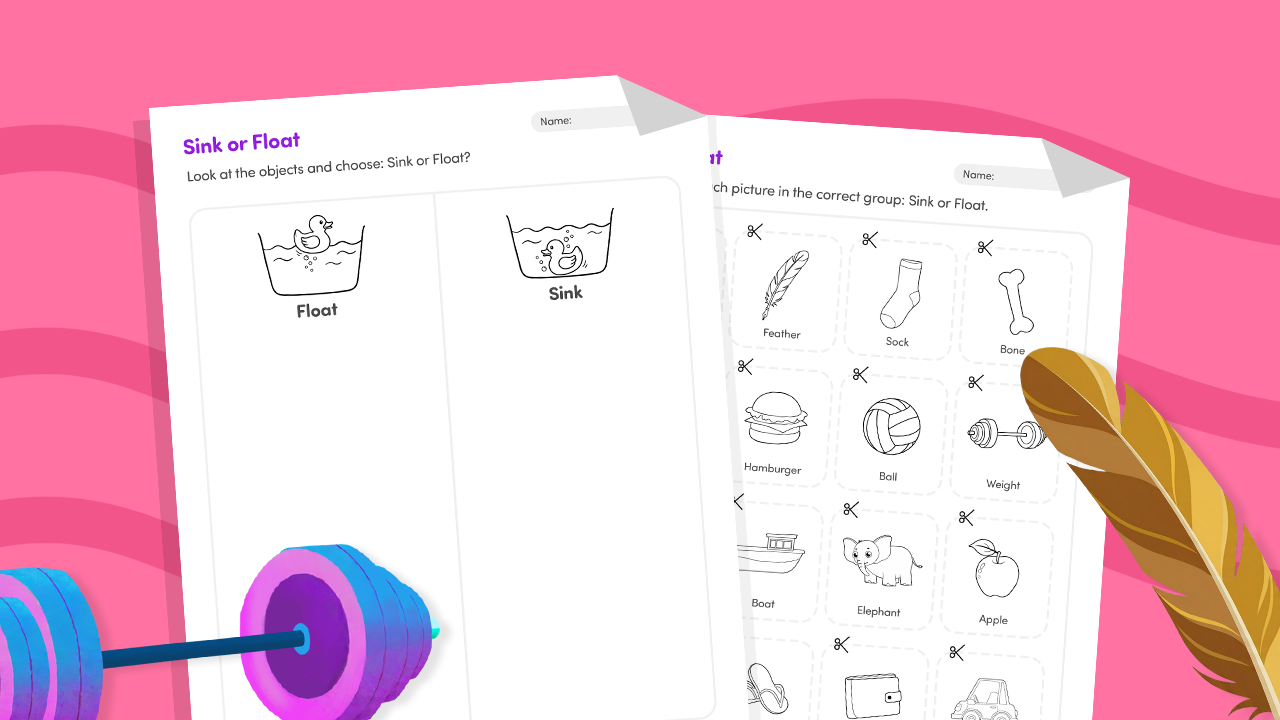
Will it Sink or Float?
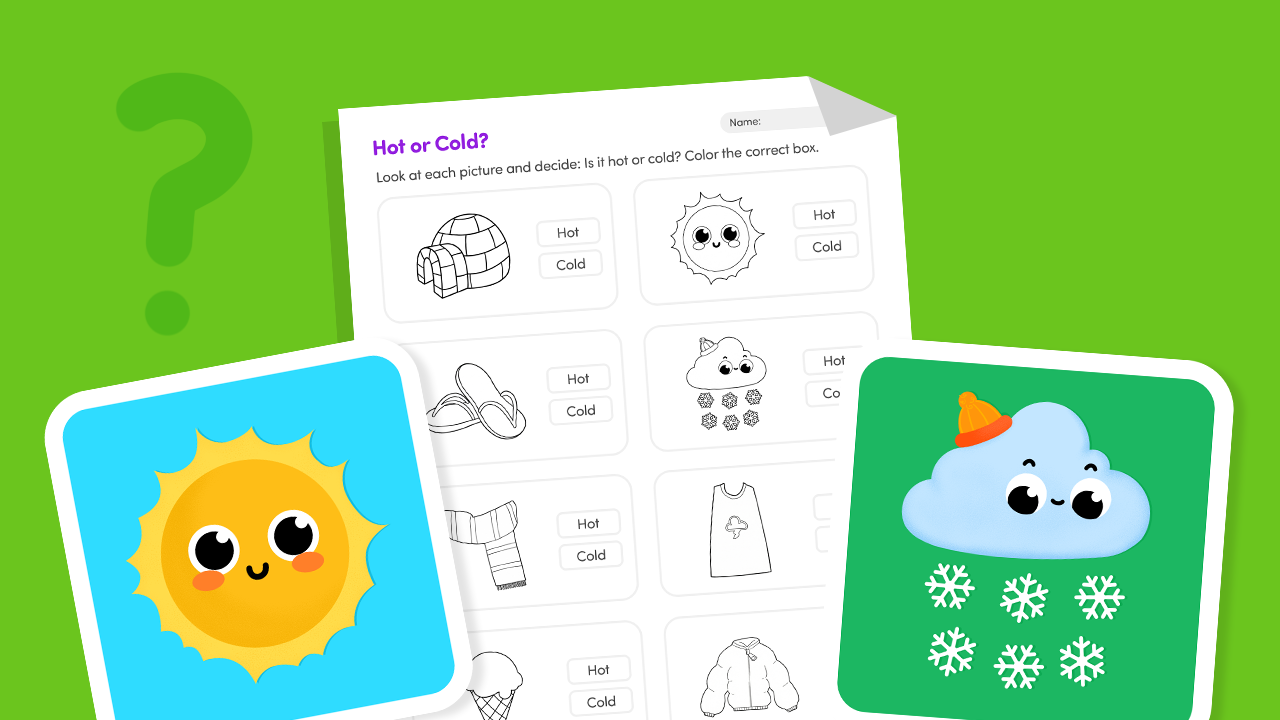
Hot or Cold?
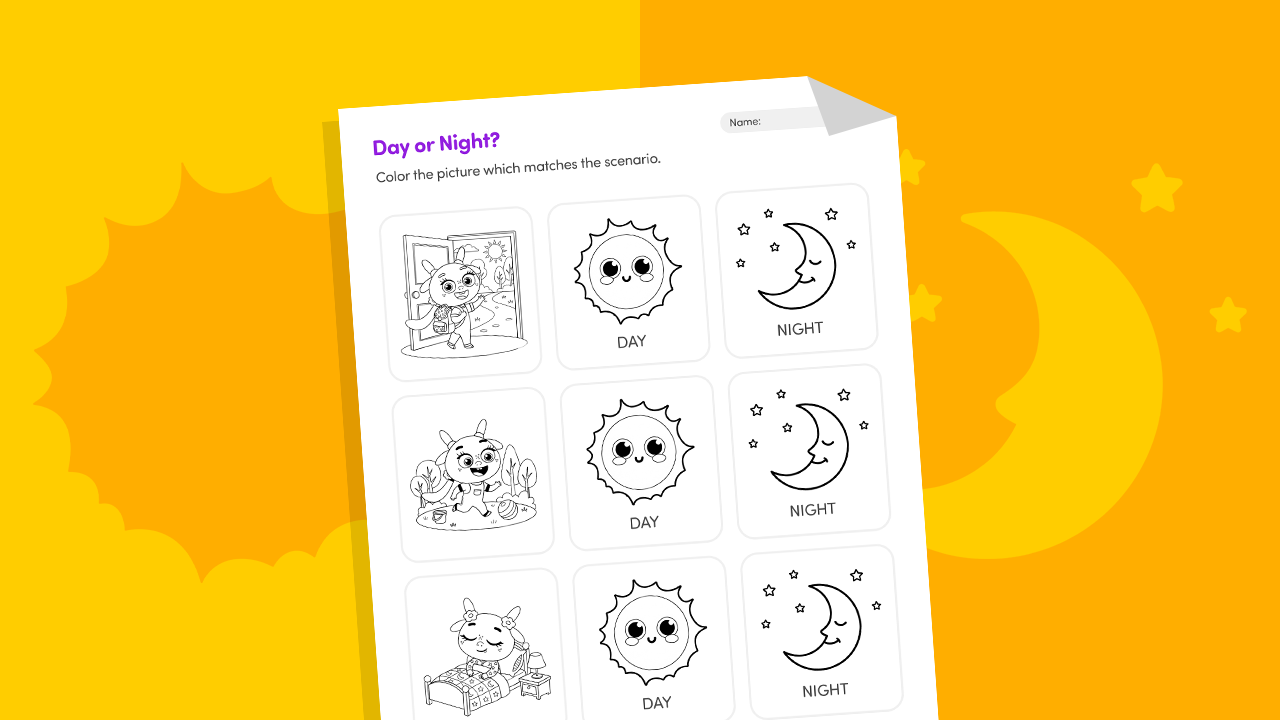
Day and Night Worksheet
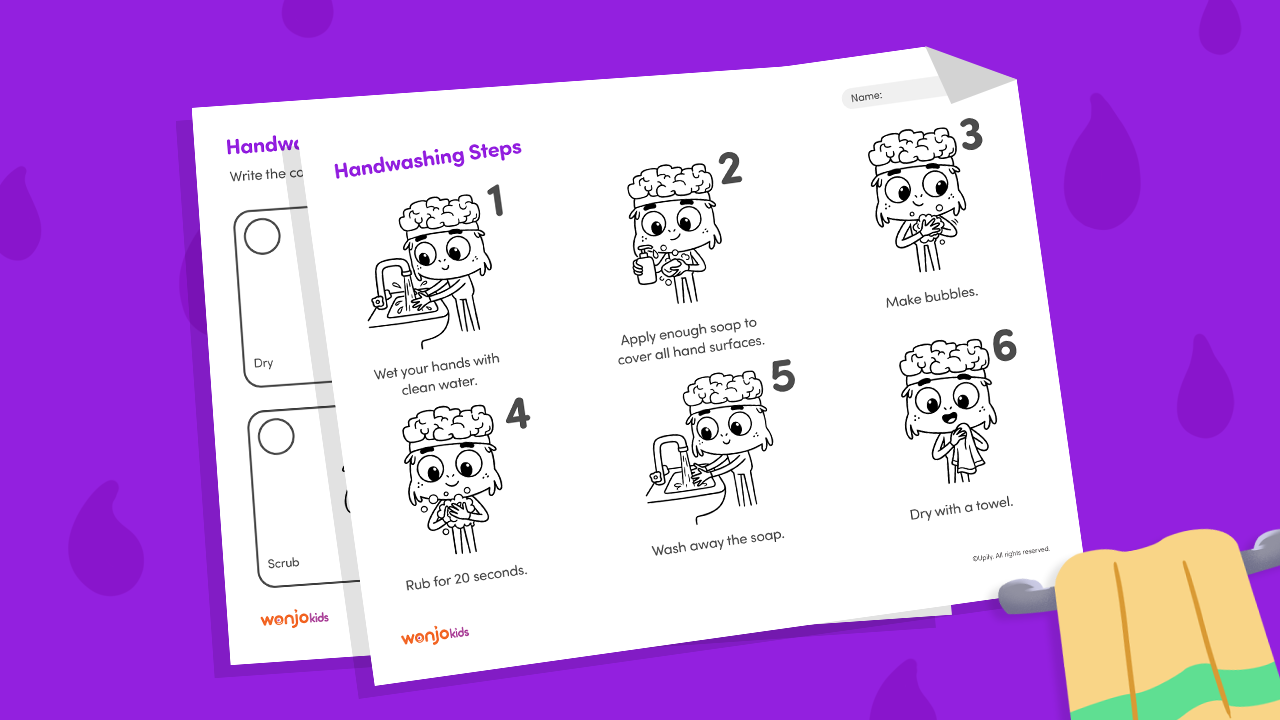
Steps to Wash Your Hands
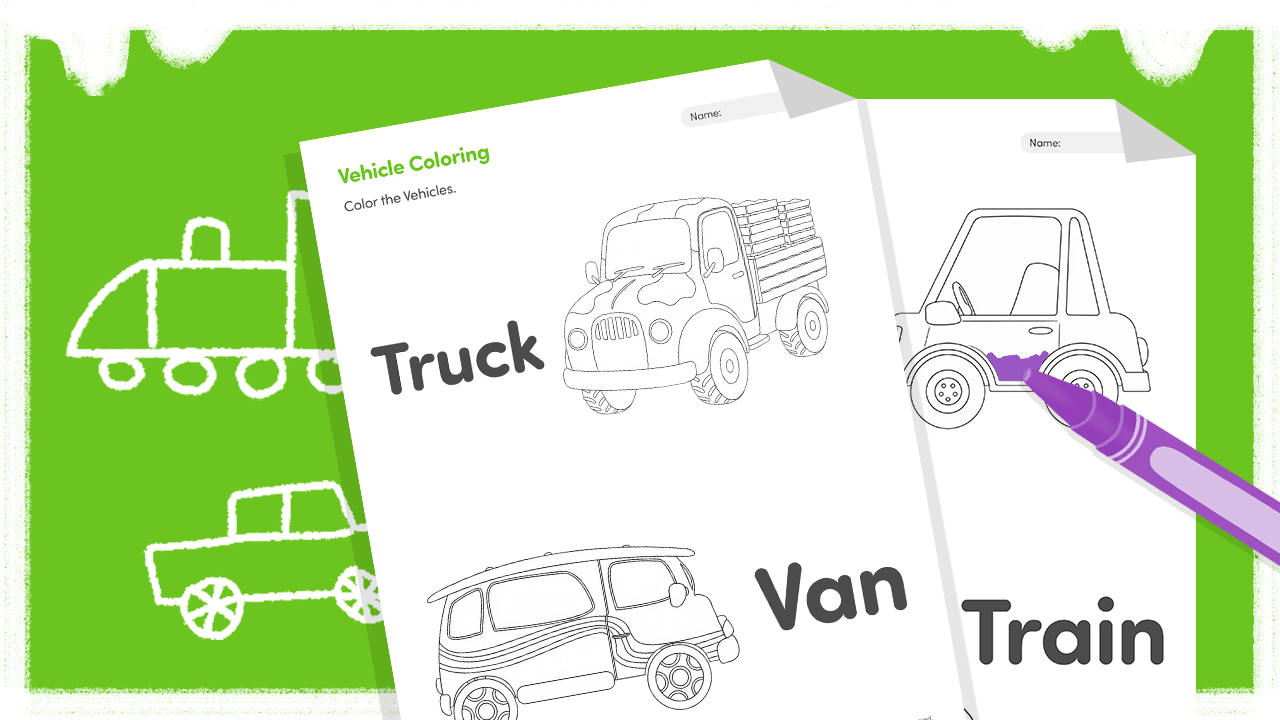
Vehicle Coloring for Kids
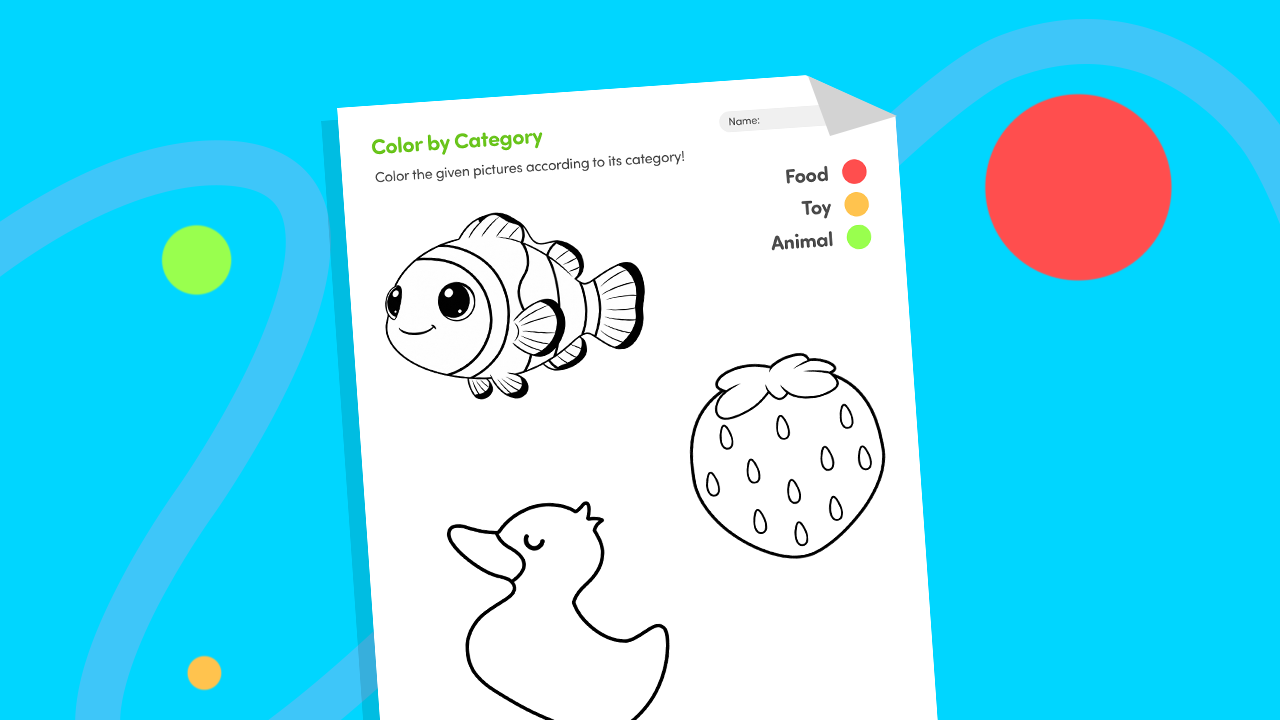
Color the Animals, Food and Toys – Color by Category
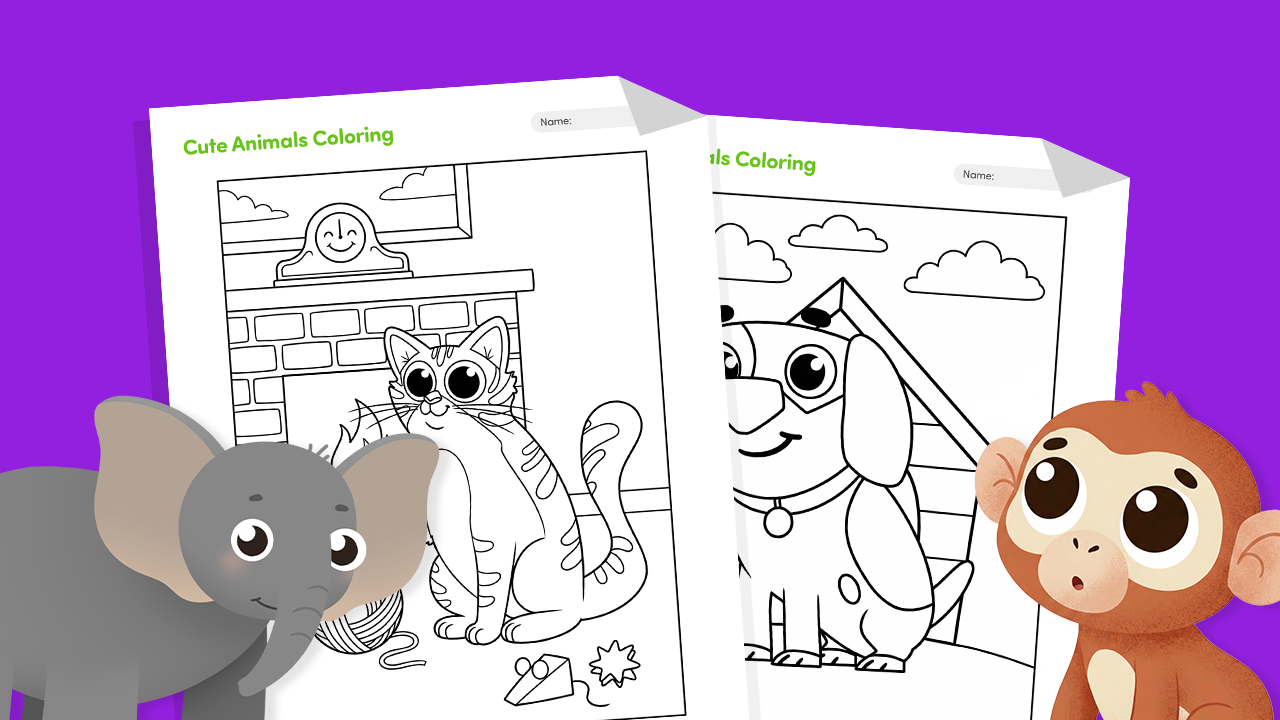
Animals Coloring Pages for Kids
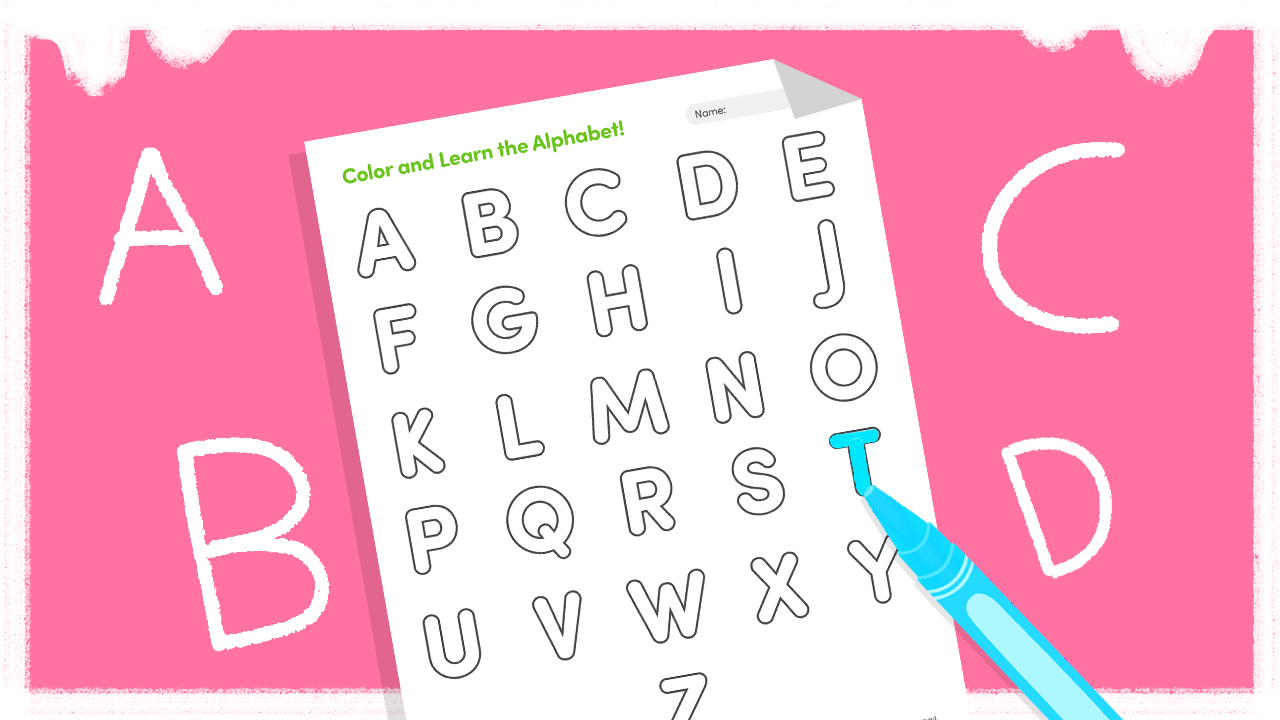
Alphabet Coloring A–Z
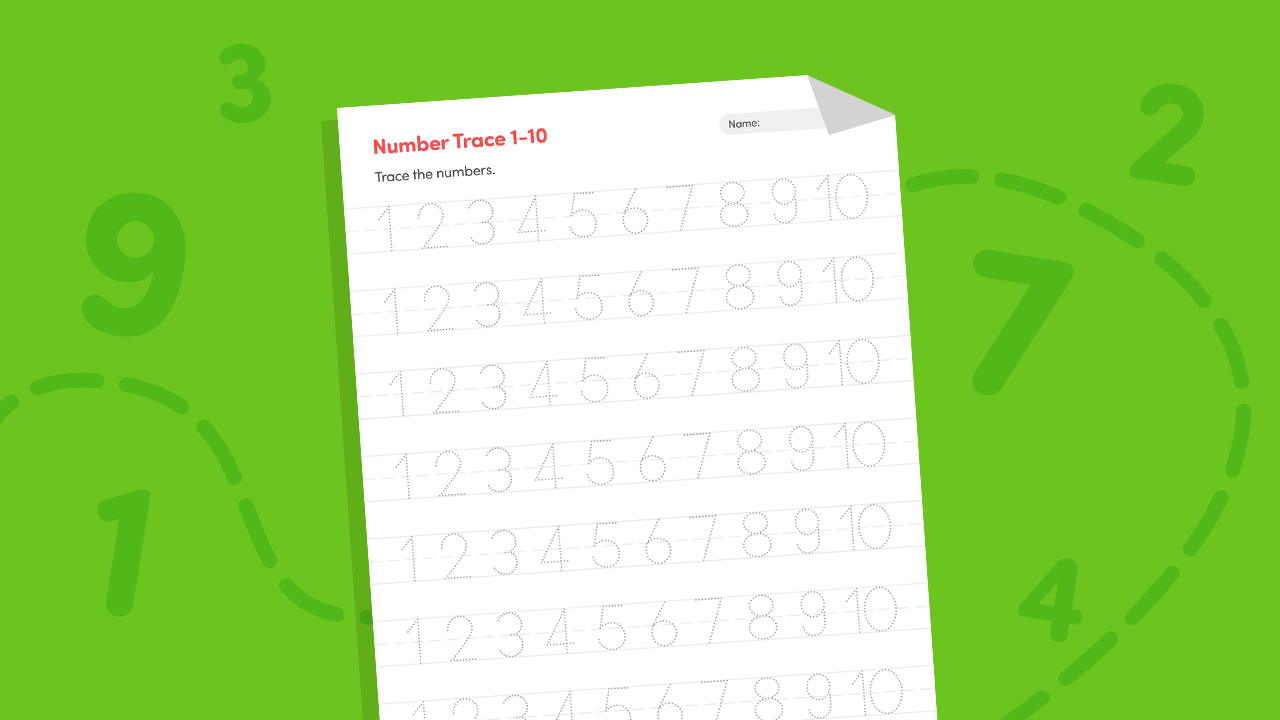
Number Tracing – 1 to 10
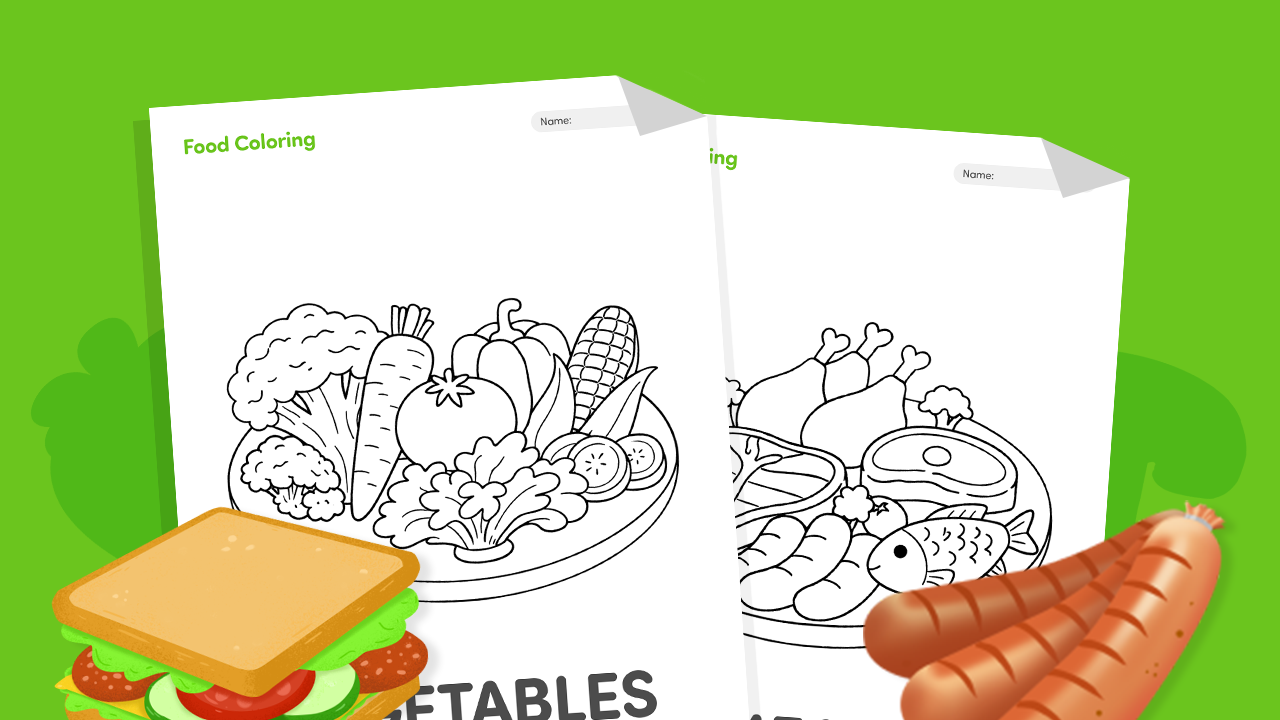
Food Coloring Pages for Kids
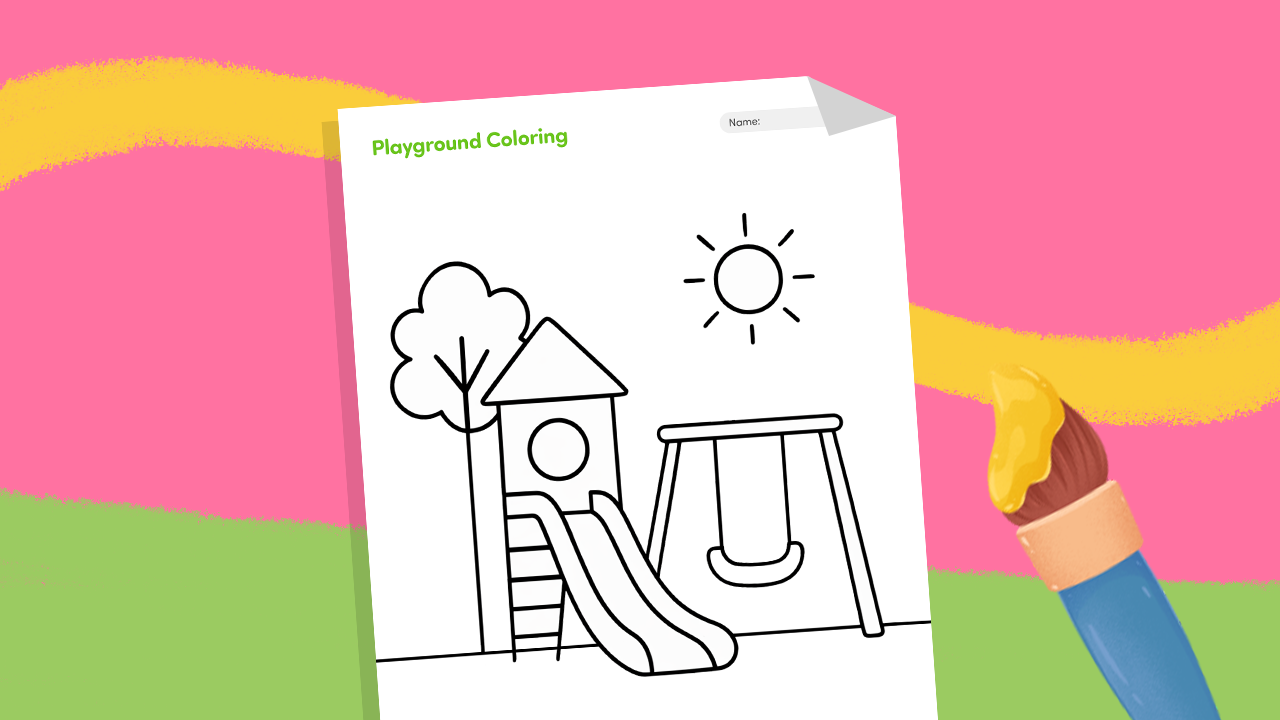
Park Playground Coloring Pages for Kids
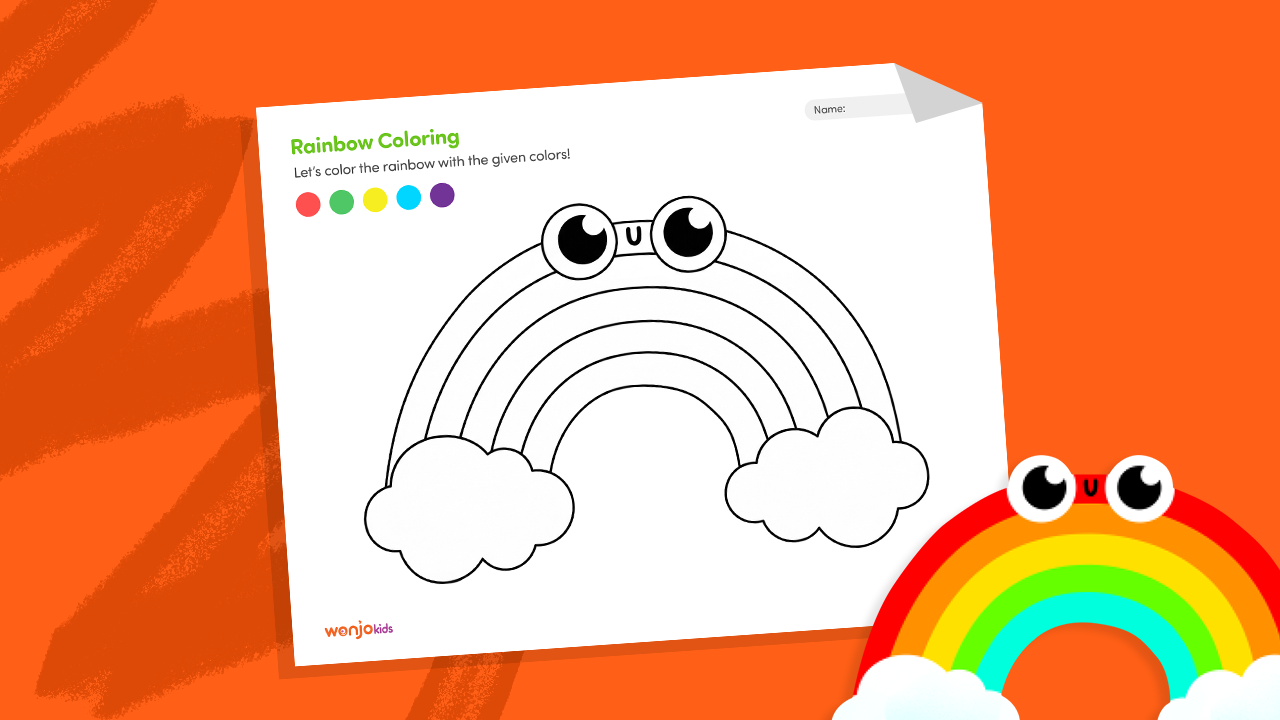
Rainbow Coloring Pages for Kids
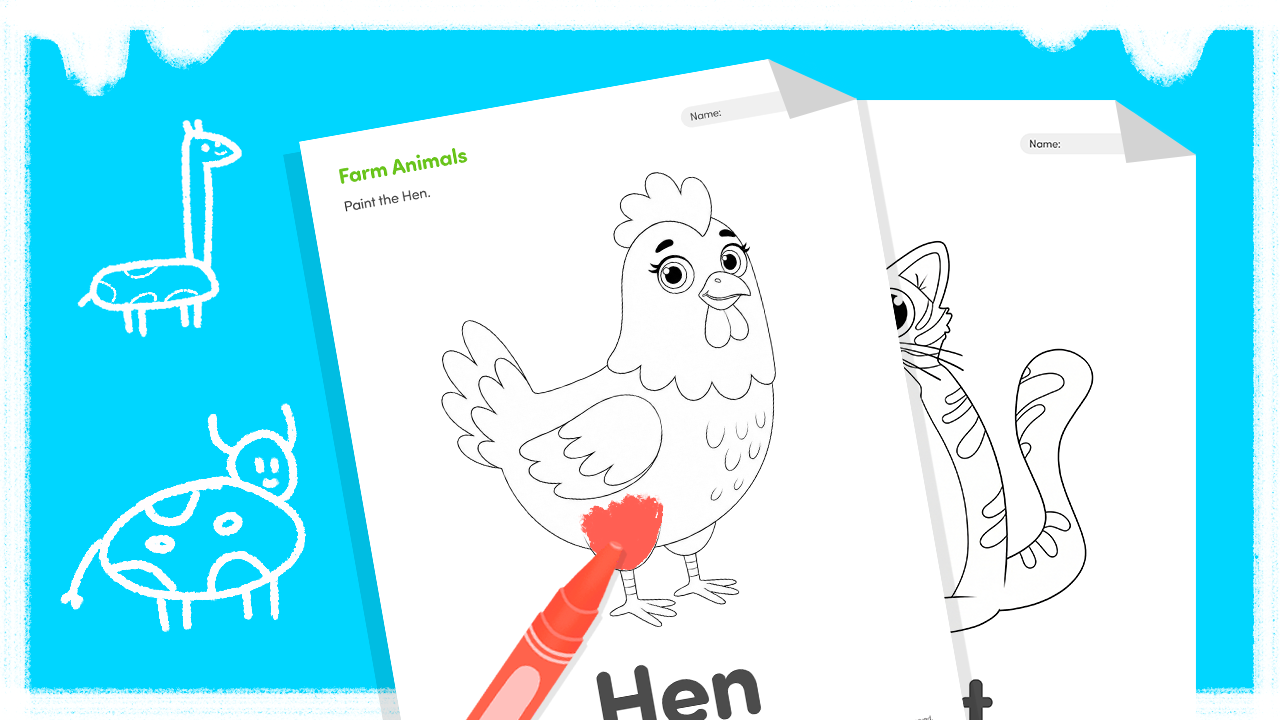
Farm Animals Coloring
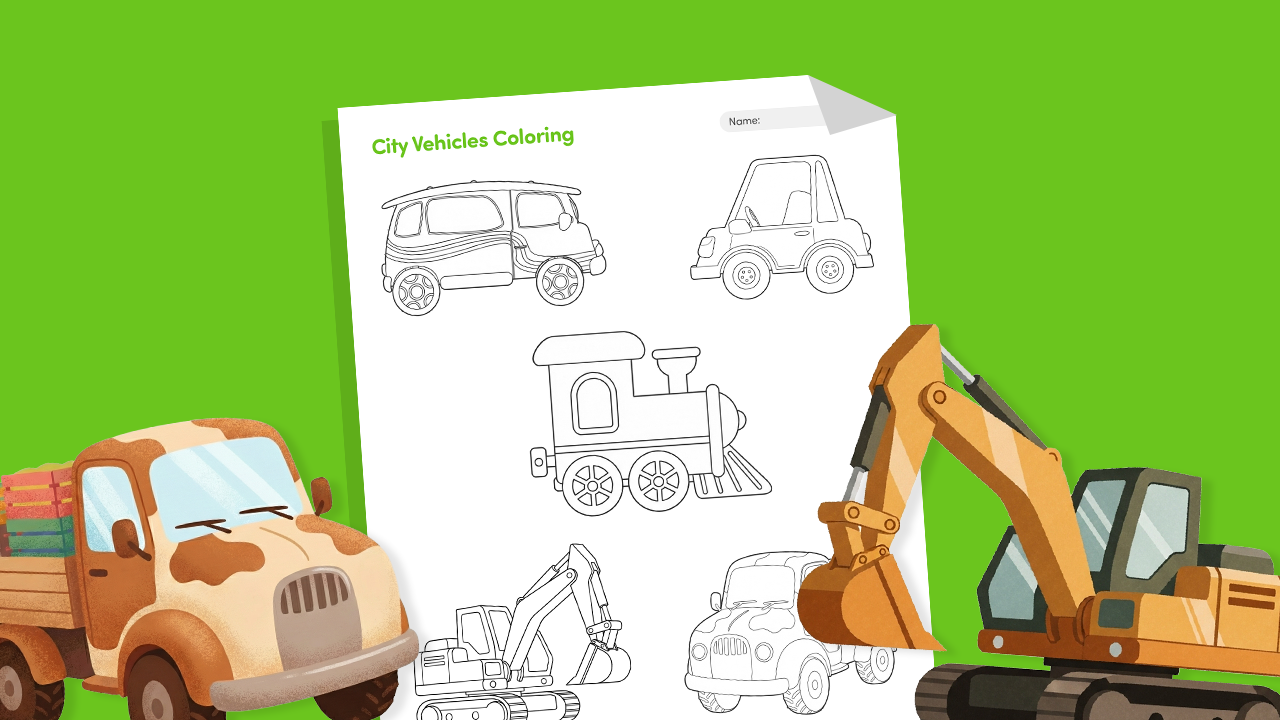
City Vehicles Coloring Pages
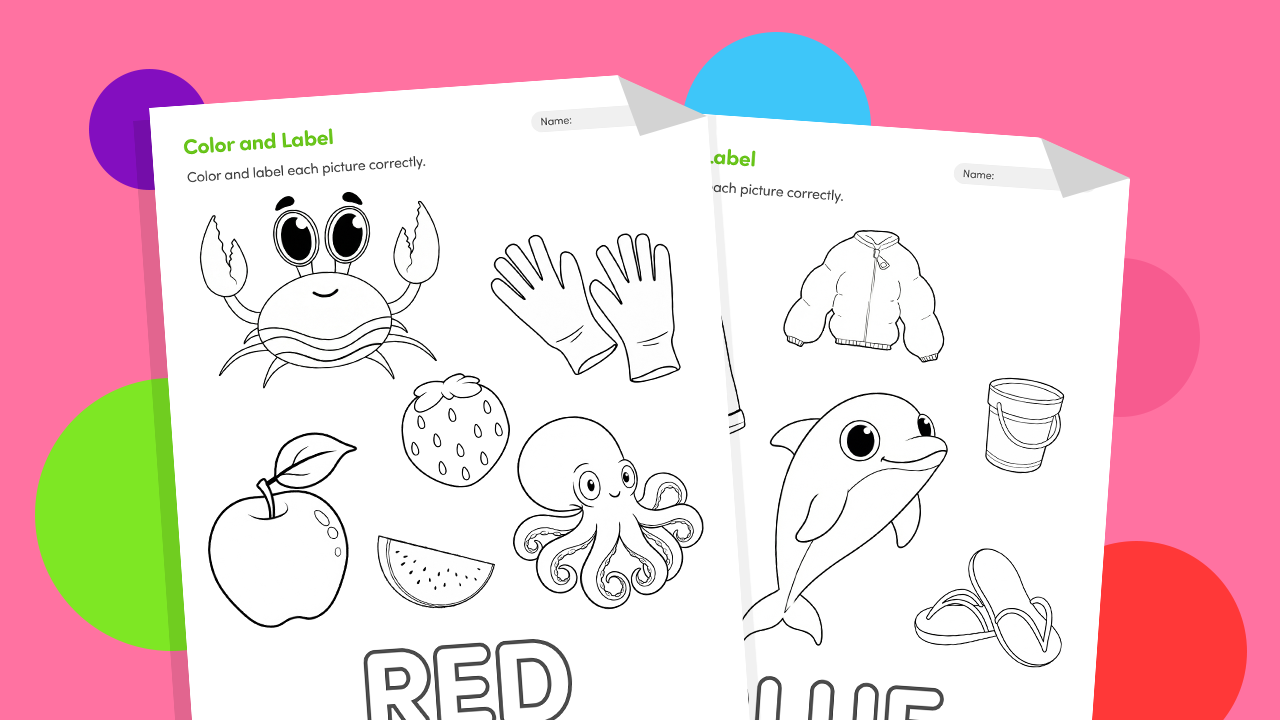
Color the Pictures Worksheet
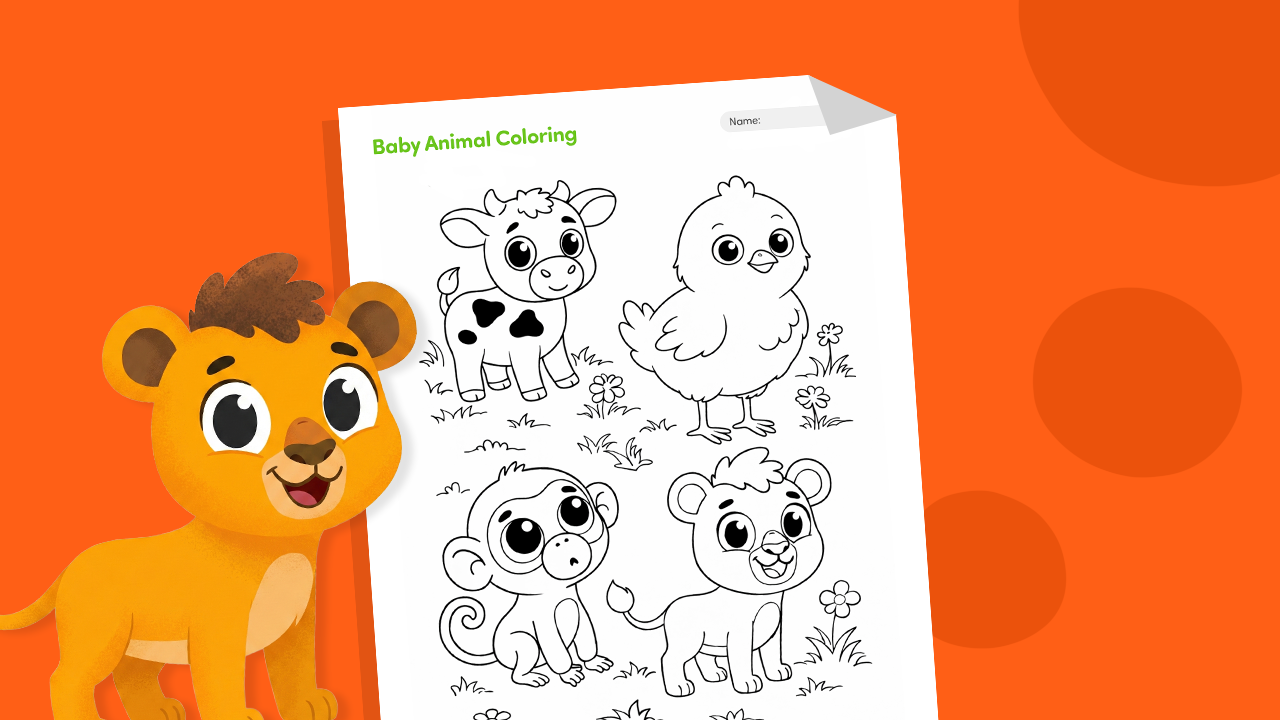
Color the Baby Animals
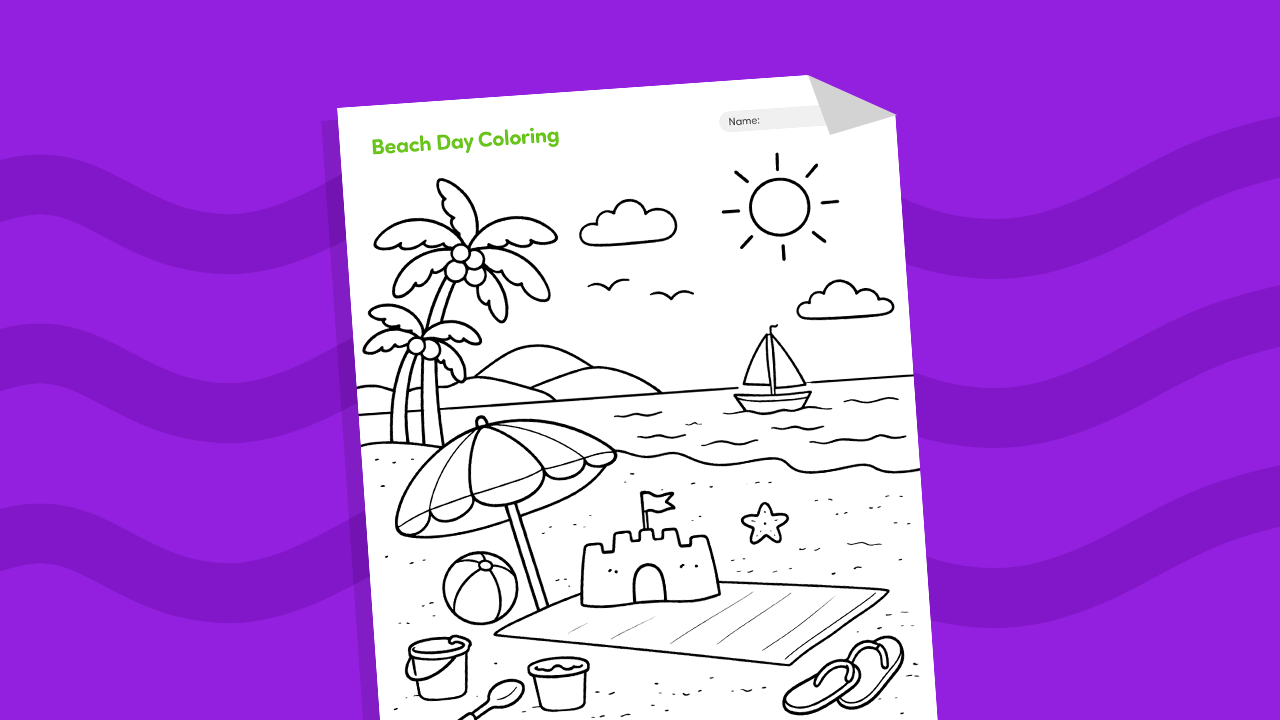
Beach Day Coloring Pages
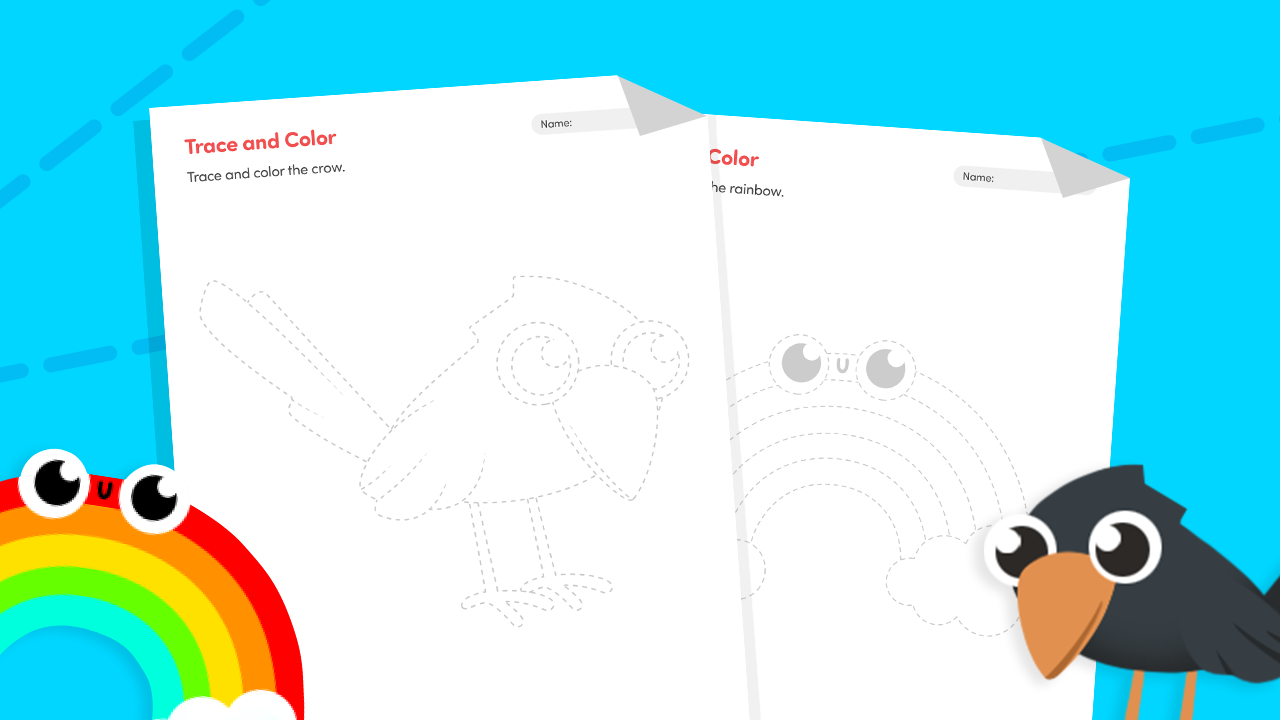
Trace and Color the things
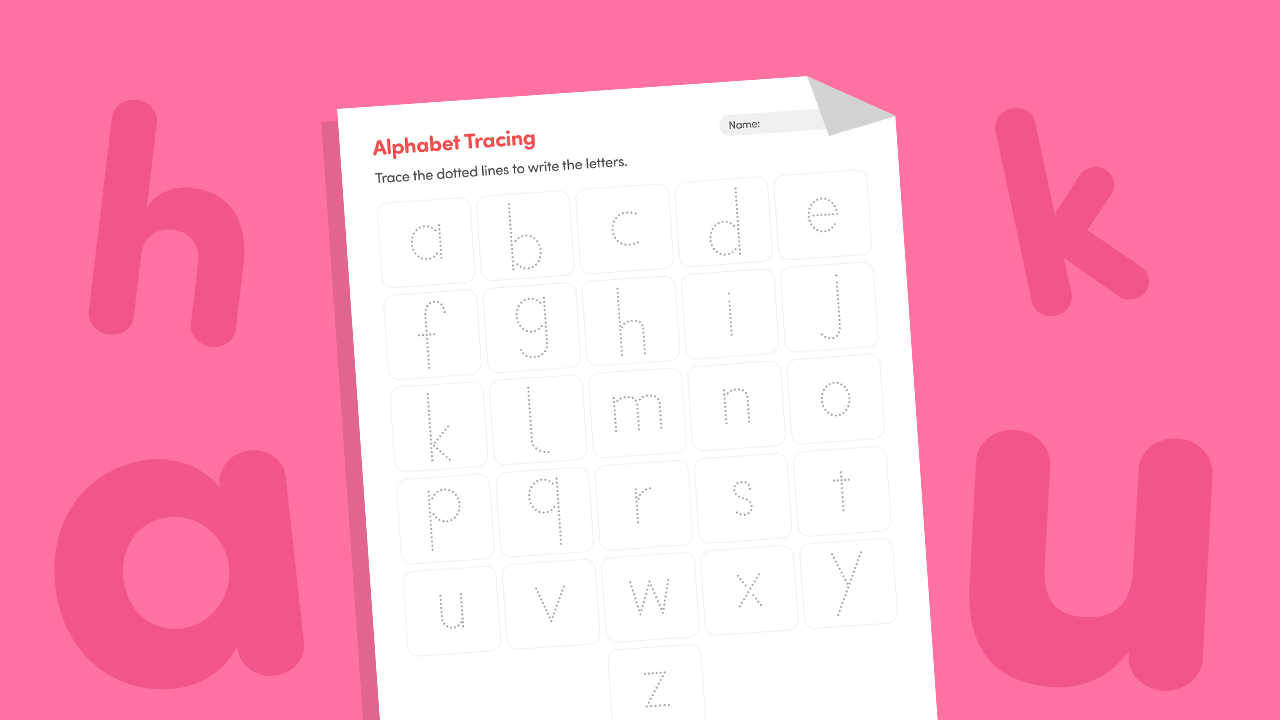
Lowercase Alphabet Tracing – a to z
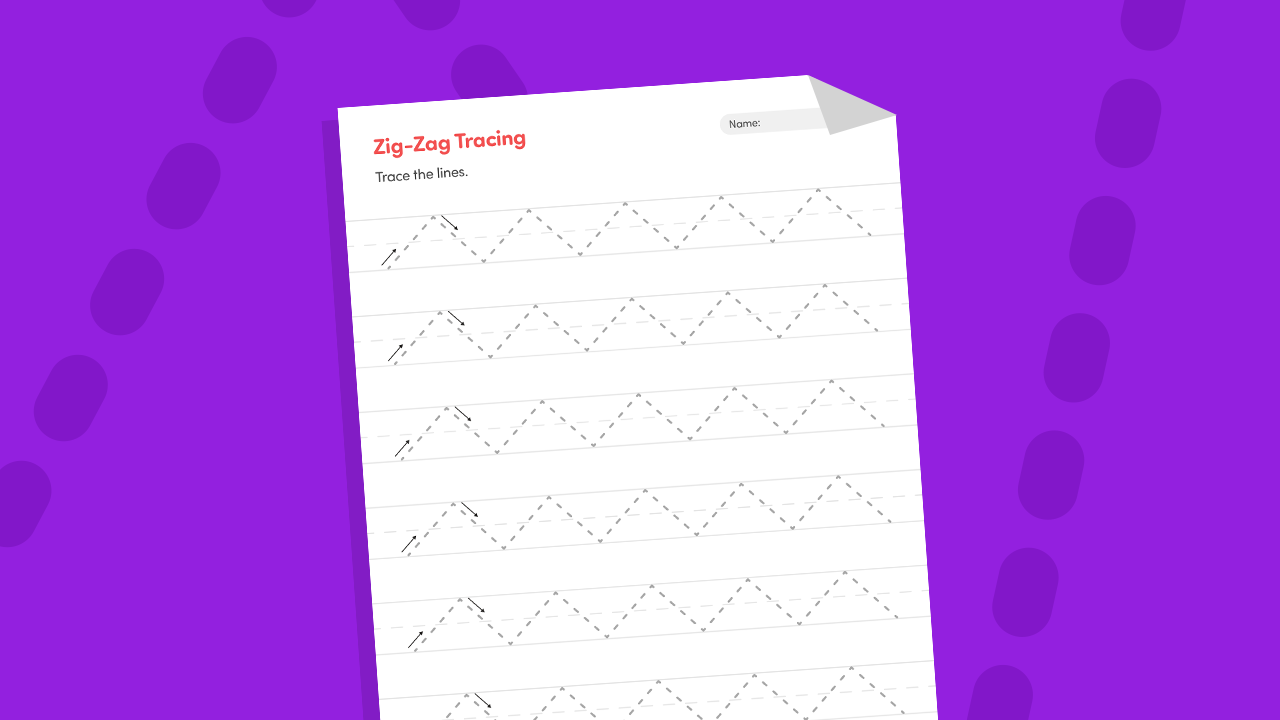
Zig-Zag Line Tracing
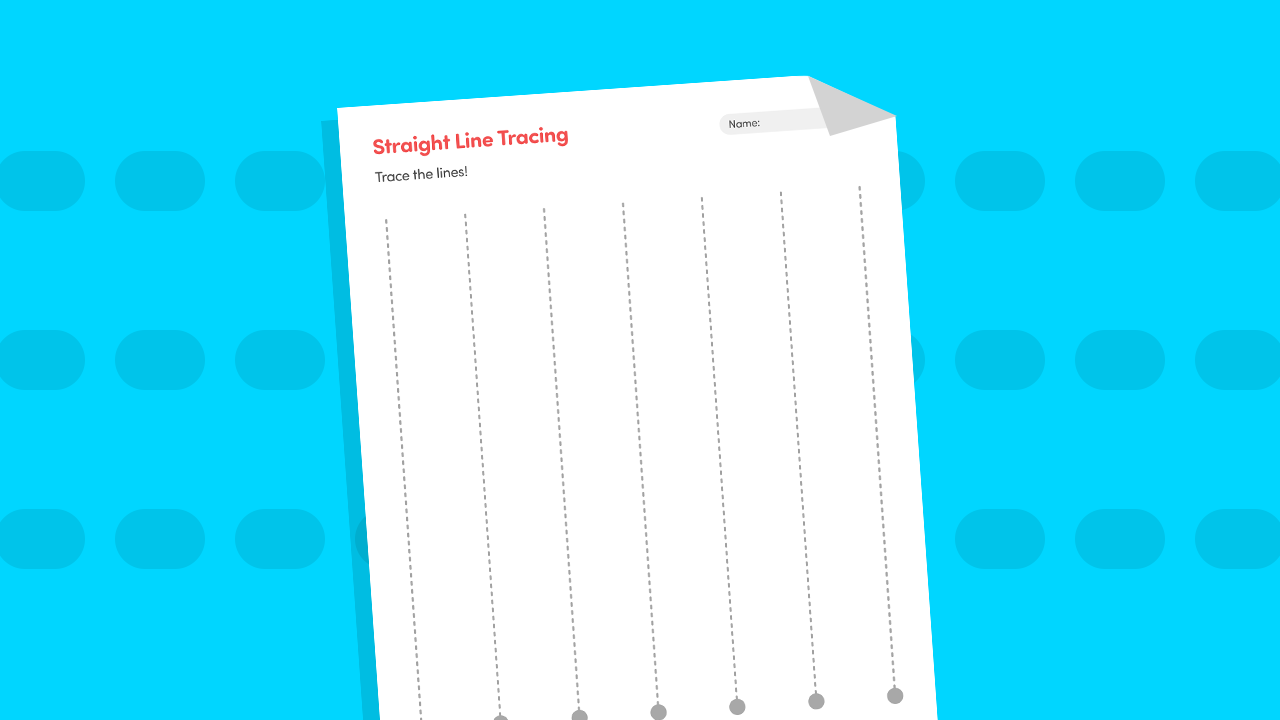
Straight Line Tracing
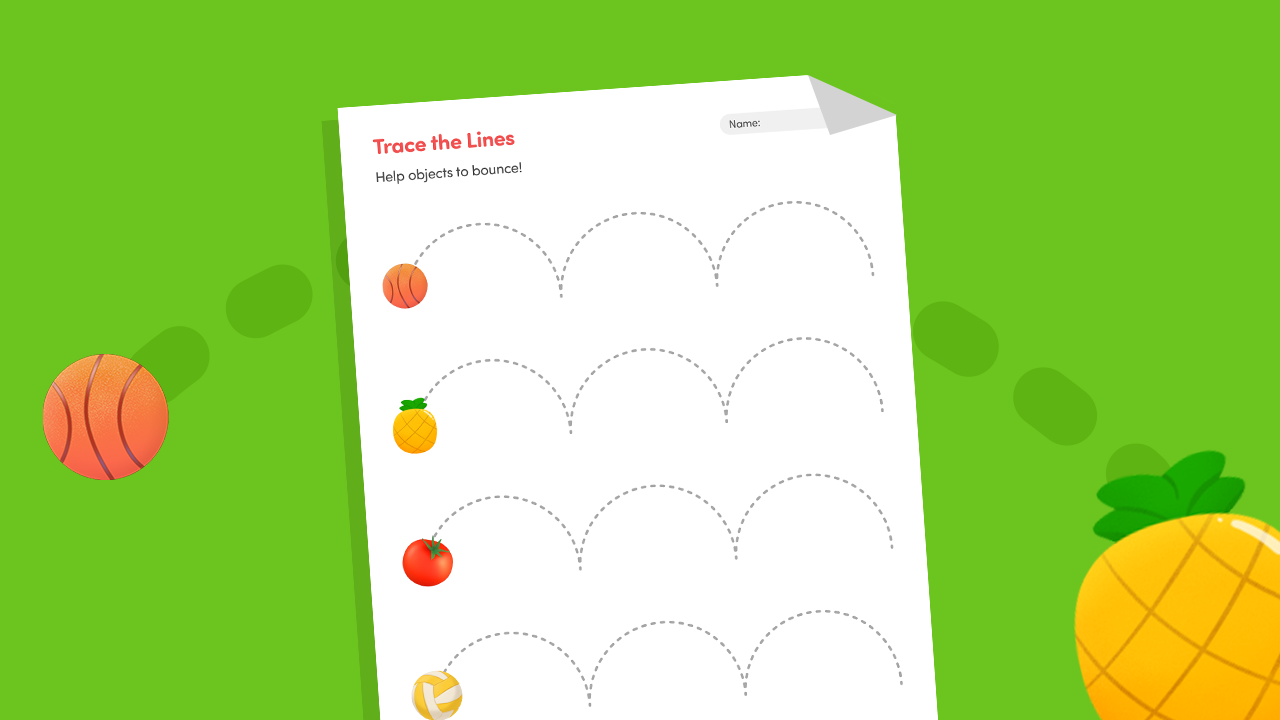
Curved Line Tracing
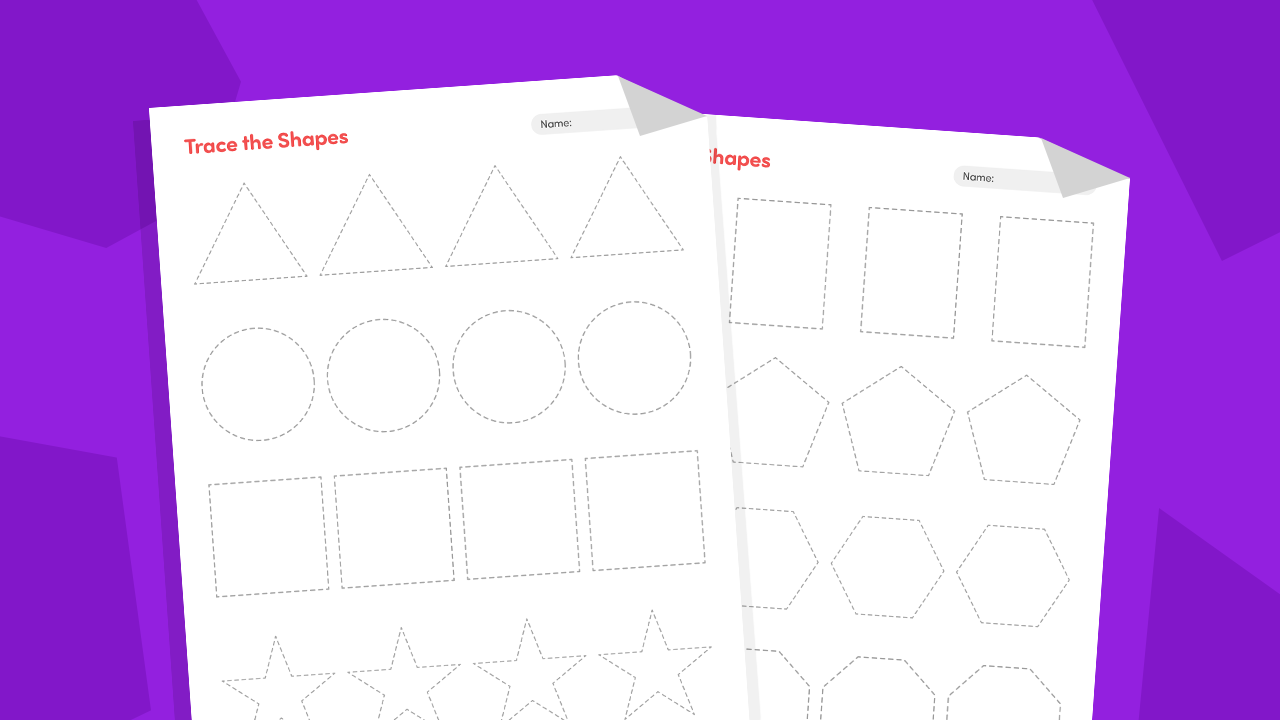
Shape Tracing Practice
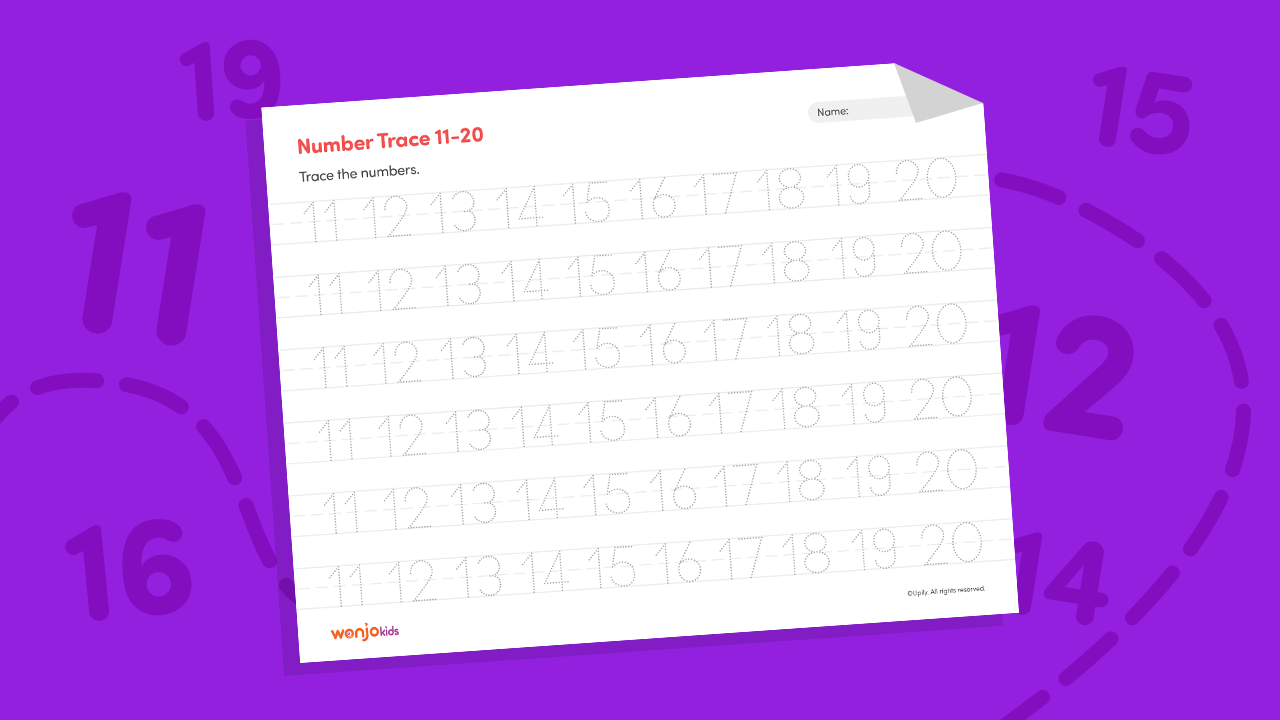
Number Tracing – Teen Numbers (11-20)
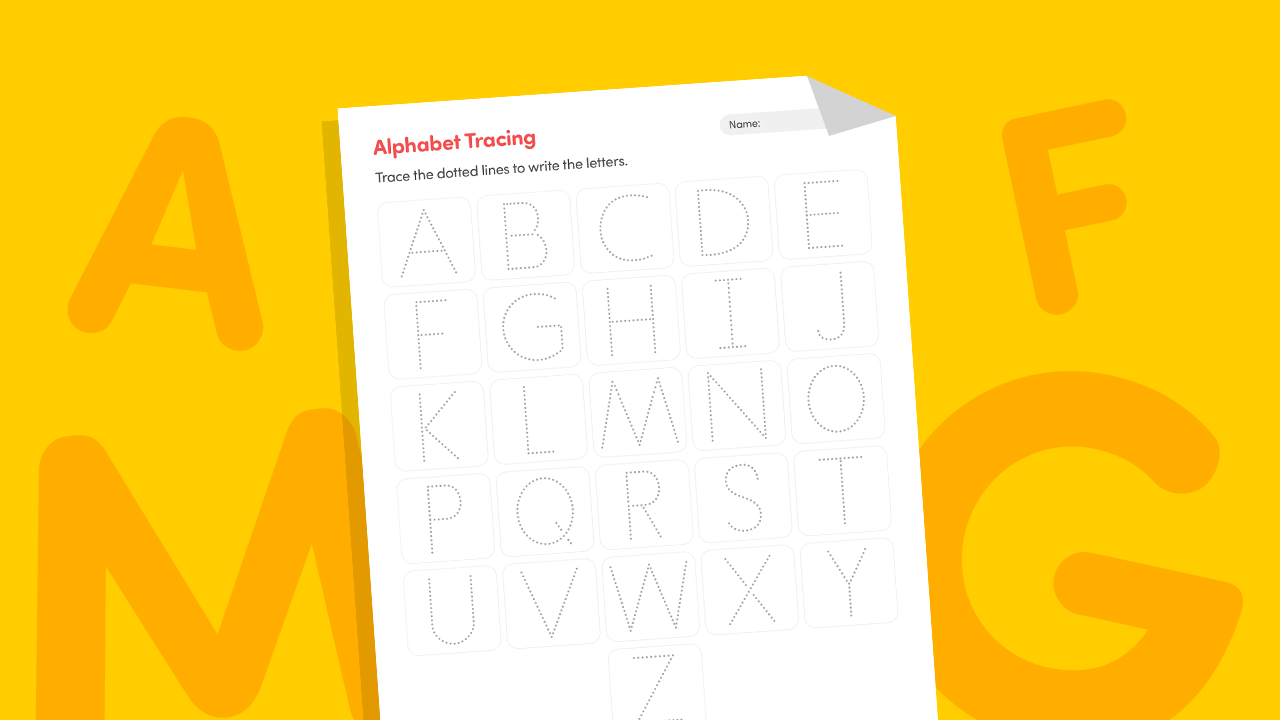
Uppercase Alphabet Tracing – A to Z
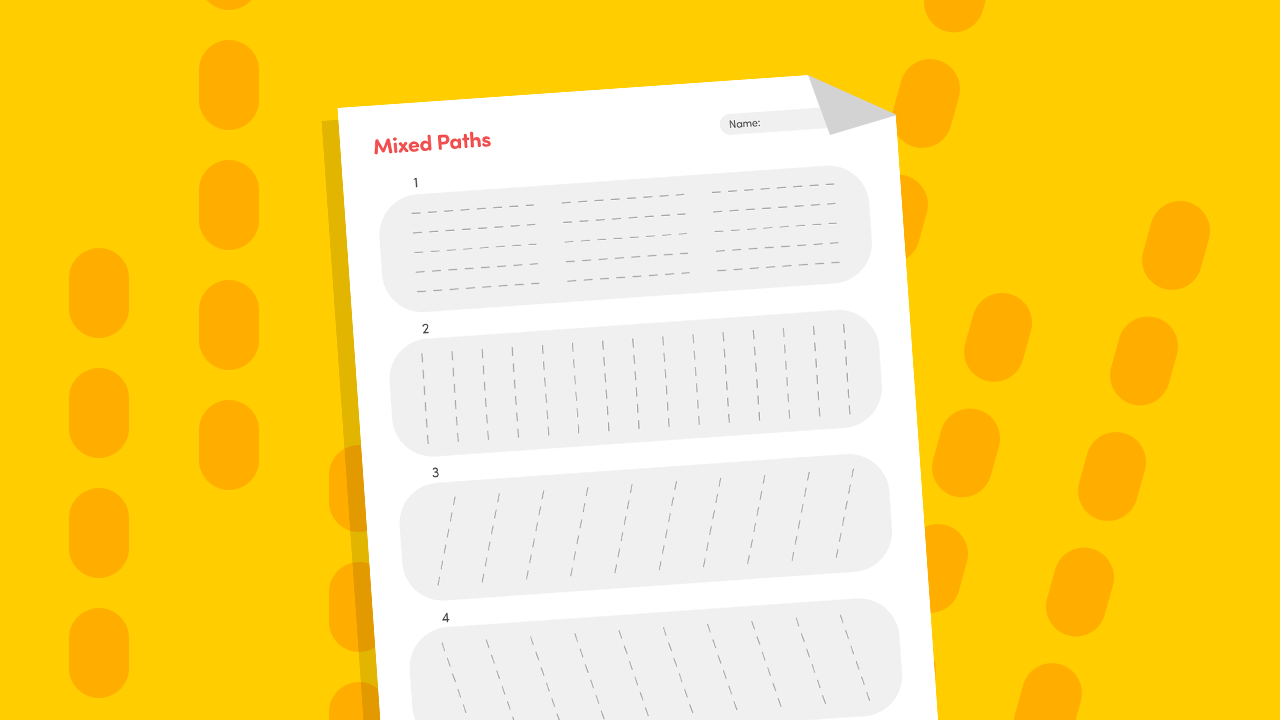
Mixed Paths Tracing – Medium Level
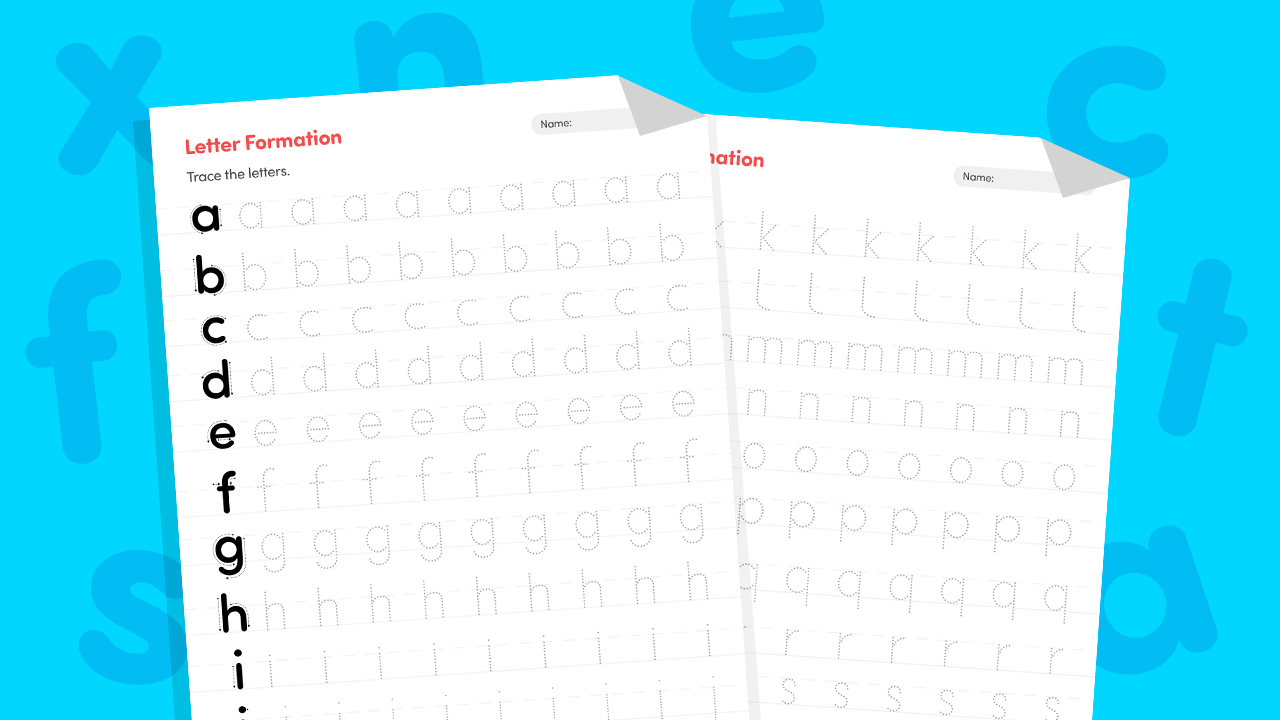
Letter Formation– Lowercase a to z
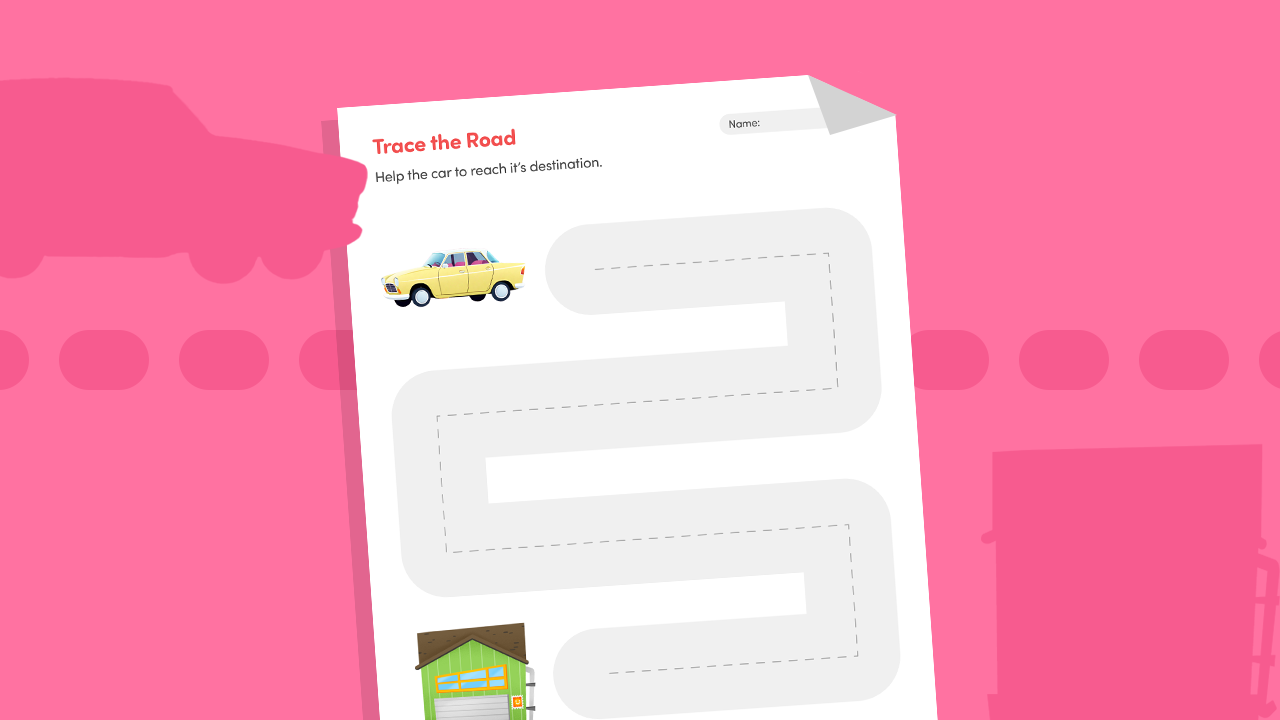
Roads and Tracks Tracing – Cars & Trains
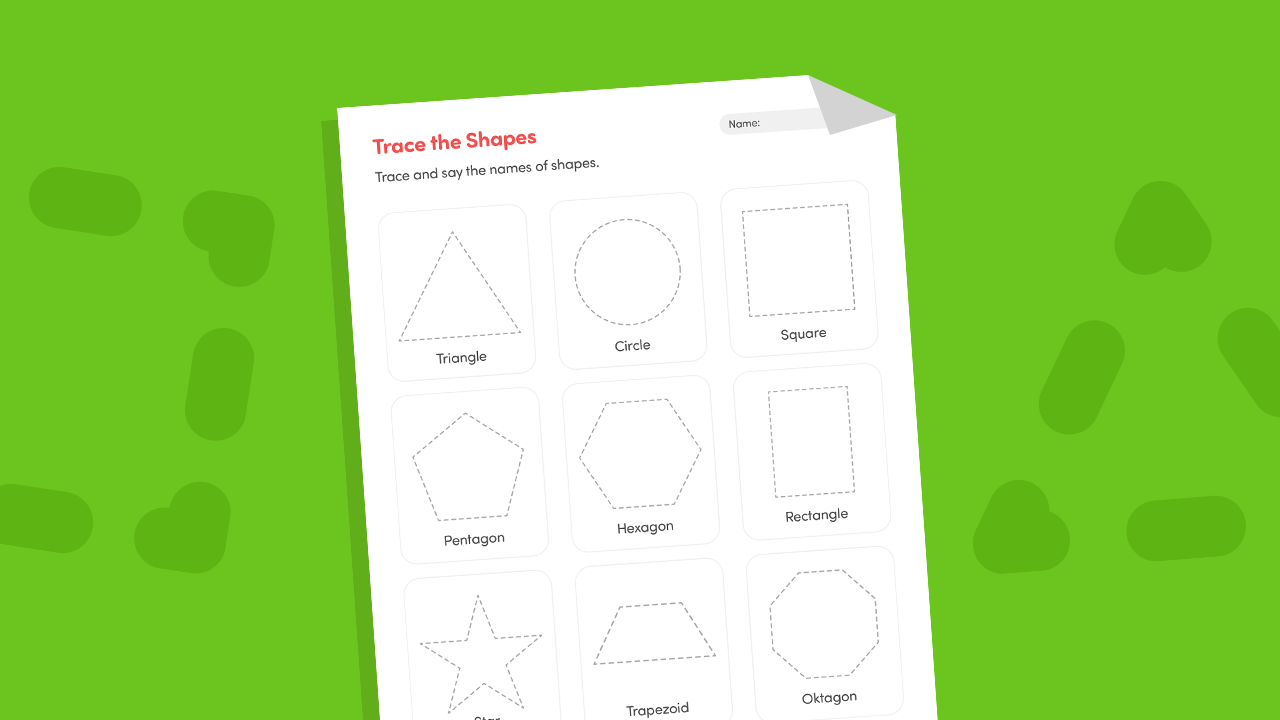
Shape Tracing – Easy Outline Tracing
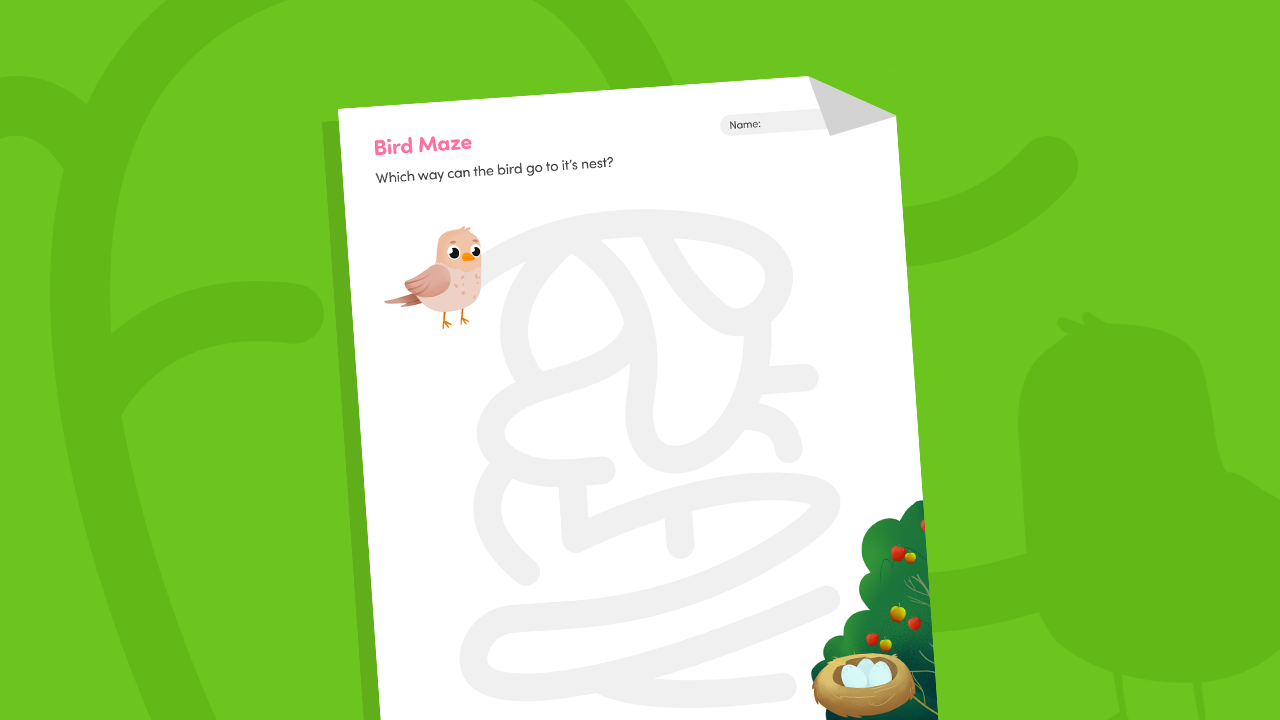
Help the Bird to Find its Nest
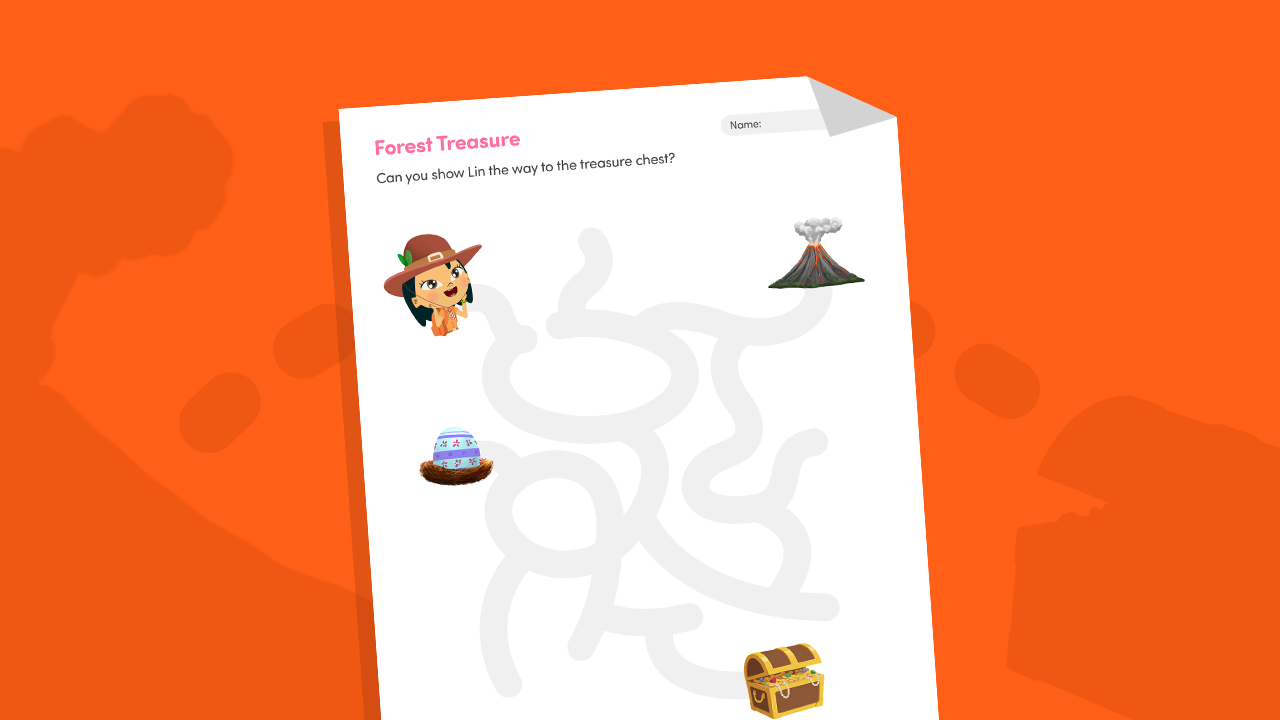
Find the Chest – Forest Treasure Maze
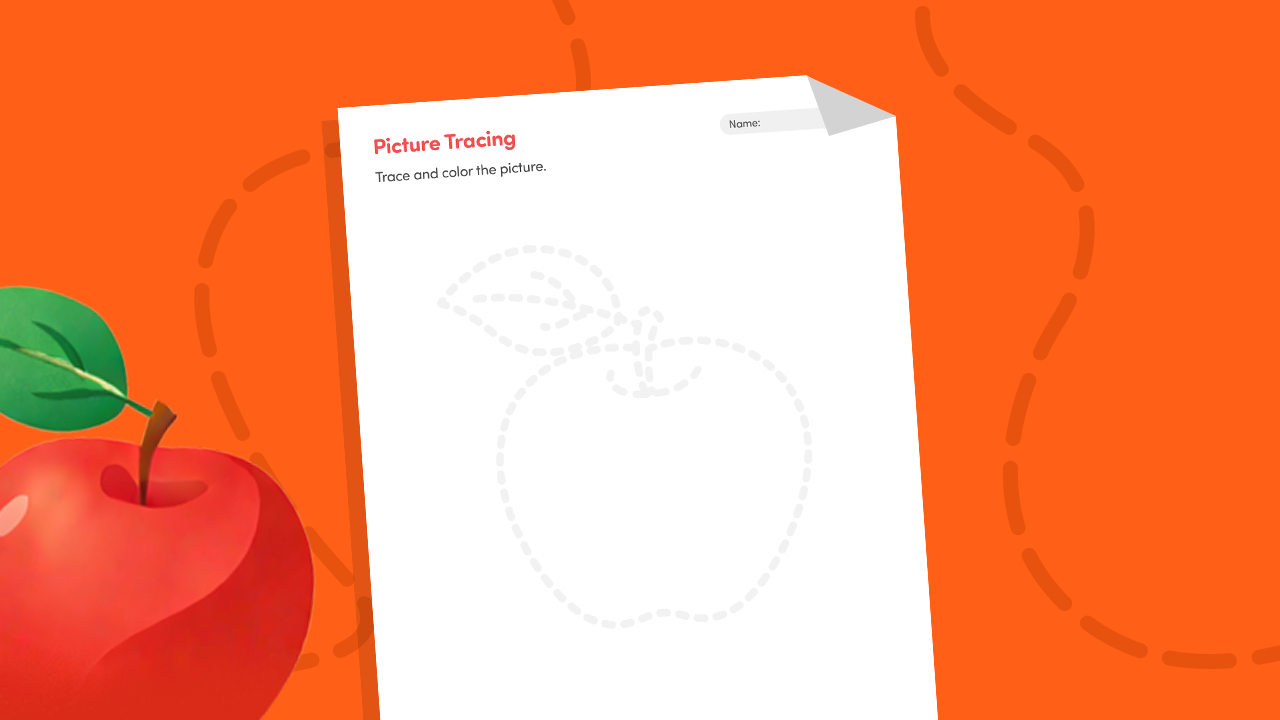
Trace the Dotted Outline
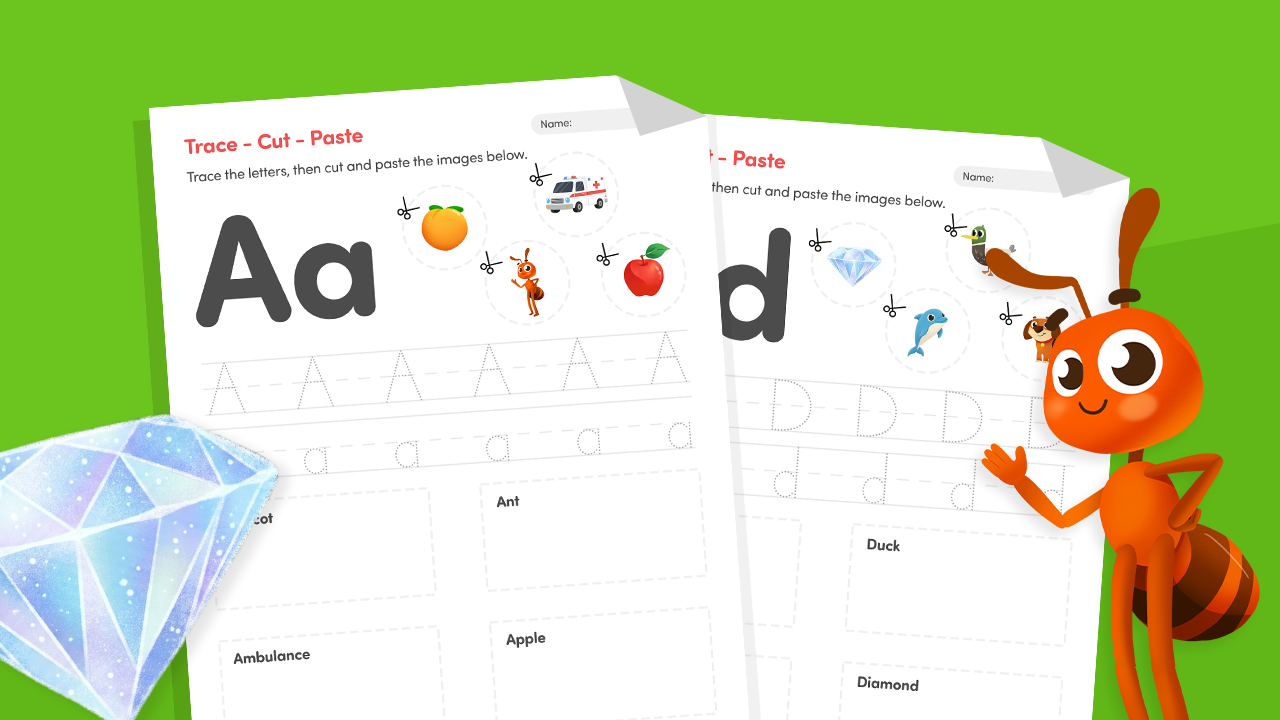
Trace, Cut & Paste Alphabet to Build a Picture
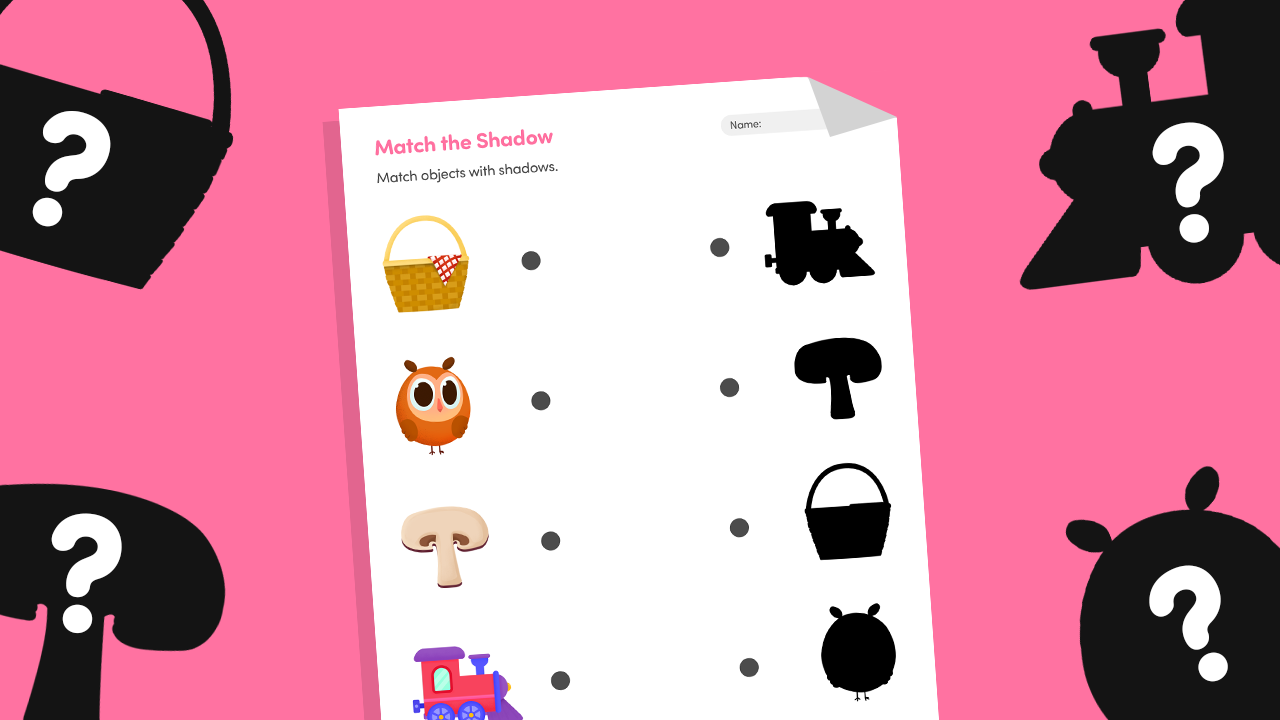
Match Objects to Silhouettes – Shadow Match
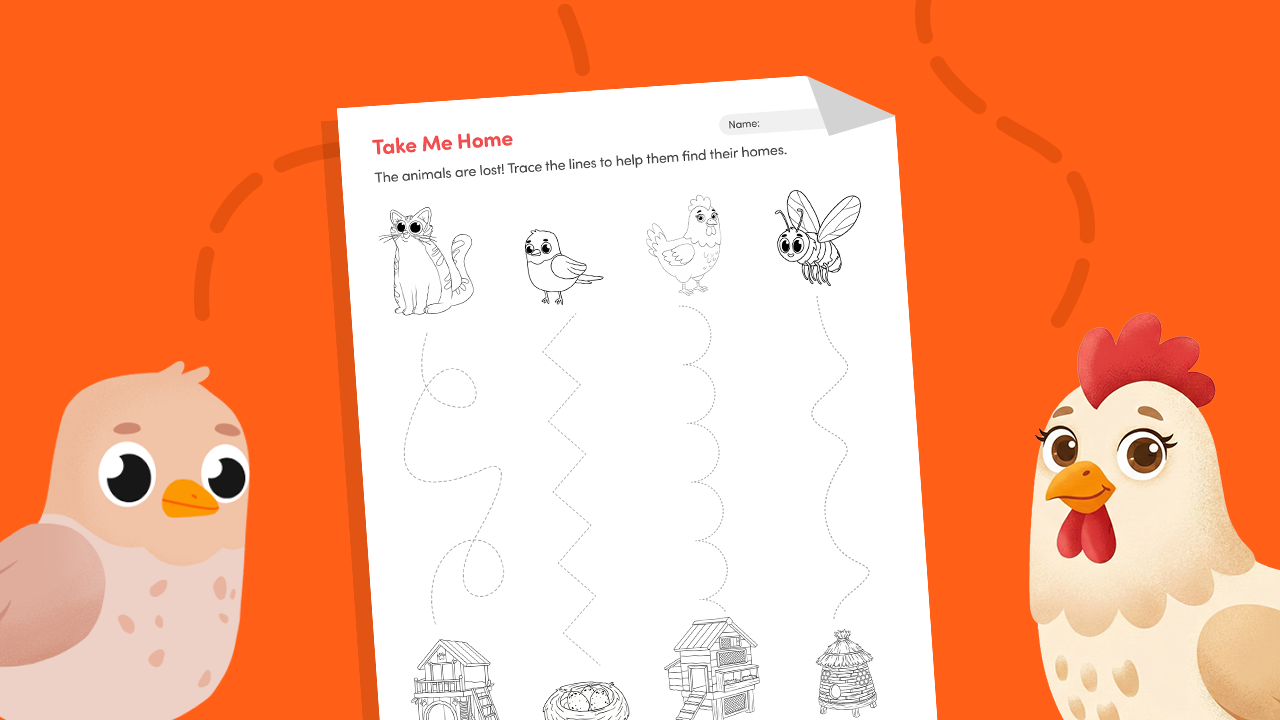
Help the Animals Get Home – Trace the Trails
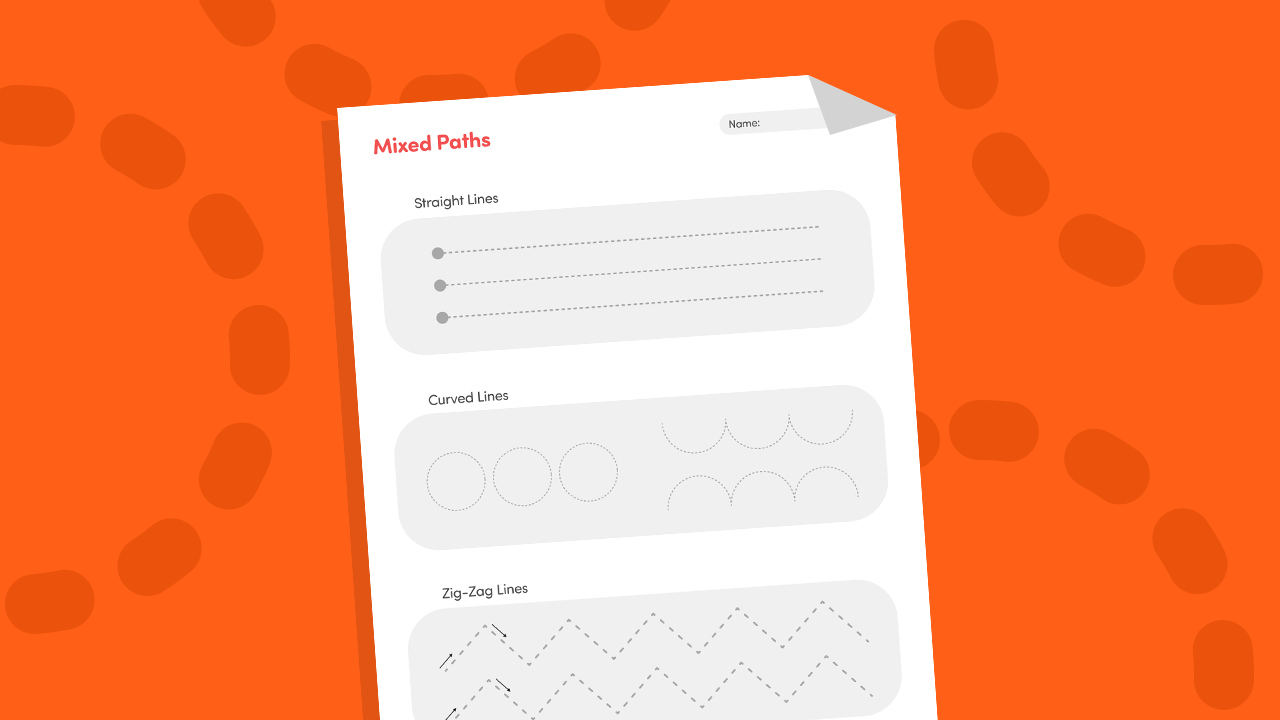
Mixed Paths Tracing – Easy Level
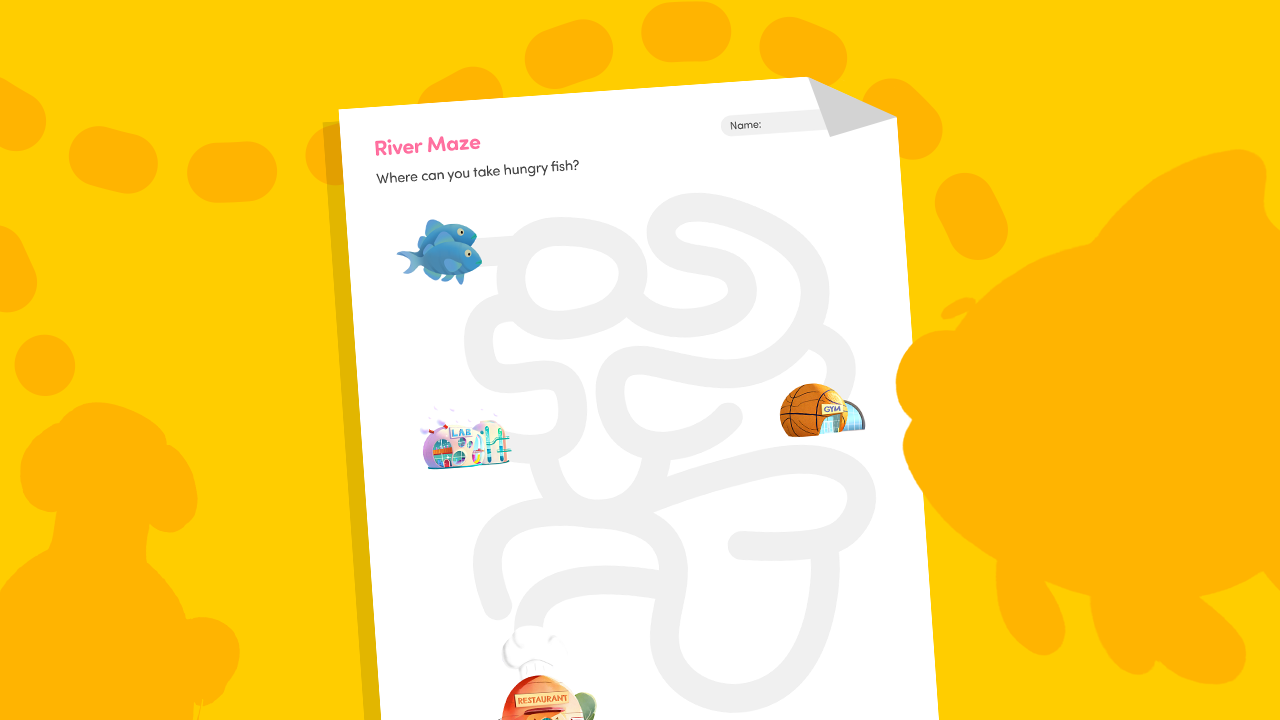
Stay on the Path – River Maze
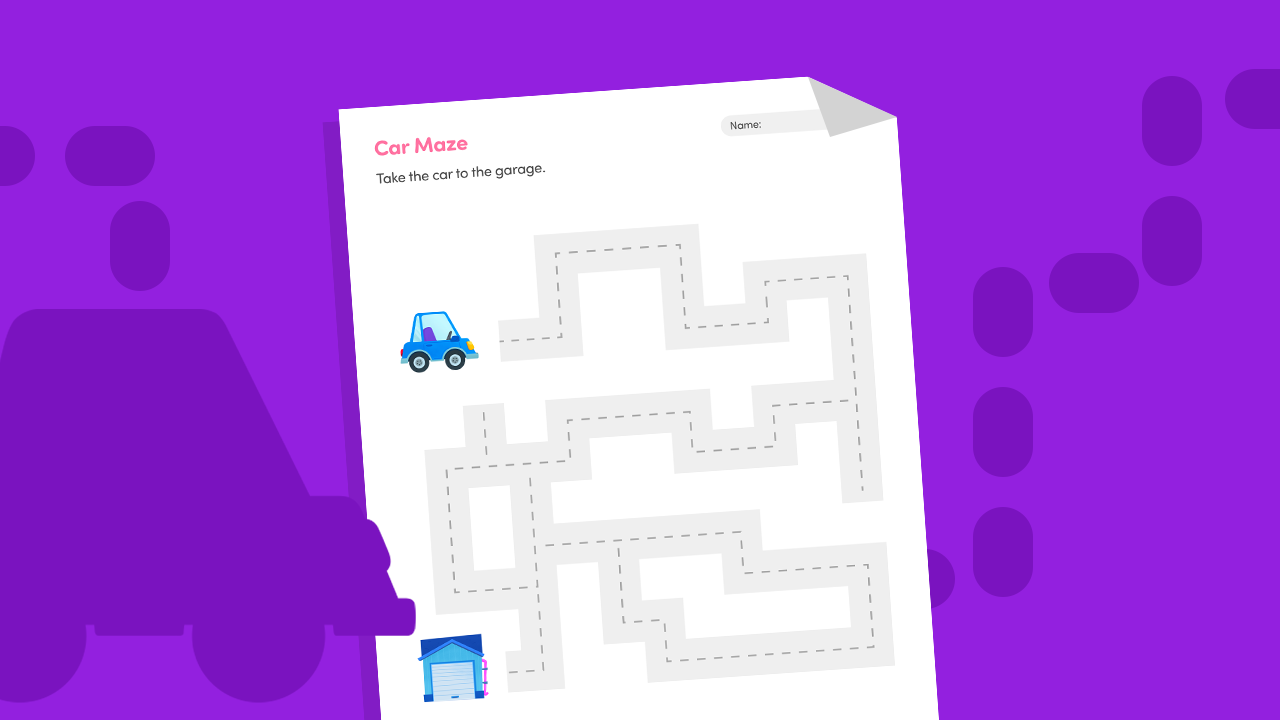
Vehicle Road Mazes – Cars & Trucks
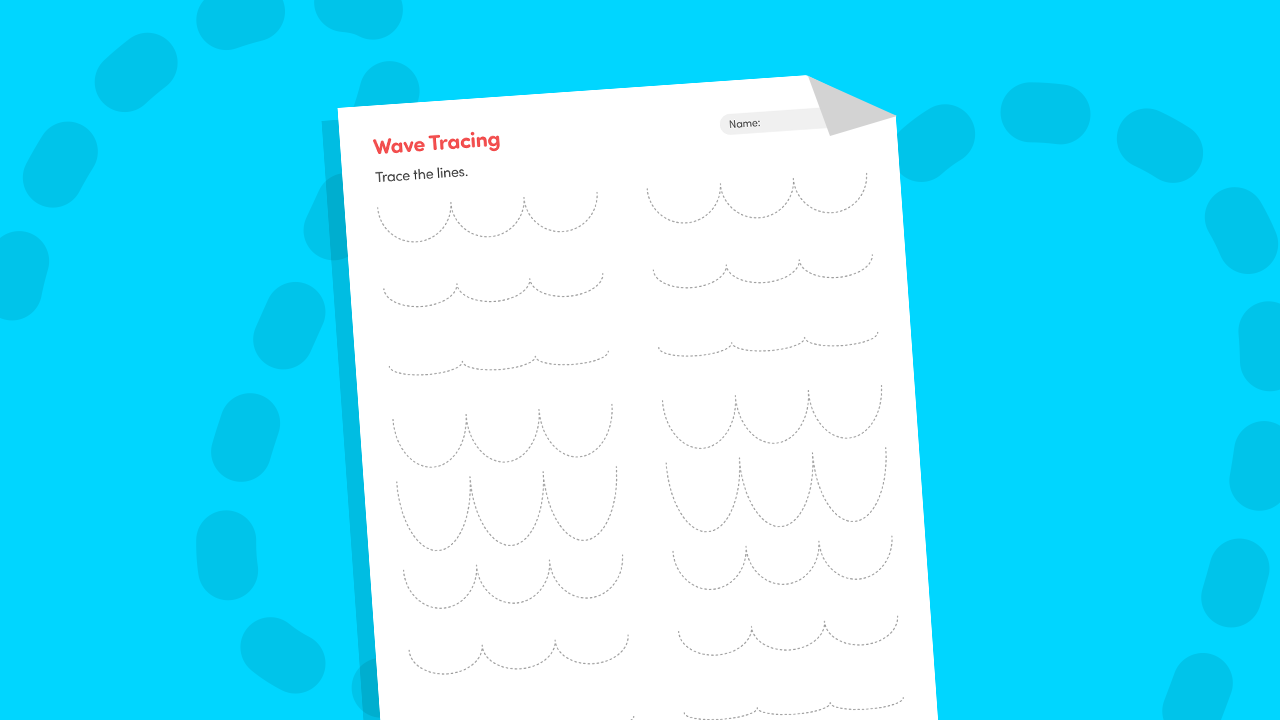
Wave and Spiral Tracing for Kids
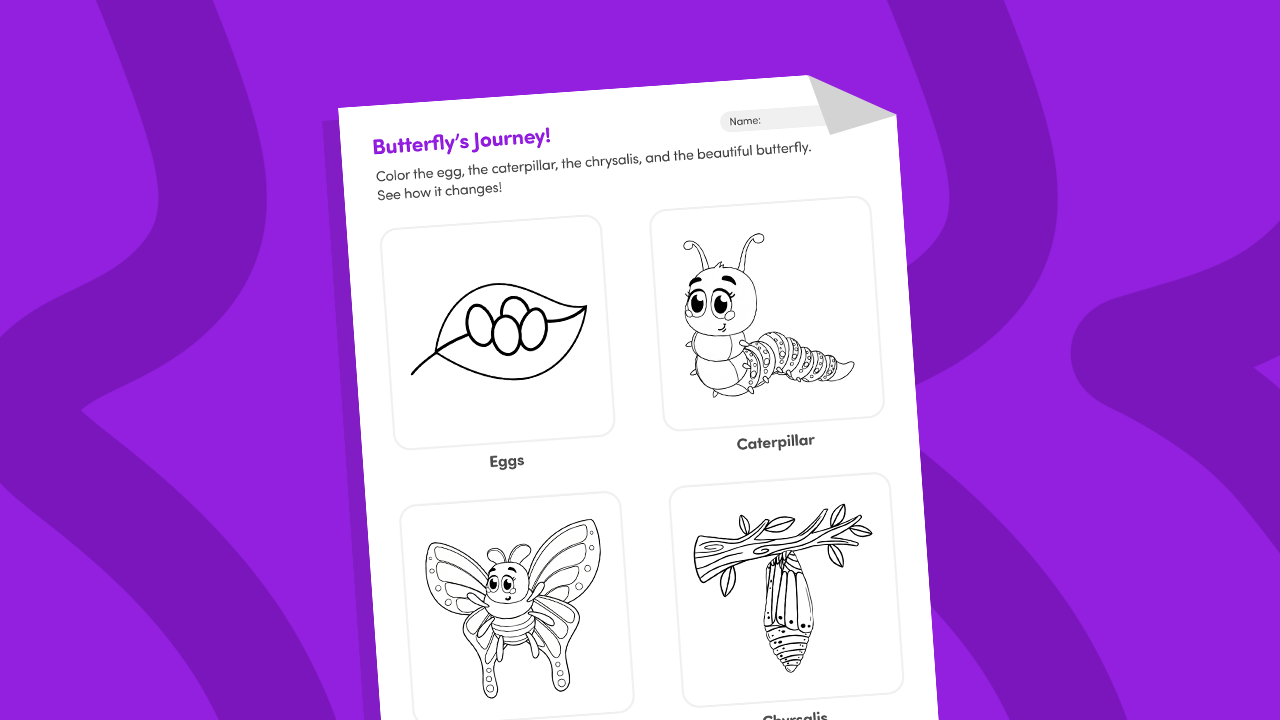
Butterfly Life Cycle
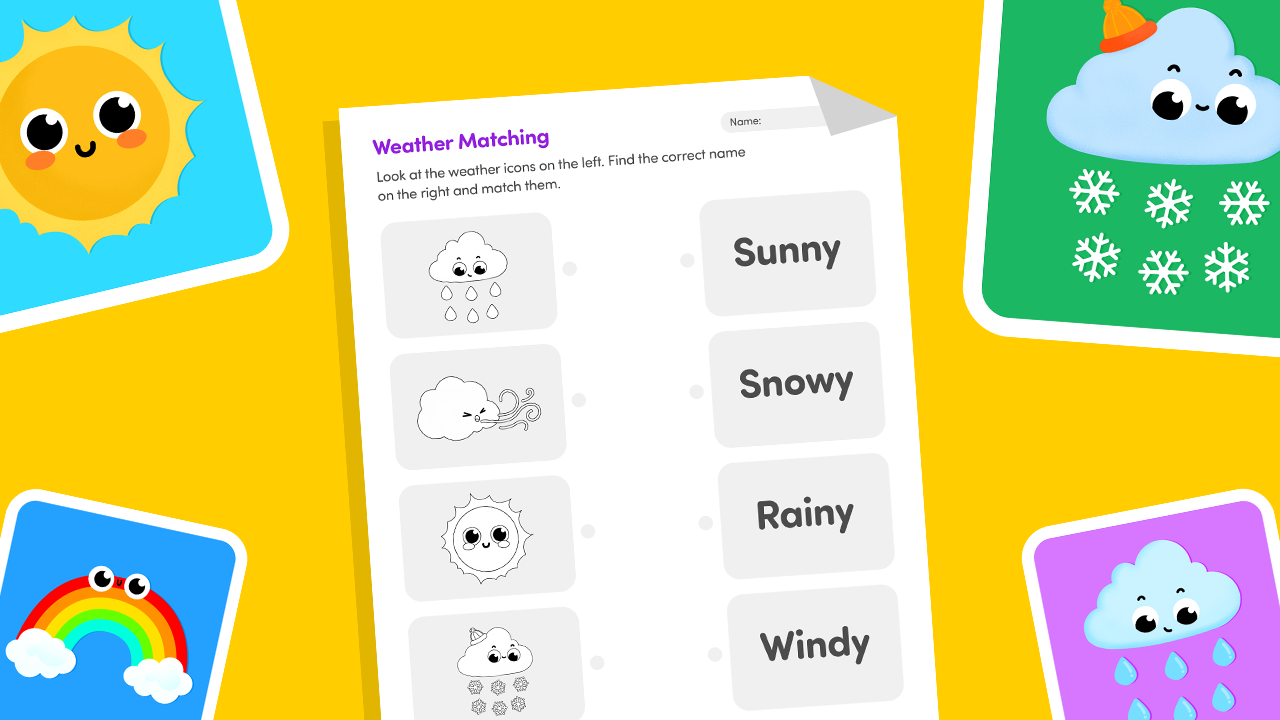
Match and Color Worksheet
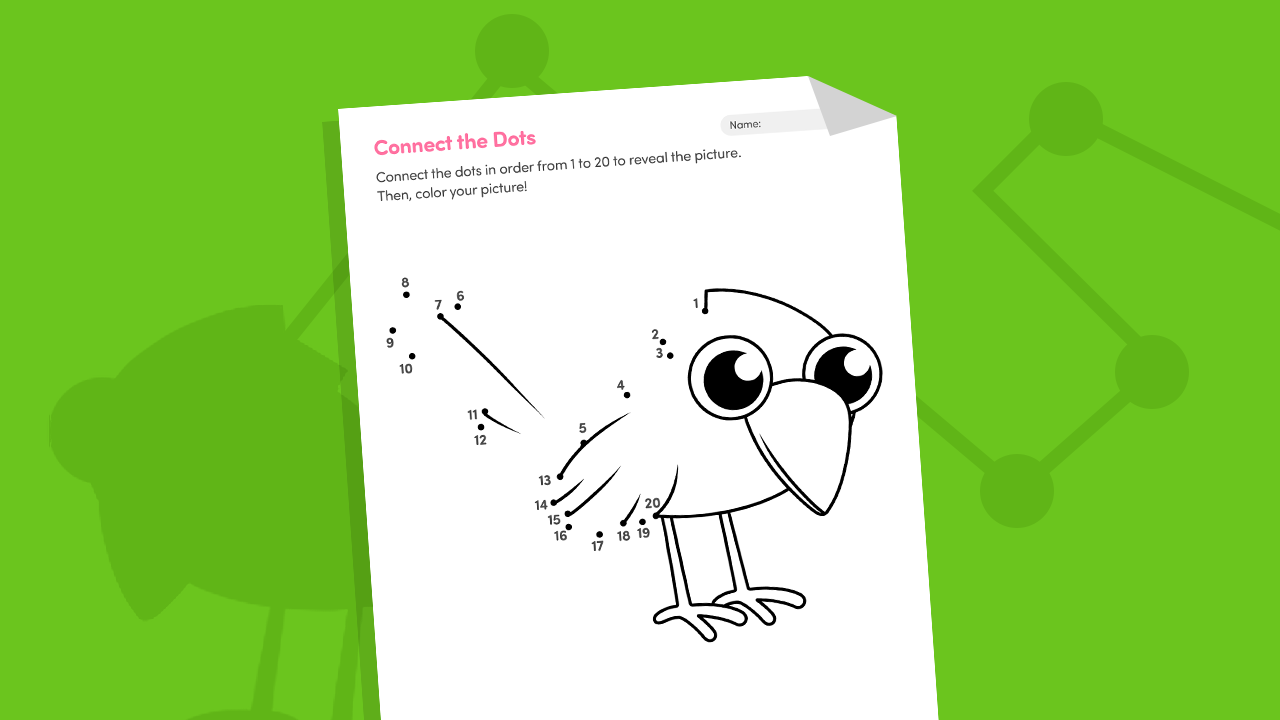
Connect the Dots (1–20)
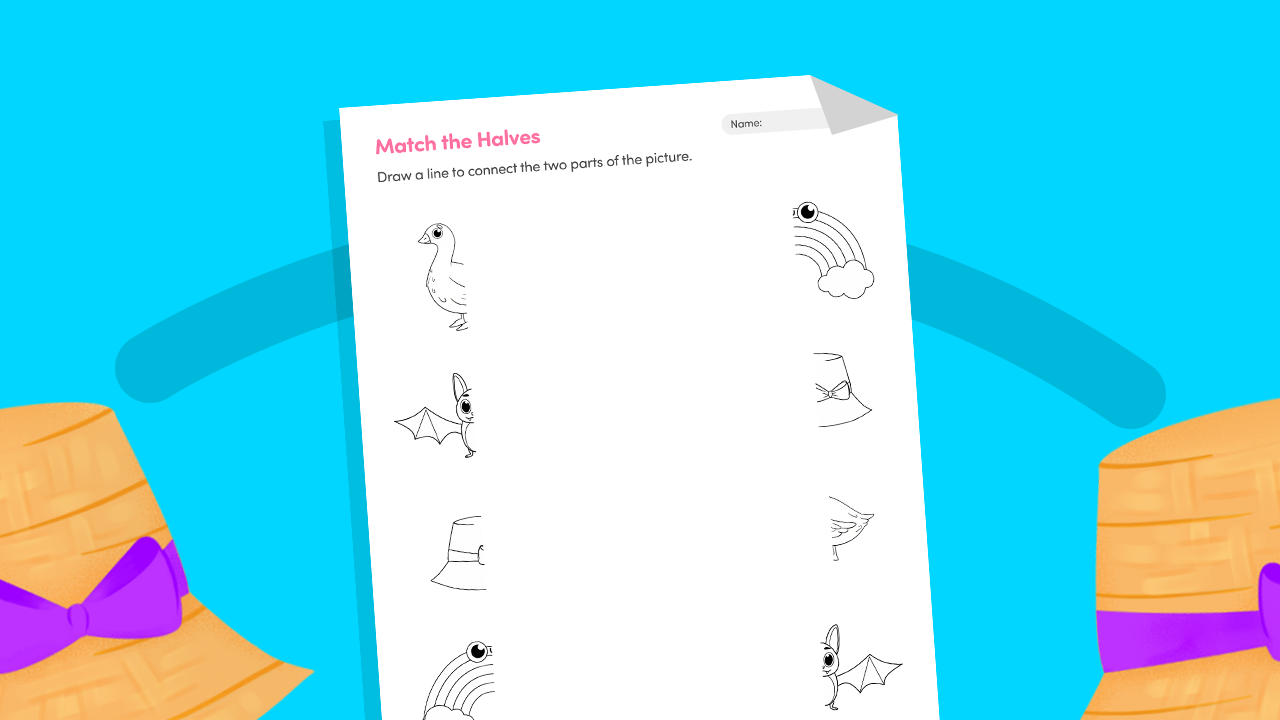
Match the Halves
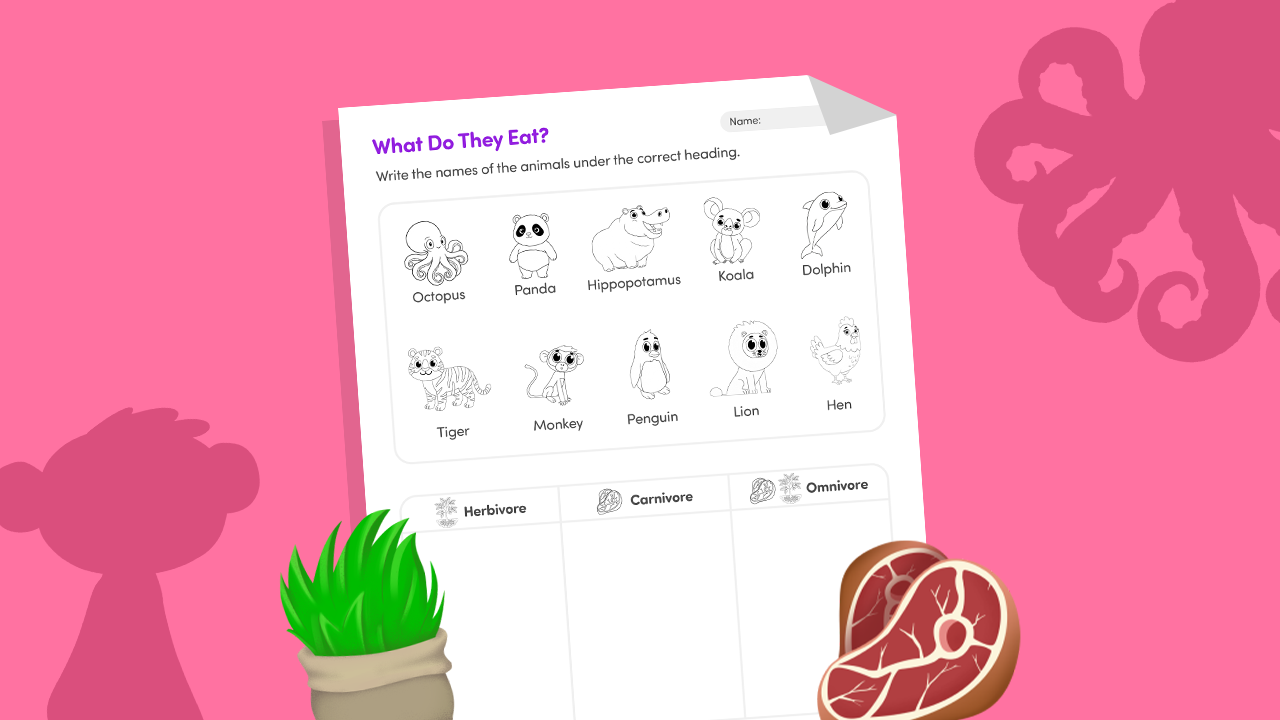
Animal Food Types – Sort By Picture
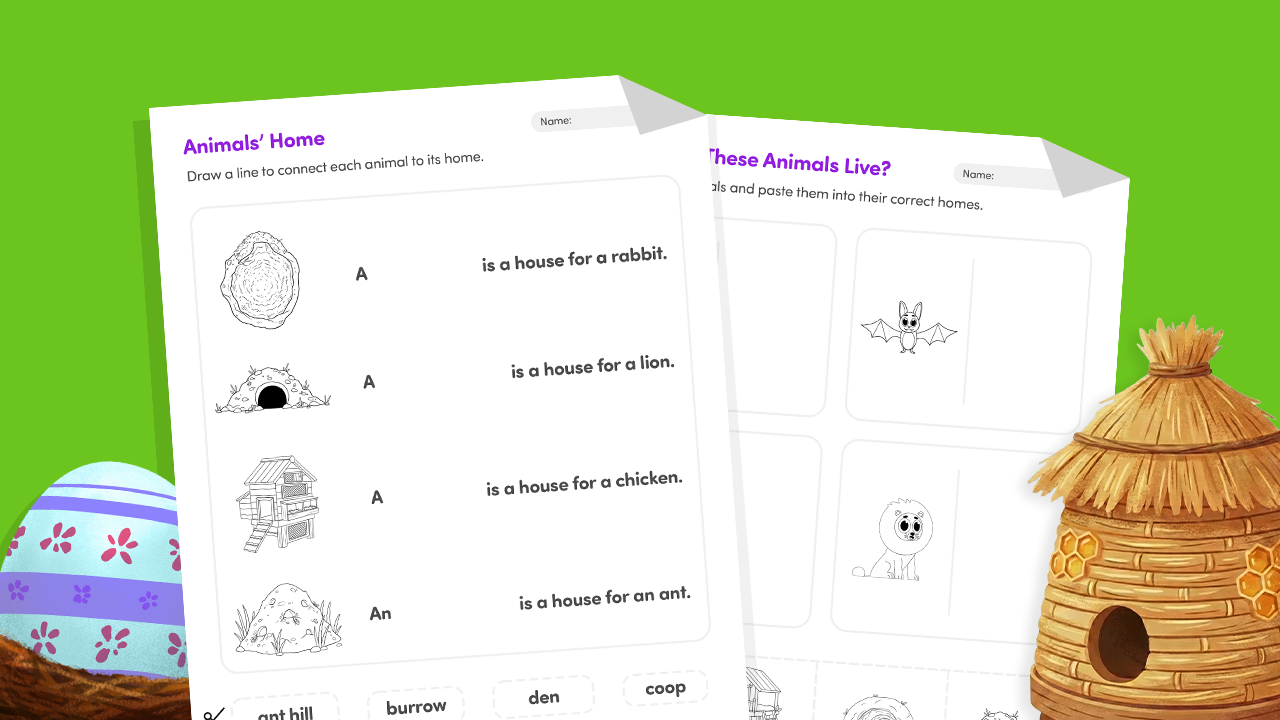
Know the Animal Homes
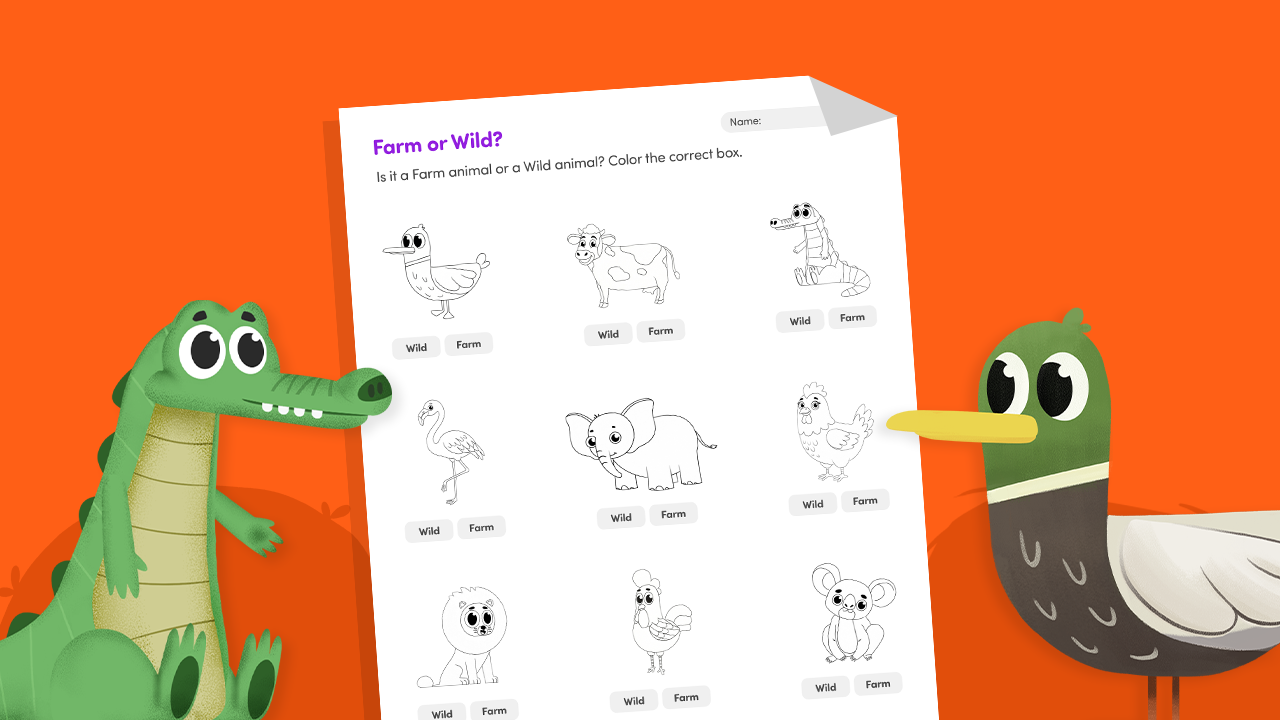
Farm vs Wild Animals Sorting
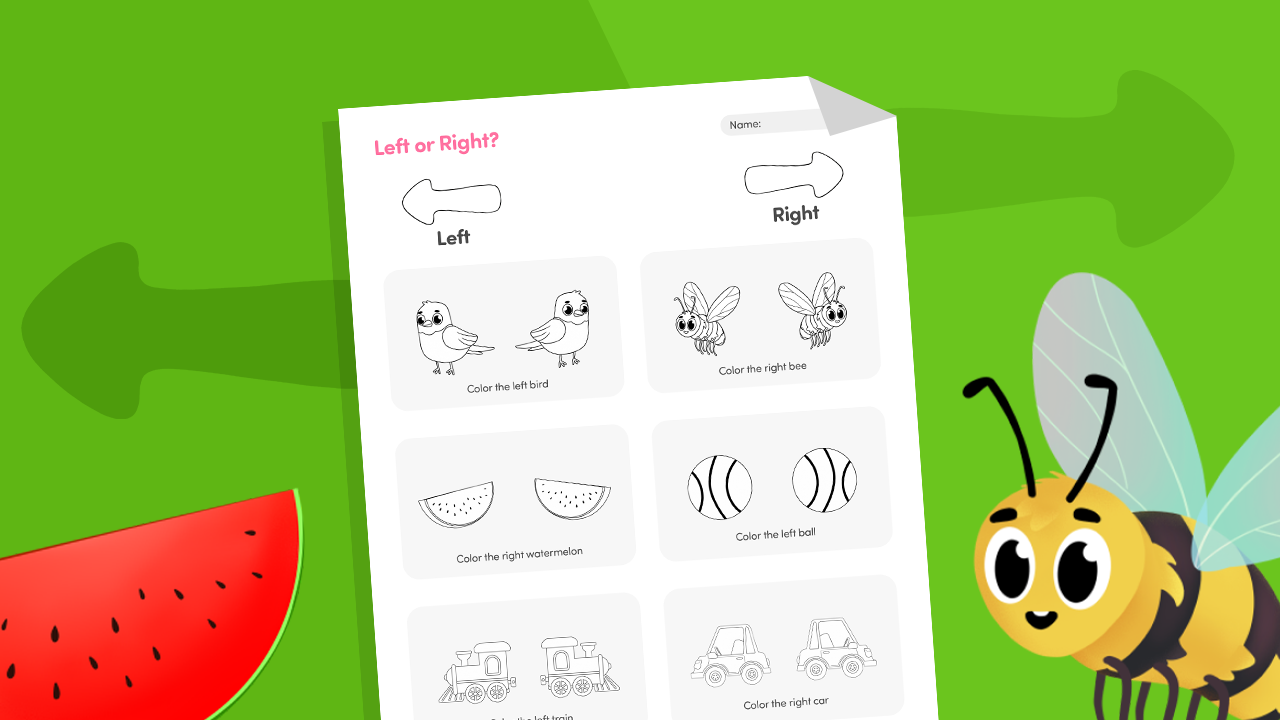
Left or Right? – Match Arrows with Objects
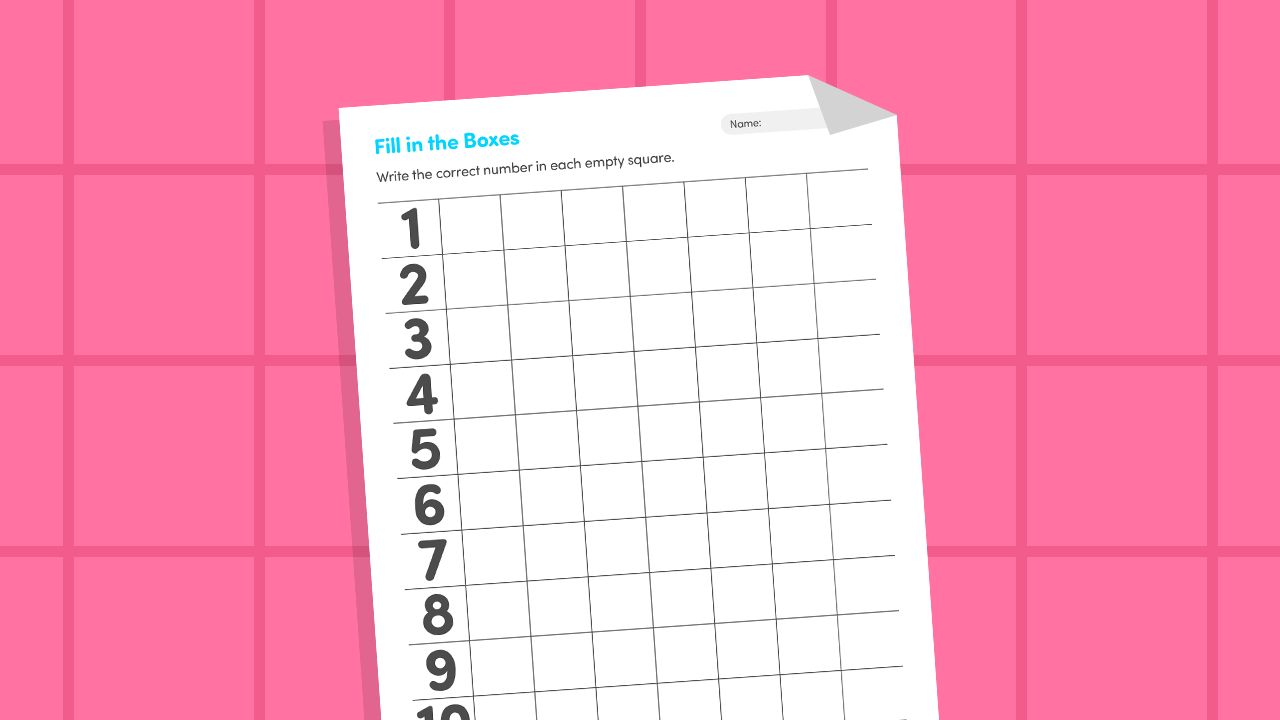
Write the Numbers 1–10
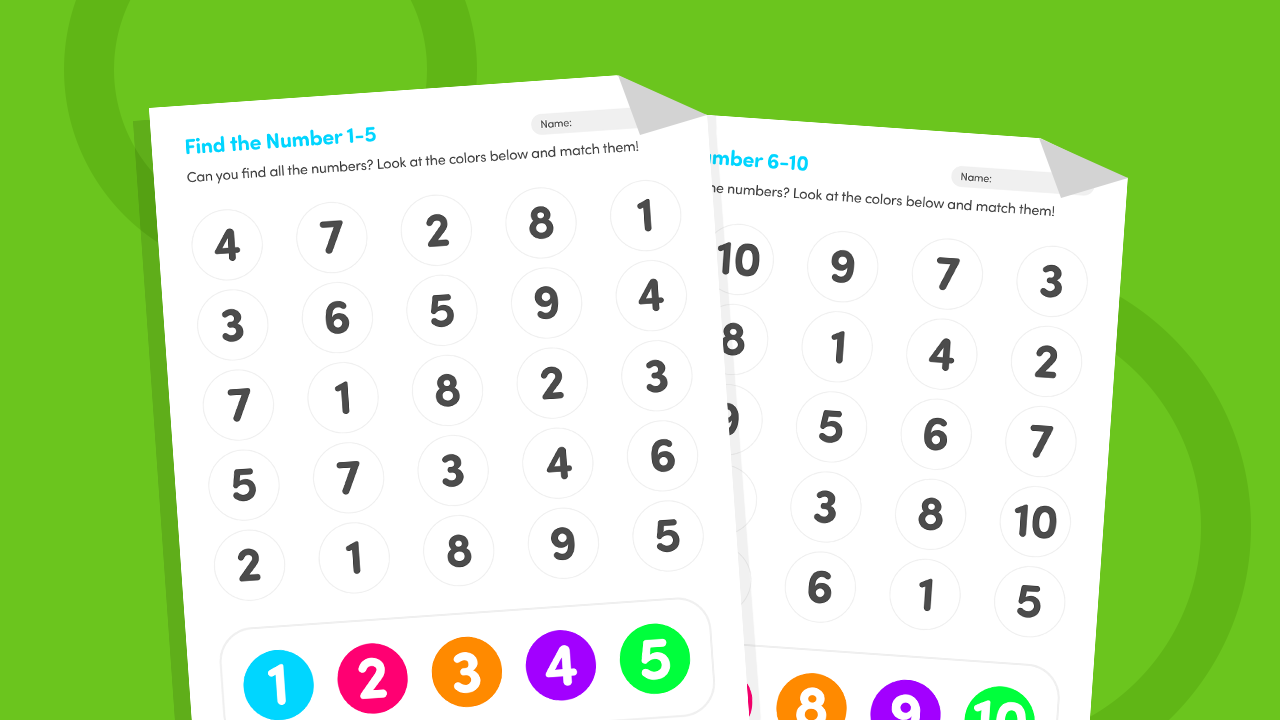
Number Recognition 1–10
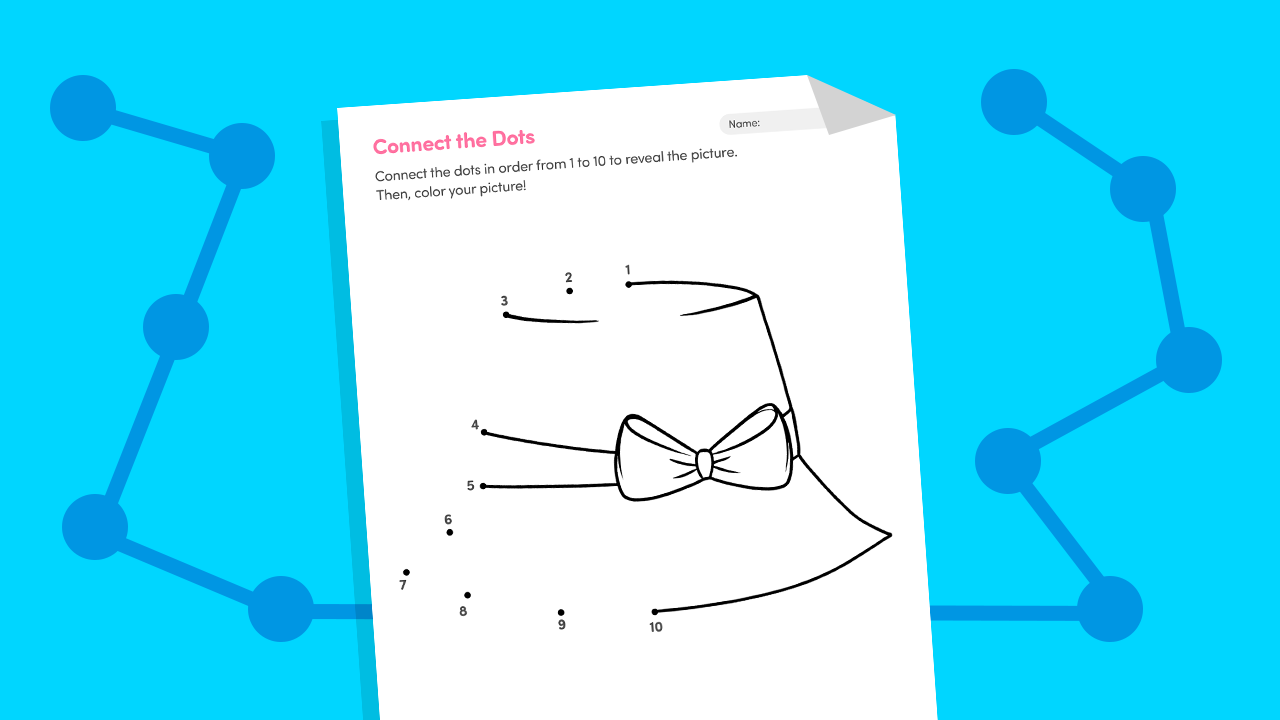
Connect the Dots (1–10 ) & Color
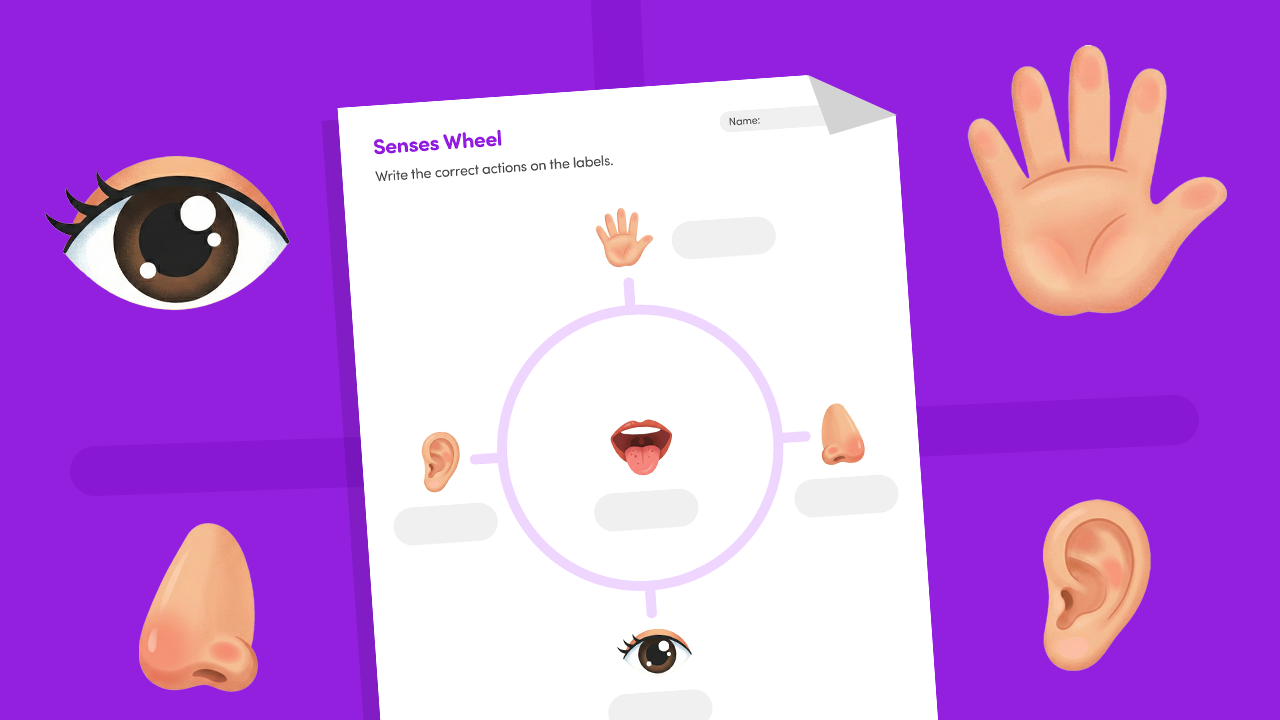
Five Senses Wheel
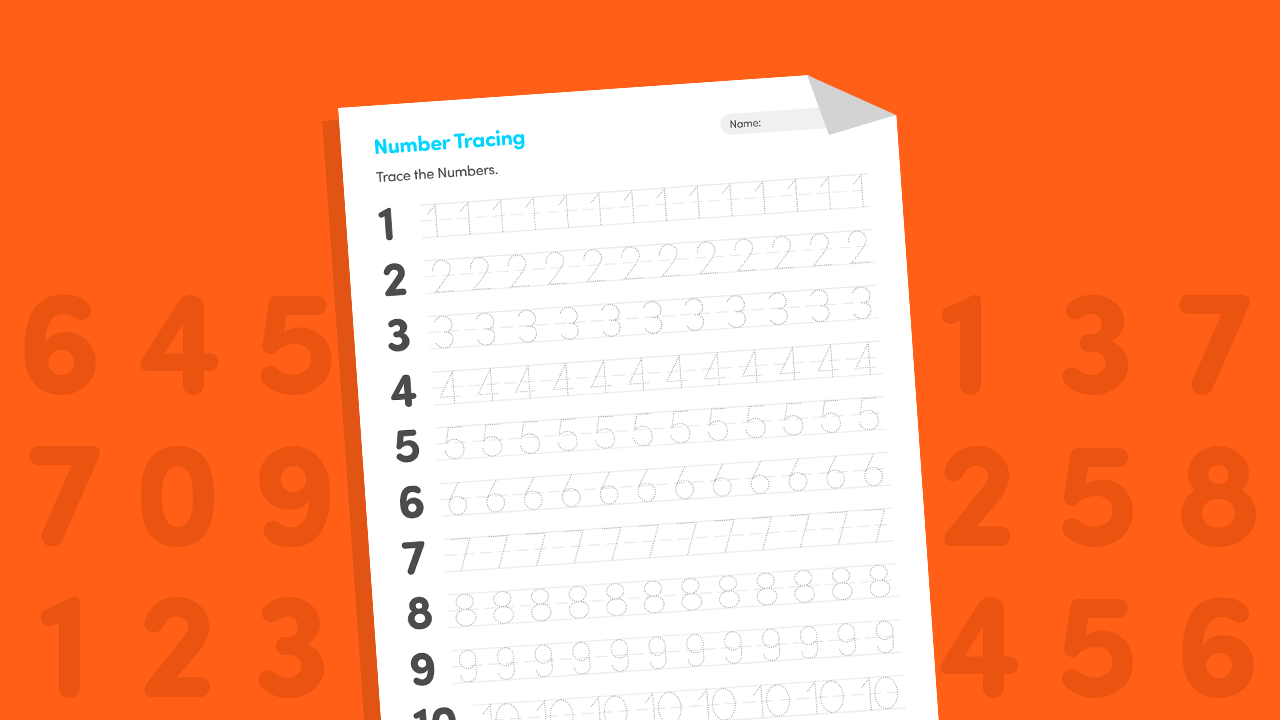
Number Tracing 1–10
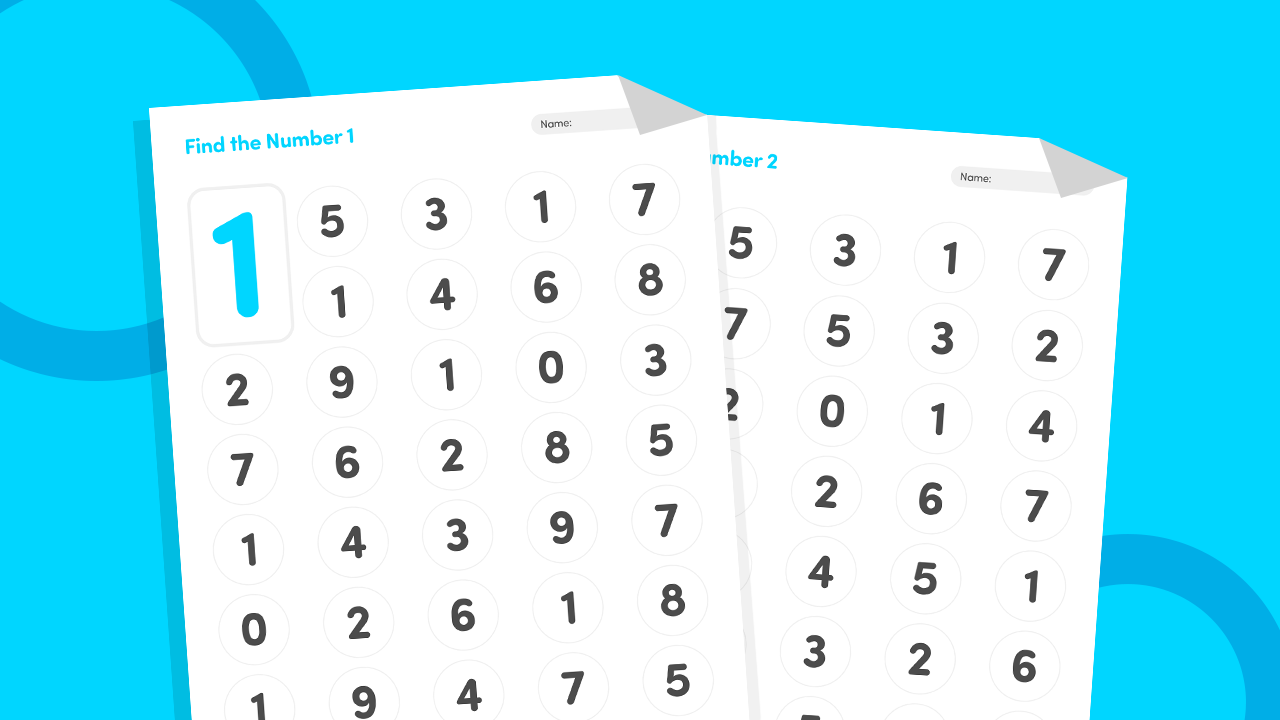
Number Recognition 1–5
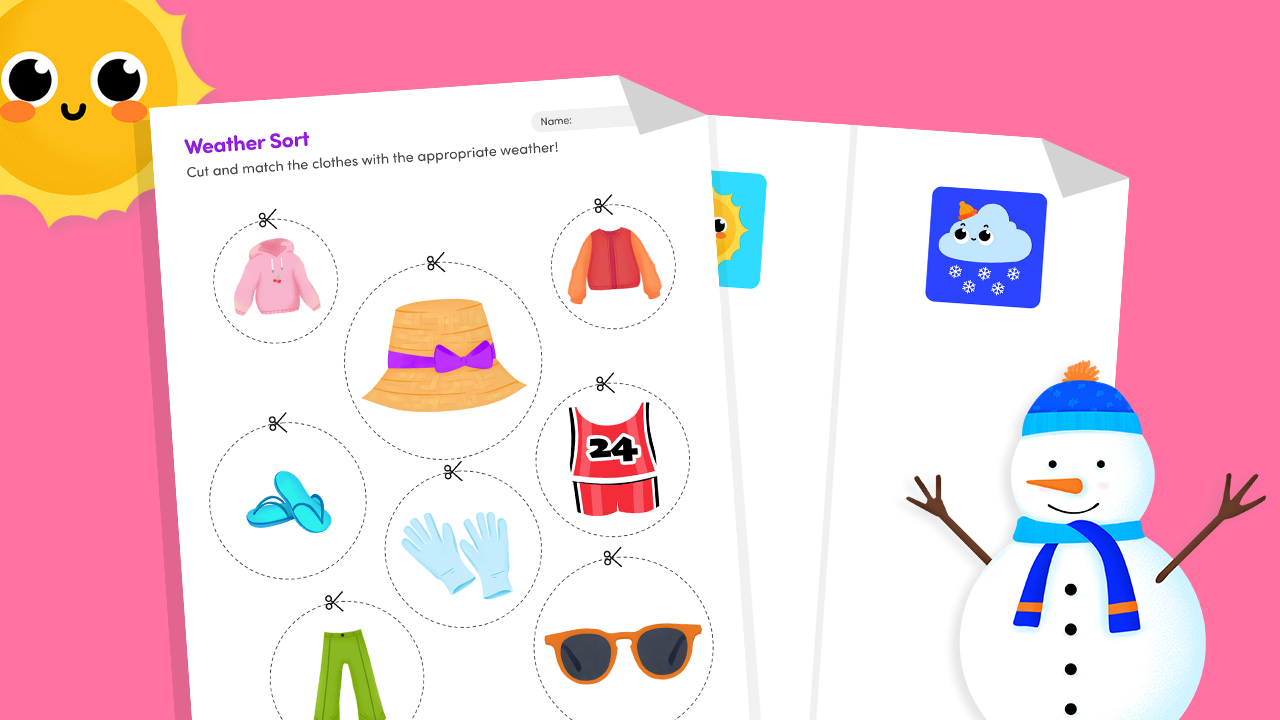
Match Weather and Clothes
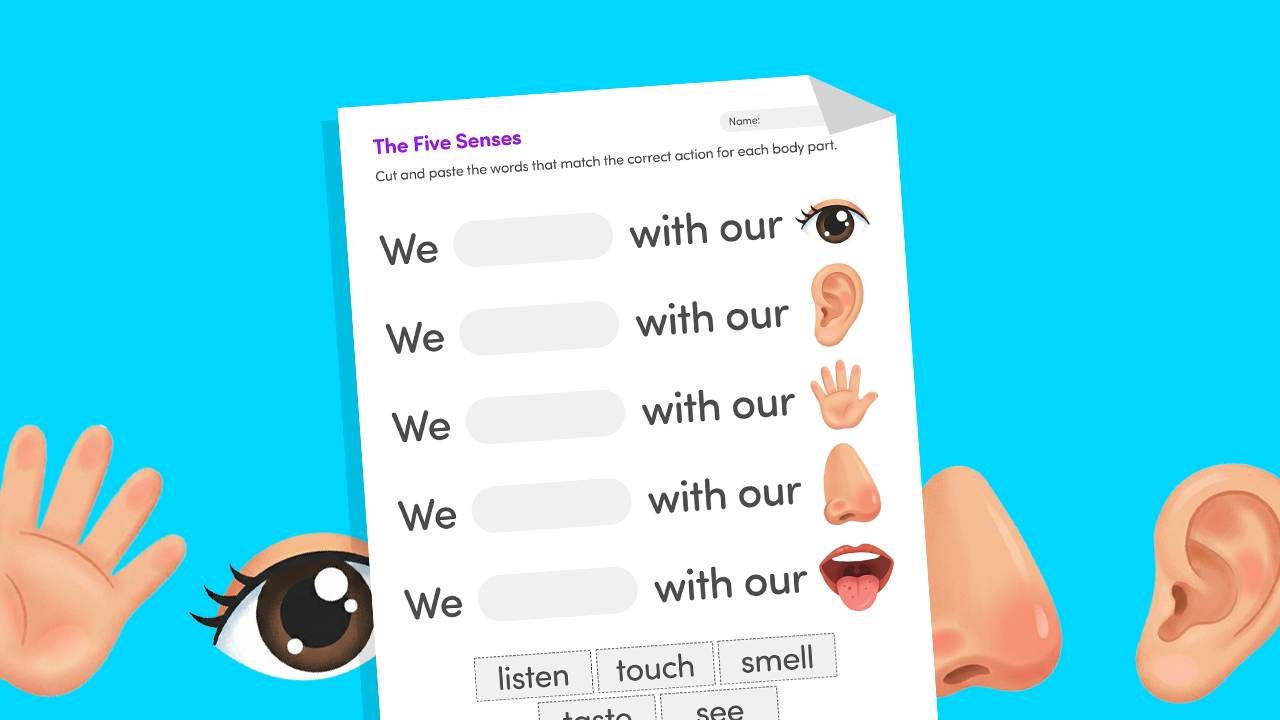
My Five Senses Match
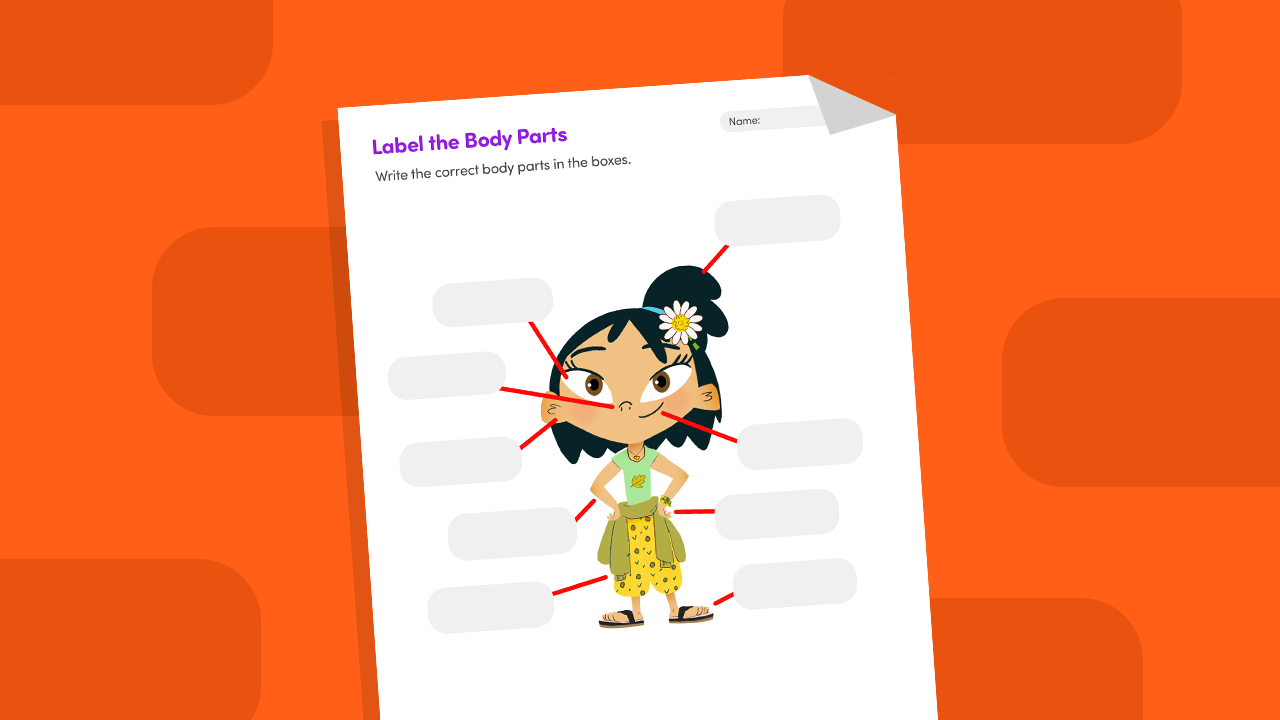
Label the Body Parts
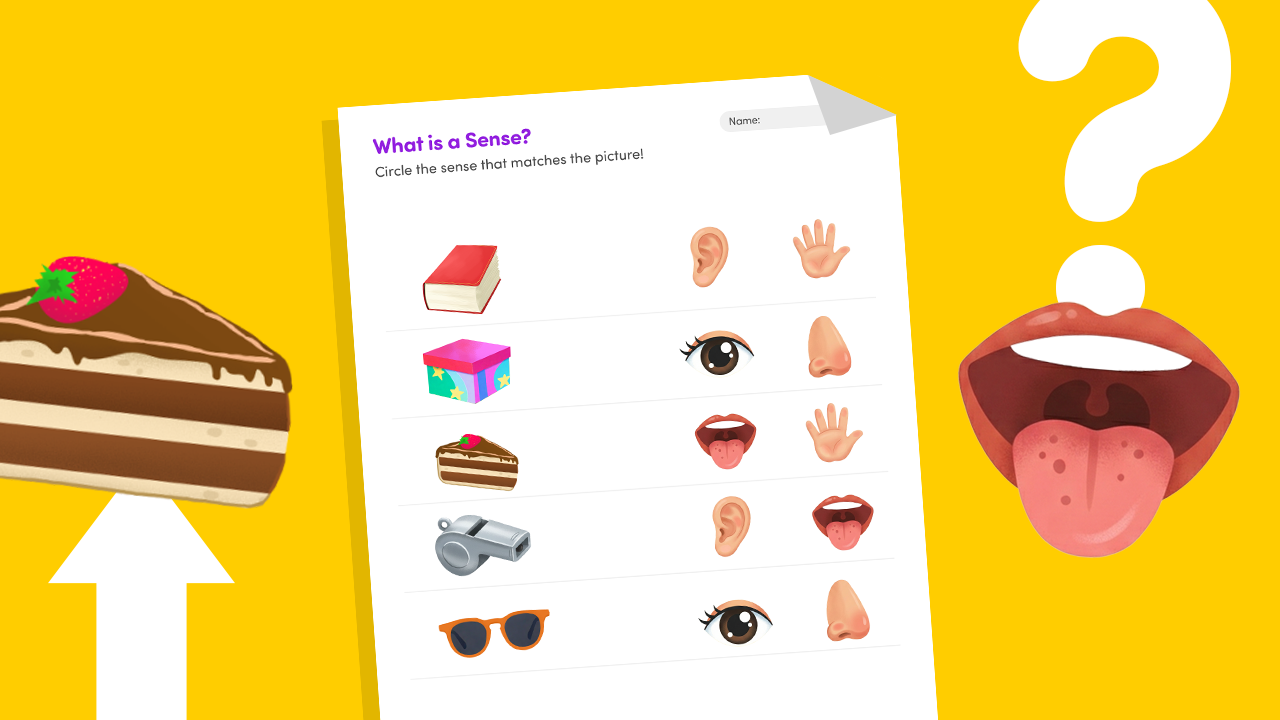
What Is a Sense?
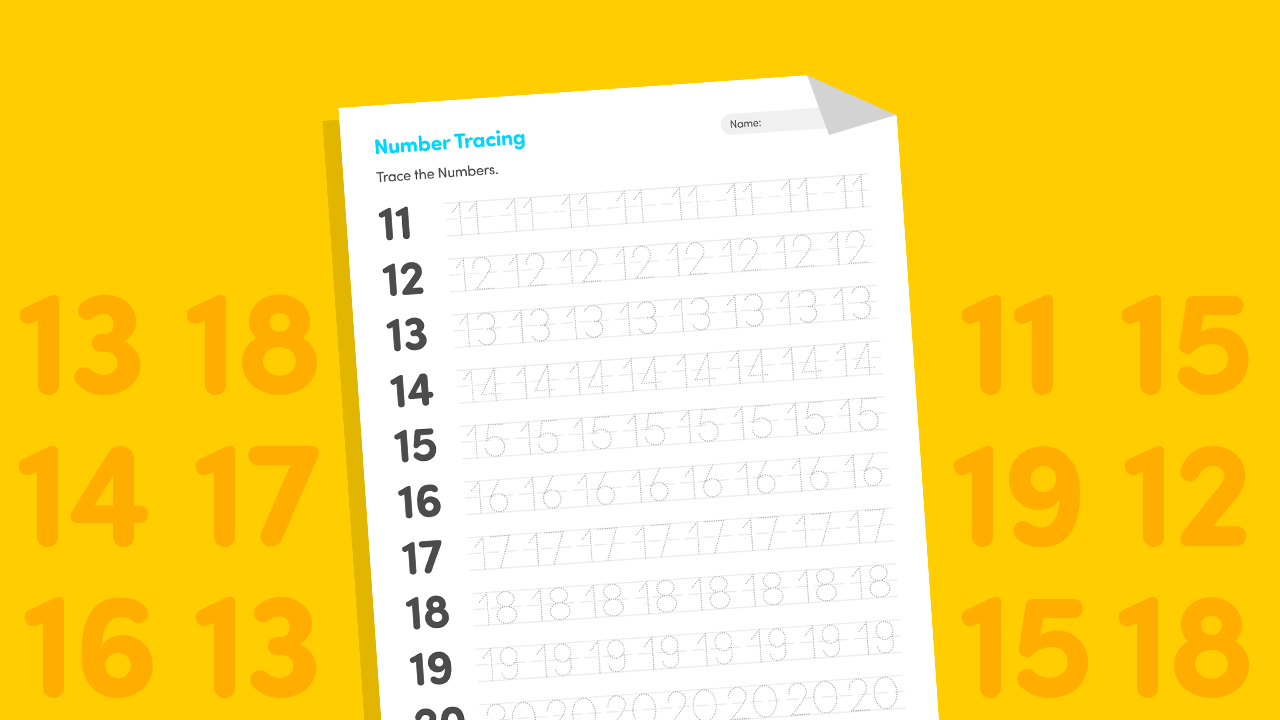
Number Tracing 11–20
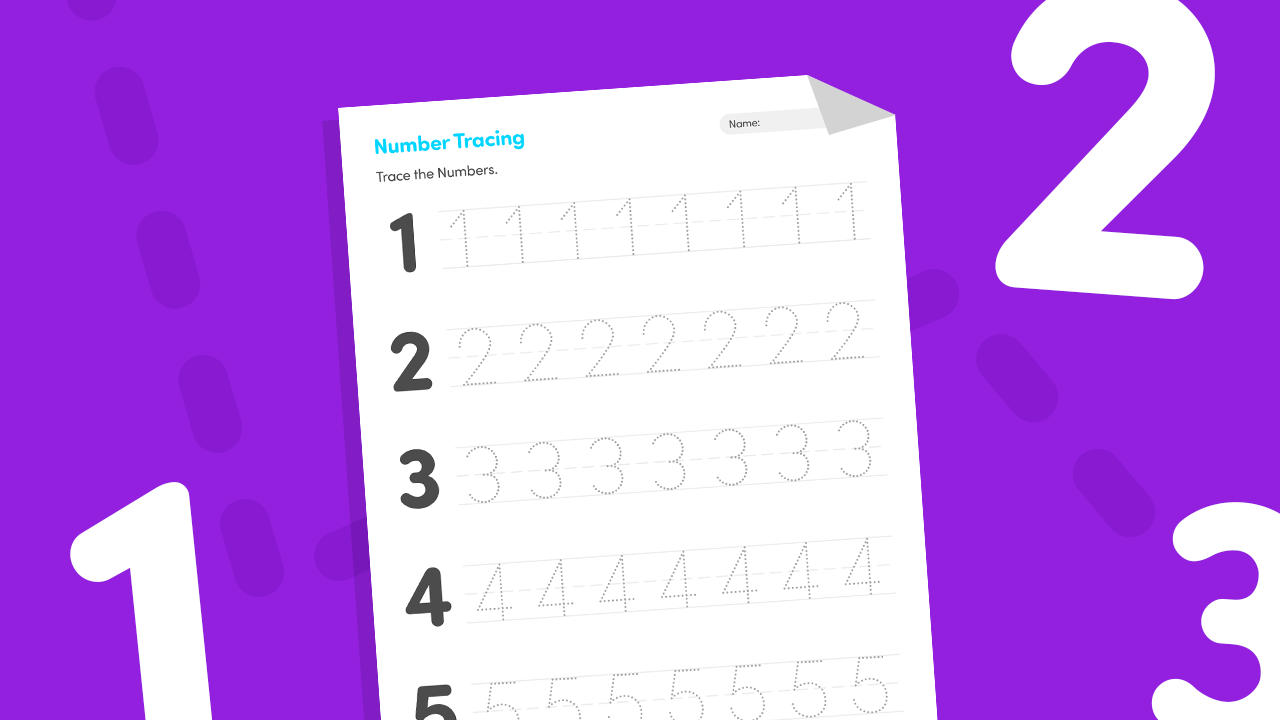
Number Tracing 1–5
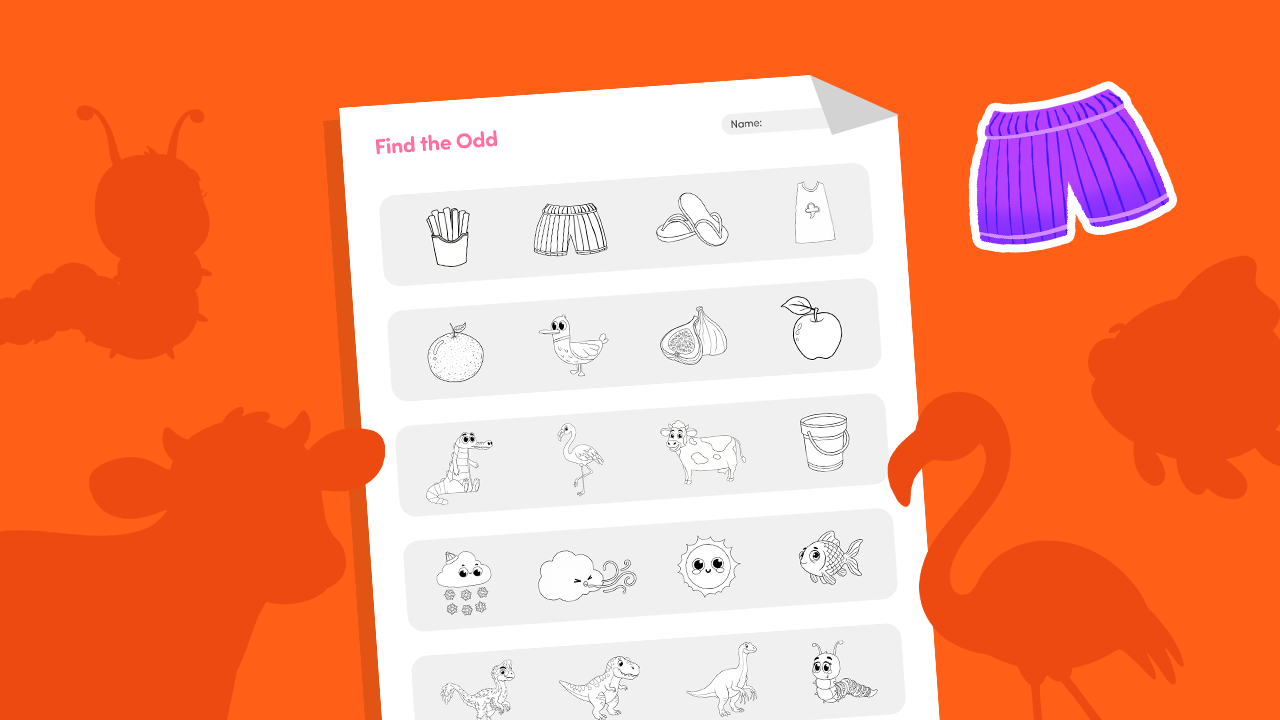
Find the Odd One Out
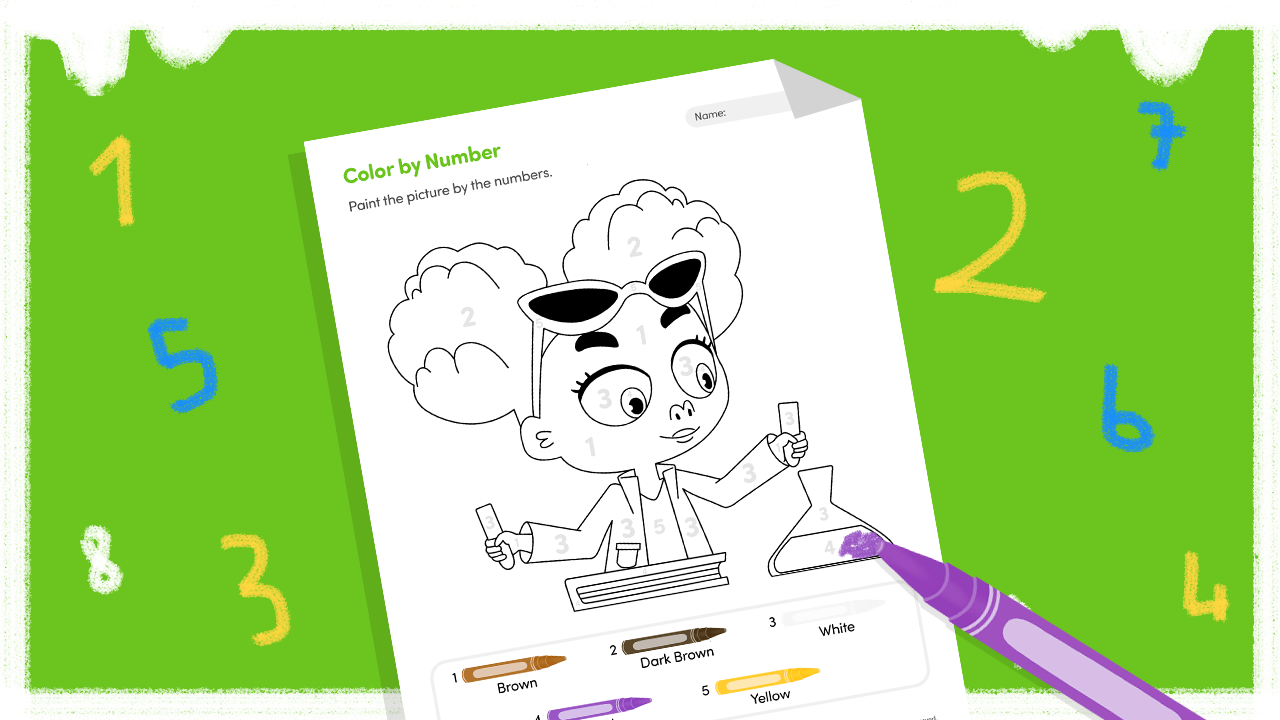
Color by Numbers (1–5)
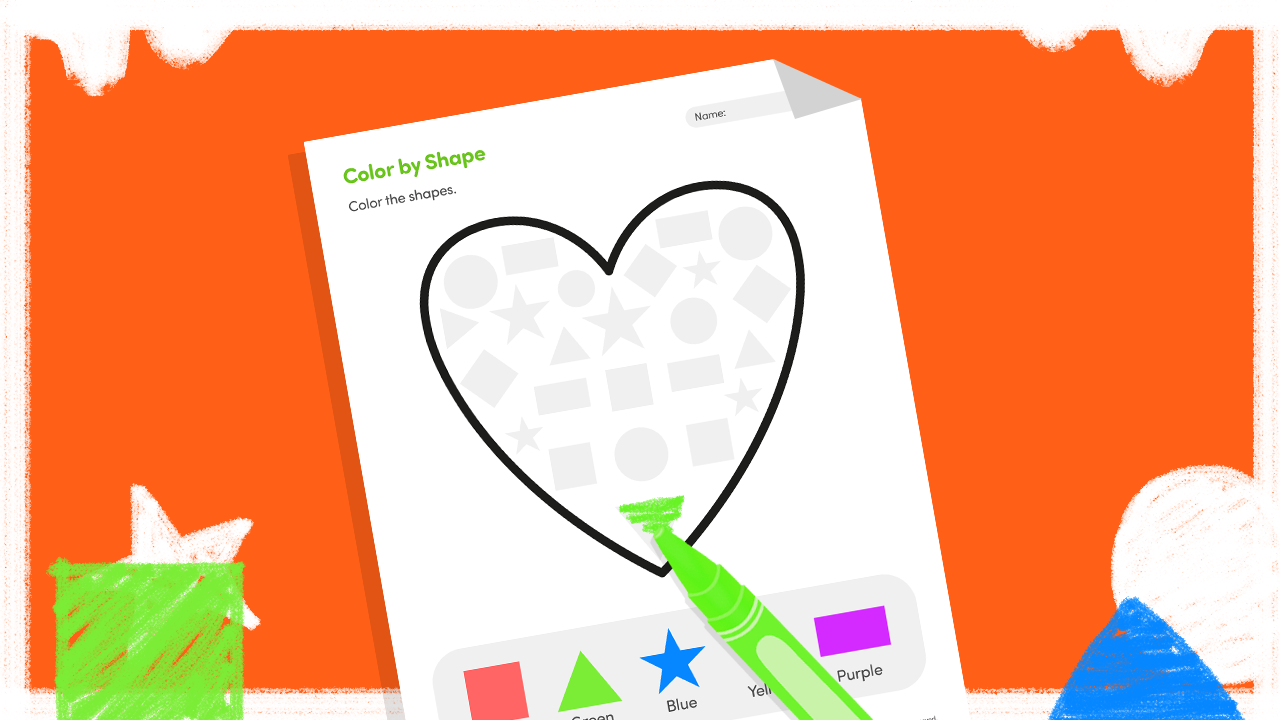
Color by Shape
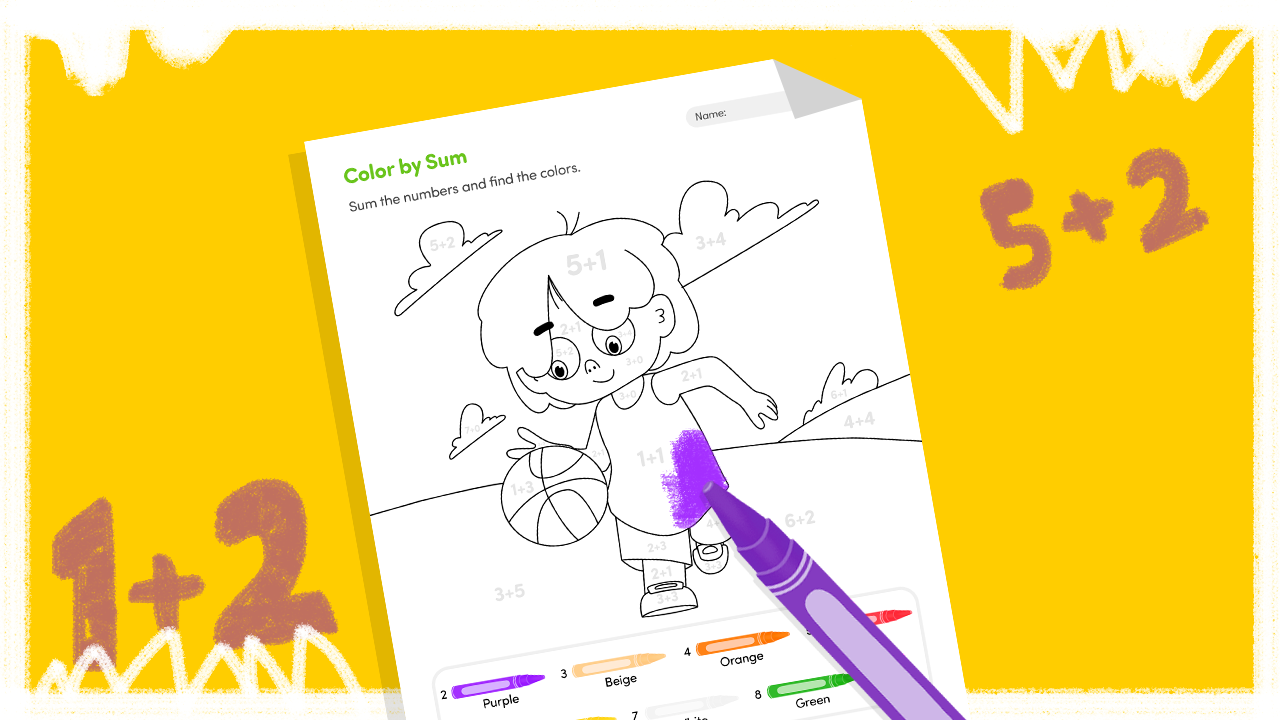
Color by Sum 1–10 (Addition)
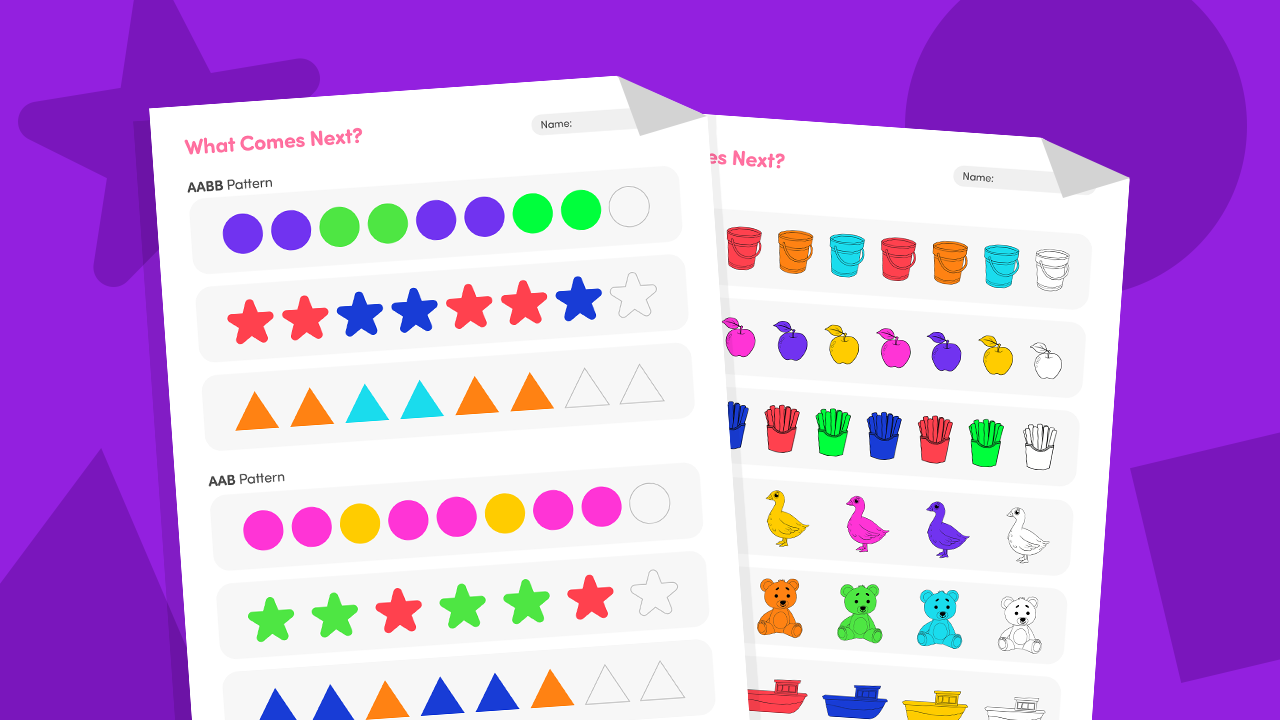
What Comes Next?
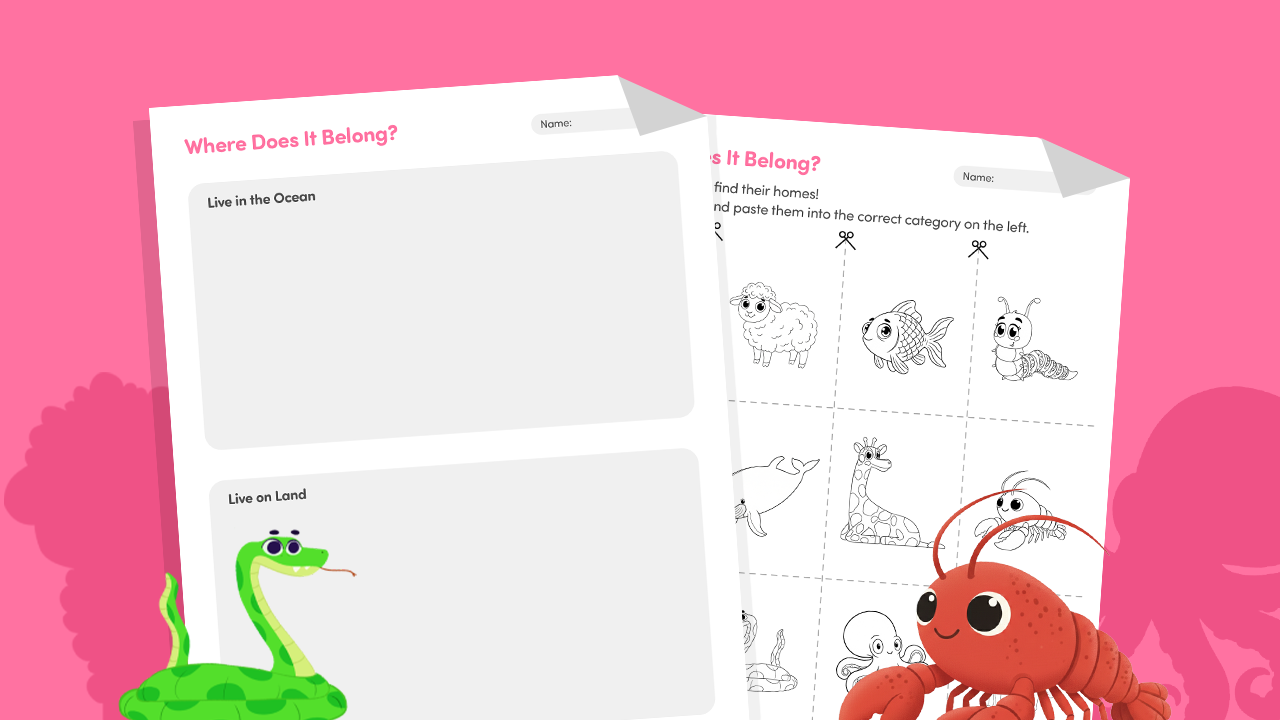
Where Does It Belong?
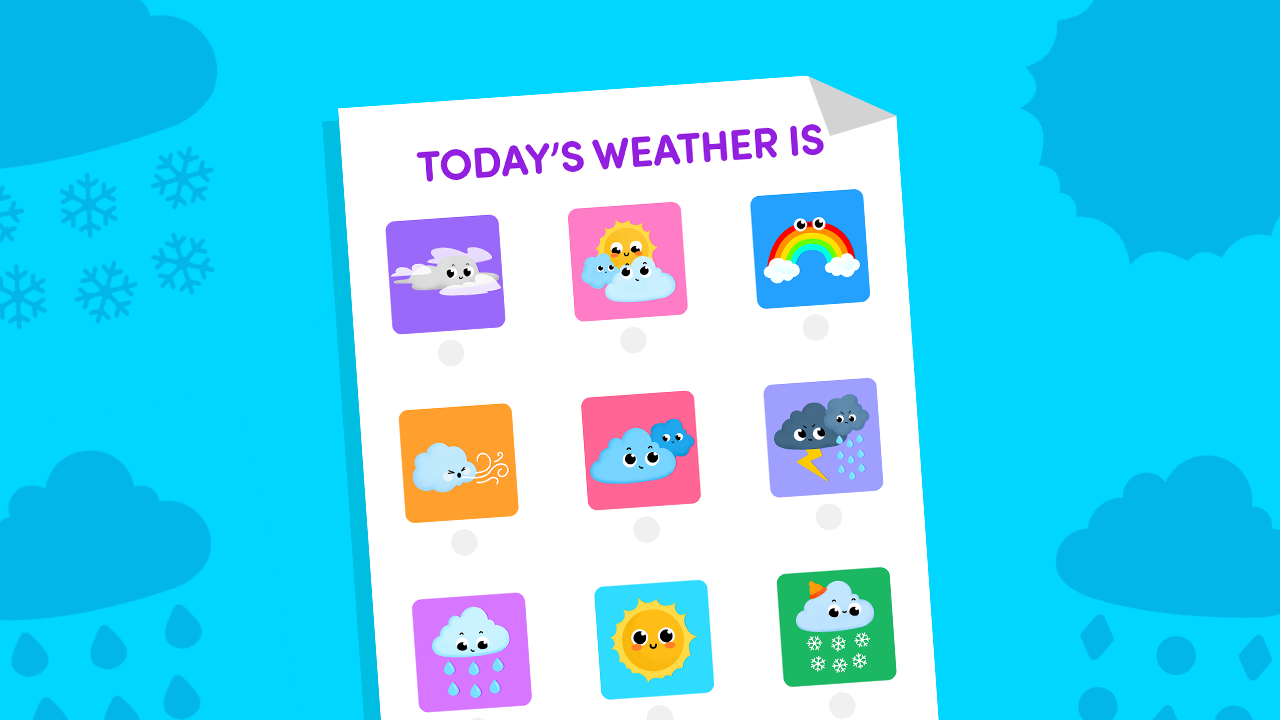
Today’s Weather
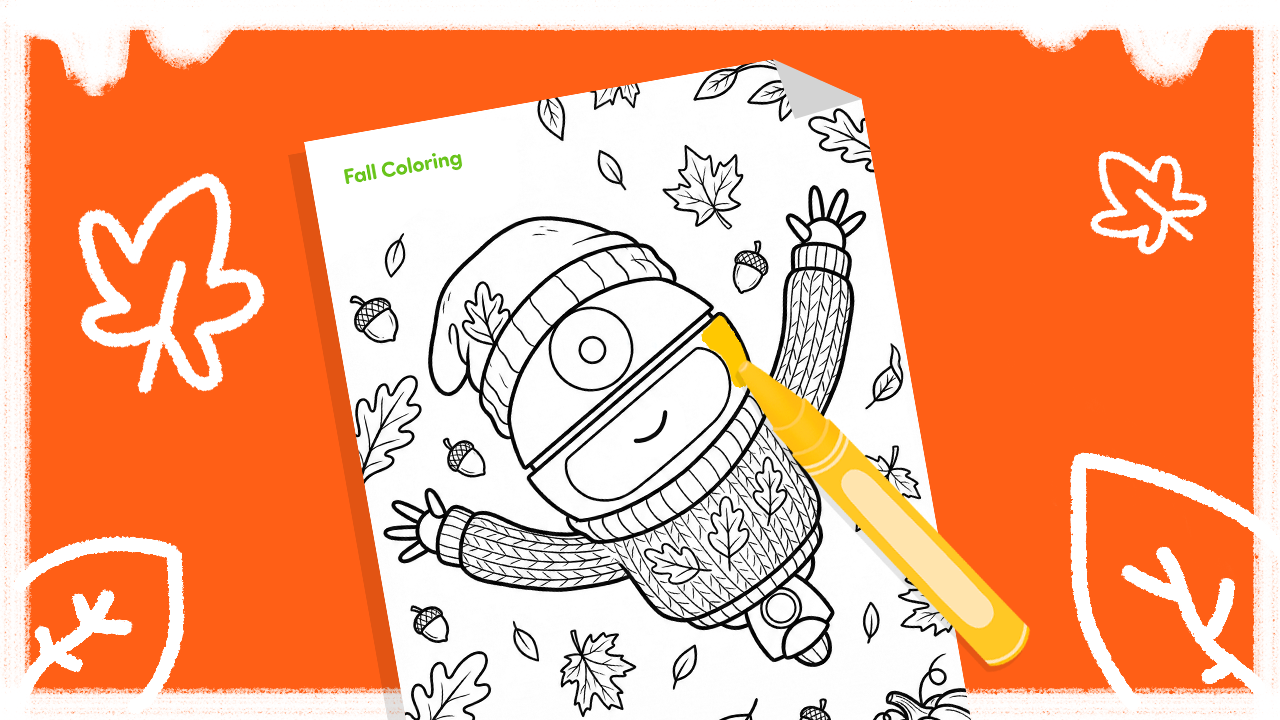
Fall Coloring Page – Autumn Scene
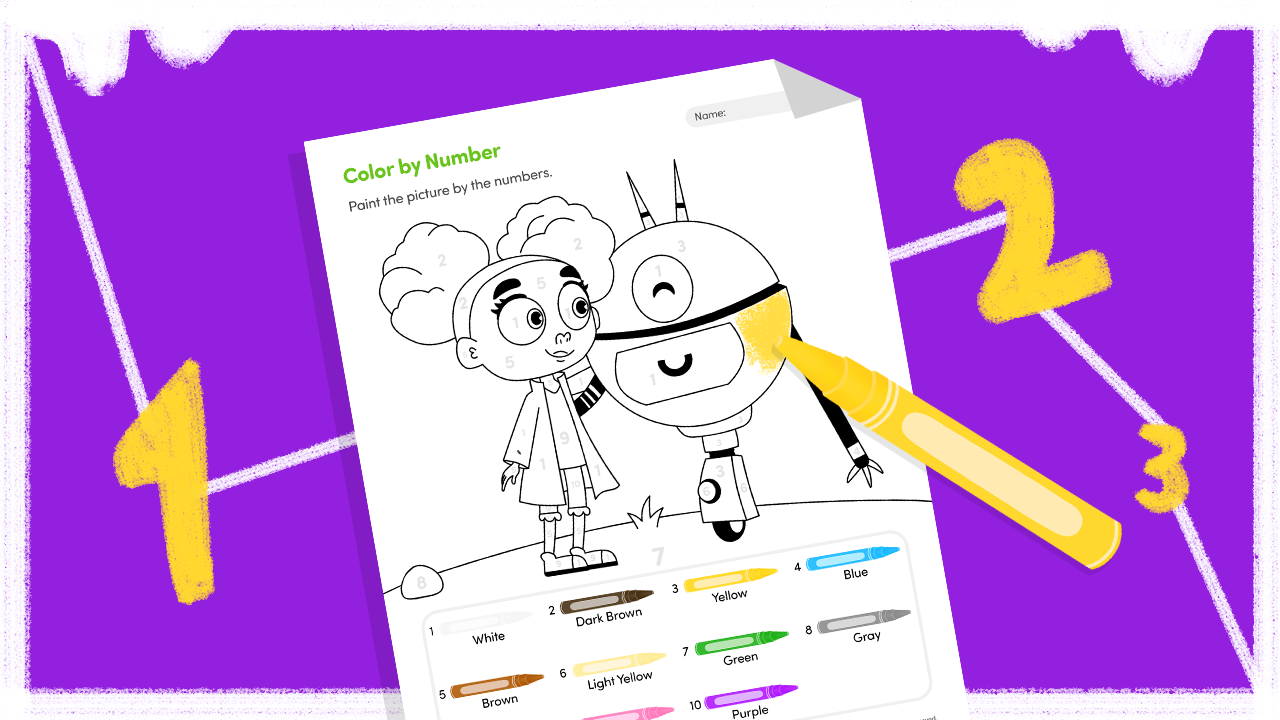
Color by Numbers (1–10)
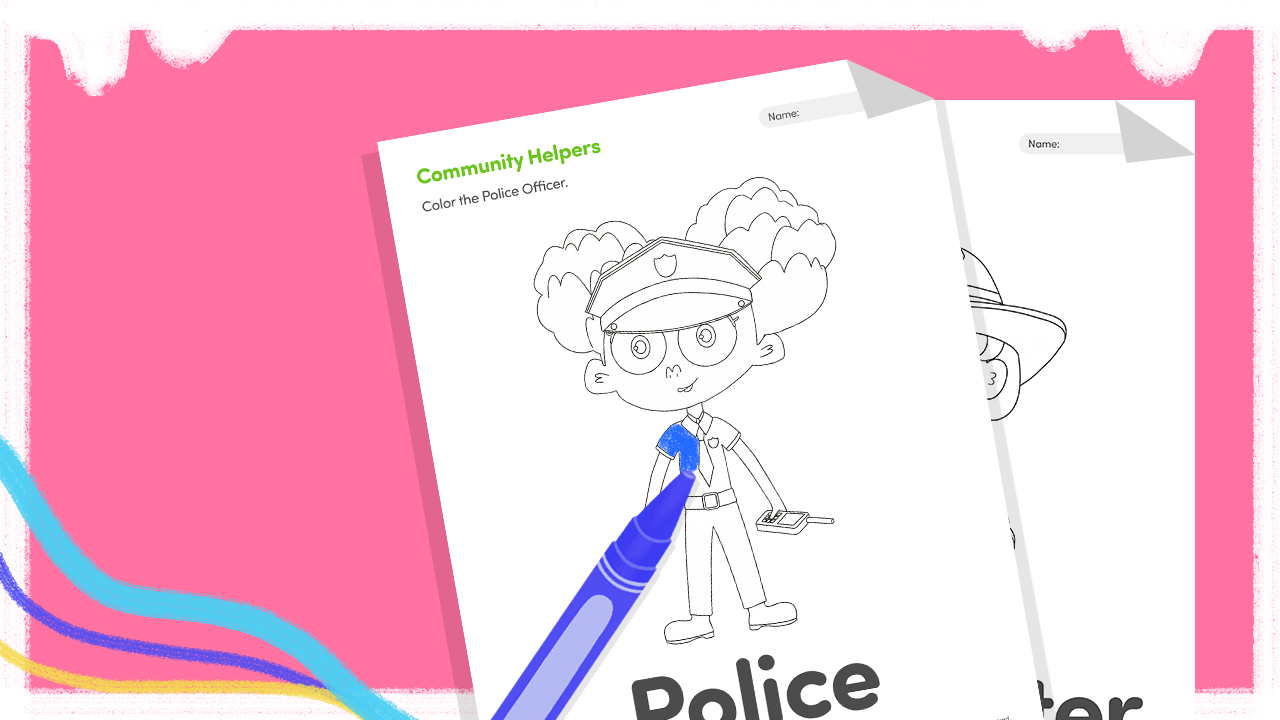
Color our Community Helpers
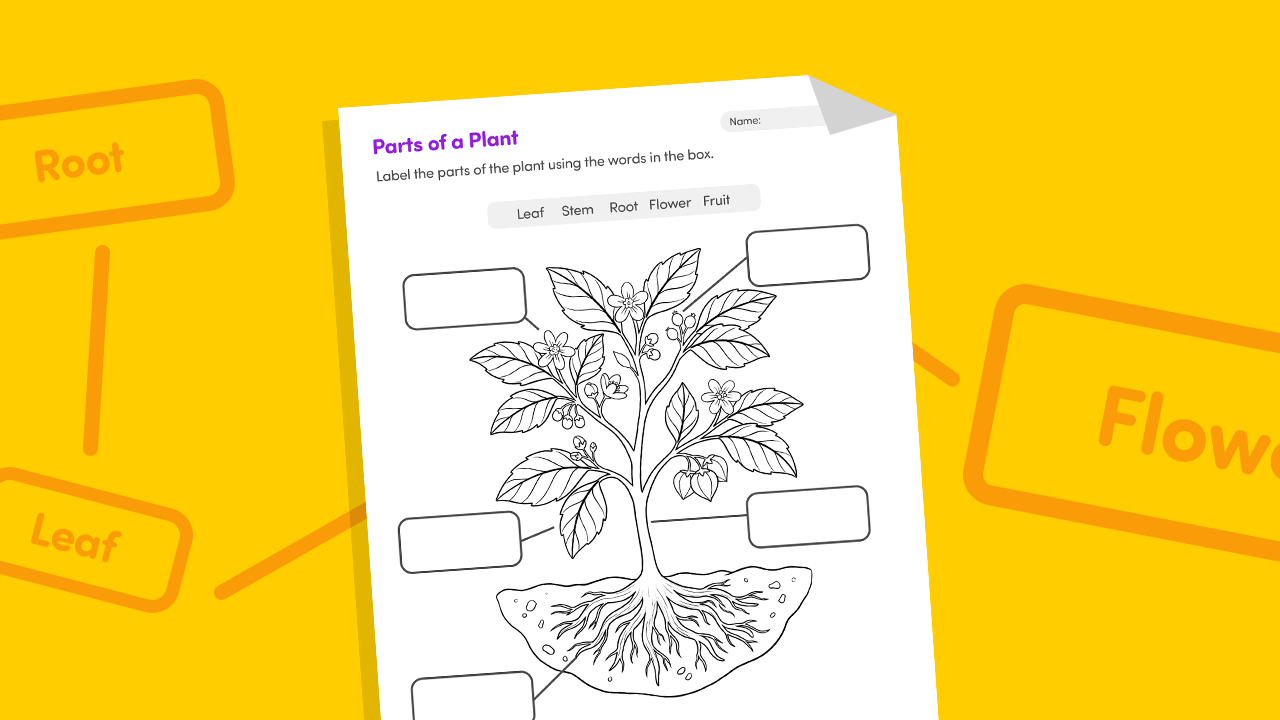
Label the Parts of a Plant
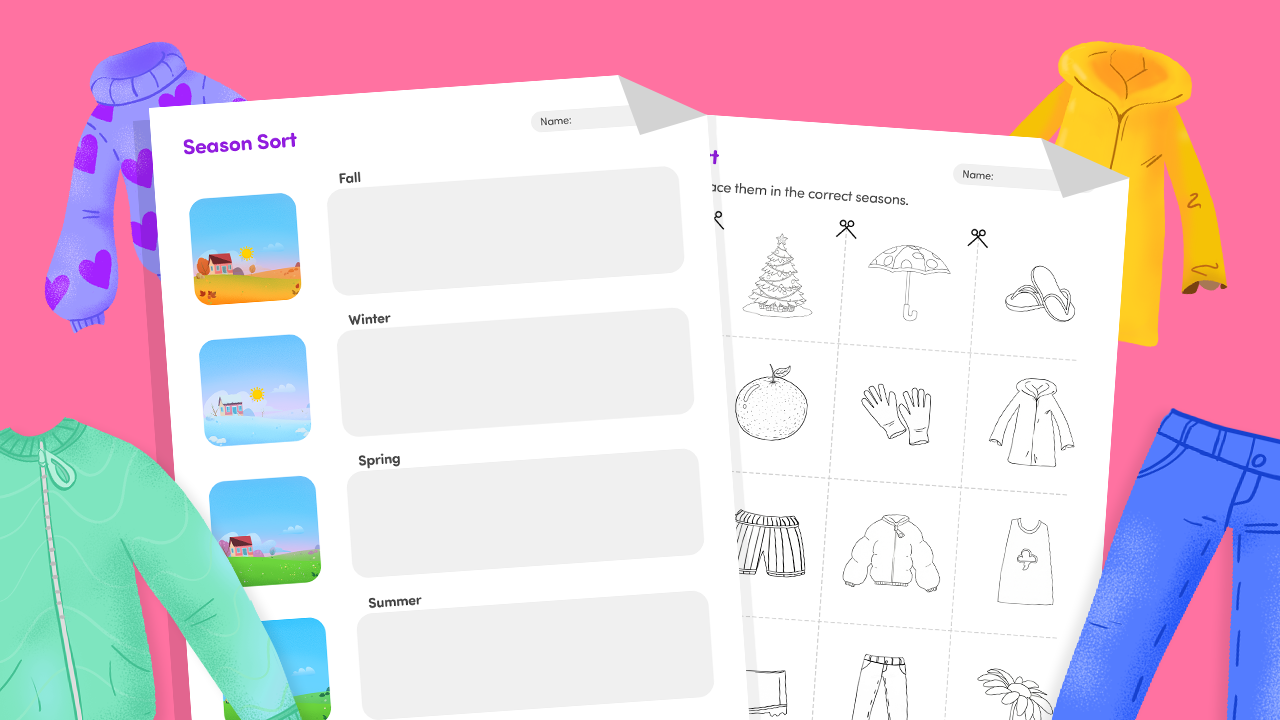
The Four Seasons of the Year | Sorting Worksheet
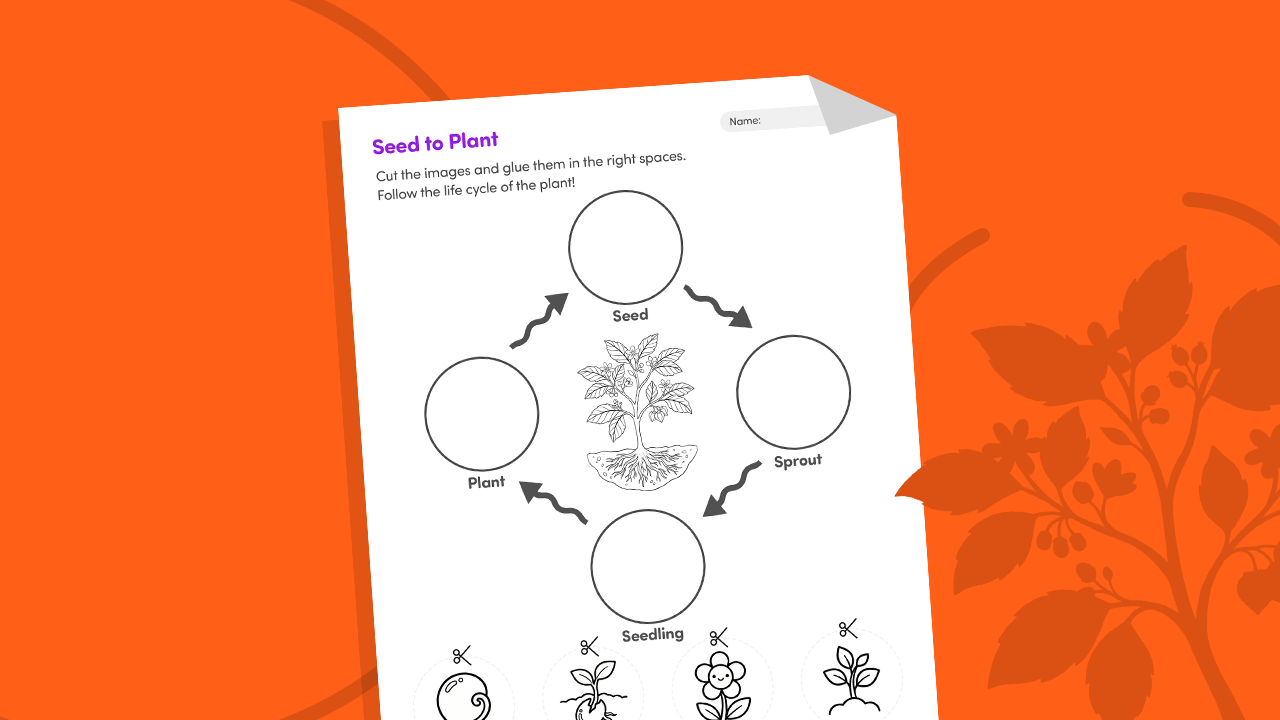
Plant Life Cycle Worksheet
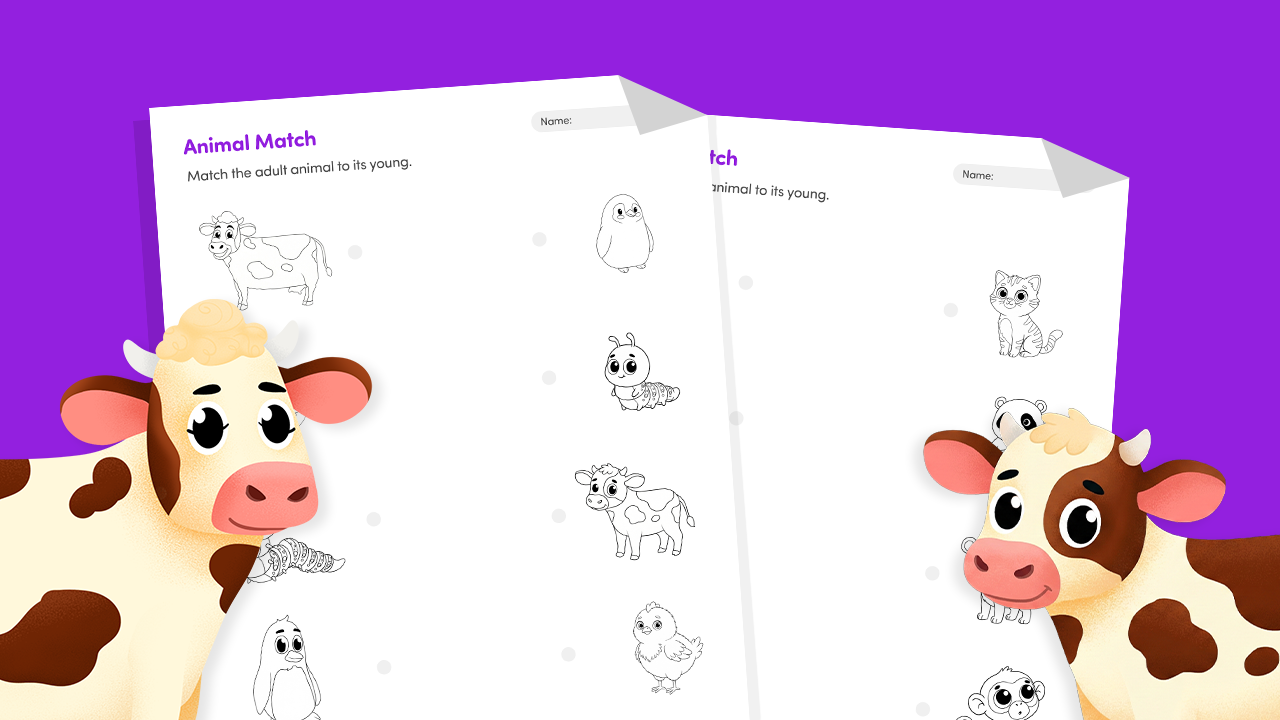
Match Animals And Their Young Ones
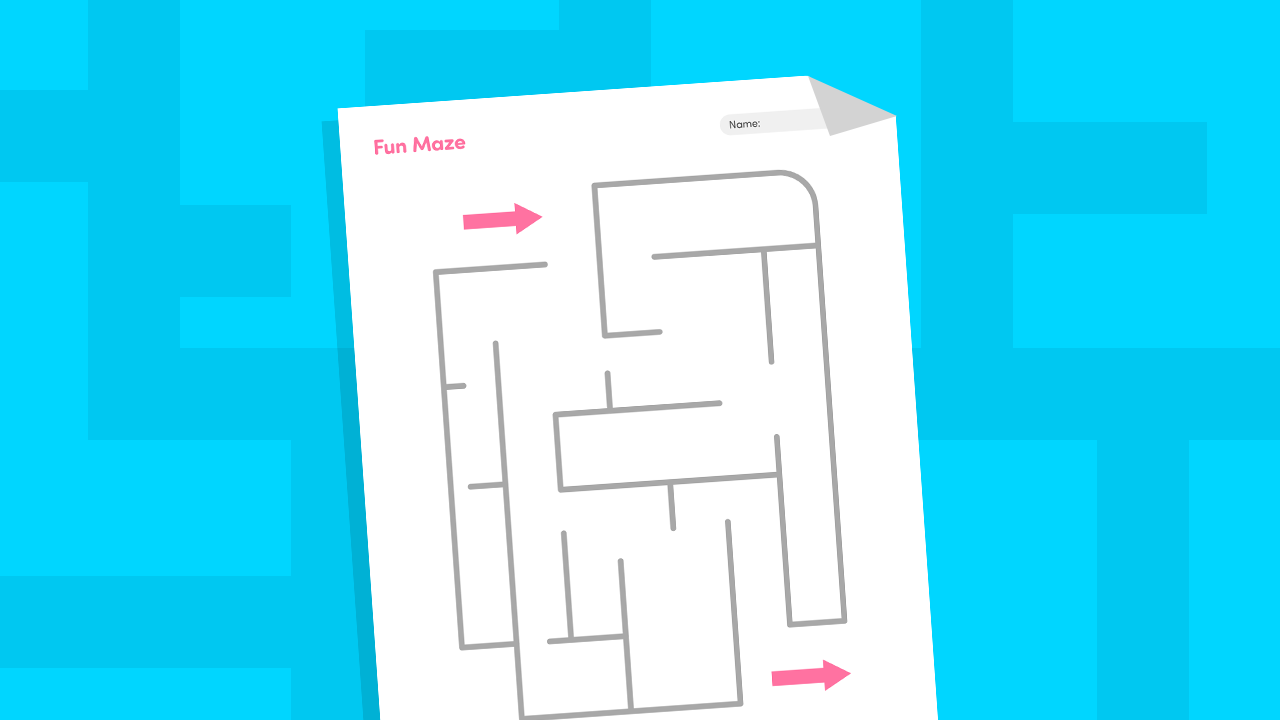
Easy Maze for Kids
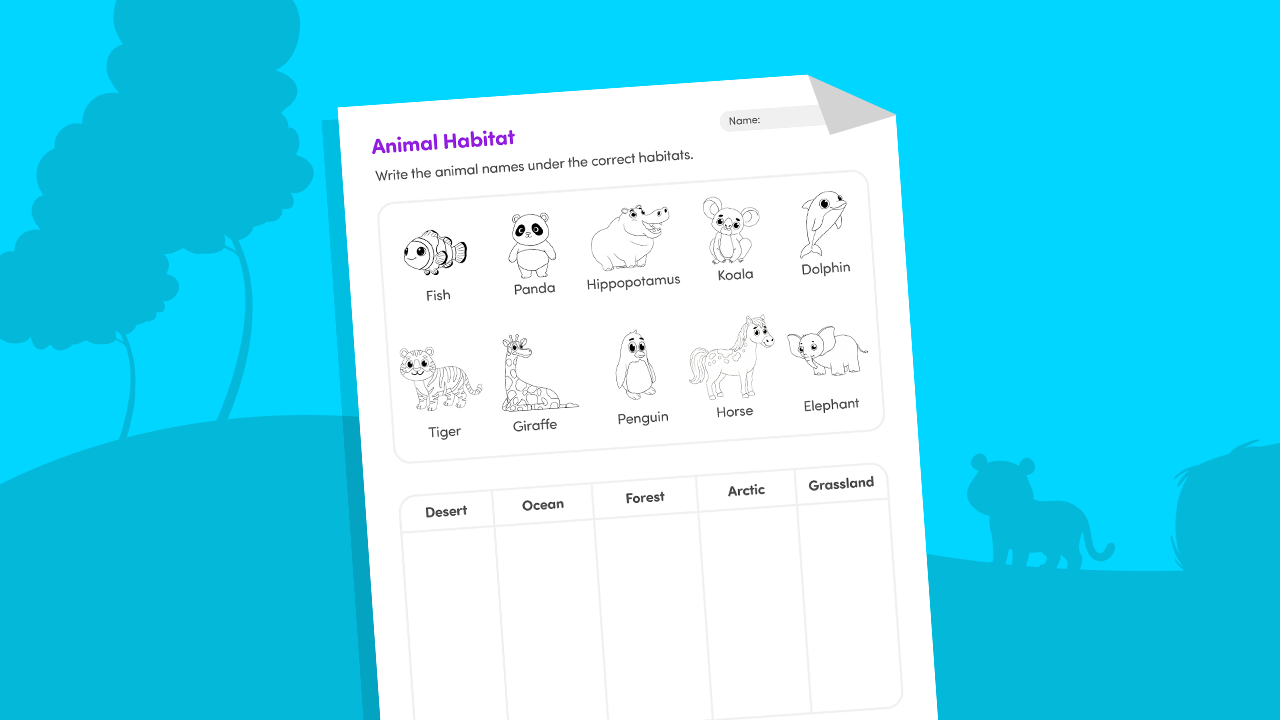
Animal Habitats
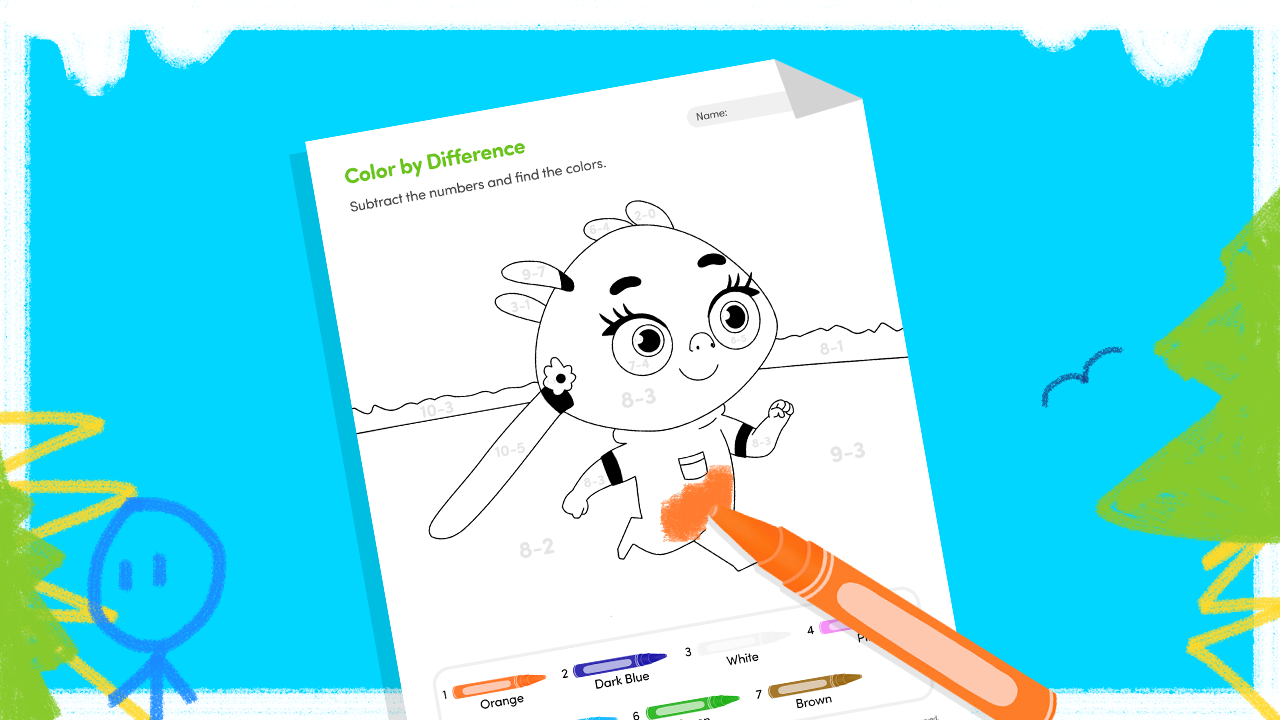
Color by Difference- Subtraction Color Activity
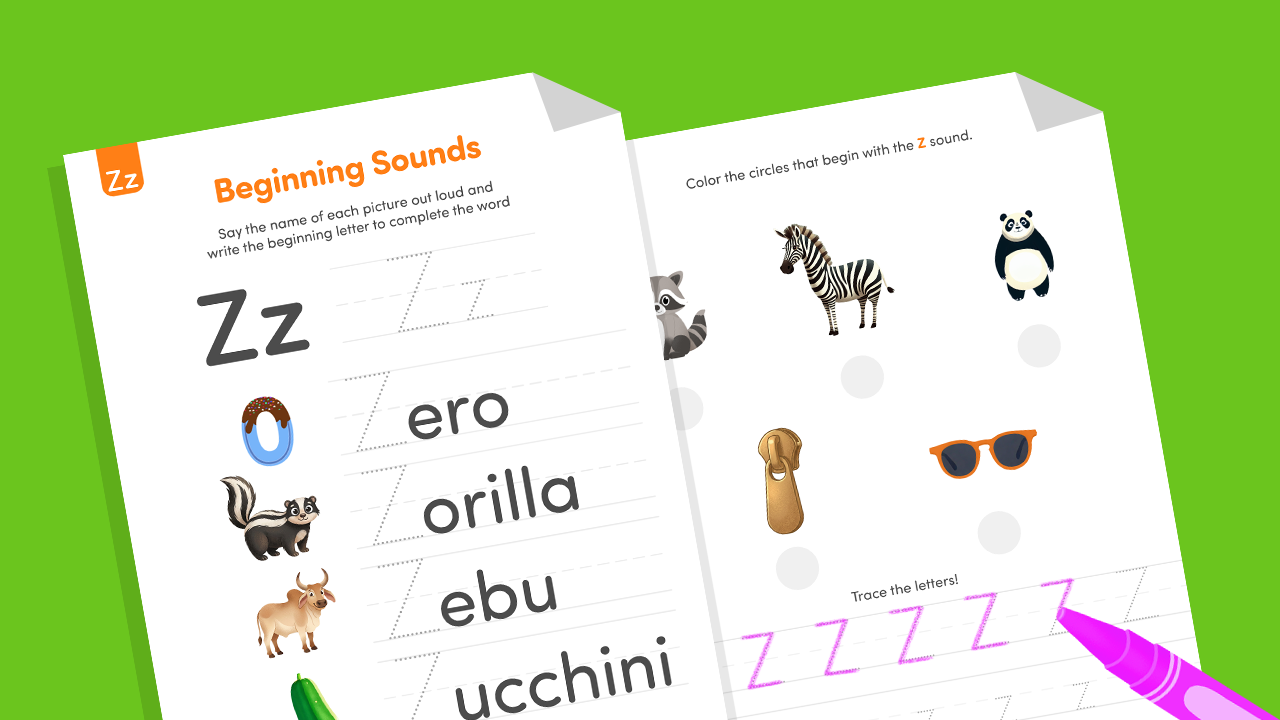
Beginning Sounds – Letter Z
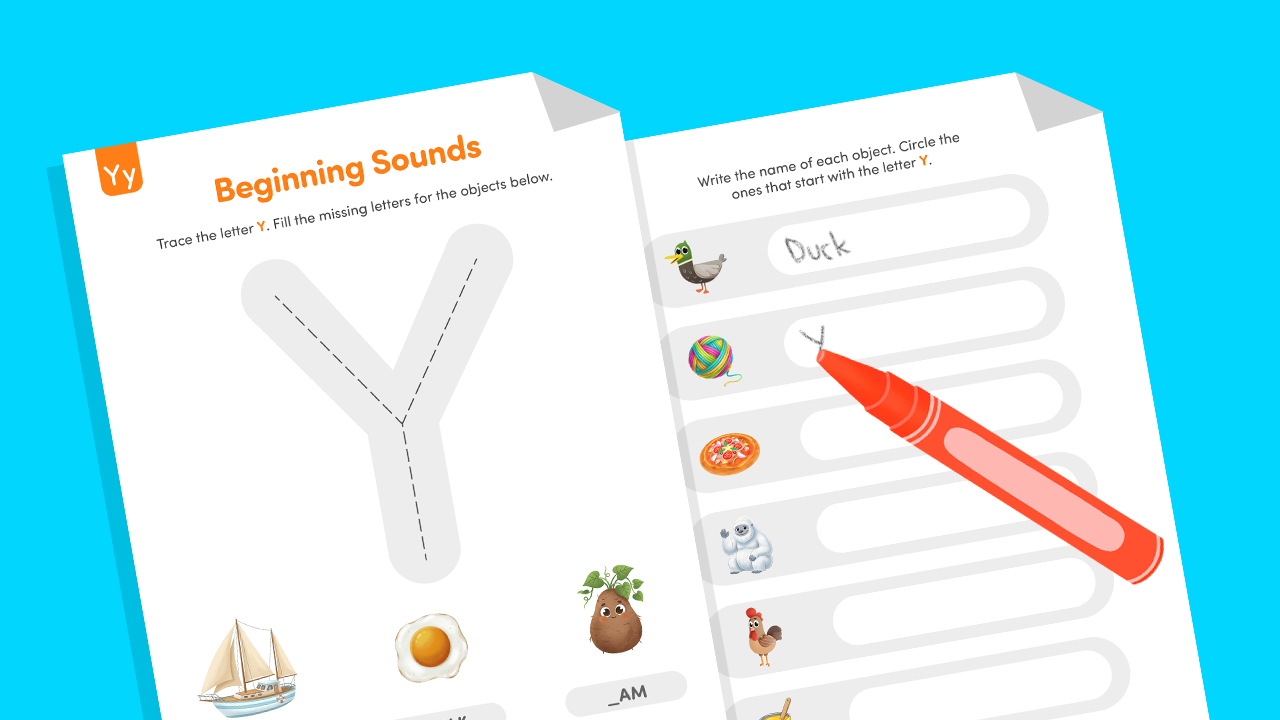
Beginning Sounds – Letter Y
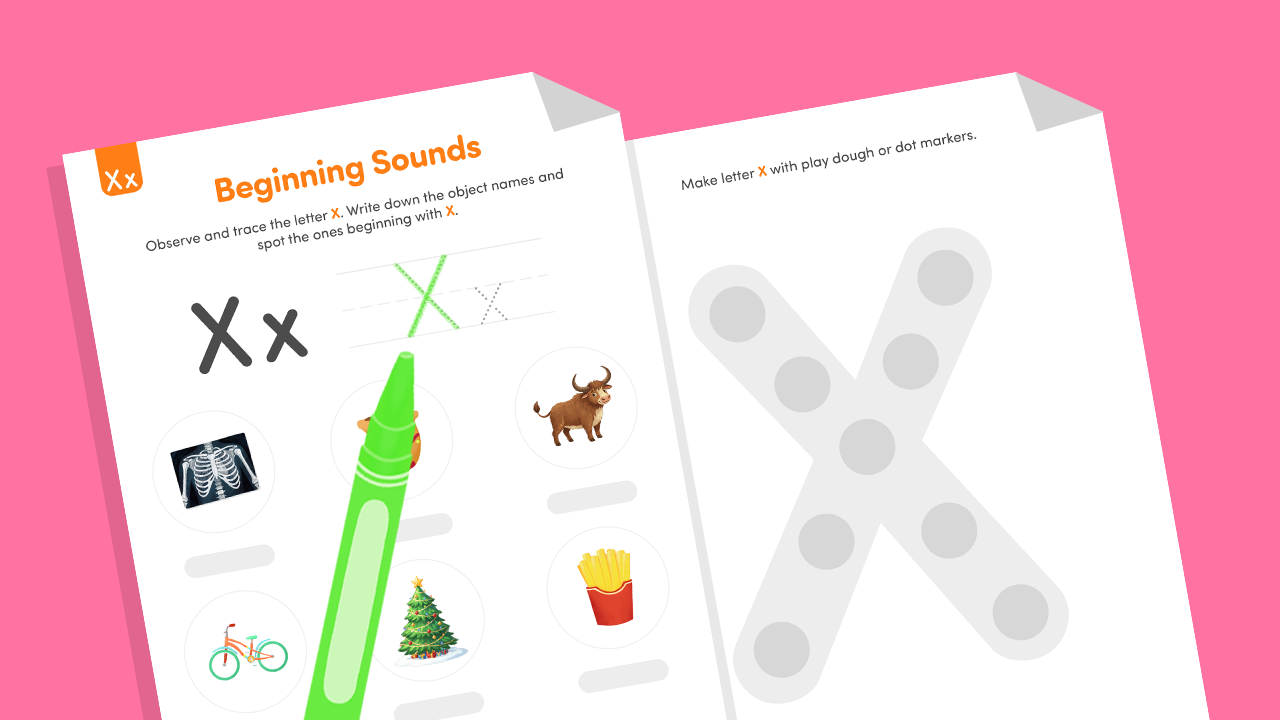
Beginning Sounds – Letter X
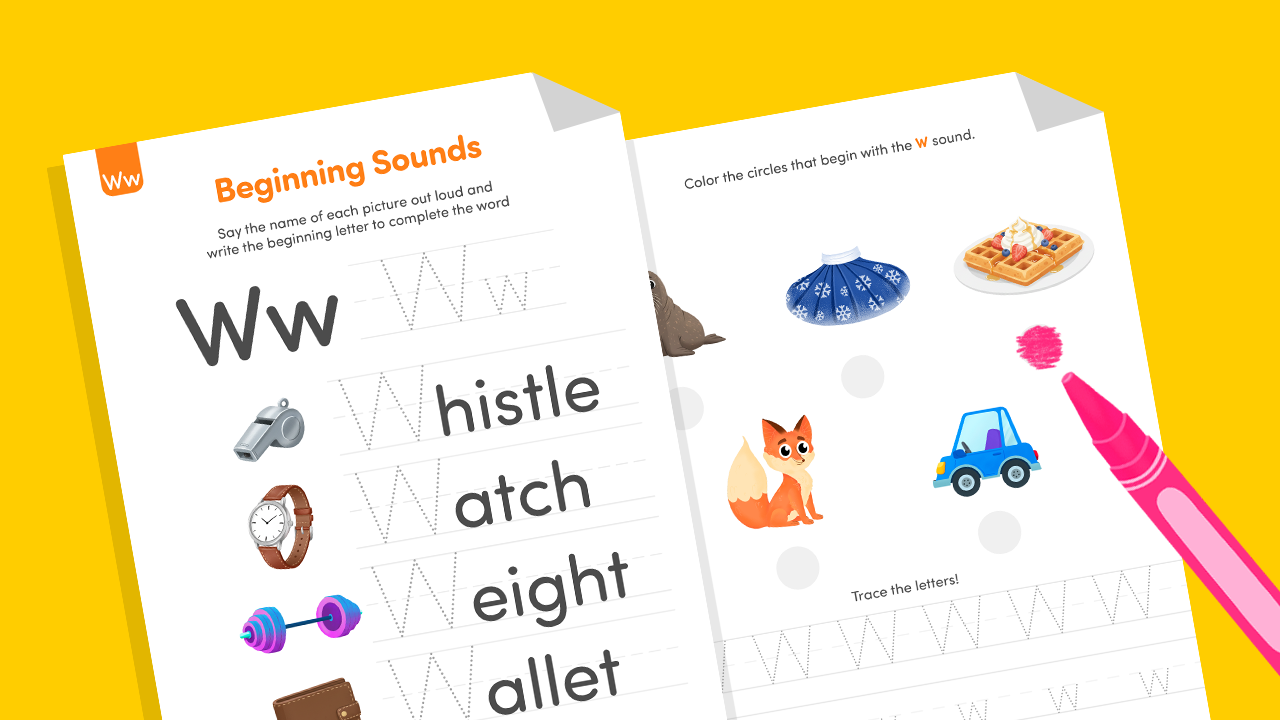
Beginning Sounds – Letter W
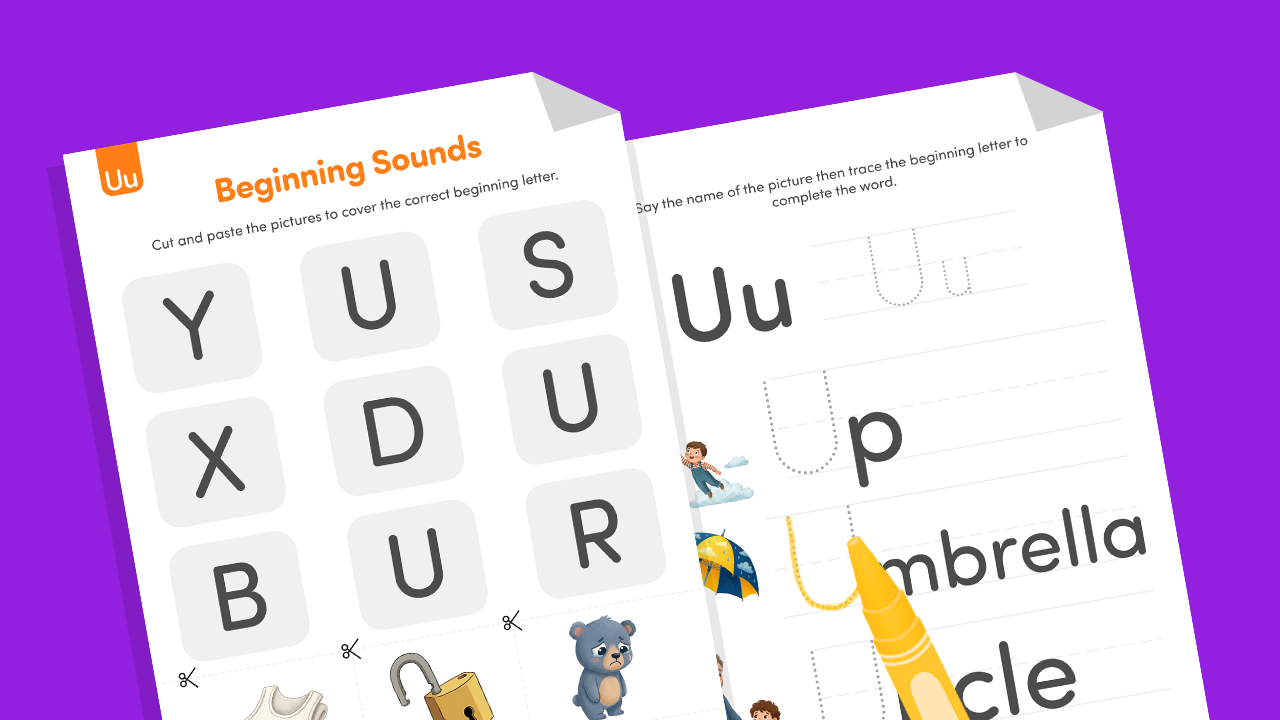
Beginning Sounds – Letter U
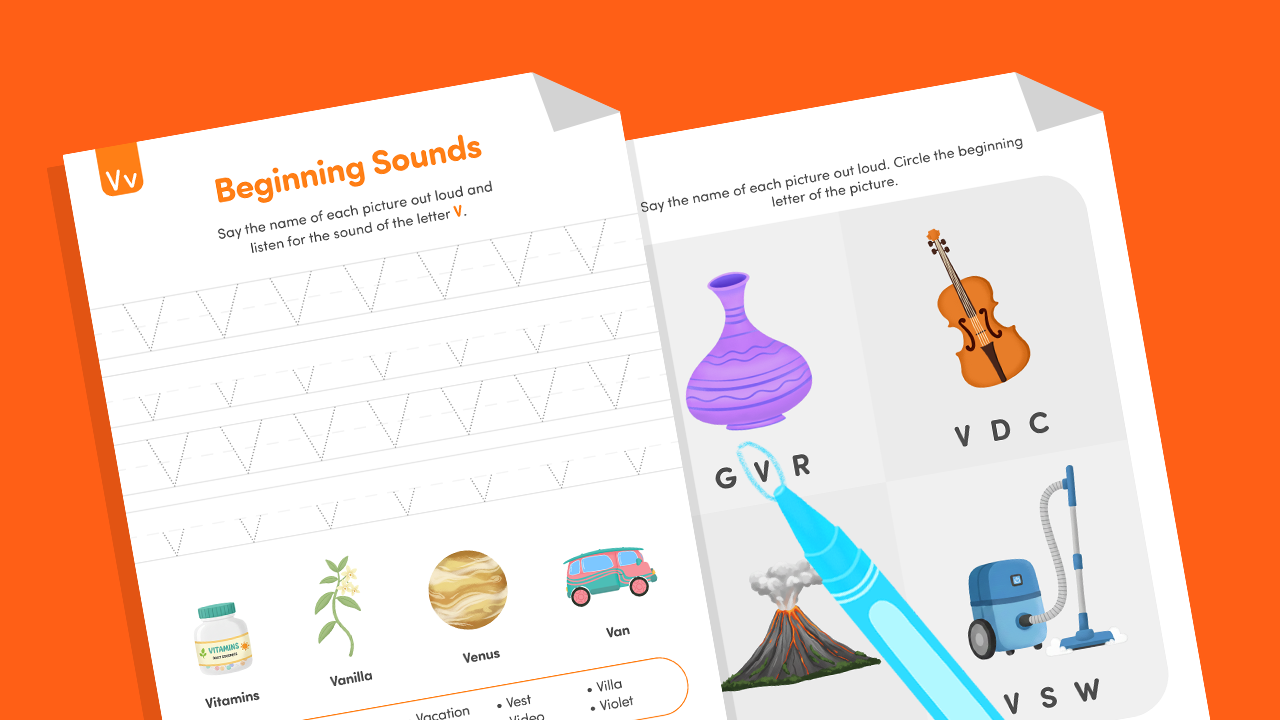
Beginning Sounds – Letter V
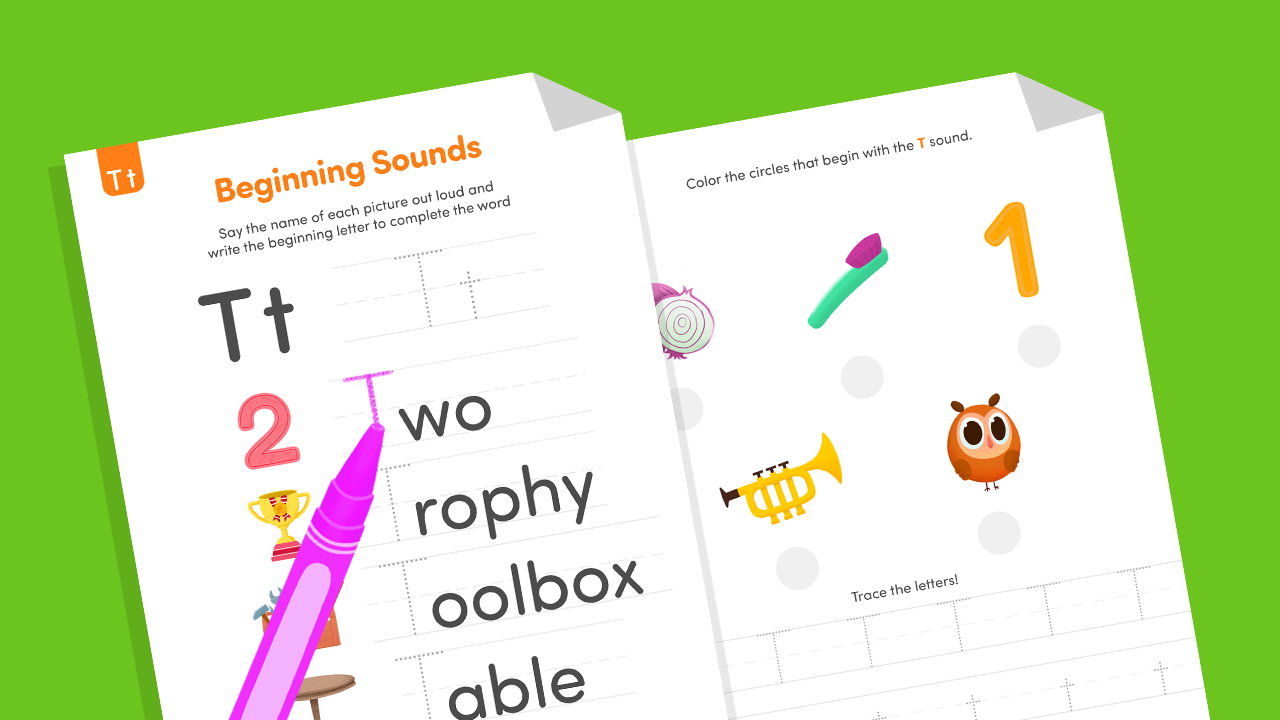
Beginning Sounds – Letter T
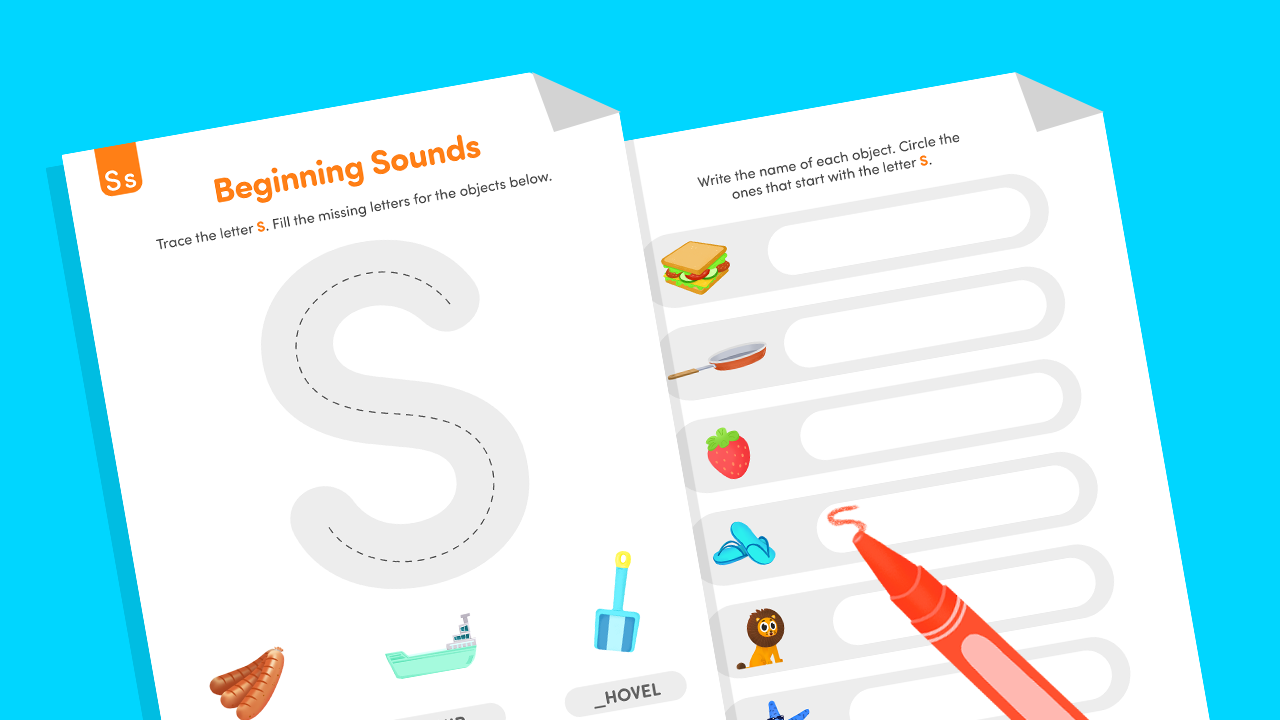
Beginning Sounds – Letter S
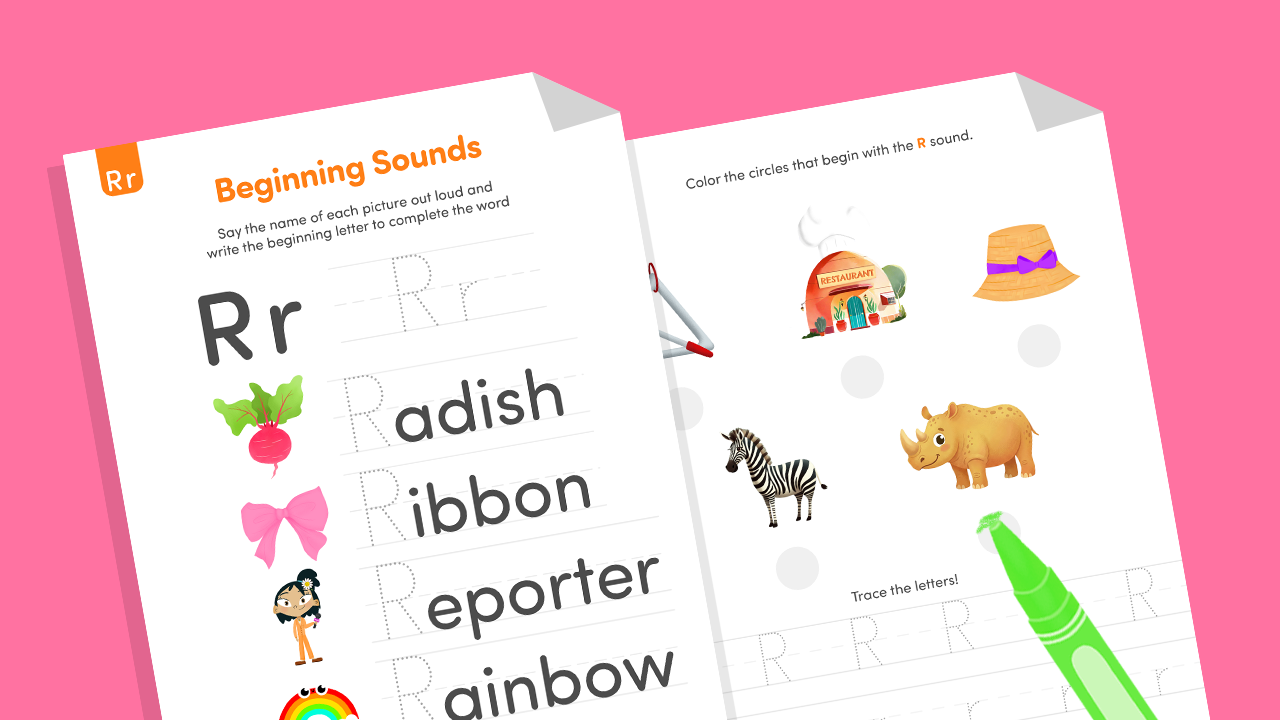
Beginning Sounds – Letter R
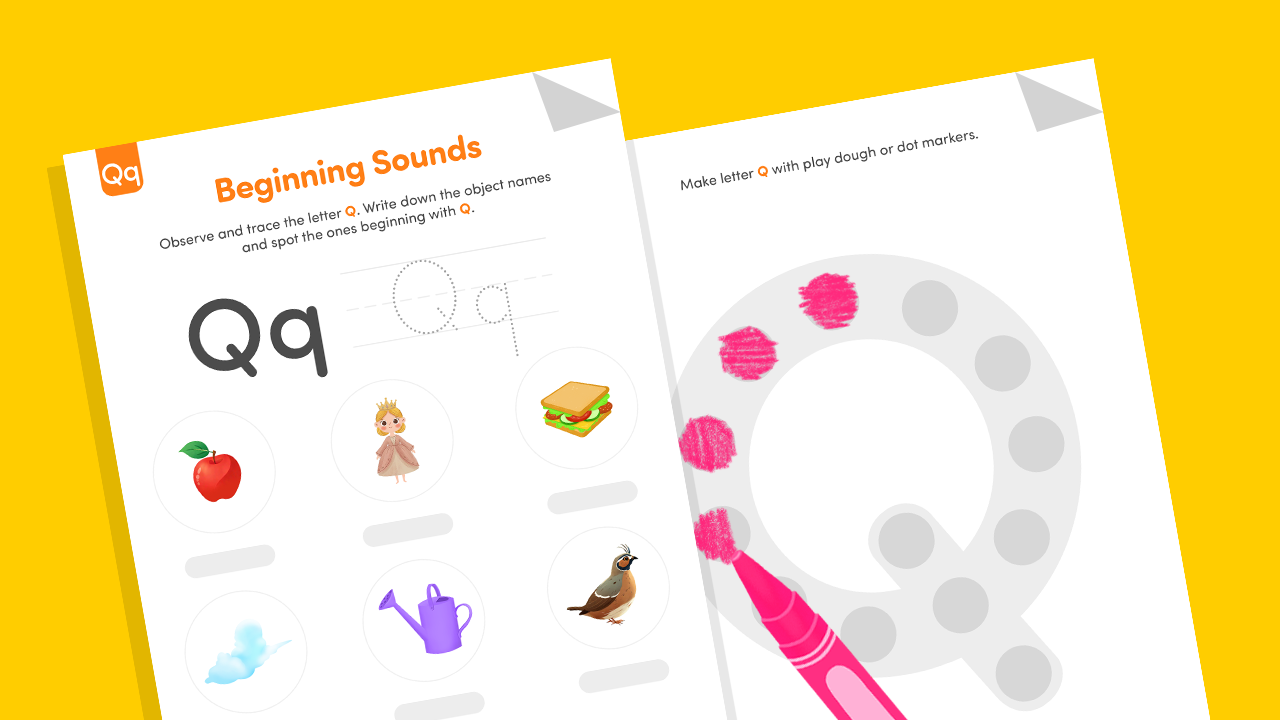
Beginning Sounds – Letter Q
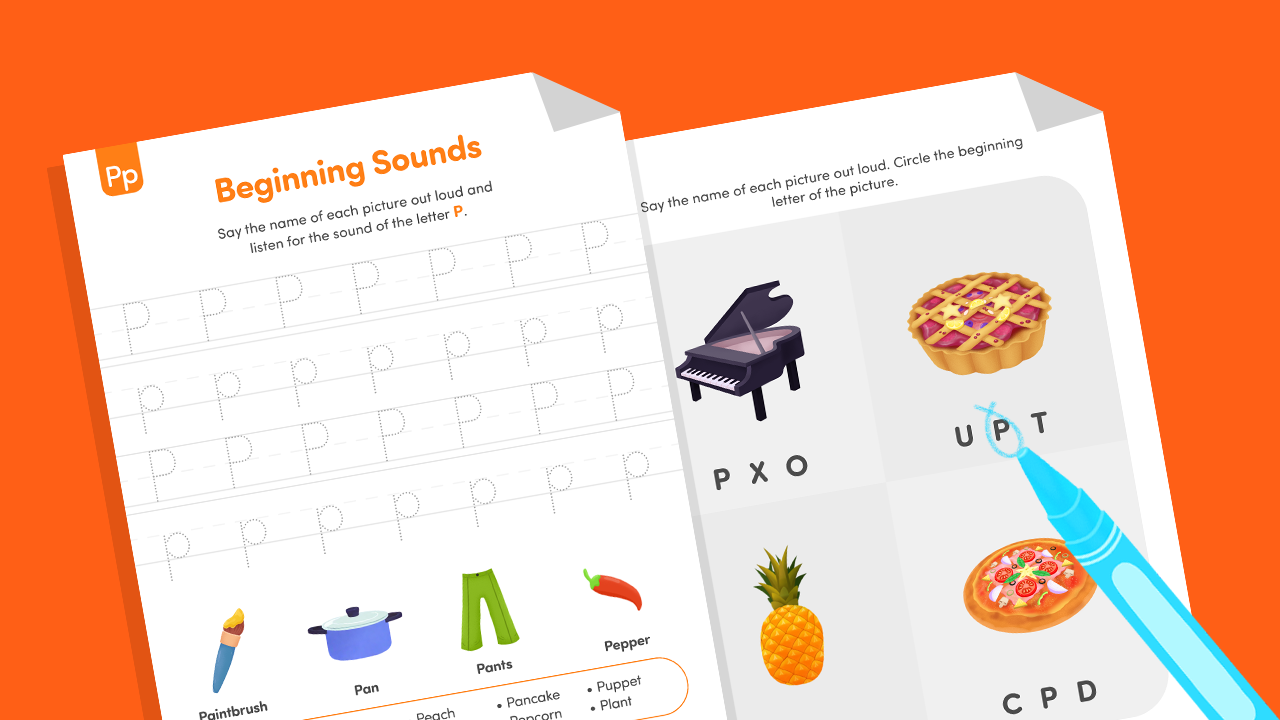
Beginning Sounds – Letter P
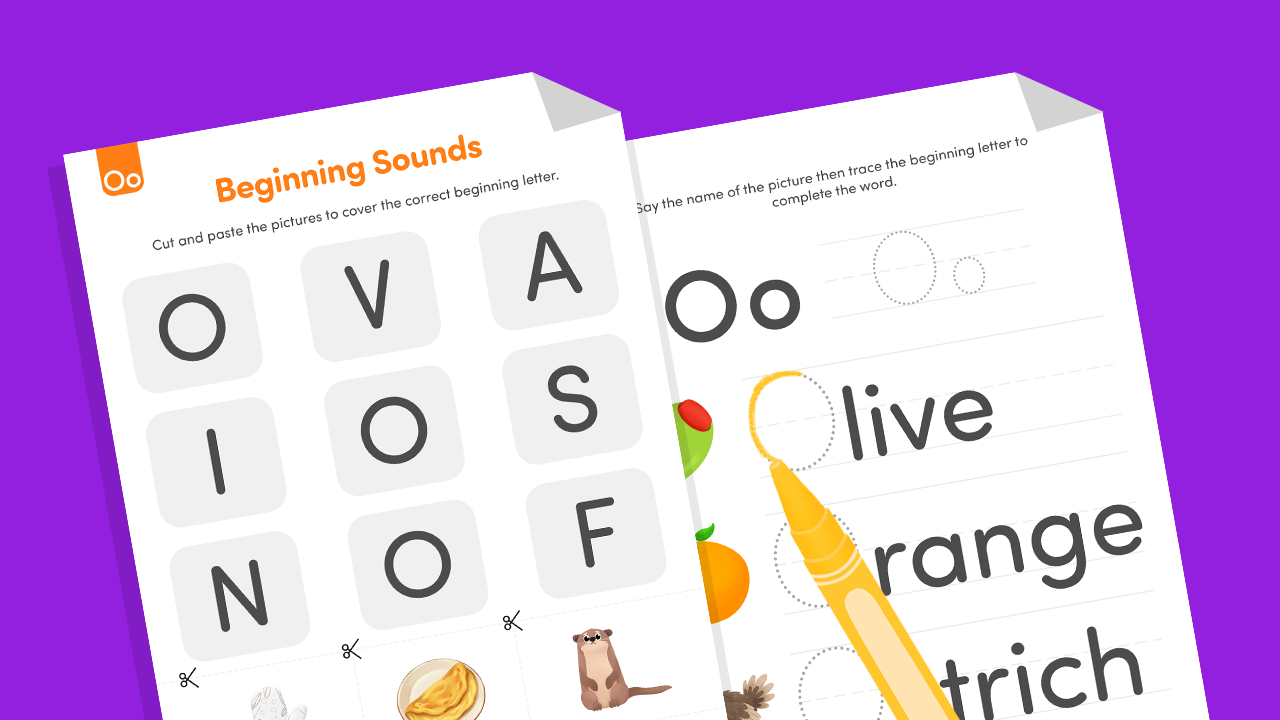
Beginning Sounds – Letter O
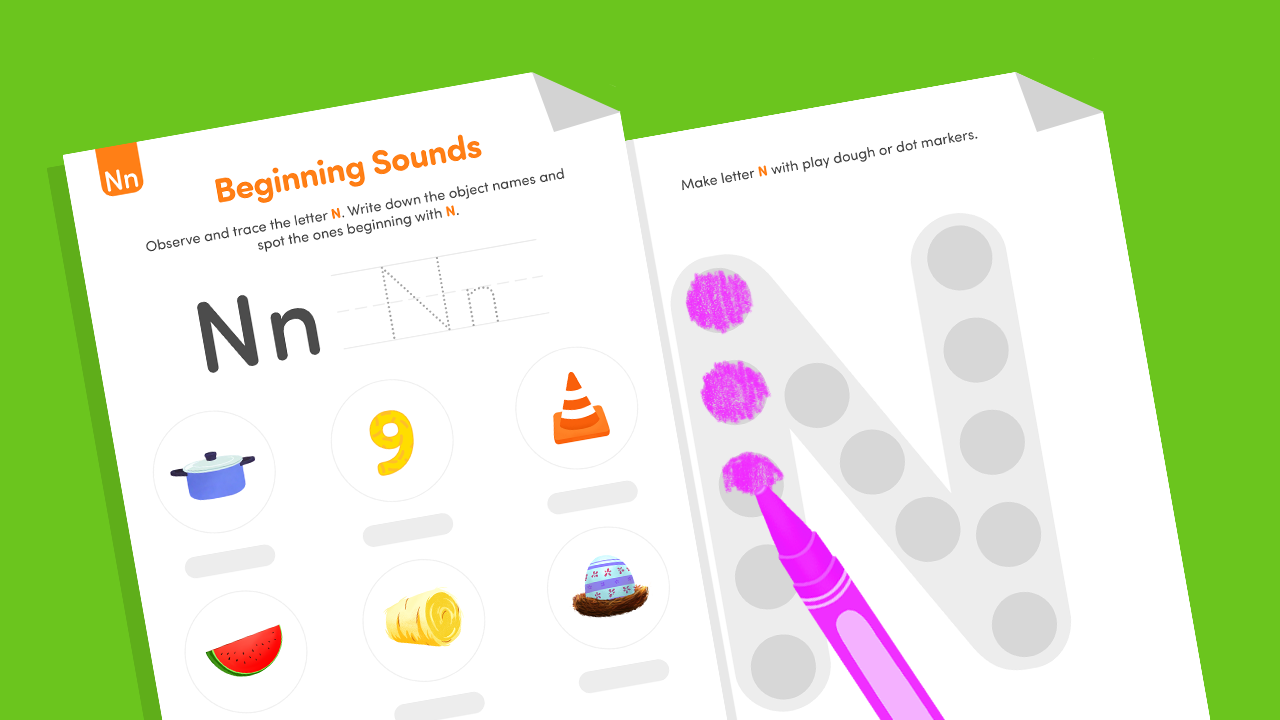
Beginning Sounds – Letter N
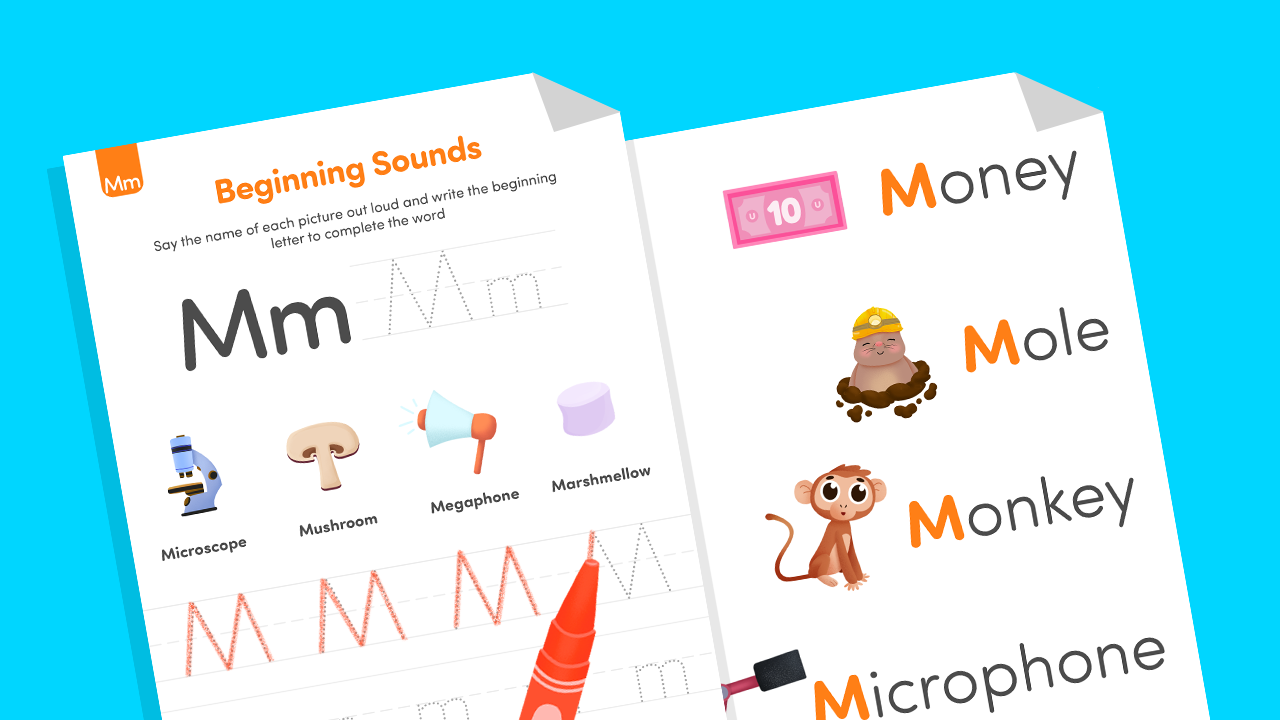
Beginning Sounds – Letter M
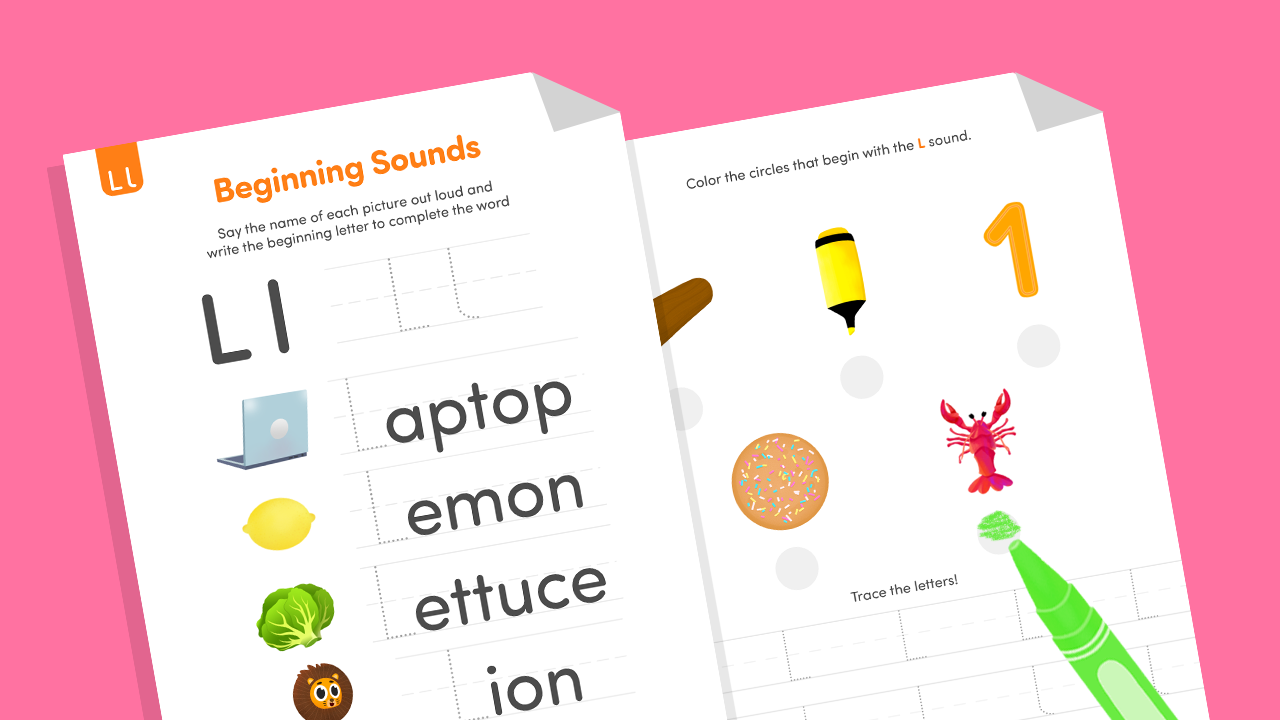
Beginning Sounds – Letter L
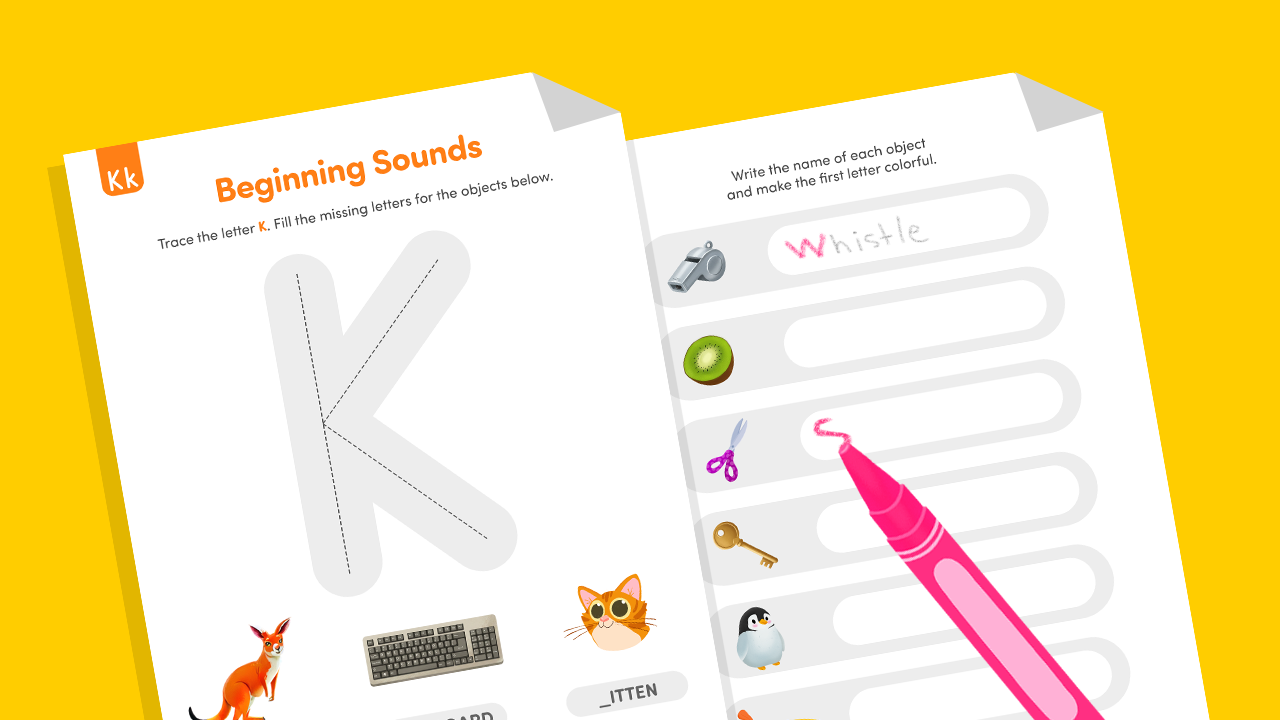
Beginning Sounds – Letter K
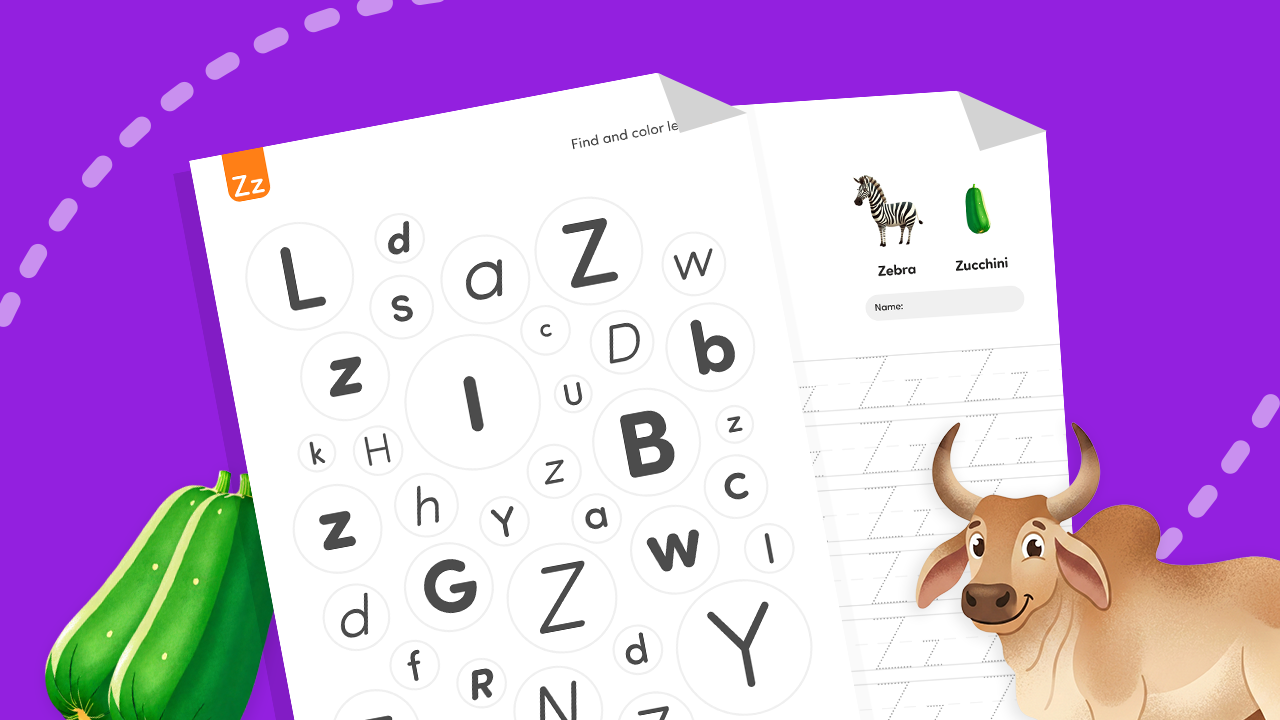
Find the Letter Z: Preschool & Pre-K Worksheet
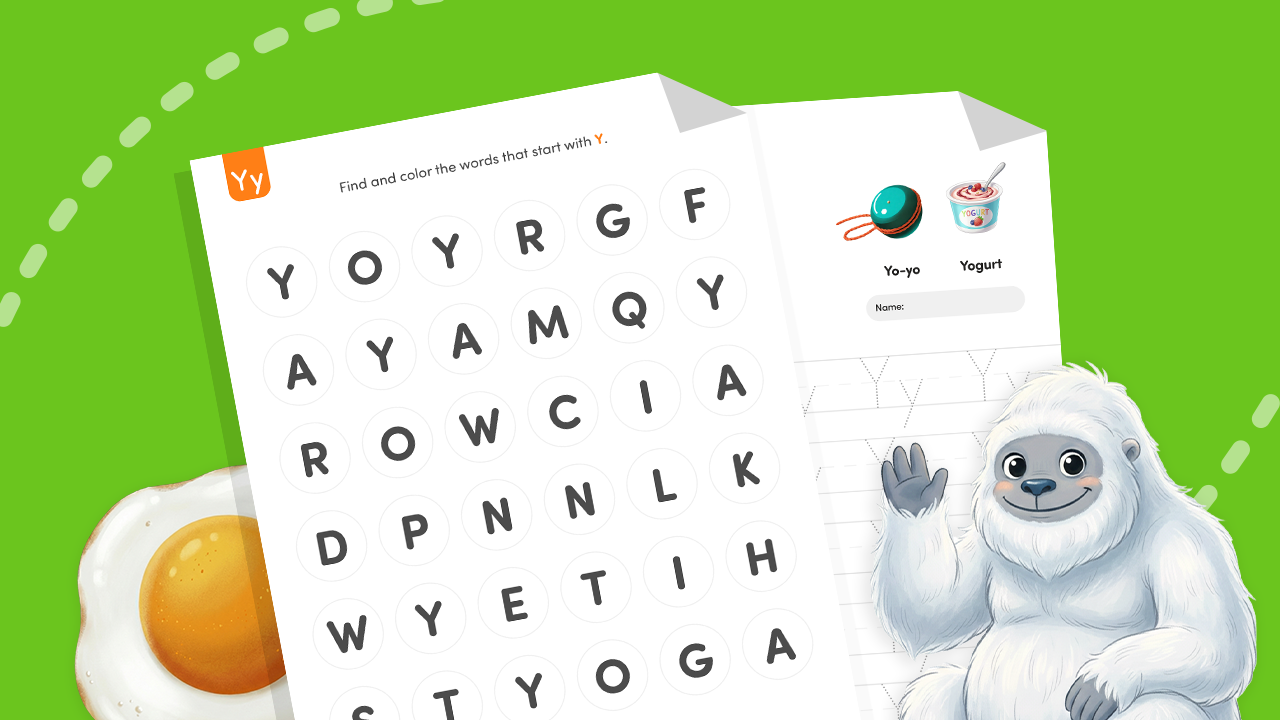
Find the Letter Y: Preschool & Pre-K Worksheet
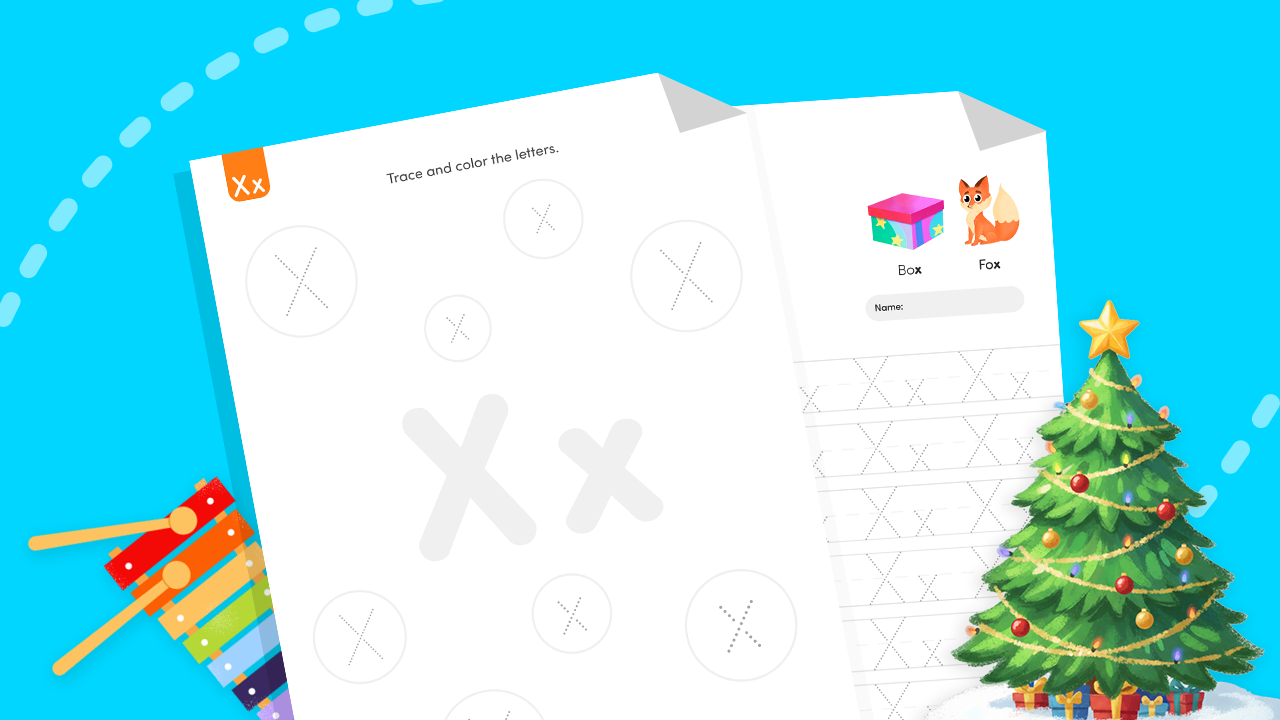
Find the Letter X: Preschool & Pre-K Worksheet
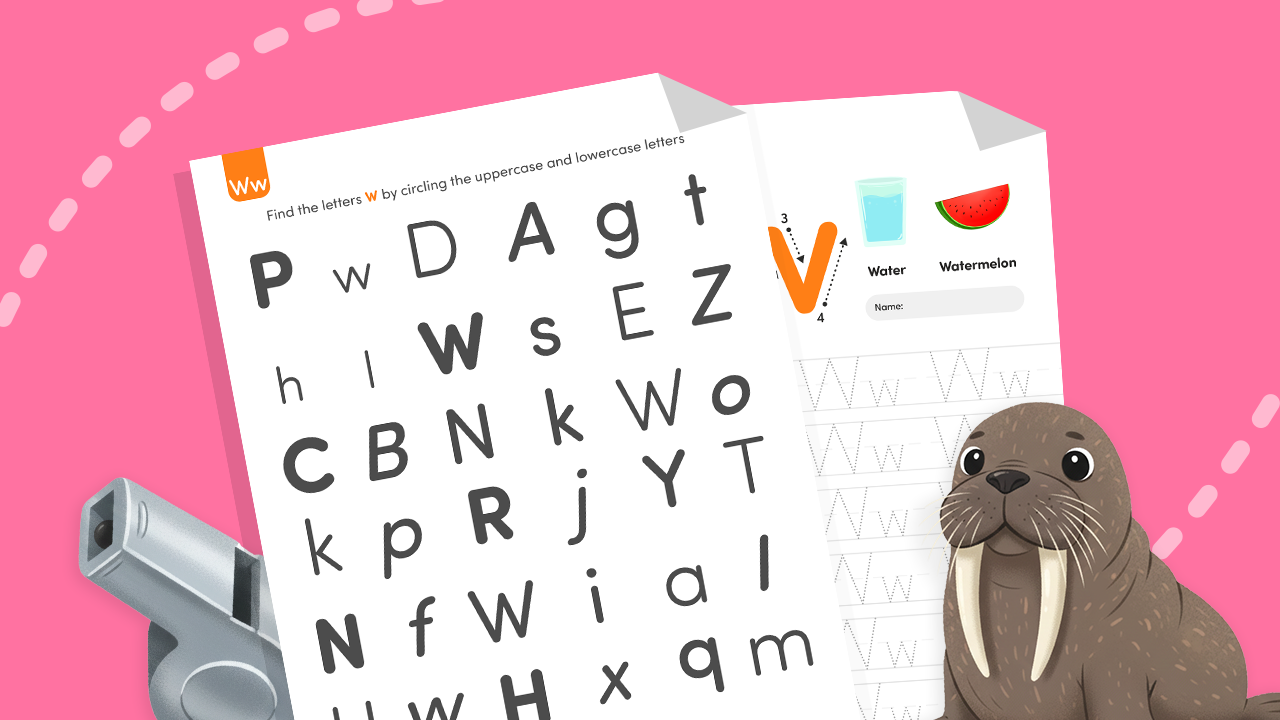
Find the Letter W: Preschool & Pre-K Worksheet
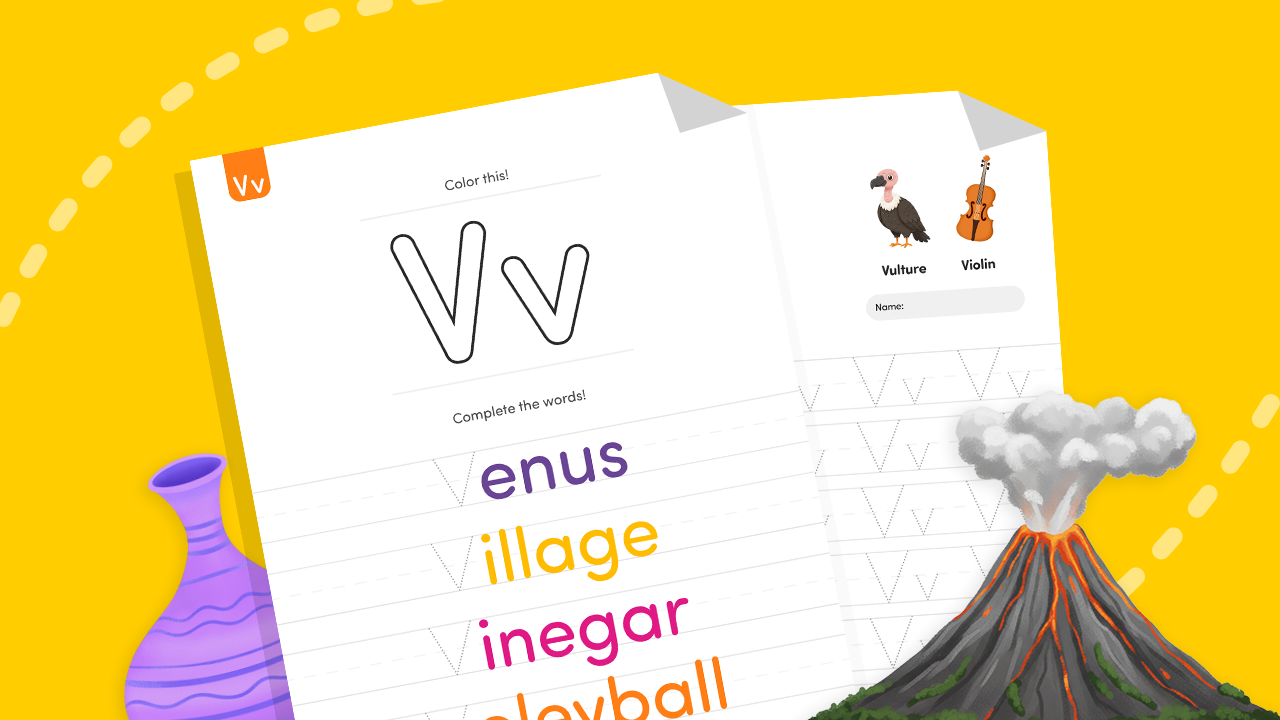
Find the Letter V: Preschool & Pre-K Worksheet
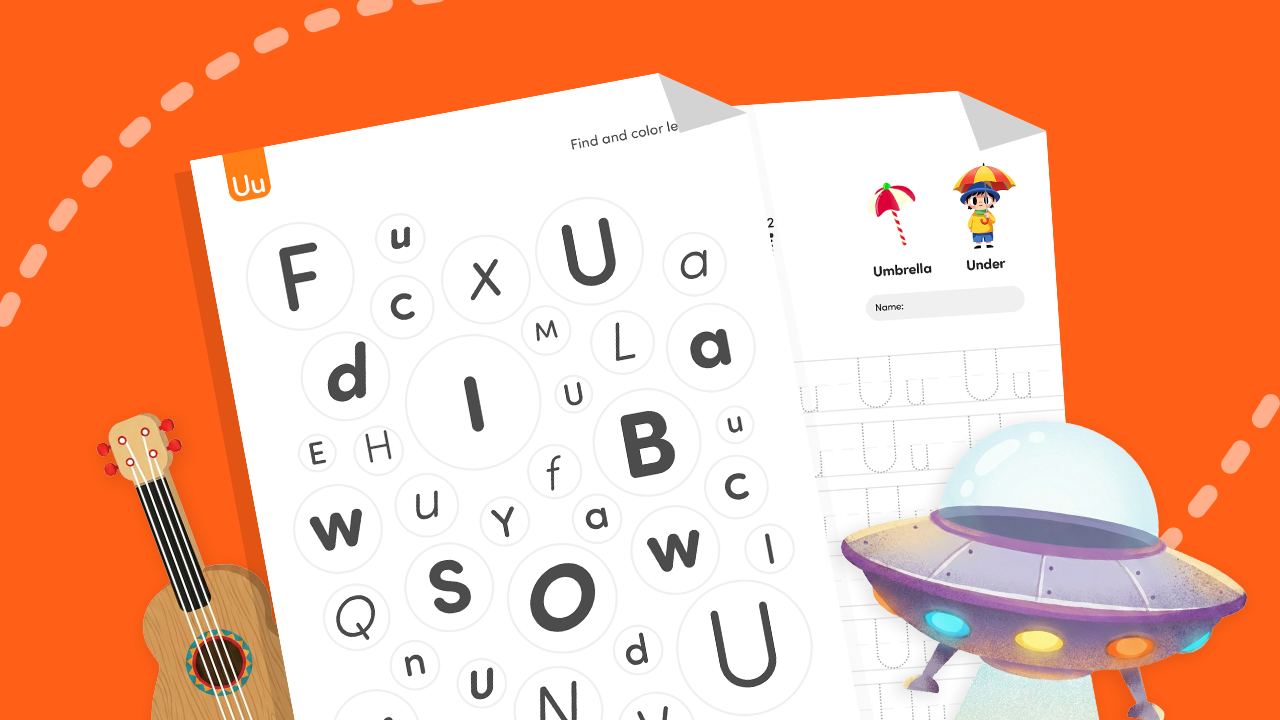
Find the Letter U: Preschool & Pre-K Worksheet
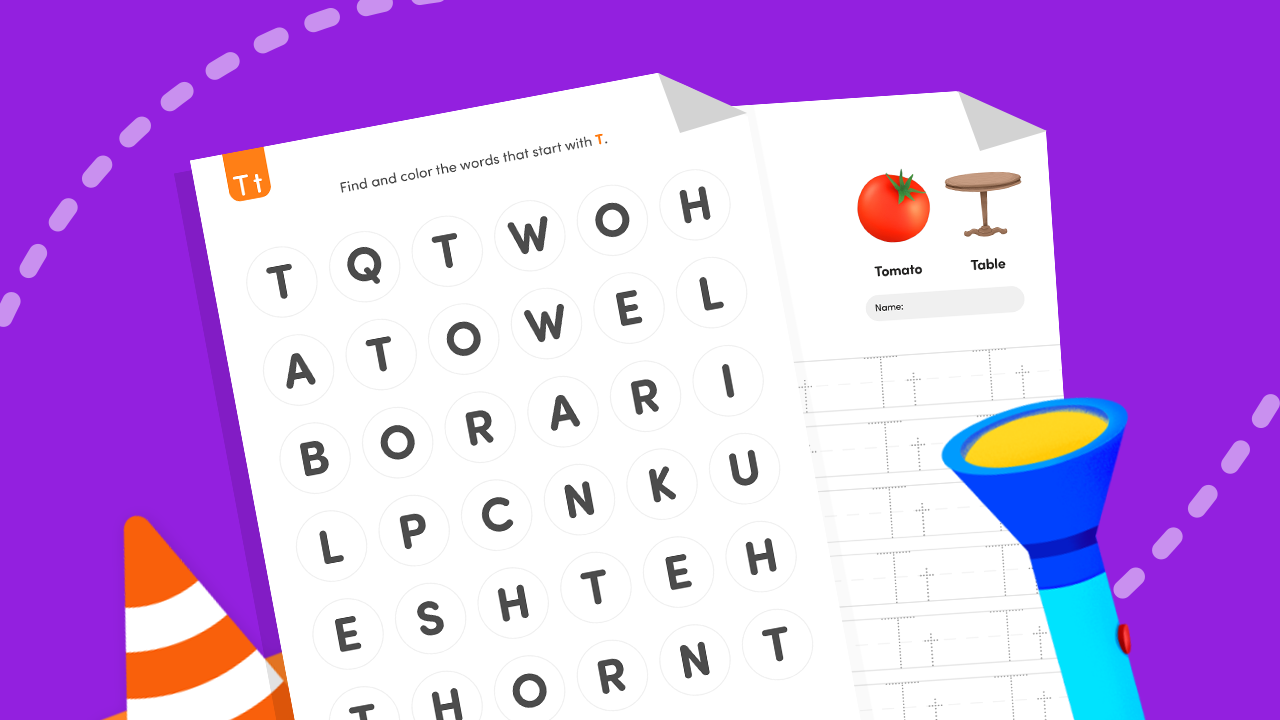
Find the Letter T: Preschool & Pre-K Worksheet
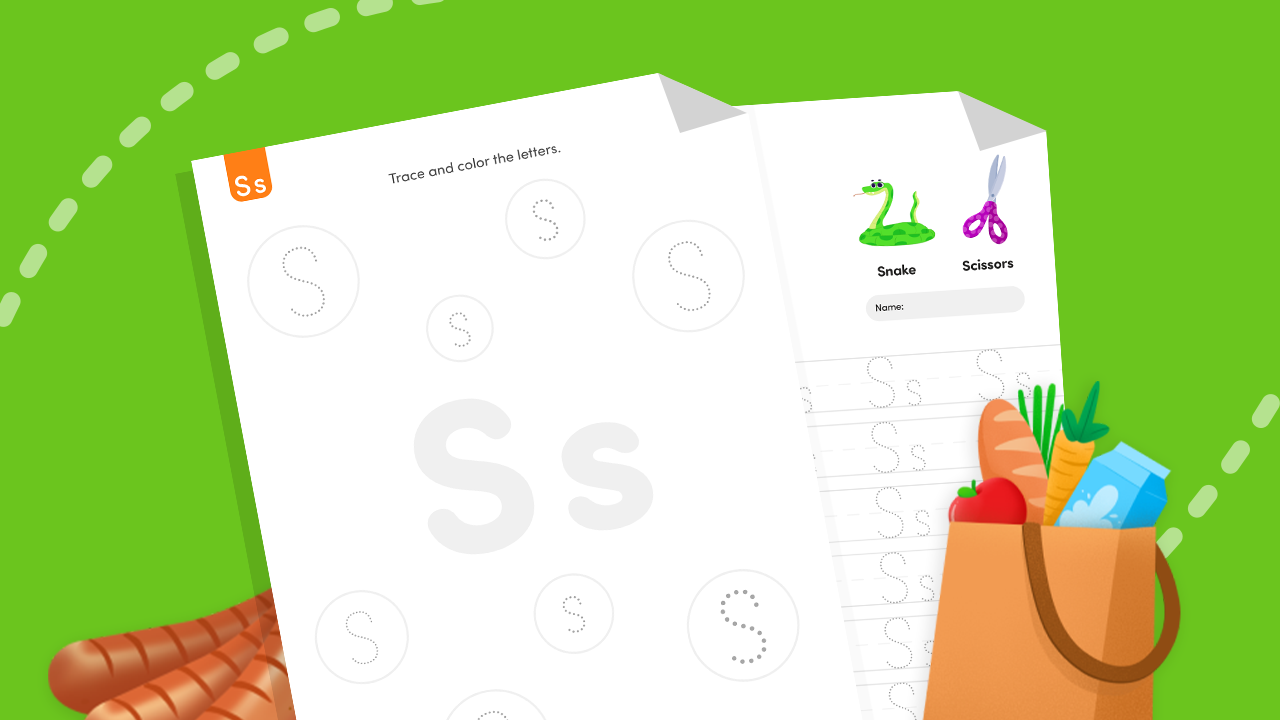
Find the Letter S: Preschool & Pre-K Worksheet
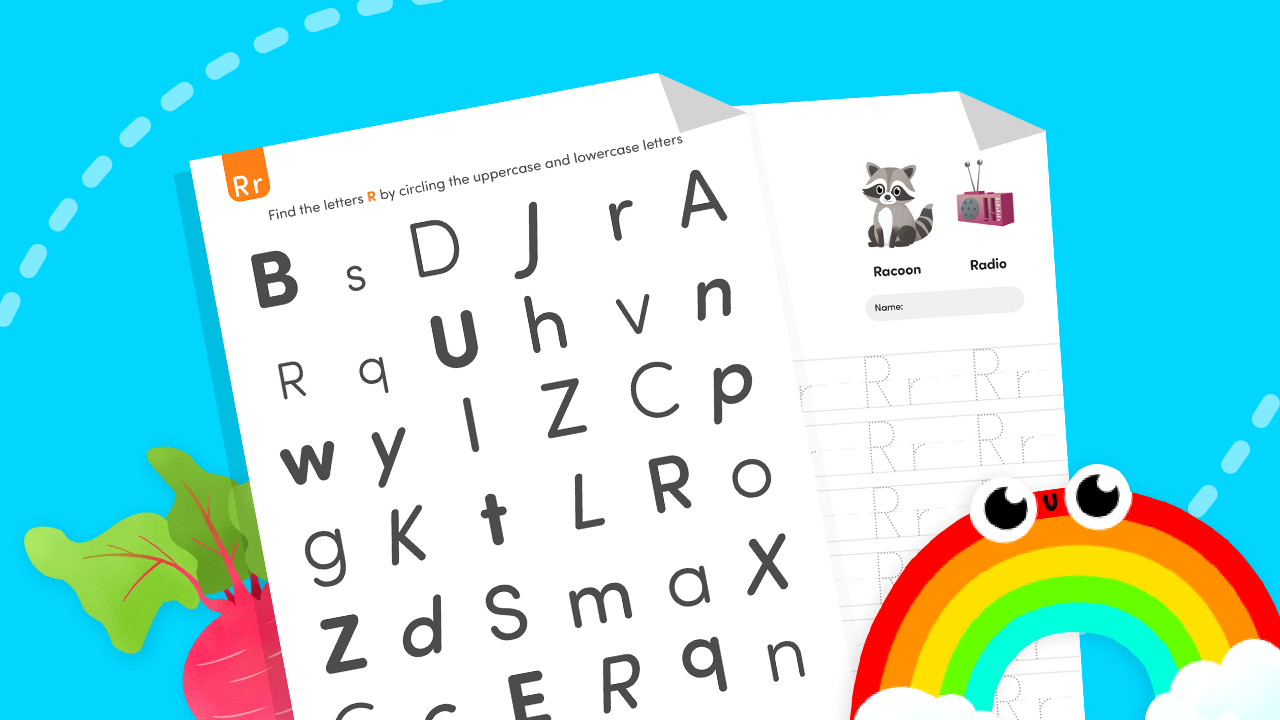
Find the Letter R: Preschool & Pre-K Worksheet
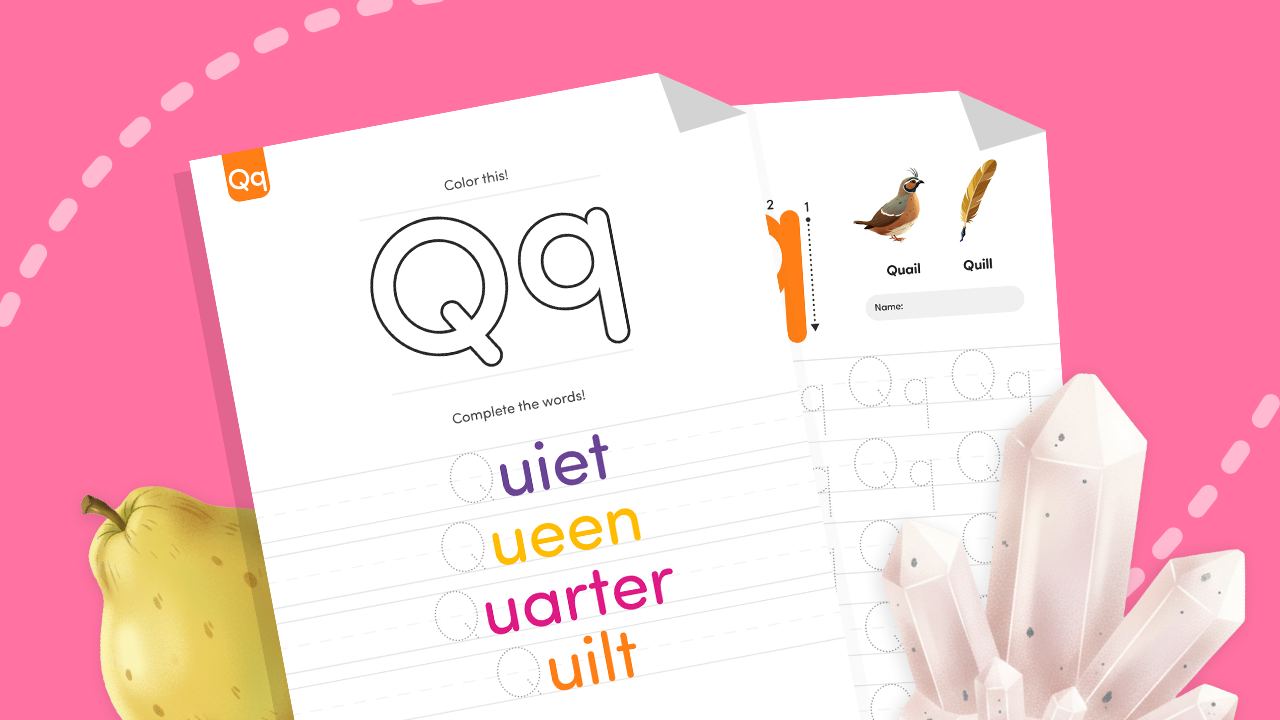
Find the Letter Q: Preschool & Pre-K Worksheet
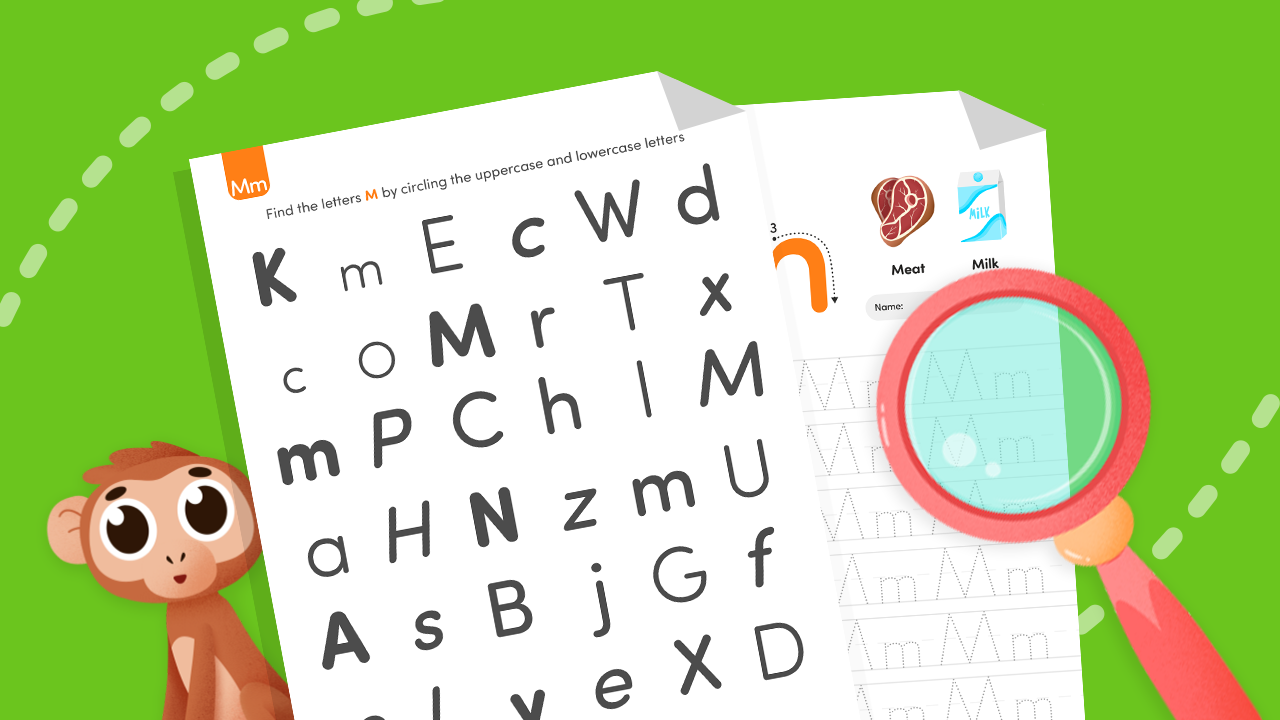
Find the Letter M: Preschool & Pre-K Worksheet
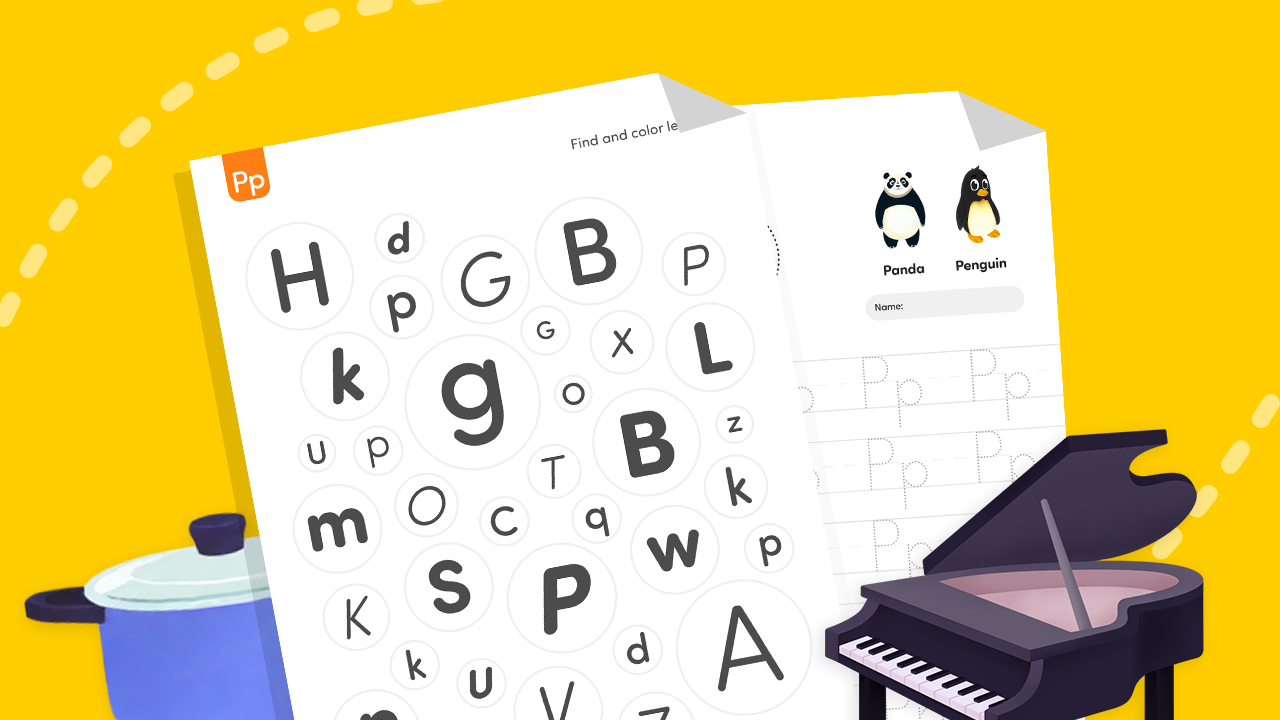
Find the Letter P: Preschool & Pre-K Worksheet
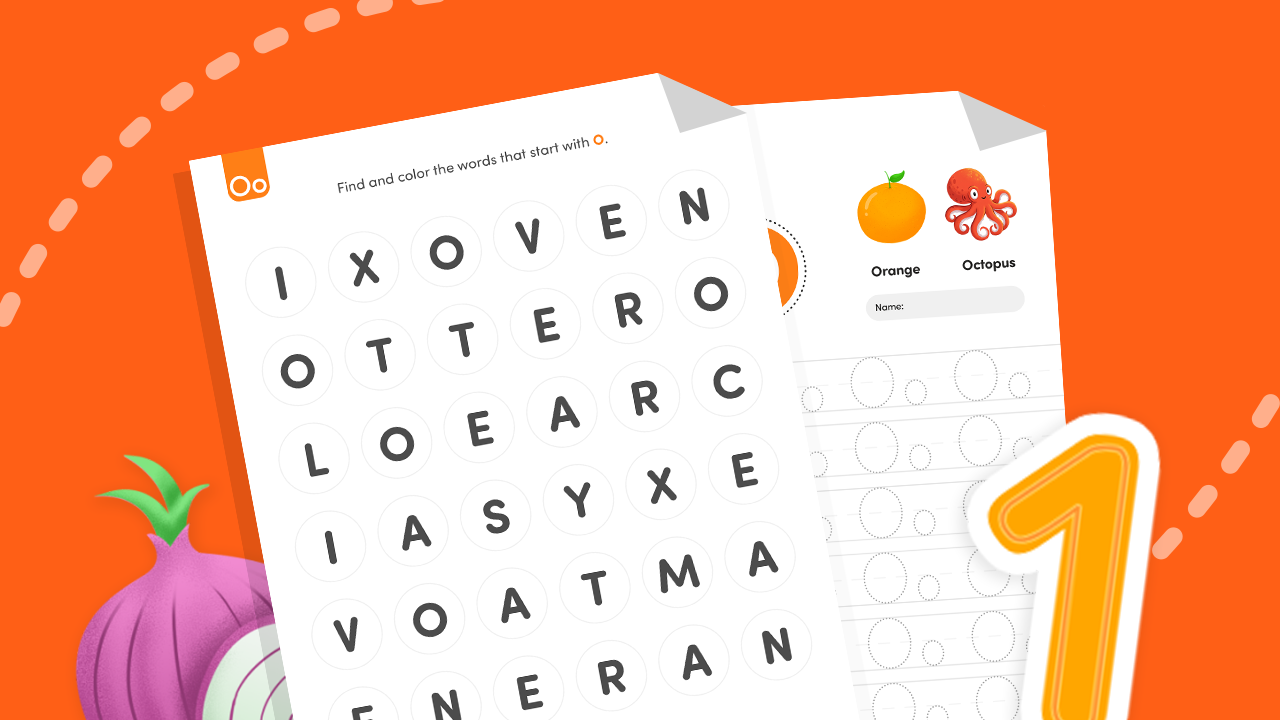
Find the Letter O: Preschool & Pre-K Worksheet
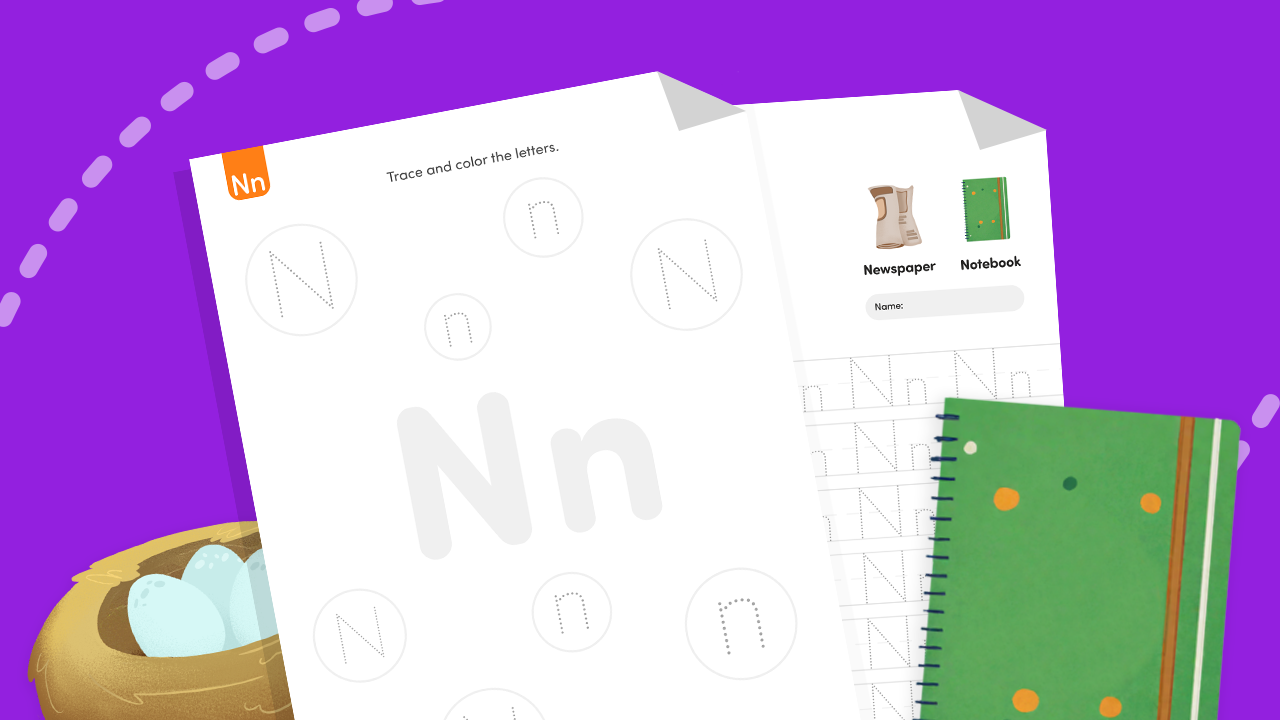
Find the Letter N: Preschool & Pre-K Worksheet
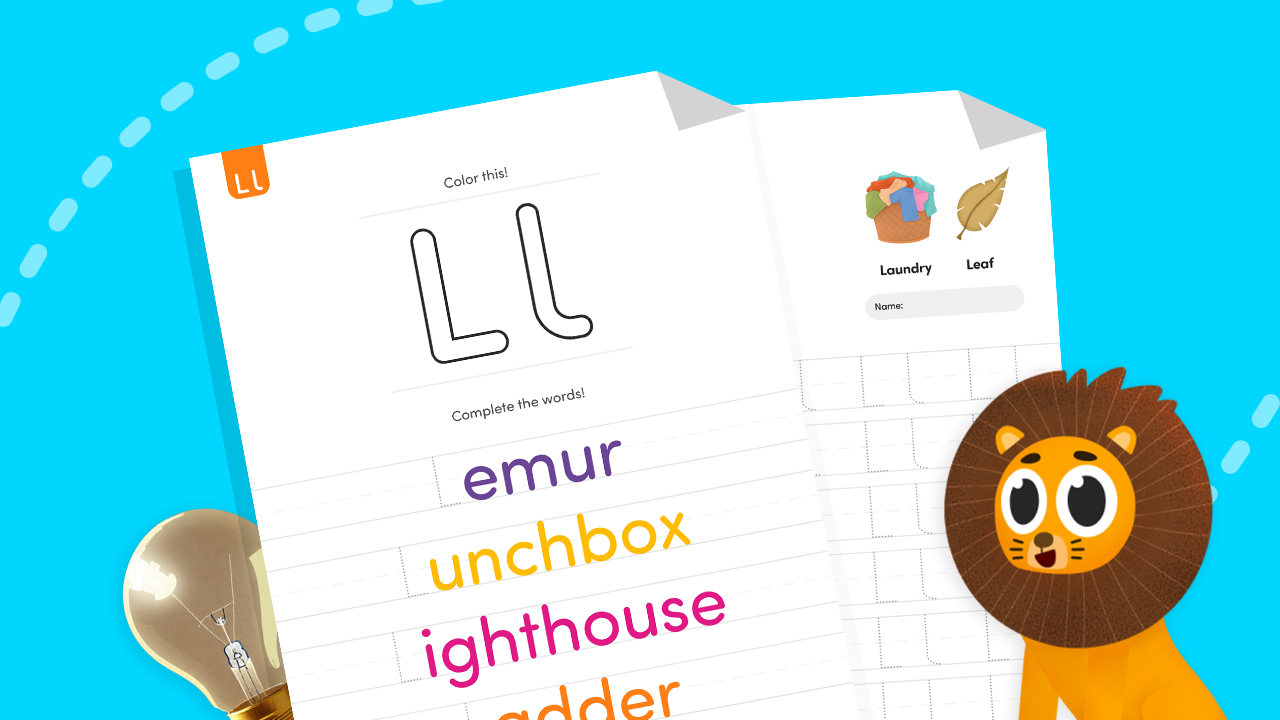
Find the Letter L: Preschool & Pre-K Worksheet
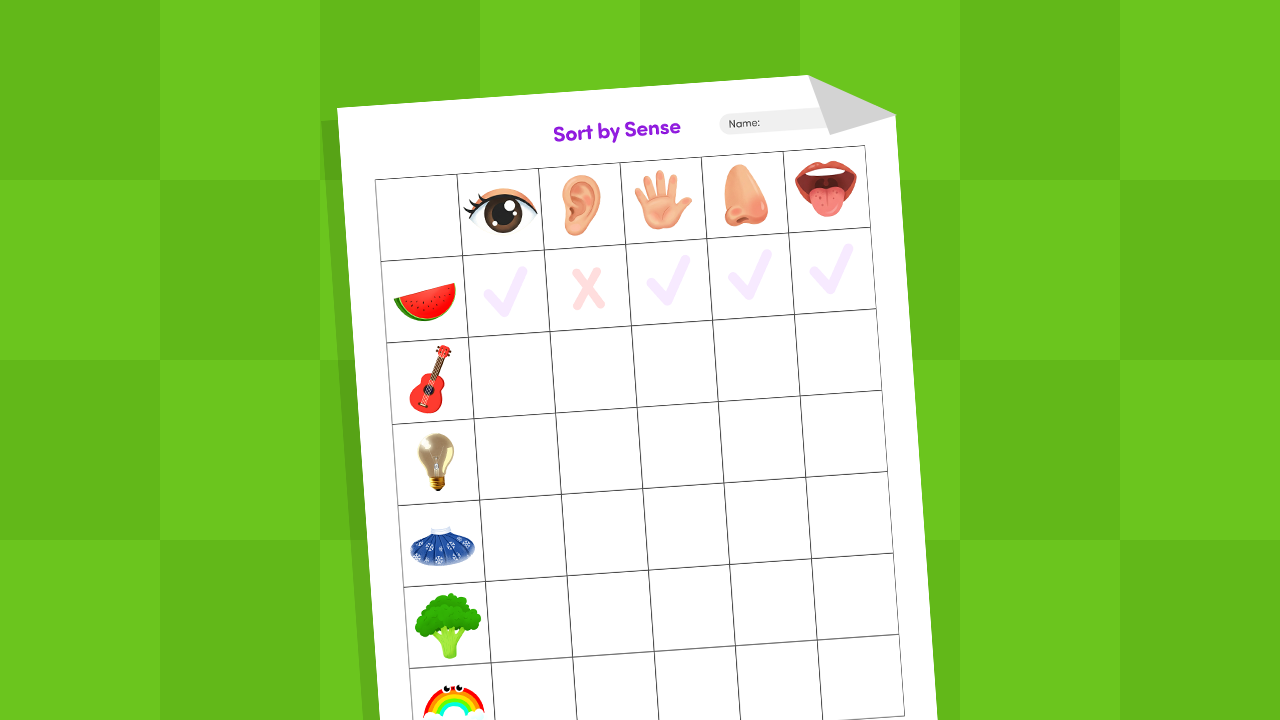
Five Senses Worksheet for Kids
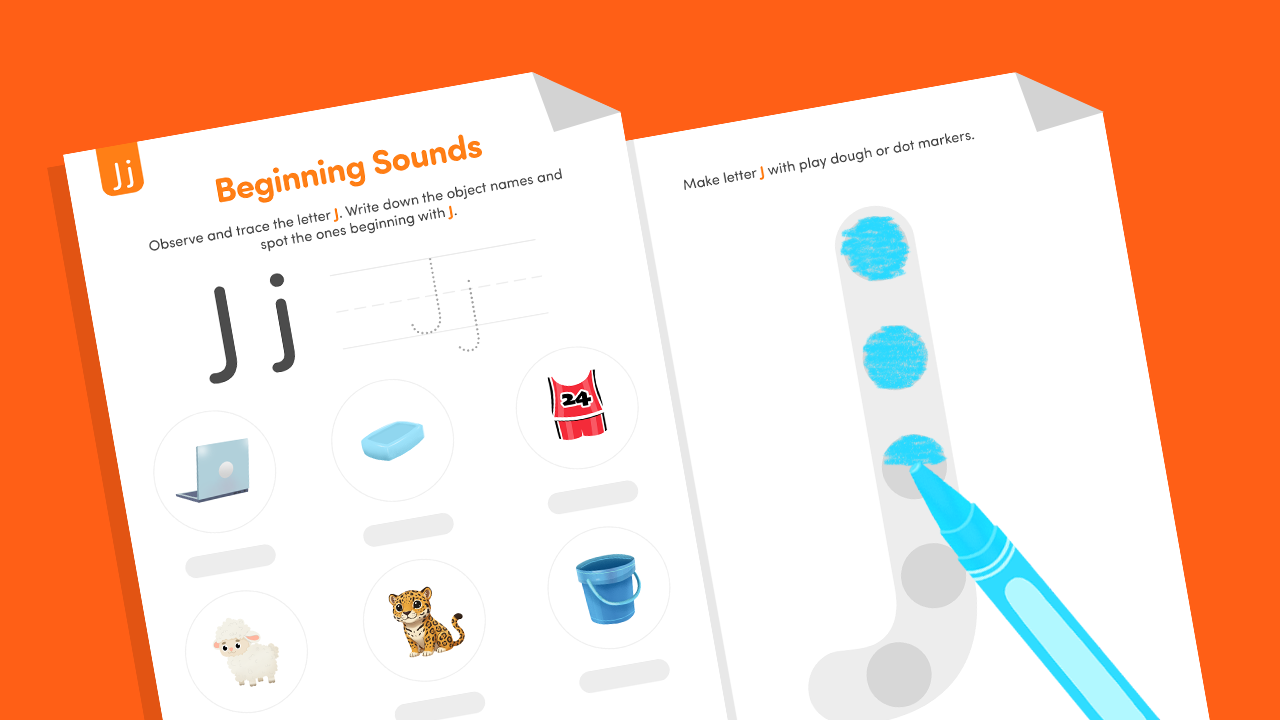
Beginning Sounds – Letter J
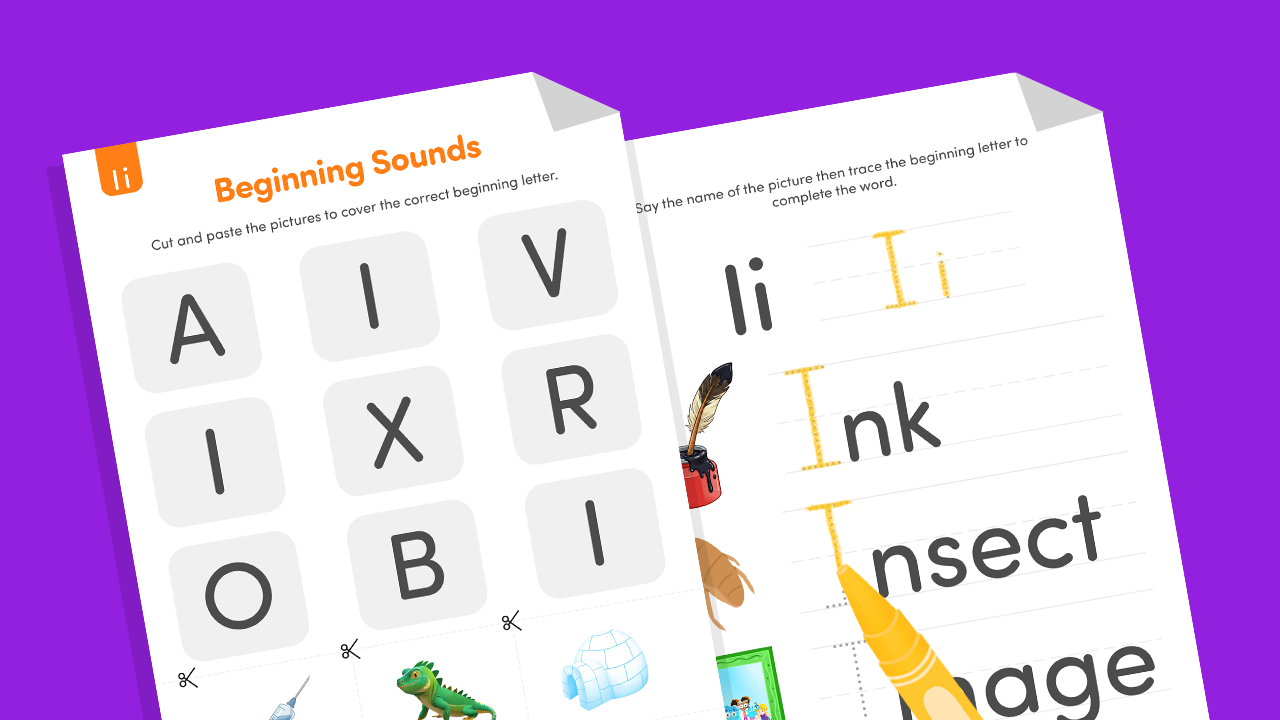
Beginning Sounds – Letter I
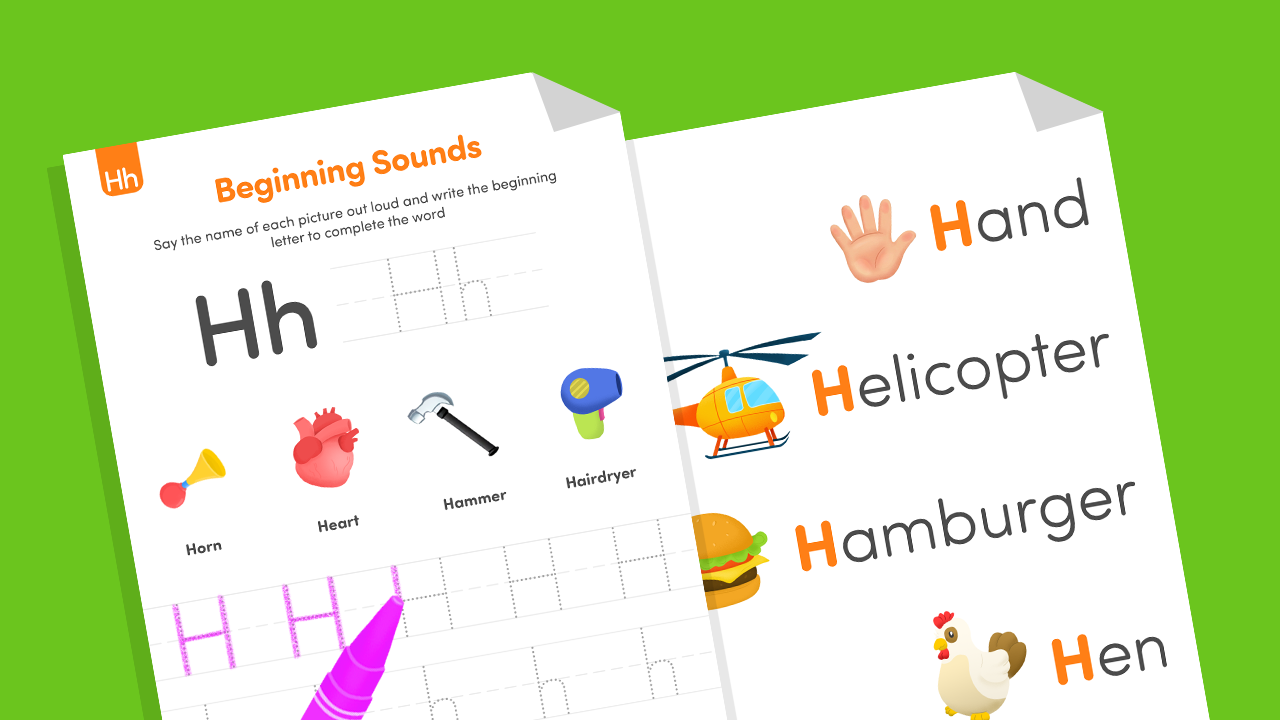
Beginning Sounds – Letter H
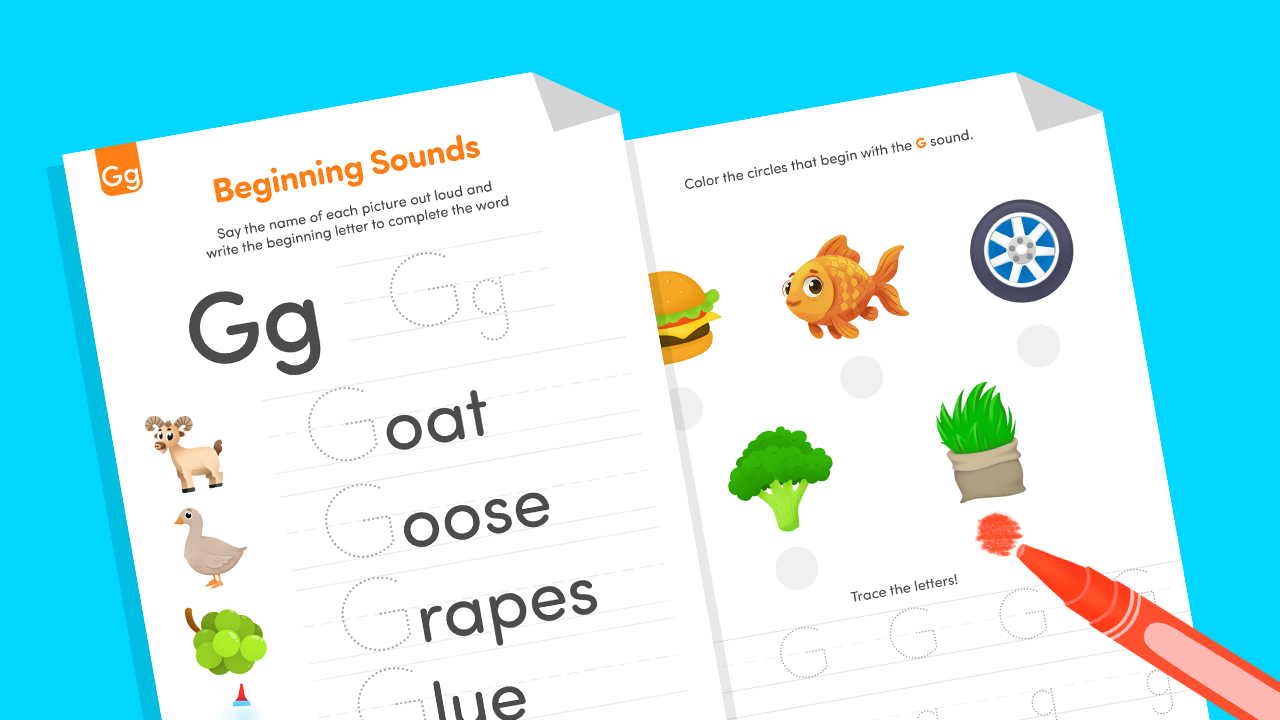
Beginning Sounds – Letter G
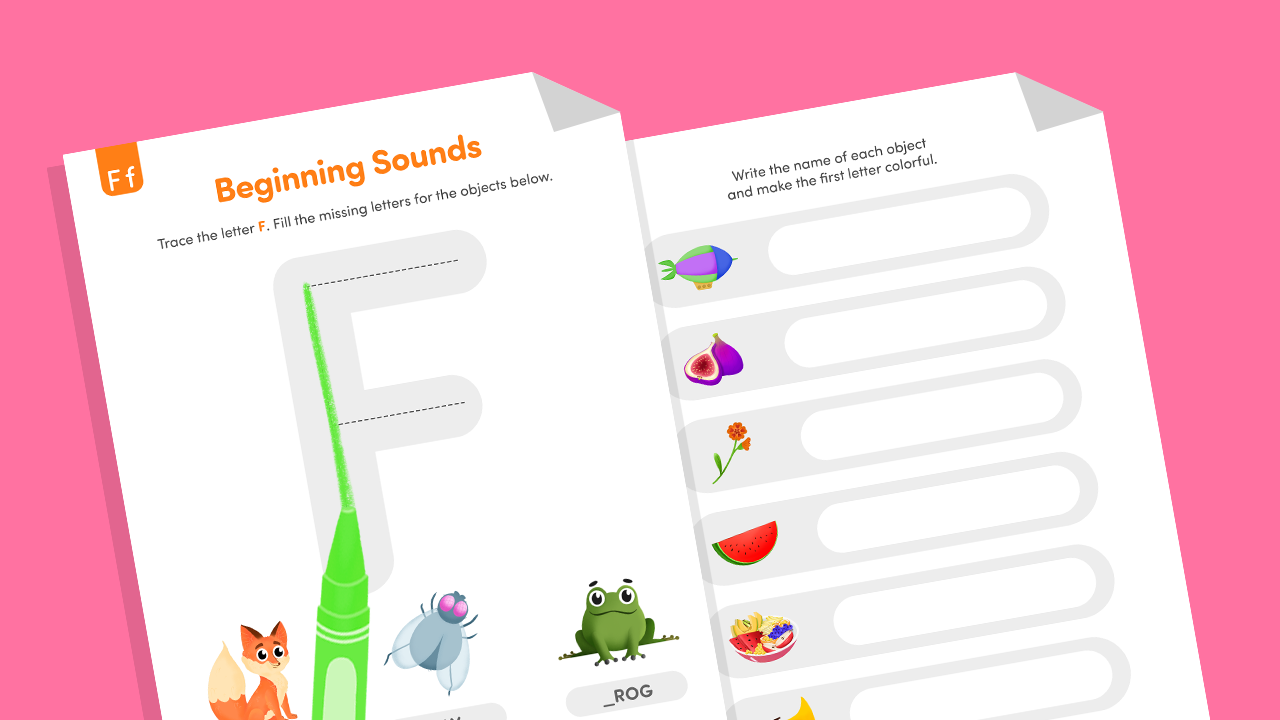
Beginning Sounds – Letter F
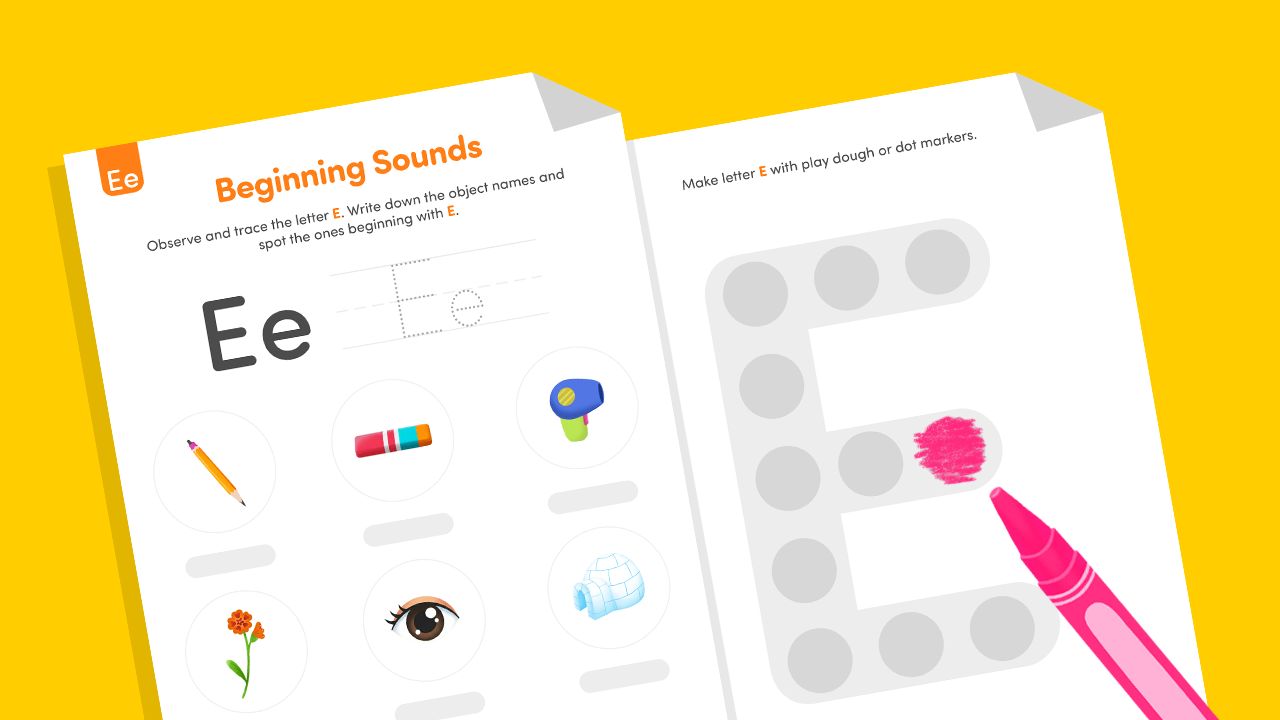
Beginning Sounds – Letter E
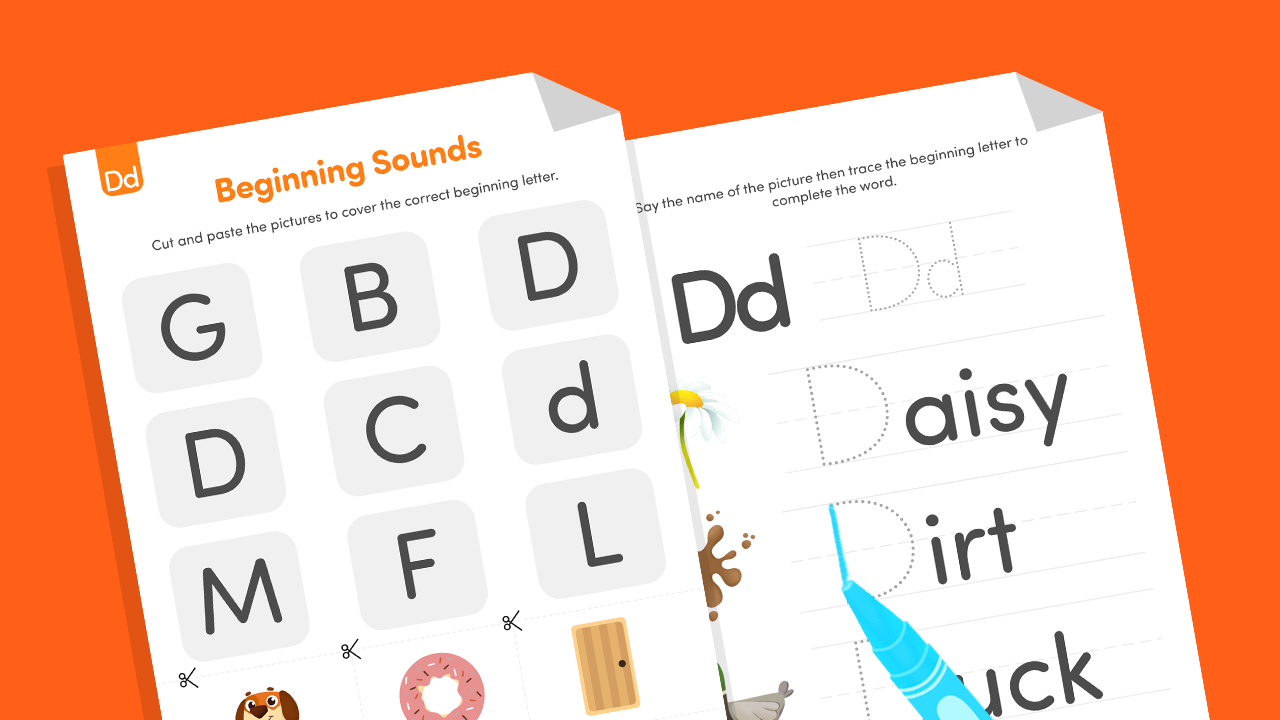
Beginning Sounds – Letter D
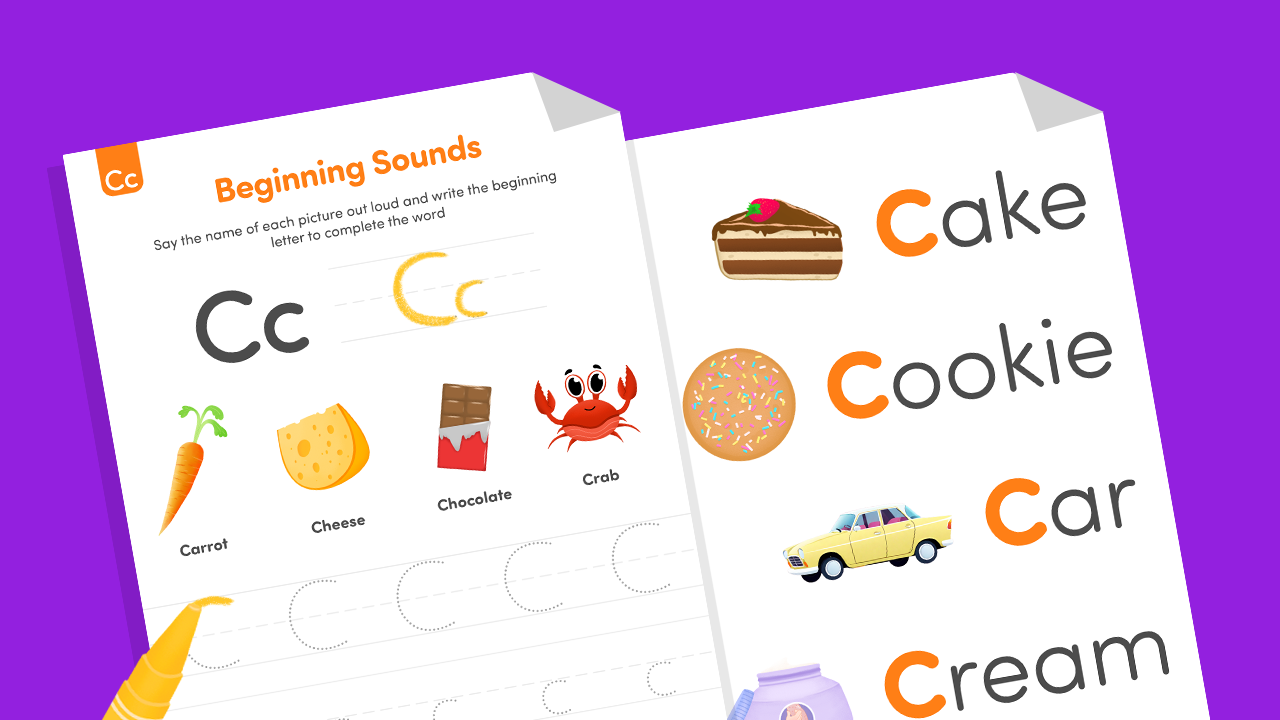
Beginning Sounds – Letter C
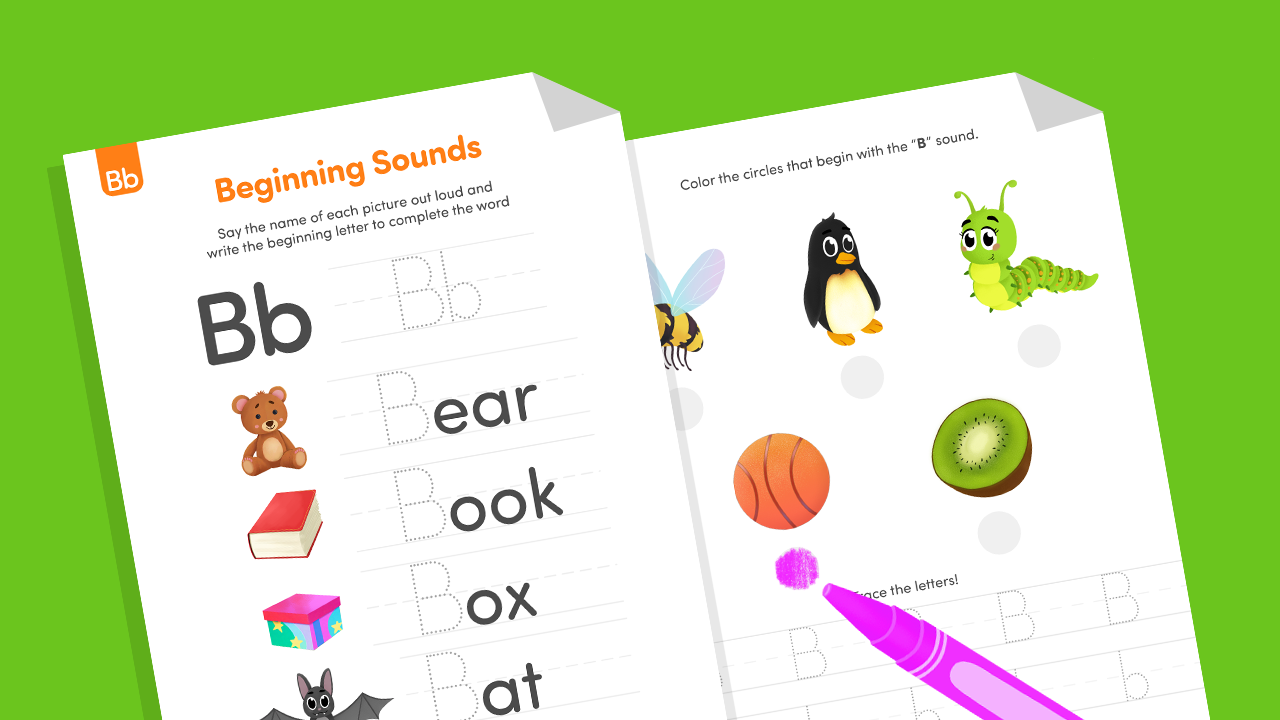
Beginning Sounds – Letter B
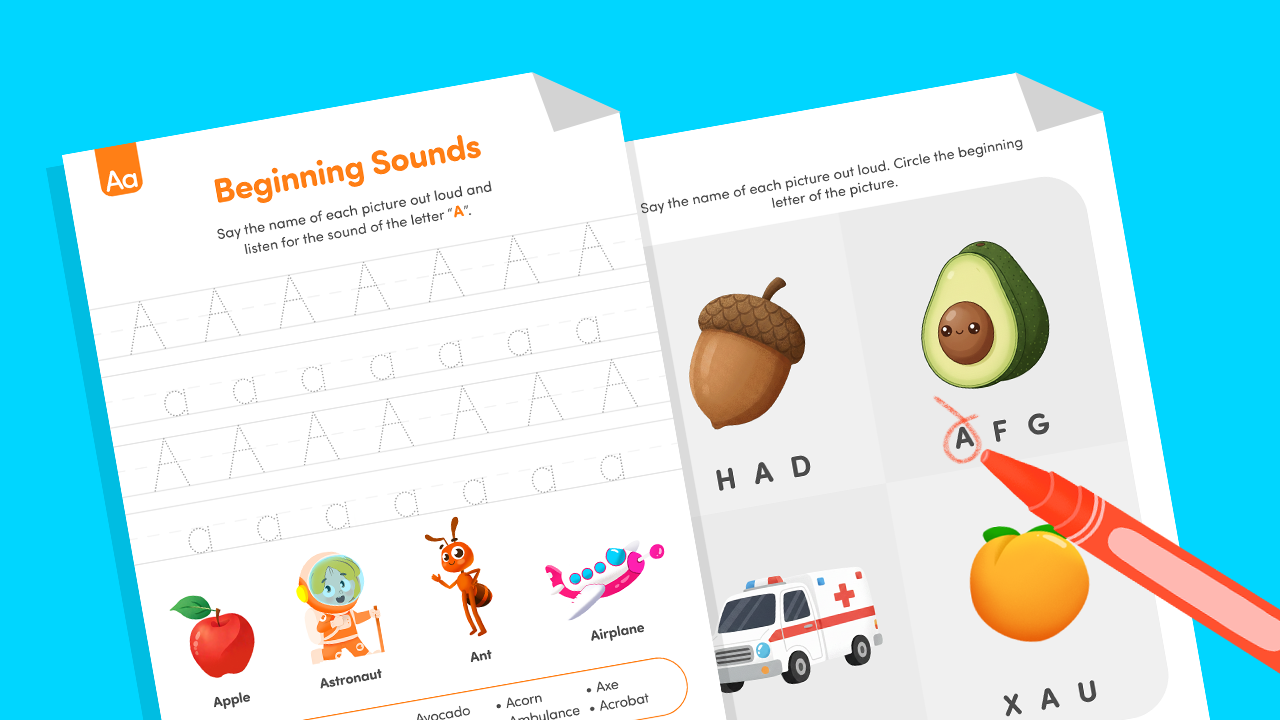
Beginning Sounds – Letter A
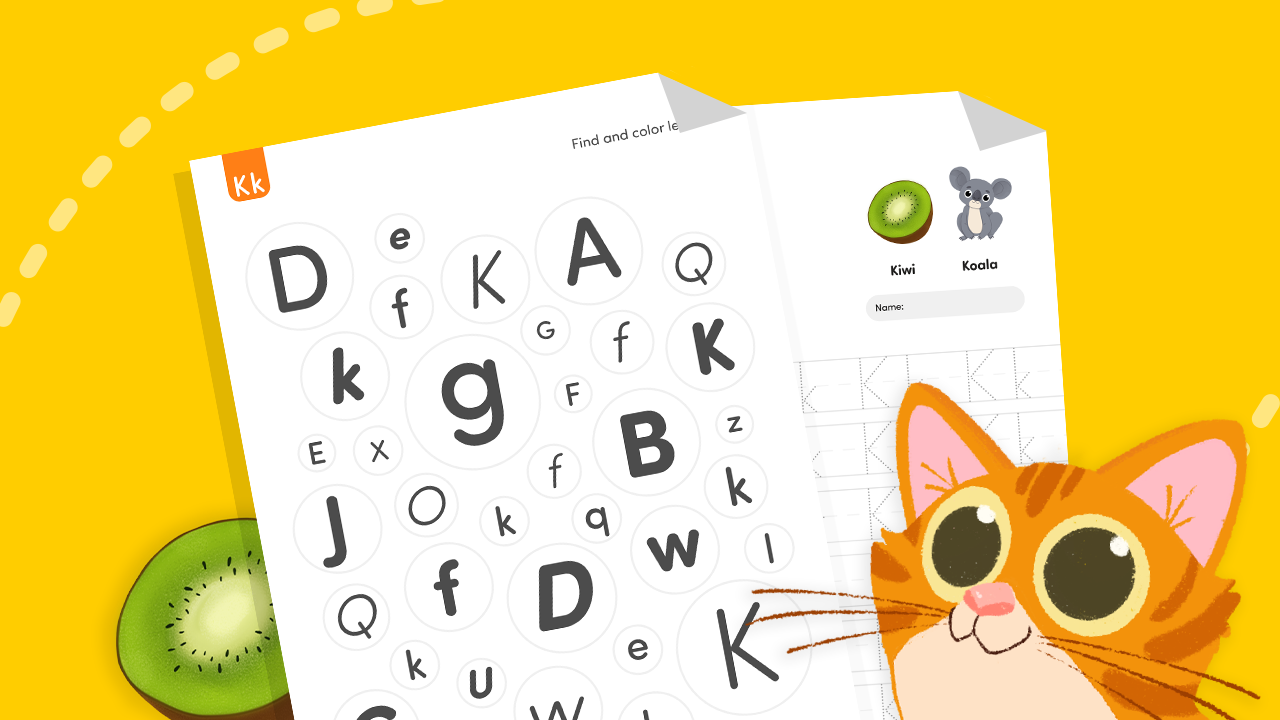
Find the Letter K: Preschool & Pre-K Worksheet
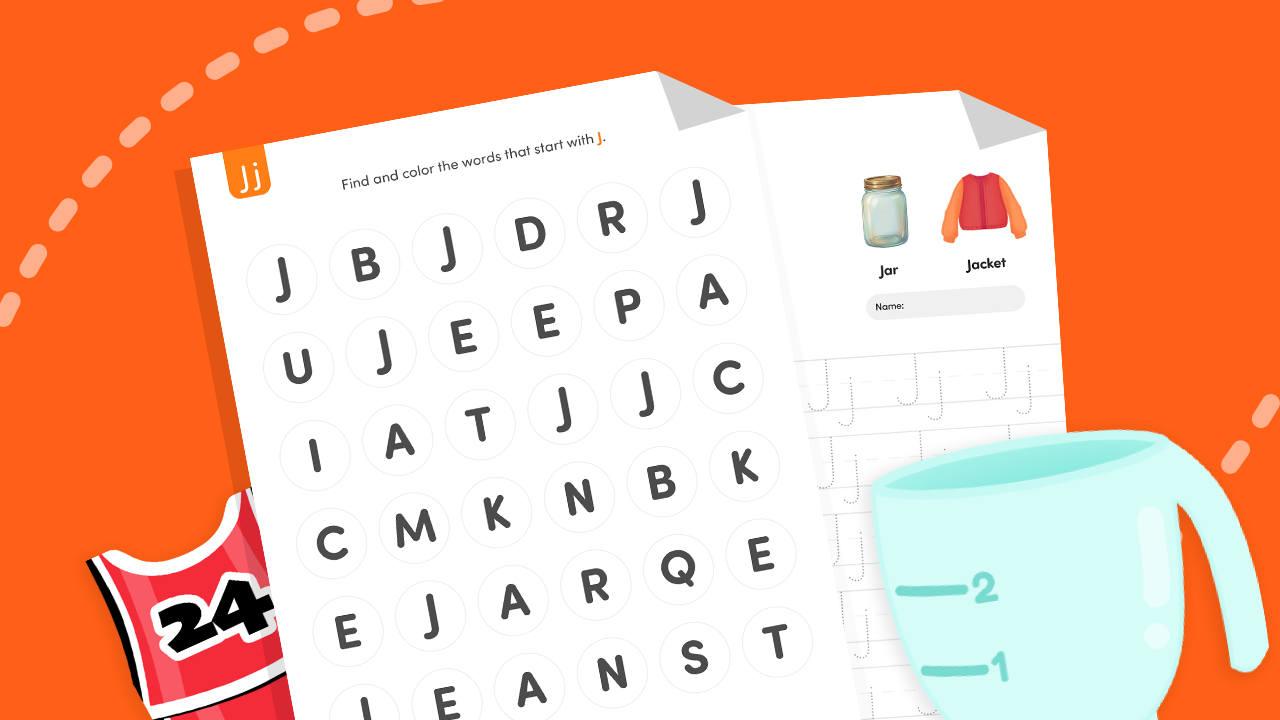
Find the Letter J: Preschool & Pre-K Worksheet
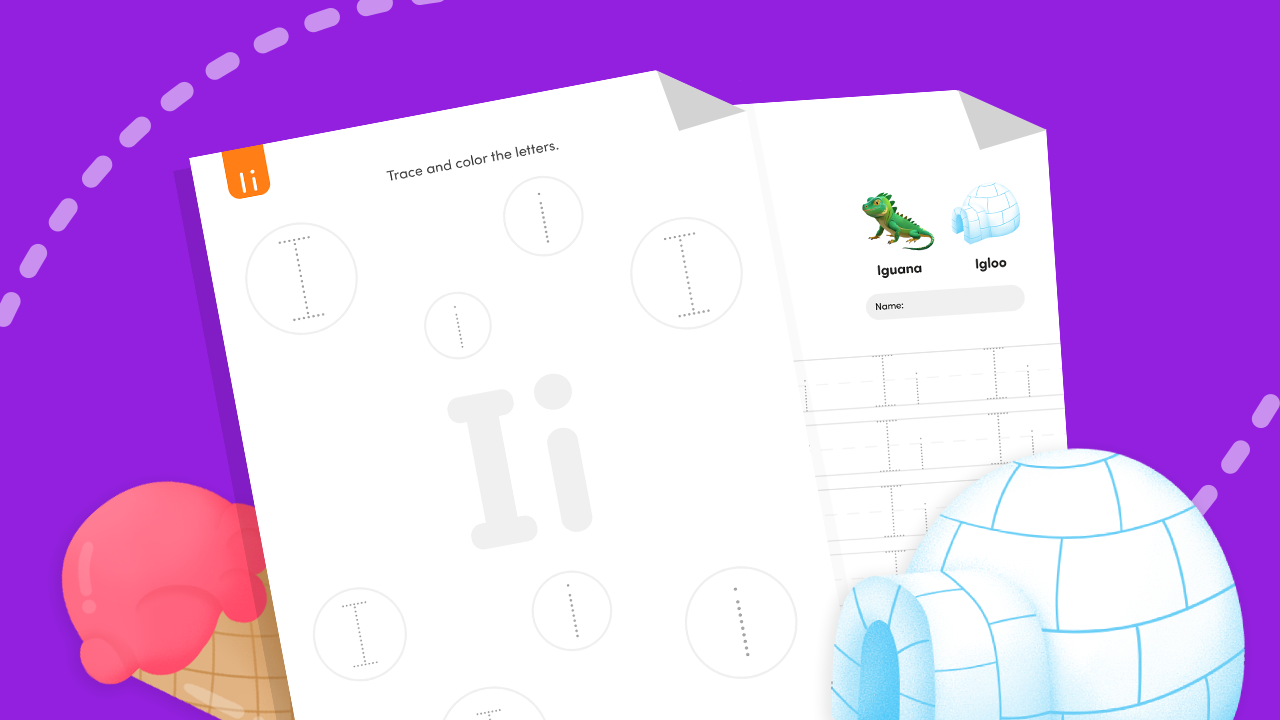
Find the Letter I: Preschool & Pre-K Worksheet
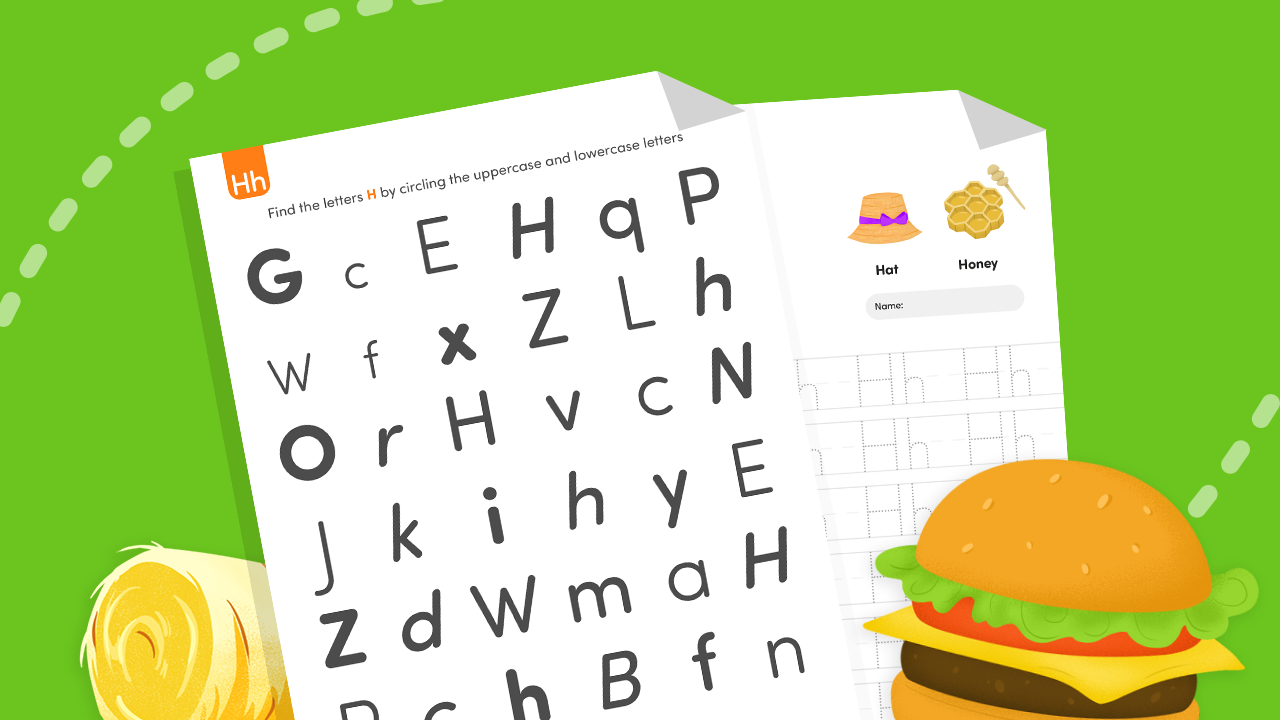
Find the Letter H: Preschool & Pre-K Worksheet
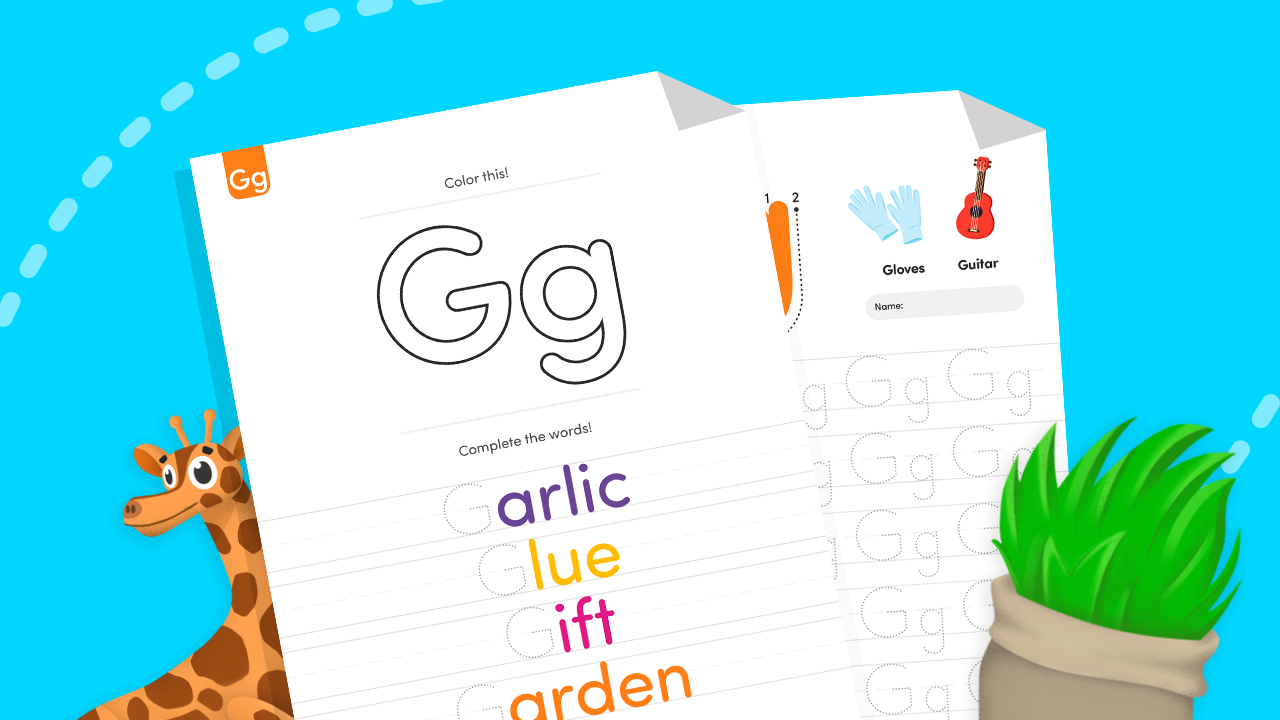
Find the Letter G: Preschool & Pre-K Worksheet
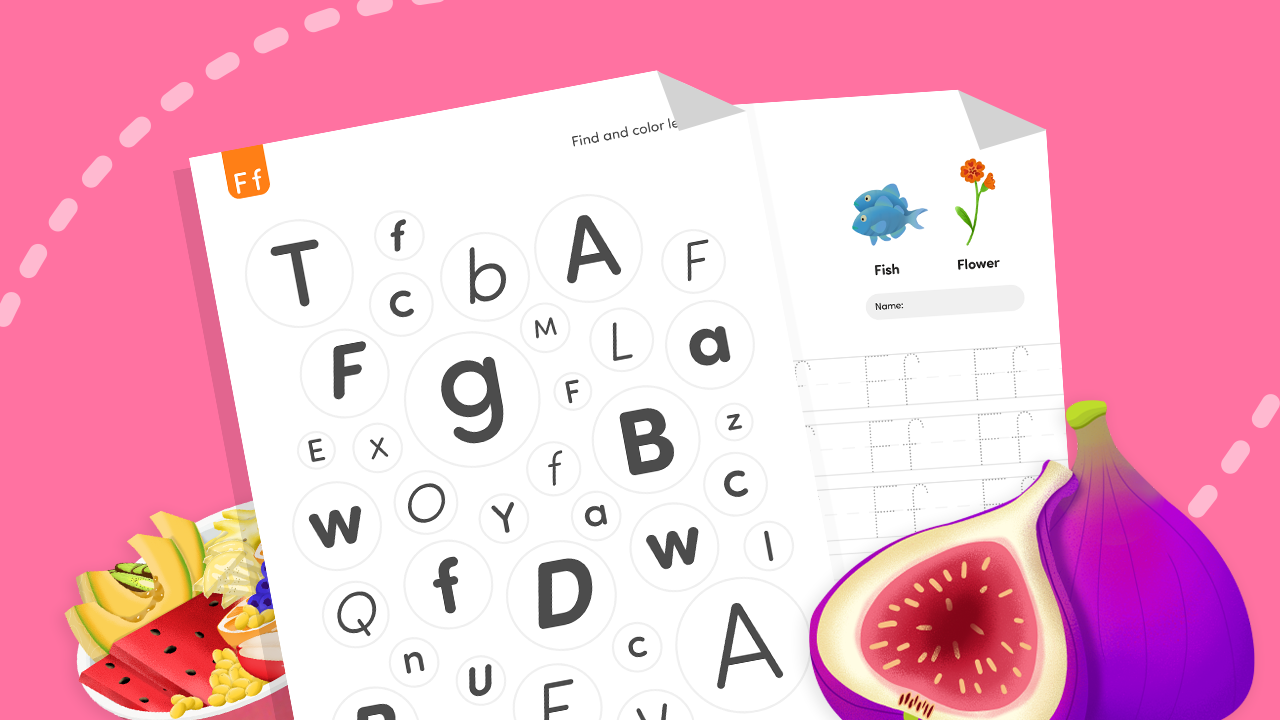
Find the Letter F: Preschool & Pre-K Worksheet
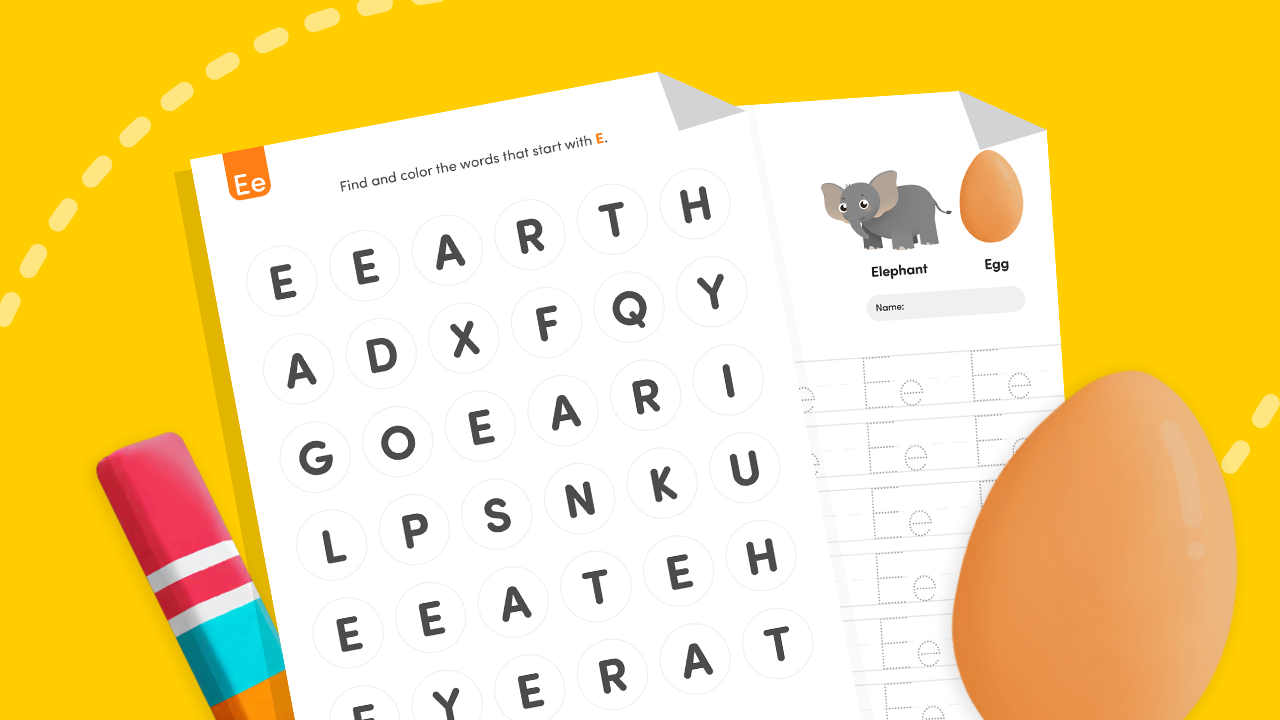
Find the Letter E: Preschool & Pre-K Worksheet
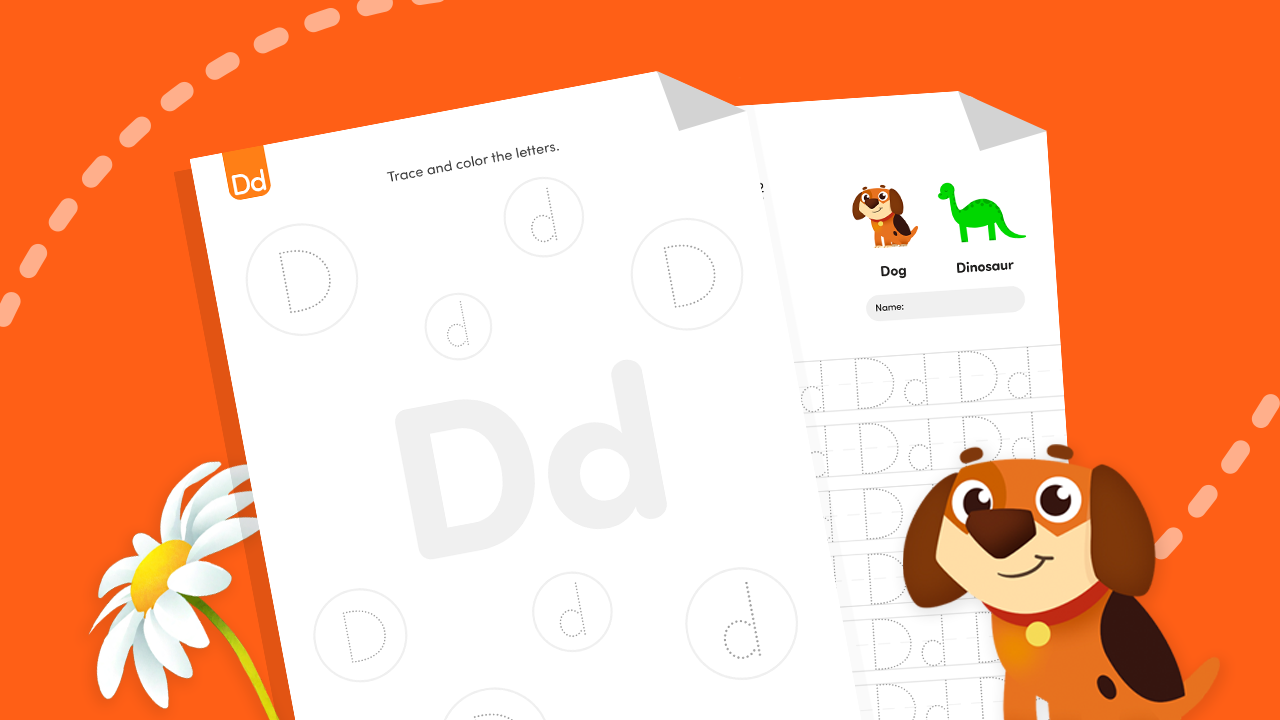
Find the Letter D: Preschool & Pre-K Worksheet
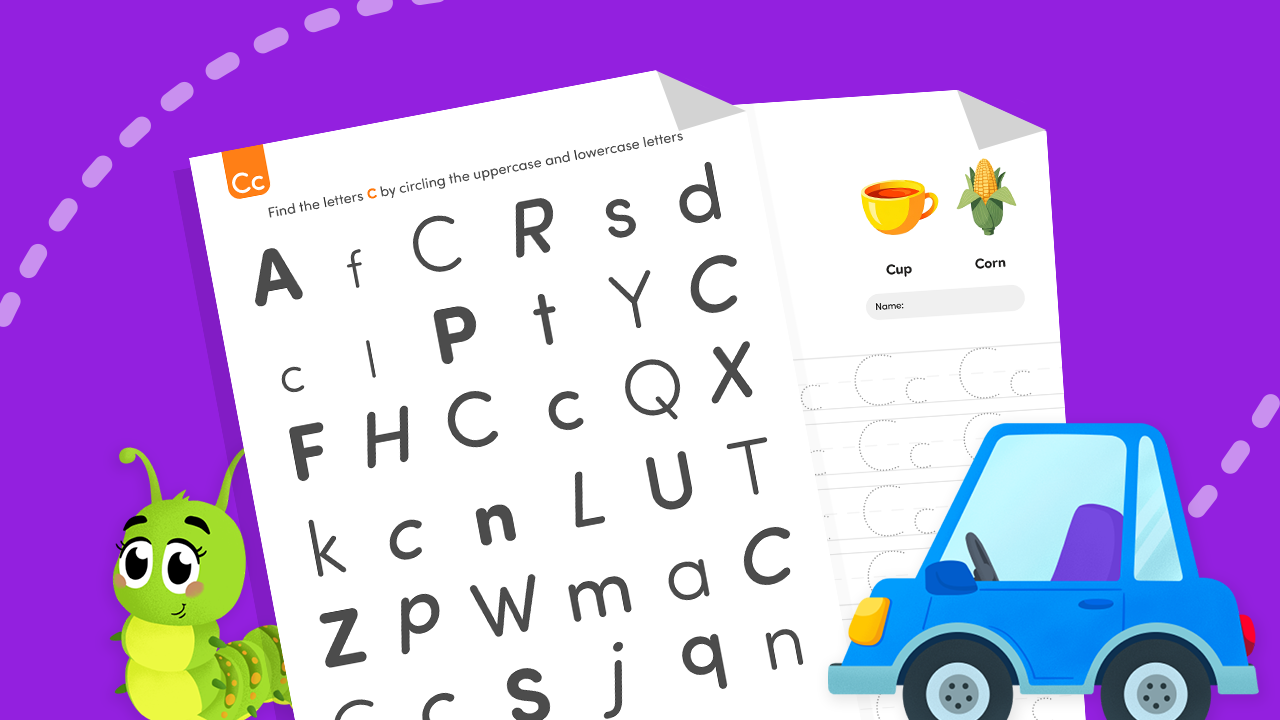
Find the Letter C: Preschool & Pre-K Worksheet
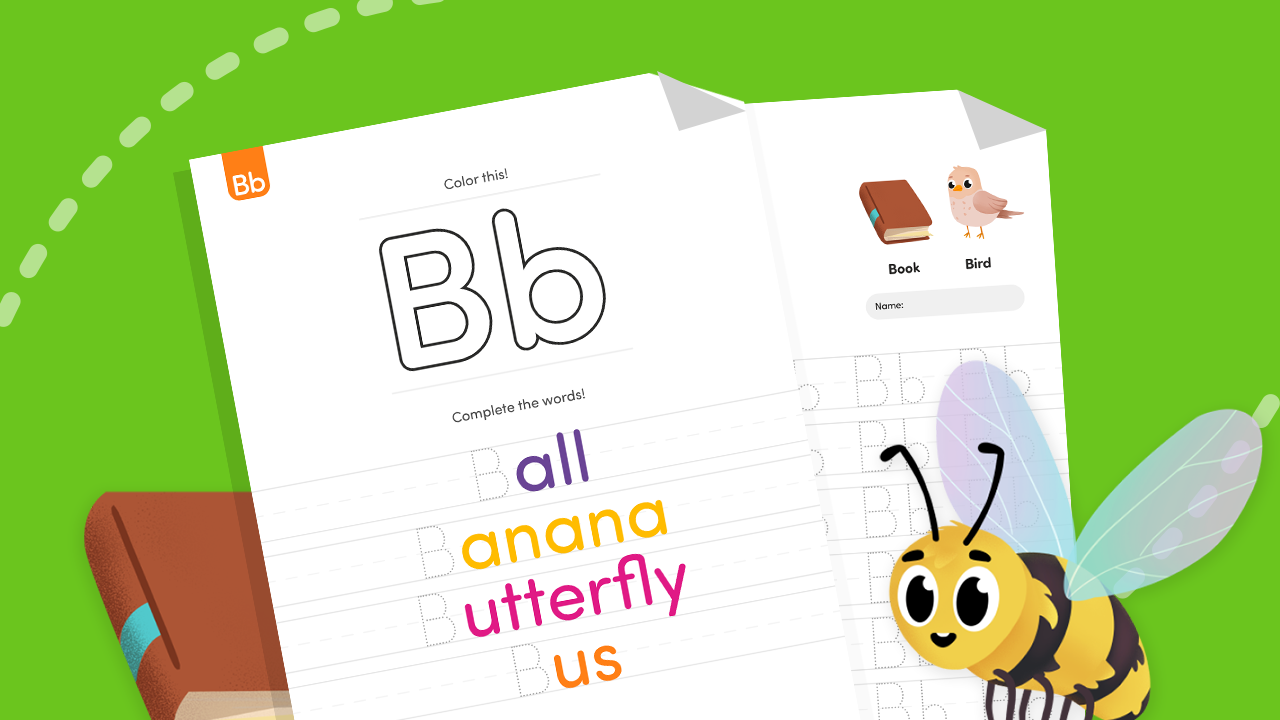
Find the Letter B: Preschool & Pre-K Worksheet
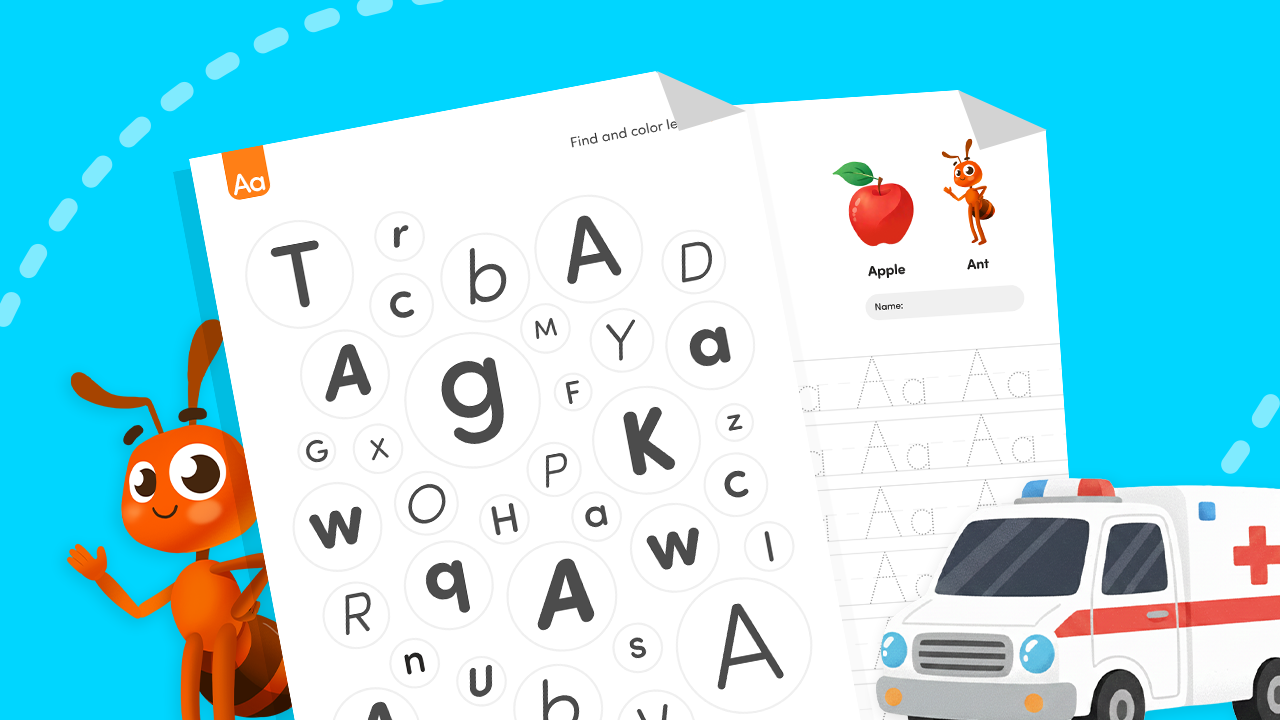
Find the Letter A: Preschool & Pre-K Worksheet
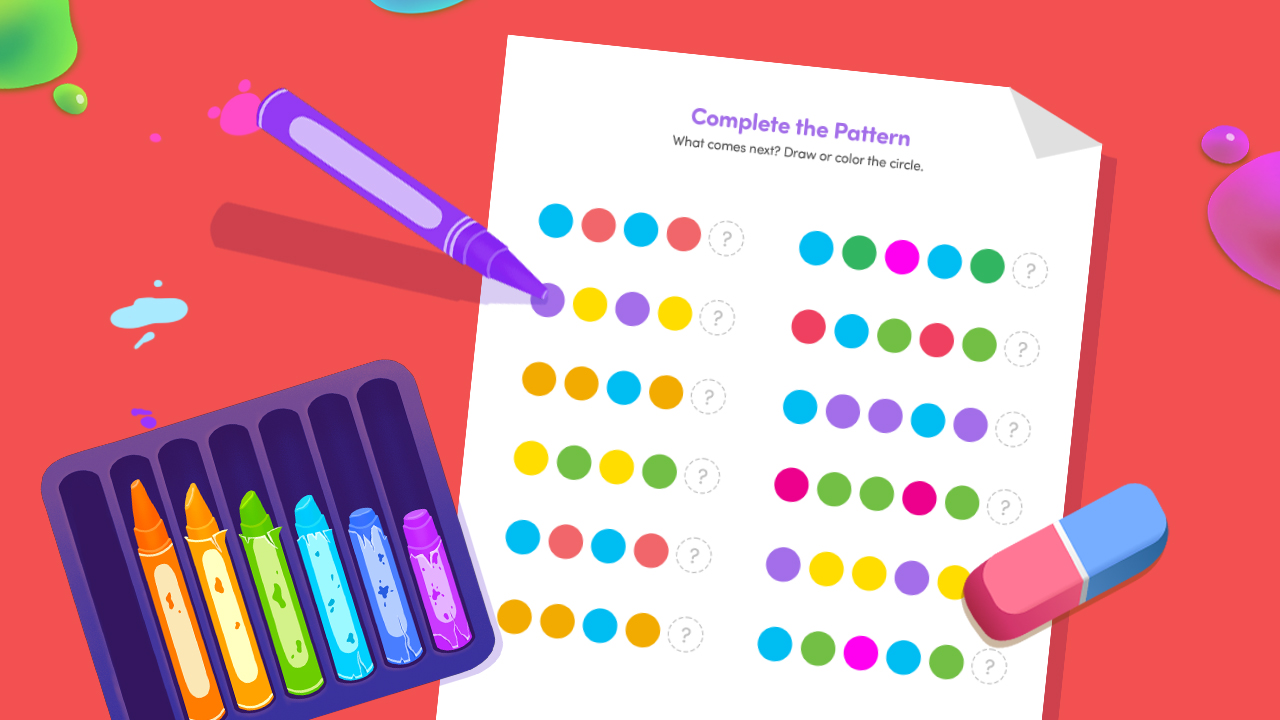
Pattern Recognition for Kindergarten
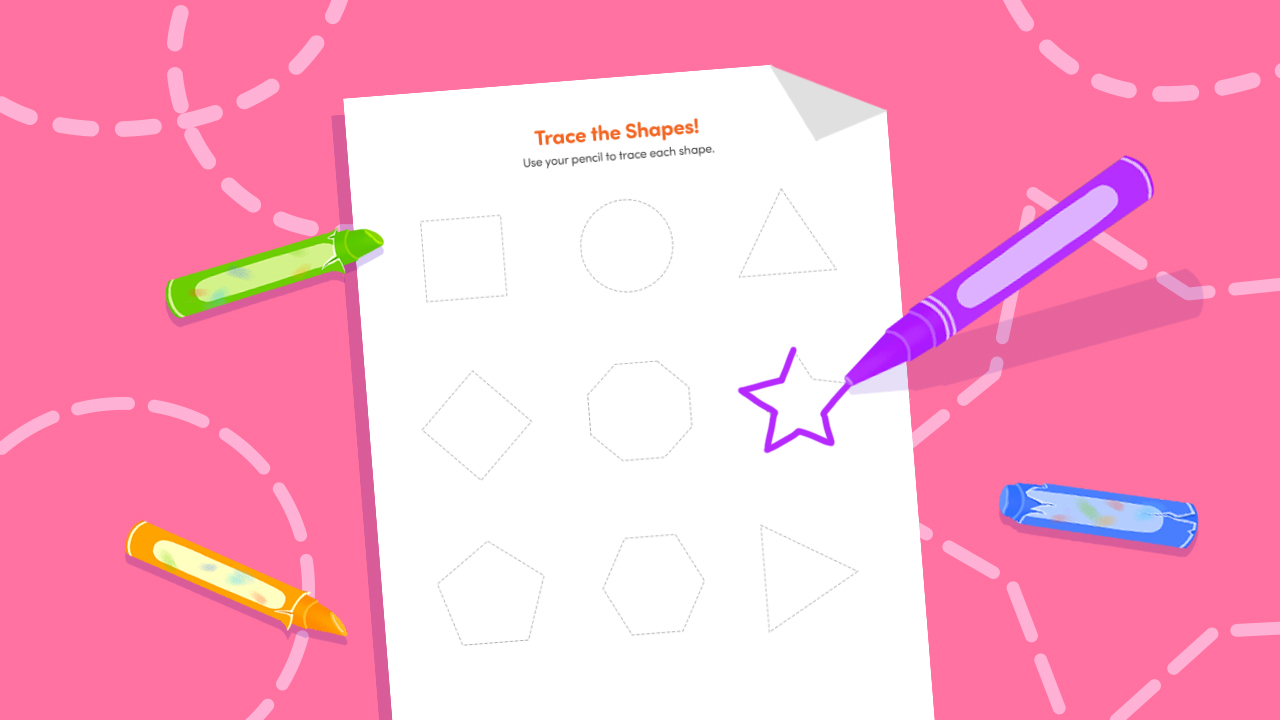
Preschool | Shape Recognition Worksheet
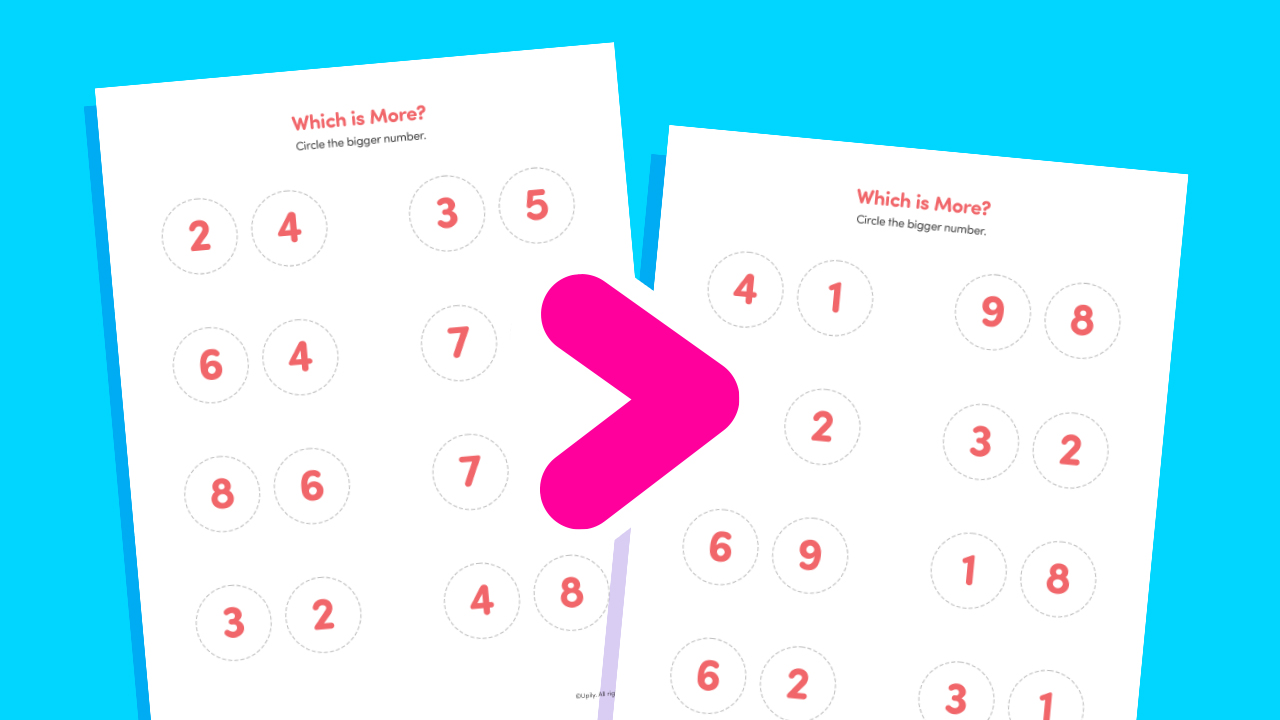
Size Comparison Worksheet for Kids
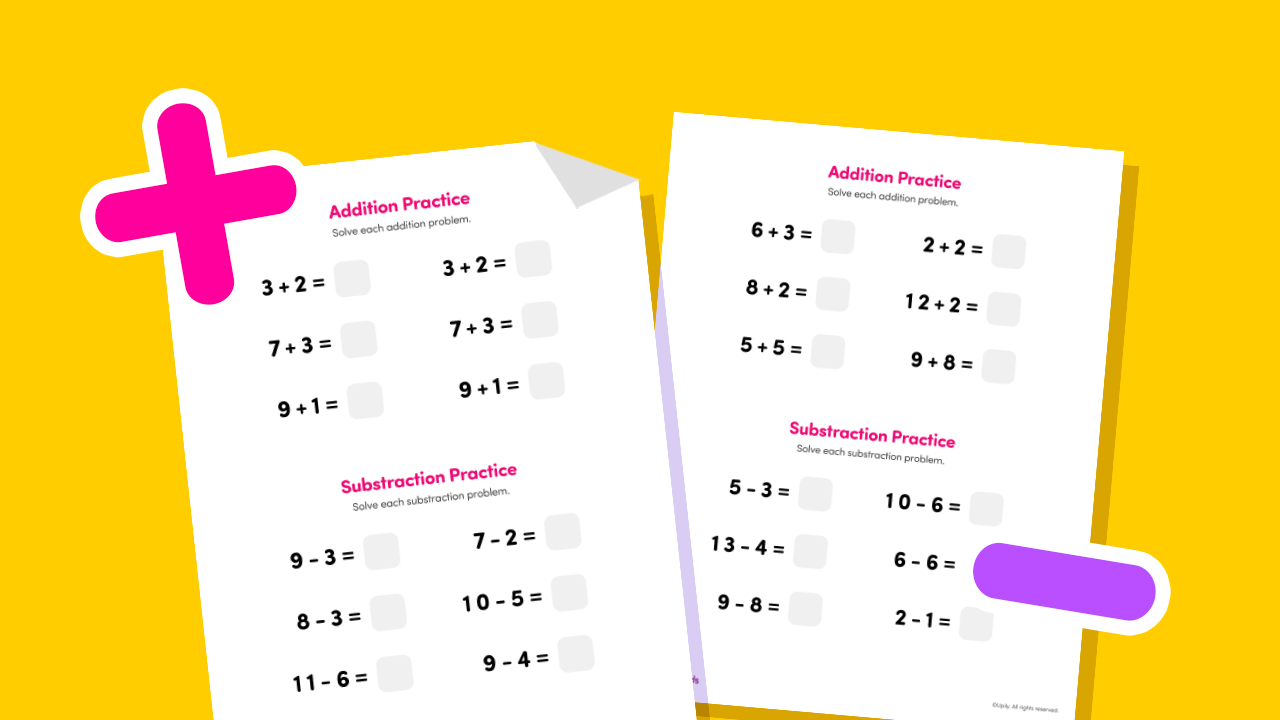
Addition and Subtraction Worksheet for Kids
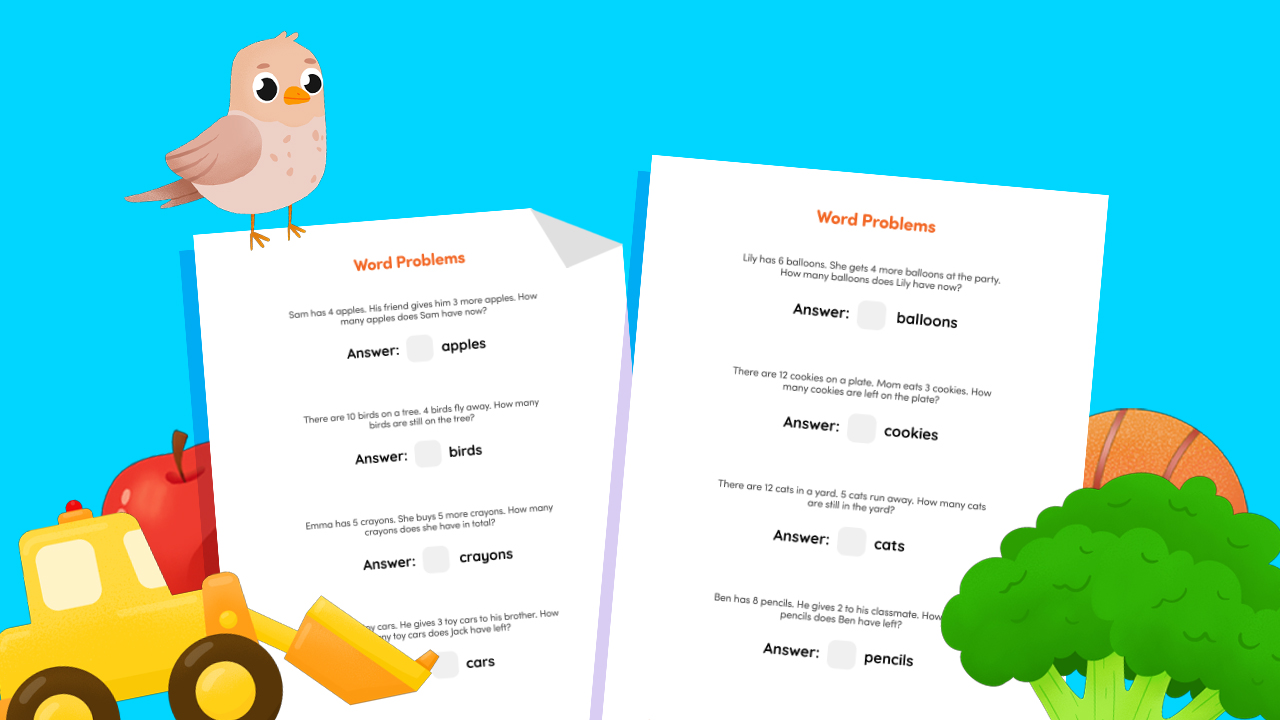
Simple Word Problems – Early Learners
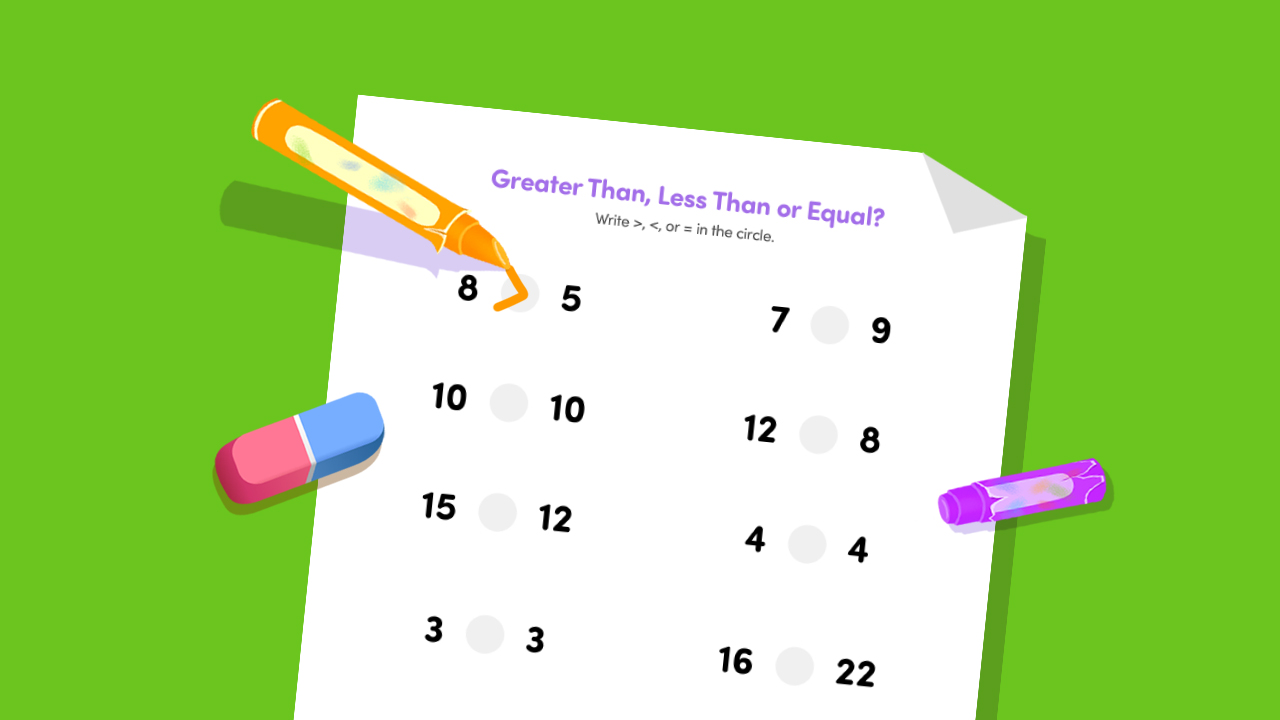
Greater Than, Less Than Worksheet for Kids
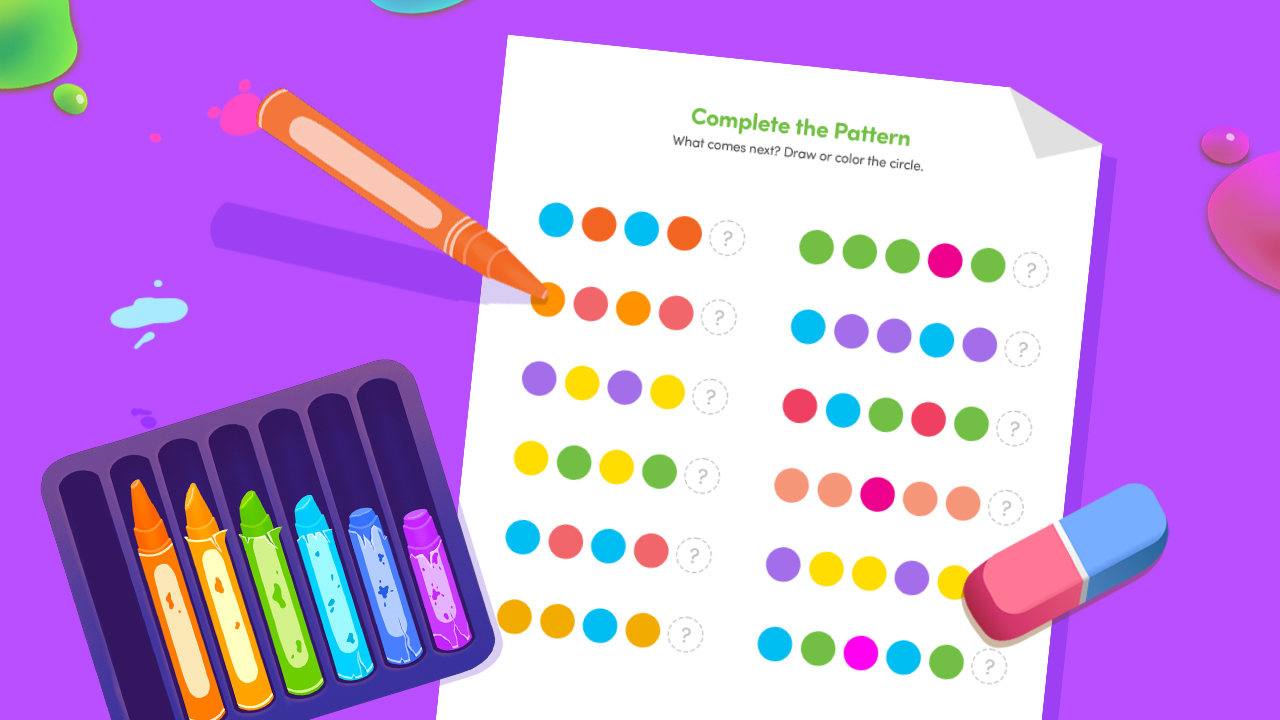
Pattern Completion Worksheet for Kids
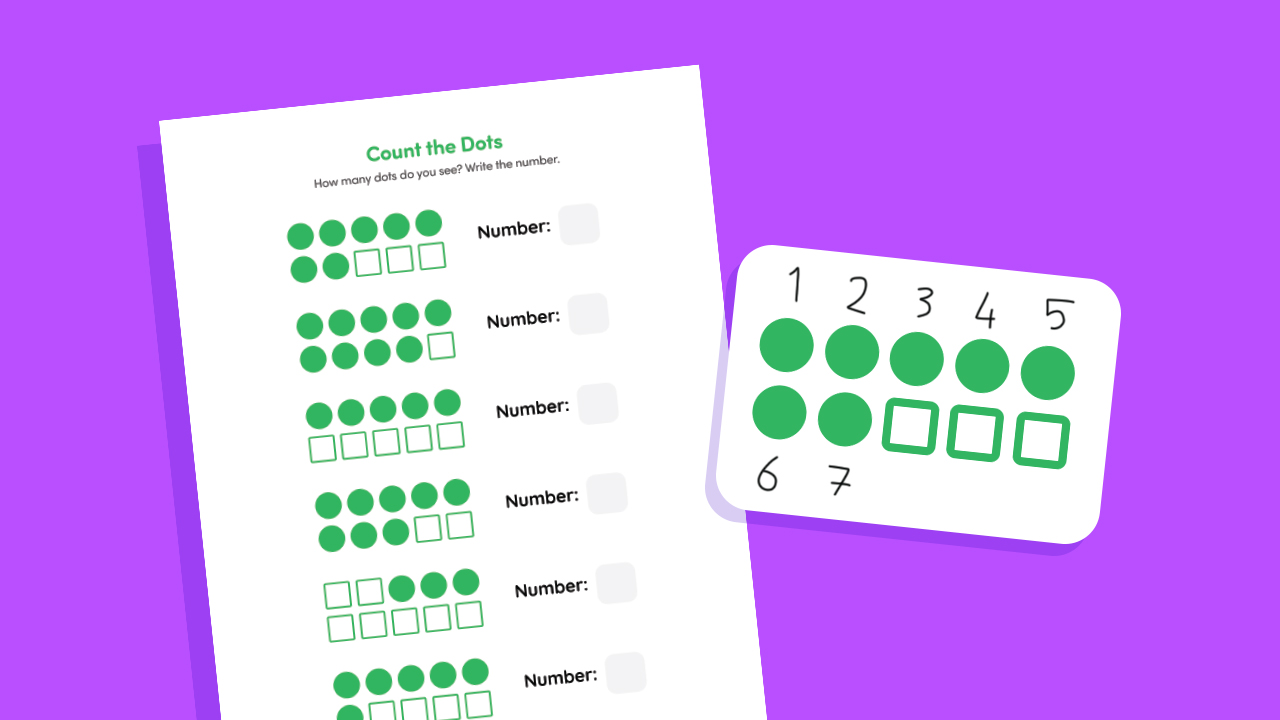
Ten Frames Worksheet | Early Math
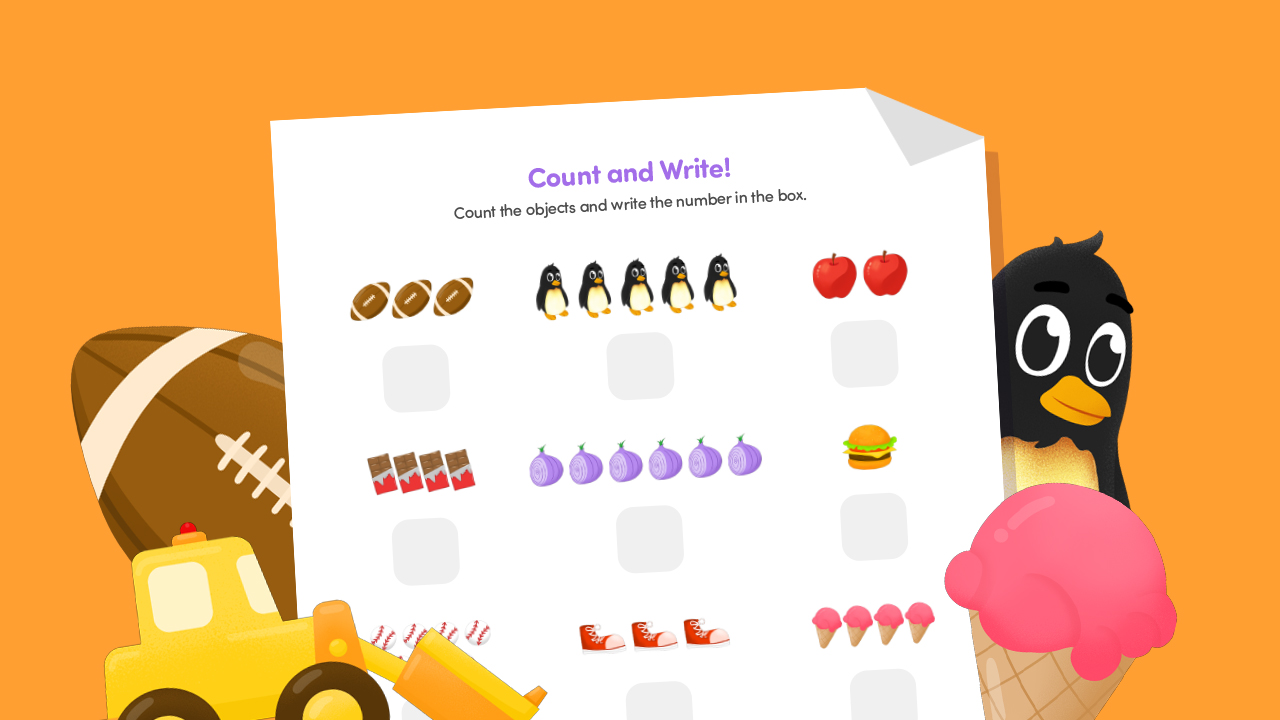
Preschool | Counting Practice Worksheet

Before and After Numbers
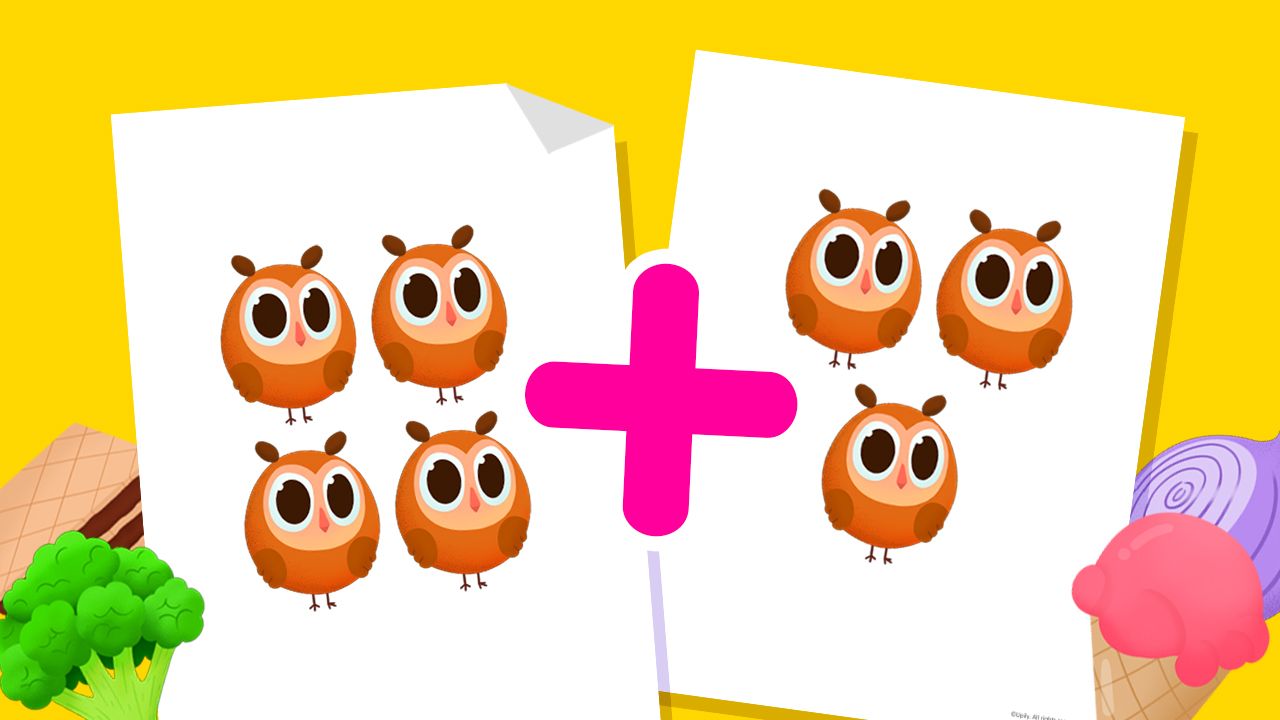
Addition Practice!
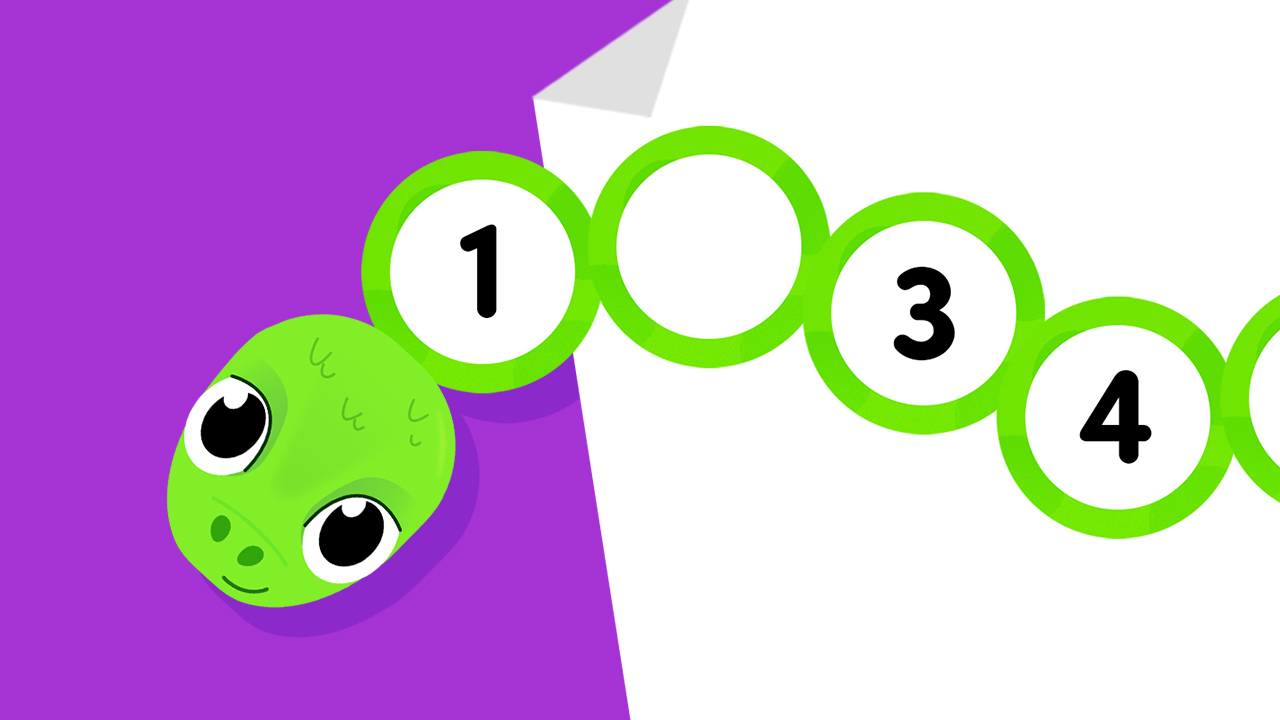
Counting 1–20

Counting 1-10
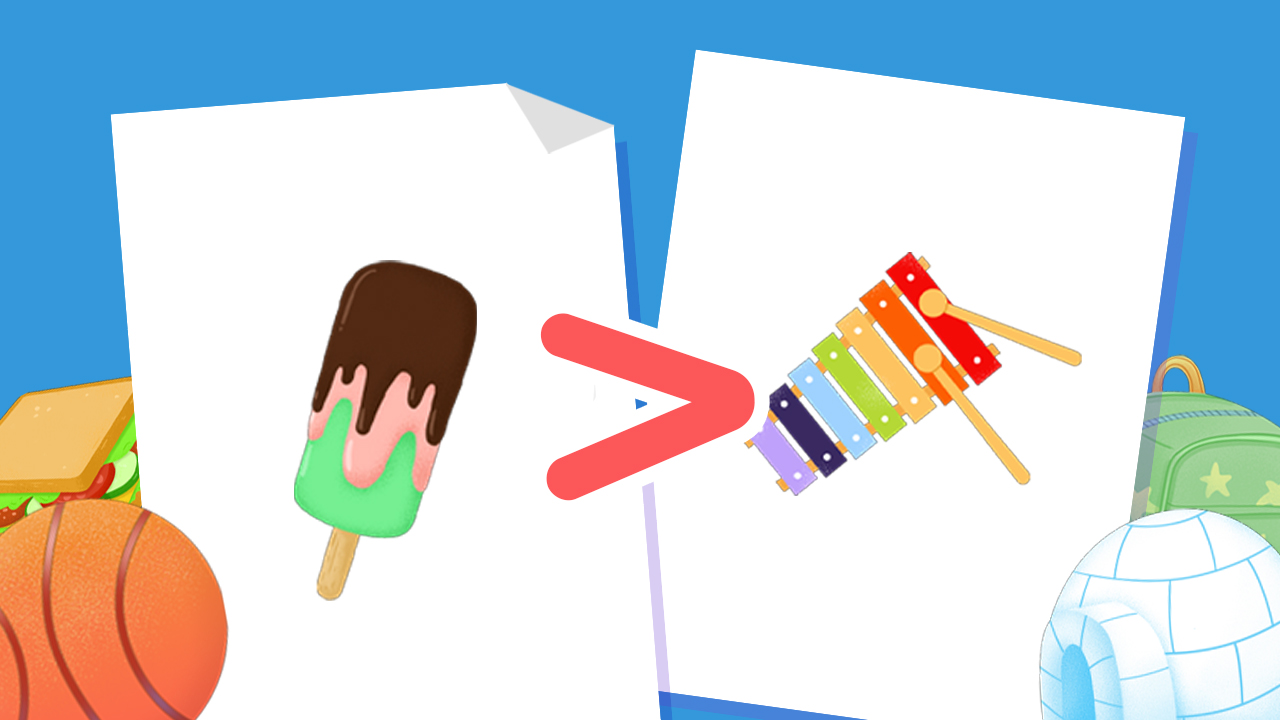
Comparison Worksheet