


DIY Sensory Bottles for Babies and Toddlers
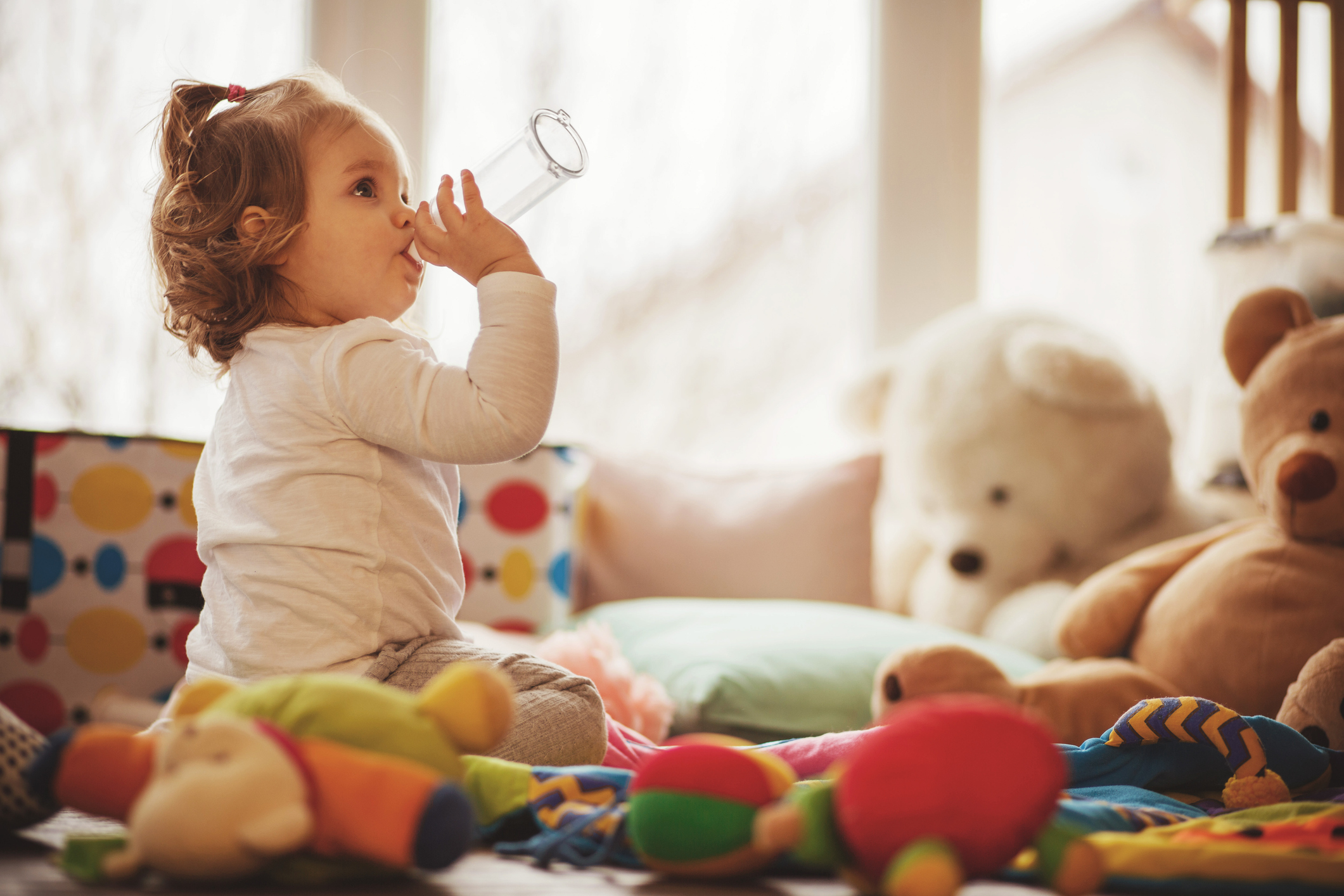
Some of the simplest things can bring the greatest calm to little ones. Sensory bottles are a perfect example. These easy, homemade tools gently engage babies and toddlers through sight, sound, and movement without screens, noise, or overstimulation.
From a parent’s point of view, sensory bottles are reassuring. They’re affordable, quick to make, and endlessly adaptable to your child’s age and interests. Most importantly, they support development while feeling like pure play.
What Are Sensory Bottles?
Sensory bottles are sealed containers filled with materials that move, sparkle, float, sink, or make soft sounds when shaken or tilted. Babies and toddlers explore them by watching, shaking, rolling, and turning using their senses to understand the world around them.
Each bottle offers a different experience, helping children focus, observe, and self-regulate in a natural way.
Why Sensory Bottles Are Beneficial for Young Children
Sensory bottles support early development in gentle but meaningful ways:
- Encourage visual tracking and focus
- Support sensory processing
- Promote calm and emotional regulation
- Strengthen curiosity and attention span
- Offer safe independent play moments
They are especially helpful during quiet time, tummy time, transitions, or moments when a child needs help settling down.
When Can Babies and Toddlers Use Sensory Bottles?
Sensory bottles can be introduced as early as 6 months, once a baby can hold and explore objects safely. As children grow, bottles can be adjusted to include more complex movements, sounds, or themes.
The key is always secure sealing and close supervision, especially for younger babies.
DIY Sensory Bottles for Babies and Toddlers
Each idea below offers a unique sensory experience and works best with clear, transparent bottles so your child can see all the movement and details inside.
- Glitter Calm Bottle
Materials: Water, clear glue (1/4 cup), fine glitter (2 tbsp), food coloring (optional).
How to use: Fill bottle 3/4 with water, add glue and glitter, top off with water, seal tightly. Shake and watch glitter swirl slowly to the bottom.
Benefits: Calmness, visual focus, emotional regulation.
Tips: Use more glue to make glitter fall slower. Try this bottle before bedtime to help calm your child.
- Color Mixing Bottle
Materials: Water, blue + yellow food coloring (2 drops each).
How to use: Fill 3/4 with water, add colors, and seal. Let your child shake to blend green.
Benefits: Visual curiosity, cause-and-effect learning.
Tips: Try red and blue to make purple or red and yellow to make orange.
- Nature Discovery Bottle
Materials: Water, small dried leaves/flowers/seeds (washed).
How to use: Add items to water, fill bottles, seal.Turn to watch items float and twirl.
Benefits: Connection to nature, observation skills.
Tips: Collect the items on nature walks. Change the items with each season.
- Sound Exploration Bottle
Materials: Rice/lentils (1/2 cup), water (small amount or none).
How to use: Add grains, add a small amount of water or leave dry, seal. Shake for rattling sounds.
Benefits: Auditory awareness, listening skills.
Tips: Use only a small amount of water or none at all for louder sounds. You can add small bells for tinkling noises.
- Floating & Sinking Bottle
Materials: Water, cork/feather (floats), pebble/coin (sinks).
How to use: Add items, fill halfway, seal. Tilt to see which rises or drops.
Benefits: Early science awareness, curiosity.
Tips: Ask your child “What will sink?” before tilting. Let them test their predictions.
- Alphabet or Shape Bottle
Materials: Water, foam letters/shapes.
How to use: Add 5–10 pieces, fill, seal. Shake and name floating shapes.
Benefits: Early visual recognition, focus.
Tips: Use letters from your child’s name. Point to and name each letter as it floats by.
- Oil and Water Bottle
Materials: Water (colored), vegetable oil (1/2 bottle).
How to use:Fill half with oil, half with colored water, seal. Shake—watch bubbles rise through layers.
Benefits: Sensory calm, visual tracking.
Tips: Add a drop of dish soap to make bubbles.
- Pom-Pom Push Bottle
Materials: Water, mini pom-poms (1/4 inch).
How to use: Add pom-poms, fill, seal. Roll/shake to push pom-poms around.
Benefits: Gross motor coordination, engagement.
Tips: Use larger pom-poms for younger babies.
- Mirror Sensory Bottle
Materials: Empty bottle, reflective foil/mirror paper (inside one side), water, glitter.
How to use: Tape mirror inside, add water/glitter, seal. Tilt to catch reflections.
Benefits: Self-awareness, visual exploration.
Tips: Hold the bottle between you and your baby for face-to-face play.
- Seasonal Theme Bottle
Materials: Water, themed items (e.g., fake snow, leaves).
How to use: Layer theme items in water, seal. Shake for seasonal “scenes.”
Benefits: Concept awareness, themed learning.
Tips: Make holiday versions with themed items.
- Texture Discovery Bottle
Materials: Water, varied beads/shells/buttons (large).
How to use: Mix textures, fill, seal. Observe differences in movement.
Benefits: Sensory discrimination, focus.
Tips: Leave out the water for a dry shaker version.
- Slow-Motion Drop Bottle
Materials: Glycerin (1/4 cup), water, sequins.
How to use: Mix glycerin/water, add sequins, and seal.
Benefits: Calming, patience.
Tips: Add more glycerin to make sequins fall even slower.
- Emotion Calm Bottle
Materials: Water, blue/purple dye, fine glitter, glue.
How to use: Like glitter bottles but softer colors. Shake this bottle when they have big feelings.
Benefits: Emotional regulation, self-soothing.
Tips: Let your child pick their favorite color.
- Light Reflection Bottle
Materials: Water, sequins/metallic flakes.
How to use: Add shiny items, fill, seal. Hold to light for sparkles.
Benefits: Visual stimulation, curiosity.
Tips: Hold this bottle up to sunlight for the best sparkles. Try using a flashlight during evening play.
- Baby-Safe Water Bottle
Materials: Water, one large floating toy/duck.
How to use: Add toy, fill, seal securely. Gentle shake for simple motion.
Benefits: Early exploration, safe sensory play.
Tips: This simple bottle is perfect for babies just starting to explore.
Safety Tips Every Parent Should Follow
Sensory bottles are safe when made right, but little hands explore everything—including their mouths. Prioritizing these steps ensures play stays relaxing, worry-free, and focused on joy.
- Always seal bottles tightly using strong glue or tape (test by shaking vigorously)
- Use unbreakable, BPA-free plastic bottles (recycled water bottles work great)
- Avoid small items for babies who mouth objects (stick to larger pieces under 1 inch)
- Inspect bottles regularly for leaks or wear (replace as needed)
- Supervise play, especially under 2 years (keep within arm’s reach)
Safety is essential for sensory play to remain relaxing and enjoyable.
Final Thoughts
DIY sensory bottles are a beautiful reminder that learning doesn’t need to be loud, complex, or expensive. Through simple materials and thoughtful setup, parents can offer babies and toddlers meaningful sensory experiences that support calm, curiosity, and development.
In a busy world, these quiet moments of focus and wonder are powerful for children and parents alike.

Related Post
Teaching Letter Sounds and Letter Names: Better Together Than Apart
Phonemic Awareness vs. Phonics: What’s the Difference for Preschoolers?
Benefits of Block Play: What Children Really Learn
30 Fun Preschool Classroom Activities for Ages 3–5
30 Fun CVC Word Games for Kids (Easy Offline Activities)
Fun Alphabet Activities for 4-Year-Olds

Why Oceans Matter: A Simple Ocean Learning Guide for Kids
15+ Road Trip Games for Toddlers and Preschoolers (Car Activities for Long US Drives)
What Order Should I Teach Letters to My Preschooler?
The Power of Wh- Questions for Kids
15 Fun Emotion Activities for Kids to Explore Feelings
Child Development Research vs. Parenting Advice: What Parents Really Need to Know
How to Support Your Child’s Focus
How to Build Your Child’s Adaptability (or Cognitive Flexibility)
Popular Nursery Rhymes for Kids: Songs That Teach, Songs That Last
15 Fun Activities to Build Gross Motor Skills
Speech Milestones in Children: Age-Wise Guide to parents

How to Build Your Child’s Self-Control
Tweezers and Tongs Activities for Little Hands
Alphabet Books Every Preschooler Should Read
Teaching Sharing and Turn-Taking to Toddlers
Simple Ways to Boost Your Child’s Working Memory
Messy Play Activities: A Detailed Parent Guide
15 Fun Preschool Learning Activities for 3-Year-Olds
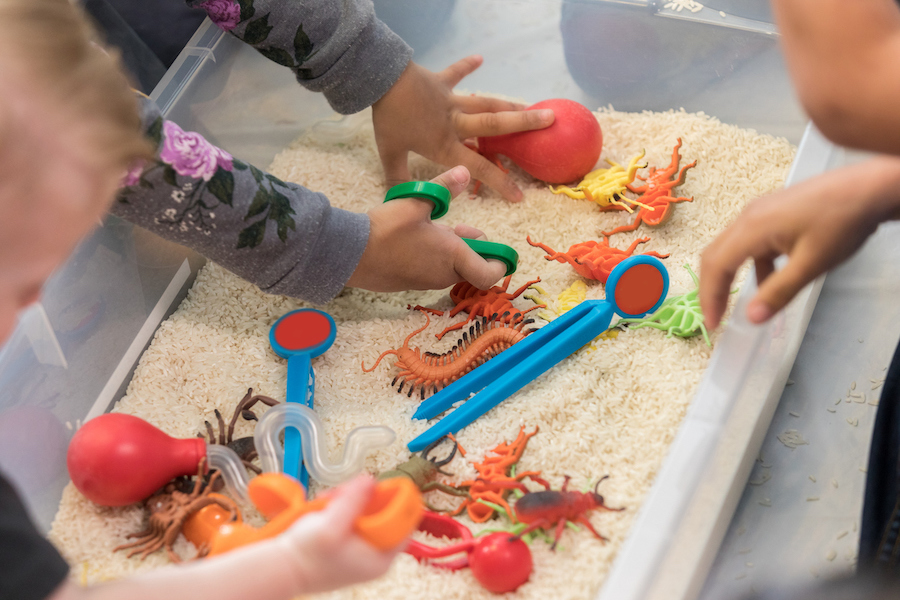
Easy Sensory Bin Ideas for Toddlers
Age-Appropriate Learning Activities for Toddlers and Preschoolers
Water Play Activities for Toddlers
Sensory Activities for 2-Year-Olds: Brain-Building Through Play
Threading and Lacing Activities for Preschoolers

The Secret to Boosting Your Child’s Vocabulary: Pointing Gesture
When to Start Potty Training
How to Raise a Problem-Solver
Building Vocabulary in Toddlers Through Play: The Science-Backed Approach

50 Boredom Busters for Toddlers and Preschoolers
Best Scissor Skills Activities for Preschoolers
STEM Activities Using Kitchen Items for Preschoolers and Kindergarteners
Rhyming Games for Preschoolers: The Secret to Reading Success
15 Easy Fine Motor Activities for 3-Year-Olds: Building a Strong and Skilled Hands
Playdough Activities That Build Fine Motor Skills: The Science-Backed Guide for Parents and Teachers
Understanding Your Child’s Language Development

Understanding Executive Functions: Your Child’s Cognitive Toolkit for Success
Bringing WonJo Kids into Your Classroom: A Teacher’s Guide
Sight Words for Kindergarteners: A Complete Parental Guide
25 Fun Sorting and Classifying Activities for Preschoolers – Easy, Printable & Hands-On Ideas
12 Best Pattern Activities for Preschoolers That Build Math & Reading Skills
Signs of Giftedness in Toddlers: What to Look For
The Benefits of (Quality) Interactive Learning Apps for Preschoolers
Counting Activities for 3-Year-Olds: 20 Simple & Fun Ways to Grow Early Math Skills
Best Books for 3 Year Olds: 50+ Must-Read Picks to Spark a Love of Reading

Scientific Experiments for Preschoolers: 15+ Easy Activities That Spark Curiosity and Learning
Teaching Phonics at Home: A Parent’s Guide to Building Strong Readers
2-Year-Old Milestones: What to Look For
Building Confidence and Skills for Kindergarten Readiness
Understanding Your Child’s Gross Motor Development
Beat the Summer Slide Without Breaking a Sweat
Raising Tomorrow’s STEM Leaders: The Power of Spatial Skills

How to Turn Storytime into a Learning Moment?

Embracing Your Child’s Unique Strengths and Challenges: Understanding Learner Variability


