


How to Turn Storytime into a Learning Moment?

Reading to your child is one of the most rewarding experiences you can share. Whether it’s a cozy story from a beloved paper book or an engaging e-book on your tablet, the benefits are immense. Not only does it foster a deep bond between you and your little one, but it also plays a crucial role in their growth. We often just read the story, but research shows that turning storytime into a dialogue maximizes the benefits your child gains from reading.
One powerful method to enhance storytime is called dialogic reading. Instead of passively reading the story, you can use dialogic reading to encourage children to actively participate in the storytelling. This interactive approach not only makes the experience more engaging but also boosts your child’s language and literacy skills, along with their social and emotional development.
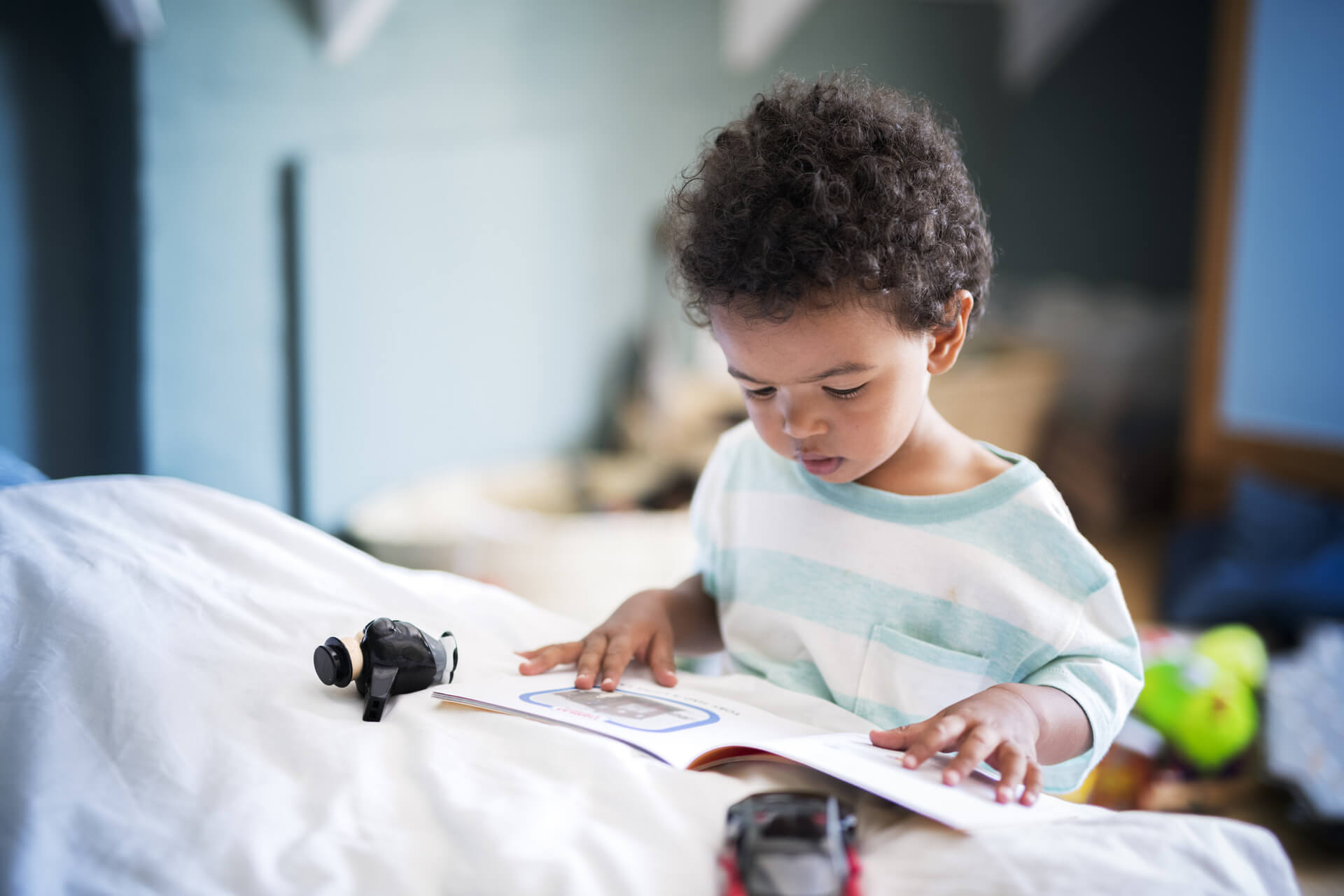
Not sure which books spark the best conversations? Our curated list of best books for 3-year-olds picks stories with rich vocabulary, relatable characters, and plenty of open-ended moments perfect for dialogic reading.
The CROWD technique makes dialogic reading simple and enjoyable. Here’s how you can use it:
- Completion Questions:
These are fill-in-the-blank questions that prompt your child to complete a word or phrase. For example, when re-reading a book, you might say, “Brown bear, brown bear, what do you ___?”, pause, waiting for your child to fill in “see.” This helps your child learn to predict and recall words.
Storytime is one of the richest language development tools available to parents. Our guide to early language development in children explains the full arc of how vocabulary, grammar, and communication grow — and how books fit into every stage.
- Recall Questions:
These questions require your child to remember details from the story. You might ask, “Where did the rabbit hide?” This helps reinforce memory and understanding of the story’s events.,
Books with rhyme and rhythm are especially powerful for dialogic reading. Our guide to rhyming games for preschoolers shows how to extend this word-play instinct beyond the book and into everyday games.
- Open-ended Questions:
These encourage your child to respond in their own words. For example, “What do you think will happen next?” This stimulates their imagination and verbal skills.
- Wh- Questions:
These questions start with who, what, where, when, and why. You can point to a picture and ask, “What is the bear holding in this picture?” or “Why do you think the dog is sad?” This type of question builds vocabulary and comprehension.
- Distancing Questions:
These questions help your child relate the story to their own life. You might ask, “Can you think of a time when you helped someone, just like the character?” This encourages them to make connections between the story and their own experiences.
Songs work the same magic as dialogic reading — they use repetition and pattern to build language. Our Apples and Bananas Song is a playful vowel-sound activity children love to sing along with after a storytime session.
By using these CROWD questions, you can turn storytime into a meaningful interaction that boosts your child’s development. So next time you cuddle up for a story, try these dialogic reading techniques and watch your child’s love for reading and learning grow!
After storytime, keep the word exploration going with our Wordinator Game. It introduces children to new words through interactive play, building exactly the vocabulary that dialogic reading begins to unlock.

Frequently Asked Questions
How can I make storytime engaging for young children?
Make storytime more engaging by asking open-ended questions, using expressive voices, pausing for predictions, and inviting children to point, repeat, or act out parts of the story. WonJo’s storytime article already uses dialogic reading and the CROWD technique, so this FAQ aligns well with the page’s existing learning approach.
Which storytime techniques help children learn while reading?
Helpful storytime techniques include dialogic reading, CROWD-style prompts, repeated phrases, sound effects, character voices, and simple follow-up questions about what happened, why it happened, and what might happen next. These techniques support vocabulary, comprehension, and attention during read-aloud time.
What types of questions should I ask my child during storytime?
Mix prediction questions ('what comes next?'), comprehension questions ('why did she do that?'), personal connection questions ('has that ever happened to you?'), and vocabulary questions ('what do you think that word means?'). Vary them and keep them genuinely curious.
At what age should I start reading to my child, and how often?
From birth — even newborns benefit from hearing language rhythms and feeling closeness during reading. Daily reading, even just 10–15 minutes, has a compounding effect on vocabulary, attention, and love of learning that shows up years later in school.
Why does interactive storytime matter for preschoolers?
Interactive storytime helps preschoolers build language, listening, early comprehension, and confidence with books. When children join in instead of only listening, they stay engaged longer and get more learning value from the story.
Related Post

30 Preschool Classroom Activities That Make Learning Feel Like Play
30 Fun CVC Word Games & Activities to Teach Phonics for Kids Offline
Fun Alphabet Activities for 4-Year-Olds

Why Oceans Matter: A Simple Ocean Learning Guide for Kids

15+ Road Trip Games for Toddlers and Preschoolers (Car Activities for Long US Drives)

What Order Should I Teach Letters to My Preschooler?
The Power of Wh- Questions for Kids

Top 15 Emotion Activities for Kids

Child Development Research vs. Parenting Advice: What Parents Really Need to Know

How to Support Your Child’s Focus
How to Build Your Child’s Adaptability (or Cognitive Flexibility)

Popular Nursery Rhymes for Kids: Songs That Teach, Songs That Last
15 Fun Activities to Build Gross Motor Skills

Speech Milestones in Children: Age-Wise Guide to parents

How to Build Your Child’s Self-Control

Tweezers and Tongs Activities for Little Hands

Alphabet Books Every Preschooler Should Read

Teaching Sharing and Turn-Taking to Toddlers
Simple Ways to Boost Your Child’s Working Memory

Messy Play Activities: A Detailed Parent Guide

15 Fun Preschool Learning Activities for 3-Year-Olds
Easy Sensory Bin Ideas for Toddlers

Age-Appropriate Learning Activities for Toddlers and Preschoolers
Water Play Activities for Toddlers
Sensory Activities for 2-Year-Olds: Brain-Building Through Play
Threading and Lacing Activities for Preschoolers

The Secret to Boosting Your Child’s Vocabulary: Pointing Gesture
When to Start Potty Training
How to Raise a Problem-Solver

Building Vocabulary in Toddlers Through Play: The Science-Backed Approach

50 Boredom Busters for Toddlers and Preschoolers

Best Scissor Skills Activities for Preschoolers
STEM Activities Using Kitchen Items for Preschoolers and Kindergarteners

Rhyming Games for Preschoolers: The Secret to Reading Success

Fine Motor Activities for 3-Year-Olds: The Complete Guide to Building Strong, Skilled Hands
Playdough Activities That Build Fine Motor Skills: The Science-Backed Guide for Parents and Teachers

Understanding Your Child’s Language Development

Understanding Executive Functions: Your Child’s Cognitive Toolkit for Success

Bringing WonJo Kids into Your Classroom: A Teacher’s Guide

Sight Words for Kindergarteners: A Complete Parental Guide

25 Fun Sorting Activities for Preschoolers – Easy, Printable & Hands-On Ideas

12 Best Pattern Activities for Preschoolers That Build Math & Reading Skills

Signs of Giftedness in Toddlers: What to Look For

The Benefits of (Quality) Interactive Learning Apps for Preschoolers
Counting Activities for 3-Year-Olds: 20 Simple & Fun Ways to Grow Early Math Skills
Best Books for 3 Year Olds: 50+ Must-Read Picks to Spark a Love of Reading

Scientific Experiments for Preschoolers: 15+ Easy Activities That Spark Curiosity and Learning
Teaching Phonics at Home: A Parent’s Guide to Building Strong Readers

2-Year-Old Milestones: What to Look For

Building Confidence and Skills for Kindergarten Readiness

Understanding Your Child’s Gross Motor Development

Beat the Summer Slide Without Breaking a Sweat

Raising Tomorrow’s STEM Leaders: The Power of Spatial Skills

Embracing Your Child’s Unique Strengths and Challenges: Understanding Learner Variability


