


Benefits of Block Play: What Children Really Learn
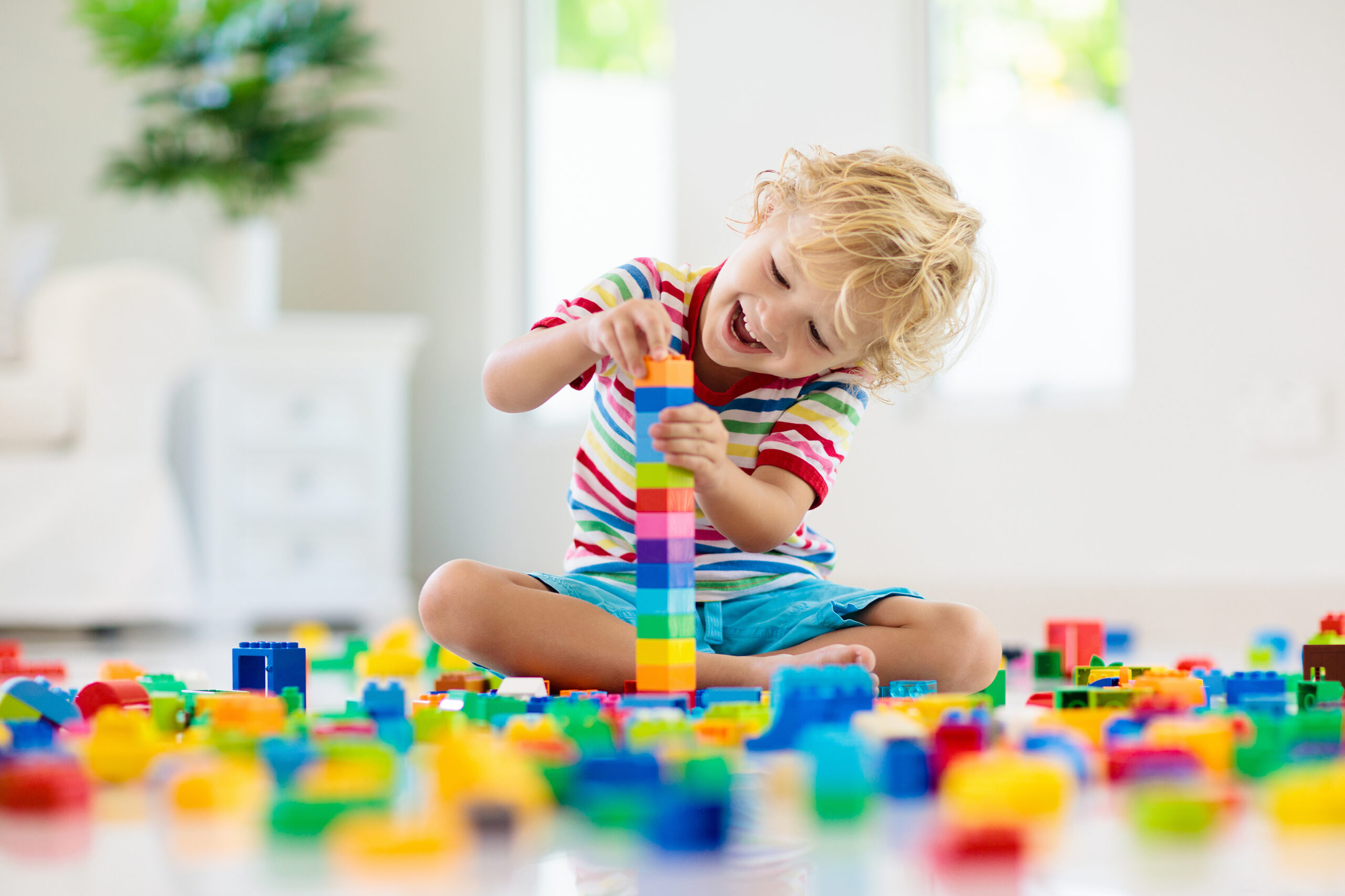
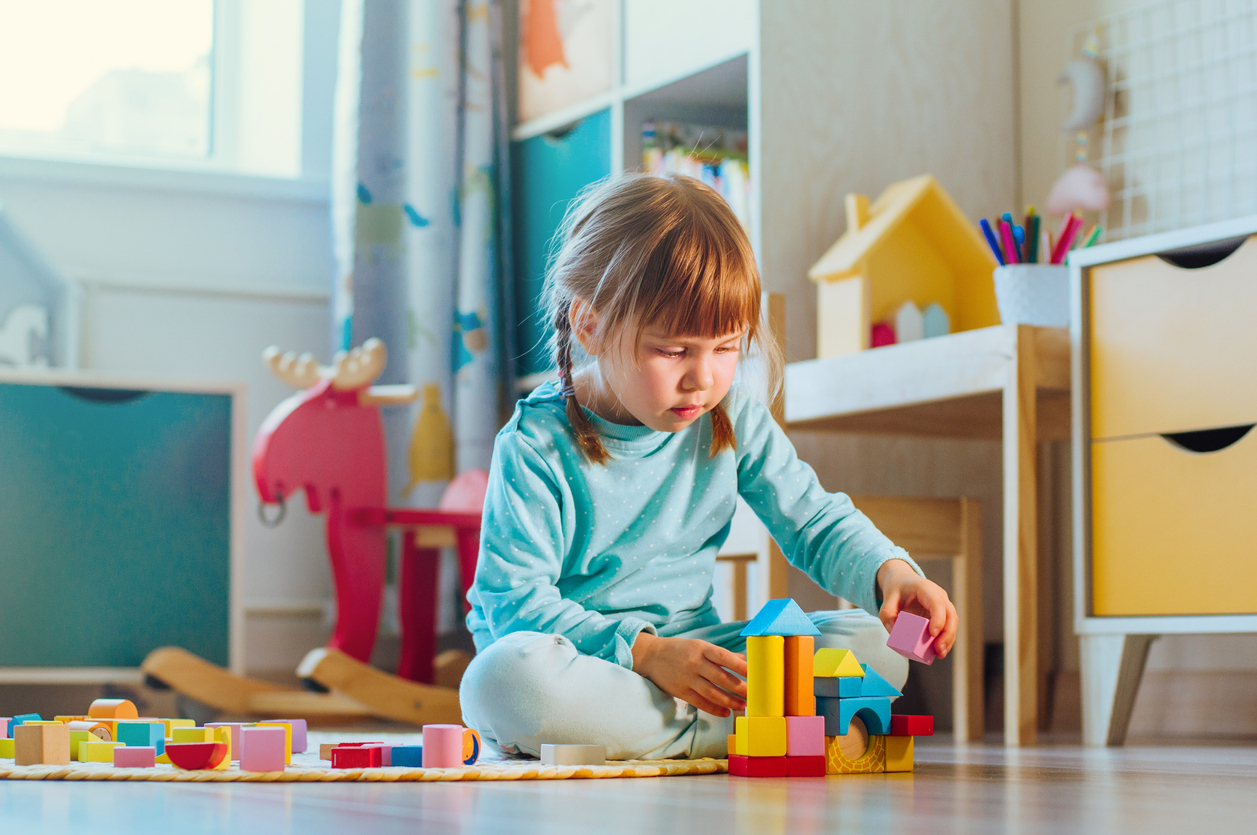
Maybe your child builds a tower, knocks it down, and starts all over again. Maybe they spend twenty minutes trying to make a bridge that keeps falling apart. From the outside, it may not look like much is happening. You may think, “It is just playing with blocks.” But there is usually more going on than it seems.
What Is Block Play for Preschoolers?
Pretty much anything, honestly. Children might build houses, roads, bridges, castles, or completely imaginary structures. They might copy a model, build with a parent, or simply experiment with what happens when they put one block on top of another. There is no single correct way to play with blocks. In fact, part of the value of block play lies in giving children the freedom to experiment, make mistakes, and develop their own solutions.
4 Key Benefits of Block Play for Child Development
1. Block Play Develops Spatial Awareness
When children build with blocks, they are constantly thinking about space.
● Is this block too long?
● Will it fit here?
● What happens if I turn it around?
● How can I make the tower taller without making it fall?
These are all examples of spatial thinking. Children are learning about concepts such as size, shape, position, distance, balance, and direction through hands-on experience. Spatial skills are important for later learning in areas such as mathematics and science, making block play an essential way to support early STEM development.
2. Block Play Supports Early Math Skills
When children compare two blocks, count how many they need, create patterns, or figure out how many blocks will make a bridge long enough, they are already engaging with mathematical ideas.
You can try using everyday questions such as:
● “Which block is longer?”
● “How many blocks do we need?”
● “Can you make the two sides the same?”
● “What would happen if we added one more?”
Research has found that block-play interventions can support children’s early math and geometry skills, although the effects depend on how the activity is set up and how involved the adult is.
3. Building Blocks Encourage Problem-Solving
One of the best things about block play is that things don’t always work the first time.
The tower falls, the bridge is too short, the roof does not fit, etc.
Instead of seeing these moments as failures, children get opportunities to ask, “What can I try differently?” They might change the size of the blocks, move a piece, start again, or come up with an entirely new plan. This kind of attempt and error is an important part of learning.
4. Block Play Supports Executive Function Skills
Block building also requires children to manage their attention and actions.
They may need to remember what they are trying to build, resist the urge to knock everything down, wait for the right moment to place a block, or change their plan when something does not work.
These are examples of executive function skills, including planning, working memory, flexible thinking, and self-control. Research on preschool block play has found associations between children’s executive-function-related behaviors and spatial skills when playing with blocks.
How Parents Can Support Learning Through Block Play
You do not need to turn playtime into a lesson. Instead, you can try these simple ways to support learning during block play:
- Ask questions:
Instead of explaining what your child should do, try asking:
“What are you trying to build?”
“How could we make it stronger?”
“What do you think will happen if we put this one here?”
Questions encourage children to explain their thinking and come up with their own solutions.
- Use Spatial Words:
Everyday words such as under, beside, behind, above, between, longer, shorter, wider, and taller give children useful language for thinking about space. Research suggests that parents’ use of spatial language during block play is related to children’s own use of spatial language.
- Let Your Child Take the Lead
You do not need to build the “perfect” tower together. Let your child decide what to make, even if their structure does not look the way you expected. Your role can simply be to notice, ask questions, and follow their ideas, namely, scaffolding.
- Do not Fix Everything
When a structure falls down, resist the urge to rebuild it for them immediately.
Try:
“Oh no! What do you think happened?”
Giving children time to work out what went wrong can turn a frustrating moment into a problem-solving opportunity.
Why Block Play Matters for Early Childhood Development
Block play may look simple, but children are learning a lot as they build and explore.
While children are stacking, balancing, comparing, planning, and rebuilding, they are getting opportunities to practice skills that matter far beyond the playroom. The learning may not always be obvious, and that is exactly what makes it easy to miss.
So the next time your child spends half an hour building the same tower for the tenth time, remember: they may not just be playing with blocks. They are using a range of cognitive skills as they build, experiment, solve problems, and try again.

Frequently Asked Questions
At what age can children start playing with building blocks?
Children can begin exploring age-appropriate blocks during infancy. Babies may enjoy holding, touching, and knocking down soft blocks, while toddlers gradually learn to stack and arrange them. Preschoolers often build more complex structures, experiment with balance, and create imaginative designs. Always choose blocks that are safe for your child's age and developmental stage.
Are wooden blocks better than plastic building blocks?
Both wooden and plastic building blocks can support early childhood learning. Wooden blocks often encourage open-ended construction, while interlocking plastic blocks can help children experiment with more detailed structures. The best choice depends on your child's age, interests, and the types of building experiences they enjoy.
How does block play support fine motor development?
Picking up, stacking, balancing, and connecting blocks gives children opportunities to practice hand-eye coordination and fine motor control. As children manipulate smaller, age-appropriate pieces, they also practice using their fingers and hands with greater precision.
Can playing with blocks help children develop language skills?
Yes. Block play creates natural opportunities for children to learn new words and explain their ideas. As they build, children may describe shapes, sizes, positions, and actions. Talking about their creations can support vocabulary development, communication, and storytelling.
How can block play encourage cooperation and social skills?
When children build together, they have opportunities to share materials, exchange ideas, negotiate roles, and solve problems as a group. Collaborative block play can help preschoolers practice communication, turn-taking, and teamwork while creating something together.
Related Post
30 Preschool Classroom Activities That Make Learning Feel Like Play
30 Fun CVC Word Games & Activities to Teach Phonics for Kids Offline
Fun Alphabet Activities for 4-Year-Olds

Why Oceans Matter: A Simple Ocean Learning Guide for Kids
15+ Road Trip Games for Toddlers and Preschoolers (Car Activities for Long US Drives)
What Order Should I Teach Letters to My Preschooler?
The Power of Wh- Questions for Kids
Top 15 Emotion Activities for Kids
Child Development Research vs. Parenting Advice: What Parents Really Need to Know
How to Support Your Child’s Focus
How to Build Your Child’s Adaptability (or Cognitive Flexibility)
Popular Nursery Rhymes for Kids: Songs That Teach, Songs That Last
15 Fun Activities to Build Gross Motor Skills
Speech Milestones in Children: Age-Wise Guide to parents
How to Build Your Child’s Self-Control
Tweezers and Tongs Activities for Little Hands
Alphabet Books Every Preschooler Should Read
Teaching Sharing and Turn-Taking to Toddlers
Simple Ways to Boost Your Child’s Working Memory
Messy Play Activities: A Detailed Parent Guide
15 Fun Preschool Learning Activities for 3-Year-Olds
Easy Sensory Bin Ideas for Toddlers
Age-Appropriate Learning Activities for Toddlers and Preschoolers
Water Play Activities for Toddlers
Sensory Activities for 2-Year-Olds: Brain-Building Through Play
Threading and Lacing Activities for Preschoolers

The Secret to Boosting Your Child’s Vocabulary: Pointing Gesture
When to Start Potty Training
How to Raise a Problem-Solver

Building Vocabulary in Toddlers Through Play: The Science-Backed Approach

50 Boredom Busters for Toddlers and Preschoolers
Best Scissor Skills Activities for Preschoolers
STEM Activities Using Kitchen Items for Preschoolers and Kindergarteners
Rhyming Games for Preschoolers: The Secret to Reading Success
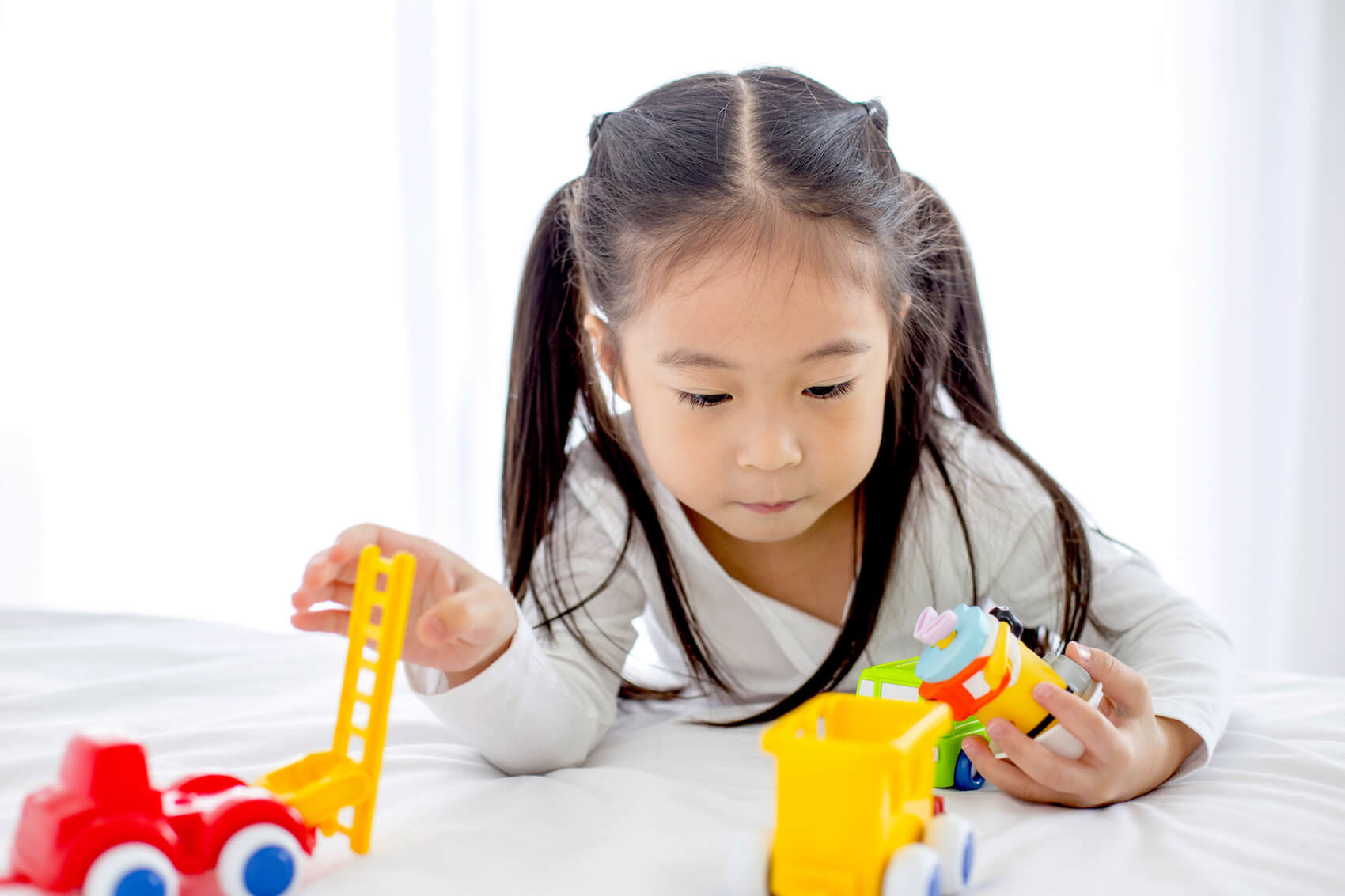
Fine Motor Activities for 3-Year-Olds: The Complete Guide to Building Strong, Skilled Hands
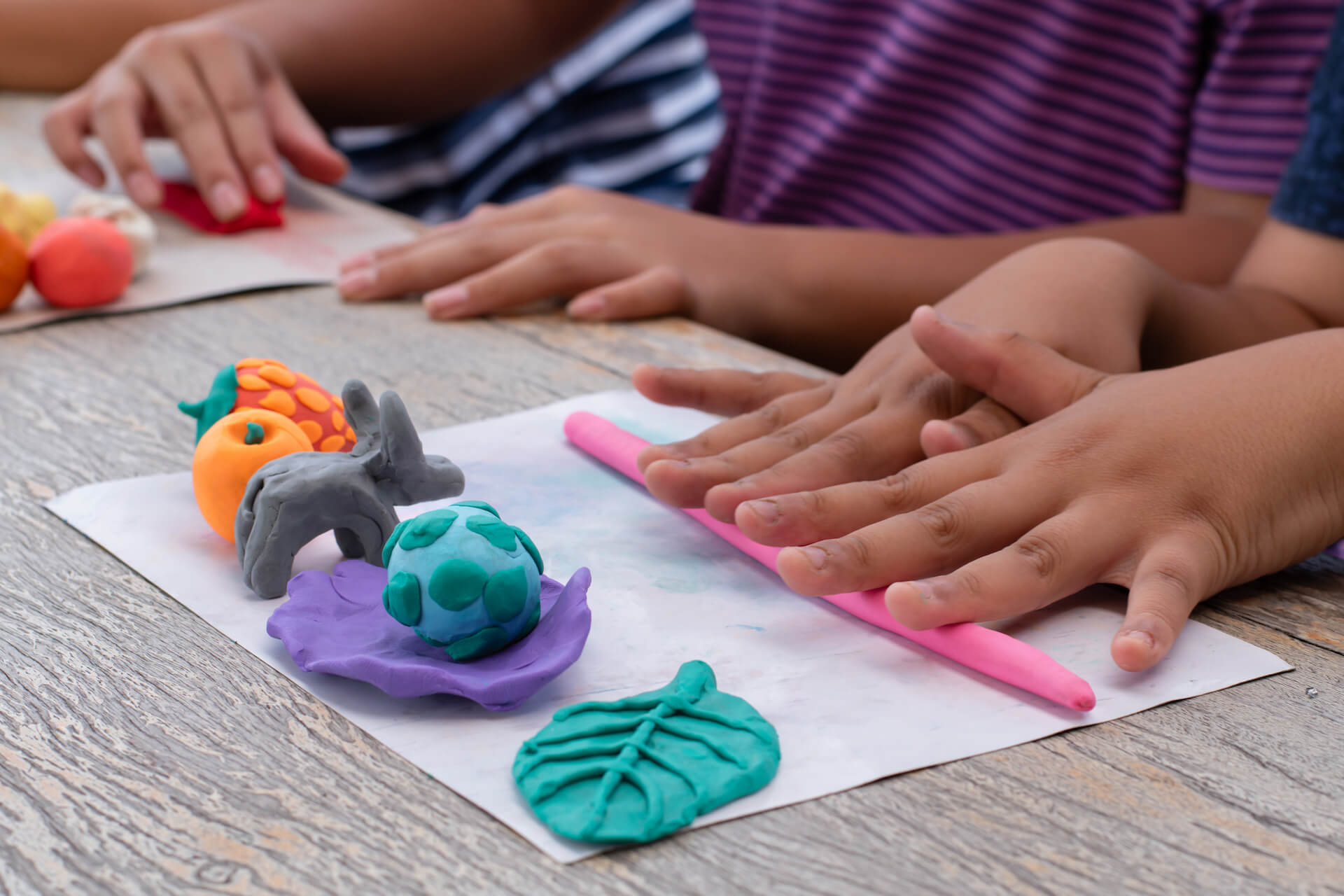
Playdough Activities That Build Fine Motor Skills: The Science-Backed Guide for Parents and Teachers
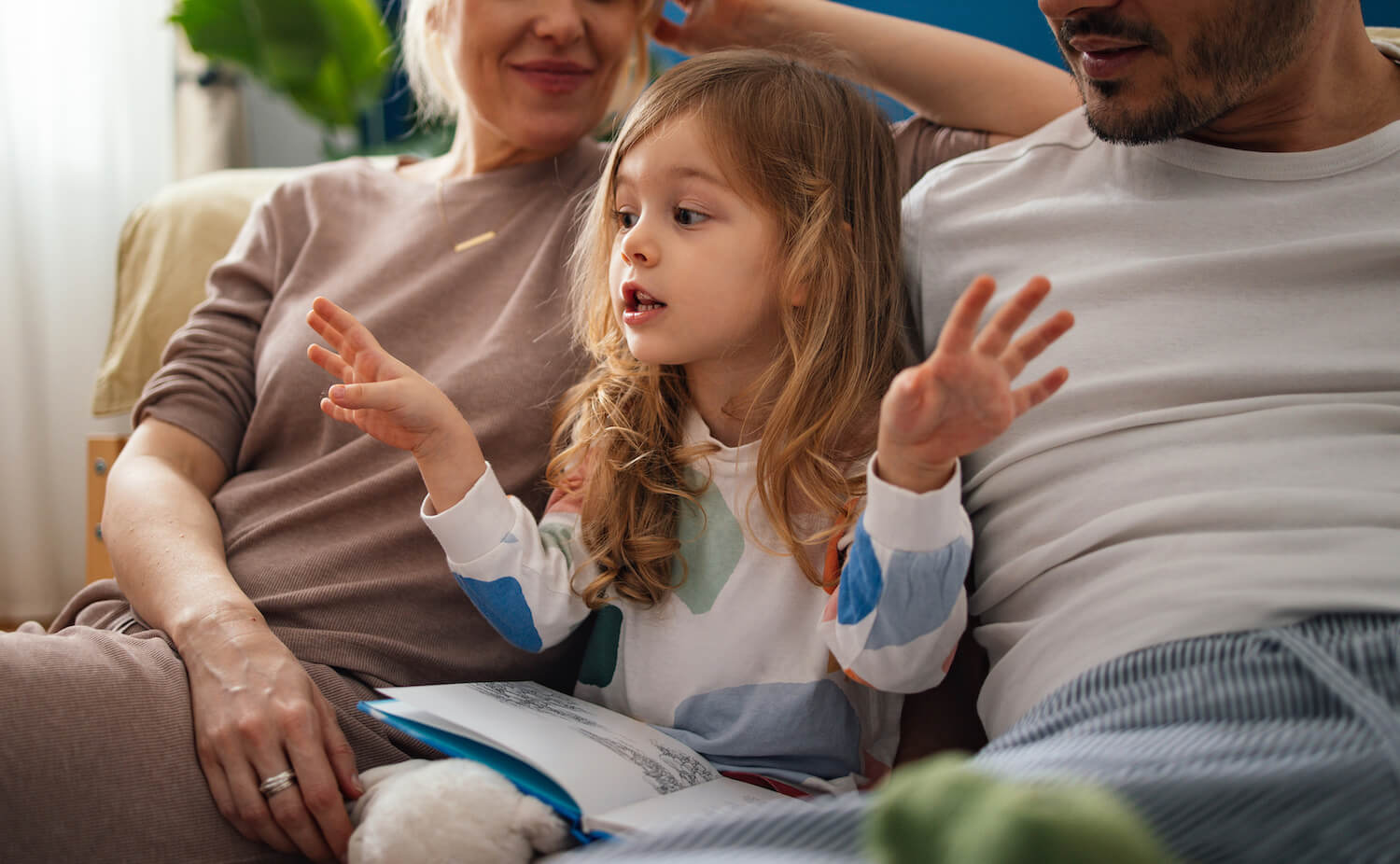
Understanding Your Child’s Language Development

Understanding Executive Functions: Your Child’s Cognitive Toolkit for Success
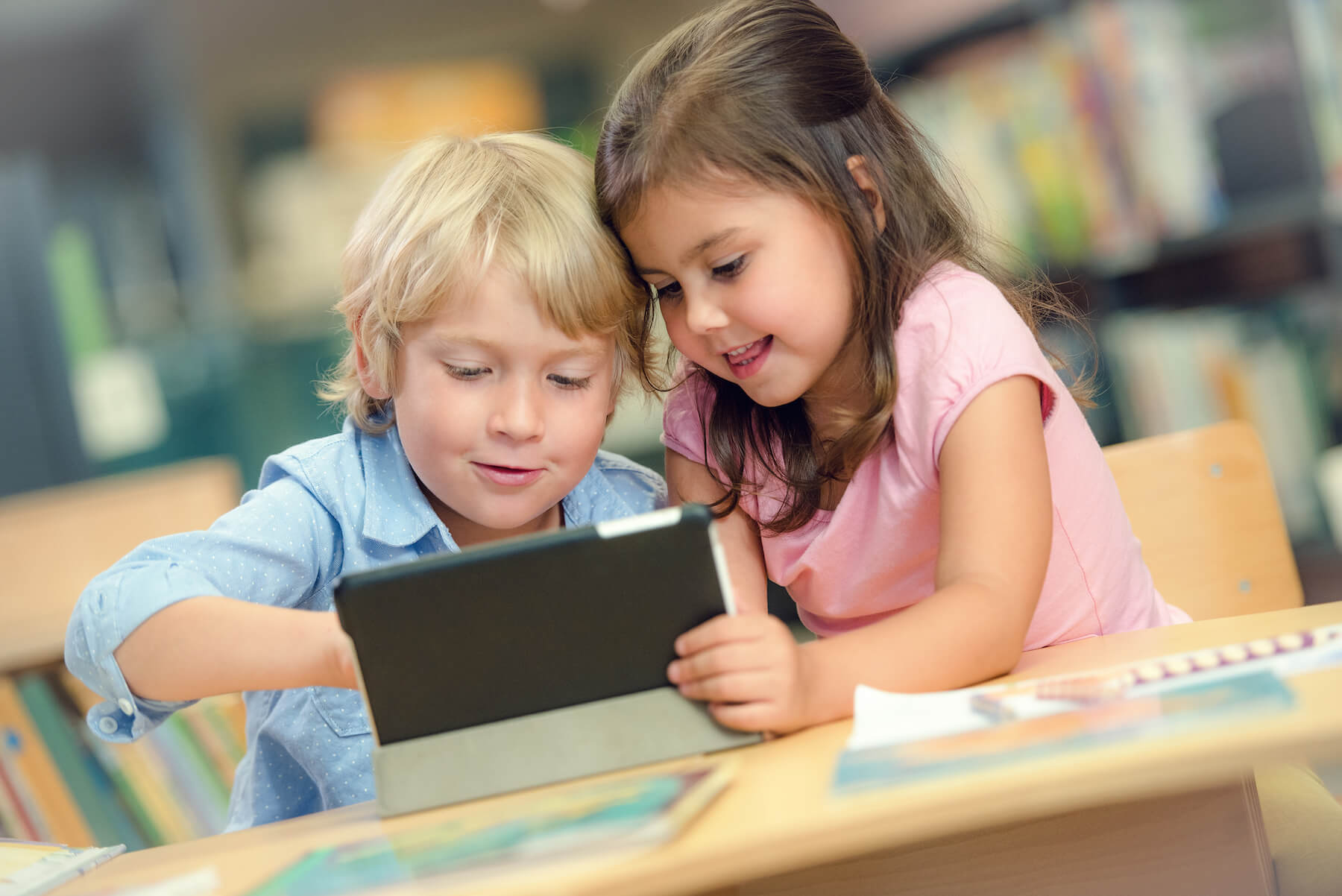
Bringing WonJo Kids into Your Classroom: A Teacher’s Guide
Sight Words for Kindergarteners: A Complete Parental Guide
25 Fun Sorting Activities for Preschoolers – Easy, Printable & Hands-On Ideas
12 Best Pattern Activities for Preschoolers That Build Math & Reading Skills

Signs of Giftedness in Toddlers: What to Look For
The Benefits of (Quality) Interactive Learning Apps for Preschoolers
Counting Activities for 3-Year-Olds: 20 Simple & Fun Ways to Grow Early Math Skills
Best Books for 3 Year Olds: 50+ Must-Read Picks to Spark a Love of Reading

Scientific Experiments for Preschoolers: 15+ Easy Activities That Spark Curiosity and Learning
Teaching Phonics at Home: A Parent’s Guide to Building Strong Readers
2-Year-Old Milestones: What to Look For
Building Confidence and Skills for Kindergarten Readiness

Understanding Your Child’s Gross Motor Development

Beat the Summer Slide Without Breaking a Sweat
Raising Tomorrow’s STEM Leaders: The Power of Spatial Skills

How to Turn Storytime into a Learning Moment?

Embracing Your Child’s Unique Strengths and Challenges: Understanding Learner Variability


