


How to Support Your Child’s Focus

What Is Focus?
We all experience how hard it is to focus these days. Between screens, noise, and constant distractions, staying with something feels harder than ever, for adults and children alike. That’s what makes focus one of the most important skills your child can build, now and for years to come.
Attention, also called concentration or focus, is the ability to direct mental energy toward what matters and tune out what doesn’t. When your child works on a puzzle and ignores the toys scattered nearby, or listens to a story while a conversation is happening across the room, that’s attention doing its job.
Some early forms of this skill appear in infancy, but it grows greatly during the preschool years. Babies can focus when something captures their interest, but they struggle to hold that state for long. As children move through the toddler and preschool years, both the length and frequency of focus increase significantly, and that window is one of the best times to support it.
Why Is It Important?
Attention is the entry point for almost everything else your child does mentally. They can’t remember something if they didn’t focus on it first. They can’t stop an impulse without concentrating on the goal that makes stopping worth it. They can’t shift between tasks without noticing it’s time to switch. In this sense, it’s one of the crucial skills that makes the others possible.
It matters just as much for daily life. Following instructions, sitting through a story, picking up something new at school all depend on your child’s ability to bring their focus to the right place and keep it there. It shapes their social life too: a child who can truly listen and stay present in a conversation is a child others enjoy spending time with.
How Can You Support Your Child’s Focus?
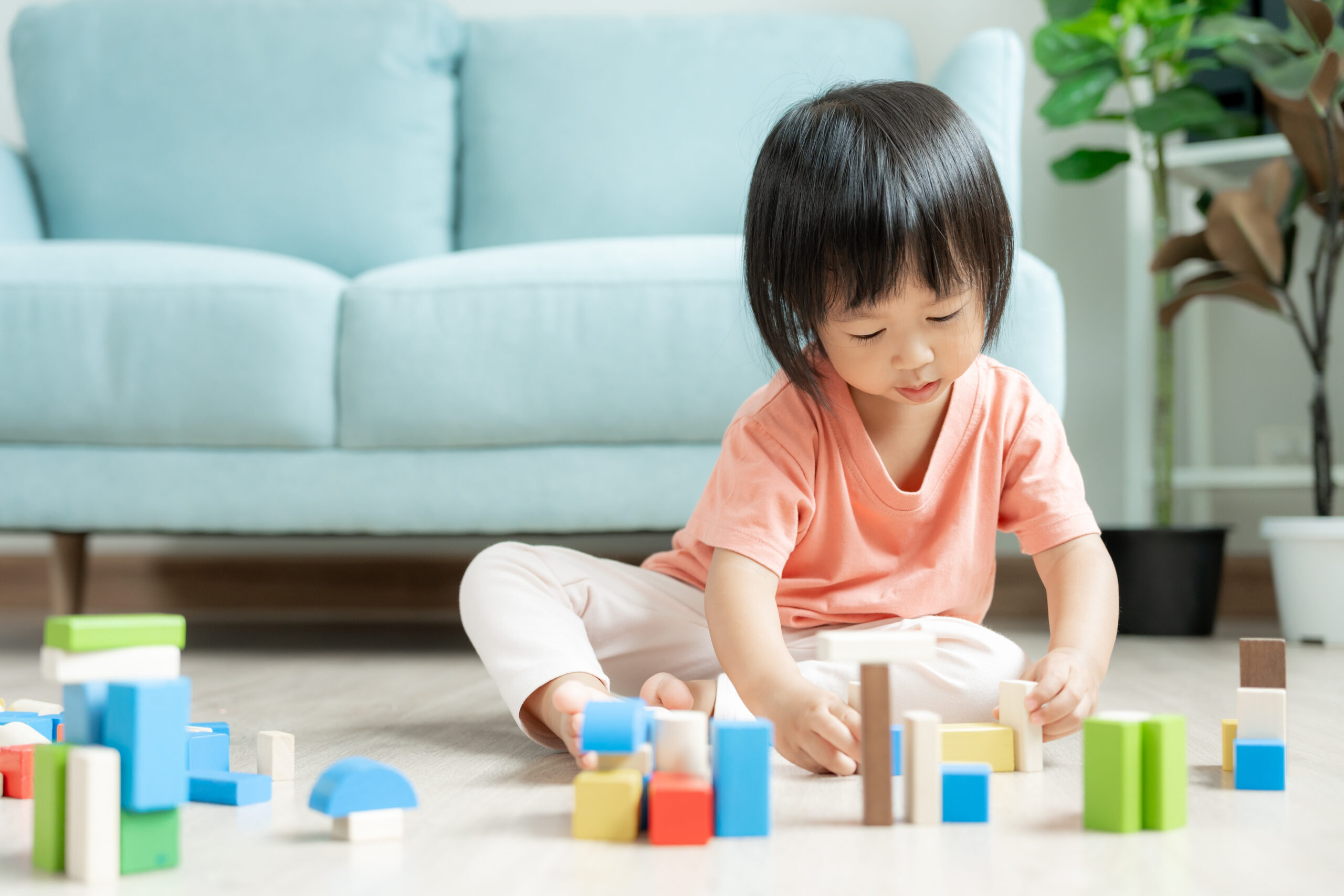
One of the most valuable things you can do is simply let your child play without interrupting. When they’re absorbed in something, building, drawing, reading, pretending, that engagement is already excellent attention practice. Resist the urge to comment, redirect, or join in. Those long stretches of independent focus are exactly what you want to protect.
The activities below offer additional ways to build this skill. Children develop at their own pace, so explore across age groups as needed and adjust difficulty to keep things fun without tipping into frustration.
18–36 Months: Tuning In
- Action songs and fingerplays: Songs like “Itsy Bitsy Spider” or “Wheels on the Bus” ask toddlers to listen closely, remember what comes next, and match their movements to the words, all while staying on task. Imitation games work the same way: keeping up requires concentration.
- Movement that focuses on the body: Rolling and catching a ball, walking along a line on the floor, climbing a small incline, these activities ask toddlers to attend to what their body is doing, which is a form of concentration.
- Shape sorters and simple puzzles: Fitting a shape into the right slot requires noticing a specific feature and using it to guide an action. Start with 2–4 piece puzzles and work up from there.
3–5 Years: Staying with the Challenge
- Physical challenges and obstacle courses: Climbing structures, balance beams, seesaws, and games involving skipping or hopping naturally demand attention.
- Slower movement activities: Simple yoga poses with slow breathing builds a different kind of attentional control. This is the ability to calm the body and direct focus inward.
- Seek-and-find and spot-the-difference books: Look for books with detailed, busy illustrations where children search for a hidden object or find what’s changed between two similar images. Books like “Where’s Waldo?” are a classic example.
5–7 Years: Monitoring and Mindfulness
- Fast-moving ball games: Four square, dodgeball, and tetherball require children to monitor what’s happening and respond quickly.
- Puzzle and activity books: Mazes, simple word searches, and matching games build sustained concentration in a calmer, self-directed way.
- Mindfulness practices teach children to deliberately direct and steady their attention. A few simple ones to try together:
- Belly breathing: Ask your child to place a hand on their stomach and breathe slowly so the hand rises on the inhale and falls on the exhale. This helps children notice and settle their own attention.
- 5-4-3-2-1 senses: Name 5 things you can see, 4 you can hear, 3 you can touch, 2 you can smell, and 1 you can taste. It anchors attention to the present moment in a concrete, accessible way.
- Body scan: Starting at the feet and moving slowly upward, notice how each part of the body feels. This trains children to direct focus deliberately and hold it.
- Belly breathing: Ask your child to place a hand on their stomach and breathe slowly so the hand rises on the inhale and falls on the exhale. This helps children notice and settle their own attention.

Frequently Asked Questions
How can I improve my child’s focus?
Use short activities, reduce distractions, give one step at a time, and build breaks into the routine.
What activities help kids concentrate?
Puzzles, memory games, matching, sorting, drawing, building blocks, and storytime can support focus through play.
How long should a preschooler focus on one task?
It varies, but short bursts are normal. Start with a few minutes and slowly build attention with fun practice.
Why does my child have trouble focusing?
Young children are still building attention skills. Tiredness, hunger, noise, or too many instructions can make it harder.
Related Post
Benefits of Block Play: What Children Really Learn
30 Preschool Classroom Activities That Make Learning Feel Like Play
30 Fun CVC Word Games & Activities to Teach Phonics for Kids Offline
Fun Alphabet Activities for 4-Year-Olds

Why Oceans Matter: A Simple Ocean Learning Guide for Kids
15+ Road Trip Games for Toddlers and Preschoolers (Car Activities for Long US Drives)
What Order Should I Teach Letters to My Preschooler?
The Power of Wh- Questions for Kids

Top 15 Emotion Activities for Kids

Child Development Research vs. Parenting Advice: What Parents Really Need to Know
How to Build Your Child’s Adaptability (or Cognitive Flexibility)
Popular Nursery Rhymes for Kids: Songs That Teach, Songs That Last
15 Fun Activities to Build Gross Motor Skills
Speech Milestones in Children: Age-Wise Guide to parents

How to Build Your Child’s Self-Control
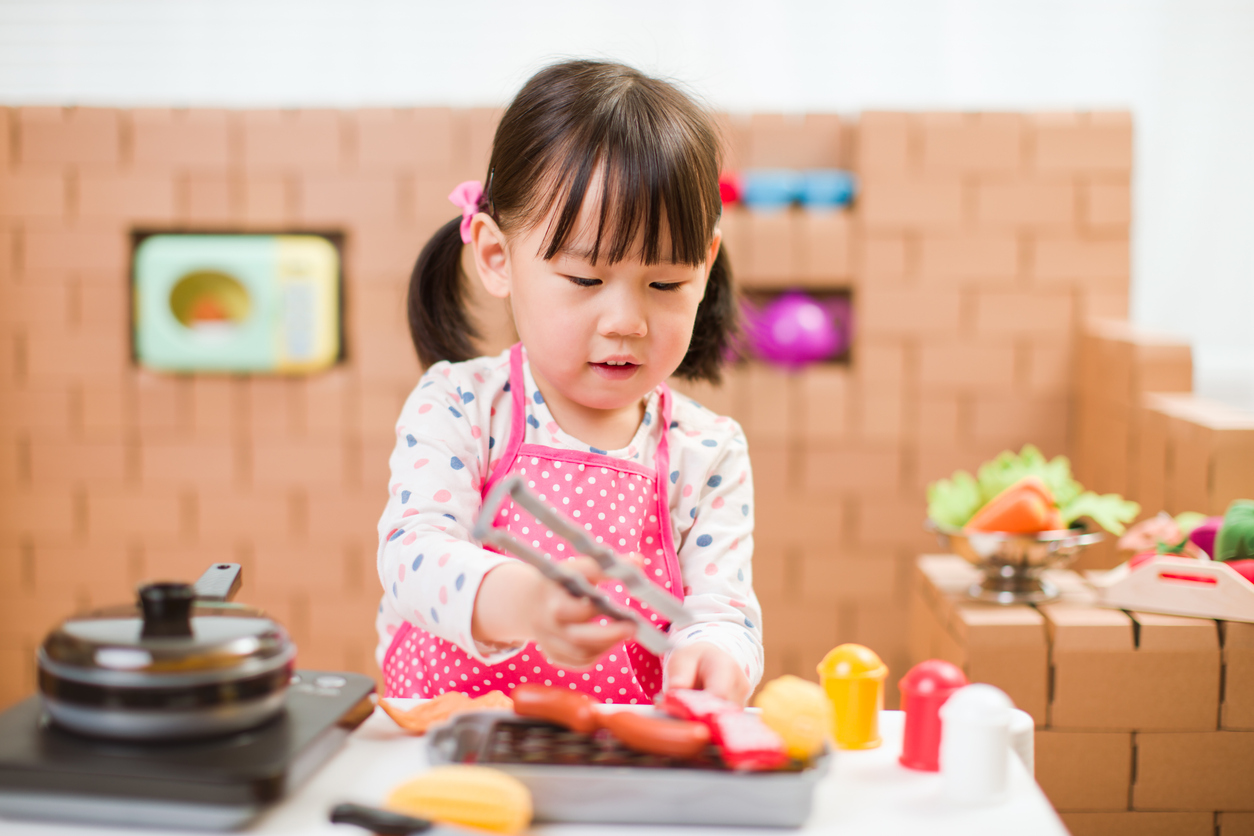
Tweezers and Tongs Activities for Little Hands

Alphabet Books Every Preschooler Should Read
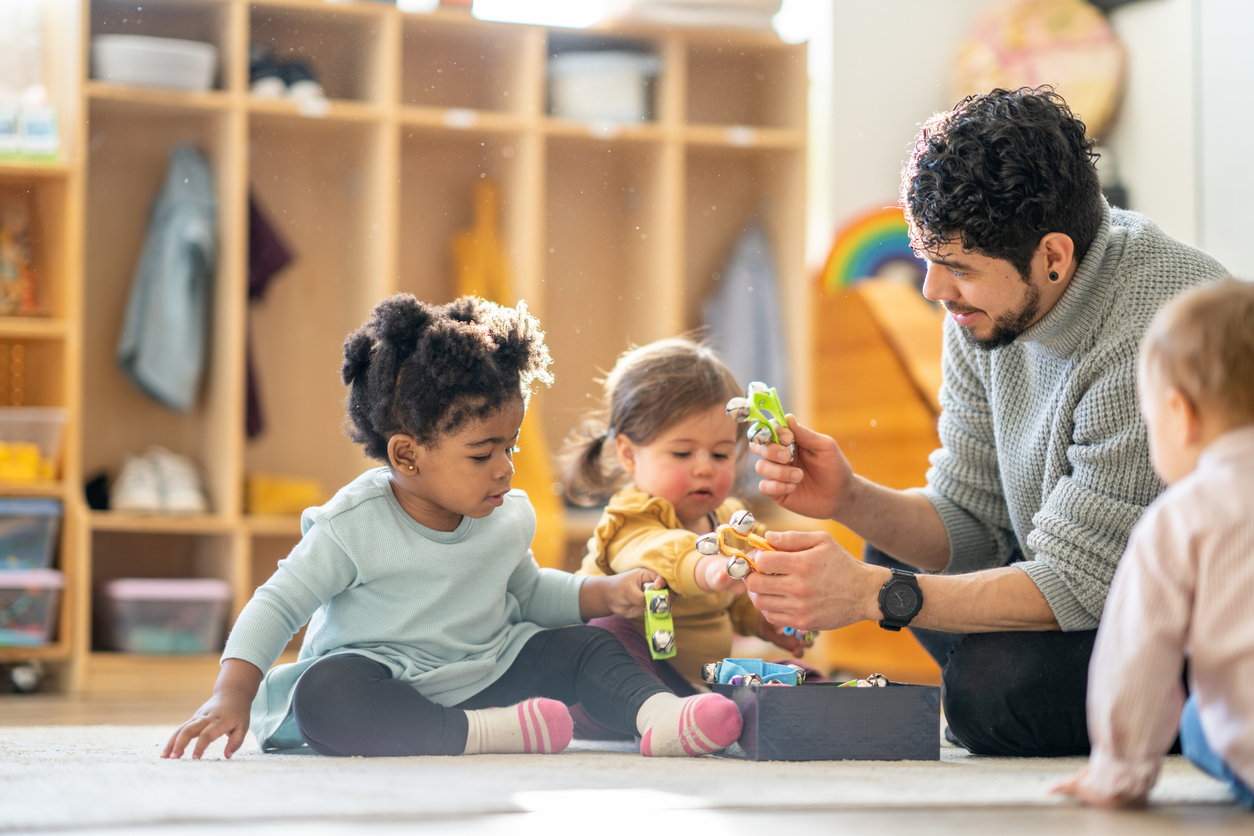
Teaching Sharing and Turn-Taking to Toddlers
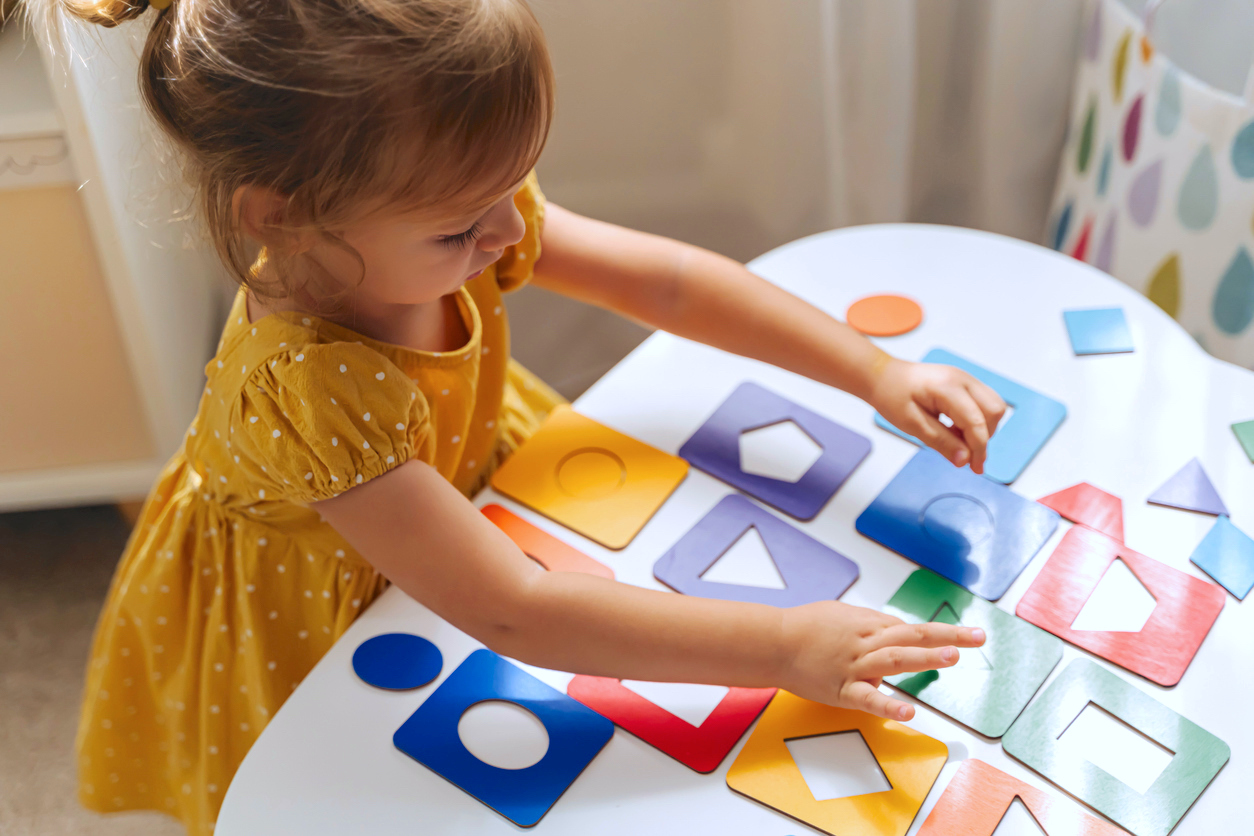
Simple Ways to Boost Your Child’s Working Memory

Messy Play Activities: A Detailed Parent Guide
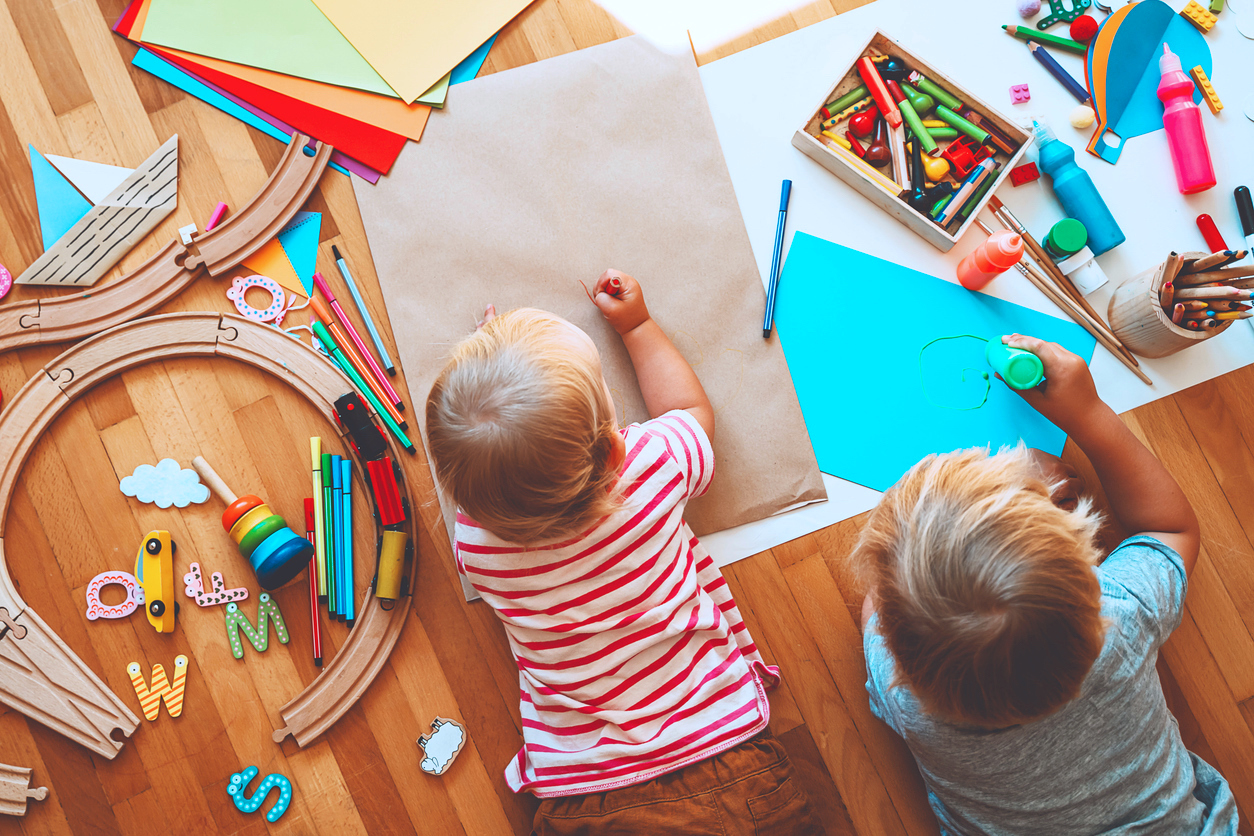
15 Fun Preschool Learning Activities for 3-Year-Olds
Easy Sensory Bin Ideas for Toddlers

Age-Appropriate Learning Activities for Toddlers and Preschoolers
Water Play Activities for Toddlers
Sensory Activities for 2-Year-Olds: Brain-Building Through Play
Threading and Lacing Activities for Preschoolers

The Secret to Boosting Your Child’s Vocabulary: Pointing Gesture
When to Start Potty Training
How to Raise a Problem-Solver

Building Vocabulary in Toddlers Through Play: The Science-Backed Approach

50 Boredom Busters for Toddlers and Preschoolers
Best Scissor Skills Activities for Preschoolers
STEM Activities Using Kitchen Items for Preschoolers and Kindergarteners

Rhyming Games for Preschoolers: The Secret to Reading Success
Fine Motor Activities for 3-Year-Olds: The Complete Guide to Building Strong, Skilled Hands
Playdough Activities That Build Fine Motor Skills: The Science-Backed Guide for Parents and Teachers

Understanding Your Child’s Language Development

Understanding Executive Functions: Your Child’s Cognitive Toolkit for Success

Bringing WonJo Kids into Your Classroom: A Teacher’s Guide
Sight Words for Kindergarteners: A Complete Parental Guide
25 Fun Sorting Activities for Preschoolers – Easy, Printable & Hands-On Ideas
12 Best Pattern Activities for Preschoolers That Build Math & Reading Skills

Signs of Giftedness in Toddlers: What to Look For

The Benefits of (Quality) Interactive Learning Apps for Preschoolers
Counting Activities for 3-Year-Olds: 20 Simple & Fun Ways to Grow Early Math Skills
Best Books for 3 Year Olds: 50+ Must-Read Picks to Spark a Love of Reading

Scientific Experiments for Preschoolers: 15+ Easy Activities That Spark Curiosity and Learning
Teaching Phonics at Home: A Parent’s Guide to Building Strong Readers
2-Year-Old Milestones: What to Look For
Building Confidence and Skills for Kindergarten Readiness

Understanding Your Child’s Gross Motor Development

Beat the Summer Slide Without Breaking a Sweat
Raising Tomorrow’s STEM Leaders: The Power of Spatial Skills

How to Turn Storytime into a Learning Moment?

Embracing Your Child’s Unique Strengths and Challenges: Understanding Learner Variability


