


The Power of Wh- Questions for Kids
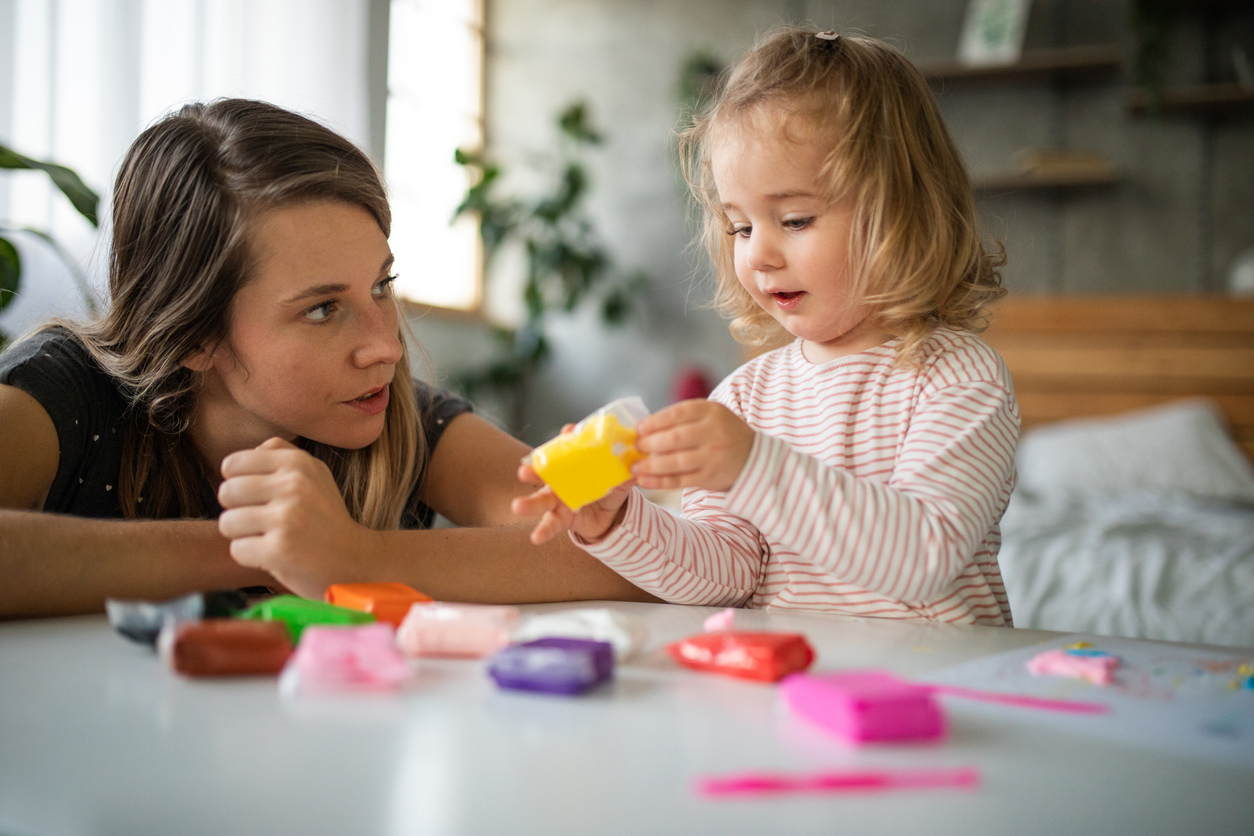
You probably ask your child dozens of questions every day without thinking twice about it. “Where is your toy?” “What do you want for snack?” “Who is that?”
These aren’t just practical ways to get through the day. They’re actually one of the most effective tools you have for developing your child’s language skills. You’re already doing it naturally. This post will help you make those everyday moments even more powerful.
The Natural Order of Things
Kids don’t learn all question words at once. There’s a surprisingly predictable pattern that holds true whether a child is learning their first language or picking up a second one later:
18 months to 2.5 years: Children learn what and where. “What’s that?” “Where’s mama?”
2.5 to 3 years: Who, how, and why start to appear. “Who’s at the door?” “How do you open it?” “Why is the dog barking?”
3 to 4 years: The more complex ones (which and whose) come last. “Which one is bigger?” “Whose turn is it?”
You’ll also notice a shift in what your child is asking about. In the beginning, nearly all their questions are about basic facts and labels. By the end of their second year, about a quarter of their questions start digging into explanations. WH questions and vocabulary growth are tightly linked — every “what is that?” or “where did it go?” is simultaneously a vocabulary opportunity in disguise. Building vocabulary through play shows how to keep that question-and-answer loop going across everyday moments.
Why This Matters
Wh- questions do three big things for your child:
They build vocabulary faster. When you ask a wh- question, you’re creating a moment where your child has to find the word and say it. Unlike yes/no questions that only need a nod, wh- questions require actual words, often multiple words strung together. Research shows that kids who hear more of these questions develop bigger vocabularies. Books are the richest natural context for WH questions — “Who do you think will help?” before you turn the page, “Why is she sad?” as you point to the illustration. Turning storytime into a learning moment shows how to build that kind of interactive reading into a daily habit
They teach complex grammar. Asking a proper wh- question is genuinely hard. Your child has to juggle moving words around, swapping the subject and verb, and getting the tense right. Working through these challenges builds a strong grammatical foundation.
They make your child an active talker, not just a listener. When you ask “What happened next?” your child can’t just smile and nod. They have to engage, explain, tell you more.
What You Can Do
Ask it twice. This might sound odd, but repetition is gold. If you ask “Where does the cat go?” pause briefly, then ask it again before your child answers. The first time through, they’re focused on what you mean. The second time, their brain can pay attention to how you built the sentence. Studies show this approach helps kids not just memorize questions but actually understand the grammar rules underneath.
Embrace the breakdowns. When your child says something unclear, don’t just nod along. Say “Huh?” or “What did you say?” These moments force kids to repeat or rephrase themselves. Research shows this challenging style is strongly linked to better language outcomes.
Keep it simple and frequent. Kids learn through patterns they hear over and over. “What is…” “Where does…” These common combinations become chunks they internalize. Stick with the high-frequency phrases your child hears most often. The opportunities are everywhere: during meals (“What are you eating?”), on walks (“Where is the bird going?”), in the car (“Who do you see?”), at bedtime (“What happened in the story?”). Speaking of storytime, asking questions while you read together is one of the best ways to practice this skill (check out our post on dialogic reading for more on that). The Wordinator Game is a useful screen-based companion to WH question practice — children encounter words in context and respond to them, which is the same cognitive process that “what does this word mean?” questions develop in conversation. WH questions don’t all arrive at once — “what” and “where” come first, then “who”, then “why” and “how” much later. Early language development in children puts that sequence in context alongside the other language milestones happening at each stage
Putting It All Together
Those everyday questions you’re asking? They’re not just helping you figure out what to prepare for snack time or where your child wants to drive their toy car during playtime. They’re teaching them how language works, how to express complex thoughts, and how to be a real conversational partner. Nursery rhymes generate natural WH questions in children — “why did Humpty fall?” and “where did the cow go?” — which is one reason they’ve been used for language development for centuries. Nursery rhymes for kids gives you a collection that sparks exactly that kind of curious questioning

Frequently Asked Questions
What are WH questions for kids?
WH questions begin with words like what, where, who, why, when, which, and how.
How do WH questions help language development?
They encourage children to use words, explain ideas, build vocabulary, and become active talkers.
What WH questions should I ask a toddler?
Start with simple questions like “What is this?”, “Where did it go?”, and “Who is that?” during everyday play.
At what age do kids answer WH questions?
Many toddlers start with what and where, then gradually learn who, why, how, which, and whose as language grows.
Related Post
30 Preschool Classroom Activities That Make Learning Feel Like Play
30 Fun CVC Word Games & Activities to Teach Phonics for Kids Offline
Fun Alphabet Activities for 4-Year-Olds

Why Oceans Matter: A Simple Ocean Learning Guide for Kids
15+ Road Trip Games for Toddlers and Preschoolers (Car Activities for Long US Drives)
What Order Should I Teach Letters to My Preschooler?

Top 15 Emotion Activities for Kids

Child Development Research vs. Parenting Advice: What Parents Really Need to Know

How to Support Your Child’s Focus
How to Build Your Child’s Adaptability (or Cognitive Flexibility)
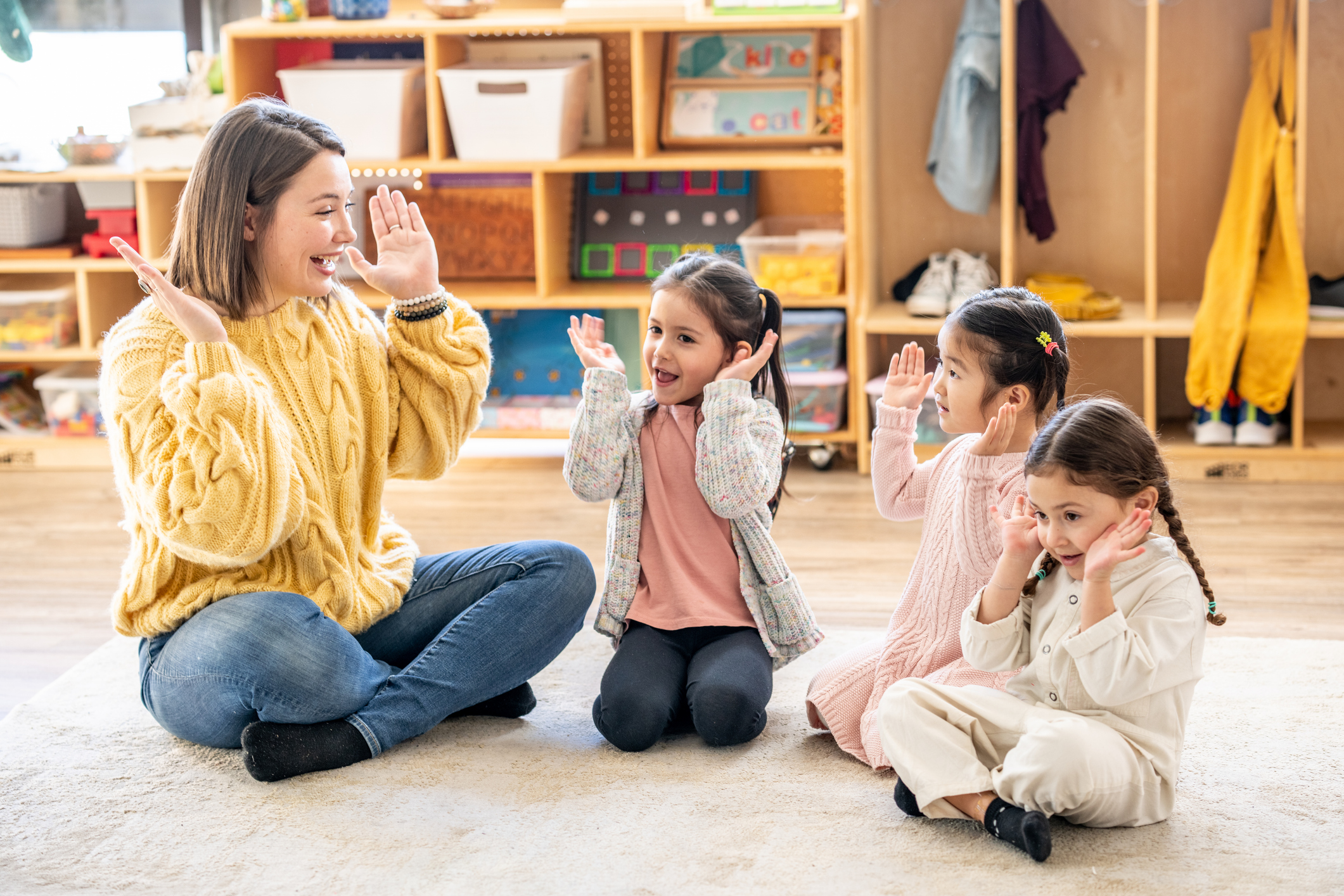
Popular Nursery Rhymes for Kids: Songs That Teach, Songs That Last
15 Fun Activities to Build Gross Motor Skills
Speech Milestones in Children: Age-Wise Guide to parents

How to Build Your Child’s Self-Control
Tweezers and Tongs Activities for Little Hands

Alphabet Books Every Preschooler Should Read
Teaching Sharing and Turn-Taking to Toddlers
Simple Ways to Boost Your Child’s Working Memory

Messy Play Activities: A Detailed Parent Guide
15 Fun Preschool Learning Activities for 3-Year-Olds
Easy Sensory Bin Ideas for Toddlers
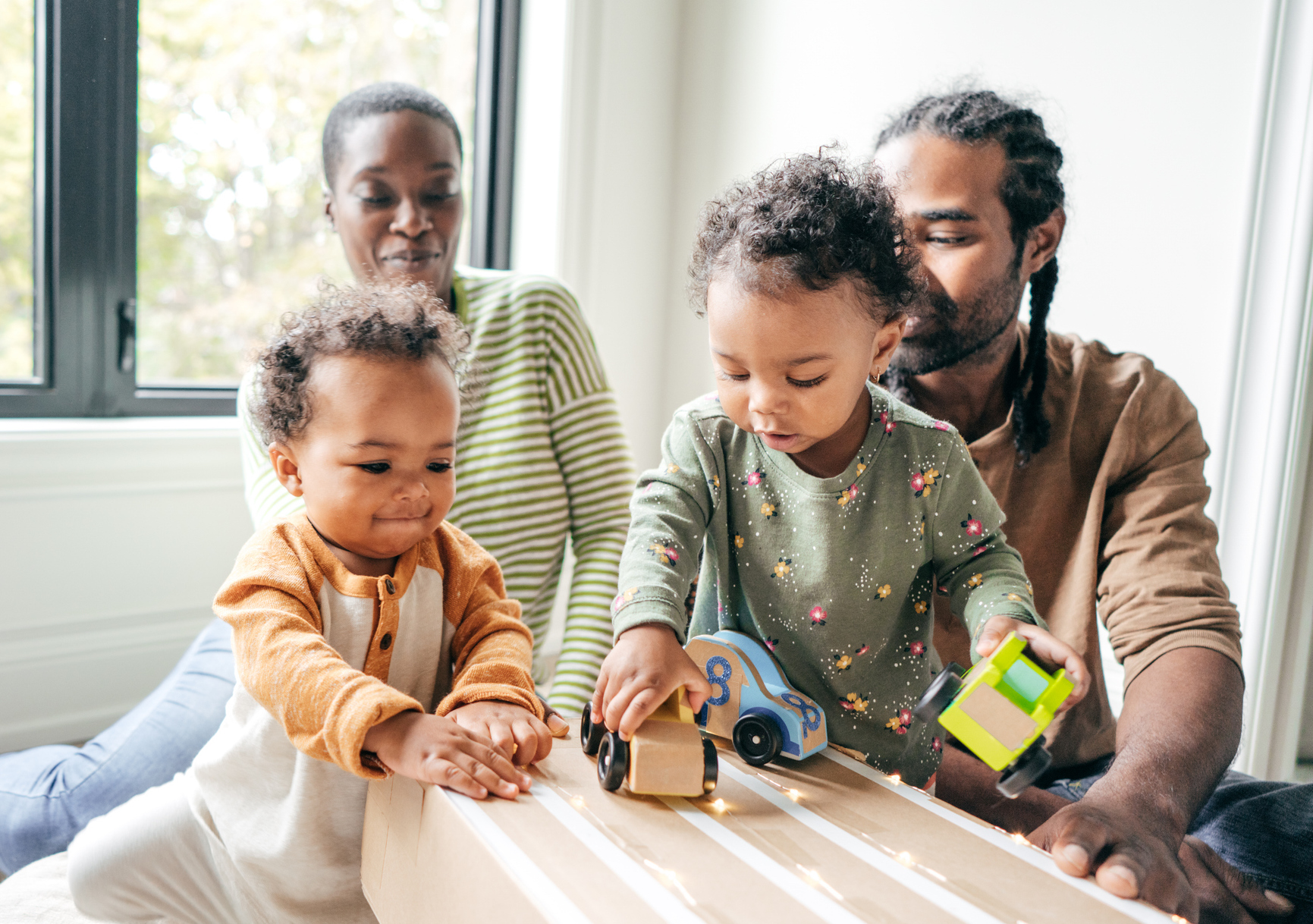
Age-Appropriate Learning Activities for Toddlers and Preschoolers
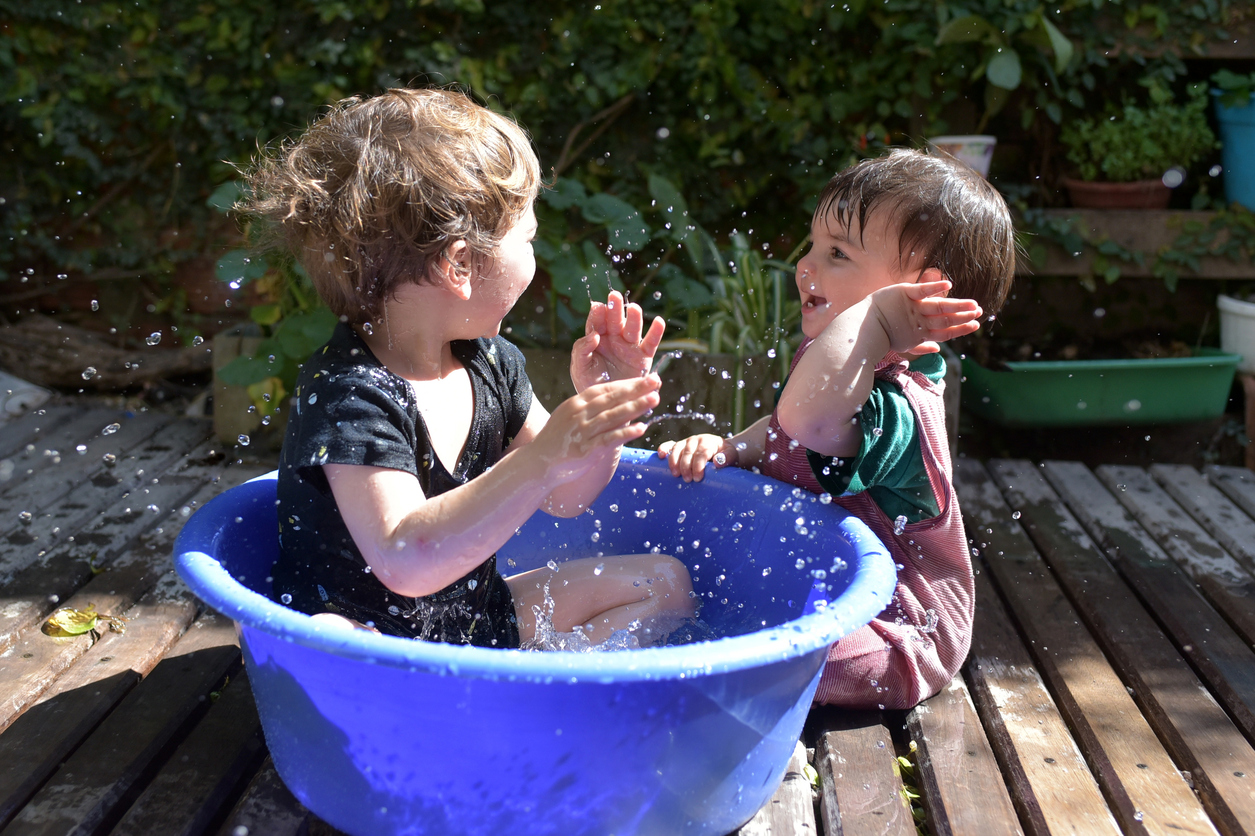
Water Play Activities for Toddlers
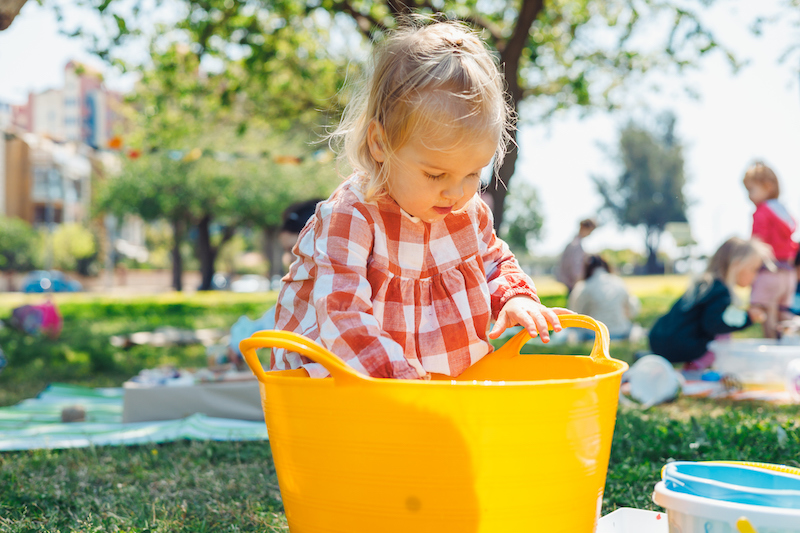
Sensory Activities for 2-Year-Olds: Brain-Building Through Play
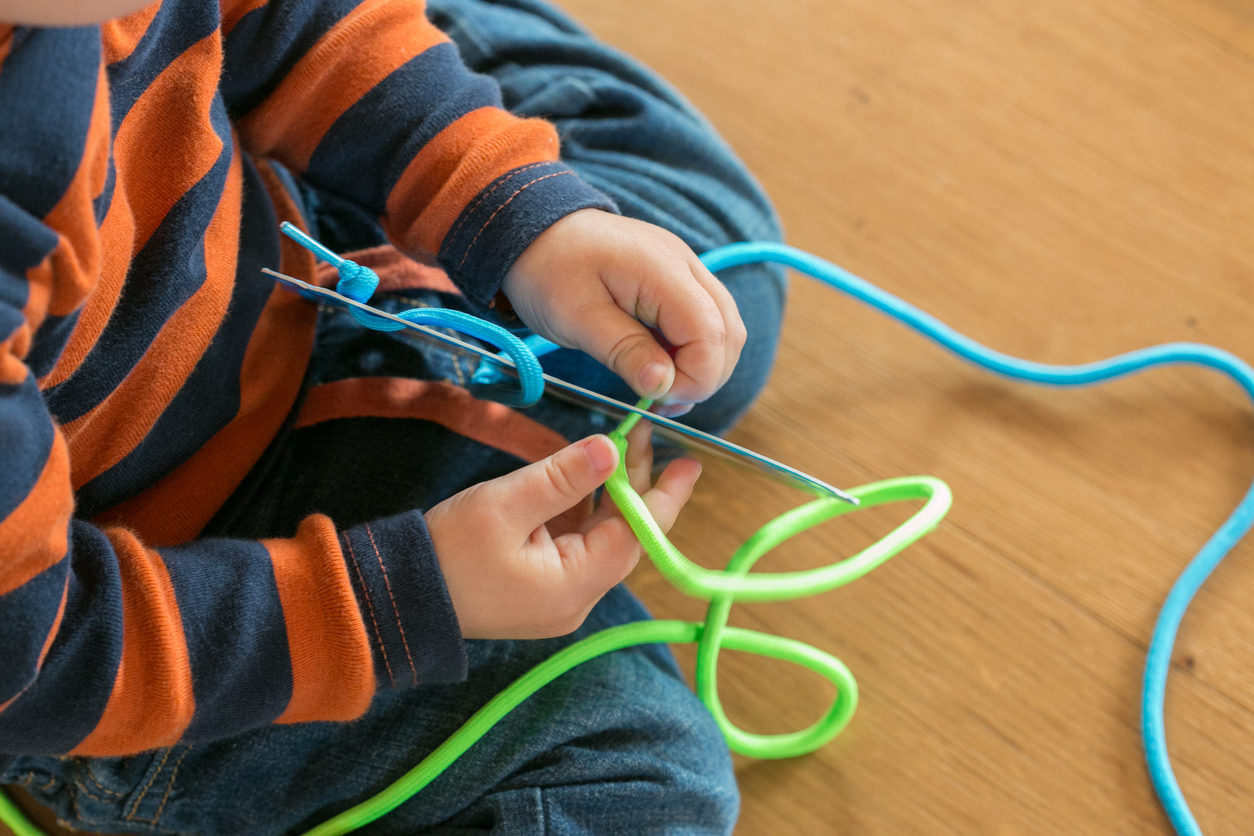
Threading and Lacing Activities for Preschoolers

The Secret to Boosting Your Child’s Vocabulary: Pointing Gesture
When to Start Potty Training
How to Raise a Problem-Solver

Building Vocabulary in Toddlers Through Play: The Science-Backed Approach

50 Boredom Busters for Toddlers and Preschoolers
Best Scissor Skills Activities for Preschoolers
STEM Activities Using Kitchen Items for Preschoolers and Kindergarteners
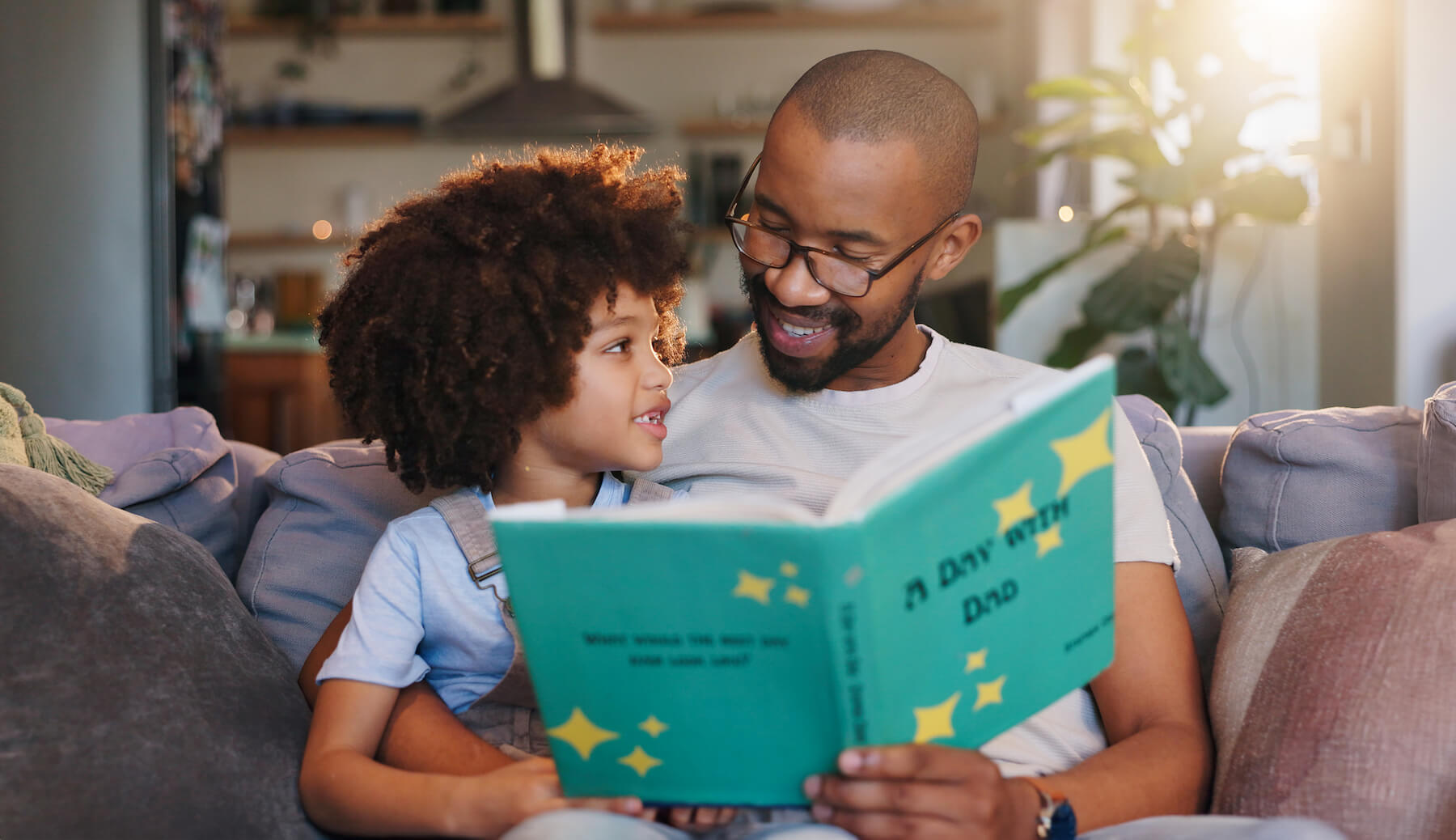
Rhyming Games for Preschoolers: The Secret to Reading Success
Fine Motor Activities for 3-Year-Olds: The Complete Guide to Building Strong, Skilled Hands
Playdough Activities That Build Fine Motor Skills: The Science-Backed Guide for Parents and Teachers

Understanding Your Child’s Language Development

Understanding Executive Functions: Your Child’s Cognitive Toolkit for Success

Bringing WonJo Kids into Your Classroom: A Teacher’s Guide
Sight Words for Kindergarteners: A Complete Parental Guide
25 Fun Sorting Activities for Preschoolers – Easy, Printable & Hands-On Ideas

12 Best Pattern Activities for Preschoolers That Build Math & Reading Skills

Signs of Giftedness in Toddlers: What to Look For

The Benefits of (Quality) Interactive Learning Apps for Preschoolers
Counting Activities for 3-Year-Olds: 20 Simple & Fun Ways to Grow Early Math Skills
Best Books for 3 Year Olds: 50+ Must-Read Picks to Spark a Love of Reading

Scientific Experiments for Preschoolers: 15+ Easy Activities That Spark Curiosity and Learning
Teaching Phonics at Home: A Parent’s Guide to Building Strong Readers

2-Year-Old Milestones: What to Look For

Building Confidence and Skills for Kindergarten Readiness

Understanding Your Child’s Gross Motor Development

Beat the Summer Slide Without Breaking a Sweat
Raising Tomorrow’s STEM Leaders: The Power of Spatial Skills

How to Turn Storytime into a Learning Moment?

Embracing Your Child’s Unique Strengths and Challenges: Understanding Learner Variability


