


Child Development Research vs. Parenting Advice: What Parents Really Need to Know

If you search for anything about your child’s development, you’ll quickly notice that everyone seems to have advice.
“Do more.”
“Start earlier.”
“Don’t miss the window.”
“Stimulate constantly.”
Furthermore, social media seems to suggest that every little choice you make will have an impact on your child’s future. Thus, it is not surprising that a lot of parents experience pressure to maximize every opportunity. Parenting advice often oversimplifies or exaggerates research findings. However, developmental research presents a more balanced picture. And often, what parents are told sounds far less nuanced and far more urgent than what developmental science actually shows. Parenting advice expands to fill every anxiety parents have which is partly why it so often contradicts itself. Parental beliefs and child development looks at the research side of that equation, examining how the stories parents tell themselves about development shape what they actually do.
Let’s take a closer look at what parents are commonly told, and what developmental science really emphasizes.
What Parents Are Often Told
Across parenting blogs, social media, and well-meaning conversations, common messages include:
- “More stimulation is better.”
- “The earlier you start, the smarter they’ll be.”
- “If your child is not doing X yet, you should worry.”
- “Good parents are always teaching.”
- “You need the right toys, programs, and activities.”
These messages can apply to almost every area of development. The problem is not that development matters. It’s that the messaging often creates pressure instead of understanding.
What Research Actually Says
Developmental research across language, cognitive, social-emotional, and motor development consistently highlights three core principles.
1. Responsiveness Matters More Than Intensity
According to research, responsive relationships, rather than continuous stimulation, are where development flourishes. This applies across domains:
- Language develops through back-and-forth interaction.
- Social-emotional skills grow when caregivers notice and respond to feelings.
- Cognitive skills strengthen when adults scaffold problem-solving rather than solve everything.
- Motor development progresses when children are given space to explore safely.
For example, a parent who observes their child’s frustration while solving a puzzle and provides gentle support is encouraging both cognitive persistence and emotional regulation. One practical application of research-informed parenting is looking for what a child can do rather than cataloguing what they cannot yet. Every child has a learning superpower is built around exactly that observational shift , finding the specific strength that lives inside what parenting advice might label as a difficulty
2. Interaction Is More Powerful Than Exposure
Children do not develop simply by being surrounded by information, toys, materials, or activities. Development does not happen through exposure alone. It happens through interaction.
So, what do we mean by “interaction”?
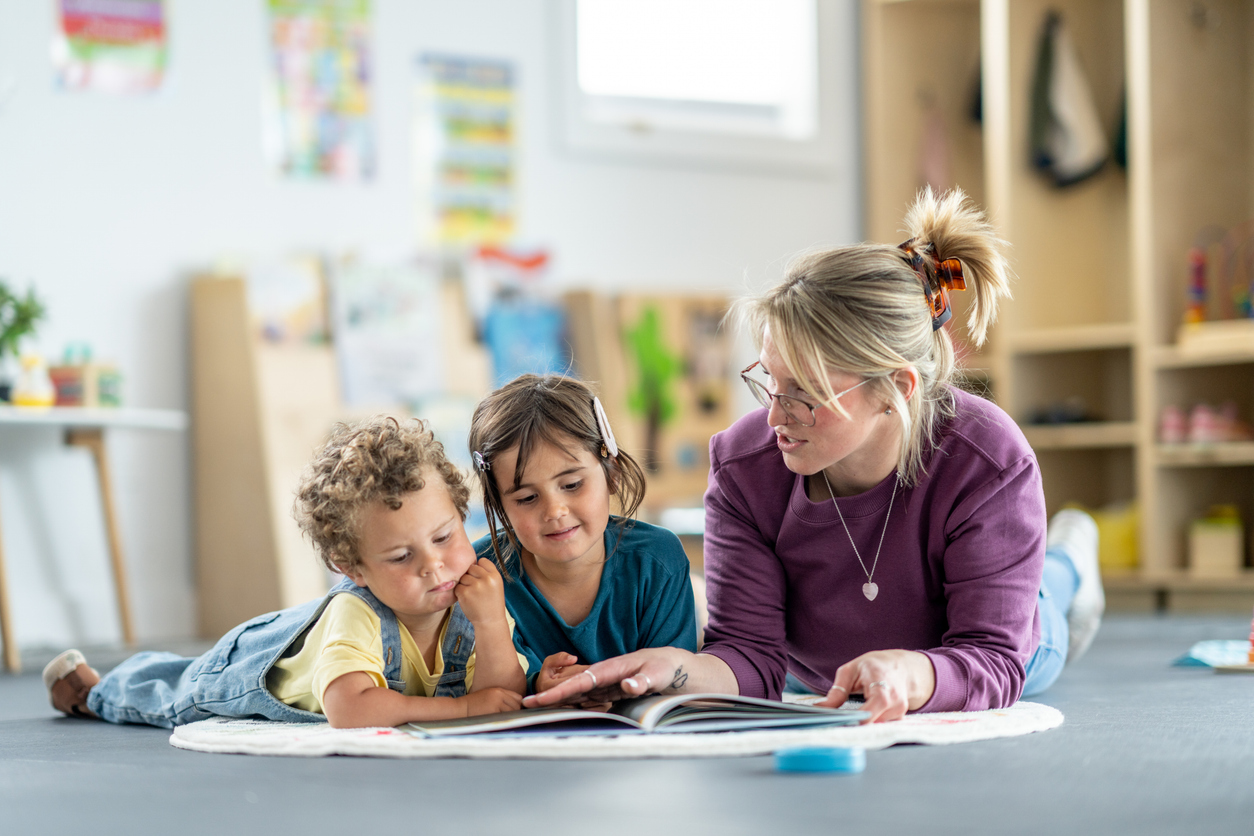
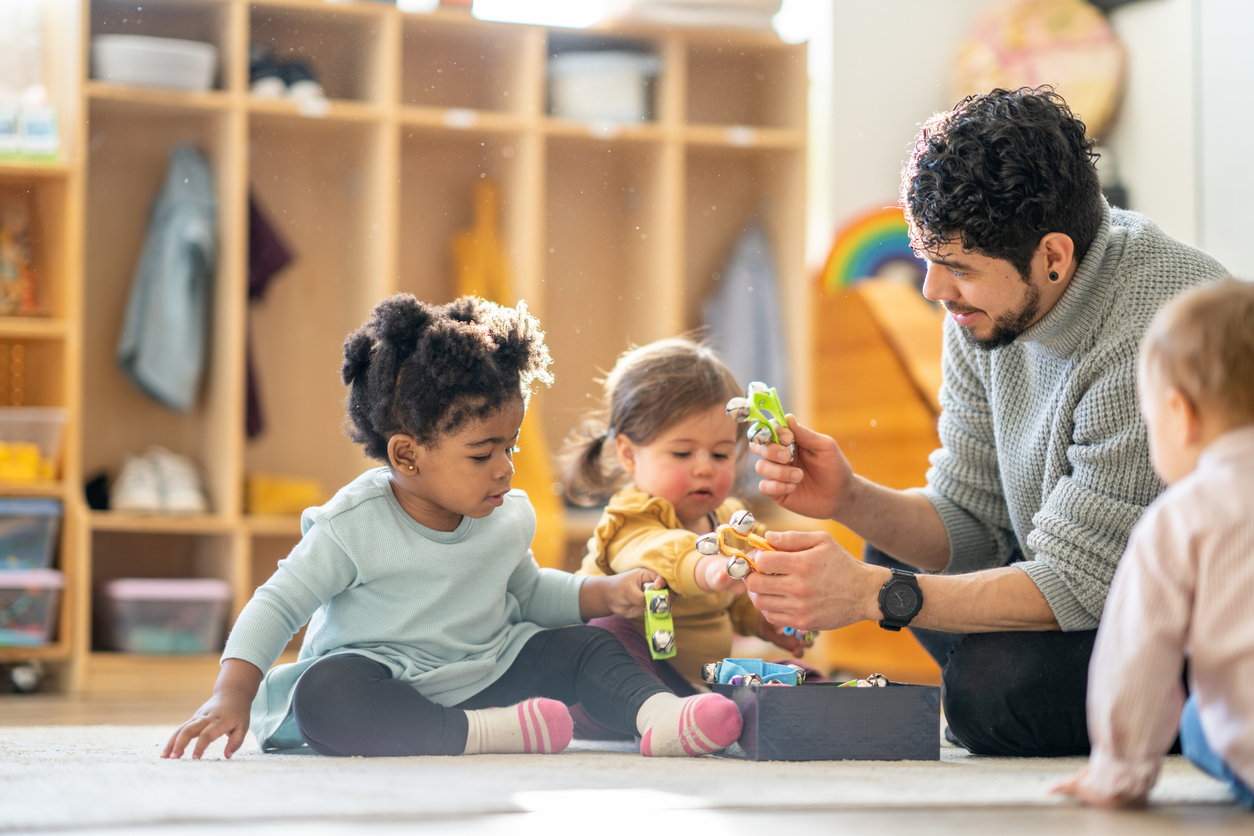
Interaction is not constant talking, teaching, or directing. It is a dynamic pattern of mutual engagement in which:
- a child initiates something, a look, a sound, an action,
- an adult notices and responds, and
- the child adjusts or builds on that response.
This cycle, shared moment, becomes the foundation for learning.
Why does this matter?
Because interaction organizes experience. Through interaction, children:
- Learn that their actions have an impact.
- Learn to control emotions through co-regulation.
- Learn to solve problems by thinking together with someone.
- Learn to trust in a relationship.
- Improve attention and persistence skills.
Exposure is a passive experience, whereas interaction is an active and relational experience. And interaction does not require special materials, toys, or activities. It happens in everyday moments, such as during meals, dressing, or playing. After the research, the question becomes practical: what do I actually do with my child today? Age-based learning activities gives you the applied version activities organised by developmental stage that are grounded in the same science described in this article.
3. Development Is Variable and Non-Linear
Across different domains, research indicates that there are differences in:
- When children walk,
- When they say their first words,
- How long do they focus on tasks,
- How socially outgoing they are, etc. The gap between research and advice is particularly wide on milestones, what researchers treat as approximate ranges, parenting culture often treats as deadlines. Inchstones reframes those benchmarks entirely, asking parents to look at the small incremental progress that research says is just as significant
Development does not unfold in a straight line. It includes pauses, bursts, regressions, and leaps. For example, a toddler who is learning to walk may temporarily use fewer words. Learning to walk requires enormous cognitive, motor, and attentional resources. When a child is concentrating intensely on balance and movement, you may notice fewer verbal attempts for a short period. This does not mean language is regressing; instead, it means energy and resources are being directed toward a new motor skill. One of the most robust findings in child development research is that children vary enormously in how and when they develop , which is precisely what popular parenting advice tends to flatten into a single timeline. Embracing your child’s unique strengths puts that variability into a useful framework
Why Parenting Advice Often Feels More Intense Than Research?
Research tells us probabilities and trends across groups of children. However, parenting advice often turns those trends into rules.
- A study finds that responsive caregiving supports development.
- The message becomes: “Always respond immediately.”
- Parents feel they must be perfectly attuned at all times.
But research does not support perfection. It supports “good-enough” caregiving: consistent, warm, but human.
The Take-Home Message
Research does not say you must optimize every moment.
It does not say development depends on constant enrichment.
It does not say that one missed opportunity will determine your child’s future.
But research tells us one thing and one thing only: optimal development is supported by consistent, responsive relationships that tolerate imperfection and recognize the natural variability of growth.

Frequently Asked Questions
What is child development in simple words?
Child development is how children grow, learn, move, think, talk, and handle feelings over time.
How is child development different from parenting advice?
Child development explains what is typical for a child’s age. Parenting advice suggests ways adults can respond.
Why should parents understand child development?
It helps parents set realistic expectations, support milestones, and respond with more patience and confidence.
How do I know if parenting advice is right for my child?
Check if it fits your child’s age, temperament, needs, and family values. One tip does not work for every child.
Related Post
Benefits of Block Play: What Children Really Learn
30 Preschool Classroom Activities That Make Learning Feel Like Play
30 Fun CVC Word Games & Activities to Teach Phonics for Kids Offline
Fun Alphabet Activities for 4-Year-Olds

Why Oceans Matter: A Simple Ocean Learning Guide for Kids

15+ Road Trip Games for Toddlers and Preschoolers (Car Activities for Long US Drives)

What Order Should I Teach Letters to My Preschooler?
The Power of Wh- Questions for Kids

Top 15 Emotion Activities for Kids
How to Support Your Child’s Focus
How to Build Your Child’s Adaptability (or Cognitive Flexibility)
Popular Nursery Rhymes for Kids: Songs That Teach, Songs That Last
15 Fun Activities to Build Gross Motor Skills
Speech Milestones in Children: Age-Wise Guide to parents

How to Build Your Child’s Self-Control
Tweezers and Tongs Activities for Little Hands
Alphabet Books Every Preschooler Should Read
Teaching Sharing and Turn-Taking to Toddlers
Simple Ways to Boost Your Child’s Working Memory

Messy Play Activities: A Detailed Parent Guide
15 Fun Preschool Learning Activities for 3-Year-Olds
Easy Sensory Bin Ideas for Toddlers
Age-Appropriate Learning Activities for Toddlers and Preschoolers
Water Play Activities for Toddlers
Sensory Activities for 2-Year-Olds: Brain-Building Through Play
Threading and Lacing Activities for Preschoolers

The Secret to Boosting Your Child’s Vocabulary: Pointing Gesture
When to Start Potty Training
How to Raise a Problem-Solver

Building Vocabulary in Toddlers Through Play: The Science-Backed Approach

50 Boredom Busters for Toddlers and Preschoolers
Best Scissor Skills Activities for Preschoolers
STEM Activities Using Kitchen Items for Preschoolers and Kindergarteners

Rhyming Games for Preschoolers: The Secret to Reading Success
Fine Motor Activities for 3-Year-Olds: The Complete Guide to Building Strong, Skilled Hands
Playdough Activities That Build Fine Motor Skills: The Science-Backed Guide for Parents and Teachers

Understanding Your Child’s Language Development

Understanding Executive Functions: Your Child’s Cognitive Toolkit for Success

Bringing WonJo Kids into Your Classroom: A Teacher’s Guide

Sight Words for Kindergarteners: A Complete Parental Guide
25 Fun Sorting Activities for Preschoolers – Easy, Printable & Hands-On Ideas
12 Best Pattern Activities for Preschoolers That Build Math & Reading Skills

Signs of Giftedness in Toddlers: What to Look For

The Benefits of (Quality) Interactive Learning Apps for Preschoolers
Counting Activities for 3-Year-Olds: 20 Simple & Fun Ways to Grow Early Math Skills
Best Books for 3 Year Olds: 50+ Must-Read Picks to Spark a Love of Reading

Scientific Experiments for Preschoolers: 15+ Easy Activities That Spark Curiosity and Learning
Teaching Phonics at Home: A Parent’s Guide to Building Strong Readers

2-Year-Old Milestones: What to Look For
Building Confidence and Skills for Kindergarten Readiness

Understanding Your Child’s Gross Motor Development

Beat the Summer Slide Without Breaking a Sweat
Raising Tomorrow’s STEM Leaders: The Power of Spatial Skills

How to Turn Storytime into a Learning Moment?

Embracing Your Child’s Unique Strengths and Challenges: Understanding Learner Variability


