


What Order Should I Teach Letters to My Preschooler?
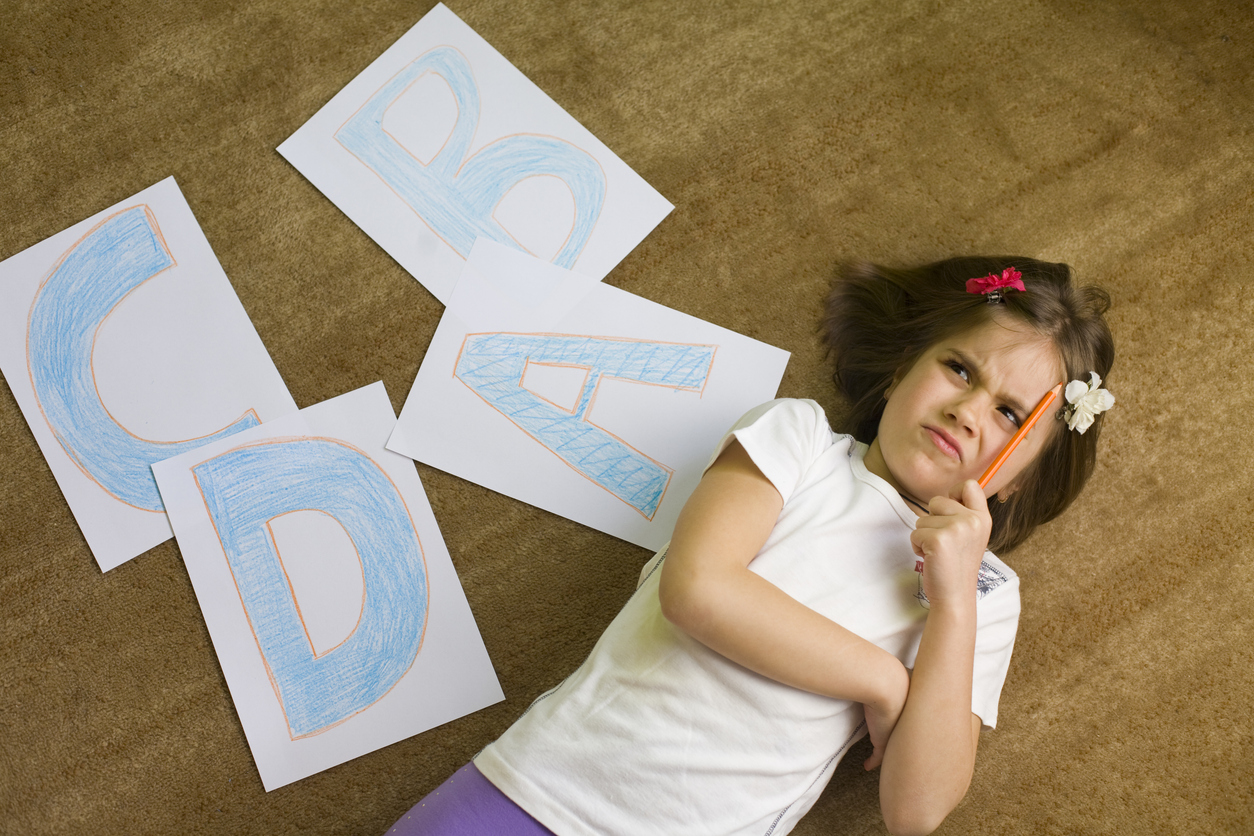
Teaching letters in traditional ABC order might feel natural, but experts recommend a more strategic sequence for preschoolers to build confidence and early reading skills faster. Imagine your little one lighting up as they blend “s-a-t” into “sat” after just a few playful weeks. That’s the magic of smart letter teaching.
This super-friendly guide keeps things light, fun, and totally doable at home, matching WonJo Kids’ cozy vibe with hands-on joy and zero pressure. Dive in with your preschooler for giggles and growth.
Why We Don’t Teach Letters in ABC Order
When children are taught letters strictly in A–Z order, they often spend weeks learning sounds without being able to use them. This can be frustrating, because kids naturally want to do something meaningful with what they’ve learned.
Instead, children learn best when they experience quick wins. A thoughtfully chosen letter sequence helps them start blending sounds early, forming simple words, and feeling proud of themselves. Those early successes build confidence and keep learning fun. That’s why many phonics-based programs don’t follow alphabetical order. Here are the key reasons:
- Early word formation: With just the first six letters (like S, A, T, P, I, N), children can read dozens of words like “sat,” “pin,” and “nap” within their first few days, rather than waiting weeks to spell anything meaningful.
- High-frequency letters first: Some letters appear much more often in English than others. By starting with high-frequency letters, kids get more opportunities to practice and see these letters everywhere in books and signs.
- Simple sounds before complex ones: Letters that make one consistent sound (like ‘S’ and ‘T’) are introduced early, while letters with multiple sounds are saved for later when kids have a stronger foundation.
- Avoiding visual confusion: Similar-looking letters like ‘b’ and ‘d’ are spaced apart in the sequence, giving children time to master one before learning its mirror image.
- Building motivation through success: When children can actually read words quickly, they stay engaged and excited about learning, which makes all the difference in building lifelong readers.
The Phonics Approach We Use
We follow a teaching sequence inspired by Oxford Floppy’s Phonics. This approach was recommended by our team of experienced educators and is designed to help children begin reading sooner without pressure.
The focus is on:
- Letters with clear, easy-to-hear sounds
- Sounds that blend smoothly together
- Helping kids read simple words early, not just memorize letters
We also encourage starting with the letters in your child’s own name whenever possible. It creates an instant personal connection and boosts engagement. Knowing the name of a letter and knowing its sound are two separate skills that often get taught as if they’re one. Phonics for kids clarifies that distinction and explains when to introduce sounds alongside names — which changes the teaching sequence in a useful way
Recommended Letter Learning Sequence
Below is the letter order we use in our app, grouped to support early blending and gradual mastery.Here is your revised and aligned table based on the updated grouping:
| Stage | Letters Introduced | Why This Group Works | Example Words Kids Can Build |
| Stage 1 | S, A, T, P | Strong continuous sounds that blend easily and allow quick word building | sat, tap, pat |
| Stage 2 | I, N, M, D | Adds common sounds to expand blending and create more CVC words | pin, man, dim |
| Stage 3 | G, O, C, K | Introduces new consonant sounds and another vowel for word variety | dog, cot, got |
| Stage 4 | U, B, F, E | Builds confidence with new vowel sounds and stronger blending practice | bug, fun, bed |
| Stage 5 | L, H, R, J | Supports smoother blending and more complex CVC combinations | hen, jar, red |
| Stage 6 | V, Y, Z, W, X, Q | Less frequent or trickier sounds introduced after blending is secure | yes, zip, wax |
How to Use This Sequence at Home or in Class
- Introduce 1–2 letters per week. Once you’ve settled on which letters to start with, the Uppercase Letter Tracing A to Z worksheet gives children a structured way to practise formation – tracing before writing independently, which is exactly the right sequence for this age
- Use games, songs, tracing, and play, not drills
- Review previously learned letters often. Children need to recognise a letter before they can write it — the Find the Letter worksheets are built for exactly that stage, giving children a specific letter to hunt for across a page before any tracing or formation work begins.
- Celebrate every small success—even reading one word matters
Reading doesn’t start with perfection—it starts with confidence. When children can read real words early on, learning feels exciting, achievable, and joyful.
Easy First Words for Practice
These words are built mostly from early letters like s, a, t, p, i, n, m, d, o, g and are great for sounding out.
Simple 2-Letter Words
Two-letter words help children practice blending sounds without feeling overwhelmed. They’re perfect for quick confidence boosts and playful reading moments. These include
At, it, in, is ,am, up, on
First 3-Letter (CVC) Words
You can group these by word families to keep things simple for parents.
“-at” family
sat, pat, mat, cat, bat
“-an” family
pan, man, can, tan
“-am” family
Sam, ham, jam
“-ap” family
tap, map, cap
“-it” family
sit, pit, hit
“-in” family
pin, tin, win
“-og” family
dog, log, hog
“-ot” family
pot, hot, not
“-ip” family
sip, tip, dip
Practice these with our fun CVC Word Blending Game—kids drag letters to build and sound out words like ‘sat’ and ‘cat’
Easy, Meaningful Words for Toddlers
These feel real and can be pointed out during everyday life:
- mum / mom
- dad
- sun
- hat
- bag
- bed
- cup
- box
Once your child knows a handful of letter sounds (like s, a, t, p, i, n, m, d), you can start playing with tiny words like “sat,” “pin,” “sit,” “dog,” and “mum.”
Fun Daily Activities (5–10 Minutes)
Turn learning into play—no worksheets needed. Narrate like a story to match WonJo Kids’ playful style.
- Letter Hunt: Hide foam letters around the room. Find and say the sound.
“Sss—snake under the couch!” - Sound Sorting: Group toys by initial sound (t for trucks, s for soft toys). Switch rules to keep it flexible.
- Playdough Letters: Roll and form letters while humming the sound. Start with name letters for ownership.
- Snack Patterns: Arrange crackers or fruits as letters (m, a, t). Blend ‘mat,’ then eat each letter as you say it. Swap the first letter, and make ‘cat’ or ‘hat’!
- Movement Rhymes: Act out letter sounds. You can slither like a snake for ‘sss,’ hop like a rabbit for ‘rrr,’ or march for ‘mmm.’
Watch Progress & Avoid Pitfalls
Most children recognize letters from their name by age 3 and master the alphabet between 4–5 with consistent, playful practice.
- Start with uppercase letters (easier to recognize), then introduce lowercase. The Alphabet Match Uppercase Lowercase game is particularly useful at this stage — children match the capital and small form of each letter, which builds the visual connection between the two versions that reading requires
- Praise effort, not perfection.
- If your child gets stuck, revisit the previous group—rushing can confuse similar letters like b and d.
- Use a simple fridge chart to celebrate progress together. Once a few letters are secure, the Missing Letters A to Z worksheet is a good check-in — children fill in the gaps in a partial alphabet, which shows you which letters are solid and which ones still need more exposure without making it feel like a test
Final Thoughts
As you wrap up each playful session, remember to keep letter learning joyful with short daily bursts. Your preschooler’s “aha!” moments will emerge naturally. For example, celebrate small wins like blending “s-a-t” with a high-five or sticker. Ultimately, this consistent, pressure-free approach builds lasting confidence and a lifelong love of words.

Frequently Asked Questions
What order should I teach letters to my preschooler?
Start with useful, easy-to-blend letters like S, A, T, P, I, and N instead of strict ABC order.
Should kids learn letters in ABC order?
ABC order is fine for songs, but phonics learning works better when letters help children build simple words early.
How many letters should I teach at a time?
Introduce 1-2 letters per week and keep reviewing old letters through play, songs, tracing, and stories.
Should I teach uppercase or lowercase letters first?
Many children find uppercase easier to recognize first, then they can slowly connect each letter to its lowercase form.
Related Post

30 Preschool Classroom Activities That Make Learning Feel Like Play
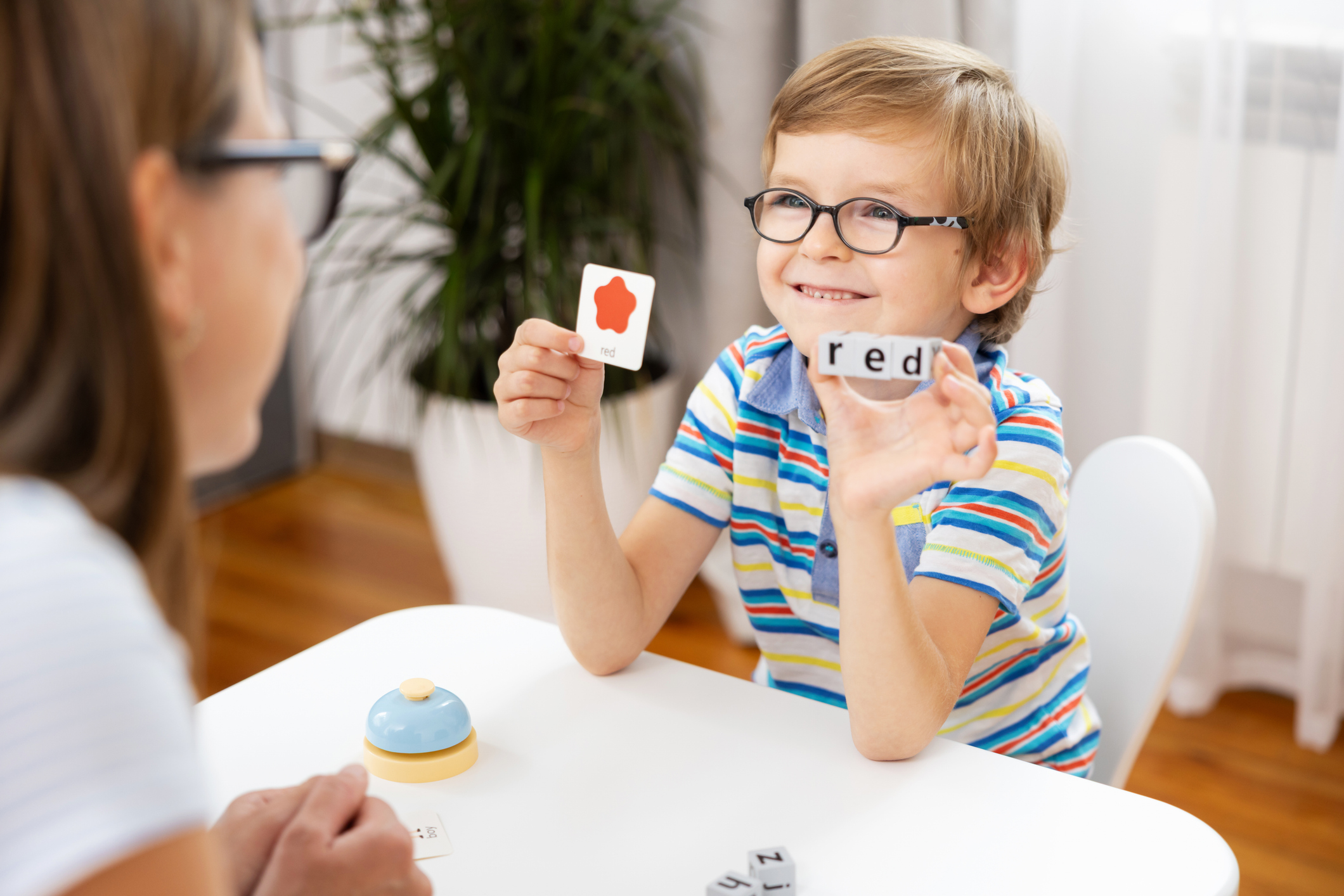
30 Fun CVC Word Games & Activities to Teach Phonics for Kids Offline
Fun Alphabet Activities for 4-Year-Olds

Why Oceans Matter: A Simple Ocean Learning Guide for Kids

15+ Road Trip Games for Toddlers and Preschoolers (Car Activities for Long US Drives)
The Power of Wh- Questions for Kids

Top 15 Emotion Activities for Kids

Child Development Research vs. Parenting Advice: What Parents Really Need to Know

How to Support Your Child’s Focus
How to Build Your Child’s Adaptability (or Cognitive Flexibility)

Popular Nursery Rhymes for Kids: Songs That Teach, Songs That Last
15 Fun Activities to Build Gross Motor Skills

Speech Milestones in Children: Age-Wise Guide to parents

How to Build Your Child’s Self-Control

Tweezers and Tongs Activities for Little Hands

Alphabet Books Every Preschooler Should Read

Teaching Sharing and Turn-Taking to Toddlers
Simple Ways to Boost Your Child’s Working Memory

Messy Play Activities: A Detailed Parent Guide

15 Fun Preschool Learning Activities for 3-Year-Olds
Easy Sensory Bin Ideas for Toddlers

Age-Appropriate Learning Activities for Toddlers and Preschoolers
Water Play Activities for Toddlers

Sensory Activities for 2-Year-Olds: Brain-Building Through Play
Threading and Lacing Activities for Preschoolers

The Secret to Boosting Your Child’s Vocabulary: Pointing Gesture
When to Start Potty Training
How to Raise a Problem-Solver

Building Vocabulary in Toddlers Through Play: The Science-Backed Approach

50 Boredom Busters for Toddlers and Preschoolers
Best Scissor Skills Activities for Preschoolers

STEM Activities Using Kitchen Items for Preschoolers and Kindergarteners

Rhyming Games for Preschoolers: The Secret to Reading Success
Fine Motor Activities for 3-Year-Olds: The Complete Guide to Building Strong, Skilled Hands
Playdough Activities That Build Fine Motor Skills: The Science-Backed Guide for Parents and Teachers

Understanding Your Child’s Language Development

Understanding Executive Functions: Your Child’s Cognitive Toolkit for Success

Bringing WonJo Kids into Your Classroom: A Teacher’s Guide
Sight Words for Kindergarteners: A Complete Parental Guide

25 Fun Sorting Activities for Preschoolers – Easy, Printable & Hands-On Ideas

12 Best Pattern Activities for Preschoolers That Build Math & Reading Skills

Signs of Giftedness in Toddlers: What to Look For

The Benefits of (Quality) Interactive Learning Apps for Preschoolers
Counting Activities for 3-Year-Olds: 20 Simple & Fun Ways to Grow Early Math Skills
Best Books for 3 Year Olds: 50+ Must-Read Picks to Spark a Love of Reading

Scientific Experiments for Preschoolers: 15+ Easy Activities That Spark Curiosity and Learning
Teaching Phonics at Home: A Parent’s Guide to Building Strong Readers

2-Year-Old Milestones: What to Look For

Building Confidence and Skills for Kindergarten Readiness

Understanding Your Child’s Gross Motor Development

Beat the Summer Slide Without Breaking a Sweat

Raising Tomorrow’s STEM Leaders: The Power of Spatial Skills

How to Turn Storytime into a Learning Moment?

Embracing Your Child’s Unique Strengths and Challenges: Understanding Learner Variability


