


30 Fun CVC Word Games & Activities to Teach Phonics for Kids Offline
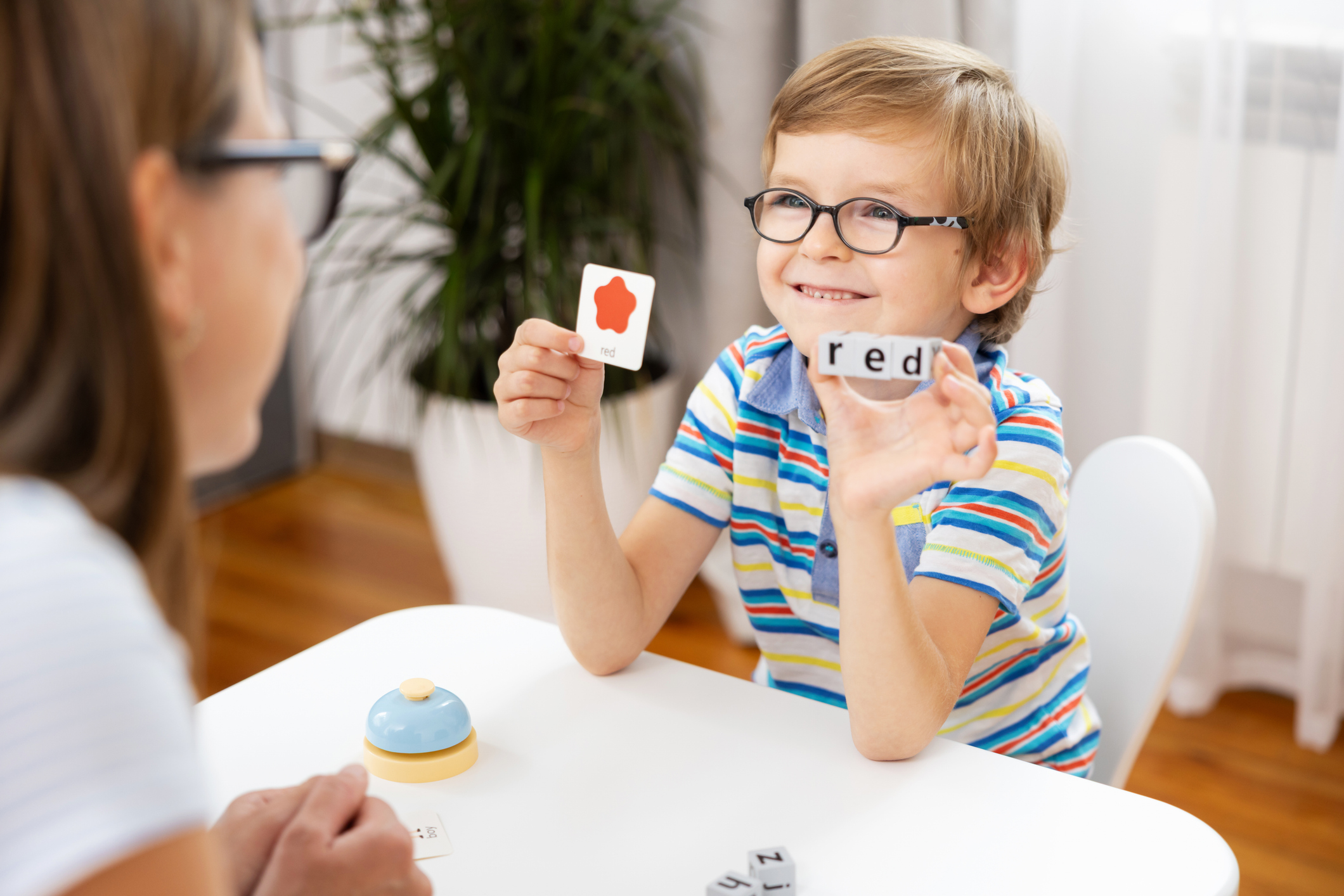
When your kid is learning to read, somewhere between “cat” and “sit,” things can get a little stuck. You’ve probably tried flashcards. Maybe worksheets. But that doesn’t fill in the gap.
When kids are having fun, their brains are primed to learn. That’s not just a nice idea, it’s backed by decades of research in early childhood development. So if you want your little one to actually crack the code on phonics, the secret is making it feel like play.
That’s exactly what these 30 CVC word games are for. Simple. Quick. No special prep needed. Whether you’re a parent squeezing in 10 minutes before dinner or a teacher looking for fresh circle-time ideas, you’ll find something here.
What’s a CVC word?
CVC stands for Consonant-Vowel-Consonant. These are short, simple 3-letter words that are the building blocks of reading. They’re the first words kids often decode on their own.
Short vowel sounds are the focus: a, e, i, o, u
Examples: • cat • dog • sit • hen • bug • pin • map • tub
CVC word blending only works if children already know the individual sounds. The Alphabet Tracing & Phonics Game is a useful pre-CVC activity — it builds letter-sound associations through tracing and audio before children are asked to blend those sounds together
30 Games You Can Play Right Now
Most need nothing but you and your child. A few need simple supplies you likely already have.
Category 1 : Spoken Word Games
1. Sound Stretch
Say a CVC word in a funny, stretched-out voice — “s-s-s-a-a-a-t” — and have your child guess the word. Then swap! Kids LOVE hearing you sound ridiculous. They’ll want to go again and again.
Say a word slowly in a robot voice, blending sounds. The child guesses the word. Switch roles and let them stretch the sounds for you.
2. Car Ride Word Chain
Perfect for the school run. Say a CVC word, then change just one letter to make a new word. “Cat → bat → bad → bag.” How long can the chain go before someone gets stumped?
Start with any CVC word. Players take turns changing one sound (beginning, middle, or end). CVC word families — cat, bat, hat, mat — are rhyme families. Children who are already strong rhymers often find CVC blending much easier because they already hear how those endings work. Rhyming games for preschoolers builds that phonological foundation before CVC decoding formally begins.
3. Whisper the Word
Something about whispering makes kids lean in and focus hard. Whisper a CVC word sound by sound — “p… i… n” — and watch them piece it together. Suddenly phonics is a secret mission.
Whisper each sound with a tiny pause between. The child blends and says the whole word out loud. Works great at bedtime, too!
4. I Spy a Sound
Classic I Spy, with a phonics twist. “I spy something that starts with /b/… it has a short ‘a’ in the middle… and it ends with /t/.” Great for building the habit of listening for individual sounds.
Describe an object in the room using its sounds, one at a time. The child looks around and guesses. Then let them give the clues!
5. Silly Word or Real Word?
Say a word. Sometimes real, sometimes made-up like “zup” or “bim.” Kids giggle at the silly ones and have to decide if it’s real. This sharpens sound-letter awareness fast.
Mix real CVC words and nonsense words. A child says “really” or “silly!” Real words get a thumbs up; silly ones get a thumbs down.
Category 2: Move-Your-Body Games
6. Clap It Out
Say a CVC word and clap once for each sound, not each syllable, each sound. “C-A-T” gets three claps. Kids love the rhythm of it, and the physical beat helps sounds stick in their memory.
Say the word together and clap each phoneme. Try stomping, snapping, or jumping instead of clapping for variety. Works great as a warm-up before reading time.
7. Jump the Word
Write three big circles on paper (or use tape on the floor). Each circle is one sound in a CVC word. Kids jump from circle to circle saying each sound, then blend it into a word at the end.
Write beginning, middle, ending sounds in the circles. Child hops to each, saying the sound, then leaps to a finish line and shouts the whole word.
8. Freeze & Blend
Play music. When it stops, call out CVC sounds one by one, “/d/… /o/… /g/.” Kids have to freeze and blend the words before they can dance again.
Pause music, say three sounds slowly. The first child to shout the blended word gets to restart the music.
9. Yoga Blend
Strike a pose for each sound. Hands up for the beginning sound, hands wide for the middle, hands down for the end — then stand tall and say the whole word.
The teacher or parent calls out sounds one at a time. The child makes a different movement for each. Works beautifully as a cool-down or transition activity.
10. Toss & Say
Toss a soft ball back and forth. Every time someone catches it, they say the next sound in a CVC word. The third catcher has to say the whole blended word.
Need a soft ball or rolled-up sock. Three tosses per word. Add more players and make it a relay for classroom fun.
Category 3: Sensory & Craft-Based Activities
11. Finger Write in Sand (or Salt)
Pour a thin layer of sand, salt, or sugar on a tray. Call out a CVC word sound by sound, a child traces each letter with their finger as they hear it.
Need a tray and sand/salt. Say a sound, they trace the letter. When the word is complete, say it together. Shake the tray to reset!
12. Paint the Word
Use watercolors, dot markers, or even a wet brush on dark paper. Say a CVC word and let kids paint each letter as they sound it out. Art meets phonics.
Needs basic art supplies. Call out a word; the child paints letter by letter. No wrong answers here — the process is the point.
13. Play-Dough Letter Squeeze
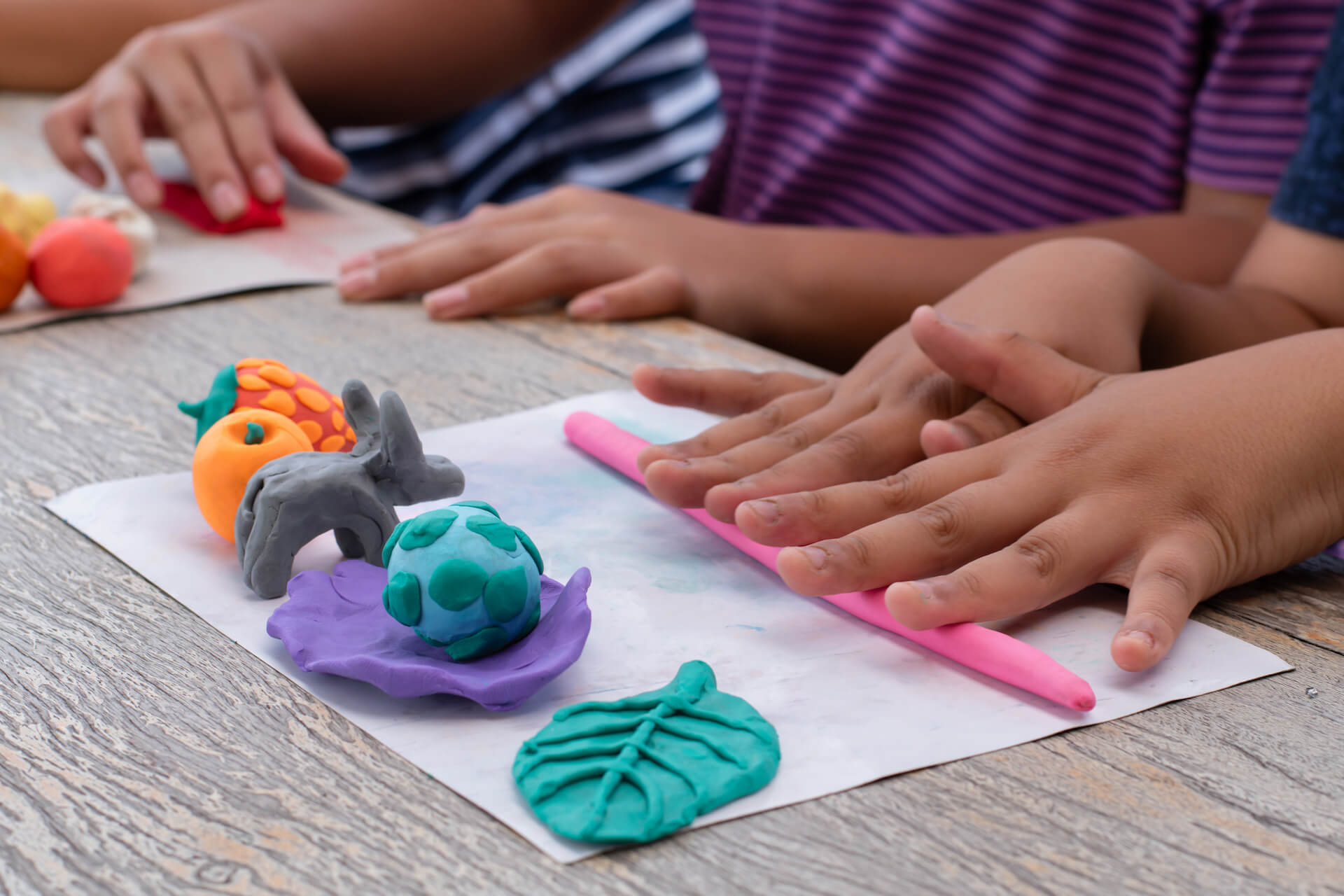
Roll play-dough into three little balls. Say a CVC word. The child squeezes ball 1 for the first sound, ball 2 for the middle, ball 3 for the last, then flattens them all together and says the whole word. Blending, literally.
Need play-dough. Can also have the child shape the dough into actual letters. Great for fine motor development alongside phonics.
14. Building Block Words
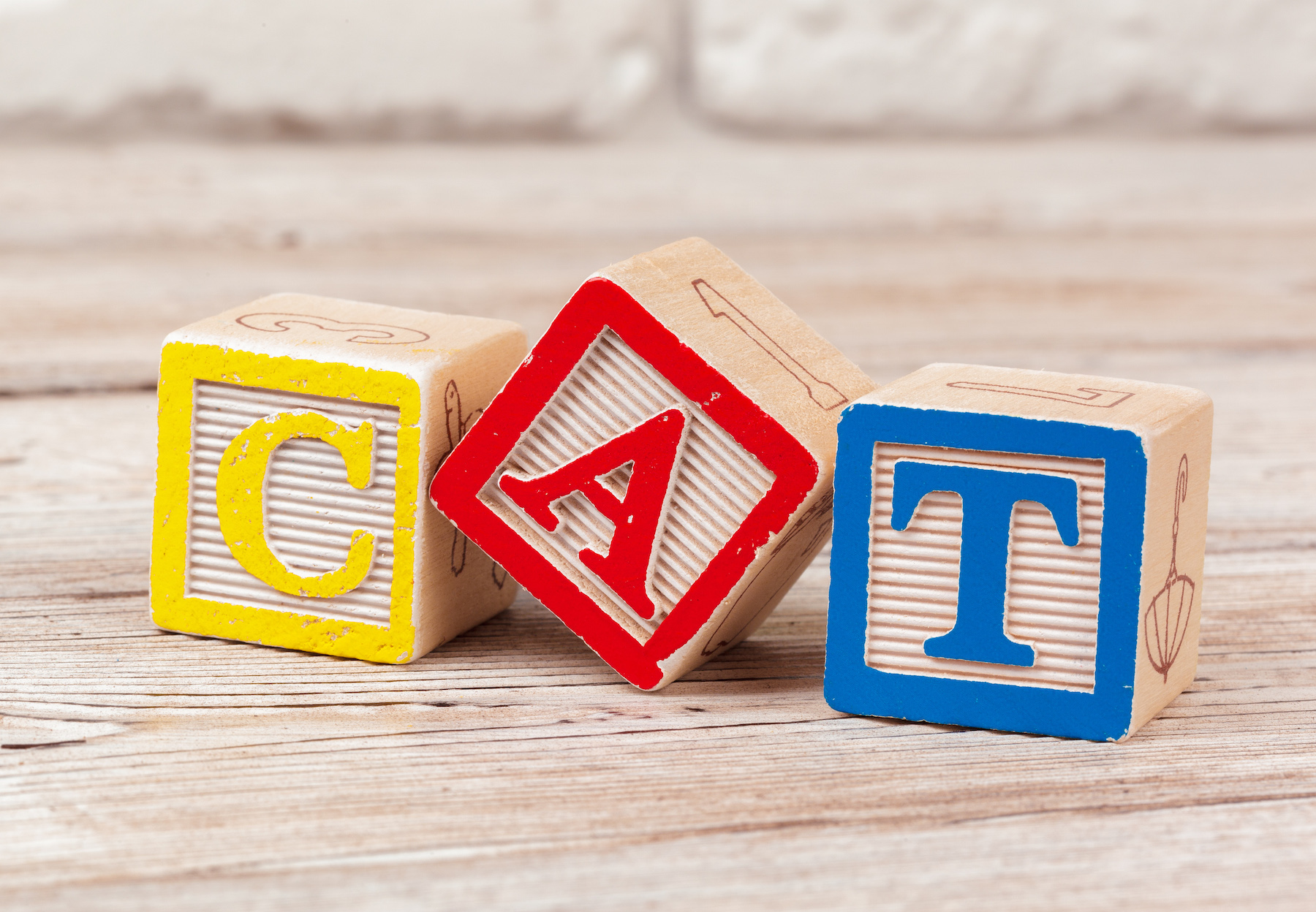
Write one letter on each block with a marker (or tape). Challenge kids to build CVC words by stacking the right blocks in order.
Needs wooden or foam blocks and a marker. Make multiple letter blocks so there are options. Try changing just the first block to make a new word!
15. Egg Carton Word Maker
Label three sections of an egg carton: Beginning, Middle, End. Write letters on small squares of paper. Kids pick a letter for each section to make a CVC word, then try to read it.
Needs an egg carton and letter squares. Fill Beginning with consonants, Middle with vowels, End with consonants. Let kids mix and match freely.
Kids learn phonics best when they can hear, say, see, and touch sounds at the same time. That’s why these multisensory games work so well — they hit multiple pathways at once. No textbook needed.
Category 4: Low-Prep Games with Simple Supplies
16. Spin & Read Wheel
Draw a simple spinner on cardboard divided into sections, each with a different beginning sound. Spin, then add “-at” (or “-og,” or “-ip”) and read the word you land on.
Needs cardstock and a pencil through the middle. Write consonants in each section. The child spins and blends with the chosen word family. They’ll spin it 20 times.
17. CVC Snap
Make two sets of simple CVC word cards. Deal them out and take turns flipping. When two matching words appear, the first player to shout the word and slap the pile wins the cards.
Needs two matching sets of CVC cards (index cards + marker work great). Matching on picture AND word cards builds both decoding and visual memory.
18. Word Bowling
Set up plastic bottles or toilet paper rolls as “pins.” Write a CVC word on each one. When a child knocks one down, they read the word on it.
Needs bottles/rolls, tape, and a soft ball. Write words on sticky tape so you can swap them out. Great for backyard or hallway play.
19. Go Fish for Words
Use magnetic letters or write letters on cards. Players ask each other for letters they need to complete a CVC word. When you collect all three, sound out and read your words.
Need a set of letter cards. Asking for letters by sound (not name) builds that all-important phoneme awareness.
20. Flashlight Word Hunt
Write CVC words on sticky notes and put them around the room. Turn off the lights. The child gets a flashlight and hunts for words. When the beam hits one, they read it out loud. This one gets requests for weeks.
Needs sticky notes, marker, and a flashlight (or phone torch). Works beautifully as a pre-bedtime game. Hunting words in the dark feels like an adventure.
Category 5 : Draw It, Write It, Read It
21. Draw the Word
Call out a CVC word. The child sounds it out, writes it (or tries to), then draws a picture of it. No wrong drawings here, a “pig” with eight legs is still a win.
Need paper and crayons. Keep a personal “word book” where kids add their drawings over time. Flip back through it and watch them beam.
22. Word Puzzle Match
Write CVC words on index cards, then cut each card into three pieces, one per letter. Mix them up. Kids assemble the puzzle pieces in the right order, sound out each letter as they place it.
Needs index cards, markers, scissors. Cut in wavy or zigzag lines so the pieces self-sort. Store each word’s pieces in a small bag. The Find the Missing Letter game is a digital version of the fill-in-the-blank activities in this article — children identify which letter completes the CVC word, which requires the same sound-blending skill that early reading demands in its most basic form.
23. My First CVC Storybook
Fold a few sheets of paper into a little book. Each page has one CVC word written by the child and a drawing. By the end, they’ve authored their first reader and they’ll want to read it to everyone.
Need paper and something to draw with. Keep books themed, “Animal Words,” “Food Words,” etc. Staple or clip the pages.
24. Label the Room
Go around the house and write CVC word labels for everything you can — “mat,” “cup,” “pot,” “bin,” “rug.” Stick them on. For a whole week, every time your child passes a label, they read it.
Needs sticky notes or tape. Focus only on CVC-able objects at first. After a week, challenge your child to re-stick labels on the right objects from memory.
25. Secret CVC Message
Leave a short “note” for your child using only CVC words like, “The cat sat. Get the cup. Hug the dog.” Reading becomes purposeful and exciting when there’s a message involved.
Write on paper or a whiteboard. Make the message lead to something fun like a snack, a game, a treasure. Real-world reading at its finest.
Category 6: Outdoor, Imaginative & Real-World
26. Sidewalk Chalk Word Hop
Write CVC words in big chalk letters on the sidewalk or driveway. Call out a word and the child runs and hops on it. Or call out a picture clue and watch them decode on the move.
Need chalk and an outdoor space. Write 8-10 words spread out. Rainy day version: use tape on the floor indoors with paper squares.
27. Word Hero Roleplay
Give your child a “Word Hero” badge (a sticker works). Their mission: to decode the villainous mixed-up words before time runs out! You scramble sounds out of order “t-a-c” and they save the day by unscrambling them.
No materials needed beyond imagination. Say sounds in scrambled order; child rearranges them. Start easy (only two sounds switched) and increase the challenge.
28. Grocery Store Word Hunt
At the store (or playing pretend store at home), challenge your child to find products with CVC words on the label such as “ham,” “jam,” “can,” “bag.”
No extra prep needed at a real store. For home, pull out pantry items and spread them on the table. First to find five CVC words wins!
29. Mini CVC Movie Director
Let your child “direct” a tiny video (on your phone) where they read a CVC word, then act it out. “Hop!” — child hops. “Sit!” — child sits. Watching themselves back is incredibly motivating.
Need a phone camera. Write action CVC words on cards — hop, sit, run, pat, wag, dip. The child reads the word on camera, acts it out. Keep it under 2 minutes total.
30. CVC Dinner Table Challenge
While dinner is cooking (or happening!), take turns calling out a CVC word category, “Name a CVC food!” “Cob! Yam! Jam! Fig!” No writing, no materials, no pressure.
No materials needed. Make categories: CVC animals, CVC foods, CVC action words. Family members take turns. Wrong answers are laughed off, not corrected. Keep it light! When you’ve worked through several of these offline activities and want a digital version that uses the same CVC words, the CVC Word Games online picks up exactly where the physical activities leave off — same short-vowel families, different format.
Final Thoughts
Every child learns differently. At WonJo Kids, we believe the right environment, the right encouragement, and yes, the right games make all the difference. Bookmark this list, share it with a fellow parent or teacher, and come back whenever you need a fresh idea. We’re rooting for your little reader every step of the way. CVC words are the first decodable words children meet — the point at which phonics stops being abstract and becomes actual reading. Phonics for kids explains the full phonics sequence, so parents can see exactly where CVC words sit and what comes before and after them.

Frequently Asked Questions
What does CVC stand for, and why are CVC words a child's first reading step?
CVC stands for Consonant-Vowel-Consonant , short three-letter words like cat, dog, or sit that are typically the first words children learn to sound out and decode independently, making them the foundation of early phonics instruction.
Do CVC word games need any special materials, or can they be played anywhere?
Most of these games need nothing beyond a parent or teacher and a bit of imagination - spoken games like Sound Stretch or Car Ride Word Chain work in the car, at the dinner table, or during a walk, with no supplies required.
How can movement help young children learn to blend CVC word sounds?
Pairing sounds with physical actions like clapping, jumping between circles, or striking a pose for each sound helps the rhythm and repetition of blending stick in a child's memory better than sitting and listening alone.
At what age can kids start playing CVC word games?
These games suit children who are beginning to connect letters with sounds, typically preschool through early elementary age, and can be adjusted in difficulty from simple sound-stretching games for beginners to word-building challenges for more confident readers.
Related Post

30 Preschool Classroom Activities That Make Learning Feel Like Play
Fun Alphabet Activities for 4-Year-Olds

Why Oceans Matter: A Simple Ocean Learning Guide for Kids

15+ Road Trip Games for Toddlers and Preschoolers (Car Activities for Long US Drives)

What Order Should I Teach Letters to My Preschooler?
The Power of Wh- Questions for Kids

Top 15 Emotion Activities for Kids

Child Development Research vs. Parenting Advice: What Parents Really Need to Know

How to Support Your Child’s Focus
How to Build Your Child’s Adaptability (or Cognitive Flexibility)

Popular Nursery Rhymes for Kids: Songs That Teach, Songs That Last
15 Fun Activities to Build Gross Motor Skills

Speech Milestones in Children: Age-Wise Guide to parents

How to Build Your Child’s Self-Control

Tweezers and Tongs Activities for Little Hands

Alphabet Books Every Preschooler Should Read

Teaching Sharing and Turn-Taking to Toddlers
Simple Ways to Boost Your Child’s Working Memory

Messy Play Activities: A Detailed Parent Guide

15 Fun Preschool Learning Activities for 3-Year-Olds
Easy Sensory Bin Ideas for Toddlers

Age-Appropriate Learning Activities for Toddlers and Preschoolers
Water Play Activities for Toddlers

Sensory Activities for 2-Year-Olds: Brain-Building Through Play
Threading and Lacing Activities for Preschoolers

The Secret to Boosting Your Child’s Vocabulary: Pointing Gesture
When to Start Potty Training
How to Raise a Problem-Solver

Building Vocabulary in Toddlers Through Play: The Science-Backed Approach

50 Boredom Busters for Toddlers and Preschoolers

Best Scissor Skills Activities for Preschoolers

STEM Activities Using Kitchen Items for Preschoolers and Kindergarteners

Rhyming Games for Preschoolers: The Secret to Reading Success

Fine Motor Activities for 3-Year-Olds: The Complete Guide to Building Strong, Skilled Hands
Playdough Activities That Build Fine Motor Skills: The Science-Backed Guide for Parents and Teachers

Understanding Your Child’s Language Development

Understanding Executive Functions: Your Child’s Cognitive Toolkit for Success

Bringing WonJo Kids into Your Classroom: A Teacher’s Guide
Sight Words for Kindergarteners: A Complete Parental Guide

25 Fun Sorting Activities for Preschoolers – Easy, Printable & Hands-On Ideas

12 Best Pattern Activities for Preschoolers That Build Math & Reading Skills

Signs of Giftedness in Toddlers: What to Look For

The Benefits of (Quality) Interactive Learning Apps for Preschoolers
Counting Activities for 3-Year-Olds: 20 Simple & Fun Ways to Grow Early Math Skills

Best Books for 3 Year Olds: 50+ Must-Read Picks to Spark a Love of Reading

Scientific Experiments for Preschoolers: 15+ Easy Activities That Spark Curiosity and Learning
Teaching Phonics at Home: A Parent’s Guide to Building Strong Readers

2-Year-Old Milestones: What to Look For

Building Confidence and Skills for Kindergarten Readiness

Understanding Your Child’s Gross Motor Development

Beat the Summer Slide Without Breaking a Sweat

Raising Tomorrow’s STEM Leaders: The Power of Spatial Skills

How to Turn Storytime into a Learning Moment?

Embracing Your Child’s Unique Strengths and Challenges: Understanding Learner Variability


