


Fun Alphabet Activities for 4-Year-Olds
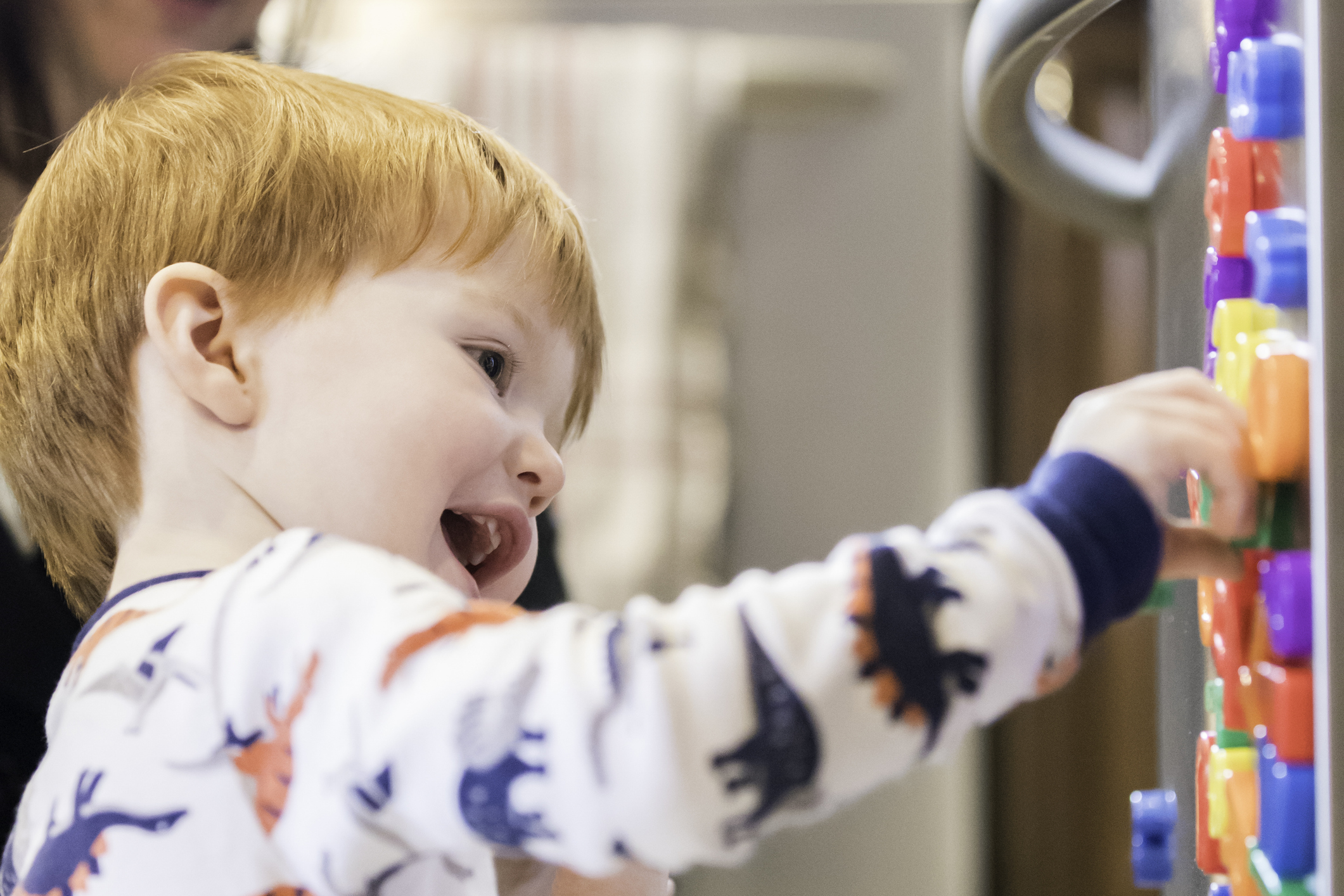
By age four, many children start noticing letters everywhere on signs, cereal boxes, t-shirts, and in the books you read together. That curiosity is your best opening. These activities are designed to meet it where it is: playful, short, and low-pressure.
Why Letter Recognition Matters at Age Four
Learning to recognize letters helps children make the connection between the spoken words they already know and the marks on a page. That connection is what reading is built on.
At this age, letter recognition helps children:
- Connect spoken words to written symbols the foundation of reading
- Build visual memory for letter shapes, which makes reading faster later on
- Feel comfortable and confident around books and print
The goal at four is familiarity, not mastery. A child who has seen and played with letters many times will find learning to read far easier than one who hasn’t even if they can’t yet name every letter on demand.
12 Fun Alphabet Activities for 4-Year-Olds
Category 1: Sensory & Tactile Activities
Four-year-olds learn with their whole bodies. When children touch, squish, and trace letters, they remember them far better than if they just look at them on a flashcard.
Activity 1: Alphabet Sensory Bin
What You Need: A plastic bin, dry rice, sand, or cornmeal; plastic or foam alphabet letters
How to Play: Bury all 26 letters in the bin. Give your child a small scoop or just their hands and challenge them to dig out each letter, name it, and line it up on a mat. For an extra challenge, call out a letter sound and ask them to find it by feel alone, without looking.
Skill Built: Letter recognition, sensory processing, fine motor skills
Activity 2: Shaving Cream Letter Writing
What You Need: Shaving cream, a flat tray or cookie sheet
How to Play: Spread shaving cream across the tray in a flat layer. Call out a letter and let your child trace it with their finger to show them where to start. Smooth it out and do the next one. Kids love the texture and the fact that mistakes just wipe away. The Alphabet Tracing & Phonics Game is a natural digital companion to sand tray or chalk tracing — children hear the letter sound while tracing its shape, which links the phonics and the motor memory in the same moment.
Skill Built: Letter formation, fine motor skills
Activity 3: Playdough Letter Mats
What You Need: Playdough (store-bought or homemade), large block letter outlines drawn on cardstock
How to Play: Draw a big block letter on cardstock. Your child rolls playdough into snakes and presses them along the outline of each letter. Start with the letters in their own name those tend to stick fastest.
Skill Built: Letter formation, fine motor strength, spatial awareness
Category 2: Movement & Active Games
Sitting still is hard for four-year-olds, and it doesn’t need to be the goal. These activities use the whole room.
Activity 4: Alphabet Letter Hunt
What You Need: Sticky notes or index cards with letters written on them, tape
How to Play: Write all 26 letters on individual sticky notes and hide them around the house. Give your child a simple A–Z checklist and challenge them to find every letter and tick it off. Say each letter aloud as they find it. For a harder version, write both uppercase and lowercase cards and have them find the matching pairs. The Find the Letter worksheets are a calm, table-based complement to the active letter hunts in this article — children scan a page to find a specific letter among distractors, which builds the visual discrimination that reading requires
Skill Built: Letter recognition, physical activity, sequencing
Activity 5: Alphabet Hopscotch
What You Need: Sidewalk chalk (outside) or painter’s tape (inside)
How to Play: Draw a hopscotch grid and write one letter in each square instead of a number. Call out a letter and let your child hop to it. Mix it up: “Hop to the letter that makes the ‘sss’ sound!” or “Find the letter your name starts with.” Take turns being the caller.
Skill Built: Letter recognition, phonemic awareness, gross motor coordination
Activity 6: Freeze Dance ABCs
What You Need: A speaker, the WonJo Kids ABC Song (or any alphabet song)
How to Play: Play the alphabet song and let your child dance freely. Pause the music and call out the letter. Your child freezes and shapes that letter with their body arms wide for T, curled for C, and so on. Take turns pausing the music and calling out the letters. The Alphabet Song is the one activity most four-year-olds already know — which makes it a useful starting point because it gives children a sense of competence before the harder letter work begins. Singing it while pointing to printed letters makes the connection between sound and symbol much faster.
Skill Built: Letter recognition, body awareness, listening skills
Category 3: Arts, Crafts & Creative Activities
When children make something with their hands, the learning tends to stick. These activities give each letter a personal connection.
Activity 7: Letter Collage Art
What You Need: Old magazines or printed images, child-safe scissors, glue, large letter outlines on cardstock
How to Play: Draw or print a large block letter on cardstock. Your child cuts or tears out pictures of things that start with that letter’s sound and glues them inside the outline. “A” might get apples, ants, and an astronaut. These make great wall displays and a good excuse to revisit the letter later.
Skill Built: Beginning sounds, fine motor skills, phonemic awareness
Activity 8: My Own Alphabet Book
What You Need: 26 half-sheets of paper, a stapler or yarn for binding, crayons or markers
How to Play: Bind 26 pages together into a mini book one letter per page. Each week, work on a new letter: write it at the top, draw something that starts with that sound, and practice writing the letter a few times on the page. By the end of the year, your child has a handmade book they built themselves.
Skill Built: Letter recognition, beginning sounds, letter formation, personal connection to reading
Activity 9: Dot Sticker Letter Fill
What You Need: Large printed letter outlines (block style), colourful dot stickers
How to Play: Print or draw oversized block letter outlines. Give your child a sheet of dot stickers and let them fill each letter completely, one sticker at a time. The peeling and pressing is great for fine motor control, and kids find the finished letters very satisfying to look at.
Skill Built: Letter recognition, fine motor pincer grip, focus
Category 4: Literacy & Language Games
These activities move children from recognizing letters in isolation to understanding how letters work together which is where reading actually begins.
Activity 10: Uppercase & Lowercase Match Game
What You Need: Index cards and a marker, or a printed matching set
How to Play: Write each uppercase letter on one card and its lowercase partner on another 52 cards total. Shuffle and spread them face-down. Players flip two at a time and try to find the matching pair. Name each letter aloud when you flip it.
Skill Built: Uppercase and lowercase recognition, memory, turn-taking
Activity 11: I Spy Beginning Sounds Walk
What You Need: Nothing just a walk around the block, a park, or your home
How to Play: Point to things around you and play I Spy with a letter twist: “I spy something that starts with the letter B… it’s big and round!” Let your child be the spy too. This turns any outing into a low-key literacy activity with no prep required.
Skill Built: Phonemic awareness, beginning sounds, vocabulary
Activity 12: Letter Sound Sorting Baskets
What You Need: 3–4 small baskets or bins, small objects or picture cards, letter labels
How to Play: Label each basket with a letter starting with 3–4 that sound quite different from each other, like S, M, B, and T. Mix up a set of objects or picture cards. Your child sorts each one into the basket whose letter matches its starting sound: spoon in the S basket, ball in the B basket. Add more letters as they get confident. Knowing the name of a letter and knowing its sound are two different skills — and at four, children are ready to start building both. Phonics for kids explains that distinction clearly and gives parents a simple way to introduce sounds alongside the letter recognition activities described here.
Skill Built: Beginning sound recognition, categorisation, phonemic awareness
When to Introduce Letters and When to Give It Time
A common question from parents: “Is my four-year-old behind if they don’t know all their letters yet?”
Probably not. Letter recognition develops at very different rates. Some children arrive at preschool already knowing most of the alphabet; others are still working on it at the start of kindergarten. Both are within the normal range.
What matters more than the specific age is consistent, relaxed exposure over time. Children who are regularly read to, who sing alphabet songs, who play with letters in sensory bins, and who hear adults talk about words and sounds are building literacy skills.
If you have concerns about your child’s speech or language development, speak with your child’s paediatrician or ask for a referral to a speech-language pathologist. For most four-year-olds, though, more play, more songs, and more stories is exactly the right prescription. These activities work for any letter — but if you’re wondering which ones to start with, the order you teach letters actually matters more than most parents realise. What order to teach letters to a preschooler walks through the research-backed sequence that builds reading readiness fastest
Tips for Getting the Most Out of These Activities
- Start with their name. Name letters are the most motivating and usually the first ones to stick.
- Follow their interests. A child obsessed with dinosaurs? Focus on D. Connecting the letter to something they love makes it memorable.
- Keep sessions short. 10 to 15 minutes of engaged activity is better than thirty minutes of distracted practice.
- Praise the effort, not the result. A backwards B is often fine at four confidence and repeated exposure matters far more than getting it right.
- Try a “letter of the week” approach. Point it out on signs, in books, on snack packets. Repetition across different contexts is how letters really lodge in memory.
- Don’t worry about order. There’s no rule that says A must come before B in your activities. Start wherever your child shows interest.

Frequently Asked Questions
How do I teach the alphabet to a 4-year-old?
The best way is through playful, hands-on activities such as letter tracing, matching games, songs, sensory play, and alphabet hunts. At this age, children usually learn letters better through fun repetition than formal drilling.
What alphabet activities help 4-year-olds the most?
Activities that involve movement, touch, and play tend to work best. Examples include magnetic letter matching, tracing letters in sand or salt, alphabet songs, and letter sorting games.
Should a 4-year-old know all the letters of the alphabet?
Not always. Many 4-year-olds are still learning to recognize and name letters, and that is normal. Progress can vary, so the focus should be on playful exposure, not pressure.
How can I make alphabet practice fun at home?
You can make alphabet practice fun by using games, songs, crafts, sensory bins, and everyday objects. Short, engaging activities are often more effective than long practice sessions.
Related Post

30 Preschool Classroom Activities That Make Learning Feel Like Play
30 Fun CVC Word Games & Activities to Teach Phonics for Kids Offline

Why Oceans Matter: A Simple Ocean Learning Guide for Kids

15+ Road Trip Games for Toddlers and Preschoolers (Car Activities for Long US Drives)
What Order Should I Teach Letters to My Preschooler?
The Power of Wh- Questions for Kids

Top 15 Emotion Activities for Kids

Child Development Research vs. Parenting Advice: What Parents Really Need to Know

How to Support Your Child’s Focus
How to Build Your Child’s Adaptability (or Cognitive Flexibility)

Popular Nursery Rhymes for Kids: Songs That Teach, Songs That Last
15 Fun Activities to Build Gross Motor Skills

Speech Milestones in Children: Age-Wise Guide to parents

How to Build Your Child’s Self-Control

Tweezers and Tongs Activities for Little Hands

Alphabet Books Every Preschooler Should Read

Teaching Sharing and Turn-Taking to Toddlers
Simple Ways to Boost Your Child’s Working Memory

Messy Play Activities: A Detailed Parent Guide

15 Fun Preschool Learning Activities for 3-Year-Olds
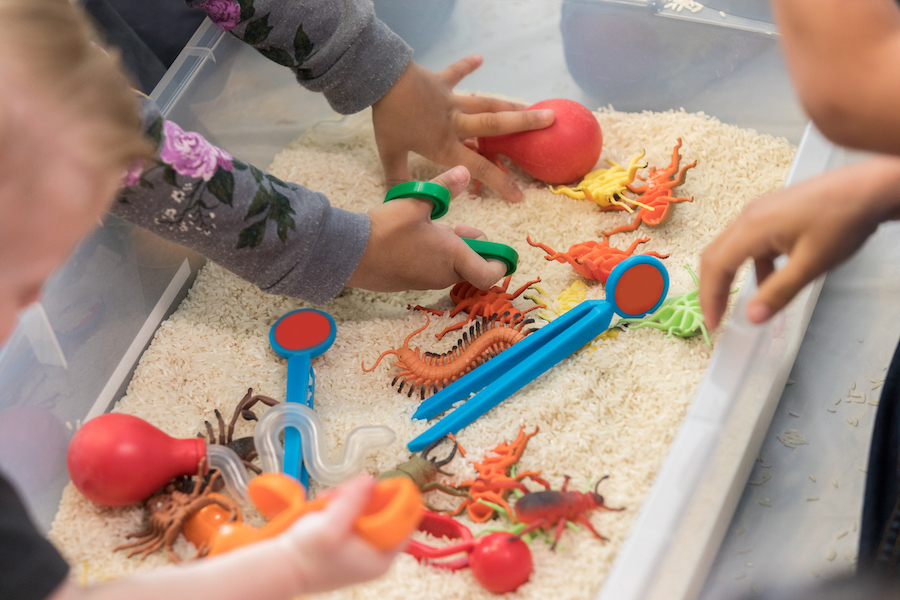
Easy Sensory Bin Ideas for Toddlers

Age-Appropriate Learning Activities for Toddlers and Preschoolers
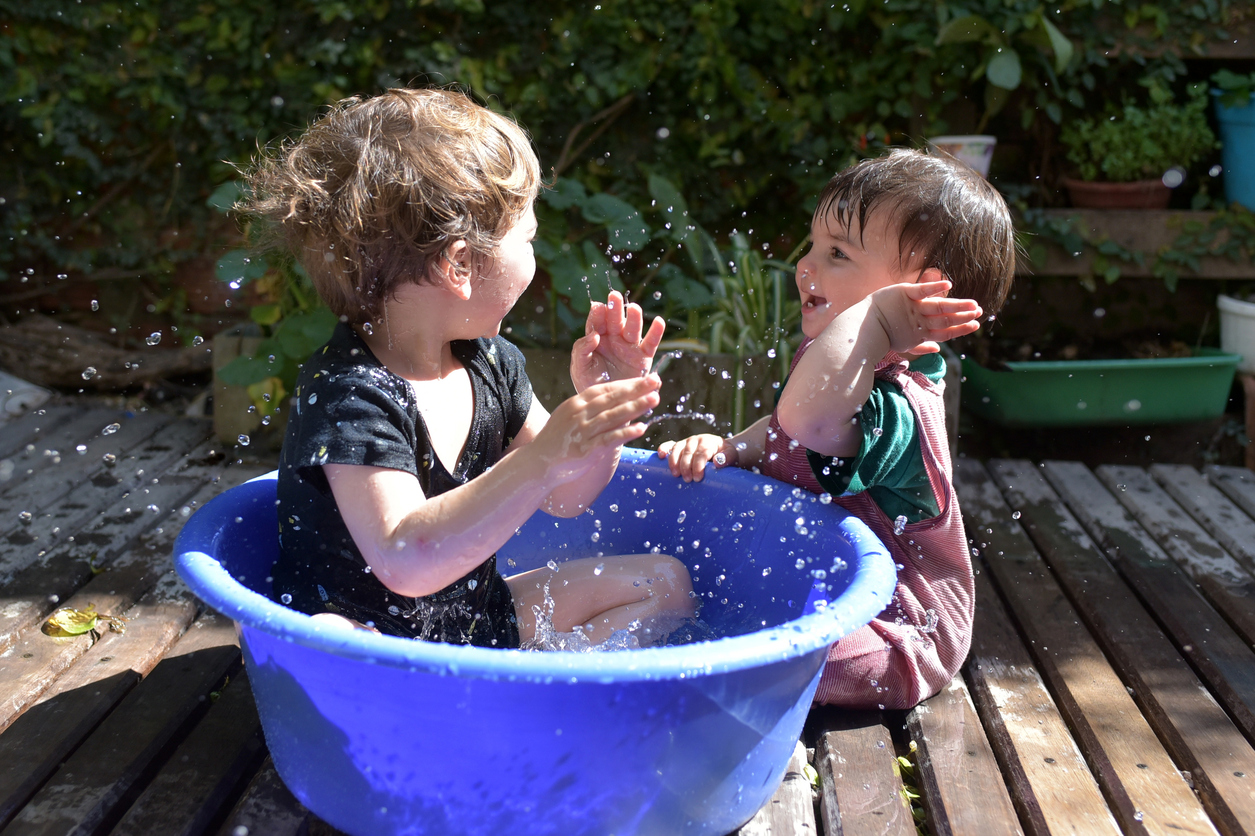
Water Play Activities for Toddlers

Sensory Activities for 2-Year-Olds: Brain-Building Through Play
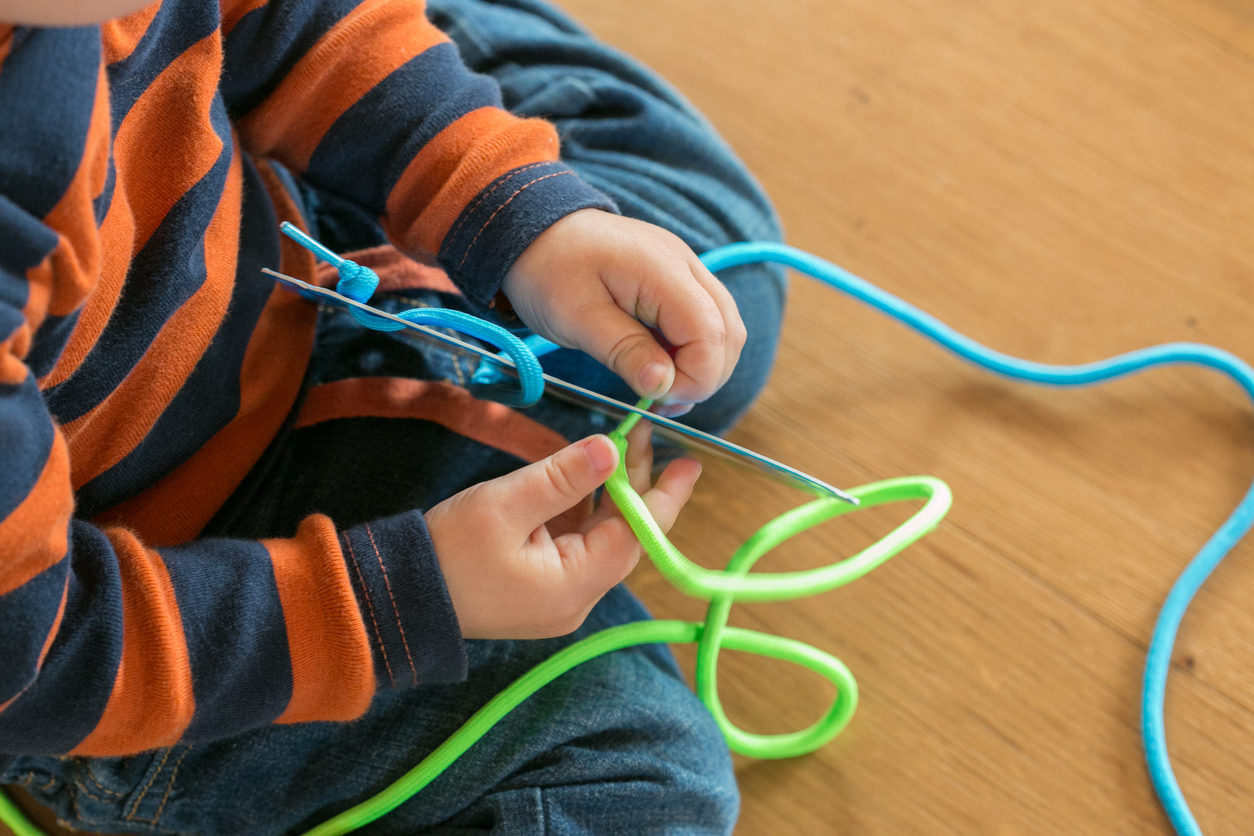
Threading and Lacing Activities for Preschoolers

The Secret to Boosting Your Child’s Vocabulary: Pointing Gesture
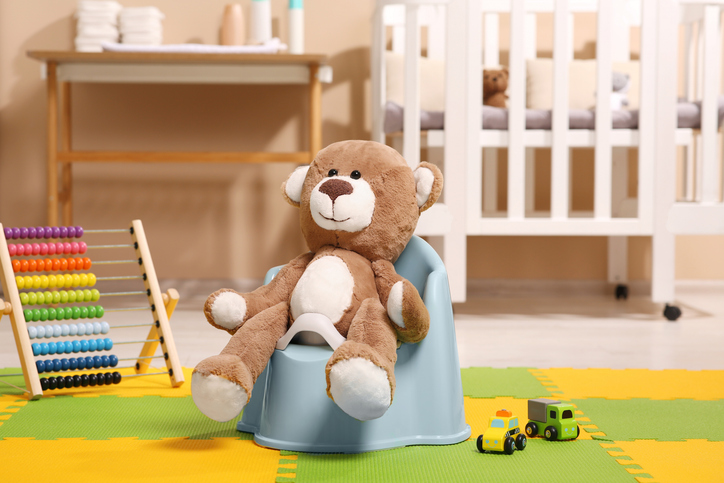
When to Start Potty Training
How to Raise a Problem-Solver

Building Vocabulary in Toddlers Through Play: The Science-Backed Approach

50 Boredom Busters for Toddlers and Preschoolers
Best Scissor Skills Activities for Preschoolers

STEM Activities Using Kitchen Items for Preschoolers and Kindergarteners

Rhyming Games for Preschoolers: The Secret to Reading Success
Fine Motor Activities for 3-Year-Olds: The Complete Guide to Building Strong, Skilled Hands
Playdough Activities That Build Fine Motor Skills: The Science-Backed Guide for Parents and Teachers

Understanding Your Child’s Language Development

Understanding Executive Functions: Your Child’s Cognitive Toolkit for Success

Bringing WonJo Kids into Your Classroom: A Teacher’s Guide
Sight Words for Kindergarteners: A Complete Parental Guide

25 Fun Sorting Activities for Preschoolers – Easy, Printable & Hands-On Ideas

12 Best Pattern Activities for Preschoolers That Build Math & Reading Skills

Signs of Giftedness in Toddlers: What to Look For

The Benefits of (Quality) Interactive Learning Apps for Preschoolers
Counting Activities for 3-Year-Olds: 20 Simple & Fun Ways to Grow Early Math Skills

Best Books for 3 Year Olds: 50+ Must-Read Picks to Spark a Love of Reading

Scientific Experiments for Preschoolers: 15+ Easy Activities That Spark Curiosity and Learning
Teaching Phonics at Home: A Parent’s Guide to Building Strong Readers

2-Year-Old Milestones: What to Look For

Building Confidence and Skills for Kindergarten Readiness

Understanding Your Child’s Gross Motor Development

Beat the Summer Slide Without Breaking a Sweat

Raising Tomorrow’s STEM Leaders: The Power of Spatial Skills

How to Turn Storytime into a Learning Moment?

Embracing Your Child’s Unique Strengths and Challenges: Understanding Learner Variability


