


Raising Tomorrow’s STEM Leaders: The Power of Spatial Skills
What Are Spatial Skills?
Spatial skills help us navigate and understand how things are arranged in the world around us, like finding your car in a parking lot, packing a suitcase for a trip, or figuring out how to arrange furniture in your living room.
Why Do They Matter?
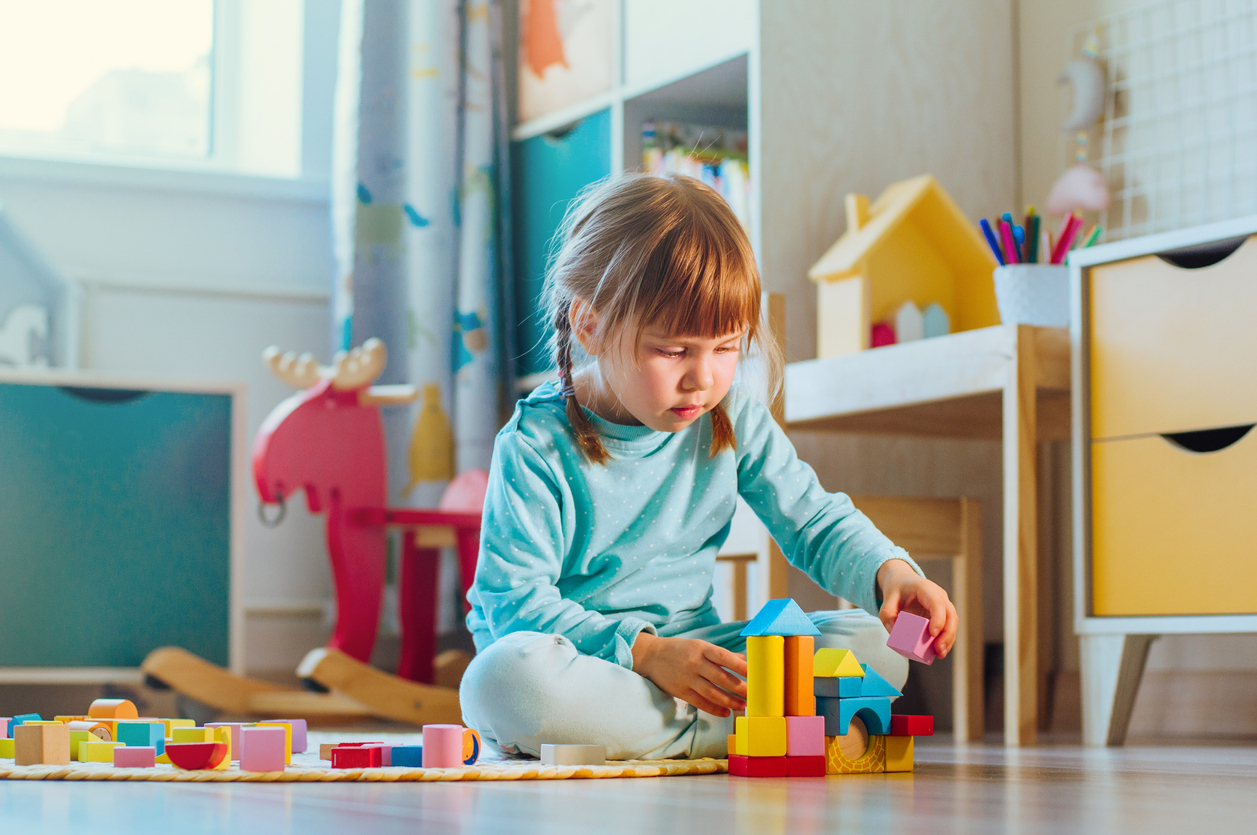
Research shows that early spatial skills build a strong foundation for school readiness and future academic success, including math. These skills also spark a lifelong curiosity about how the world works. Kids with strong spatial skills at a young age are more likely to pursue careers in STEM (science, technology, engineering, and mathematics), becoming the architects, engineers, and scientists of tomorrow!
What Can You Do About It?
-
-
-
- Use everyday activities to build spatial skills naturally.
-
You can have your child pack their backpack to fit everything in, cut their birthday cake into equal slices, or help navigate the way home from the playground. Spatial skills don’t need specialist equipment — the kitchen contains most of what’s needed. STEM activities using kitchen items for preschoolers shows exactly how measuring, pouring, and building with everyday objects builds the same spatial reasoning that later underpins engineering and geometry
-
- Let them play with shape sorters, puzzles, and building blocks. The Shape Games online is a direct spatial workout – children rotate, match, and fit shapes together, which is one of the clearest digital exercises in the same mental rotation ability that spatial research consistently links to STEM performance
You don’t always need store-bought toys though! You can fold origami, make paper airplanes, or sort natural objects by shape. For example, you can make a game of grouping circular rocks and rectangular sticks at the playground. The Continent Animal Puzzle game builds spatial orientation in a global context — children match animals to their home continents, which requires reading a map and holding spatial relationships between regions in mind. Geography and spatial skills turn out to be the same skill in different clothes
- Point out real-world shapes, not just perfect ones.
Try showing your child the broad triangle of a mountain or the narrow triangle of a cake slice, not just the perfect triangles in books. Shape recognition is the entry point into spatial thinking — children need to see shapes as distinct, named categories before they can work with them mentally. The Shapes Song builds that categorical knowledge through melody, which tends to stick much faster than visual-only instruction
- Use spatial language in daily conversations.
Try naming shapes around you, like “the triangle roof on that house.” You can also use spatial words when playing, like “put this IN the box” or “place it NEXT TO this one.”
- Help your child understand what makes each shape special.
In addition to naming shapes, explore their features too. You might say things like, “Do you see that our TV has 4 sides, 2 short and 2 long?”
Spatial skills develop in a sequence, not all at once — what a two-year-old can do with shape sorting is very different from what a five-year-old can do with pattern prediction. Age-based learning activities organises activities by developmental stage so parents can match the spatial challenge to where their child actually is
By nurturing your child’s spatial skills through these simple tips, you’re not just preparing them for academic success. You’re fostering a lifelong curiosity and confidence to explore and understand the fascinating world around them!

Frequently Asked Questions
What are spatial skills and why do they matter for STEM success?
Spatial skills involve the ability to visualise, rotate, and manipulate objects and shapes in the mind. They are one of the strongest predictors of achievement in maths, science, engineering, and technology - more predictive than early reading skills for STEM specifically.
How do I build spatial skills in a young child at home?
Building blocks, puzzles, Lego, origami, drawing maps, playing with shapes, and spatial language ('on top of', 'beside', 'rotate', 'flip') are all powerful spatial skill builders. These activities build the mental machinery that powers later STEM thinking.
Can spatial skills be taught, or are they innate?
Research clearly shows spatial skills are highly trainable. Unlike some abilities, even brief targeted spatial practice produces significant and lasting improvement. This is one of the most encouraging findings in developmental science - every child's spatial ability can grow.
Related Post
30 Preschool Classroom Activities That Make Learning Feel Like Play
30 Fun CVC Word Games & Activities to Teach Phonics for Kids Offline
Fun Alphabet Activities for 4-Year-Olds

Why Oceans Matter: A Simple Ocean Learning Guide for Kids

15+ Road Trip Games for Toddlers and Preschoolers (Car Activities for Long US Drives)
What Order Should I Teach Letters to My Preschooler?
The Power of Wh- Questions for Kids

Top 15 Emotion Activities for Kids

Child Development Research vs. Parenting Advice: What Parents Really Need to Know
How to Support Your Child’s Focus
How to Build Your Child’s Adaptability (or Cognitive Flexibility)

Popular Nursery Rhymes for Kids: Songs That Teach, Songs That Last
15 Fun Activities to Build Gross Motor Skills

Speech Milestones in Children: Age-Wise Guide to parents

How to Build Your Child’s Self-Control
Tweezers and Tongs Activities for Little Hands

Alphabet Books Every Preschooler Should Read

Teaching Sharing and Turn-Taking to Toddlers
Simple Ways to Boost Your Child’s Working Memory

Messy Play Activities: A Detailed Parent Guide
15 Fun Preschool Learning Activities for 3-Year-Olds
Easy Sensory Bin Ideas for Toddlers

Age-Appropriate Learning Activities for Toddlers and Preschoolers
Water Play Activities for Toddlers
Sensory Activities for 2-Year-Olds: Brain-Building Through Play
Threading and Lacing Activities for Preschoolers

The Secret to Boosting Your Child’s Vocabulary: Pointing Gesture
When to Start Potty Training
How to Raise a Problem-Solver

Building Vocabulary in Toddlers Through Play: The Science-Backed Approach

50 Boredom Busters for Toddlers and Preschoolers
Best Scissor Skills Activities for Preschoolers
STEM Activities Using Kitchen Items for Preschoolers and Kindergarteners

Rhyming Games for Preschoolers: The Secret to Reading Success
Fine Motor Activities for 3-Year-Olds: The Complete Guide to Building Strong, Skilled Hands
Playdough Activities That Build Fine Motor Skills: The Science-Backed Guide for Parents and Teachers

Understanding Your Child’s Language Development

Understanding Executive Functions: Your Child’s Cognitive Toolkit for Success

Bringing WonJo Kids into Your Classroom: A Teacher’s Guide

Sight Words for Kindergarteners: A Complete Parental Guide
25 Fun Sorting Activities for Preschoolers – Easy, Printable & Hands-On Ideas
12 Best Pattern Activities for Preschoolers That Build Math & Reading Skills

Signs of Giftedness in Toddlers: What to Look For

The Benefits of (Quality) Interactive Learning Apps for Preschoolers
Counting Activities for 3-Year-Olds: 20 Simple & Fun Ways to Grow Early Math Skills
Best Books for 3 Year Olds: 50+ Must-Read Picks to Spark a Love of Reading

Scientific Experiments for Preschoolers: 15+ Easy Activities That Spark Curiosity and Learning
Teaching Phonics at Home: A Parent’s Guide to Building Strong Readers

2-Year-Old Milestones: What to Look For

Building Confidence and Skills for Kindergarten Readiness

Understanding Your Child’s Gross Motor Development
Beat the Summer Slide Without Breaking a Sweat

How to Turn Storytime into a Learning Moment?

Embracing Your Child’s Unique Strengths and Challenges: Understanding Learner Variability


