


Best Scissor Skills Activities for Preschoolers
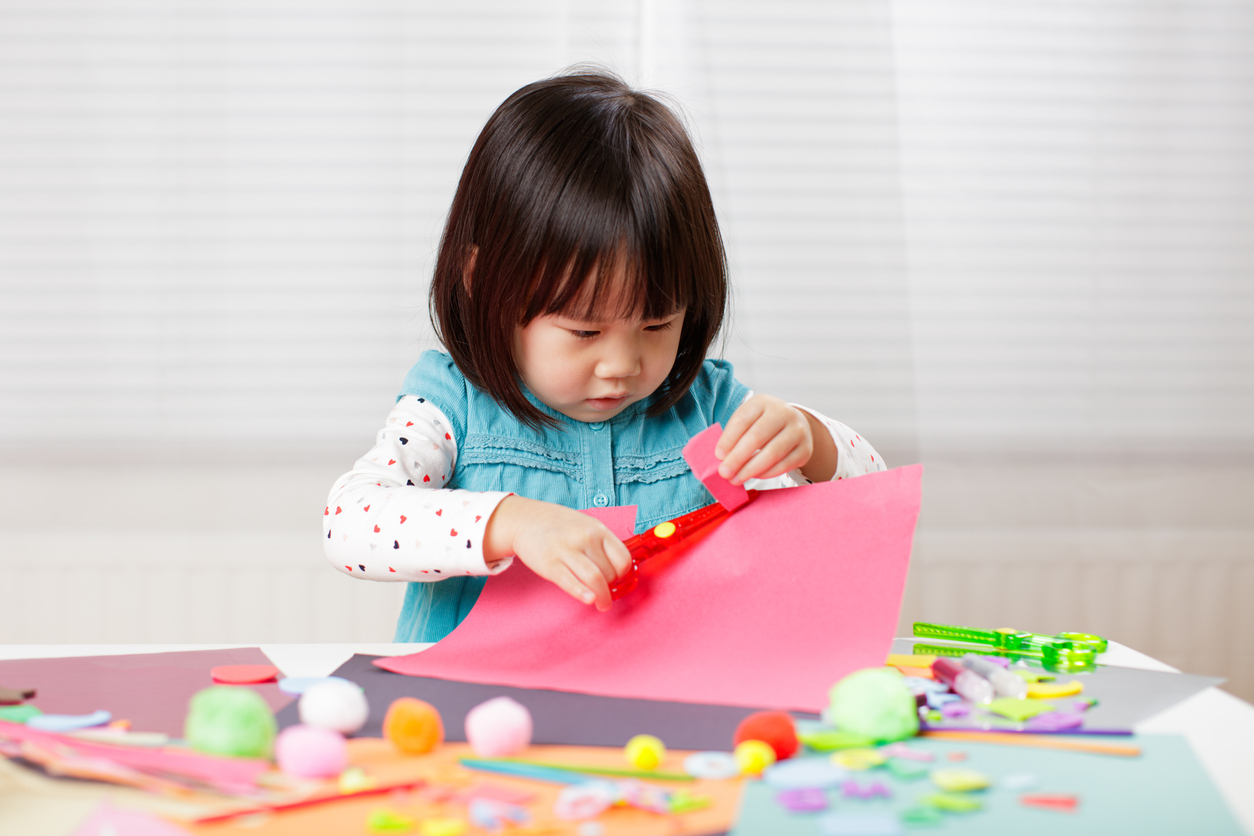
Learning to use scissors may seem like a small milestone, but it’s actually a big step in your preschooler’s fine motor development. Cutting helps strengthen the tiny muscles in the hands and fingers, improves hand-eye coordination, and builds the control kids need for future skills like writing, buttoning, and tying shoelaces.
Actually, scissor practice doesn’t need to be fancy at all. It can be fun, creative, and full of little discoveries. Here are some simple, low-prep activities that can help your child build their snipping skills safely with confidence.
What Are Scissor Skills?
Scissor skills refer to a child’s ability to use scissors in a controlled and coordinated way. This includes:
- Opening and closing the scissors
- Holding scissors correctly
- Using one hand to cut while the other hand guides the paper
- Following straight, curved, or zigzag lines
- Cutting out shapes with accuracy
These skills don’t develop all at once — they grow gradually as your child strengthens their hands, improves their coordination, and gains confidence.
Before children can control scissors, they need strong pincer grip muscles. Our guide to threading and lacing activities for preschoolers builds exactly that foundation — it’s the perfect preparation activity for scissor practice.
Why Are Scissor Skills So Important?
While cutting may seem like a simple craft activity, it’s actually packed with benefits that support long-term development. According to researchers, paper cutting is a complex fine motor skill that requires a range of physical, cognitive, and neurological abilities.
Scissor skills are one piece of the fine motor puzzle. For the complete picture of what 3-year-old hands need to develop, our guide to fine motor activities for 3-year-olds covers 15 evidence-based activities parents can try at home.
1. Strengthens Fine Motor Muscles
The small muscles in the hands, wrists, and fingers become stronger — which helps with writing, coloring, and daily tasks like buttoning and zipping.
2. Improves Coordination
Cutting teaches kids how to coordinate both hands together — a skill needed for everything from tying shoes to eating with utensils.
3. Builds Concentration & Patience
Following a line or cutting out a shape requires sustained attention, problem-solving, and persistence.
4. Boosts Independence
Mastering scissors gives kids a sense of accomplishment and empowers them to participate in arts, crafts, and school activities.
5. Prepares Them for Kindergarten
Teachers often expect children to cut basic shapes, follow patterns, and use scissors for projects. Early practice helps them feel successful from day one.
7 Best Scissor Skills Activities
These activities are simple, playful, and perfect for little learners developing their cutting confidence.
1. Snipping Paper Strips
Give children colored paper strips and encourage them to “snip” small pieces off the ends. Great for beginners learning to open and close scissors.
2. Cutting Playdough
Roll playdough into snakes or flatten it into pancakes and let your child cut away. Builds strength because playdough gives gentle resistance.
3. Fringe Cutting
Fold a paper in half and let your child cut slits along the edge to create “grass” or “hair.” Helps them practice repeated cutting motions directionally.
Between scissor sessions, keep hands busy with our Wave and Spiral Tracing worksheet — the curved lines require the same controlled hand movement as guiding scissors along a path.
4. Line-Following Practice
Draw straight, wavy, zigzag, or looped lines for your child to cut along. Supports hand-eye coordination and focus.
5. Cutting Shapes
Start with simple shapes (square, circle) and move up to more complex ones (stars, hearts). Improves control around curves and corners.
6. Collage Cutting
Give your preschooler old magazines and let them cut out pictures to create a collage. Makes cutting meaningful and boosts creativity.
7. Nature Cutting Outdoors
Let children snip blades of grass, leaves, or paper flowers taped outside. Adds sensory fun and keeps them engaged longer.
Try the above scissor skills to help your preschoolers develop coordination, patience, and independence — all through play! Keep the experience positive, creative, and full of discovery. So grab some child-safe scissors, gather a few supplies, and let the snipping fun begin — one joyful little cut at a time.
Safety and Encouragement Tips
When it comes to scissor activities, a little preparation and plenty of patience go a long way. Young children are naturally curious, and learning to cut is both exciting and challenging for them. Create a safe, supervised space, sit nearby, and show your child how to hold and use scissors gently and correctly. Most importantly, keep the atmosphere relaxed.
If your child is nervous about scissors, build pencil confidence first with our Connect the Dots 1–10 worksheet — guiding a pencil from dot to dot builds the same directional hand control used in scissor cutting.
- Always use child-safe scissors designed for small hands.
- Sit beside your child and model how to hold the scissors and paper.
- Celebrate effort, not perfection — uneven edges are part of the learning process!
- Incorporate cutting into play: art projects, pretend play, or even snack prep (soft foods like lettuce or herbs).
Final Summary
Scissor skills are a small but powerful part of your preschooler’s development. With simple activities and gentle guidance, your child can build confidence, strengthen essential skills, and enjoy the creative process along the way.
On days when scissor practice feels like too much, reach for playdough instead. Our playdough activities guide shows how squeezing, rolling and pinching build the same hand strength needed for confident scissor use.
Wobbly lines, uneven cuts, and slow progress are all part of the learning journey. Offer encouragement, celebrate small wins, and let your child explore at a pace that feels comfortable. With your support, each snip becomes a moment of confidence and growth.

Frequently Asked Questions
When are children ready to use scissors?
Most children are developmentally ready for child-safe scissors around age 3–4, though fine motor readiness varies. Signs of readiness include stable pincer grip, ability to open and close hands purposefully, and interest in cutting.
How do I teach scissors safely to a preschooler?
Use quality child safety scissors (blunt-tipped but functional), always supervise, start with cutting playdough or thick clay (easier to cut than paper), then move to cutting fringe on cardboard, then straight lines, then simple shapes. Clear rules: scissors are for materials only, not hair or clothes.
What scissor activities build the skill progressively?
Progress from snipping playdough → cutting along a thick line on card → cutting fringe → cutting simple shapes → cutting curves → cutting out pictures. This gradual complexity builds both skill and confidence without frustrating jumps.
Related Post

30 Preschool Classroom Activities That Make Learning Feel Like Play
30 Fun CVC Word Games & Activities to Teach Phonics for Kids Offline
Fun Alphabet Activities for 4-Year-Olds

Why Oceans Matter: A Simple Ocean Learning Guide for Kids

15+ Road Trip Games for Toddlers and Preschoolers (Car Activities for Long US Drives)
What Order Should I Teach Letters to My Preschooler?
The Power of Wh- Questions for Kids

Top 15 Emotion Activities for Kids

Child Development Research vs. Parenting Advice: What Parents Really Need to Know

How to Support Your Child’s Focus
How to Build Your Child’s Adaptability (or Cognitive Flexibility)
Popular Nursery Rhymes for Kids: Songs That Teach, Songs That Last
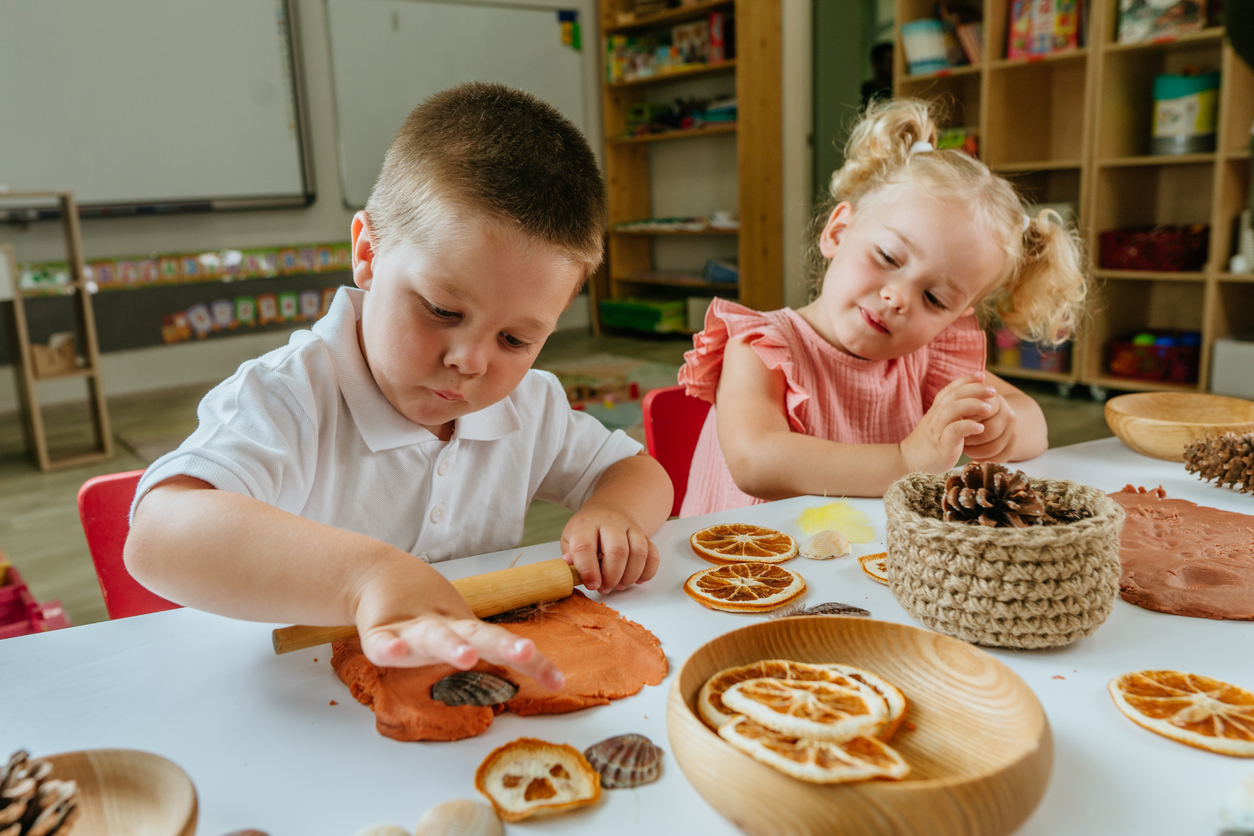
15 Fun Activities to Build Gross Motor Skills

Speech Milestones in Children: Age-Wise Guide to parents

How to Build Your Child’s Self-Control
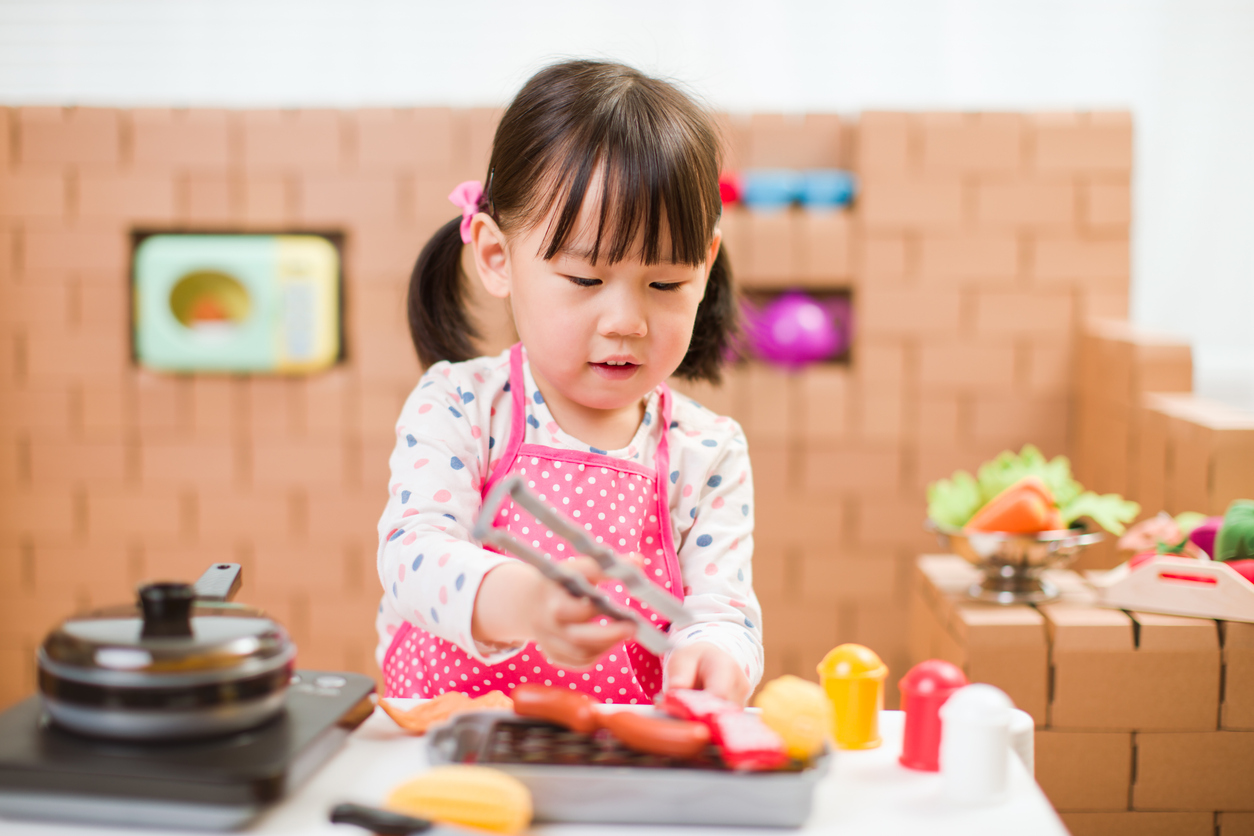
Tweezers and Tongs Activities for Little Hands

Alphabet Books Every Preschooler Should Read

Teaching Sharing and Turn-Taking to Toddlers
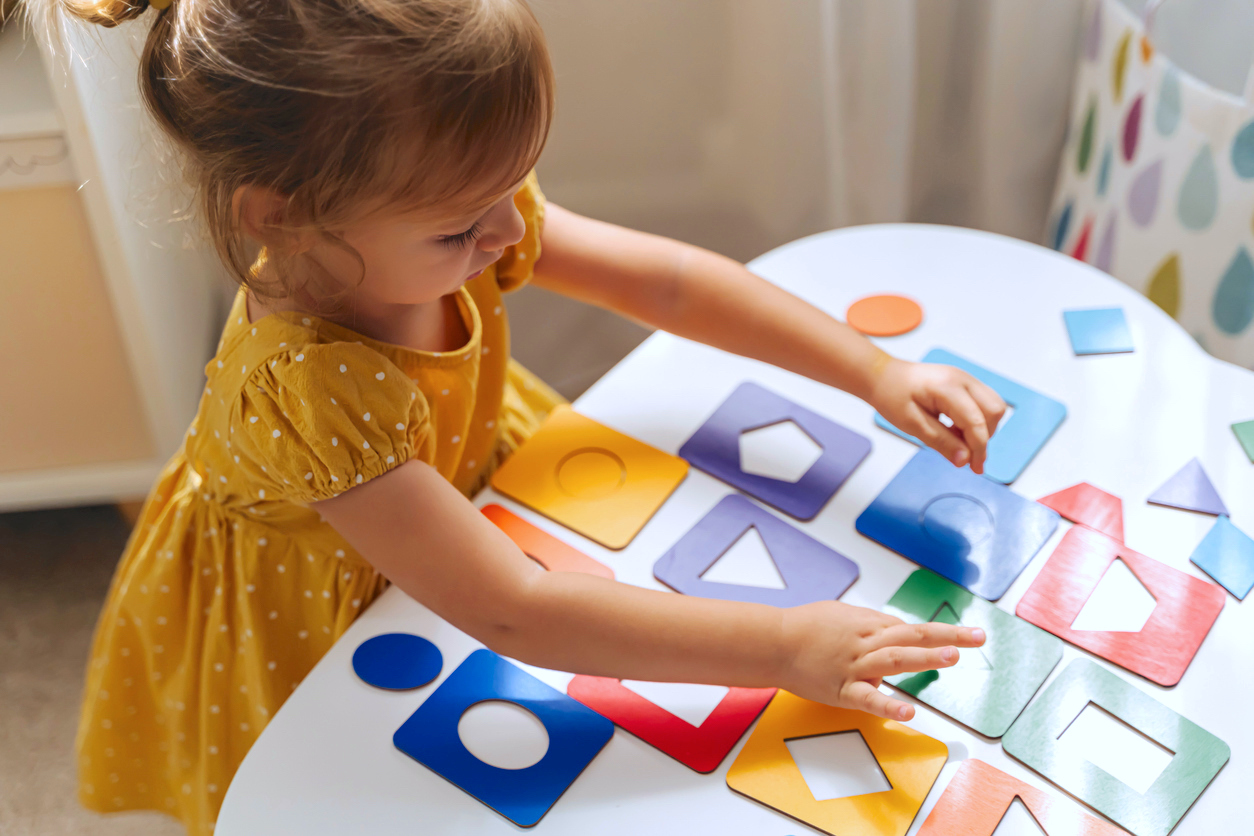
Simple Ways to Boost Your Child’s Working Memory

Messy Play Activities: A Detailed Parent Guide
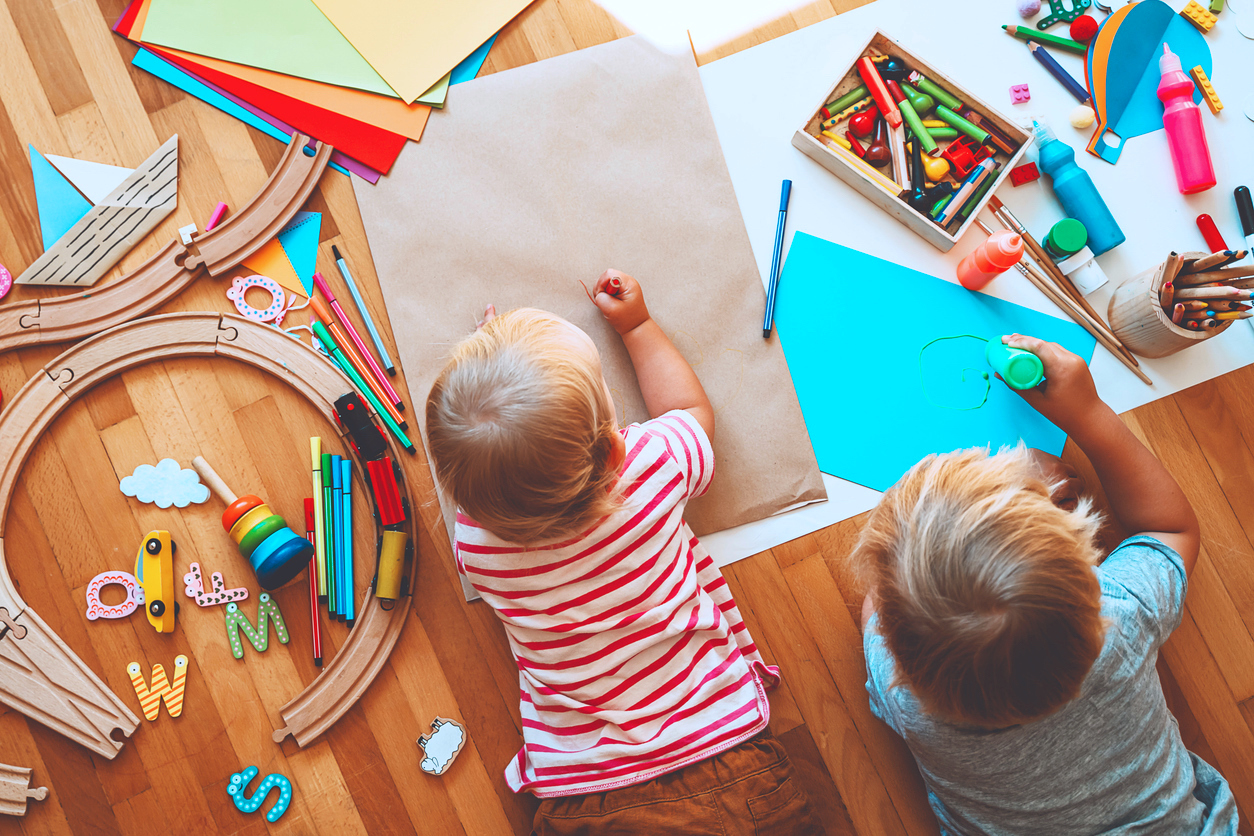
15 Fun Preschool Learning Activities for 3-Year-Olds
Easy Sensory Bin Ideas for Toddlers

Age-Appropriate Learning Activities for Toddlers and Preschoolers
Water Play Activities for Toddlers
Sensory Activities for 2-Year-Olds: Brain-Building Through Play
Threading and Lacing Activities for Preschoolers

The Secret to Boosting Your Child’s Vocabulary: Pointing Gesture
When to Start Potty Training
How to Raise a Problem-Solver

Building Vocabulary in Toddlers Through Play: The Science-Backed Approach

50 Boredom Busters for Toddlers and Preschoolers
STEM Activities Using Kitchen Items for Preschoolers and Kindergarteners

Rhyming Games for Preschoolers: The Secret to Reading Success
Fine Motor Activities for 3-Year-Olds: The Complete Guide to Building Strong, Skilled Hands
Playdough Activities That Build Fine Motor Skills: The Science-Backed Guide for Parents and Teachers

Understanding Your Child’s Language Development

Understanding Executive Functions: Your Child’s Cognitive Toolkit for Success

Bringing WonJo Kids into Your Classroom: A Teacher’s Guide
Sight Words for Kindergarteners: A Complete Parental Guide
25 Fun Sorting Activities for Preschoolers – Easy, Printable & Hands-On Ideas

12 Best Pattern Activities for Preschoolers That Build Math & Reading Skills

Signs of Giftedness in Toddlers: What to Look For

The Benefits of (Quality) Interactive Learning Apps for Preschoolers
Counting Activities for 3-Year-Olds: 20 Simple & Fun Ways to Grow Early Math Skills
Best Books for 3 Year Olds: 50+ Must-Read Picks to Spark a Love of Reading

Scientific Experiments for Preschoolers: 15+ Easy Activities That Spark Curiosity and Learning
Teaching Phonics at Home: A Parent’s Guide to Building Strong Readers
2-Year-Old Milestones: What to Look For

Building Confidence and Skills for Kindergarten Readiness

Understanding Your Child’s Gross Motor Development

Beat the Summer Slide Without Breaking a Sweat

Raising Tomorrow’s STEM Leaders: The Power of Spatial Skills

How to Turn Storytime into a Learning Moment?

Embracing Your Child’s Unique Strengths and Challenges: Understanding Learner Variability


