


How to Build Your Child’s Adaptability (or Cognitive Flexibility)
What Is Cognitive Flexibility?
Most parents have watched it happen. Their child is happily playing one game, someone suggests switching to another, and suddenly the whole afternoon falls apart. Or a small change in the usual routine, like an unfamiliar babysitter or a different route home, sends them into a spiral that seems completely out of proportion.
This isn’t stubbornness, at least not always. It often comes down to a skill that’s still developing. Researchers call it different things: shifting, task switching, mental flexibility, cognitive flexibility, but they’re all pointing at the same idea: the ability to adjust when things change. It even made it onto the OECD‘s list of skills children will need to thrive in the decades ahead, which tells us something about how fundamental it is.
Cognitive flexibility is the ability to let go of one way of thinking and pick up another. To try a different approach when the first one isn’t working. It’s the mental equivalent of being able to change lanes smoothly rather than insisting on staying in the same one no matter what.
This skill is part of a family of abilities researchers call executive functions: the mental tools we use to plan, focus, and manage ourselves. Cognitive flexibility is the one that keeps us from getting stuck. Persistence is valuable. Staying focused is valuable. But knowing when to shift gears is just as important. Cognitive flexibility is one of three core executive functions — understanding where it sits within that broader framework helps parents see why building it matters beyond just “going with the flow”. Understanding executive functions gives you the full picture.
It begins to emerge in the preschool years and keeps developing well into adolescence, which means there’s a long window where you can help it grow. Cognitive flexibility and focus are complementary rather than opposite — flexible thinkers know when to shift, focused thinkers know when to stay. How to improve your child’s focus and concentration looks at building the focused side of that pairing
Why Is It Important?
A child who can think flexibly handles the bumps of daily life more smoothly. When something doesn’t go as planned, they look for another way forward instead of shutting down. When a friendship runs into conflict, they can consider the other person’s perspective rather than only seeing their own. When a subject at school gets harder, they’re more willing to try a different strategy instead of giving up or repeating the same approach that isn’t working.
Research has found that flexible thinking is connected to how children perform in both reading and math. It also plays a role in the ability to understand that other people can have different beliefs, different knowledge, and different points of view. That social and emotional development is rooted, in part, in the same cognitive skill. Cognitive flexibility and working memory are deeply intertwined — you can’t update your mental model unless you can hold the old one in mind long enough to compare it. Boosting your child’s memory looks at the memory side of that pair, with strategies that strengthen both capacities together
How Can You Support Your Child’s Flexibility?
One of the best things you can do is resist the urge to smooth every difficulty away. When a plan falls apart, or when something your child tries doesn’t work, sitting with that moment and figuring out what to do next is exactly the kind of practice that builds flexibility.
That said, you don’t have to wait for things to go wrong. The suggestions below are other ways to build the same skill. They are organized by age, but children develop at their own pace. Try things from earlier or later groups depending on where your child is, and adjust as needed so it stays fun rather than frustrating.
18 to 36 Months: First Encounters With Rules
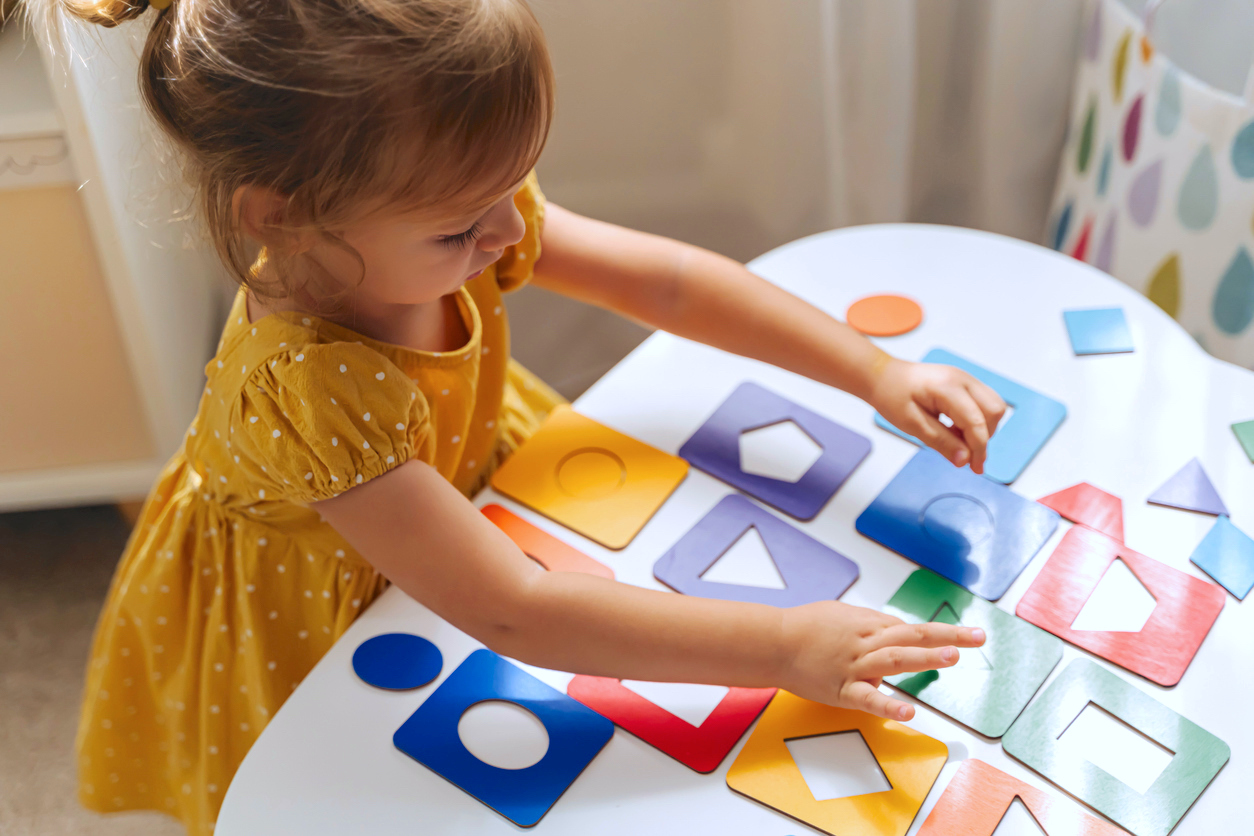
- Sorting activities lay the foundation. Give your child a handful of blocks and two bowls, and help them put the red ones in one bowl and the blue ones in another. Or sort soft toys by size. Grouping objects by color, size, or shape teaches children that there’s a system to how things are organized, and that’s the first step before they can ever switch between systems.
- Pretend play with all kinds of materials builds cognitive flexibility at every age. Realistic props are a great starting point for young children, like a toy kitchen set or a little doctor’s kit, but open-ended materials matter just as much. Cardboard boxes, scarves, wooden spoons, empty containers invite children to decide what they can be, which is exactly the kind of flexible thinking you want to encourage.
- Familiar books and nursery rhymes with a twist are a simple and fun way to practice. If there’s a story you’ve read together dozens of times, try swapping the character’s name for your child’s one evening, or change what happens at the end. The same works with songs: Sing “Twinkle Twinkle Little Star” but replace a word with something silly. That moment of “wait, that’s not right!” followed by giggling is their brain learning to adjust.
3 to 5 Years: Switching Gears
- Rule-switching sorting games are very effective at this age. Put a pile of toy animals and vehicles on the floor with two buckets. First, ask your child to sort them by type: animals in one bucket, vehicles in the other. Once they’ve got it, switch the rule: now sort by color instead. That moment of stopping, resetting, and applying a new system to the same objects is cognitive flexibility in action. You can make it sillier by flipping expectations: big things go in the small bucket, small things go in the big one. The Ordering and Sequencing Game asks children to hold a rule in mind and apply it to changing content — which is exactly the cognitive shift that flexibility requires. When the sequence changes, children have to update their expectation rather than repeat the old answer
- Pretend play with repurposed objects gets richer at this age. Encourage your child to turn an ordinary household object into something else entirely in their play: a wooden spoon becomes a microphone, a laundry basket becomes a spaceship. The mental work of giving a familiar object a completely new meaning is great cognitive exercise.
- Rewriting familiar stories and songs is another great option. After finishing a book you both know well, ask how they would change about the ending: what if the bear found something completely different in the house? What if the story kept going? You can do the same with songs, like asking them to change the animals in “Old MacDonald.”
5 to 7 Years: Adapting on the Fly
- Card and board games that require reacting to other players, rather than just following a fixed plan, are great at this age. When the winning move keeps changing and no single strategy carries you through, children get real practice in reading a situation and adjusting. Games where you have to respond to what others put down, or change your approach depending on what’s happening on the board, do exactly this.
- Rule-switching games you invent together work great. Try a simple card-matching game where children match by color. After a few rounds, ring a bell or use a silly code word and announce that the rules have changed: now they match by number instead. Change it again a few rounds later.
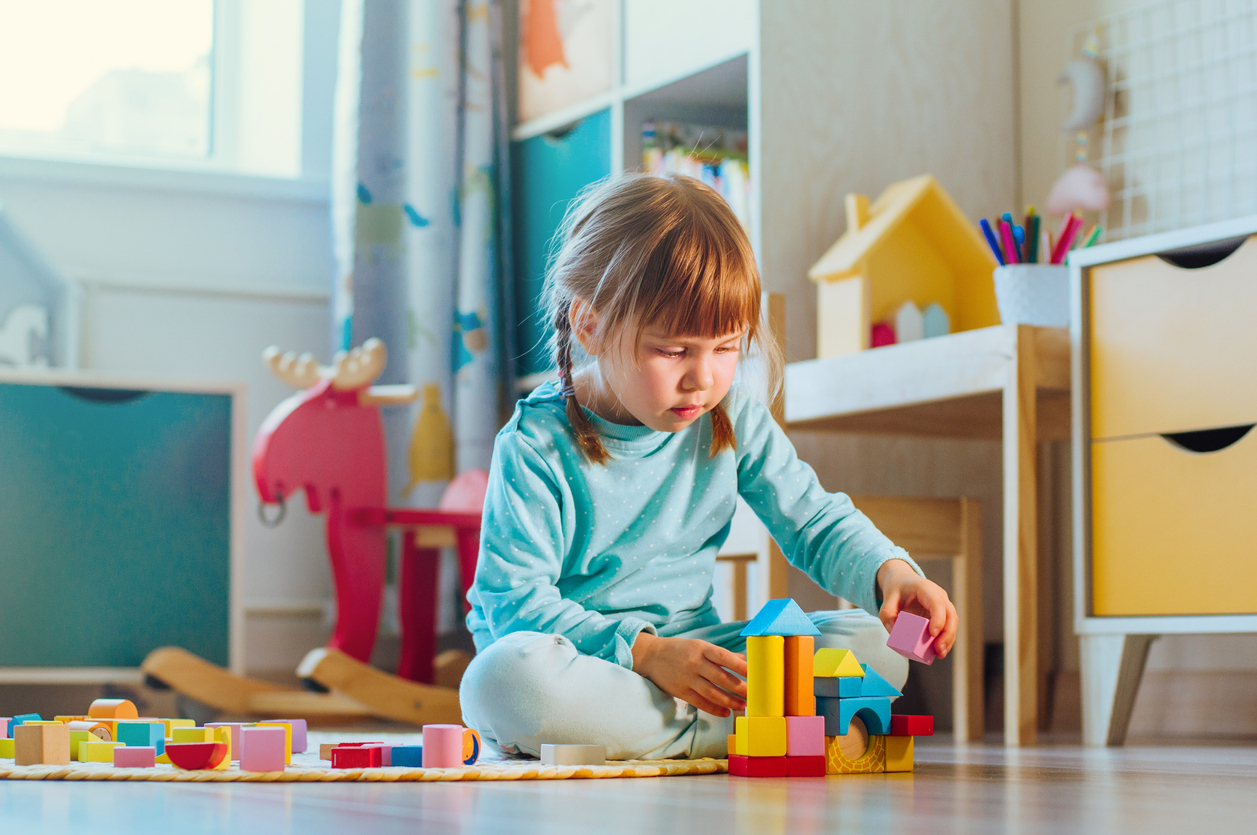
- Open-ended challenges with no single solution are worth seeking out too. A building project that keeps falling over or a recipe where you’re out of one ingredient… All of these create natural moments for your child to think: okay, that didn’t work, so what now? Those moments, small as they seem, are where cognitive flexibility actually grows. Spot the Difference requires children to hold two images in mind simultaneously and switch attention back and forth between them , the cognitive toggling that flexible thinking is built on. The Spot the Difference worksheet is a low-prep way to practise this at the table.

Frequently Asked Questions
What is cognitive flexibility in children?
It is the ability to switch thinking, try a new plan, and adapt when something changes.
How can I improve my child’s cognitive flexibility?
Play sorting games, change rules gently, offer choices, and talk through different ways to solve a problem.
Why is adaptability important for kids?
Adaptability helps children handle change, transitions, problem-solving, and new classroom or social situations.
What games build flexible thinking in kids?
Try matching games with changing rules, pretend play, puzzles, obstacle courses, and “what else could we try?” games.
Related Post
Benefits of Block Play: What Children Really Learn
30 Preschool Classroom Activities That Make Learning Feel Like Play
30 Fun CVC Word Games & Activities to Teach Phonics for Kids Offline
Fun Alphabet Activities for 4-Year-Olds

Why Oceans Matter: A Simple Ocean Learning Guide for Kids

15+ Road Trip Games for Toddlers and Preschoolers (Car Activities for Long US Drives)

What Order Should I Teach Letters to My Preschooler?
The Power of Wh- Questions for Kids

Top 15 Emotion Activities for Kids

Child Development Research vs. Parenting Advice: What Parents Really Need to Know
How to Support Your Child’s Focus

Popular Nursery Rhymes for Kids: Songs That Teach, Songs That Last
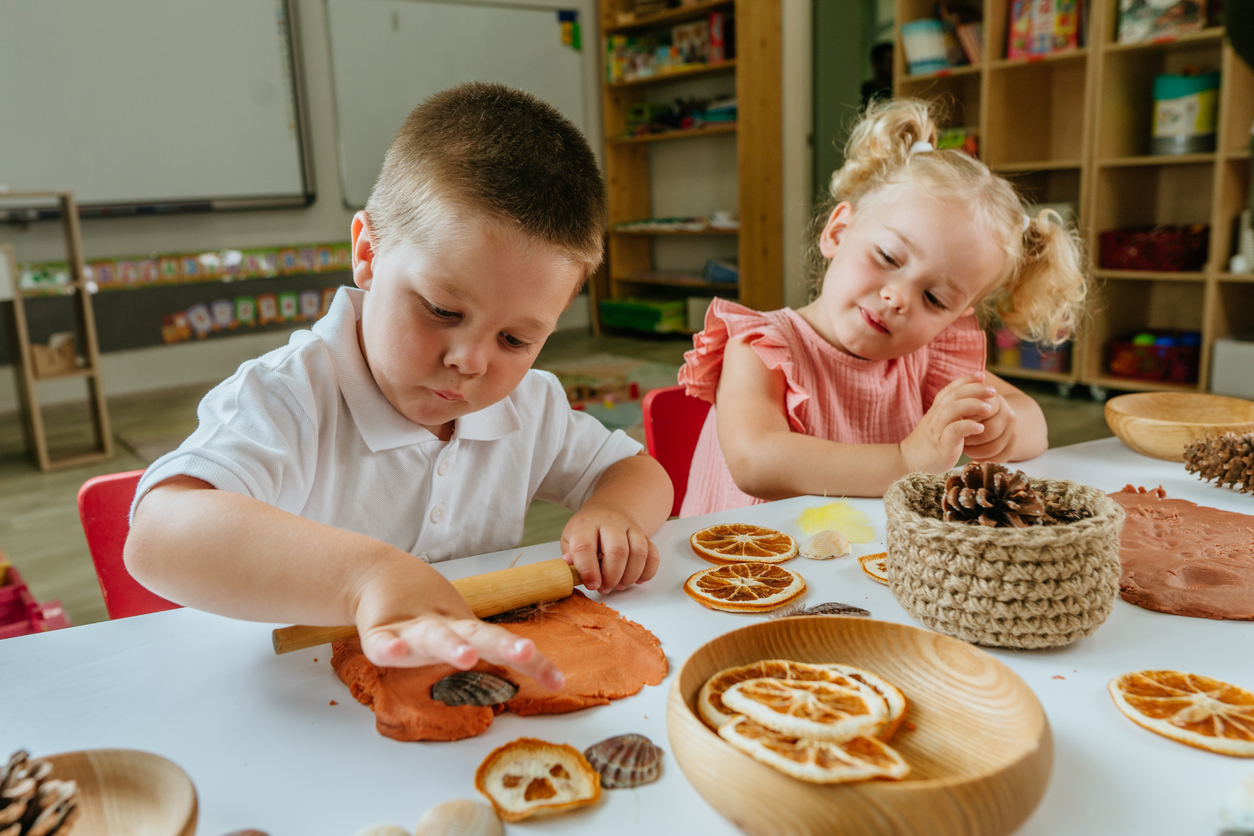
15 Fun Activities to Build Gross Motor Skills
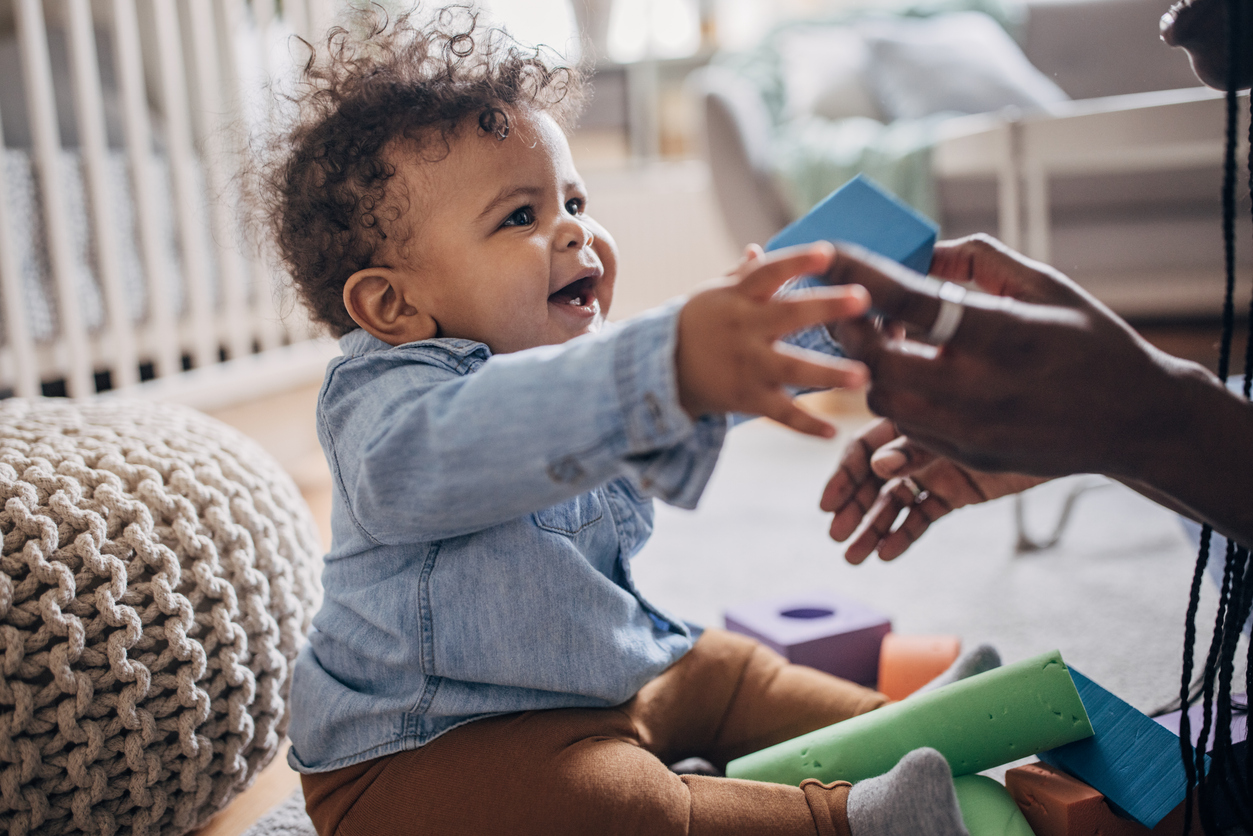
Speech Milestones in Children: Age-Wise Guide to parents

How to Build Your Child’s Self-Control
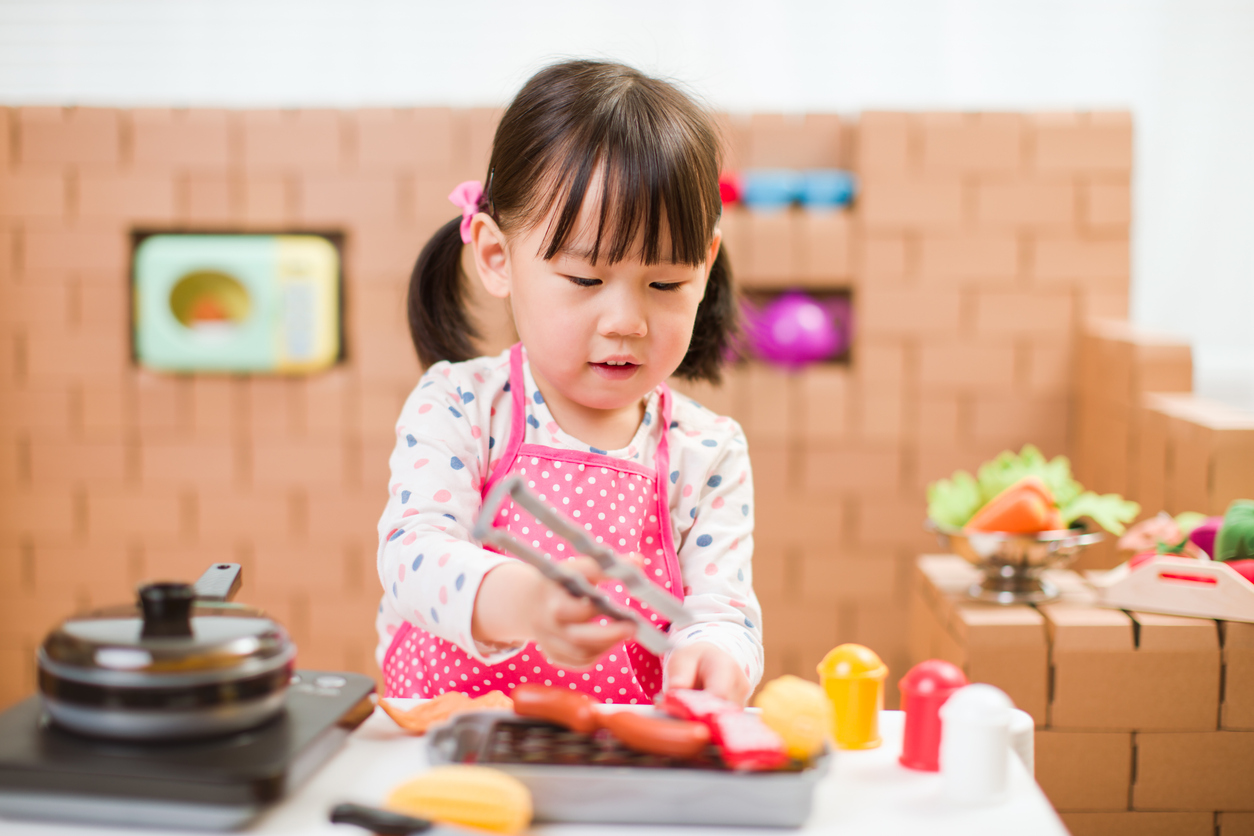
Tweezers and Tongs Activities for Little Hands

Alphabet Books Every Preschooler Should Read
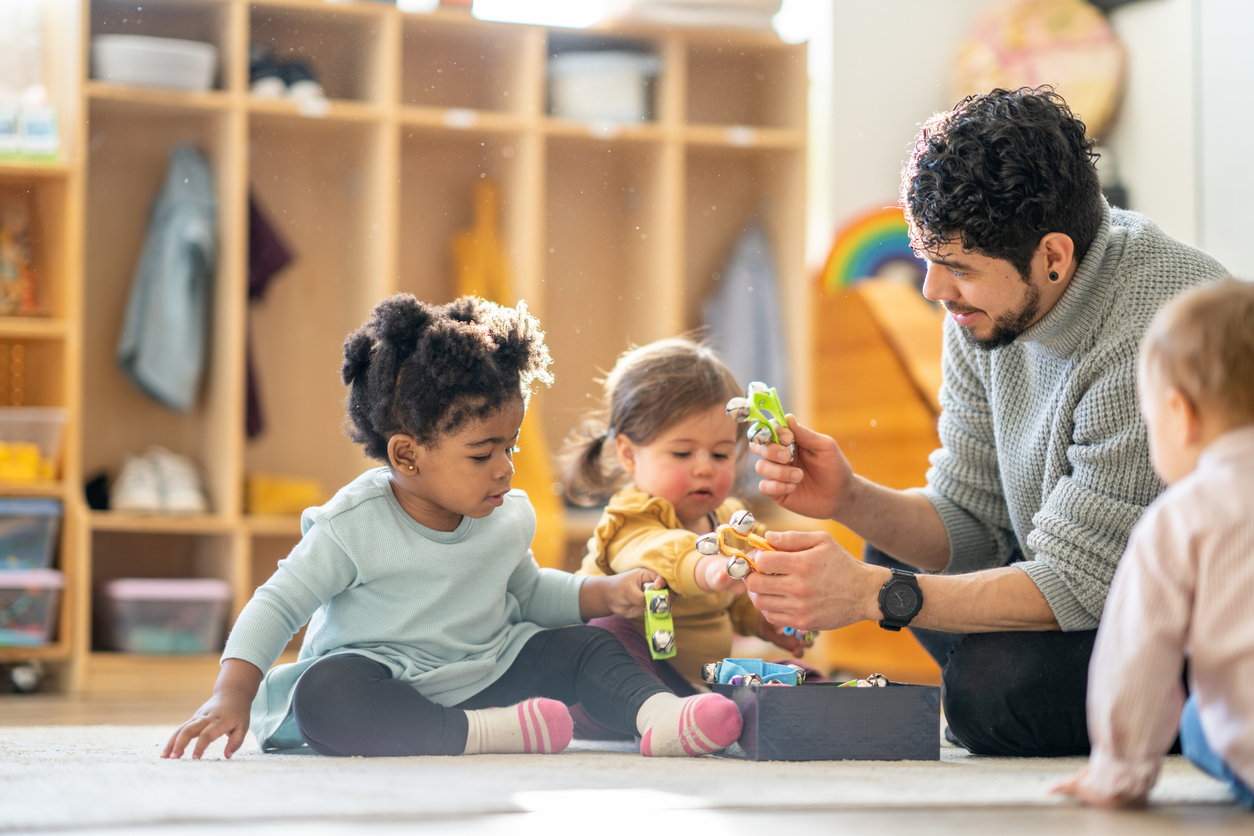
Teaching Sharing and Turn-Taking to Toddlers
Simple Ways to Boost Your Child’s Working Memory

Messy Play Activities: A Detailed Parent Guide
15 Fun Preschool Learning Activities for 3-Year-Olds
Easy Sensory Bin Ideas for Toddlers
Age-Appropriate Learning Activities for Toddlers and Preschoolers
Water Play Activities for Toddlers
Sensory Activities for 2-Year-Olds: Brain-Building Through Play
Threading and Lacing Activities for Preschoolers

The Secret to Boosting Your Child’s Vocabulary: Pointing Gesture
When to Start Potty Training
How to Raise a Problem-Solver

Building Vocabulary in Toddlers Through Play: The Science-Backed Approach

50 Boredom Busters for Toddlers and Preschoolers
Best Scissor Skills Activities for Preschoolers
STEM Activities Using Kitchen Items for Preschoolers and Kindergarteners

Rhyming Games for Preschoolers: The Secret to Reading Success
Fine Motor Activities for 3-Year-Olds: The Complete Guide to Building Strong, Skilled Hands
Playdough Activities That Build Fine Motor Skills: The Science-Backed Guide for Parents and Teachers

Understanding Your Child’s Language Development

Understanding Executive Functions: Your Child’s Cognitive Toolkit for Success

Bringing WonJo Kids into Your Classroom: A Teacher’s Guide
Sight Words for Kindergarteners: A Complete Parental Guide
25 Fun Sorting Activities for Preschoolers – Easy, Printable & Hands-On Ideas
12 Best Pattern Activities for Preschoolers That Build Math & Reading Skills

Signs of Giftedness in Toddlers: What to Look For

The Benefits of (Quality) Interactive Learning Apps for Preschoolers
Counting Activities for 3-Year-Olds: 20 Simple & Fun Ways to Grow Early Math Skills
Best Books for 3 Year Olds: 50+ Must-Read Picks to Spark a Love of Reading

Scientific Experiments for Preschoolers: 15+ Easy Activities That Spark Curiosity and Learning
Teaching Phonics at Home: A Parent’s Guide to Building Strong Readers
2-Year-Old Milestones: What to Look For

Building Confidence and Skills for Kindergarten Readiness

Understanding Your Child’s Gross Motor Development

Beat the Summer Slide Without Breaking a Sweat
Raising Tomorrow’s STEM Leaders: The Power of Spatial Skills

How to Turn Storytime into a Learning Moment?

Embracing Your Child’s Unique Strengths and Challenges: Understanding Learner Variability


