


Teaching Letter Sounds and Letter Names: Better Together Than Apart
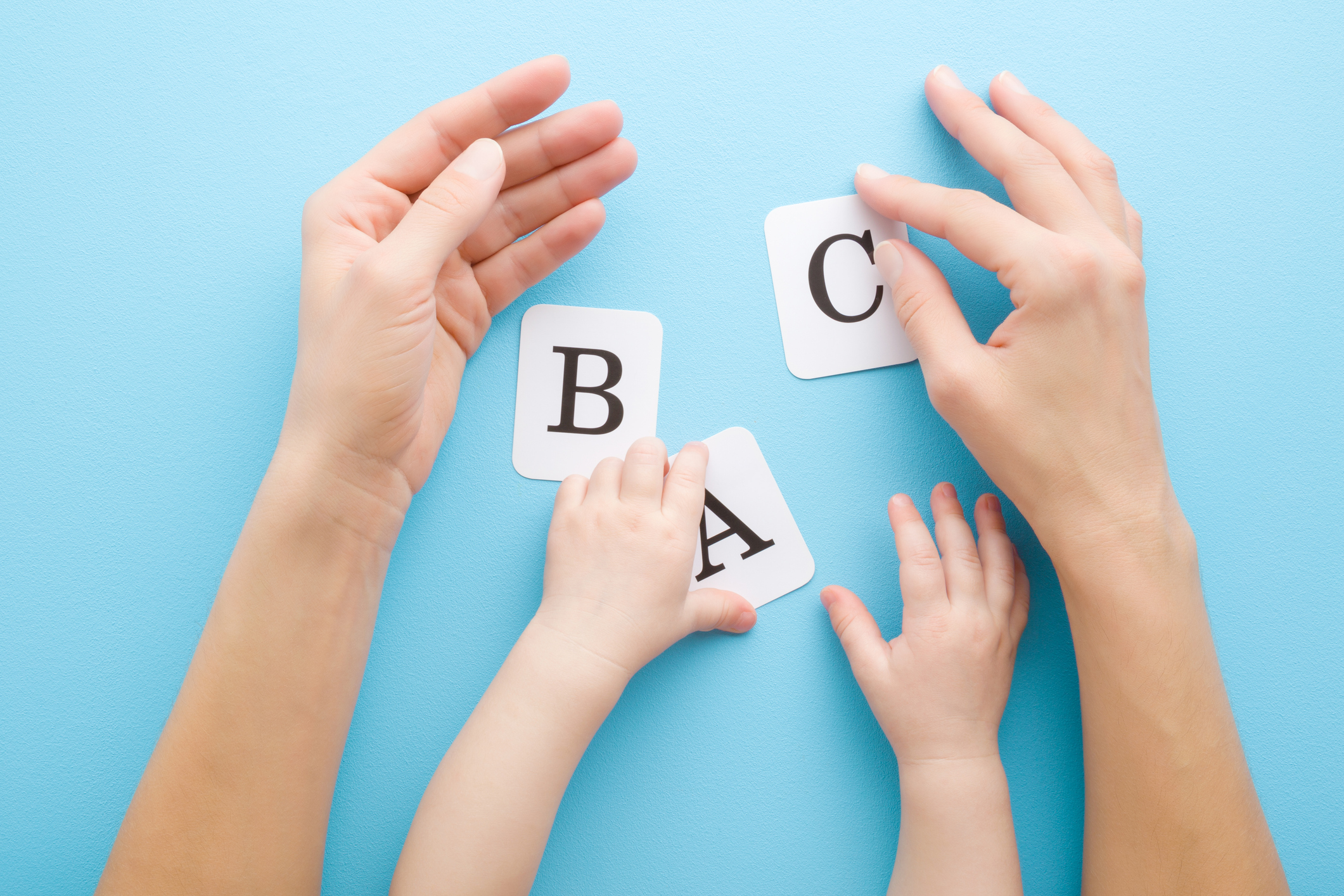
You’re standing in front of a store sign with your three-year-old, watching them point at letters, and you’re suddenly wondering: Should I teach them what this letter is called, or what sound it makes? And if you’ve gone down any parenting rabbit holes online, you’ve probably seen people argue both sides. Well, you don’t actually have to pick a side!
Research shows you don’t have to choose. Teaching both together is actually more effective than focusing on one first.
Understanding the Difference Between Letter Names and Letter Sounds
Before diving into how to teach them, it helps to know how they differ.
Letter names are how we identify letters in the alphabet (A, B, C…).
Letter sounds are the sounds letters make in spoken language (like /b/ in ball or /m/ in milk).
Both are important, and they actually work together to help children become readers.
Why Teaching Both Together Works Best
Research on preschool letter instruction reveals that children who learn letter names and sounds simultaneously outperform those who learn either in isolation. For instance, a study published in the Journal of Experimental Child Psychology found that combined letter name and sound instruction led to better letter sound learning than teaching sounds alone, particularly for letters whose names contain sound cues.
Here’s why this combined approach is so effective:
Letter names actually help children learn sounds. There’s something called the “name-to-sound facilitation effect.” When children know that the letter B is called “bee,” they can hear the /b/ sound right at the beginning of its name. The same works for letters like F (“ef”), M (“em”), and many others. The letter name becomes a built-in memory aid for the sound.
It works for all learners. Combined instruction is effective regardless of a child’s phonological processing skills, making it inclusive for children with different cognitive abilities.
It accommodates how children naturally learn. Some children pick up names easily through songs and environmental print. Others tune into sounds first. Teaching both together meets children wherever they are in their learning journey.
The Hidden Helper: How Letter Names Unlock Letter Sounds
This is one of the most important findings in early literacy research, and it’s worth understanding as a parent.
When your child learns that B is called “bee,” they’re not just learning a label. They’re getting a clue to the sound. For letters where the name contains the sound (we call these CV letters like “bee” or VC letters like “ef”), the name directly helps children figure out what sound that letter makes.
Think about it:
- “Bee” starts with /b/
- “Dee” starts with /d/
- “Ef” ends with /f/
- “Em” ends with /m/
Children naturally use these name-sound connections as stepping stones. This is why avoiding letter names doesn’t give children an advantage. It actually removes a helpful tool from their learning toolkit.
What Each One Does for Your Child
While they work best together, letter names and letter sounds do serve different purposes:
Letter Sounds Help Children:
- Understand how spoken language connects to print
- Begin blending sounds to form words (c-a-t becomes “cat”)
- Decode new words independently
- Build strong phonological awareness
- Actually read
Letter Names Help Children:
- Talk about letters clearly with parents and teachers
- Follow instructions in school settings (“Find the letter B”)
- Recognize letters in environmental print (signs, labels, books)
- Use the name as a memory cue for the sound
Both skills matter, and they reinforce each other.
How to Teach Both Together: The Most Effective Approach
Research shows that clear, direct teaching of letter-sound relationships works better than only relying on incidental learning through storybooks or songs. But don’t worry. This doesn’t mean drilling flashcards.
Here’s what effective combined instruction looks like at home:
Focus on Direct Letter Practice
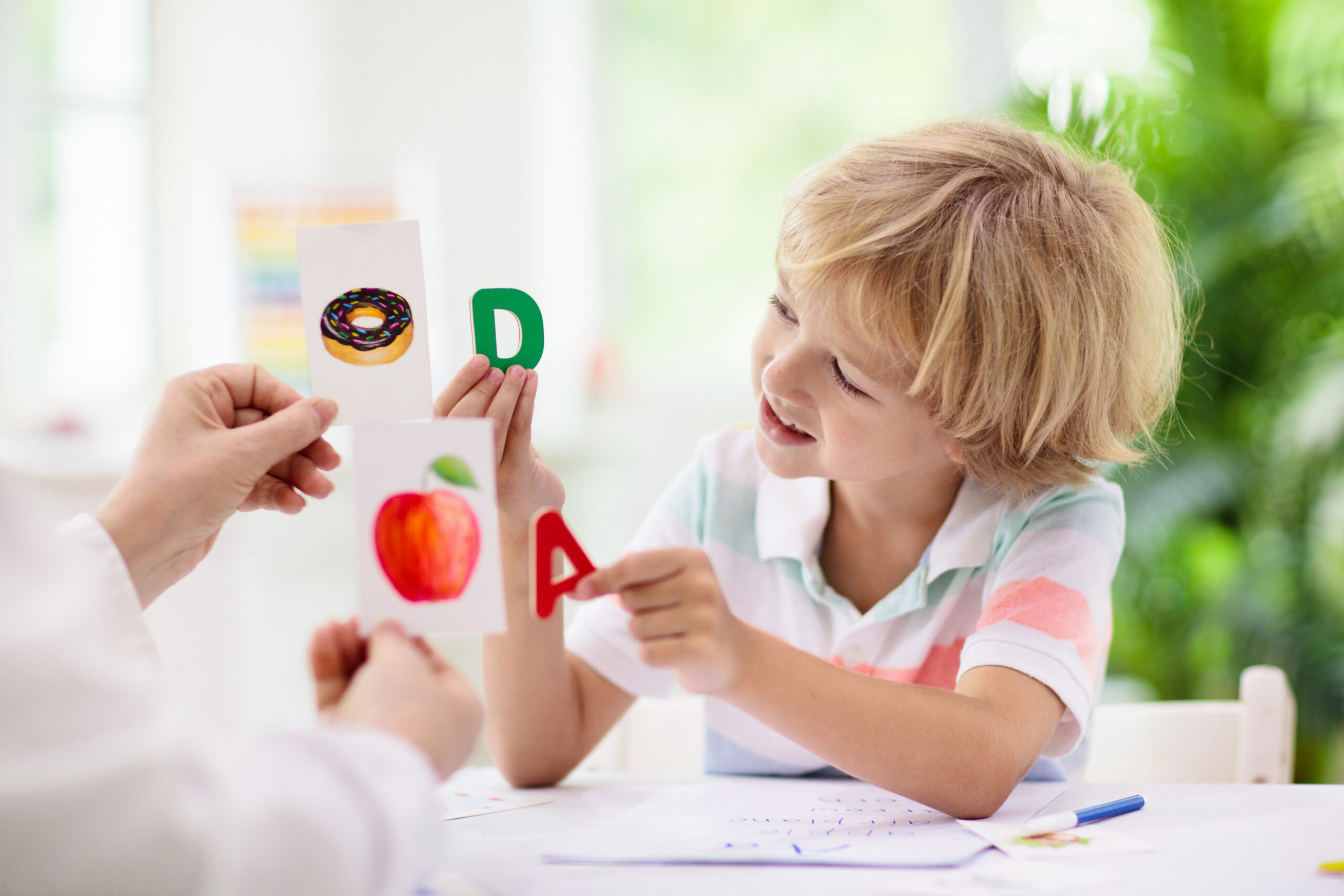
Point to a letter and say both its name and sound together: “This is the letter B. B says /b/. Can you say /b/?”
Use simple activities where your child connects the letter shape with both its name and sound, like matching games, letter puzzles, or writing practice.
Start with Name-Sound Connected Letters
Begin with letters where the name contains the sound:
- B, D, P, T, V, Z (sound at the beginning of the name)
- F, L, M, N, S, X (sound at the end of the name)
These letters are easier for children to learn because the name-to-sound connection is transparent.
Make It Playful but Intentional
You don’t need formal lessons, but do create regular moments of focused letter learning:
- “Let’s find three things that start with the letter M (’em’) /m/”
- Point out letters during reading: “That’s the letter S. S says /s/. Sun starts with /s/.”
- Play simple games: “I’m thinking of a letter that says /t/. Its name is ‘tee.'”
Use Everyday Moments
Emphasize both names and sounds during daily routines:
- At breakfast: “Milk starts with M. /m/ /m/ milk.”
- In the car: “That stop sign has the letter S (‘ess’) /s/.”
- During bath time: “Bubbles! That’s B (‘bee’) /b/.”
The goal is awareness and connection, not perfection.
How Young Children Actually Learn Letters
Preschoolers don’t learn in a straight line. They absorb information through repetition, context, and interaction.
A child might:
- Recognize the sound of a letter before remembering its name
- Know the alphabet song but not connect letters to sounds yet
- Learn letters in their name first
- Mix up names and sounds, and that’s completely normal
This flexible, somewhat messy learning process is healthy and expected. Some children will gravitate toward names first (especially if they love the ABC song), while others will tune into sounds earlier (especially if they’re sensitive to rhymes and word play). Combined instruction meets both types of learners where they are.
Common Parent Concerns
“My child knows letter names but not sounds.”
This is very common and not a setback. Now you can leverage what they already know. Point out the sound connections: “You know this letter is called ‘bee.’ Can you hear /b/ at the beginning? Bee, /b/.”
“My child knows sounds but gets confused by letter names.”
Also normal. Add the names gradually: “You know this letter says /m/. Its name is ’em.’ Can you hear /m/ in ’em’?”
“My child mixes up sounds and names.”
Mixing is part of learning. Clarity comes with exposure and time. Model gently instead of correcting directly: “That letter’s name is B, and it says /b/.”
“Should I use the alphabet song?”
Yes! The alphabet song is a wonderful way to build letter name familiarity. Just make sure you’re also spending time connecting those letters to their sounds during play and reading.
When Does This Learning Happen?
There’s no rush. Most children benefit from combined letter instruction during the preschool years (ages 3-5), but every child’s timeline is different.
Look for signs of readiness:
- Interest in letters and books
- Asking “What’s that letter?”
- Noticing print in the environment
- Beginning to recognize letters in their name
Follow your child’s natural curiosity rather than pushing a timeline.
What Truly Matters More Than Timing
Whether your child learns letters at 3, 4, or 5 matters far less than how they learn them.
Children thrive when:
- Learning feels playful, not pressured
- Adults respond with patience and encouragement
- Both names and sounds are presented as connected, not separate
- Progress is celebrated in small steps
- Curiosity is protected
A calm, supportive environment where both letter names and sounds are taught together builds stronger readers than any strict sequence ever could.
Final Thoughts
Teaching letter sounds and letter names isn’t about choosing one over the other. It’s about understanding that they work best as partners. Letter sounds support reading development, while letter names support communication, classroom learning, and surprisingly, they help children figure out sounds too.
The research is clear: combined instruction that teaches both names and sounds together, using clear and direct practice, gives children the strongest foundation for literacy. But this doesn’t mean formal drills or pressure. It simply means being intentional about connecting letter shapes to both their names and their sounds during everyday moments.
Trust your child’s pace. Follow their interests. Point out both the name and the sound when you see letters together. And remember: early literacy grows best in moments of connection, not correction.
Your child doesn’t have to choose between letter names and letter sounds, and neither do you.

Related Post

Phonemic Awareness vs. Phonics: What’s the Difference for Preschoolers?

Benefits of Block Play: What Children Really Learn

30 Fun Preschool Classroom Activities for Ages 3–5
30 Fun CVC Word Games for Kids (Easy Offline Activities)
Fun Alphabet Activities for 4-Year-Olds

Why Oceans Matter: A Simple Ocean Learning Guide for Kids
15+ Road Trip Games for Toddlers and Preschoolers (Car Activities for Long US Drives)
What Order Should I Teach Letters to My Preschooler?
The Power of Wh- Questions for Kids

15 Fun Emotion Activities for Kids to Explore Feelings

Child Development Research vs. Parenting Advice: What Parents Really Need to Know

How to Support Your Child’s Focus
How to Build Your Child’s Adaptability (or Cognitive Flexibility)
Popular Nursery Rhymes for Kids: Songs That Teach, Songs That Last
15 Fun Activities to Build Gross Motor Skills
Speech Milestones in Children: Age-Wise Guide to parents

How to Build Your Child’s Self-Control

Tweezers and Tongs Activities for Little Hands

Alphabet Books Every Preschooler Should Read

Teaching Sharing and Turn-Taking to Toddlers
Simple Ways to Boost Your Child’s Working Memory

Messy Play Activities: A Detailed Parent Guide
15 Fun Preschool Learning Activities for 3-Year-Olds
Easy Sensory Bin Ideas for Toddlers

Age-Appropriate Learning Activities for Toddlers and Preschoolers
Water Play Activities for Toddlers
Sensory Activities for 2-Year-Olds: Brain-Building Through Play
Threading and Lacing Activities for Preschoolers

The Secret to Boosting Your Child’s Vocabulary: Pointing Gesture
When to Start Potty Training
How to Raise a Problem-Solver
Building Vocabulary in Toddlers Through Play: The Science-Backed Approach

50 Boredom Busters for Toddlers and Preschoolers
Best Scissor Skills Activities for Preschoolers

STEM Activities Using Kitchen Items for Preschoolers and Kindergarteners
Rhyming Games for Preschoolers: The Secret to Reading Success
15 Easy Fine Motor Activities for 3-Year-Olds: Building a Strong and Skilled Hands
Playdough Activities That Build Fine Motor Skills: The Science-Backed Guide for Parents and Teachers

Understanding Your Child’s Language Development

Understanding Executive Functions: Your Child’s Cognitive Toolkit for Success

Bringing WonJo Kids into Your Classroom: A Teacher’s Guide
Sight Words for Kindergarteners: A Complete Parental Guide
25 Fun Sorting and Classifying Activities for Preschoolers – Easy, Printable & Hands-On Ideas

12 Best Pattern Activities for Preschoolers That Build Math & Reading Skills

Signs of Giftedness in Toddlers: What to Look For

The Benefits of (Quality) Interactive Learning Apps for Preschoolers
Counting Activities for 3-Year-Olds: 20 Simple & Fun Ways to Grow Early Math Skills
Best Books for 3 Year Olds: 50+ Must-Read Picks to Spark a Love of Reading

Scientific Experiments for Preschoolers: 15+ Easy Activities That Spark Curiosity and Learning
Teaching Phonics at Home: A Parent’s Guide to Building Strong Readers

2-Year-Old Milestones: What to Look For

Building Confidence and Skills for Kindergarten Readiness

Understanding Your Child’s Gross Motor Development

Beat the Summer Slide Without Breaking a Sweat
Raising Tomorrow’s STEM Leaders: The Power of Spatial Skills

How to Turn Storytime into a Learning Moment?

Embracing Your Child’s Unique Strengths and Challenges: Understanding Learner Variability


