


30 Preschool Classroom Activities That Make Learning Feel Like Play
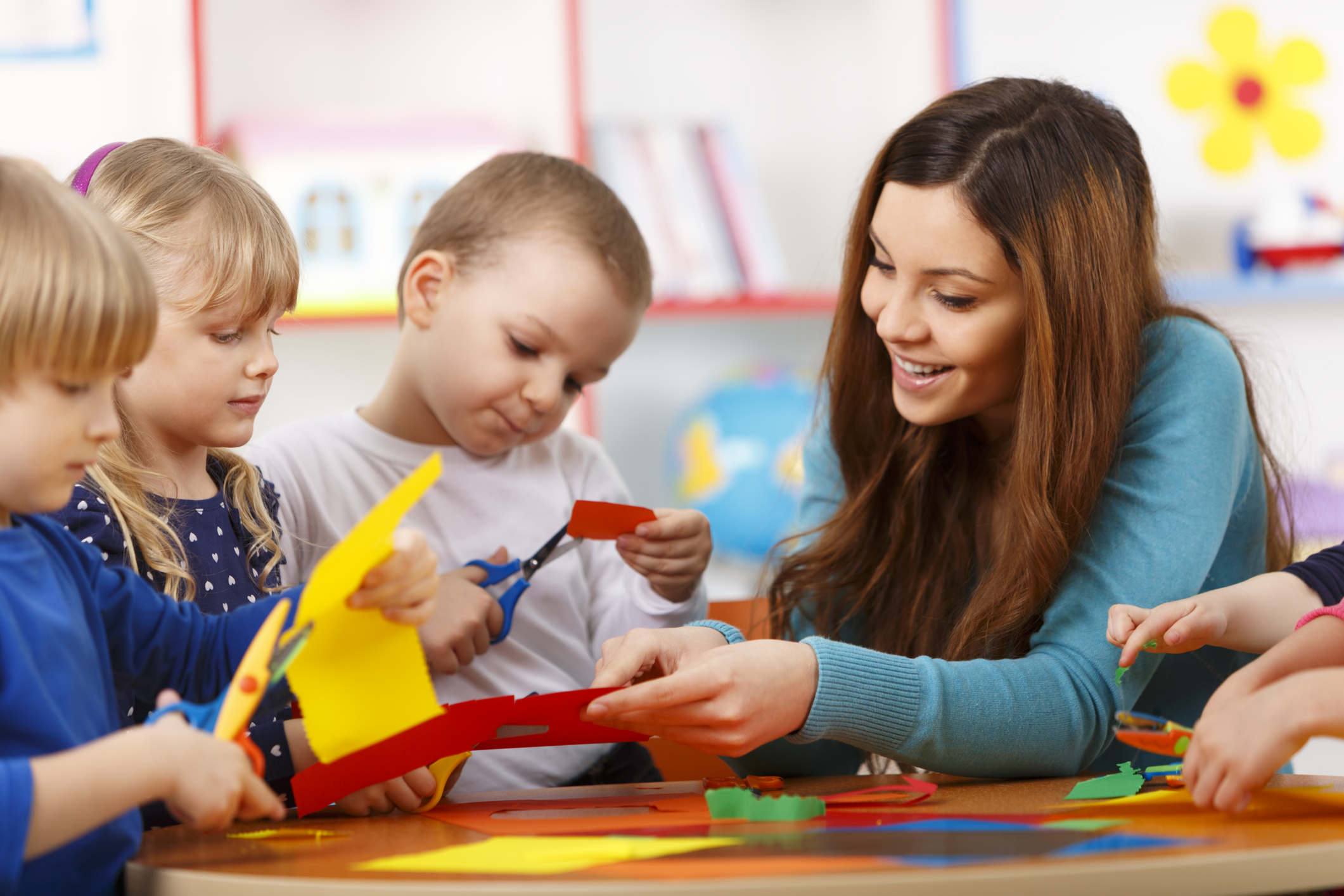
Preschool classrooms are tiny worlds with big feelings, busy hands, snack crumbs and sudden discoveries, and that’s exactly how preschool learning should feel.
At this age, kids need chances to move, talk, build, wonder, sort, pretend, listen, try again, and proudly announce, “I did it!” to anyone.
These 30 preschool classroom activities are simple, low-prep, and easy to incorporate during circle time, small groups, centers, transitions, or quiet moments. To make planning easier, we’ve grouped them by their learning areas like literacy, math, science, social-emotional learning, motor skills, creative play, and classroom routines.
No fancy setup required. No glitter explosion required either, unless you are feeling brave.
Literacy and Language Activities
These activities help children notice letters, sounds, names, stories, and words in a way that feels natural. Phonics for kids gives the developmental background behind the literacy activities in this section — useful for teachers explaining to parents why letter-sound work happens through songs and games rather than worksheets at this age
1. Morning Name Basket
Place each child’s name card in a basket. During morning meetings, invite children to pick a card and match it to the right friend. For younger children, add a photo beside each name.
Builds:
Name recognition, letter awareness, classroom belonging, early print awareness
Teacher note:
Ask, “Whose name starts the same way?” or “Do you see a letter from your name?” Keep it light. Name learning is a wonderful first step into literacy because it feels personal.
2. Letter Sound Parking Lot
Draw a simple parking lot on paper or cardboard. Write one letter in each parking space. Give children toy cars and call out a sound: “Can you park on /m/?” Children drive the car to the matching letter.
Builds:
Letter recognition, phonemic awareness, listening, sound-symbol connection
Teacher note:
Start with 4–5 familiar letters, especially letters from children’s names. Too many parking spots can turn into traffic .A very preschool traffic.
3. Sensory Letter Search
Hide magnetic letters or foam letters in a sensory bin filled with rice, shredded paper, pom-poms, or fabric scraps. Children dig for a letter, say its name, and match it to a letter card.
Builds:
Letter recognition, sensory exploration, fine motor control, attention
Teacher note:
Use only a small letter set at first. Try uppercase letters one day and lowercase letters another day, instead of tossing the whole alphabet into the bin and hoping for peace.
4. Rhyming Picture Match
Use picture cards with simple rhyming pairs like cat-hat, dog-log, sun-bun, bee-tree. Children match the cards and say the words aloud.
Builds:
Phonological awareness, vocabulary, listening, early reading readiness
Teacher note:
Children do not need to read the words to hear the rhyme. Say the pair slowly and with a little bounce: “cat…hat.” If they giggle, excellent. Rhymes are supposed to be a bit bouncy.
5. Story Retell with Picture Cards
After reading a short book, give children picture cards showing key moments from the story. Ask them to place the cards in order: beginning, middle, end.
Builds:
Story comprehension, sequencing, memory, oral language
Teacher note:
Use prompts like, “What happened first?” “What changed?” and “How did it end?” If children retell with their own words, that counts. Preschool storytelling often takes scenic routes.
6. Picture Writing Center
Place interesting picture cards at the writing center. Children choose one, draw about it, and “write” using marks, scribbles, letters, or invented spelling. Teachers can write the child’s dictated words underneath.
Builds:
Early writing, vocabulary, imagination, storytelling confidence
Teacher note:
Say, “Tell me about your picture,” instead of “What does it say?” This keeps the door wide open for children who are still figuring out how ideas become marks on paper.
Math and Logic Activities
Preschool math starts with real things: blocks, beads, jumps, shapes, and “mine has more!” moments. These activities help children count, compare, sort, and notice patterns through play. Counting activities for 3-year-olds goes deeper on the math strand , 20 specific activities built around the one-to-one correspondence principle that underpins every counting activity in the classroom
7. Count and Clip Cards
Create cards with dots, animals, apples, stars, or other simple pictures from 1 to 10. Children count the objects and clip a clothespin to the matching number.
Builds:
Counting, number recognition, one-to-one correspondence, fine motor strength
Teacher note:
Use small numbers first. Counting three dots confidently is much better than rushing to ten and losing the plot somewhere around seven.
8. Build a Number Tower
Try it:
Place number cards on the table. Children choose a card and build a tower with that many blocks. If the card says 6, they stack 6 blocks.
Builds:
Counting, number quantity, comparison, hand-eye coordination
Teacher note:
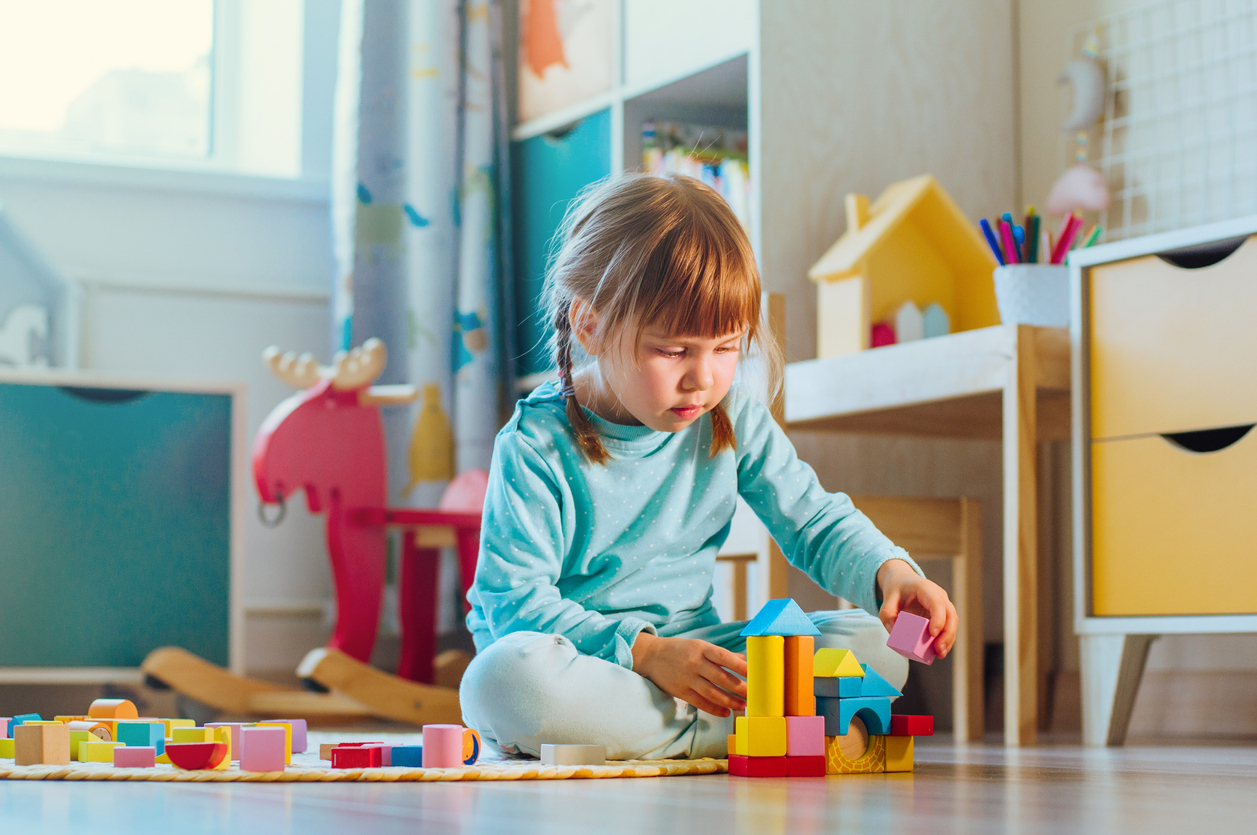
Ask, “Which tower is taller?” “Which has fewer blocks?” or “What happens if we add one more?” Math and block towers make a great team.
9. Shape Walk
Give children shape cards and invite them to walk around the room looking for matching shapes. A clock might be a circle. A book might be a rectangle. A block might be a square.
Builds:
Shape recognition, visual discrimination, observation, vocabulary
Teacher note:
Celebrate almost-shapes too. “That window looks like a rectangle, but it has a frame inside. Good noticing.” Shapes in real life are wonderfully messy.
10. Sorting Tray Station
Place mixed objects in a tray: buttons, pom-poms, blocks, toy animals, bottle caps, or classroom counters. Invite children to sort them by color, size, shape, texture, or type.
Builds:
Classification, flexible thinking, vocabulary, early logic
Teacher note:
Ask, “How did you sort them?” There can be more than one right answer. That is the magic bit.
11. Pattern Bracelet Station
Give children pipe cleaners and beads. Ask them to create simple patterns such as red-blue-red-blue or big-small-big-small.
Builds:
Pattern recognition, early math reasoning, fine motor control, focus
Teacher note:
Start the pattern for children who need support, then invite them to continue it. “Red, blue, red, blue…what comes next?” Pattern work is prediction practice in disguise. The Pattern Recognition worksheet works well as an independent desk activity during center time , children follow a visual rule to complete the pattern, which builds the sequential thinking that early math relies on without requiring any teacher input once it is set up
12. Number Line Jump
Try it:
Tape a number line from 1 to 10 on the floor. Call out a number and invite children to jump to it. For older preschoolers, try “jump to the number after 4” or “jump to the number before 7.”
Builds:
Number recognition, sequencing, gross motor movement, listening
Teacher note:
Let children hop, tiptoe, stomp, or giant-step to the number. A moving body often helps a thinking brain wake up and join the party.
Science and Discovery Activities
Science in preschool does not need lab coats. Though if a child insists on wearing one, obviously we support the drama. These activities help kids observe, predict, test, compare, and ask “why?” about the world around them.
Builds:
Observation, science vocabulary, speaking confidence, daily routine
Teacher note:
Keep the language simple: sunny, cloudy, rainy, windy, hot, cold. Weather reporting can become a small, steady ritual children look forward to.
Builds:
Prediction, observation, cause and effect, early science thinking
Teacher note:
Ask, “What do you notice?” instead of jumping to explain. Preschool science begins with noticing. The explanation can grow from there.
15. Nature Sorting Table
Bring in leaves, sticks, stones, shells, flowers, or pinecones. Children observe, touch, compare, and sort them by size, color, texture, or type.
Builds:
Observation, classification, descriptive language, sensory awareness
Teacher note:
Use questions like, “Which one is smooth?” “Which one is rough?” “Which one feels light?” Let children lead with their senses.
16. Build a Bridge Challenge
Give children blocks, craft sticks, cardboard tubes, or small boxes. Ask them to build a bridge that a toy animal or car can cross.
Builds:
Problem-solving, planning, engineering thinking, teamwork
Teacher note:
When the bridge falls, resist fixing it right away. Ask, “What could make it stronger?” A wobbly bridge is not a failure. It is research.
17. Classroom Sound Walk
Invite children to sit quietly for 30 seconds and listen. Then ask what sounds they heard: footsteps, a fan, birds, voices, chairs moving, a truck outside.
Builds:
Attention, listening, mindfulness, language, auditory discrimination
Teacher note:
Try it with eyes open first, then eyes closed if the group is ready. Thirty seconds of quiet can feel like a small miracle. Take the win.
Social-Emotional Learning Activities
Preschoolers are learning letters and numbers, yes. But they are also learning how to wait, share, try again, feel disappointed, calm down, and be part of a group. These are big skills in small bodies. Emotional regulation activities for young children is a practical companion for the SEL section here — 20 structured activities that fit naturally into transitions, morning circle, or the post-conflict cool-down moments that every preschool classroom has
18. Feelings Check-In Chart
Create a chart with simple feeling faces: happy, sad, angry, worried, excited, tired. Children place their name or photo near the feeling that matches their morning.
Builds:
Emotional vocabulary, self-awareness, communication, classroom trust
Teacher note:
Keep it gentle. Children can point instead of speaking. Some feelings are not ready for the microphone first thing in the morning.
19. Puppet Problem Solving
Use two puppets to act out a familiar classroom problem. One puppet grabs a toy. Another puppet feels sad. Ask the class, “What could they do next?”
Builds:
Empathy, problem-solving, perspective-taking, conflict resolution
Teacher note:
Puppets make tricky topics feel safer. Children often help a puppet solve a problem before they can solve the same problem themselves.
20. Kindness Jar
Place a jar in the classroom. When a child helps, shares, waits, comforts someone, or uses kind words, add a pom-pom to the jar. When it fills, celebrate with a song, dance, or extra story.
Builds:
Kindness, social awareness, belonging, positive classroom culture
Teacher note:
Keep the focus on noticing kindness, not competing for it. Say, “I noticed you helped Sam find the blue crayon,” instead of “Who can earn a pom-pom?”
21. Calm Corner Choice Cards
Create a calm corner with simple choice cards: breathe, squeeze a soft toy, look at a book, draw, stretch, or sit quietly. Teach children how to use it before big feelings happen.
Builds:
Emotional regulation, independence, self-awareness, coping skills
Teacher note:
Introduce the calm corner during a calm moment. A child who is already upset should not have to learn the system and manage the feeling at the same time. That is a lot. For anyone.
22. Classroom Jobs Chart
Give children simple classroom jobs: line leader, light helper, plant helper, book helper, clean-up captain, snack helper. Rotate jobs daily or weekly.
Builds:
Responsibility, independence, confidence, community
Teacher note:
Use jobs that truly help the classroom. Children know when their role matters, and “I have a job!” is a very powerful preschool feeling.
Fine Motor and Sensory Activities
Tiny hands are working hard. These activities build strength, coordination, control, and focus without turning everything into pencil practice too early.
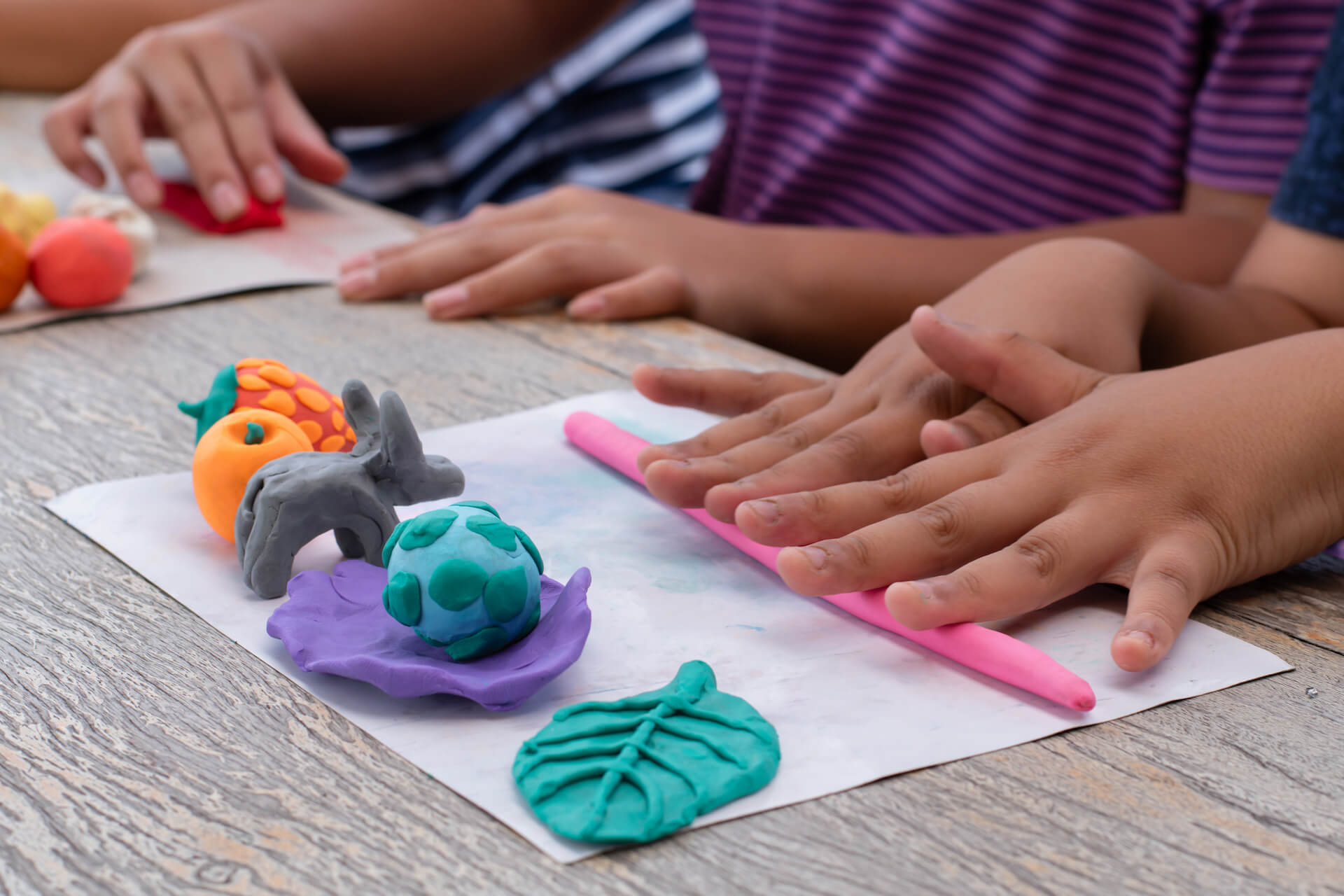
23. Playdough Letter Mats
Give children playdough and large letter mats. They roll playdough into “snakes” and shape the letter.
Builds:
Fine motor strength, letter formation, hand-eye coordination, sensory exploration
Teacher note:
Start with letters from children’s names. A letter feels more exciting when it belongs to you. The Alphabet Tracing & Phonics Game is a strong classroom choice for the digital station , children trace letters while hearing their sounds, which means the fine motor and the literacy work happen simultaneously rather than in separate activities
24. Sticker Path Tracing
Draw simple paths on paper: straight, zigzag, curved, spiral. Children place stickers along the path from start to finish.
Builds:
Fine motor control, focus, visual tracking, pre-writing skills
Teacher note:
This is great for quiet time after outdoor play or lunch. It has that lovely “busy hands, calm room” energy.
25. Color Hunt Around the Classroom
Call out a color and invite children to find something in the classroom that matches. Start with basic colors. Later try “something light blue” or “something with two colors.”
Builds:
Color recognition, observation, vocabulary, movement
Teacher note:
Use it as a transition. “Find something yellow, then tiptoe to the carpet.” Learning plus movement plus fewer traffic jams.
26. Freeze Dance Listening Game
Try it:
Play music and let children dance. When the music stops, they freeze. Add playful prompts: “Freeze like a triangle,” “Freeze like a tall tree,” or “Freeze with three fingers up.”
Builds:
Listening, self-control, body awareness, gross motor skills
Teacher note:
Keep rounds short. Preschool self-control grows in tiny reps. Also, freezing like a banana is allowed if the room needs a laugh.
Creative and Pretend Play Activities
Pretend play is not “just play.” It is language, planning, social negotiation, creativity, memory, and problem-solving all dressed up as a restaurant, a rocket ship, or a very serious block zoo.
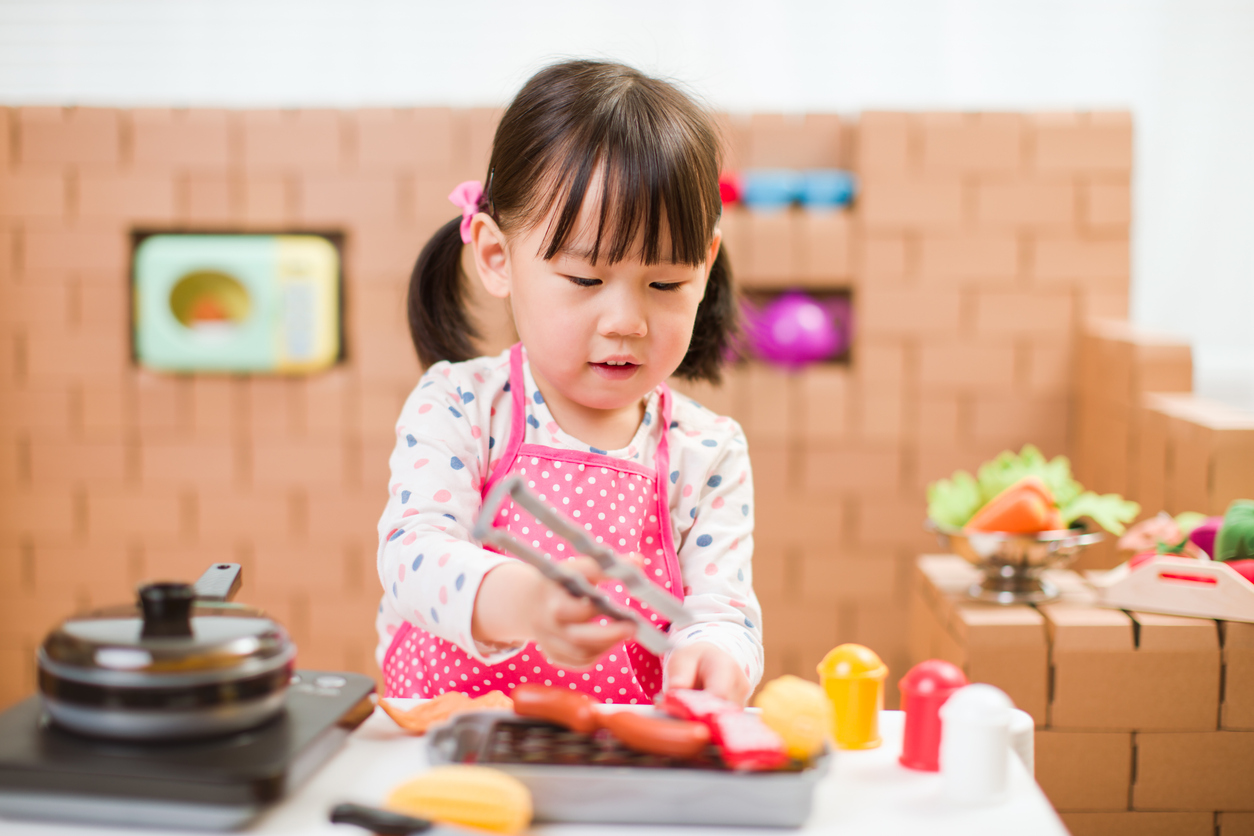
27. Dramatic Play Restaurant
Set up a pretend restaurant with menus, plates, cups, notepads, aprons, and play food. Children can be cooks, servers, customers, or cashiers.
Builds:
Language, social skills, pretend play, early writing, turn-taking
Teacher note:
Add simple mark-making by inviting children to “take orders.” Scribbles count. A preschool menu with mystery soup and 14 pancakes is still a menu.
28. Build the Story Scene
After reading a book, invite children to build a scene from the story using blocks, animals, loose parts, or art materials. After a farm story, they might build a barn, pond, fence, or animal home.
Builds:
Comprehension, creativity, sequencing, spatial thinking
Teacher note:
Ask children to explain what they built. Their answer will show you what they understood from the story, often better than a worksheet would.
29. Mystery Bag Guessing Game
Place one object inside a bag. Children ask questions or use clues to guess what it is. Use classroom items, toy animals, shapes, letters, or theme-based objects.
Builds:
Vocabulary, questioning, listening, observation, turn-taking
Teacher note:
Model useful clues: “It feels soft,” “It has corners,” “We use it for painting.” This helps children move beyond the classic preschool question: “Is it a dinosaur?”
Reflection and Classroom Routine Activities
Routines help children feel sturdy. Reflection helps them notice their own learning. Together, they make the classroom feel safe, predictable, and full of small wins.
30. End-of-Day Reflection Circle
Before dismissal, ask one question:
- What made you smile today?
- What did you build today?
- Who helped you today?
- What was tricky today?
- What do you want to try tomorrow?
Children can answer with words, gestures, drawings, or pointing.
Builds:
Memory, language, confidence, emotional awareness, classroom connection
Teacher note:
Keep it short and warm. Reflection does not need to become a speech. One sentence, one smile, one “I built a giant thing” is enough.
How to Use These Activities Without Overplanning
You do not need to use all 30 activities in one week. Preschool teachers already have enough tabs open in their brains.
Start small:
- Choose one activity for the morning meeting.
- Add two activities to centers.
- Keep one movement activity ready for transitions.
- Use one calm activity after lunch or outdoor play.
- End the day with one reflection question.
The best preschool activities are familiar enough to feel safe and flexible enough to feel fresh. You can repeat the same idea with different letters, numbers, stories, objects, or themes. That repetition is not boring for young kids. It is how they get stronger.
Final Thought
Preschool learning does not need to be loud, complicated, or covered in laminated everything.
Sometimes it looks like a child clipping a clothespin to the number 4. Sometimes it looks like a tower falling down and being built again. Sometimes it looks like a child pointing to the “worried” face on a feelings chart and realizing there is a word for that.
At WonJo Kids, we believe children learn best when they feel happy, capable, and safe to try. These activities are made for exactly that: small classroom moments that help kids say, in their own way, “Go, me”.

Frequently Asked Questions
What makes an activity 'low-prep' for a busy preschool classroom?
A low-prep activity needs only basic, already-on-hand materials - paper, blocks, picture cards, or household objects and little to no setup time before it can be used with a group. This makes it realistic for teachers to rotate through centers, circle time, or transitions without extra planning each day.
How many of these activities should a teacher try to fit into one week?
There's no need to use all 30 in a single week , the guide suggests starting small: one activity for morning meeting, two for centers, one for movement transitions, and one calm activity or reflection question to close the day.
Can the same preschool activity be reused, or will children get bored repeating it?
Repetition is actually beneficial at this age. The same activity can be repeated with different letters, numbers, themes, or objects, and that familiar-but-fresh repetition is part of how young children build mastery rather than becoming bored.
Do these classroom activities require any special supplies or a big budget?
No, most activities use everyday classroom materials like blocks, paper, playdough, picture cards, or found objects like leaves and buttons, making them accessible for any preschool or home-based setting without special purchases.
Related Post
30 Fun CVC Word Games & Activities to Teach Phonics for Kids Offline
Fun Alphabet Activities for 4-Year-Olds

Why Oceans Matter: A Simple Ocean Learning Guide for Kids
15+ Road Trip Games for Toddlers and Preschoolers (Car Activities for Long US Drives)
What Order Should I Teach Letters to My Preschooler?
The Power of Wh- Questions for Kids
Top 15 Emotion Activities for Kids

Child Development Research vs. Parenting Advice: What Parents Really Need to Know
How to Support Your Child’s Focus
How to Build Your Child’s Adaptability (or Cognitive Flexibility)
Popular Nursery Rhymes for Kids: Songs That Teach, Songs That Last
15 Fun Activities to Build Gross Motor Skills
Speech Milestones in Children: Age-Wise Guide to parents
How to Build Your Child’s Self-Control
Tweezers and Tongs Activities for Little Hands
Alphabet Books Every Preschooler Should Read
Teaching Sharing and Turn-Taking to Toddlers
Simple Ways to Boost Your Child’s Working Memory
Messy Play Activities: A Detailed Parent Guide
15 Fun Preschool Learning Activities for 3-Year-Olds
Easy Sensory Bin Ideas for Toddlers
Age-Appropriate Learning Activities for Toddlers and Preschoolers
Water Play Activities for Toddlers
Sensory Activities for 2-Year-Olds: Brain-Building Through Play
Threading and Lacing Activities for Preschoolers

The Secret to Boosting Your Child’s Vocabulary: Pointing Gesture
When to Start Potty Training
How to Raise a Problem-Solver
Building Vocabulary in Toddlers Through Play: The Science-Backed Approach

50 Boredom Busters for Toddlers and Preschoolers
Best Scissor Skills Activities for Preschoolers
STEM Activities Using Kitchen Items for Preschoolers and Kindergarteners
Rhyming Games for Preschoolers: The Secret to Reading Success
Fine Motor Activities for 3-Year-Olds: The Complete Guide to Building Strong, Skilled Hands
Playdough Activities That Build Fine Motor Skills: The Science-Backed Guide for Parents and Teachers
Understanding Your Child’s Language Development

Understanding Executive Functions: Your Child’s Cognitive Toolkit for Success

Bringing WonJo Kids into Your Classroom: A Teacher’s Guide
Sight Words for Kindergarteners: A Complete Parental Guide
25 Fun Sorting Activities for Preschoolers – Easy, Printable & Hands-On Ideas
12 Best Pattern Activities for Preschoolers That Build Math & Reading Skills

Signs of Giftedness in Toddlers: What to Look For
The Benefits of (Quality) Interactive Learning Apps for Preschoolers
Counting Activities for 3-Year-Olds: 20 Simple & Fun Ways to Grow Early Math Skills
Best Books for 3 Year Olds: 50+ Must-Read Picks to Spark a Love of Reading

Scientific Experiments for Preschoolers: 15+ Easy Activities That Spark Curiosity and Learning
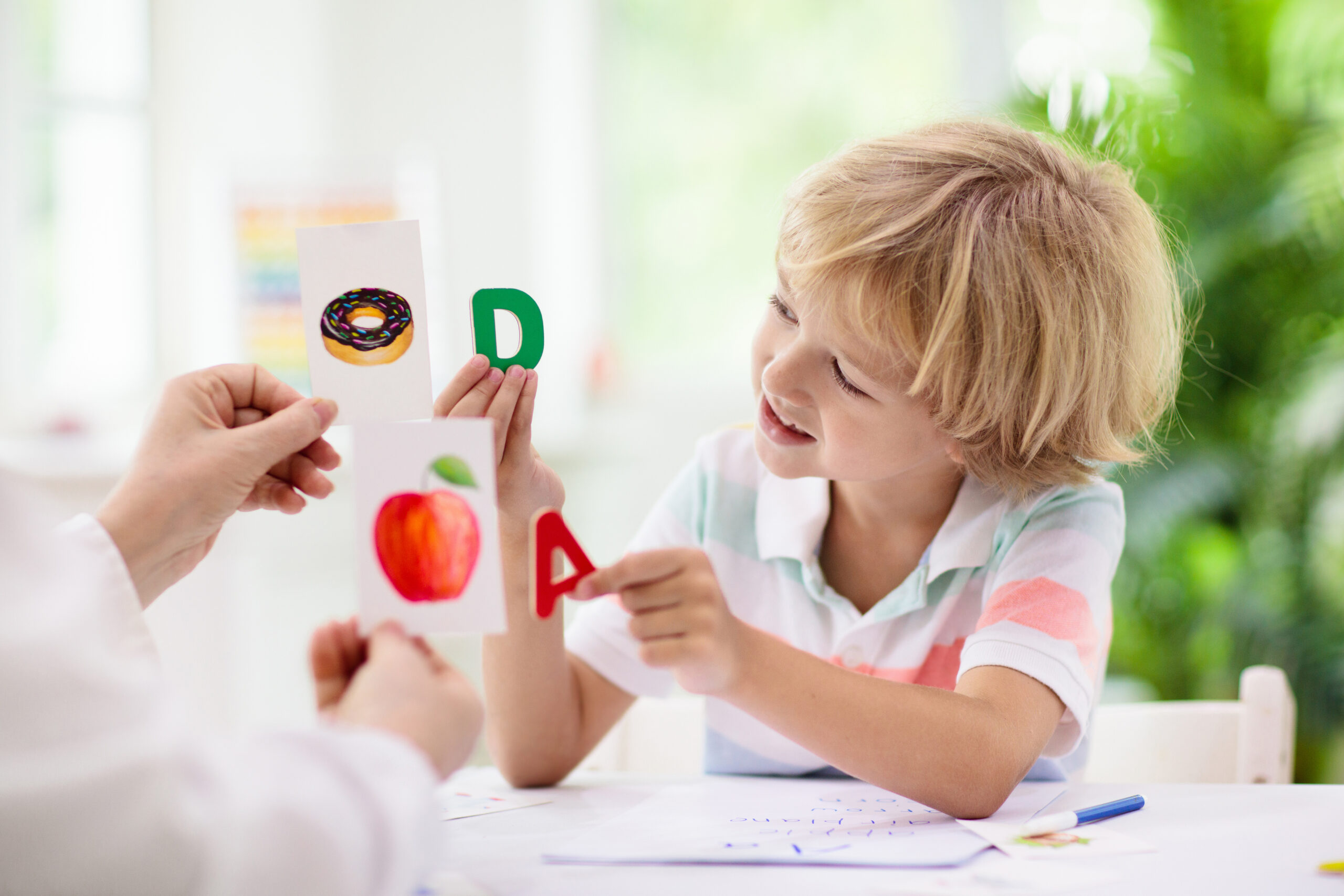
Teaching Phonics at Home: A Parent’s Guide to Building Strong Readers
2-Year-Old Milestones: What to Look For
Building Confidence and Skills for Kindergarten Readiness
Understanding Your Child’s Gross Motor Development
Beat the Summer Slide Without Breaking a Sweat
Raising Tomorrow’s STEM Leaders: The Power of Spatial Skills

How to Turn Storytime into a Learning Moment?

Embracing Your Child’s Unique Strengths and Challenges: Understanding Learner Variability


