


Top 15 Emotion Activities for Kids

Children experience big feelings long before they know what to call them. Joy, frustration, excitement, disappointment, fear… These emotions can feel overwhelming, especially for young children who are still learning how to express themselves.
From a parent’s perspective, emotional activities are not about fixing feelings. They’re about helping children recognize, name, and navigate emotions in a safe and supportive way. With simple, play-based activities, emotional learning can become part of everyday life.
Why Emotional Learning Is Important in Childhood
Emotional development lays the groundwork for social skills, self-confidence, and mental well-being. When children understand their emotions, they are better able to communicate needs, manage challenges, and build healthy relationships.
Emotion activities help children:
- Recognize different feelings
- Build empathy and awareness
- Develop self-regulation skills
- Communicate emotions safely
- Feel understood and supported
These skills grow over time and through consistent experiences.
When to Start Emotion Activities
Children can begin exploring emotions as early as toddlerhood. Even before they can speak fluently, children benefit from seeing emotions named and validated. Activities can be adapted for toddlers, preschoolers, and older children by adjusting language and expectations.
The key is to keep it gentle, playful, and pressure-free.
Top 15 Emotion Activities for Kids
1. Emotion Face Matching
Show your child pictures of faces showing emotions like happy, sad, angry, or surprised. Ask them to name the emotion or match the face to an emotion word.
Why it helps: Builds emotion recognition and visual awareness.
2. Feelings Mirror Play
Stand with your child in front of a mirror. Take turns making facial expressions and naming the feeling you see.
Why it helps: Encourages self-awareness and emotional expression.
3. Feelings Thermometer
Create a feelings thermometer using colors:
- Green = calm
- Yellow = happy
- Orange = excited
- Red = angry or upset
Draw or print a vertical strip with these colors, from calm to big feelings. Ask your child to point to or place a clip on the color that matches how they feel.
Why it helps: Helps children understand emotional intensity and associate feelings with visual cues.
4. Emotion Story Stones
Draw simple emotion faces on stones or paper circles. While telling a story or reading a book, ask your child to pick a stone showing how a character feels.
Why it helps: Builds emotional vocabulary and storytelling skills.
5. Calm-Down Sensory Jar
Fill a clear bottle with water and glitter. When emotions feel big, let your child shake the jar and watch it slowly settle together.
Why it helps: Supports calming and emotional regulation.
6. Emotion Role Play
Use toys or puppets to act out everyday situations like sharing, waiting, or losing a turn. Talk about how each character might feel.
Why it helps: Develops empathy and perspective-taking.
7. Feelings Music & Movement
Play different types of music (happy, slow, energetic). Invite your child to move their body in a way that matches how the music feels.
Why it helps: Encourages emotional release and body awareness.
The Emotions Song gives children a melodic hook for naming feelings — the rhythm makes the vocabulary stick faster than a conversation about feelings usually does, and children tend to return to songs on their own
8. Emotion Wheel Check-In
Create an emotion wheel using paper and crayons. Divide a circle into sections and draw faces for feelings like happy, sad, angry, calm, and tired. Ask your child to point to the emotion that matches how they feel.
Why it helps: Supports emotional communication and choice-making.
9. Drawing Feelings Freely
Offer paper and crayons and invite your child to draw how they feel today—no instructions or corrections.
Why it helps: Encourages emotional expression and creativity.
10. Belly Breathing with a Breath Buddy
Have your child lie down and place a soft toy on their belly (not their chest). Ask them to breathe in slowly so the toy rises, then breathe out and watch it go down.
Why it helps: Teaches belly breathing for calming the body and nervous system.
11. Emotion Scavenger Hunt
Look for pictures in books, magazines, or around the house that show emotions. Talk about what clues (faces, body language) show that feeling.
Why it helps: Builds observation skills and emotional awareness.
The Feelings Game is worth having on rotation alongside these activities — children match faces to emotion words in a low-stakes format that doesn’t feel like a lesson, which is exactly why it works.
12. Kind Words Jar
Write kind words or helpful actions on small slips of paper. Pick one each day and practice it together.
Why it helps: Builds empathy and positive social behavior.
13. Emotion Sorting with Everyday Situations
Create simple situation cards using drawings or words like:
- “Dropping an ice cream”
- “Getting a hug”
- “Waiting for a turn”
Ask your child to sort each card under an emotion (happy, sad, frustrated, excited).
Why it helps: Develops emotional reasoning and understanding real-life reactions. The Emotions Card Game adds a social layer — children take turns identifying emotions on cards, which builds both the vocabulary and the turn-taking that emotional conversations require in real life
14. Daily Feelings Check-In Spot
Create a designated space at home (a chart, magnet board, or paper on the fridge) where your child can point to or move a marker to show how they feel each day.
Why it helps: Encourages routine emotional expression and trust.
15. Gratitude Sharing Time (Family or One-on-One)
At bedtime or during dinner, ask your child to share one thing that made them feel good. Parents can share too.
Why it helps: Supports emotional reflection and a positive mindset.
Recognising emotions is the first step – managing them is the next. Emotional regulation activities for young children picks up where emotion identification leaves off, with 20 activities that help children practise calming once they can name what they’re feeling. Emotion recognition doesn’t just help children understand themselves , it’s the foundation of empathy, the ability to sense what someone else might be feeling. Developing empathy in children looks at how that outward turn develops and what parents can do to support it
How Parents Can Support Emotional Learning
Children learn emotions best when they feel safe and heard.
- Name emotions during everyday moments
- Validate feelings without rushing to solve them
- Model healthy emotional responses
- Offer comfort before correction
- Keep conversations simple and age-appropriate
What to Avoid During Emotion Activities
Emotional growth takes time and patience.
- Dismissing feelings as “small” or “silly”
- Expecting immediate emotional control
- Comparing emotional responses between children
- Forcing participation during intense moments
Final Thoughts
Emotion activities for kids are not about teaching children to suppress feelings, they’re about helping them understand and express what’s happening inside. With gentle guidance and playful experiences, children learn that all emotions are valid and manageable.
For parents, these moments build connection, trust, and emotional resilience one feeling at a time.

Frequently Asked Questions
What are emotion activities for kids?
They are games and conversations that help children name feelings, notice body clues, and practice calm choices.
How do I teach my child about emotions?
Use feeling faces, storybooks, role play, and simple words like happy, sad, angry, worried, and proud.
What activities help kids express feelings?
Try emotion cards, drawing feelings, mood check-ins, puppet play, and acting out different facial expressions.
Why is emotional learning important for kids?
It helps children understand themselves, build empathy, communicate needs, and handle big feelings with support.
Related Post
Benefits of Block Play: What Children Really Learn
30 Preschool Classroom Activities That Make Learning Feel Like Play
30 Fun CVC Word Games & Activities to Teach Phonics for Kids Offline
Fun Alphabet Activities for 4-Year-Olds

Why Oceans Matter: A Simple Ocean Learning Guide for Kids

15+ Road Trip Games for Toddlers and Preschoolers (Car Activities for Long US Drives)
What Order Should I Teach Letters to My Preschooler?
The Power of Wh- Questions for Kids

Child Development Research vs. Parenting Advice: What Parents Really Need to Know

How to Support Your Child’s Focus
How to Build Your Child’s Adaptability (or Cognitive Flexibility)
Popular Nursery Rhymes for Kids: Songs That Teach, Songs That Last
15 Fun Activities to Build Gross Motor Skills
Speech Milestones in Children: Age-Wise Guide to parents

How to Build Your Child’s Self-Control

Tweezers and Tongs Activities for Little Hands
Alphabet Books Every Preschooler Should Read
Teaching Sharing and Turn-Taking to Toddlers
Simple Ways to Boost Your Child’s Working Memory
Messy Play Activities: A Detailed Parent Guide
15 Fun Preschool Learning Activities for 3-Year-Olds
Easy Sensory Bin Ideas for Toddlers

Age-Appropriate Learning Activities for Toddlers and Preschoolers
Water Play Activities for Toddlers
Sensory Activities for 2-Year-Olds: Brain-Building Through Play
Threading and Lacing Activities for Preschoolers

The Secret to Boosting Your Child’s Vocabulary: Pointing Gesture
When to Start Potty Training
How to Raise a Problem-Solver

Building Vocabulary in Toddlers Through Play: The Science-Backed Approach

50 Boredom Busters for Toddlers and Preschoolers
Best Scissor Skills Activities for Preschoolers
STEM Activities Using Kitchen Items for Preschoolers and Kindergarteners
Rhyming Games for Preschoolers: The Secret to Reading Success
Fine Motor Activities for 3-Year-Olds: The Complete Guide to Building Strong, Skilled Hands
Playdough Activities That Build Fine Motor Skills: The Science-Backed Guide for Parents and Teachers

Understanding Your Child’s Language Development

Understanding Executive Functions: Your Child’s Cognitive Toolkit for Success

Bringing WonJo Kids into Your Classroom: A Teacher’s Guide
Sight Words for Kindergarteners: A Complete Parental Guide
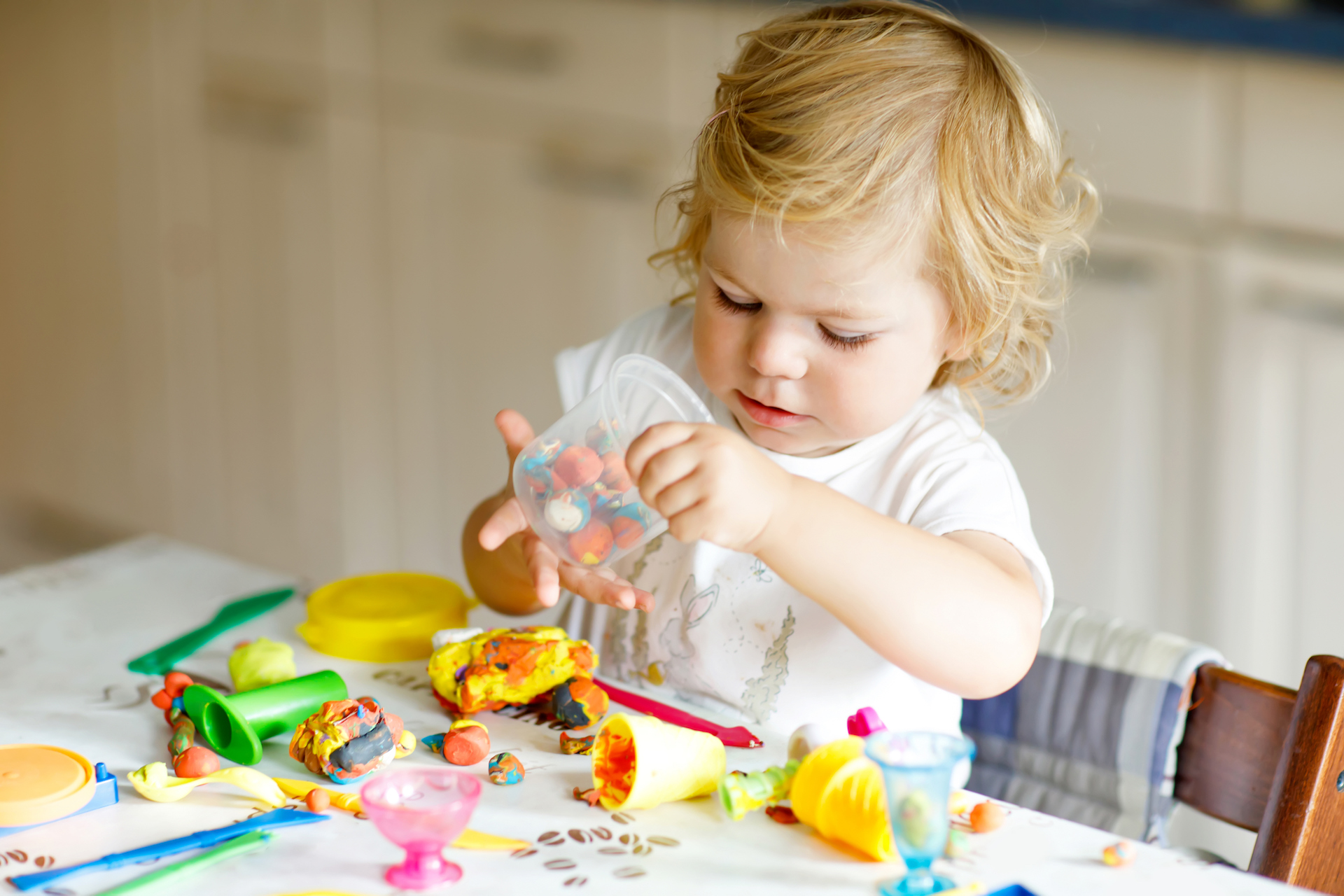
25 Fun Sorting Activities for Preschoolers – Easy, Printable & Hands-On Ideas
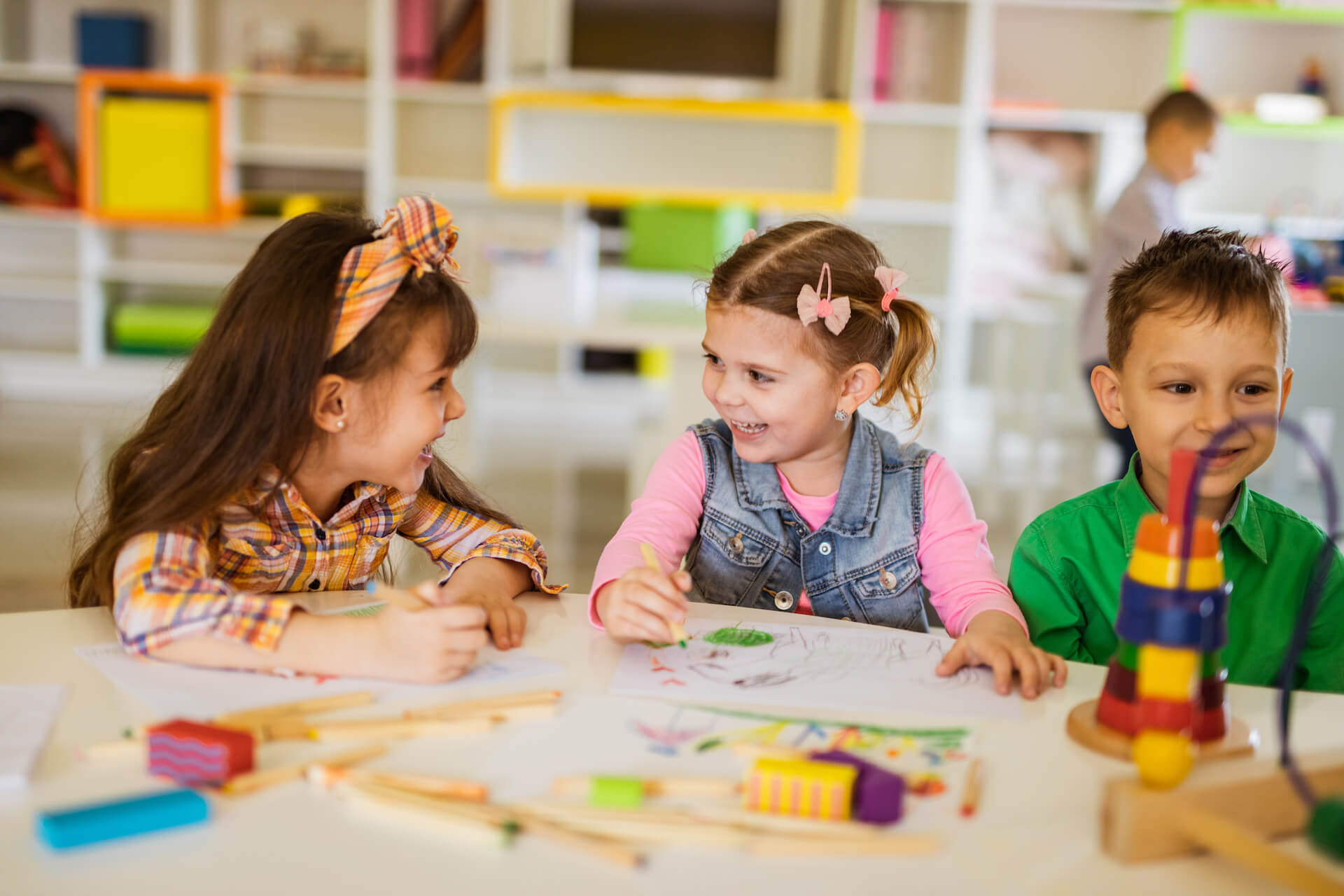
12 Best Pattern Activities for Preschoolers That Build Math & Reading Skills

Signs of Giftedness in Toddlers: What to Look For

The Benefits of (Quality) Interactive Learning Apps for Preschoolers
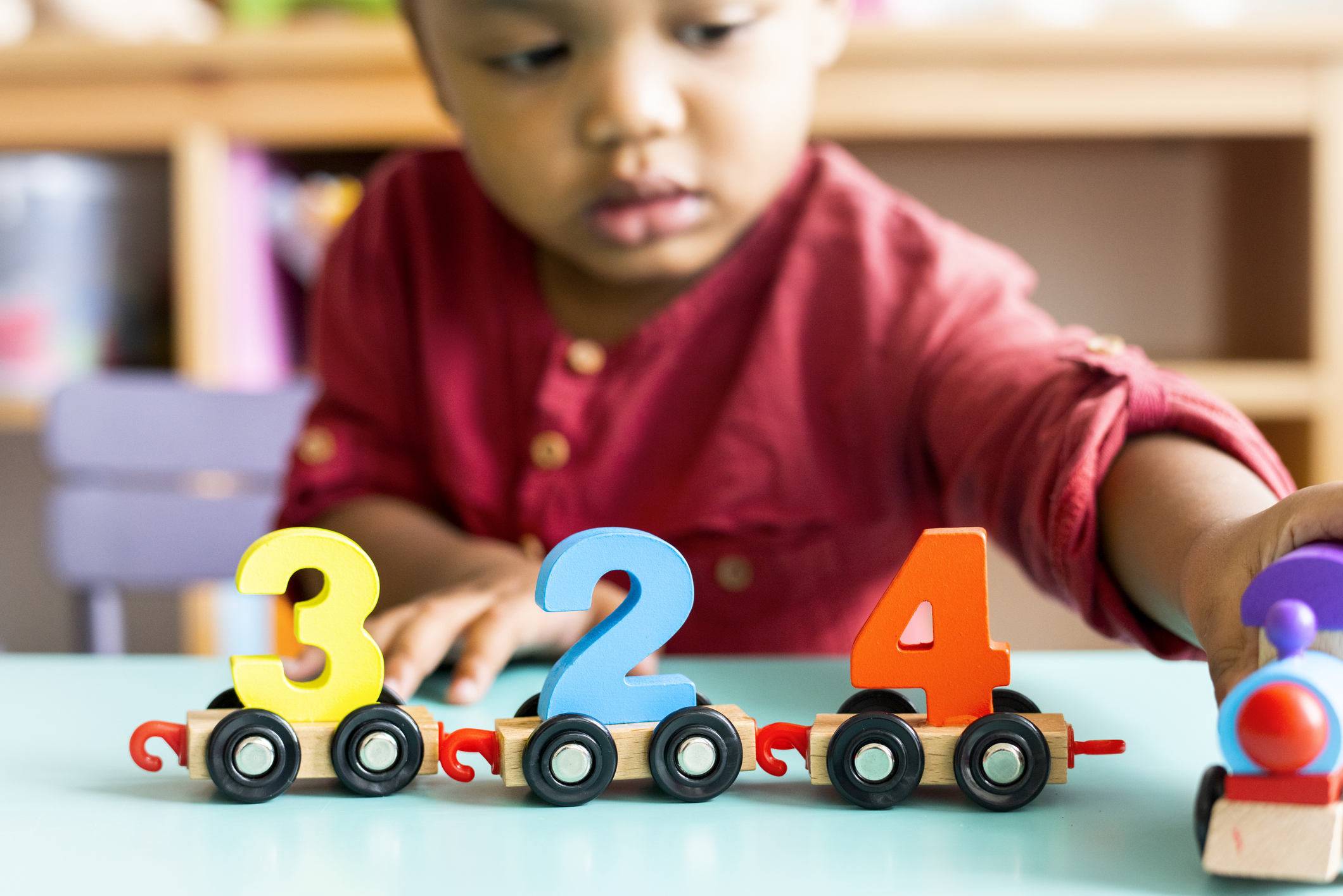
Counting Activities for 3-Year-Olds: 20 Simple & Fun Ways to Grow Early Math Skills
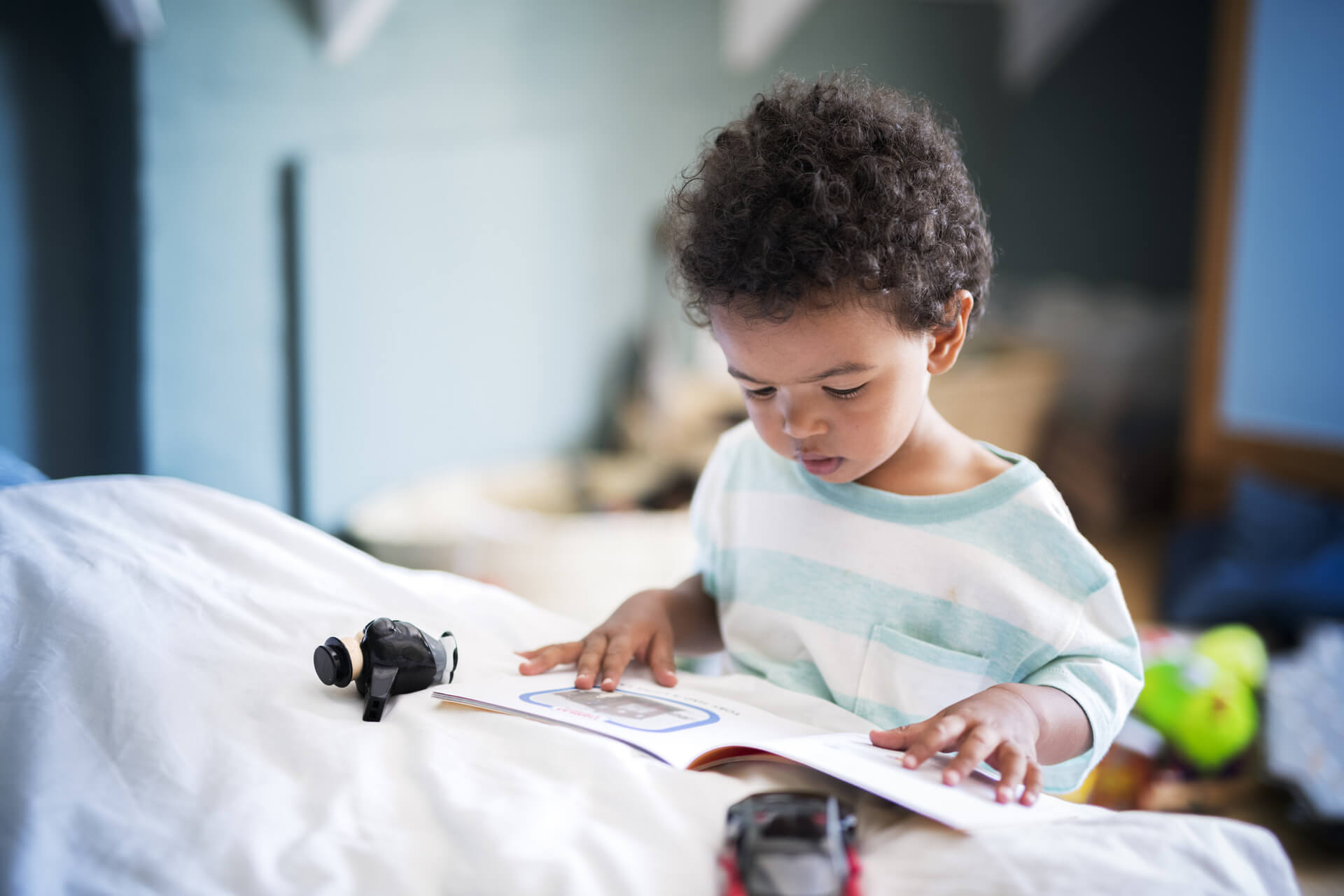
Best Books for 3 Year Olds: 50+ Must-Read Picks to Spark a Love of Reading

Scientific Experiments for Preschoolers: 15+ Easy Activities That Spark Curiosity and Learning
Teaching Phonics at Home: A Parent’s Guide to Building Strong Readers
2-Year-Old Milestones: What to Look For
Building Confidence and Skills for Kindergarten Readiness
Understanding Your Child’s Gross Motor Development
Beat the Summer Slide Without Breaking a Sweat
Raising Tomorrow’s STEM Leaders: The Power of Spatial Skills

How to Turn Storytime into a Learning Moment?

Embracing Your Child’s Unique Strengths and Challenges: Understanding Learner Variability


