


Beat the Summer Slide Without Breaking a Sweat
Summer is all about freedom, fun, and family time. But here’s something many parents don’t realize: over the summer, a lot of kids quietly lose some of what they learned during the school year. It’s called the summer slide, and it can start as early as kindergarten. Math usually takes the biggest hit, but reading skills can slide too.
The good news? You don’t need to turn your home into a mini school to prevent it.
Tiny, everyday moments are enough: in the car, at the store, during snack time, or while waiting in line. With just a little awareness, you can keep your child learning without it feeling like schoolwork.
This isn’t just about grades. It’s about keeping curiosity alive and helping your child feel confident and capable, all summer long.
Keep Math Alive This Summer (Without Worksheets)
Spot shapes
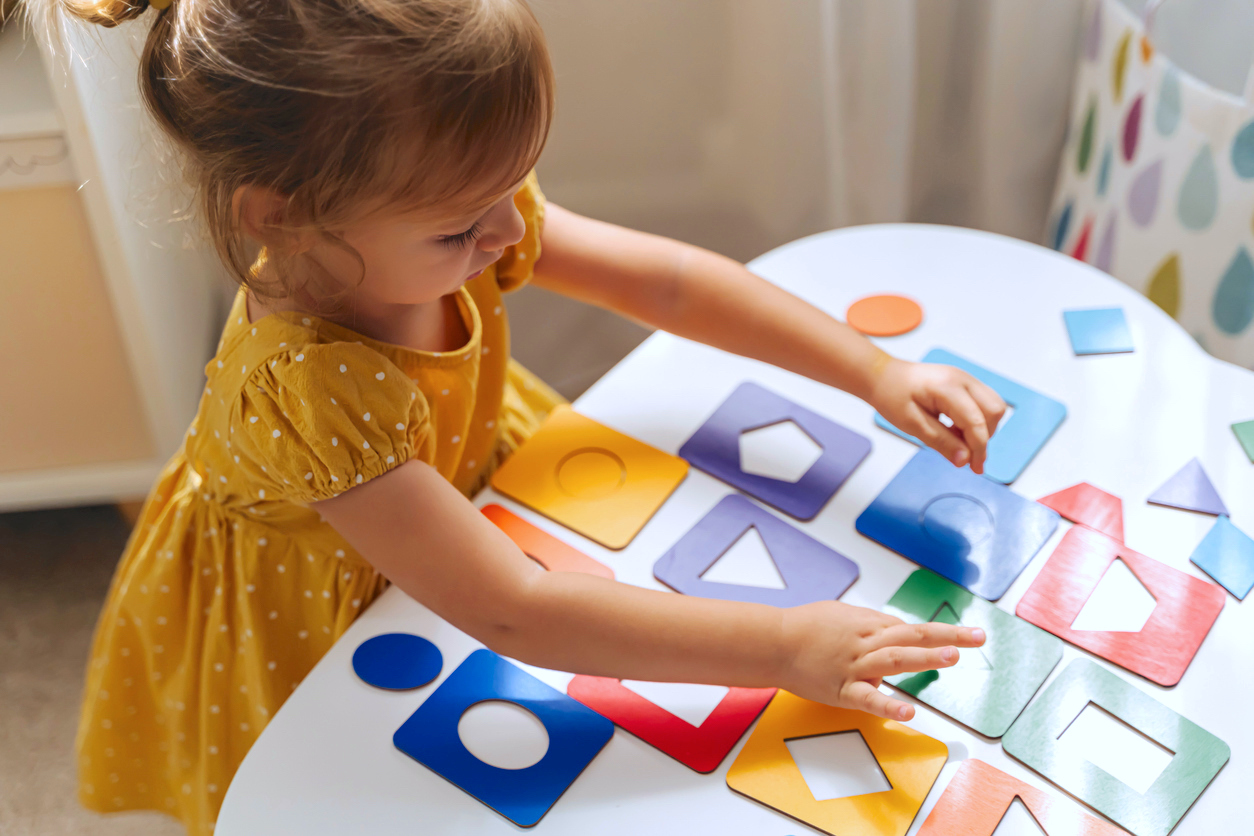
See how many shapes you can find: rectangles on cereal boxes, triangles on rooftops, circles on beach towels. Turn it into a mini scavenger hunt.
Hunt for numbers
On license plates. On signs. On price tags. Pick a number of the day and see who can spot it the most.
Add it up
Whether it’s counting points in a game or adding up the cost of two ice creams, let your child see you doing math. Invite them in, they’ll catch on quickly. Counting activities for 3-year-olds is built around exactly the everyday-moments principle described here – snack counting, stair jumping, sorting socks, math that happens in the flow of the day without any setup or any awareness on the child’s part that learning is happening
Measure and compare
Baking? Let them pour and measure. Holding two watermelons at the store? Ask which one’s heavier. Little comparisons build big skills.
Build Reading Skills Without Sitting Still
Read together
Read books at bedtime or in a hammock.Try dialogic reading by talking about the story as you go. Read signs while walking. Read menus out loud. Even reading cereal boxes counts.
Play with letters
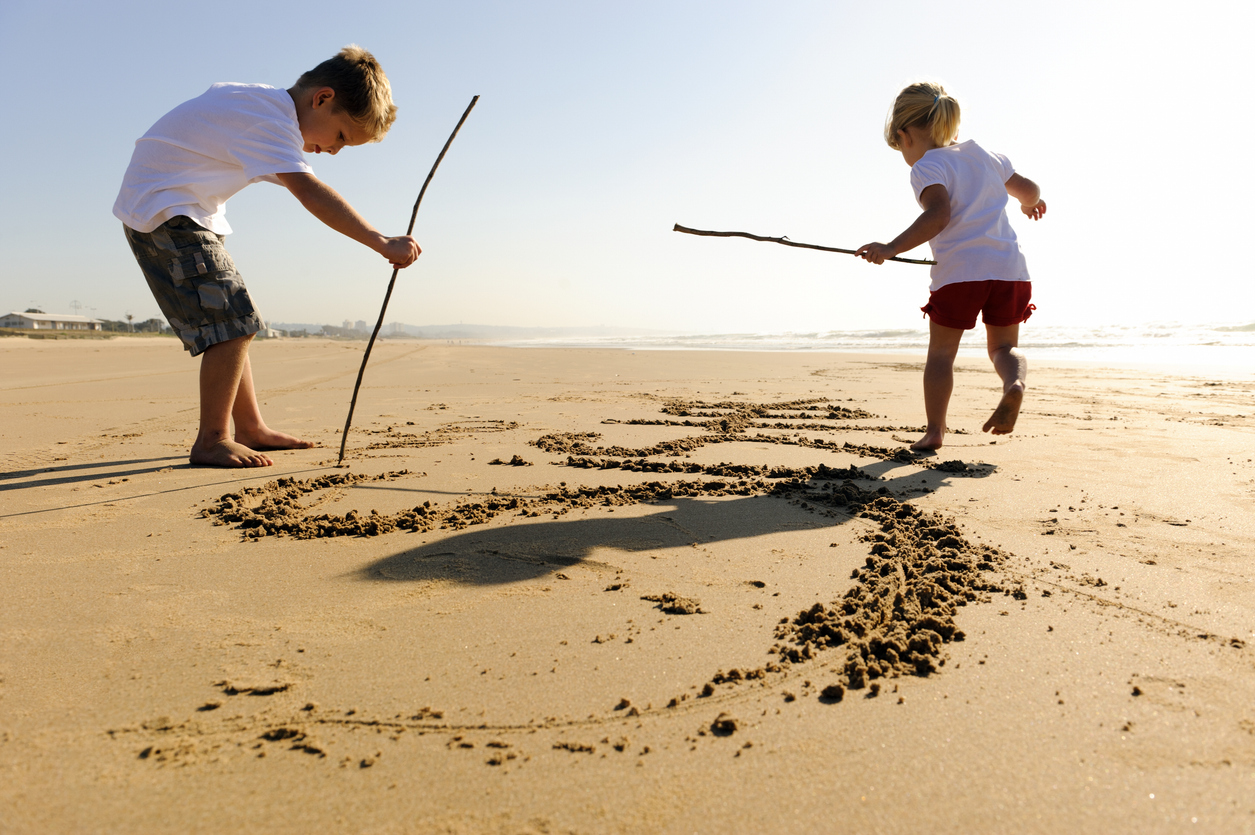
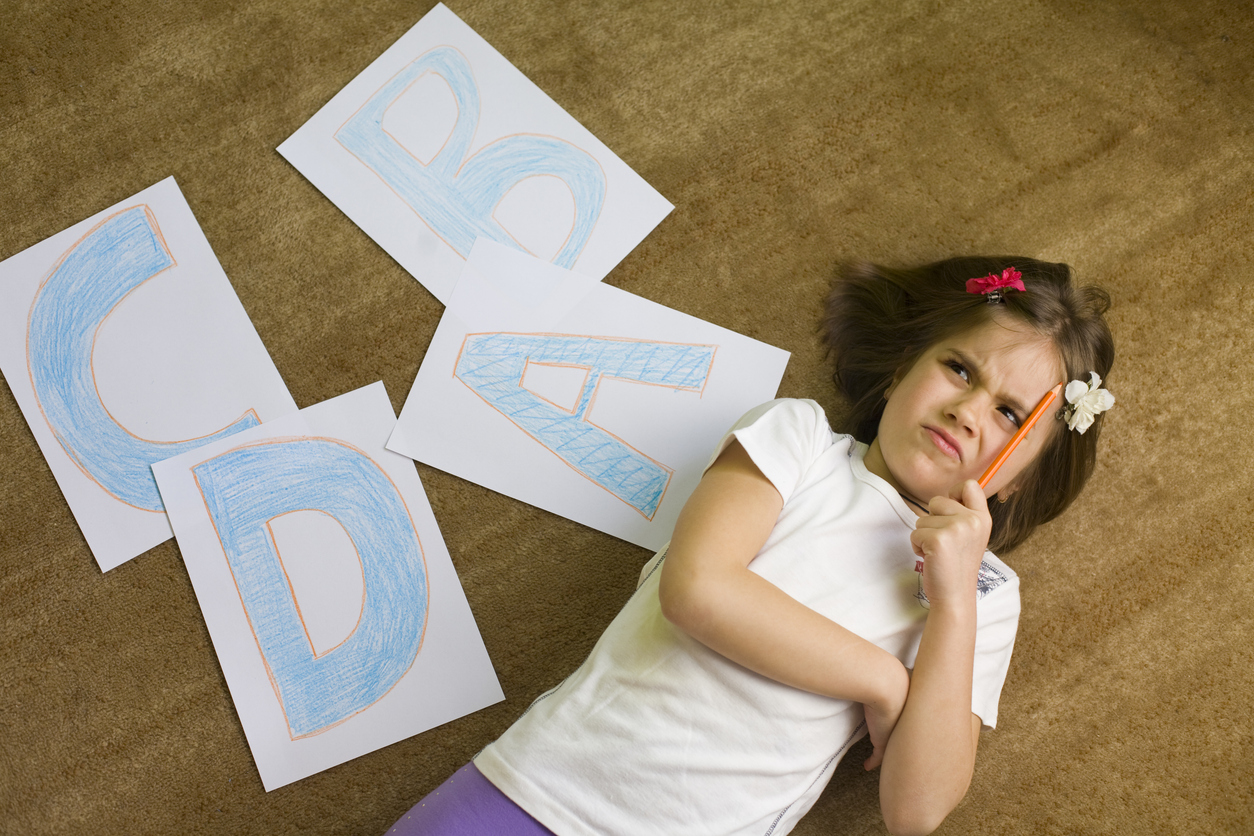
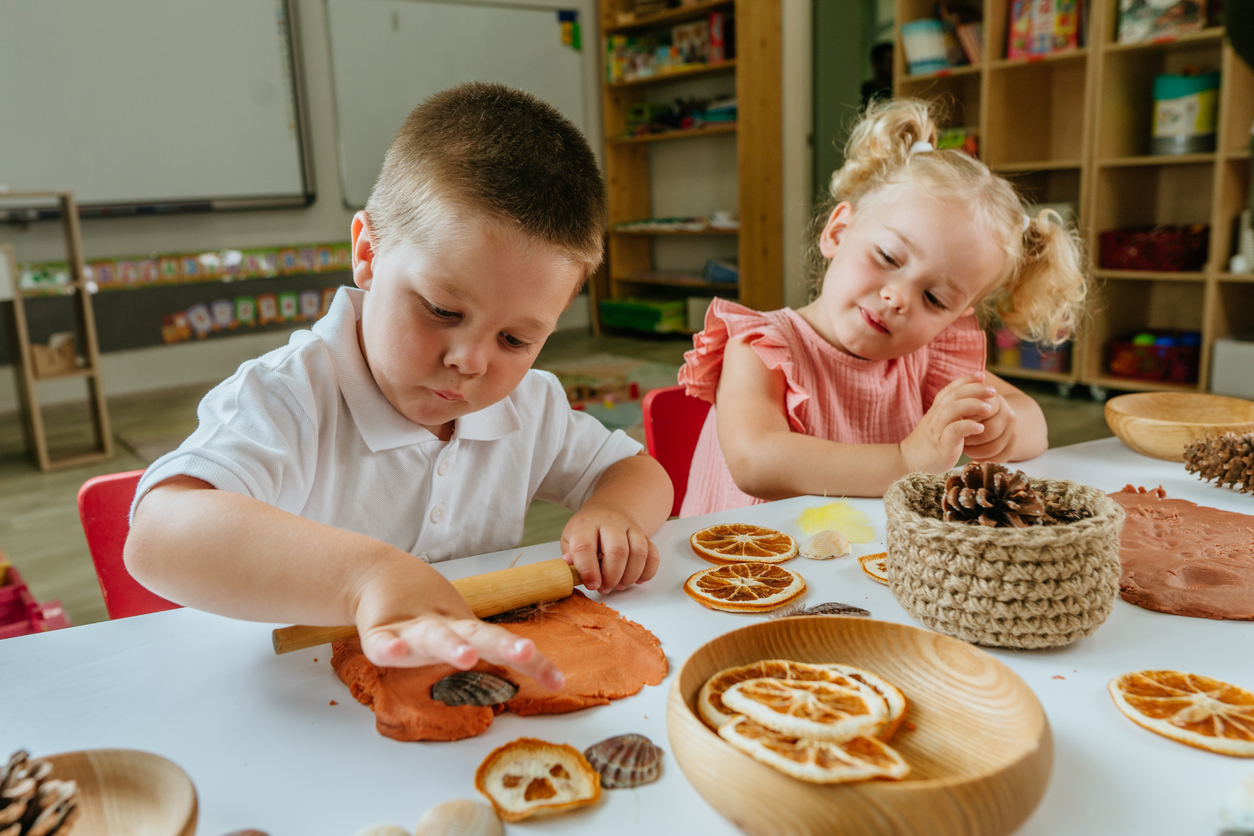
Spot letters on street signs. Shape them out of sticks or play-dough. Draw them in sand with your finger. Your child will be learning without realizing it. Phonics knowledge is particularly vulnerable to the summer slide because it requires regular reinforcement to stay automatic. Phonics for kids explains the phonics sequence and gives parents simple, everyday ways to keep letter-sound connections active without formal practice sessions
Play with sounds
Make silly rhymes together. Say words that end or start with the same letter. Clap out the syllables in your child’s name (they’ll love it). Sight words are one of the most effective summer literacy investments because they are the words children encounter most in any text , keeping those recognitions automatic means reading feels easier in September rather than slower
Tell stories
Have your child draw part of a story you read, or use toys to act it out. Make up stories using seashells, stuffed animals, or anything else around. Age-based learning activities organises activities by developmental stage – useful for parents who want summer activities that are actually matched to where their child is rather than where they think they should be
Yes, Screen Time Can Help Too
If your child enjoys screen time, try swapping in a few educational apps. The best ones turn learning into play, and many are so fun your kid won’t even know they’re practicing math or reading. Looking for one to try? Download the WonJo Kids app and keep the learning going all summer long! If screens are happening anyway, the Owl Counting Game makes those minutes count , children tap and count alongside the owl, keeping one-to-one correspondence active in a format that feels like play rather than practice
Final Thought: It’s the Little Things
You don’t need a plan. Just be curious together. Point things out. Ask silly questions. Wonder out loud.
The key is weaving learning into your child’s world, not forcing it.
Have fun. Make memories. And keep that brain growing in the process.
Happy summer!

Frequently Asked Questions
What is the summer slide and how much does it affect children?
The summer slide is the loss of academic skills and knowledge that occurs during school holidays. Research shows children can lose up to 2–3 months of learning over summer, with the effects often larger for maths than for reading.
How can I prevent the summer slide without making summer feel like school?
Keep learning playful and embedded in summer activities - count at the beach, read for fun, cook and measure, visit museums, do nature journalling. Short daily bursts (15–20 minutes) of a learning app or activity book maintain skills without stealing summer joy.
Which subjects suffer most from the summer slide?
Maths fact fluency and reading skills are most vulnerable because they depend on regular practice to maintain automaticity. Spending a few minutes daily on each — even through games - is enough to preserve most of what was learned during the school year.
Related Post

30 Preschool Classroom Activities That Make Learning Feel Like Play
30 Fun CVC Word Games & Activities to Teach Phonics for Kids Offline
Fun Alphabet Activities for 4-Year-Olds

Why Oceans Matter: A Simple Ocean Learning Guide for Kids

15+ Road Trip Games for Toddlers and Preschoolers (Car Activities for Long US Drives)
What Order Should I Teach Letters to My Preschooler?
The Power of Wh- Questions for Kids

Top 15 Emotion Activities for Kids

Child Development Research vs. Parenting Advice: What Parents Really Need to Know

How to Support Your Child’s Focus
How to Build Your Child’s Adaptability (or Cognitive Flexibility)
Popular Nursery Rhymes for Kids: Songs That Teach, Songs That Last
15 Fun Activities to Build Gross Motor Skills

Speech Milestones in Children: Age-Wise Guide to parents

How to Build Your Child’s Self-Control

Tweezers and Tongs Activities for Little Hands

Alphabet Books Every Preschooler Should Read
Teaching Sharing and Turn-Taking to Toddlers
Simple Ways to Boost Your Child’s Working Memory

Messy Play Activities: A Detailed Parent Guide
15 Fun Preschool Learning Activities for 3-Year-Olds
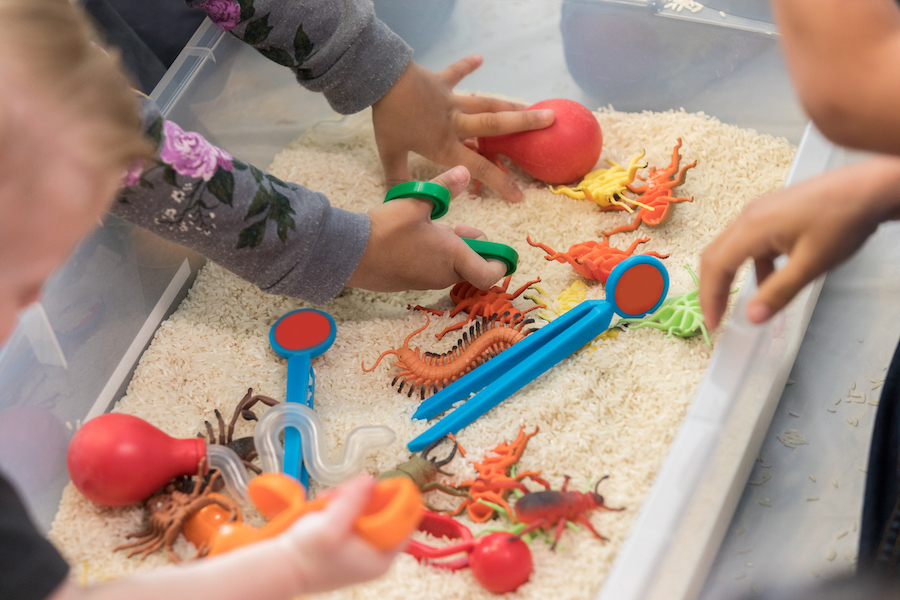
Easy Sensory Bin Ideas for Toddlers

Age-Appropriate Learning Activities for Toddlers and Preschoolers
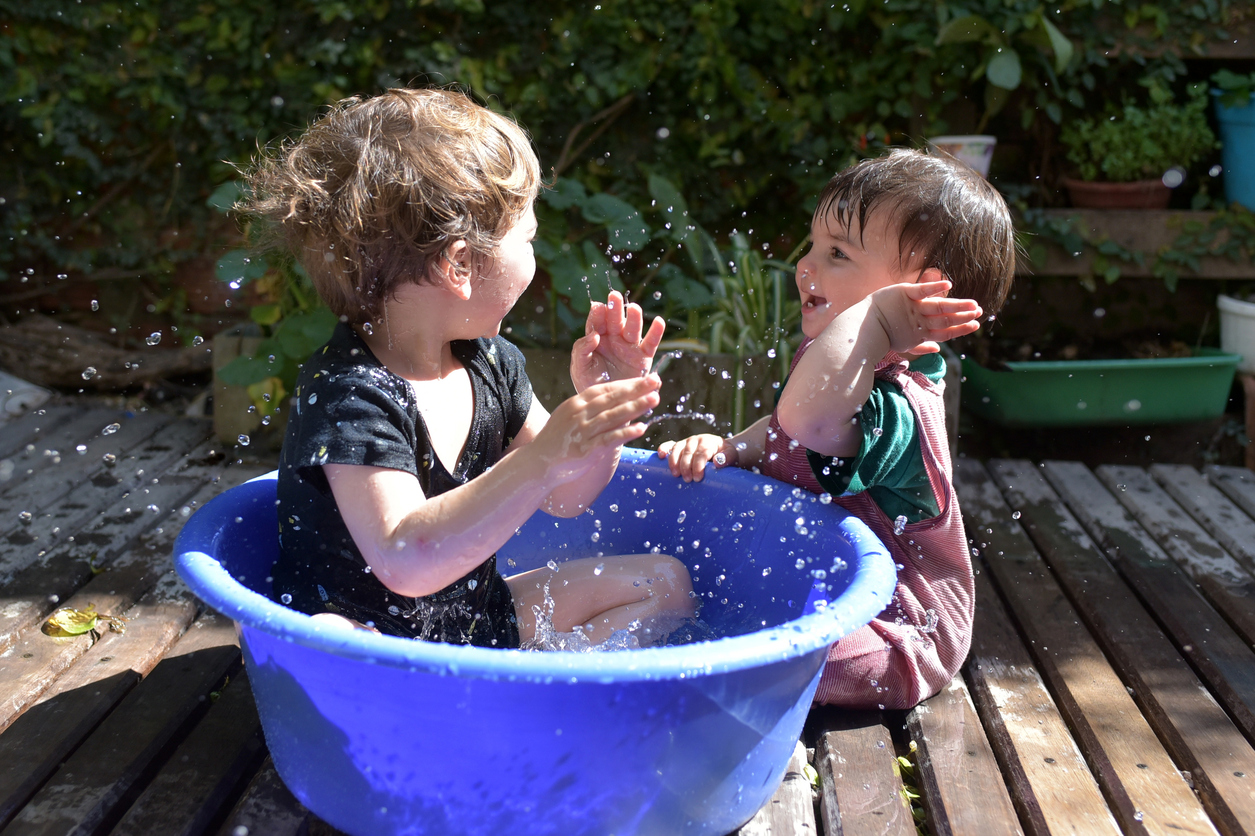
Water Play Activities for Toddlers
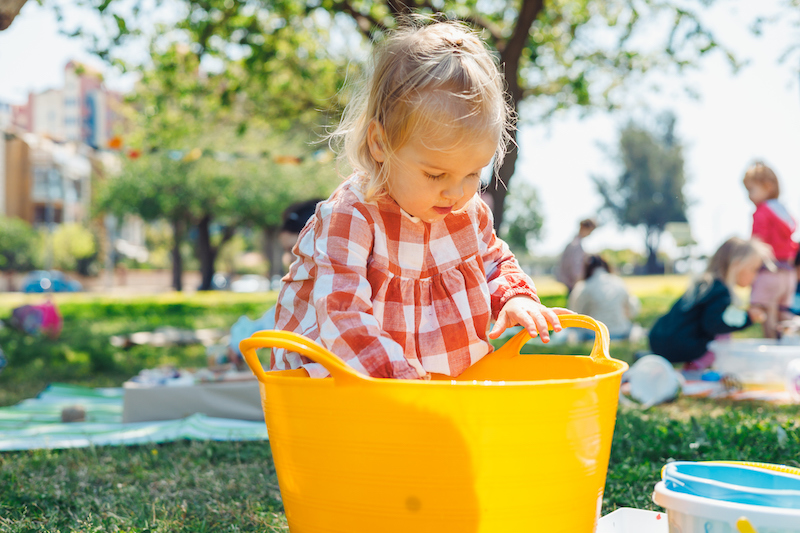
Sensory Activities for 2-Year-Olds: Brain-Building Through Play
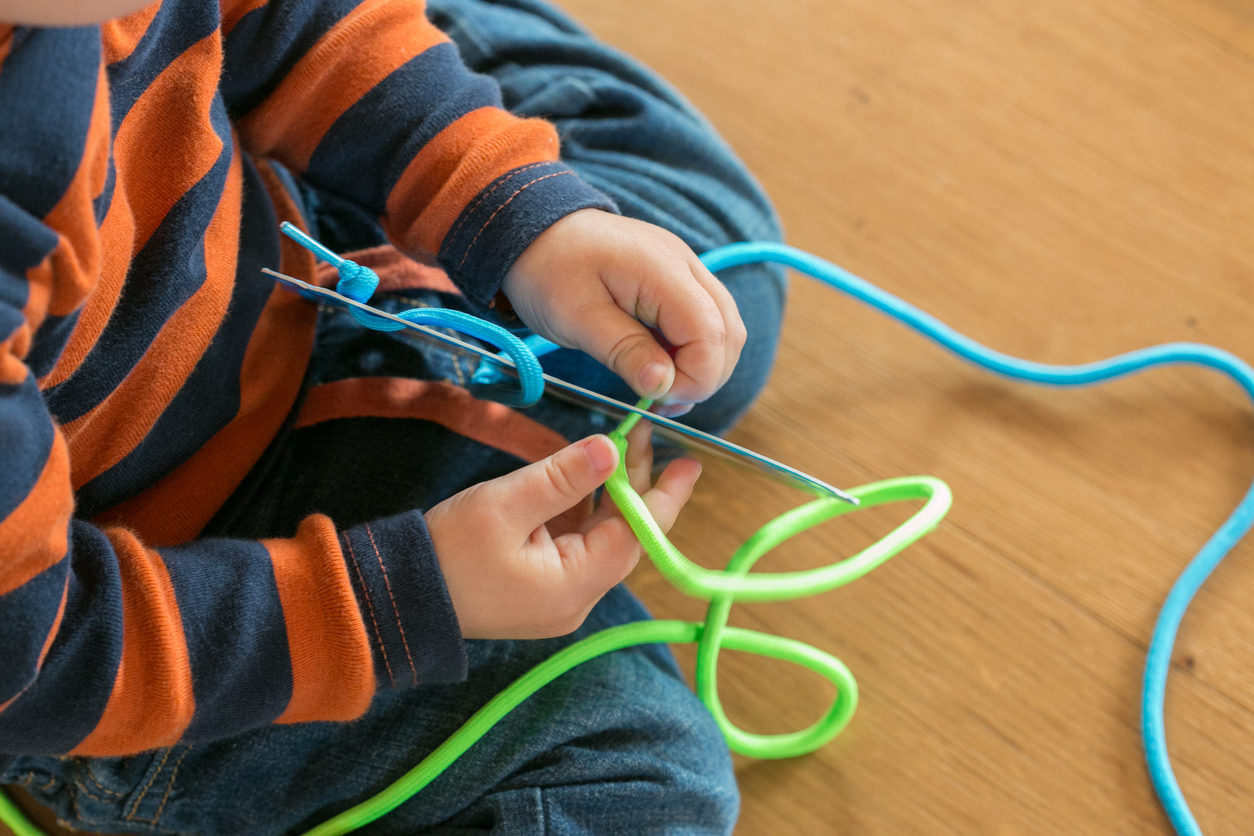
Threading and Lacing Activities for Preschoolers

The Secret to Boosting Your Child’s Vocabulary: Pointing Gesture
When to Start Potty Training
How to Raise a Problem-Solver

Building Vocabulary in Toddlers Through Play: The Science-Backed Approach

50 Boredom Busters for Toddlers and Preschoolers
Best Scissor Skills Activities for Preschoolers
STEM Activities Using Kitchen Items for Preschoolers and Kindergarteners

Rhyming Games for Preschoolers: The Secret to Reading Success
Fine Motor Activities for 3-Year-Olds: The Complete Guide to Building Strong, Skilled Hands
Playdough Activities That Build Fine Motor Skills: The Science-Backed Guide for Parents and Teachers

Understanding Your Child’s Language Development

Understanding Executive Functions: Your Child’s Cognitive Toolkit for Success

Bringing WonJo Kids into Your Classroom: A Teacher’s Guide
Sight Words for Kindergarteners: A Complete Parental Guide
25 Fun Sorting Activities for Preschoolers – Easy, Printable & Hands-On Ideas

12 Best Pattern Activities for Preschoolers That Build Math & Reading Skills

Signs of Giftedness in Toddlers: What to Look For

The Benefits of (Quality) Interactive Learning Apps for Preschoolers
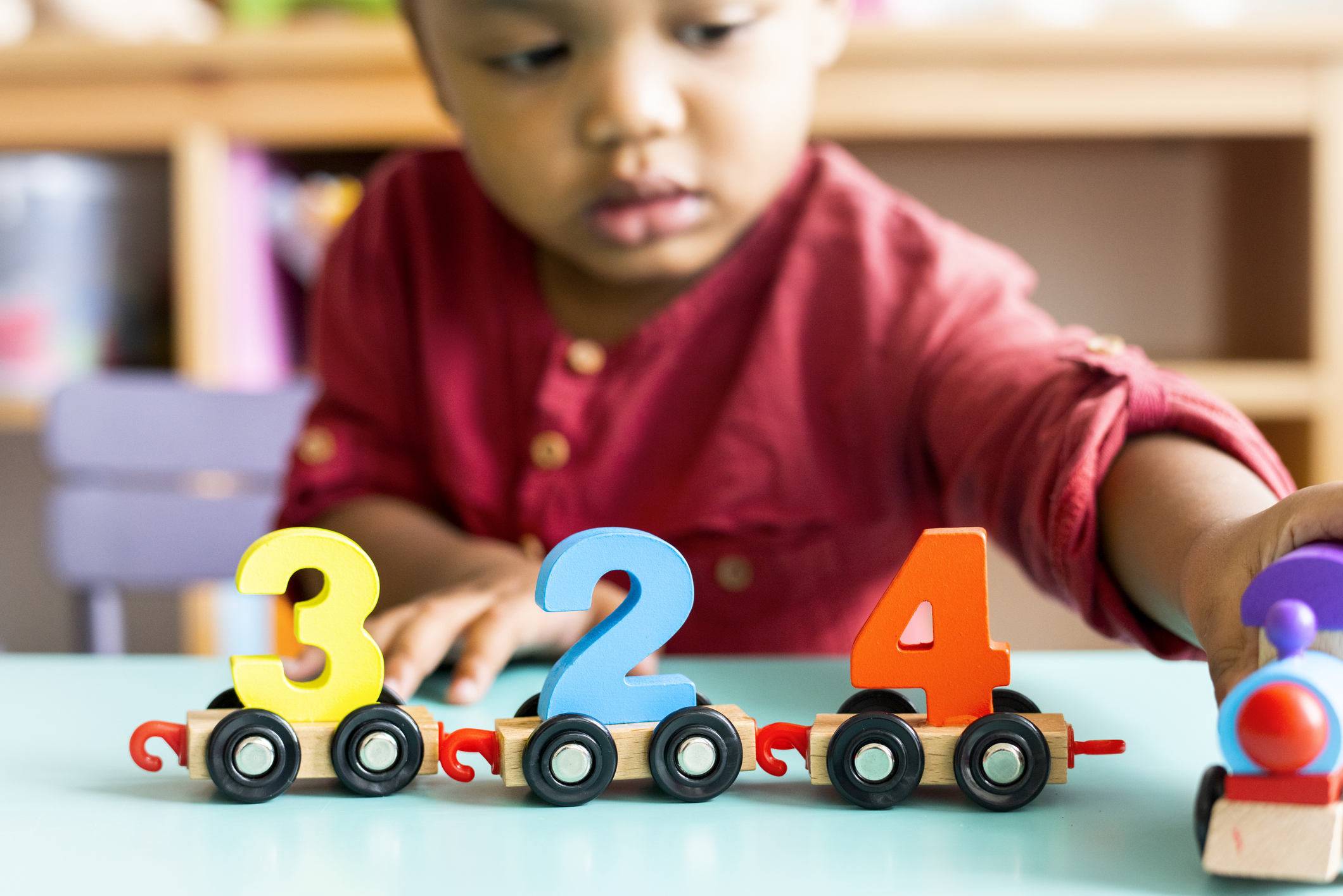
Counting Activities for 3-Year-Olds: 20 Simple & Fun Ways to Grow Early Math Skills
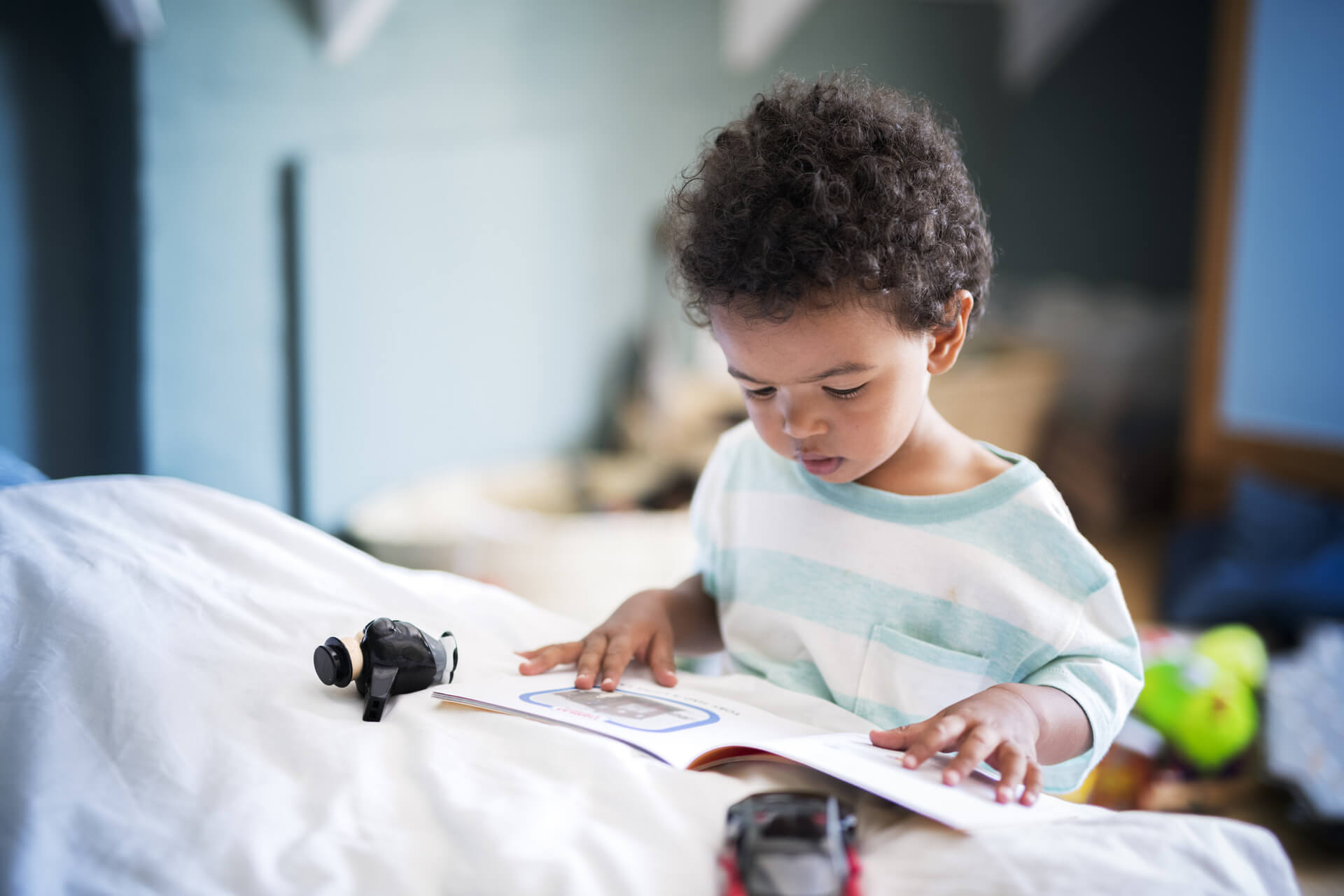
Best Books for 3 Year Olds: 50+ Must-Read Picks to Spark a Love of Reading

Scientific Experiments for Preschoolers: 15+ Easy Activities That Spark Curiosity and Learning
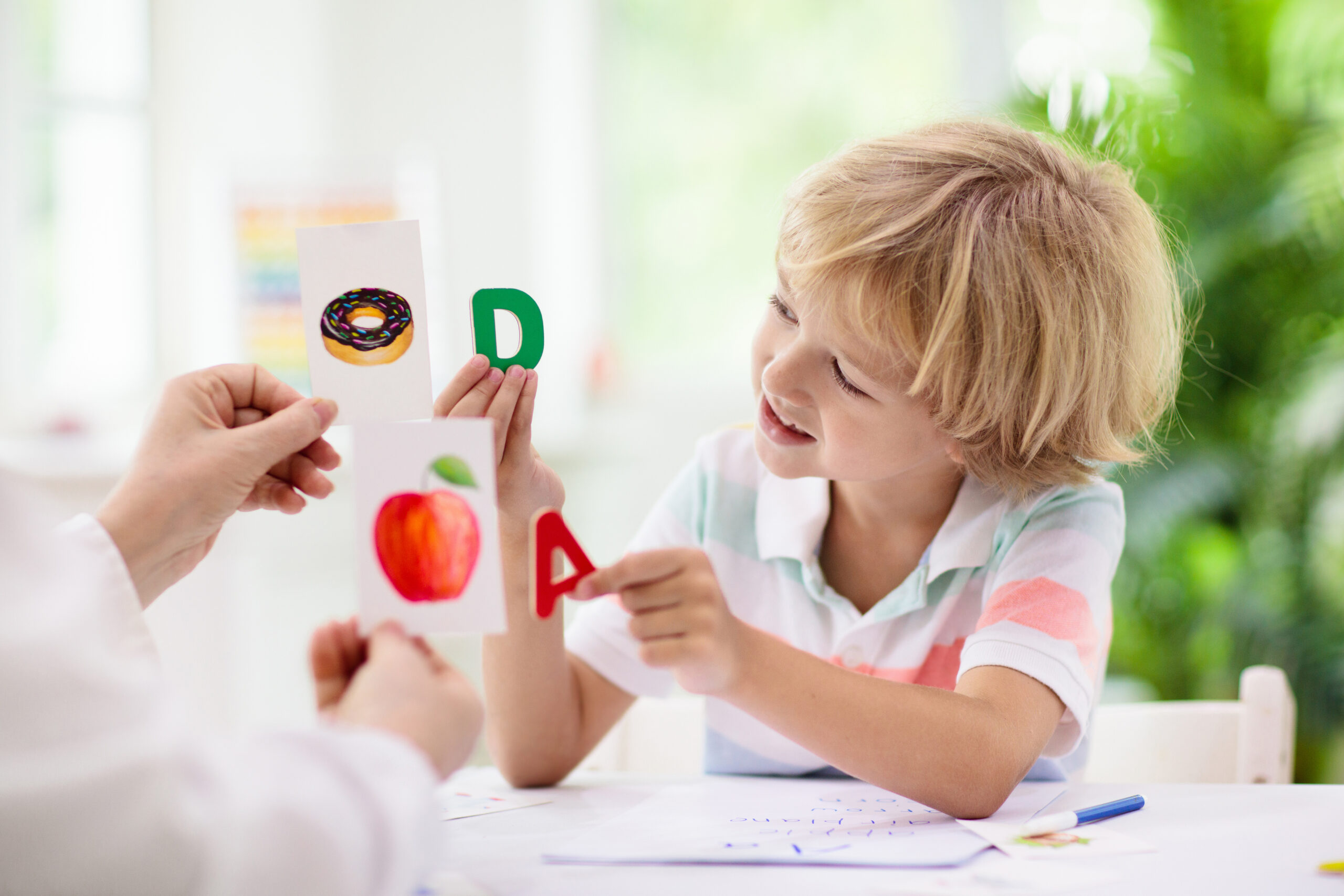
Teaching Phonics at Home: A Parent’s Guide to Building Strong Readers

2-Year-Old Milestones: What to Look For

Building Confidence and Skills for Kindergarten Readiness

Understanding Your Child’s Gross Motor Development
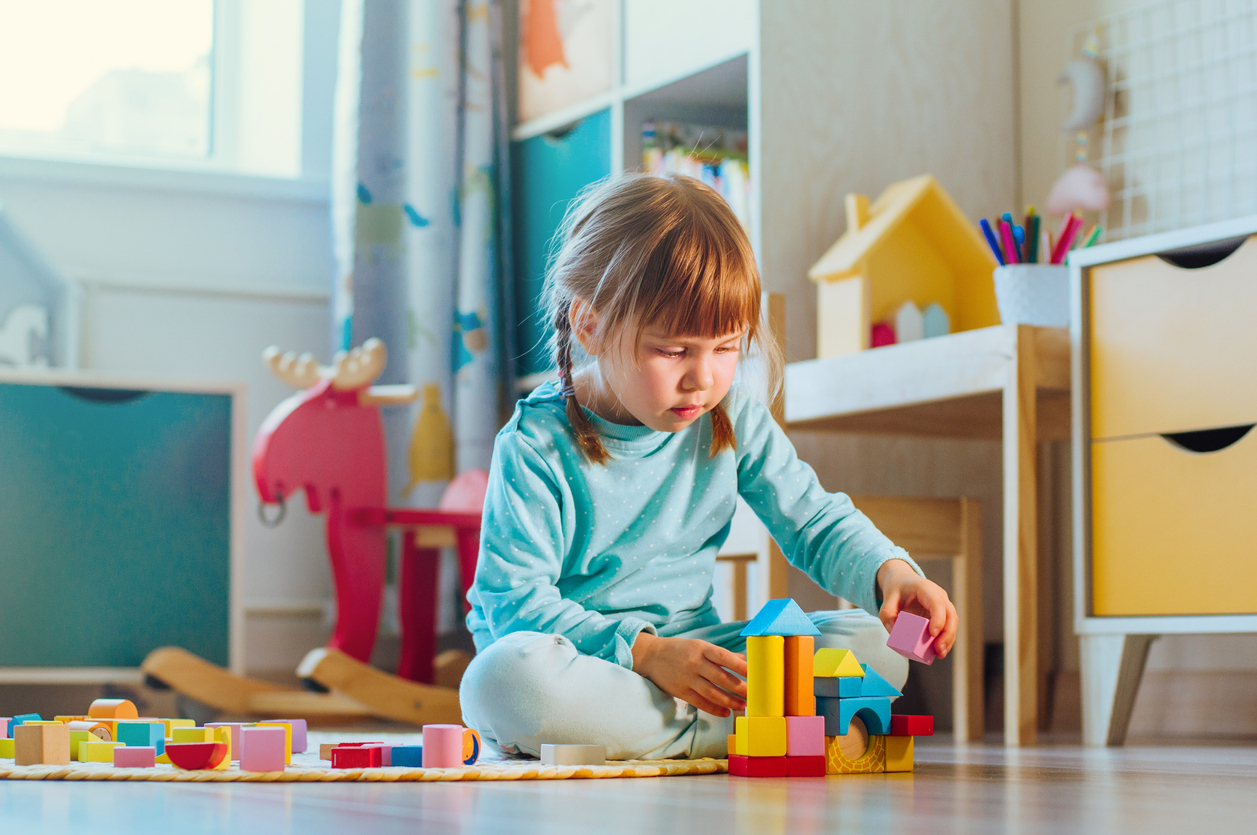
Raising Tomorrow’s STEM Leaders: The Power of Spatial Skills

How to Turn Storytime into a Learning Moment?

Embracing Your Child’s Unique Strengths and Challenges: Understanding Learner Variability


