


Tooth Brushing for Preschoolers: Simple Routines That Work
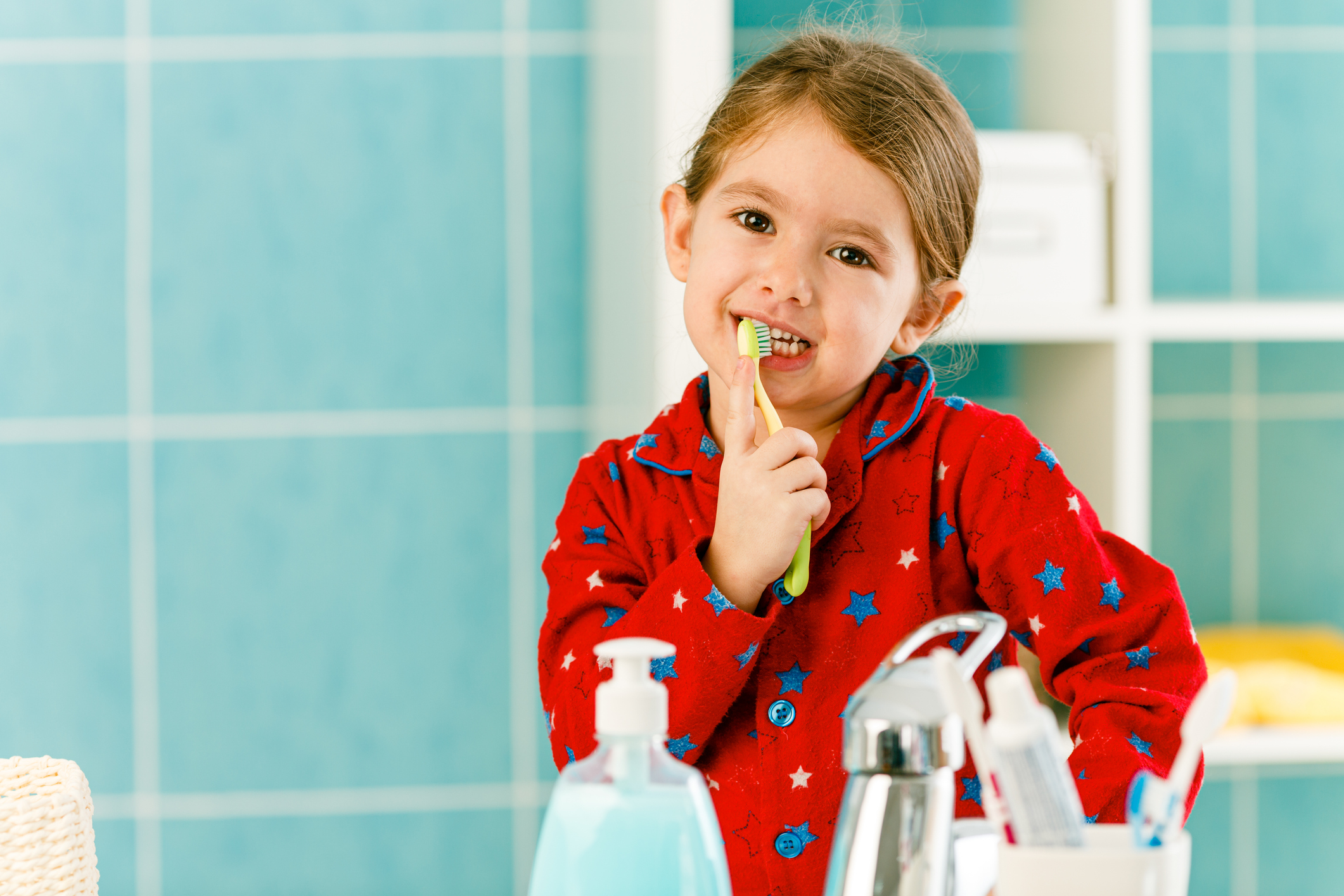
For preschoolers, tooth brushing isn’t just about clean teethit’s about learning a life skill. At this age, children are forming habits, testing independence, and learning through repetition. When tooth care becomes predictable and playful, it naturally fits into their daily routine.
As parents, our role is to guide, encourage, and keep the experience positive even on the days when toothpaste ends up everywhere but the mouth.
Why Preschool Is the Right Time to Build Tooth Care Habits
Tooth care actually begins much earlier than preschool. Pediatric experts recommend brushing as soon as a baby’s first tooth appears, which is usually around six months. Parents do the brushing using a soft brush and a small amount of toothpaste. According to guidance from the American Academy of Pediatrics, early brushing helps children become comfortable with oral care from the very beginning.
Preschool is the perfect time to help children move from being brushed for to brushing with guidance. At this age, kids love routines, repetition, and copying adults. A consistent brushing habit, especially when paired with songs or familiar daily transitions, feels predictable and enjoyable rather than forced. Watching parents brush also becomes a powerful learning moment.
Giving children small ownership over tooth care during these years helps them see brushing as a normal part of everyday life — building habits that can last well beyond childhood.Preschool years are ideal for establishing routines because children:
- Thrive on predictability
- Love songs, stories, and repetition
- Are beginning to understand “before” and “after” routines
- Enjoy copying adult behaviour
Introducing consistent tooth care now helps children see brushing as a normal part of the day, not a chore.
What Makes Tooth Care Difficult for Preschoolers?
Understanding your child’s perspective helps reduce frustration. Common reasons preschoolers resist brushing include:
- Wanting independence but lacking skill
- Feeling rushed during transitions
- Disliking strong toothpaste flavours
- Struggling to stay focused for two minutes
Gentle structure works better than force at this stage.
Tooth Care Steps That Work for Preschool Routines
Clear, simple steps make brushing easier for both parents and children.
Step 1: Anchor Brushing to Daily Transitions
Attach tooth brushing to moments that already happen every day, say, right before breakfast and directly before bedtime stories. When brushing lives inside an existing sequence of events, children remember when it happens without constant reminders. The key is consistency- same time, same place, every day. Within a few weeks, most preschoolers will head to the bathroom before you even ask.
Step 2: Use Visual Cues
A small routine chart or picture card near the sink is a remarkably effective tool. When children can see the steps (wet brush, add toothpaste, brush, rinse, smile), they feel a sense of ownership over the process. It also reduces the need for verbal reminders, instead of telling them what to do, you can simply point to the chart. Let your child decorate their own chart for even stronger buy-in.
Step 3: Turn Brushing Into a Shared Activity
Brush your teeth alongside your child whenever you can. Preschoolers are natural imitators, and seeing a parent brush with enthusiasm reinforces the habit without a single word being spoken. Stand side by side at the mirror, make eye contact, and let them see that this is something adults do too, every single day, because they care about their teeth.
Step 4: Focus on Coverage, Not Perfection
At this age, the goal is familiarity and consistency, not flawless technique. Rather than correcting your child’s every movement, gently guide the brush to ensure all areas — front, back, top, and bottom to get some attention. You may need to take a turn as “the helper” to cover harder-to-reach spots, framing it as a game rather than a correction. Mastery of technique develops gradually over the coming years.
Step 5: End With a Clear Finish Signal
Preschoolers like to know when something is over. A consistent ending ritual gives them that closure and makes the routine feel complete rather than open-ended. This could be a rinse and a big smile in the mirror, a shared countdown to spit, a silly victory dance, or a simple “You did it! You cleaned your teeth!” cheer. When the ending feels good, children are far more willing to begin next time.
Healthy Teeth Brushing Songs for Preschoolers
Songs are one of the easiest ways to make toothbrushing smoother and more cooperative for young children. Preschoolers respond well to rhythm, repetition, and familiar tunes — turning brushing into a playful routine instead of a daily struggle.
Before you begin, try these two simple tips:
- Set a visual timer for 2 minutes, which is the recommended brushing time.
- Repeat the song (or sing multiple songs) until the timer rings, rather than expecting one song to last the full two minutes.
You can sing these lyrics to simple, familiar melodies your child already knows, such as “Twinkle, Twinkle Little Star,” “Row, Row, Row Your Boat,” or “Head, Shoulders, Knees and Toes.” The goal is rhythm and consistency — not perfect singing.
1. “Brush, Brush, Shiny Smile”
Brush, brush, shiny smile,
Up and down, take your time.
Little teeth go round and round,
Cleaning tops and bottoms now.
Brush, brush, front and back,
Every tooth gets loving care.
Rinse, spit, look and see
Happy teeth for you and me!
2. “Round and Round the Toothbrush Goes”
Round and round the toothbrush goes,
Tickle teeth and tiny toes.
Side to side and up so high,
Wave goodbye to sugar, bye!
Keep on brushing, don’t be quick,
Every tooth needs just one tick.
All done now, give a cheer
Clean, strong teeth all year!
3. “Good Morning Teeth, Good Night Teeth”
Good morning teeth, time to shine,
Brush them gently, take your time.
Front ones, back ones, everyone,
Brushing teeth is so much fun!
Good night teeth, see you soon,
Brushing under the sleepy moon.
Clean and fresh, tucked in tight,
Sweet tooth dreams sleep tight tonight.
4. “Two-Minute Toothbrush Song”
Start at the top, go down below,
Nice and slow, nice and slow.
Left side, right side, don’t forget,
Every tooth is brushing yet.
Count to ten, then count some more,
Smile wide and scrub some more.
Rinse it out, we’re all through
Great job brushing, proud of you!
Final Thoughts
Tooth care for preschoolers works best when it feels predictable, calm, and playful. Simple steps paired with cheerful brushing songs turn a daily task into a shared routine rather than a struggle.
Over time, these small, consistent moments help children develop healthy habits and happy smiles that last well beyond preschool.

Related Post
Attention-Seeking Behavior in Children: What They’re Really Telling You
Sleep Schedule by Age: Naps, Night Sleep & Night Waking
Potty Training Regression: Why It Happens and How to Help
Risky Play for Kids: Why Safe Risk-Taking Matters
Co-Regulation Before Self-Regulation: How to Help Kids Manage Big Emotions

How Art Helps Children Manage Big Feelings and Build Emotional Skills

The Worry Jar: A Simple Technique for Kids Who Worry
Simple Yoga Poses for Toddlers

15+ Mindfulness Games for Little Kids That Calm Big Feelings
Understanding Separation Anxiety in Children

A 7-Day Kindness Challenge for Young Children

Fostering Gratitude in Toddlers and Preschoolers
Seeing Your Child Through Your Eyes: Why Parental Beliefs Matter

How Much Sleep Does Your Child Really Need?
Building Confidence in Shy Children

Emotional Regulation Activities for Young Children: Simple Tips Parents Can Use
How Everyday Moments Can Grow Empathetic Kids- Bruised Heads and Big Hearts

Social Skills Needed for Kindergarten Success: What Really Matters Most
Teaching Children About Kindness

Getting Ready for Kindergarten: Everyday Skills That Build Confidence and Independence

Surviving the Terrible Twos: Understanding and Managing Toddler Tantrums
Encouraging Independence in Young Children

How to Support Your Child’s Mental Health
Fear in Little Kids: What’s Normal and How to Help

What to Do When Your Young Child Has School Anxiety

How to Help Your High-Energy Child Slow Down and Find Calm
More Than Letters and Numbers: The Emotional Side of the Summer Slide
Let’s Talk About Inchstones: The Tiny Triumphs That Matter

Empowering Your Child’s Emotion Regulation Skills: Help Them Calm Down Without Screens


