


15+ Mindfulness Games for Little Kids That Calm Big Feelings
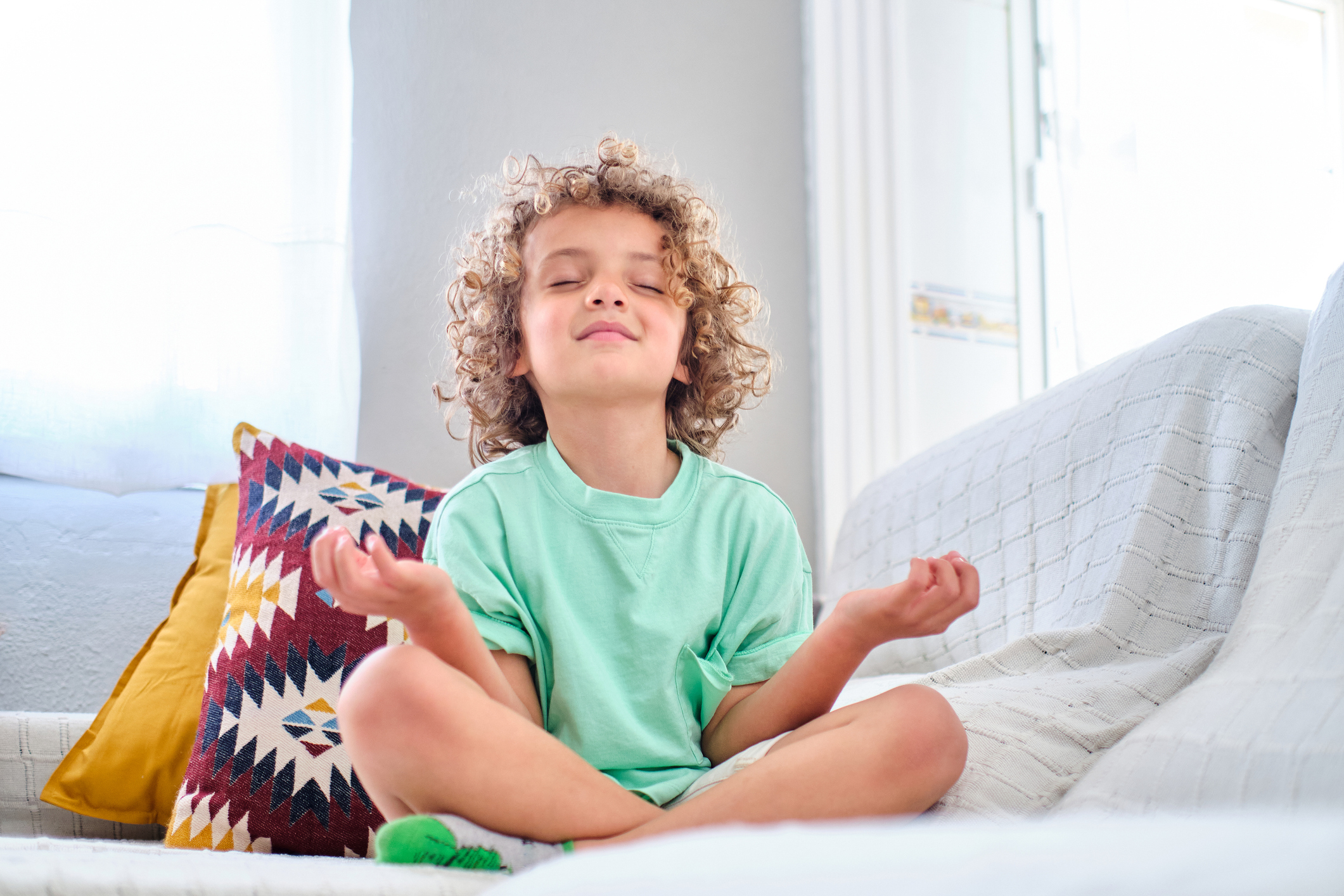
You know that moment — the meltdown before school, the tears that won’t stop, the “I HATE THIS!” echoing down the hall. Most parents have been there, and most parents have also tried “just take a deep breath” and watched it go absolutely nowhere. Here’s why: breathing exercises aren’t the problem. The delivery is. When you wrap the same skill inside a game, something clicks. Kids engage, the feelings move through, and everyone ends up on the other side of it without a power struggle.
These are the games that child development specialists, school counselors, and parents who’ve done the reading actually reach for.
Why Games Work Better Than “Calm Down”
The prefrontal cortex — the part responsible for emotional regulation and impulse control — doesn’t fully develop until around age 25. So when your 5-year-old completely loses it over the wrong color cup, they’re not being dramatic. They genuinely don’t have the brain wiring yet to talk themselves down. That’s not a discipline problem. That’s developmental biology.
What mindfulness games do is give kids a physical and imaginative route to regulation — one that doesn’t require the very brain part that isn’t working fully yet. Research suggests regular practice can improve attention, behavioral regulation, and social skills in children, though the effects build over time. The best part? Most kids have no idea they’re doing anything other than playing.
Emotional health isn’t a distraction from learning — it shapes how available children are to learn in the first place. The Bubble Pop Mindfulness Game is one of the cleaner examples of what mindful screen time looks like — children focus on one thing at a time, respond deliberately rather than reactively, and finish the session calmer than they started.
The Games
Most of these games work from as young as 3, especially the breathing and body movement ones. The imagination and social games tend to work better around 5 and up. Having said that, every child is different. Start where your child is, and go from there. The Mindfulness Breathing Game takes the hardest part of breathing exercises — getting a child to actually do it — and solves it by making the breath the mechanism of play rather than a pause before the fun starts
Breathing Games
1. Bee Breath
Breathe in through the nose, then hum “mmmm” on the exhale like a bee. Do it together five times. The humming vibration stimulates the vagus nerve — your body’s built-in calm-down switch — and research shows the effect kicks in within a minute or two. Great in the car on the way to school when you can feel the morning tension building.
2. Birthday Candles
Hold up five fingers. Each one is a birthday candle. Take a big belly breath in, then blow out one candle at a time, slowly. By the fifth one, most kids are noticeably calmer — and usually giggling. Works especially well before something a child is nervous about, like a test or a new situation.
3. Lion’s Breath
Breathe in through the nose, then exhale as wide as you can — mouth open, tongue out, big ROAR. It sounds ridiculous, and that’s the point. It releases jaw tension (where so many kids hold stress without realizing it) and gives big feelings somewhere to go. Especially good for kids who tend to go quiet and shut down when they’re overwhelmed.
4. Star Breathing
Trace a five-pointed star with one finger — breathe in on each upward stroke, out on each downward stroke. Draw it in the air, on paper, or on a steamy bathroom mirror. The visual tracking keeps a wandering mind anchored in a way that just counting breaths doesn’t. A small star card in a school backpack means kids can reach for this one on their own.
Body and Movement Games
5. Elephant Stomp
Angry? Frustrated? Use it. Stomp like elephants, swing those arms like trunks, trumpet as loudly as the house will allow. Then: “Elephants rest now.” Everyone drops to the floor, quiet and still. The key here is giving the feeling a full physical expression and then a landing place. It works because you’re not suppressing the emotion — you’re moving it through.
6. Noodle Wobble
Stand up and go completely floppy — cooked noodle, no bones. Wobble your arms, shake your legs, let your head droop. Then slowly firm up into a strong tree. The contrast between floppy and grounded is something kids can actually feel in their bodies, and that body awareness is a genuine mindfulness skill, even if it looks like chaos from the outside.
7. Statue Freeze
Dance freely while the music plays, then freeze the moment it stops. While frozen, just notice: heart beating? Breath moving? Feet on the floor? Then the music starts again. The body awareness happens naturally, without anyone having to try.
8. Squeeze and Melt
Squeeze every muscle as tight as possible — face, fists, belly, legs, toes — hold for five seconds, then let everything go at once. Repeat three times. This is progressive muscle relaxation, and it has solid research behind it for reducing anxiety in children and adolescents. The contrast between tension and release is something older kids can actually reflect on afterward: “Where did you feel it most?”
Mindfulness for young children works best when it involves the body rather than just the mind. Simple yoga poses for toddlers is a natural companion to these games — the poses teach the same present-moment body awareness through movement rather than stillness
Imagination and Sensory Games
9. Glitter Jar
Fill a clear jar with water, glitter glue, and loose glitter. When feelings get big, shake it — look at all that chaos swirling around. Then wait. Watch everything slowly settle. “That’s kind of what happens in our brains when we give them a minute to slow down.” This lives in nearly every school counselor’s office for good reason, and making one together at home is half the fun.
10. Cloud Watching
Lie down and imagine thoughts as clouds drifting past. Not chasing them, not pushing them away — just watching. When a big feeling shows up, name it: “There goes a worry cloud.” This is a foundational mindfulness concept — observing a thought without being pulled into it — and older kids can genuinely grasp it with the right framing.
11. Mindful Flashlight
Close your eyes and imagine a warm flashlight beam starting at your toes, slowly traveling up through your knees, belly, chest, shoulders, head. Just notice what each part feels like — no fixing, no judging. Body scans help kids reconnect with physical sensation instead of being hijacked by it, and once kids learn this, they can use it anywhere.
12. 5-4-3-2-1 Senses
Name 5 things you can see, 4 you can touch, 3 you can hear, 2 you can smell, 1 you can taste. This is a clinically recognized grounding technique that works by pulling attention out of anxious thought spirals and back into the present moment. Genuinely effective for kids who tend to catastrophize or get stuck in worry loops.
Connection and Social Games
13. Mirror Game
Two kids face each other. One moves in slow motion; the other mirrors every move. Then switch. No words. What happens naturally is that both kids slow completely down and become very present with each other. It builds attunement — that felt sense of being genuinely in sync with another person — which is a social-emotional skill that matters well beyond childhood.
14. Kindness Rain
One child sits in the middle of a circle. Everyone else takes turns offering one kind observation — not a compliment, a specific noticing. “I see how carefully you listen.” “You always remember what I like.” The child in the middle just receives it. Being truly seen by peers does something for a child that adult praise simply can’t replicate.
15. Gratitude Garden
Each person “plants” something they’re grateful for — mime planting a seed, watch it grow. Go around the circle until you’ve grown a whole garden of good things, then close with one breath together. Research backs this up more than people expect: children and teens who practiced gratitude regularly showed measurably better mental health, including lower anxiety and depression.
Bonus Game
16. Worry Drops
Before bed, hold an imaginary worry in both hands. Name it out loud. Then slowly open your hands and let it drop — watch it fall to the floor. Shake your hands out. It’s gone. Now breathe in something good about tomorrow. Bedtime anxiety is real for a lot of kids, and this gives them a concrete ritual for setting worries down instead of carrying them into sleep.
For children whose busyness has worry underneath it, mindfulness games work best alongside a way to externalise the worry itself. The Worry Jar gives children a concrete ritual for putting anxious thoughts somewhere else, which creates the mental space mindfulness needs to land
How to Make Mindfulness a Habit
- One game, once a day. Even three minutes is enough — consistency matters far more than duration.
- Name the feeling first. Before launching into a game, try: “It looks like you’re feeling ___. Want to try something?”
- Don’t save it for meltdowns. Practice when things are calm so the skill is there when things aren’t. Mindfulness games and emotional regulation activities are working toward the same skill from different directions — one through awareness, one through response. Emotional regulation activities for young children is a useful companion set that gives children both sides of the toolkit.
- Let them choose. Letting kids pick which game to try gives them ownership — and they’re far more likely to actually use it.
- Model it yourself. Kids learn emotional regulation by watching the adults they trust. Let them see you pause, breathe, or shake off a hard moment.
What Matters
Big feelings aren’t necessarily problems to be solved. They’re signals to be heard. When kids have playful tools to move through their emotions rather than fight them, something shifts — they start trusting themselves to get to the other side. That self-trust is what parents are really building here, one game at a time.
At WonJo Kids, we believe every child deserves the tools to feel emotionally healthy and genuinely happy. These games are just the beginning.

Frequently Asked Questions
What are mindfulness games for kids?
They are playful activities that help children notice their breath, body, senses, and feelings in the moment.
How do I teach mindfulness to a child?
Keep it simple. Try breathing like a bee, noticing sounds, squeezing and relaxing muscles, or watching a glitter jar settle.
What mindfulness activities calm kids down?
Star breathing, 5-4-3-2-1 senses, cloud watching, and gentle movement can help kids feel more grounded.
Is mindfulness good for preschoolers?
Yes, when it feels like play. Short mindfulness games can support calm, attention, and emotional awareness.
Related Post
Tooth Brushing for Preschoolers: Simple Routines That Work
Potty Training Regression: Why It Happens and How to Help
Risky Play for Kids: Why Safe Risk-Taking Matters
Co-Regulation Before Self-Regulation: How to Help Kids Manage Big Emotions
How Art Helps Children Manage Big Feelings and Build Emotional Skills

The Worry Jar: A Simple Technique for Kids Who Worry
Simple Yoga Poses for Toddlers
Understanding Separation Anxiety in Children
A 7-Day Kindness Challenge for Young Children
Fostering Gratitude in Toddlers and Preschoolers
Seeing Your Child Through Your Eyes: Why Parental Beliefs Matter
How Much Sleep Does Your Child Really Need?
Building Confidence in Shy Children

Emotional Regulation Activities for Young Children: Simple Tips Parents Can Use
How Everyday Moments Can Grow Empathetic Kids- Bruised Heads and Big Hearts
Social Skills Needed for Kindergarten Success: What Really Matters Most
Teaching Children About Kindness
Getting Ready for Kindergarten: Everyday Skills That Build Confidence and Independence
Surviving the Terrible Twos: Understanding and Managing Toddler Tantrums
Encouraging Independence in Young Children
How to Support Your Child’s Mental Health
Fear in Little Kids: What’s Normal and How to Help
What to Do When Your Young Child Has School Anxiety
How to Help Your High-Energy Child Slow Down and Find Calm
More Than Letters and Numbers: The Emotional Side of the Summer Slide
Let’s Talk About Inchstones: The Tiny Triumphs That Matter

Empowering Your Child’s Emotion Regulation Skills: Help Them Calm Down Without Screens


