


Risky Play for Kids: Why Safe Risk-Taking Matters
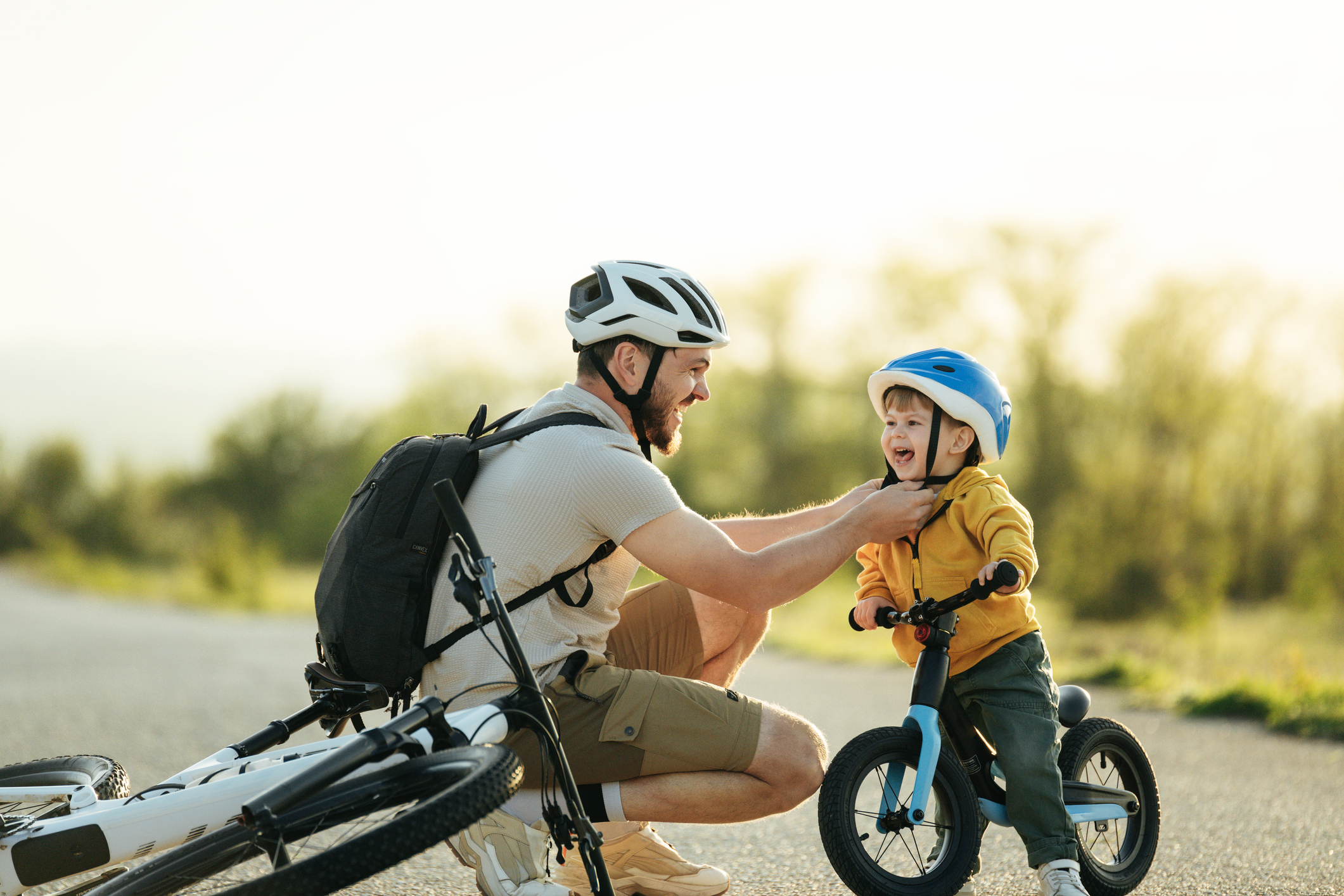
“Be careful!”
“Don’t climb so high, you might fall!”
“Slow down!”
When children climb, run, jump, balance, or explore heights, it’s natural to want to keep them safe. Of course, preventing injuries is part of being a parent. But surprisingly, allowing children to experience optimal levels of risk can help them become better at keeping themselves safe.
This post explains what risky play actually means, why it matters for development, and how to support it without turning every trip to the park into a source of anxiety.
What is Risky Play?
Risky play refers to thrilling, exciting forms of play that involve some uncertainty or possibility of physical challenge. It might include climbing a little higher, jumping from a low height, running fast, balancing on uneven surfaces, playing near water or fire, moving at speed (biking, sledding, running), or exploring on their own away from direct supervision.
It is important, however, to distinguish between risk and hazard. A risk is something a child can see, assess, and decide whether to take—a tall climbing structure, for example. On the other hand, a hazard is a danger that a child cannot easily see or evaluate, such as a rusty nail hidden in the sand. Risky play is about giving children opportunities to take on manageable challenges, not putting them in situations where they cannot recognize or judge the danger.
Why Risky Play Matters?
It might seem counterintuitive, but limiting risky play too aggressively can actually get in the way of what parents want for their children: raising kids who are confident, capable, and aware of their own safety.
1. It helps children learn to assess risk:
Children who get regular opportunities to judge height, speed, and their own physical limits can gradually become better at recognizing and managing risk. Kids rarely attempt something wildly beyond their ability; instead, they tend to take on bigger challenges gradually as their skills and confidence grow.
2. It supports children’s emotional regulation skills:
The rush of fear or excitement that comes with risky play, followed by the experience of getting through the challenge safely, gives children a chance to practice coping with those feelings in a relatively safe environment.
3. It builds confidence and independence:
Successfully navigating a challenge that a child has chosen for themselves -whether it’s climbing a tree or balancing on a wall- can give them a real sense of competence. This kind of confidence is difficult to develop when adults are constantly stepping in and directing what children should do.
4. It may supports mental health:
Some researchers have suggested that reduced opportunities for outdoor play and age-appropriate risk-taking may be related to rising levels of anxiety in children. While risky play is certainly not a solution to childhood anxiety, having regular opportunities to experience manageable uncertainty may be one small part of supporting children’s emotional well-being.
How Can Parents Encourage Safe Risk-Taking?
You can create more room for healthy risk by making small shifts in how you supervise and respond, while still keeping an eye out for genuine dangers.
1. Ask Questions Instead of Giving Warnings
You can try asking, “Do you feel steady there?” or “How will you get back down?” rather than saying, “Don’t climb that high!” Questions like these encourage children to pay attention to their surroundings and what they are doing, think about their own limits, and make decisions for themselves.
2. Supervise from a distance
Standing back a few steps rather than staying right next to your child gives them more room to figure things out on their own, while keeping you close enough to step in if they really need help.
3. Look for varied outdoor environments
Natural playgrounds with logs, boulders, slopes, and loose parts can give children more opportunities to choose their own level of challenge than flat, uniform playground equipment. Different surfaces, heights, and spaces allow children to experiment with what feels manageable for them.
4. Normalize your own discomfort
It is completely normal to feel nervous when you see your child climbing, jumping, or trying something new. You do not have to hide that feeling. You can acknowledge it: “That makes me a little nervous, but you have got this.” This shows children that it is possible to feel worried and still try something challenging. By expressing those feelings calmly, you are also modeling emotional regulation.
The Take-home Message
Risky play can sometimes feel like the opposite of what parents are supposed to do: keep their children safe. But giving children opportunities to take manageable risks doesn’t mean putting them in danger. In fact, it can help them learn how to judge risks, manage strong emotions, and become more confident in their own abilities.
The goal is not to remove all risk from childhood. It is to give children the chance to experience challenges they can handle, while knowing that an adult is nearby when they need help. Sometimes, that might mean letting them climb a little higher, ride a little faster, or figure out how to get themselves down. These small moments can help children become more capable of keeping themselves safe as they grow.


Frequently Asked Questions
What counts as 'risky play,' and how is it different from dangerous play?
Risky play refers to thrilling, adventurous activities like climbing high, swinging fast, balancing, or rough-and-tumble play, where children test their physical limits under manageable risk. It differs from truly dangerous play because the child can see and assess the risk themselves, versus hidden hazards they can't perceive, like unsupervised water or unstable equipment.
What developmental skills does risky play actually build in young children?
Risky play supports gross motor coordination, balance, and body awareness, while also building confidence, risk-assessment skills, and resilience. Children who get regular opportunities for this kind of active, boundary-testing play tend to develop stronger self-regulation and a more accurate sense of their own physical abilities.
How can parents allow risky play while still keeping their child reasonably safe?
The key is supervising without hovering , staying nearby to intervene only if truly necessary, letting children attempt challenges like climbing or jumping, and resisting the urge to say "be careful" reflexively, which can undermine a child's own risk judgment rather than build it.
Is risky play appropriate for toddlers, or is it only suitable for older preschoolers?
Risky play can be scaled to age - toddlers benefit from smaller versions like climbing low steps or balancing on a curb, while older preschoolers can handle higher climbing structures or faster swinging. The goal at every age is a challenge that feels exciting but is within the child's current physical capability.
Related Post
Attention-Seeking Behavior in Children: What They’re Really Telling You

Sleep Schedule by Age: Naps, Night Sleep & Night Waking

Tooth Brushing for Preschoolers: Simple Routines That Work

Potty Training Regression: Why It Happens and How to Help
Co-Regulation Before Self-Regulation: How to Help Kids Manage Big Emotions

How Art Helps Children Manage Big Feelings and Build Emotional Skills

The Worry Jar: A Simple Technique for Kids Who Worry

Simple Yoga Poses for Toddlers

15+ Mindfulness Games for Little Kids That Calm Big Feelings
Understanding Separation Anxiety in Children

A 7-Day Kindness Challenge for Young Children

Fostering Gratitude in Toddlers and Preschoolers

Seeing Your Child Through Your Eyes: Why Parental Beliefs Matter

How Much Sleep Does Your Child Really Need?
Building Confidence in Shy Children

Emotional Regulation Activities for Young Children: Simple Tips Parents Can Use

How Everyday Moments Can Grow Empathetic Kids- Bruised Heads and Big Hearts

Social Skills Needed for Kindergarten Success: What Really Matters Most
Teaching Children About Kindness

Getting Ready for Kindergarten: Everyday Skills That Build Confidence and Independence

Surviving the Terrible Twos: Understanding and Managing Toddler Tantrums

Encouraging Independence in Young Children

How to Support Your Child’s Mental Health

Fear in Little Kids: What’s Normal and How to Help

What to Do When Your Young Child Has School Anxiety

How to Help Your High-Energy Child Slow Down and Find Calm

More Than Letters and Numbers: The Emotional Side of the Summer Slide

Let’s Talk About Inchstones: The Tiny Triumphs That Matter

Empowering Your Child’s Emotion Regulation Skills: Help Them Calm Down Without Screens


