


Co-Regulation Before Self-Regulation: How to Help Kids Manage Big Emotions
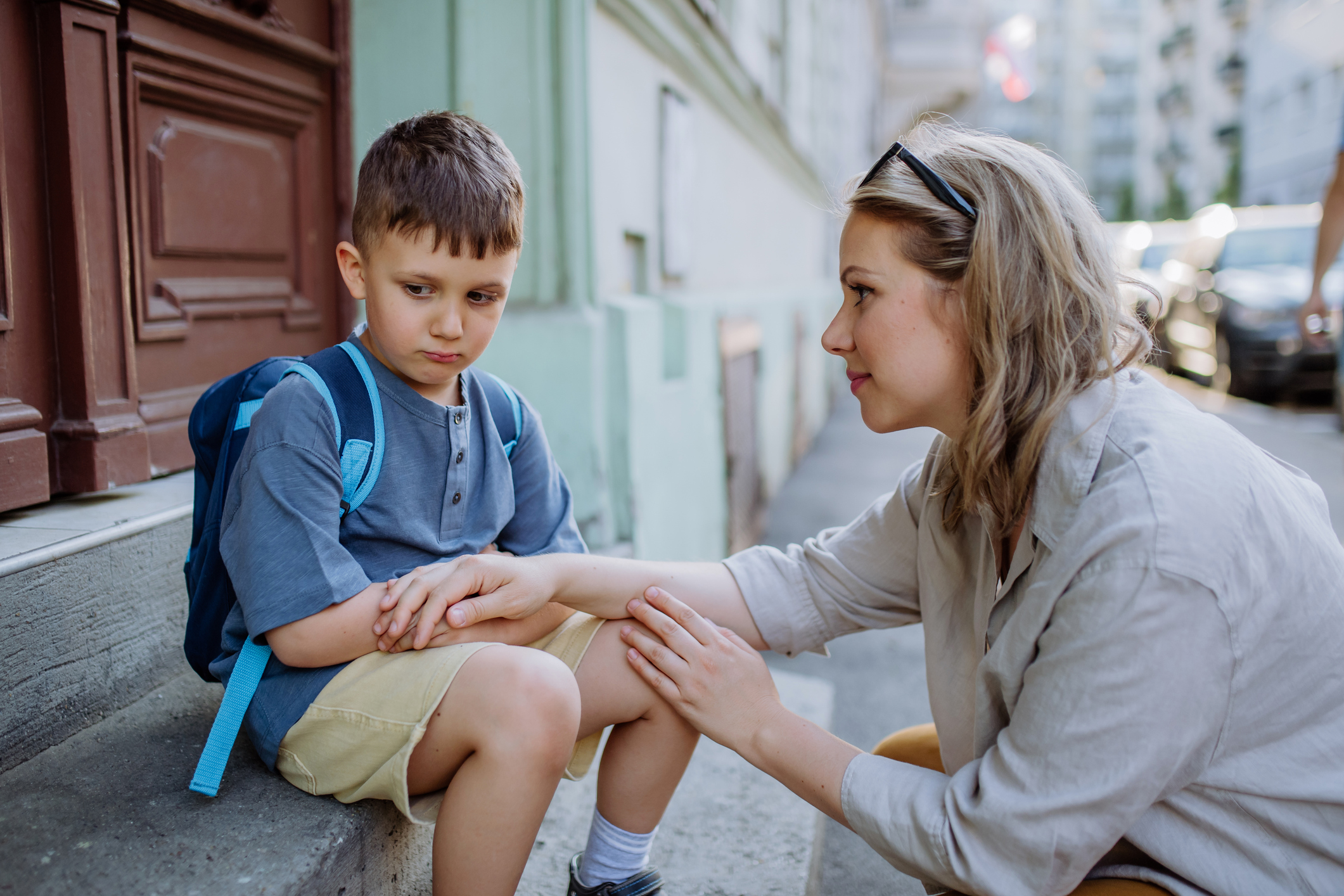
Have you ever told a crying toddler to “calm down” and noticed it only made things worse? You’re not alone. Many parents expect children to manage their emotions independently, but neuroscience and developmental psychology suggest we may be asking for a skill they simply don’t actually have yet. Before a child can learn self-regulation, they must first experience co-regulation.
What Is Co-Regulation?
Co-regulation is the process of helping a child manage big emotions through an adult’s presence, voice, modeling, and behavior.
Imagine a house in winter. A thermostat doesn’t exist yet, which means the heating system can’t sense when the room gets too cold or too hot. So an adult has to walk over and adjust the temperature manually.
Your child’s emotional system works the same way. When big feelings rise, such as anger, frustration, or fear, their internal “thermostat” isn’t developed enough to bring the temperature back to comfortable levels. Their emotional world suddenly feels freezing or boiling, and they don’t know how to fix it. That’s where you come in.
Before children can regulate their emotions on their own, they first need someone who can regulate the emotional climate around them. With repeated experiences of being soothed and supported, their brain gradually learns how the “thermostat” works. One day, they begin to notice: “I’m getting too hot. I can cool down.
Simple Ways to Practice Co-Regulation
If you are wondering how to move from theory to everyday life, here are simple ways to support your child’s emotional development through co-regulation.
1. Be the Thermostat, Not the Thermometer
A thermometer reflects the temperature. If your child rises to 100 degrees, you rise to 100 degrees. A thermostat sets the temperature. When your child is screaming or overwhelmed, your job is to bring the “cool air” of a softer voice, slower breathing, and steady presence.
2. Use the “Pause and Breathe” Technique
Before responding to your child, take three deep and slow breaths. This is not just for you. Children naturally mirror the adults around them. When they see you breathe deeply and relax your shoulders, their nervous systems begin to settle, too.
3. Connect Before Correct
Instead of saying “Stop crying, it’s not a big deal,” try: “I’m here. I see you are really frustrated that the tower fell over. It’s hard when things don’t go our way.” Connection opens the door to cooperation.
4. Name the Emotion
Help your children put words to what they’re feeling. Labeling feelings helps the brain organize emotional experiences. You might say: “You’re angry because the toy broke.” or “You feel sad that we had to leave the park.” Naming emotions helps the brain organize overwhelming experiences—and often reduces their intensity.
5. Offer Physical or Emotional Comfort
Co-regulation often happens through the body. A hug, sitting nearby, holding a hand, or speaking softly can be incredibly regulating. Your presence communicates safety.
Five Activities to Help Toddlers Learn Emotional Regulation
While co-regulation happens in the heat of the moment, you can build the foundation during “peaceful times” with these activities:
The “Balloon Breath”: Have them imagine their belly is a balloon. Smell the flowers (inhale), blow out the birthday candles (exhale).
Naming the Feeling: Use picture books or “feeling cards” to talk about emotions when everyone is happy. Ask, “What does your body feel like when you’re excited/happy/angry?”
Heavy Work: Surprisingly, physical resistance helps “ground” the nervous system. Let them push a laundry basket, do “wall pushes,” or carry a backpack with a few books in it.
Sensory Play: There’s a reason kids love sand and water! Repetitive sensory play naturally regulates a developing brain.
The Safe Space: Create a cozy nook with pillows and soft toys. Make sure it’s a “time-in” space—somewhere they want to go to feel better, not a place they’re sent for being “bad.”
The Long-Term Outcomes
Co-regulation is the greatest investment you can make in your child’s future mental health. Children who experience strong co-regulation develop:
- Better emotional control
- Stronger relationships
- Higher resilience
- Improved attention and learning skills
Every time you help your child calm down, you are strengthening the brain systems they will eventually use independently.
Co-regulation today becomes self-regulation tomorrow!

Frequently Asked Questions
What is co-regulation, and how is it different from self-regulation?
Co-regulation is the supportive process where a calm adult helps a child manage big emotions through warmth, presence, and modeling, while self-regulation is a child's own ability to manage their emotions independently. Self-regulation doesn't appear on its own , it develops gradually out of repeated co-regulation experiences with trusted adults.
Why can't young children just be taught to calm down on their own?
Young children's brains are still developing the neural pathways needed for independent emotional control, so asking a dysregulated toddler or preschooler to "calm down" alone is developmentally unrealistic. They need a calm adult's nervous system to help regulate theirs first, much like learning to walk requires holding a supportive hand before walking solo.
How can a parent stay calm when co-regulating a child who is having a meltdown?
Since emotional states are contagious between a caregiver and child, a parent's own regulation comes first — pausing, taking a breath, and briefly validating the child's feelings before responding helps prevent the adult's own stress from escalating the situation further.
When do children typically start being able to self-regulate without adult support?
Self-regulation develops gradually over the first several years of life and continues strengthening well past early childhood — most children still need meaningful co-regulation support through much of the preschool and early elementary years, with independence growing steadily rather than arriving at a fixed age.
Related Post
Attention-Seeking Behavior in Children: What They’re Really Telling You
Sleep Schedule by Age: Naps, Night Sleep & Night Waking
Tooth Brushing for Preschoolers: Simple Routines That Work
Potty Training Regression: Why It Happens and How to Help
Risky Play for Kids: Why Safe Risk-Taking Matters
How Art Helps Children Manage Big Feelings and Build Emotional Skills

The Worry Jar: A Simple Technique for Kids Who Worry
Simple Yoga Poses for Toddlers
15+ Mindfulness Games for Little Kids That Calm Big Feelings
Understanding Separation Anxiety in Children
A 7-Day Kindness Challenge for Young Children
Fostering Gratitude in Toddlers and Preschoolers
Seeing Your Child Through Your Eyes: Why Parental Beliefs Matter

How Much Sleep Does Your Child Really Need?
Building Confidence in Shy Children
Emotional Regulation Activities for Young Children: Simple Tips Parents Can Use
How Everyday Moments Can Grow Empathetic Kids- Bruised Heads and Big Hearts
Social Skills Needed for Kindergarten Success: What Really Matters Most
Teaching Children About Kindness
Getting Ready for Kindergarten: Everyday Skills That Build Confidence and Independence

Surviving the Terrible Twos: Understanding and Managing Toddler Tantrums
Encouraging Independence in Young Children
How to Support Your Child’s Mental Health

Fear in Little Kids: What’s Normal and How to Help
What to Do When Your Young Child Has School Anxiety

How to Help Your High-Energy Child Slow Down and Find Calm

More Than Letters and Numbers: The Emotional Side of the Summer Slide
Let’s Talk About Inchstones: The Tiny Triumphs That Matter

Empowering Your Child’s Emotion Regulation Skills: Help Them Calm Down Without Screens


