


How to Help Your High-Energy Child Slow Down and Find Calm

If you have a child who’s always on the move, you’re not alone. Many young kids seem to have endless energy: running, jumping, talking, exploring. While this energy is healthy and normal, having quiet moments during the day helps kids (and parents!) recharge, reset, and feel more balanced. Active play is important too, and balancing movement with calm moments can help children regulate their energy throughout the day.
Calm time doesn’t have to look perfect. It’s not about getting your child to sit still, but about helping them learn how to slow down and feel peaceful, even for just a little while.
The ability to slow down is really an emotional regulation skill in disguise. Emotional regulation activities for young children goes deeper on how this capacity develops – and which activities build it most effectively at different ages.
Here are a few simple ways to build calm moments into your child’s day:
1. Create a calming corner or comfort box
Together with your child, create a cozy spot in your home or prepare a box filled with pillows, books, sensory toys, coloring supplies, or anything else that helps them feel relaxed. Introduce it when your child is already feeling peaceful, so they can learn to enjoy it as a comforting place.
2. Add stretching to your day
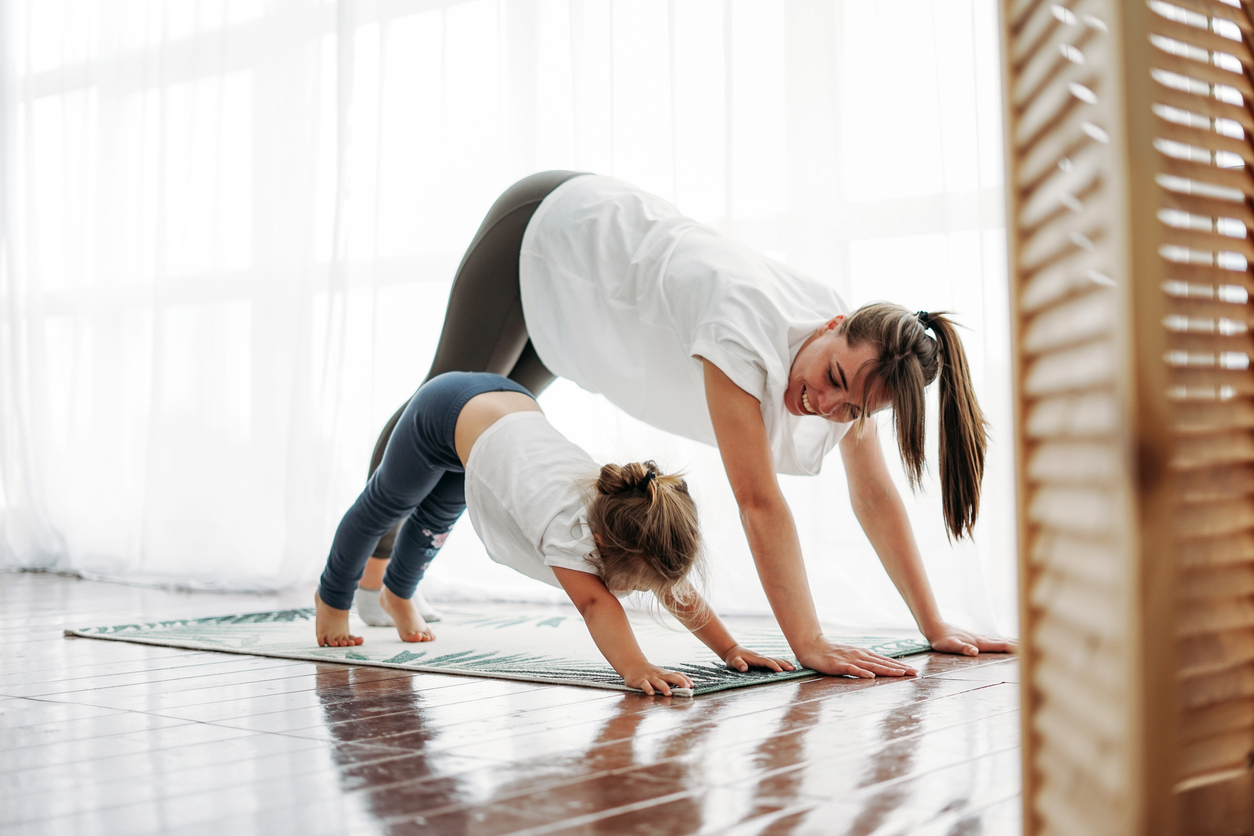
You can try poses like the child’s pose or butterfly, or simple stretches like reaching for the sky, gentle neck rolls, or pretending to be a slowly growing tree for just a few minutes. There are also many kid-friendly yoga videos online you can follow together.
3. Play breathing games
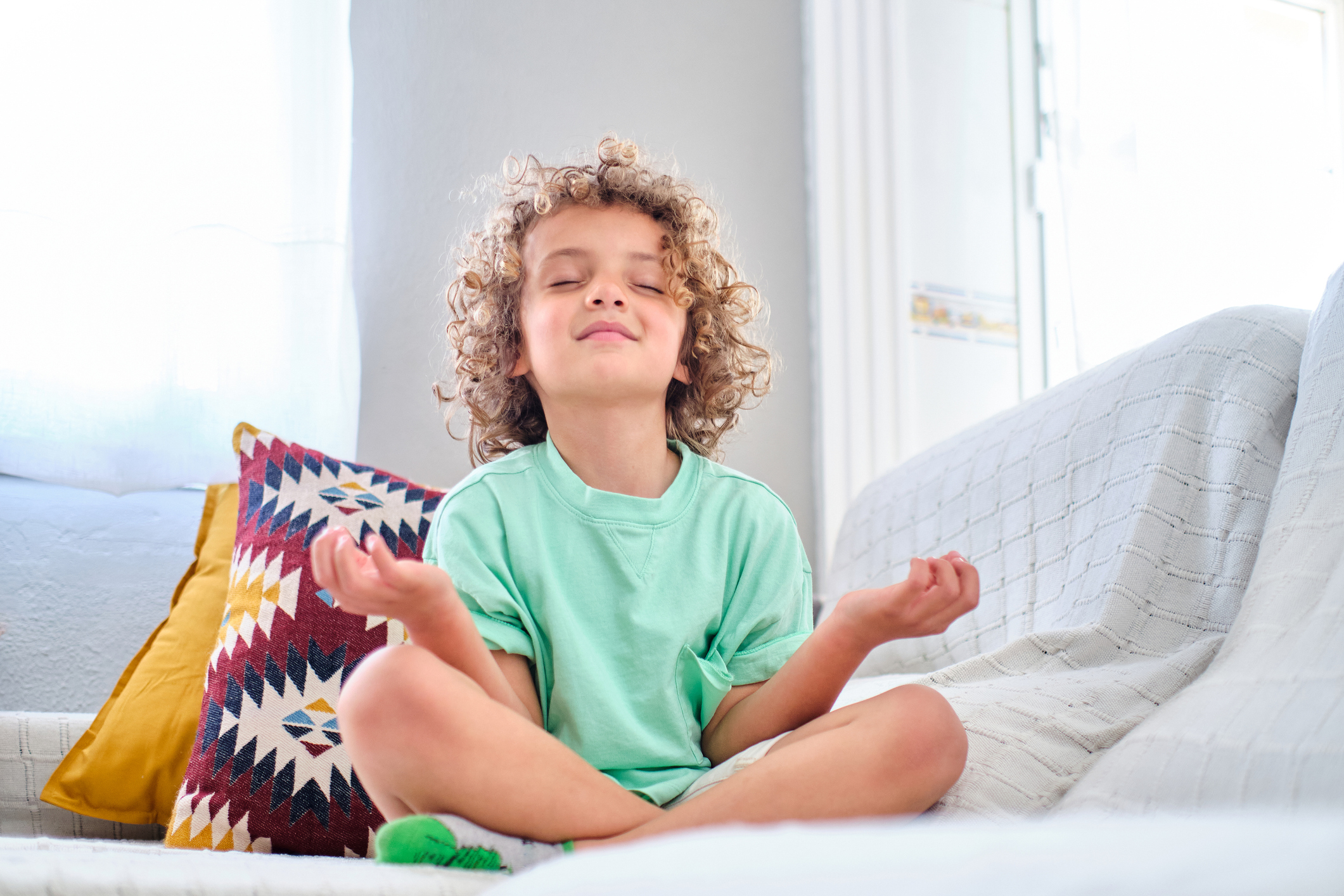
Teach your child to take belly breaths by breathing in to fill up the belly like a balloon, then slowly breathing out through the mouth. It’s okay if they breathe into their chest at first; they’ll get the hang of it with practice. Make it playful by pretending to blow up a balloon or smell a flower and blow out a candle.
If your child responds better to playful activities, mindfulness breathing games can make practicing calm breaths more fun and engaging.
4. Pause and listen
You can try a guided meditation made for kids, play slow-paced music your child enjoys, or simply open a window and listen to the sounds outside. You can turn this into a game if your child gets bored by guessing what sounds you hear together, like a car or the wind.
5. Practice mindfulness with everyday activities
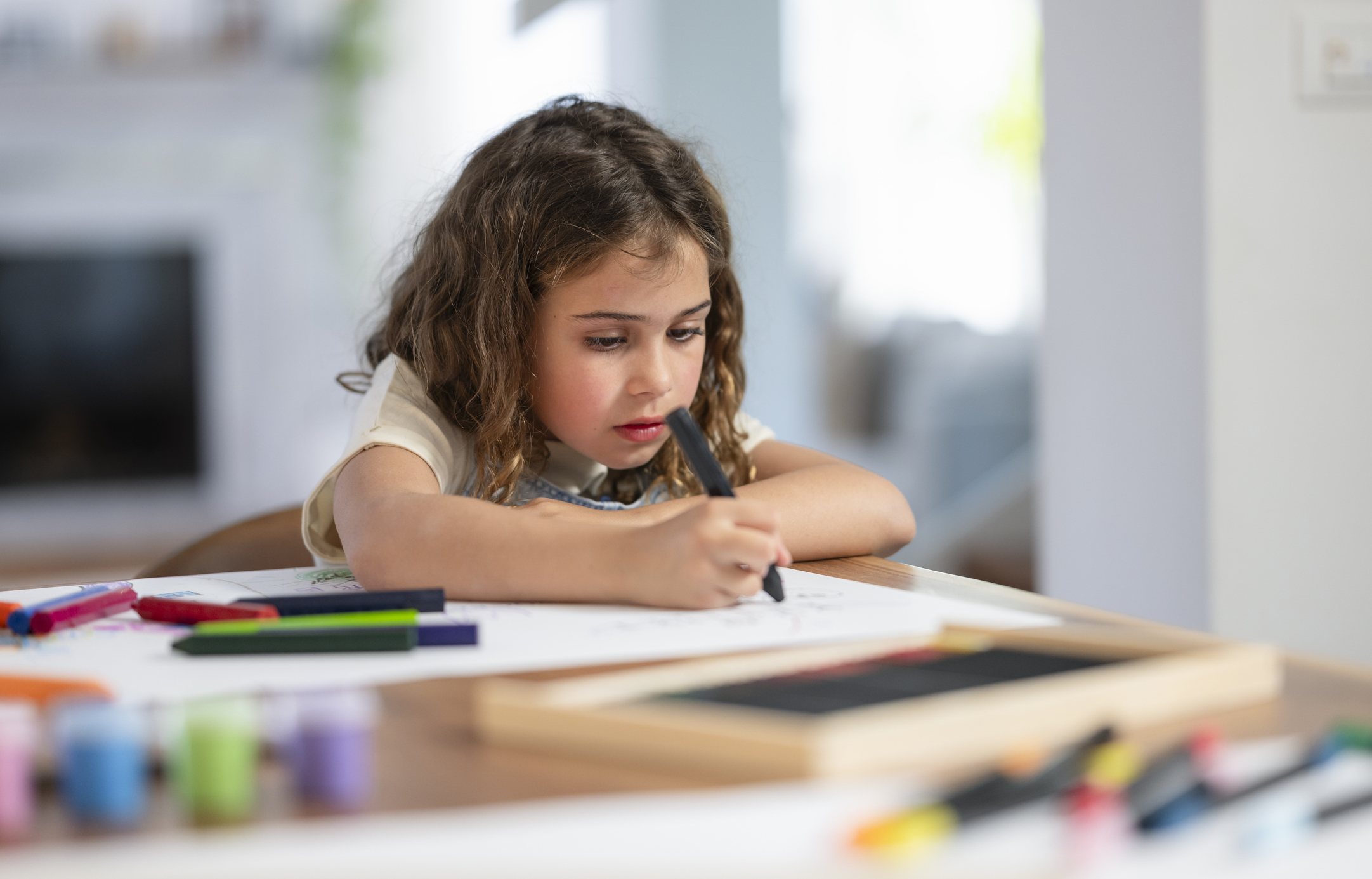
Calm time doesn’t have to mean sitting still. You can try coloring, playing with kinetic sand, listening to soft music, watching stars together, or anything else your child enjoys that can be done in a slow, peaceful way. On busy indoor days, quiet and calming activities can also help toddlers release energy in a more peaceful way
6. Build some calm time into your daily routine
Pick a regular time in the day to pause and slow down together. It could be after lunch, before dinner, or right before bed. Even just 5 minutes of quiet time each day can help your child get used to relaxing and recharging. Building calming routines early can also support children during emotionally intense stages like toddler tantrums.


Frequently Asked Questions
Is having a high-energy child a cause for concern?
High energy is a trait, not a disorder. Many high-energy children are simply wired for more stimulation and movement than average. It becomes a concern only if it significantly interferes with sleep, learning, or relationships. In itself, high energy is often a sign of a healthy, curious nervous system.
What strategies help a high-energy child wind down at the end of the day?
Heavy work activities earlier in the day (carrying, climbing, pushing), sensory-calming inputs before bed (warm bath, dim lights, deep pressure through a weighted blanket or firm hug), predictable bedtime routines, and reducing stimulation 60 minutes before sleep all make a significant difference.
How do I channel a high-energy child's energy constructively during the day?
Give them physical outlets (outdoor play, dance, jumping), jobs that involve movement, frequent brain breaks, flexible seating options (wobble cushion, standing desk), creative projects, and purposeful tasks. A high-energy child who has had enough movement is usually a much more settled learner.
Related Post
Attention-Seeking Behavior in Children: What They’re Really Telling You
Sleep Schedule by Age: Naps, Night Sleep & Night Waking

Tooth Brushing for Preschoolers: Simple Routines That Work
Potty Training Regression: Why It Happens and How to Help

Risky Play for Kids: Why Safe Risk-Taking Matters
Co-Regulation Before Self-Regulation: How to Help Kids Manage Big Emotions
How Art Helps Children Manage Big Feelings and Build Emotional Skills

The Worry Jar: A Simple Technique for Kids Who Worry
Simple Yoga Poses for Toddlers
15+ Mindfulness Games for Little Kids That Calm Big Feelings

Understanding Separation Anxiety in Children

A 7-Day Kindness Challenge for Young Children

Fostering Gratitude in Toddlers and Preschoolers
Seeing Your Child Through Your Eyes: Why Parental Beliefs Matter

How Much Sleep Does Your Child Really Need?
Building Confidence in Shy Children

Emotional Regulation Activities for Young Children: Simple Tips Parents Can Use

How Everyday Moments Can Grow Empathetic Kids- Bruised Heads and Big Hearts
Social Skills Needed for Kindergarten Success: What Really Matters Most
Teaching Children About Kindness
Getting Ready for Kindergarten: Everyday Skills That Build Confidence and Independence

Surviving the Terrible Twos: Understanding and Managing Toddler Tantrums

Encouraging Independence in Young Children

How to Support Your Child’s Mental Health
Fear in Little Kids: What’s Normal and How to Help

What to Do When Your Young Child Has School Anxiety

More Than Letters and Numbers: The Emotional Side of the Summer Slide
Let’s Talk About Inchstones: The Tiny Triumphs That Matter

Empowering Your Child’s Emotion Regulation Skills: Help Them Calm Down Without Screens


