


Let’s Talk About Inchstones: The Tiny Triumphs That Matter
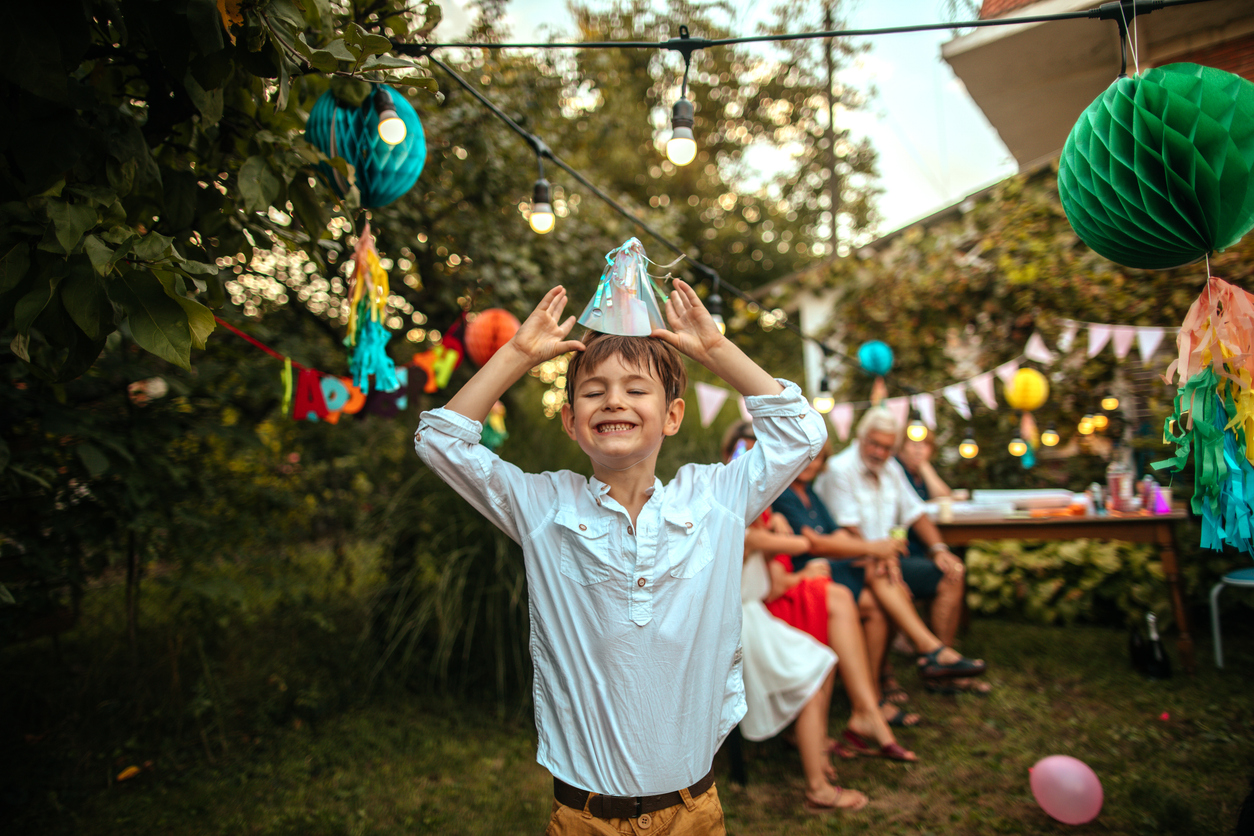
We all love a big moment: first steps, birthdays, first day of school. If you’re reading this with a two-year-old in mind, the milestone picture for this age is useful context. 2-year-old milestones lays out the typical developmental expectations at this stage — which makes it easier to identify where the inchstones are worth celebrating because the milestone is still a distance away. But what about the little wins in between?
Brushing their teeth without help for the first time. Staying calm in a situation that usually upsets them. Finishing a big puzzle they had given up on before. These are inchstones; small steps that show growth. They may seem tiny, but they’re a big deal in your child’s world. The reason inchstones get overlooked is partly structural — the milestone checklists parents receive focus on outcomes, not the dozen small steps that lead there. Parental beliefs and child development looks at how the stories we tell ourselves about child development shape what we notice and what we miss
Celebrating inchstones can be a beautiful way to support your child’s motivation and confidence. But here are a few gentle reminders to make sure the meaning doesn’t get lost:
6 Things to Keep in Mind About Inchstones
For shy or more cautious children, the inchstones are often social ones , making eye contact with a new adult, staying in a room with unfamiliar children, speaking first. Building confidence in shy children maps exactly those small victories and shows parents how to acknowledge them in a way that compounds rather than pressurises.
1. Be mindful about what you celebrate
If every moment comes with fanfare, your child might start to expect constant applause. Define inchstones that take effort and reflect what matters to your family, like finally resolving a conflict with a sibling through words instead of tears. Notice what your child cares about most. Maybe it’s feeling brave enough to say hi to a new friend for the first time. Inchstones and superpowers are found in the same place — in the specific, often surprising things a child can do rather than the generalised things they can’t yet. Every child has a learning superpower is built around exactly that search
2. Make space for your child’s own goals
Alongside the small wins you find meaningful, invite your child to pick their own goals too. It might be learning to rollerblade or buttoning up their jacket. Let them pick something they’re proud of working on, and track their progress in a way that feels fun, like with stickers.
3. Let your child celebrate first
Before clapping or cheering, take a pause. Watch for that moment when they look up at you with pride in their eyes. That’s when they’re celebrating their own achievement. Then join in their celebration rather than making it about your excitement. Help them notice the joy of doing something for themselves, not just for the applause.
4. Celebrate effort, not just outcomes
It’s easy to get excited when something is “done,” but try to notice what went into it. “You kept trying even when it was tricky!” means more than “You did it!” It teaches them that trying, learning, and not giving up is what matters.
5. Keep it simple
Not every achievement needs balloons and cake. Sometimes a high-five, a hug, or just taking a moment to sit together and talk about what they accomplished is more than enough. What matters is that your child feels seen. Save bigger celebrations for efforts that were particularly challenging for your child.
6. Honor what’s hard for them, not others
Each child’s inchstones look different. What comes easily to one child might be a significant achievement for another. Inchstones are most visible in children who are developing at their own pace rather than the average — which is all children, to varying degrees. Embracing your child’s unique strengths gives parents a framework for understanding that individual trajectory through the lens of learner variability. Celebrate your child’s unique journey rather than comparing it to siblings, friends, or developmental charts.
Inchstones remind us to slow down, look closely, and cheer for the steps that lead to bigger things. They teach kids to notice their own progress and feel proud: not just because we clapped, but because they know they’ve grown.

Frequently Asked Questions
What is an inchstone in child development?
An inchstone is a small, incremental step in a child's development, distinct from the broad milestones (walking, first words) that development charts track. For children with developmental differences or slower-developing skills, inchstones are the meaningful units of progress worth celebrating.
Why should parents pay attention to inchstones, not just milestones?
Milestone lists can create anxiety when a child is not yet there. Inchstones shift the focus to your individual child's actual progress — from 'zero words' to 'imitating a sound', from 'no eye contact' to 'glanced at me twice today', keeping parents motivated and children celebrated.
How do I track inchstones without getting overwhelmed?
Keep it simple, a brief daily note, a photo, or a voice memo marking what was new or different today. Many parents use a simple notebook or a private social media account. The act of noticing and recording is as valuable as the record itself.
Related Post

Why Does My Child Fall Apart After School?

Attention-Seeking Behavior in Children: What They’re Really Telling You
Sleep Schedule by Age: Naps, Night Sleep & Night Waking

Tooth Brushing for Preschoolers: Simple Routines That Work
Potty Training Regression: Why It Happens and How to Help

Risky Play for Kids: Why Safe Risk-Taking Matters
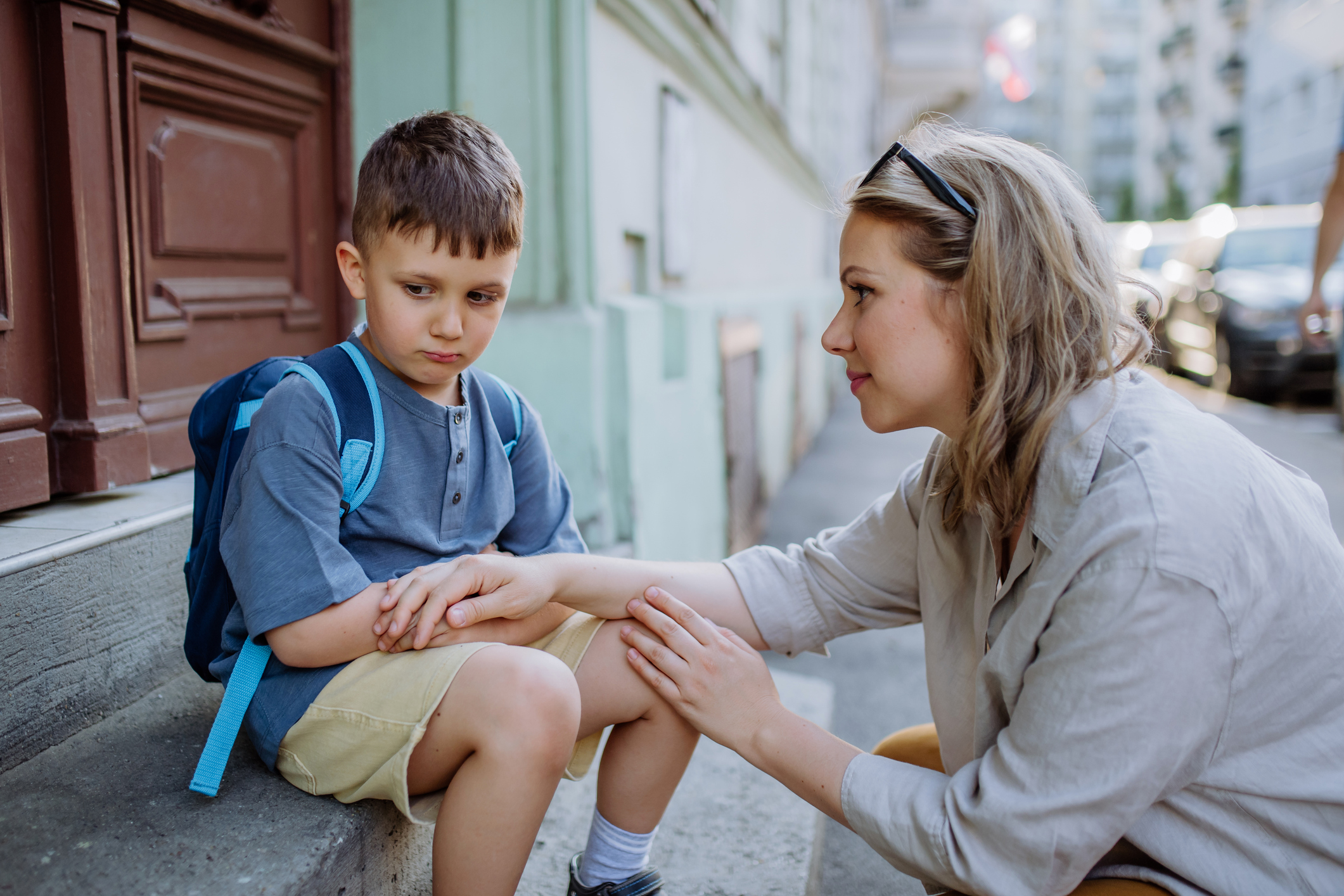
Co-Regulation Before Self-Regulation: How to Help Kids Manage Big Emotions
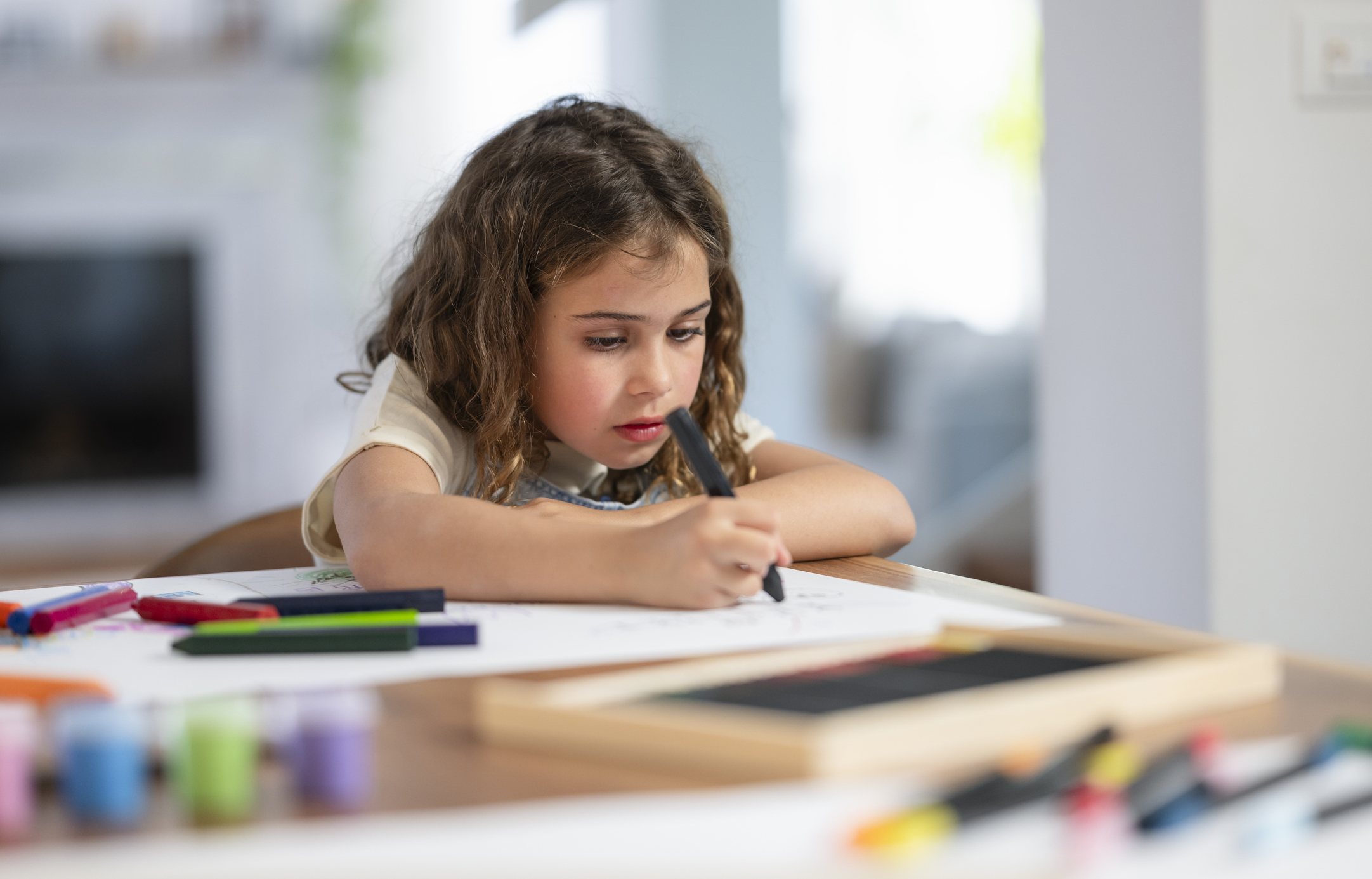
How Art Helps Children Manage Big Feelings and Build Emotional Skills

The Worry Jar: A Simple Technique for Kids Who Worry

Simple Yoga Poses for Toddlers

15+ Mindfulness Games for Little Kids That Calm Big Feelings
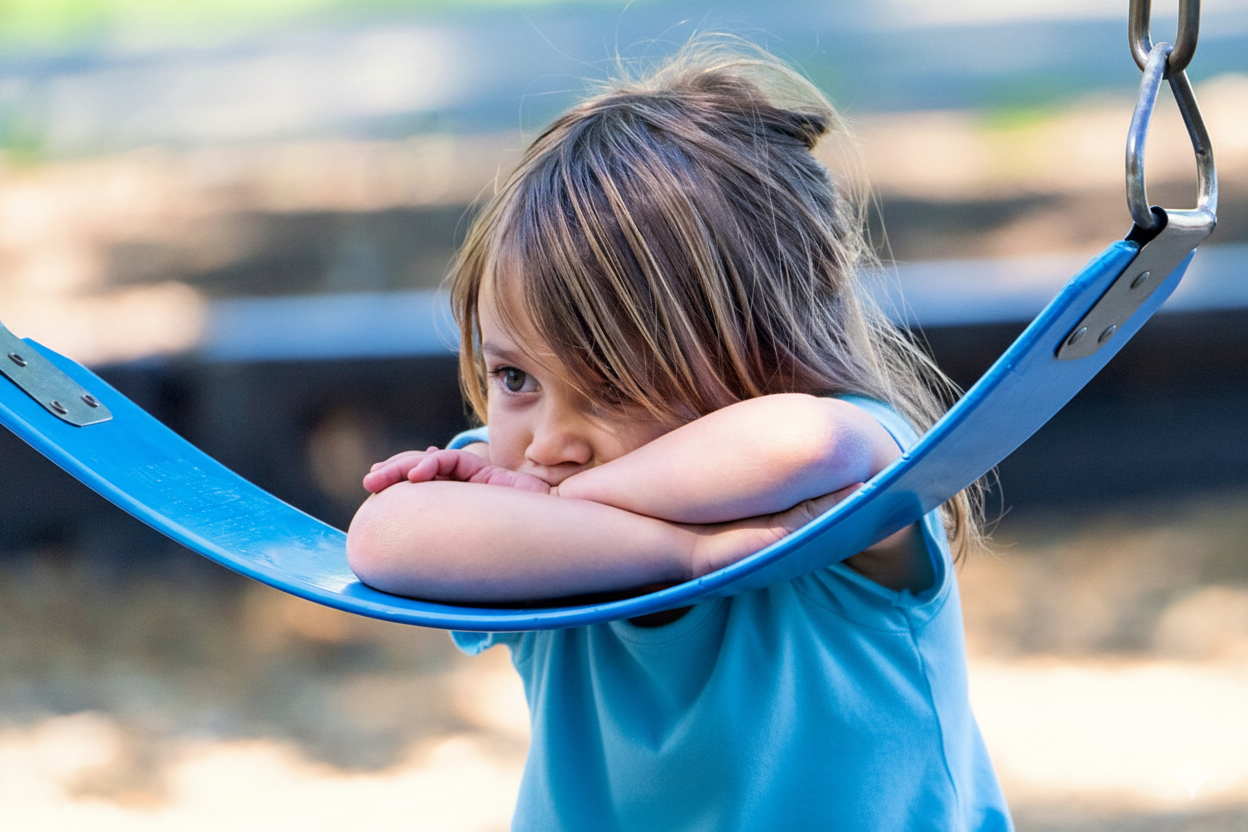
Understanding Separation Anxiety in Children

A 7-Day Kindness Challenge for Young Children

Fostering Gratitude in Toddlers and Preschoolers
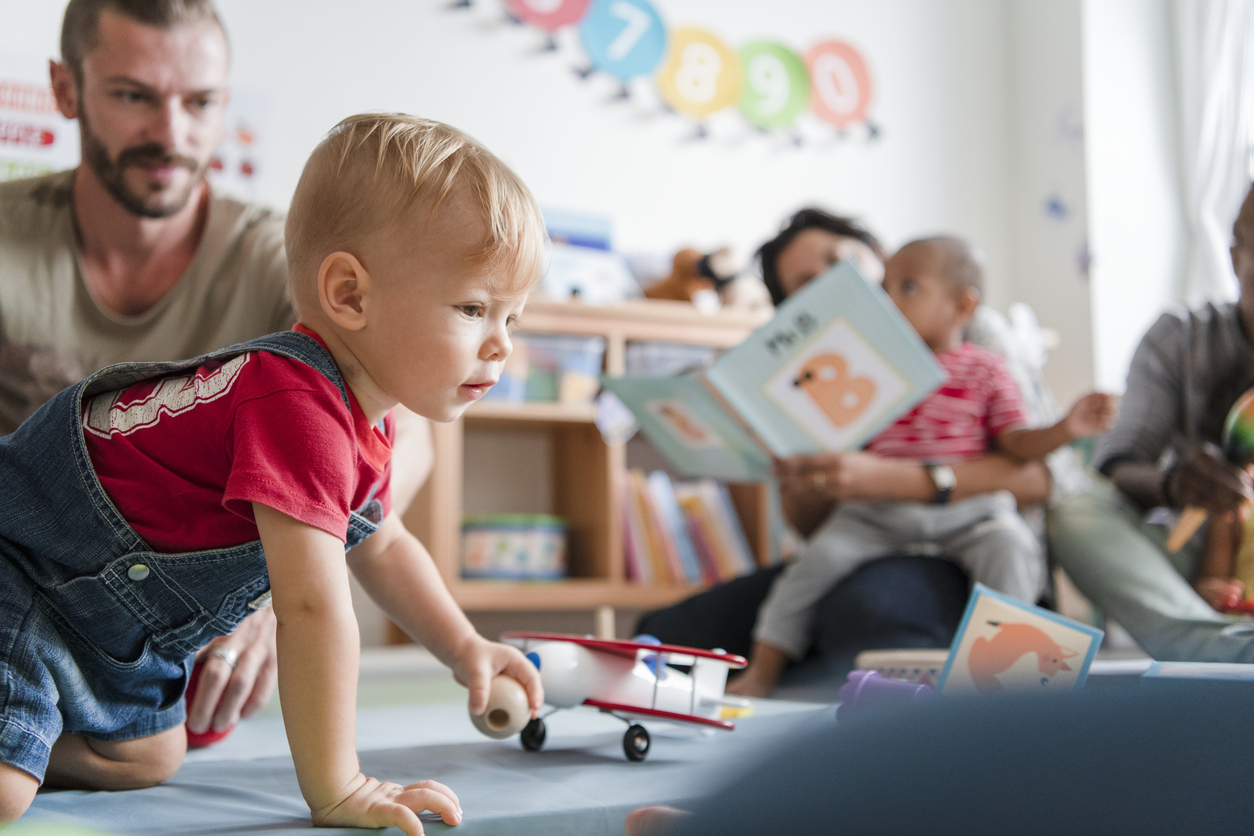
Seeing Your Child Through Your Eyes: Why Parental Beliefs Matter

How Much Sleep Does Your Child Really Need?
Building Confidence in Shy Children

Emotional Regulation Activities for Young Children: Simple Tips Parents Can Use
How Everyday Moments Can Grow Empathetic Kids- Bruised Heads and Big Hearts

Social Skills Needed for Kindergarten Success: What Really Matters Most
Teaching Children About Kindness
Getting Ready for Kindergarten: Everyday Skills That Build Confidence and Independence

Surviving the Terrible Twos: Understanding and Managing Toddler Tantrums
Encouraging Independence in Young Children

How to Support Your Child’s Mental Health

Fear in Little Kids: What’s Normal and How to Help

What to Do When Your Young Child Has School Anxiety

How to Help Your High-Energy Child Slow Down and Find Calm
More Than Letters and Numbers: The Emotional Side of the Summer Slide

Empowering Your Child’s Emotion Regulation Skills: Help Them Calm Down Without Screens


