


How Much Sleep Does Your Child Really Need?
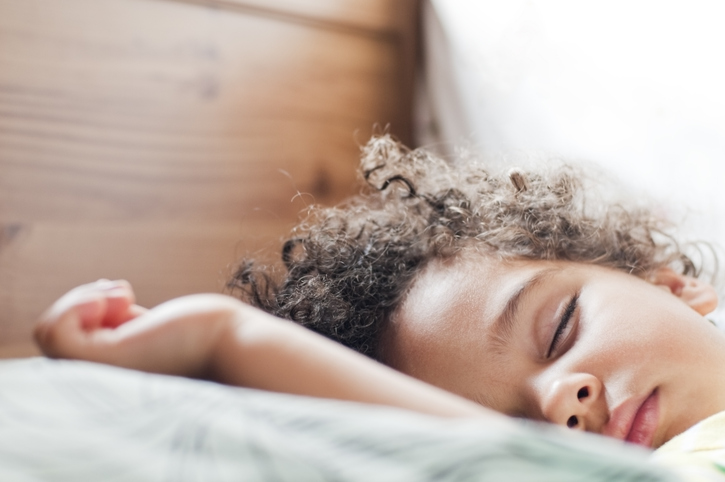
Take a moment to think: How much sleep is your child actually getting?
According to the Centers for Disease Control and Prevention (CDC), more than one in three children under 5 years aren’t getting enough sleep.
Does your child’s sleep fall within the healthy range? How much is enough?
Recommended Sleep Hours by Age
Here’s what the American Academy of Sleep Medicine recommends for total sleep in a 24-hour period, including naps:
| Age | Total Sleep Needed |
| Under 1 year of age | 12-16 hours |
| 1-2 years | 11-14 hours |
| 3-5 years | 10-13 hours |
Is it Possible to Sleep Too Much?
While less common than undersleeping, consistently sleeping more than the recommended hours may also be linked to health concerns like high blood pressure, diabetes, obesity, and mental health issues.
If you’re worried your child is sleeping significantly more or less than these guidelines suggest, it’s worth talking to your pediatrician. They can help determine if there might be an underlying sleep disorder.
It’s Not Just About Hours: Sleep Quality Matters Too
While hitting those recommended sleep hours is important, how your child sleeps matters just as much as how long they sleep. Quality sleep means your child is sleeping soundly and waking up refreshed.
The main sign to watch for is if your child consistently meets the recommended hours but still seems drowsy, cranky, or low-energy during the day. This may signal that their sleep quality needs attention.
Other things you might notice include taking a very long time to fall asleep at bedtime or difficulty settling back down after normal nighttime waking.
Every child is different, with their own natural sleep patterns and tendencies. It’s also completely normal for young children to wake during the night as part of their development. The key isn’t perfection, but rather watching for patterns that suggest your child isn’t getting restorative sleep.
How to Improve Your Child’s Sleep Quality
Small changes to your child’s environment and routine can make a big difference in how well they sleep. Here are practical tips that work:
Create a Sleep-Friendly Environment
- Keep the room cool – A slightly cool room (around 65-70°F or 18-21°C) helps signal the body it’s time for sleep.
- Dim the lights – Lower lighting in the hour before bed helps your child’s body prepare for sleep.
- Minimize noise – A quiet space is best, but if needed, white noise can help mask disruptive sounds.
- Keep the bed for sleeping – Don’t fill your child’s bed with toys. Make it a place for rest, not play.
Build a Simple, Portable Bedtime Routine
- Set a regular bedtime – Try to put your child to bed at roughly the same time every evening and at naptime, as much as possible.
- Keep it simple – A routine doesn’t need to be elaborate. Choose a few calming steps you can do anywhere (like a quiet song, a short story, or gentle cuddles) so neither you nor your child dreads bedtime. When it’s simple, it’s easy to repeat night after night.
- Aim for consistency – Try to follow the same sequence each night, even when traveling or staying somewhere new.
Manage Energy and Wind-Down Time
- Let them move during the day – Active play helps children sleep better at night.
- Give them downtime before bed – Just like us, kids can’t go straight from rough play or a sibling squabble to peaceful sleep. Build in 20-30 minutes of calm activities to help them transition.
- Turn off screens early – Stop screen time at least an hour before bed. For tips on creating screen-free bedtime routines, check out our post on transforming bedtime into quality time.
The Benefits of a Good Sleep
When children consistently get the sleep they need, it makes real differences in their daily life:
For Learning
- Sharper focus throughout the day
- Better ability to learn and remember new things
- Better performance in school
For Physical Health
- Stronger immune system, meaning fewer colds and illnesses
- Healthier weight maintenance
- Better heart health and metabolism
- Lower risk of developing conditions like type 2 diabetes, high blood pressure, and heart disease later in life
- Reduced risk of accidents and injuries
For Emotional Well-Being
- Better mood throughout the day
- Fewer tantrums and meltdowns
- Stronger emotional regulation, so better able to handle frustration
Making Sleep Work for Your Family
Getting sleep right makes a real difference. When your child sleeps well, you’ll see it in how they play, learn, and handle their day. And when they sleep poorly, you’ll feel it too.
Small adjustments often lead to big improvements. Start with one or two changes that feel doable for your family, and build from there. Some nights will still be hard (that’s parenting), but overall, you’re setting your child up for healthier days and nights.
If you’re concerned about your child’s sleep, trust your instincts and talk to your pediatrician.
Sweet dreams to you and your little ones.


Related Post

Understanding Separation Anxiety in Children

A 7-Day Kindness Challenge for Young Children

Fostering Gratitude in Toddlers and Preschoolers

Seeing Your Child Through Your Eyes: Why Parental Beliefs Matter

Building Confidence in Shy Children

Emotional Regulation Activities for Young Children: Simple Tips Parents Can Use

How Everyday Moments Can Grow Empathetic Kids- Bruised Heads and Big Hearts

Social Skills Needed for Kindergarten Success: What Really Matters Most

Teaching Children About Kindness

Getting Ready for Kindergarten: Everyday Skills That Build Confidence and Independence

Surviving the Terrible Twos: Understanding and Managing Toddler Tantrums

Encouraging Independence in Young Children

How to Support Your Child’s Mental Health
Fear in Little Kids: What’s Normal and How to Help

What to Do When Your Young Child Has School Anxiety

How to Help Your High-Energy Child Slow Down and Find Calm

More Than Letters and Numbers: The Emotional Side of the Summer Slide

Let’s Talk About Inchstones: The Tiny Triumphs That Matter

Empowering Your Child’s Emotion Regulation Skills: Help Them Calm Down Without Screens


