


Water Play Activities for Toddlers
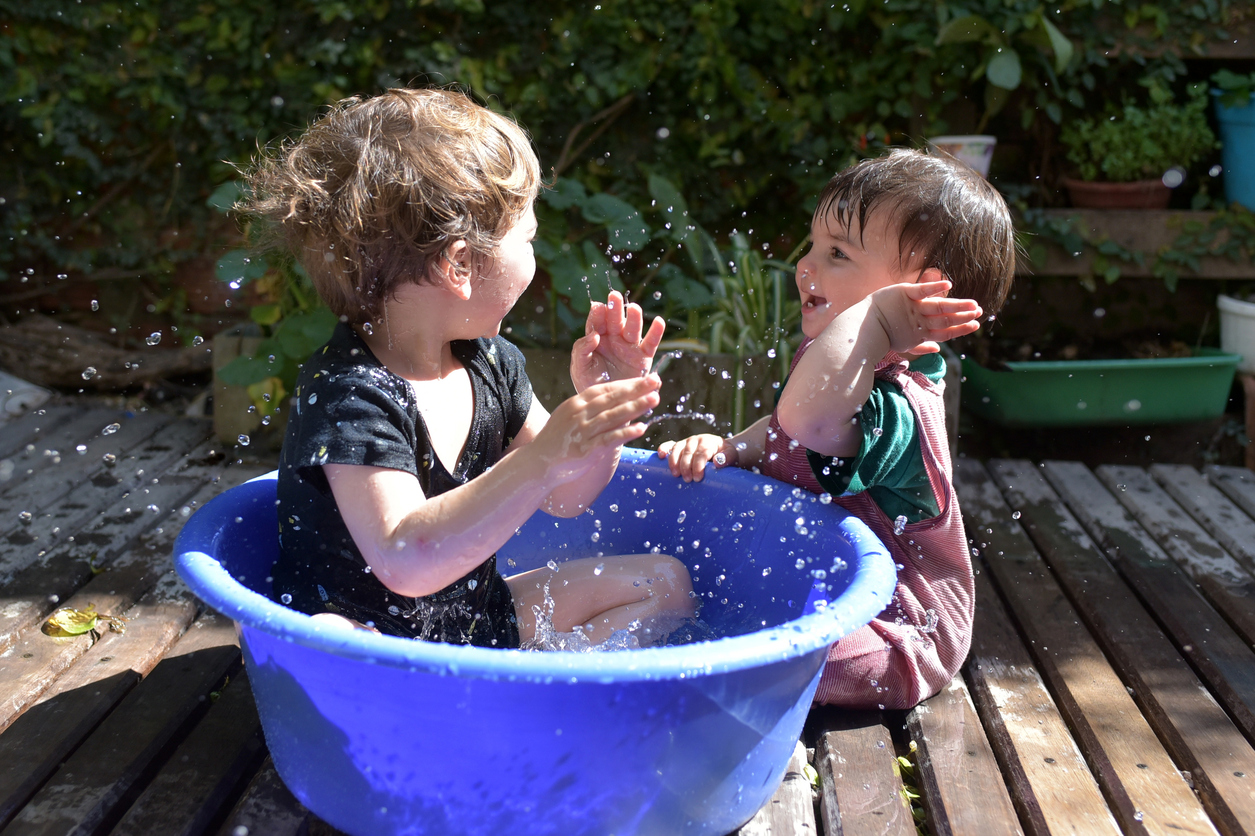
Water play is one of the most joyful and educational sensory experiences for toddlers. With a simple tub of water and a few tools, children can splash, pour, scoop, and experiment, building essential motor, cognitive, and language skills along the way.
Whether indoors or outdoors, water play offers endless opportunities for discovery. This guide covers what water play is, fun activities to try, why water play is important for development, and safety and encouragement tips to help parents get started confidently.
What Are Water Play Activities for Toddlers?
Water play activities involve hands-on exploration using water as the main medium. Toddlers use everyday objects, cups, sponges, spoons, funnels, toys, and ice, to explore movement, temperature, texture, pouring, and cause-and-effect.
Water play can be:
- Indoors (bathroom, kitchen, sensory bin)
- Outdoors (backyard, balcony, garden)
- Structured or totally child-led
- Simple and mess-free or creative and adventurous
This naturally engaging activity supports learning without feeling like learning, making it ideal for toddlers.
Top Water Play Activities for Toddlers
Engaging, safe, and skill-building water play ideas that combine fun with early learning.
1. Simple Pouring Station
Materials: Cups, jugs, bowls, funnels, spoons, and a waterproof tray or basin.
How to Play: Fill one container with water and invite your toddler to pour it into another using cups or spoons. Encourage comparisons like “more” and “less.”
Why It’s Effective: Strengthens fine motor control and hand–eye coordination while naturally introducing early math ideas like full, empty, and equal.
2. Sponge Squeeze Activity
Materials: Sponges, a bowl of water, and small cups.
How to Play: Let toddlers dip a sponge into water, soak it, and squeeze it into a cup. Turn it into a game—see how many squeezes it takes to fill the cup!
Why It’s Effective: Enhances hand and finger strength, coordination, and sensory regulation through hands-on, repetitive motion.
3. Floating & Sinking Science Tray
Materials: Tray or tub of water, mixed items (leaf, spoon, toy block, pom-pom, stone).
How to Play: Ask your child to guess which objects will float or sink, then test them one by one.
Why It’s Effective: Builds observation and prediction skills while introducing early scientific vocabulary such as “float,” “sink,” and “heavy.”
4. Water Painting
Materials: Bucket of water, big paintbrush or roller, and an outdoor wall, door, or sidewalk.
How to Play: Encourage your child to dip the brush in water and “paint” surfaces, watching them darken and dry.
Why It’s Effective: Boosts creativity and large motor development while mimicking early writing strokes in an open-ended, mess-free way.
5. Bubble Water Play
Materials: Shallow tub, baby-safe soap, whisk or strainer, and cups.
How to Play: Add soap to water and whisk to create bubbles. Let toddlers scoop, pour, and blow through tools.
Why It’s Effective: Encourages sensory exploration and language growth as children describe bubbles’ size, feel, and sound, while exploring cause-and-effect.
6. Ice Cube Water Bin
Materials: Bowl or bin, ice cubes (plain or colored), small toys frozen inside.
How to Play: Drop ice cubes into water and watch them melt. Let your child touch, move, and guess what’s hidden inside.
Why It’s Effective: Promotes curiosity, introduces temperature awareness, and supports basic science concepts like melting and dissolving.
7. Washing Station
Materials: Tub, mild soapy water, sponges or brushes, and washable toys (cars, dolls, animals).
How to Play: Set up a “car wash” or “pet bath” station where your child scrubs, rinses, and dries their toys.
Why It’s Effective: Improves fine motor control and imagination while teaching responsibility through pretend play.
8. Colored Water Mixing
Materials: Clear cups, water, food coloring, droppers or spoons.
How to Play: Add different food colors to separate cups of water. Let toddlers mix them to see what new colors they can create.
Why It’s Effective: Encourages visual discrimination, color recognition, and prediction — early steps in scientific reasoning.
9. Water Transfer Tools
Materials: Droppers, straws, or turkey basters.
How to Play: Have your child transfer water from one container to another, using the tools to suck and squeeze.
Why It’s Effective: Builds finger strength and hand control, essential for fine motor tasks like writing, cutting, and buttoning.
10. Water Ramps & Slides
Materials: Plastic tray, gutter pipe, or cardboard tube, balls or toy cars, and water.
How to Play: Set up the ramp and pour water down while rolling objects along it. Experiment with speed and angles.
Why It’s Effective: Introduces motion concepts like speed, gravity, and slope, strengthening problem-solving and STEM-related thinking.
Safety Tips for Water Play
Water play brings endless joy, but a few simple precautions keep it safe and stress-free for everyone.
- Stay Close: Even shallow water needs constant supervision—keep toddlers within arm’s reach.
- Safe Setup: Use low tubs on non-slip floors with towels underneath to catch drips and prevent slips.
- Big Tools Only: Skip tiny items; choose chunky scoops and soft toys for little hands under 3.
- Fresh Water: Swap it out if it gets murky, and use lukewarm temps to avoid chills.
- Mess-Proof Gear: Waterproof smocks or old clothes make cleanup a breeze.
- Fun Rules: Teach gently: “Water stays in,” “Walk slowly,” “No tasting.”
Encouragement Tips for Parents
Turn water time into meaningful moments with these easy encouragement ideas.
- Child-Led Fun: Follow their curiosity—no strict plans needed.
- Spark Wonder: Ask, “What happens if you pour fast?” or “How does it feel?”
- Narrate Gently: Say, “You’re stirring so well!” or “Look at the bubbles!” to build words.
- Fresh Twists: Add new tools like funnels occasionally to keep it exciting.
Final Summary
Water play is one of the easiest, most enriching activities you can offer toddlers. With simple tools and a safe setup, children learn essential skills from motor development and sensory processing to creativity, curiosity, and early STEM concepts.
By following safety guidelines, encouraging exploration, and creating a comfortable play environment, you can transform everyday water play into powerful learning moments. Let them splash, pour, stir, and discover because every drop brings growth.

Related Post
15 Fun Activities to Build Gross Motor Skills
Speech Milestones in Children: Age-Wise Guide to parents

How to Build Your Child’s Self-Control
Tweezers and Tongs Activities for Little Hands
Alphabet Books Every Preschooler Should Read
Teaching Sharing and Turn-Taking to Toddlers
Simple Ways to Boost Your Child’s Working Memory
Messy Play Activities: A Detailed Parent Guide
15 Fun Preschool Learning Activities for 3-Year-Olds
Easy Sensory Bin Ideas for Toddlers
Age-Appropriate Learning Activities for Toddlers and Preschoolers
Sensory Activities for 2-Year-Olds: Brain-Building Through Play
Threading and Lacing Activities for Preschoolers

The Secret to Boosting Your Child’s Vocabulary: Pointing Gesture
When to Start Potty Training
How to Raise a Problem-Solver
Building Vocabulary in Toddlers Through Play: The Science-Backed Approach

50 Boredom Busters for Toddlers and Preschoolers
Best Scissor Skills Activities for Preschoolers
STEM Activities Using Kitchen Items for Preschoolers and Kindergarteners

Rhyming Games for Preschoolers: The Secret to Reading Success
Fine Motor Activities for 3-Year-Olds: The Complete Guide to Building Strong, Skilled Hands
Playdough Activities That Build Fine Motor Skills: The Science-Backed Guide for Parents and Teachers

Understanding Your Child’s Language Development

Understanding Executive Functions: Your Child’s Cognitive Toolkit for Success
Bringing WonJo Kids into Your Classroom: A Teacher’s Guide
Sight Words for Kindergarteners: A Complete Parental Guide
25 Fun Sorting Activities for Preschoolers – Easy, Printable & Hands-On Ideas
12 Best Pattern Activities for Preschoolers That Build Math & Reading Skills
Every Child Has a Learning Superpower
The Benefits of (Quality) Interactive Learning Apps for Preschoolers
Counting Activities for 3-Year-Olds: 20 Simple & Fun Ways to Grow Early Math Skills
Best Books for 3 Year Olds: 50+ Must-Read Picks to Spark a Love of Reading

Scientific Experiments for Preschoolers: 15+ Easy Activities That Spark Curiosity and Learning
Teaching Phonics at Home: A Parent’s Guide to Building Strong Readers
2-Year-Old Milestones: What to Look For
Building Confidence and Skills for Kindergarten Readiness
Understanding Your Child’s Gross Motor Development
Beat the Summer Slide Without Breaking a Sweat
Raising Tomorrow’s STEM Leaders: The Power of Spatial Skills

How to Turn Storytime into a Learning Moment?

Embracing Your Child’s Unique Strengths and Challenges: Understanding Learner Variability


