


Threading and Lacing Activities for Preschoolers
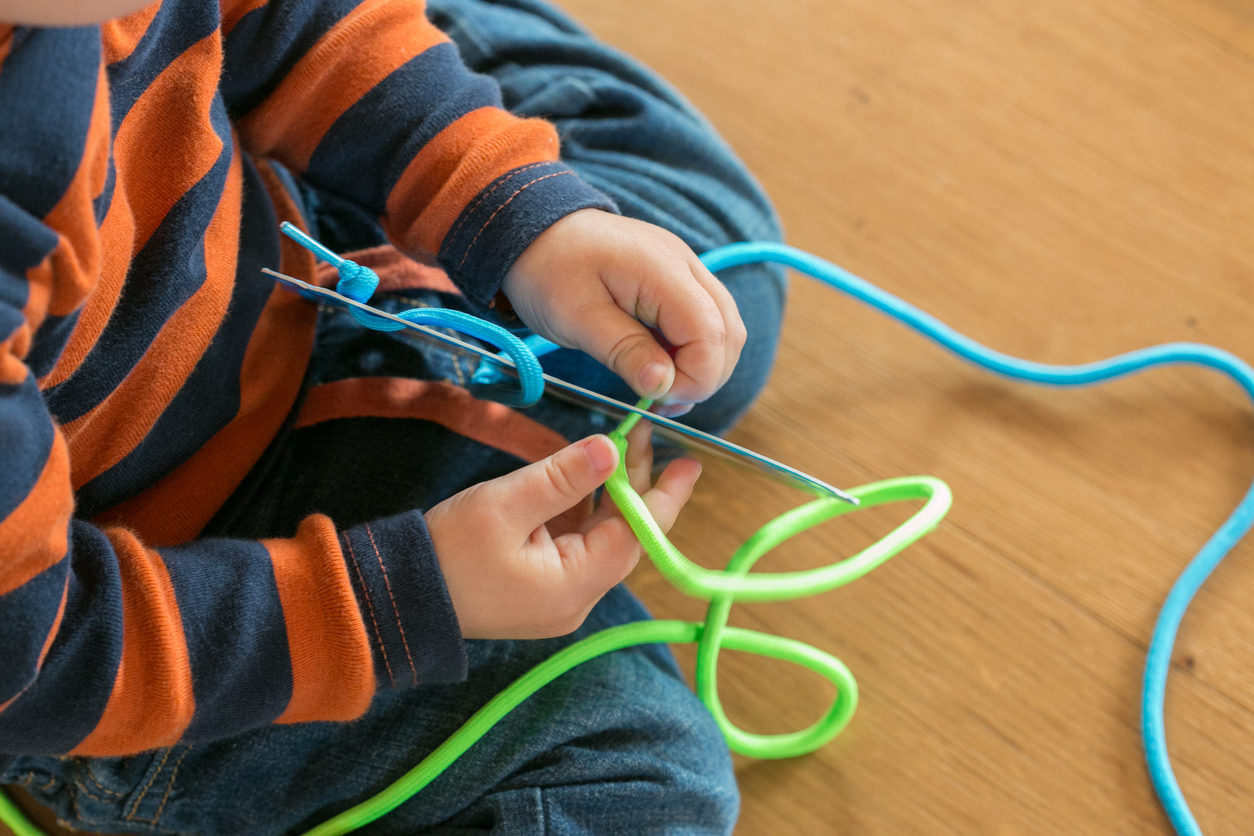
Preschoolers are naturally curious, and their little hands are constantly at work—touching, grasping, pulling, and exploring. Threading and lacing activities take that natural curiosity and turn it into a powerful developmental opportunity. These hands-on tasks may look simple, but behind every string pulled or bead threaded, important skills are quietly strengthening.
In this blog, we’ll explore why threading and lacing are wonderful for preschoolers and share some easy, engaging activity ideas you can try at home or school.
Why Threading & Lacing Matter for Early Development
Threading and lacing aren’t just fun—they support multiple foundational skills:
1. Fine Motor Development
Holding strings, guiding laces through holes, and pinching beads strengthens finger muscles needed for writing, buttoning, and tying shoelaces.
2. Hand-Eye Coordination
Children learn to control their movements as they aim and guide the string through small openings.
3. Bilateral Coordination
Using both hands together—one to hold, the other to pull—helps build coordination essential for everyday tasks.
4. Focus & Patience
These slow, intentional activities invite calm concentration and persistence, great for attention-building.
5. Early Math & Patterning Skills
Bead threading introduces concepts like patterns, counting, sequencing, and comparing.
Step-by-Step Guide to Simple Threading & Lacing Activities
1. Bead Threading
Materials: Large beads, thick lace/string, tape
Steps:
- Cut a piece of string about 30–40 cm long.
- Wrap a small piece of tape around one end to make it stiffer.
- Place beads in a small tray or bowl.
- Show your child how to hold the bead with one hand and push the string through the hole with the other.
- Encourage them to pull the bead down before adding the next one.
Skills: Fine motor control, bilateral coordination, patterning.
2. Pasta Necklace
Materials: Penne/rigatoni pasta, yarn, food coloring (optional), zip-lock bag
Steps:
- If coloring pasta, place it in a zip-lock bag with a few drops of food coloring and shake. Let it dry.
- Cut a long piece of yarn and tape one end.
- Place pasta pieces in a bowl.
- Invite your child to thread the pasta onto the yarn.
- Tie the ends together to make a necklace.
Skills: Dexterity, focus, sequencing.
3. DIY Cardboard Lacing Cards
Materials: Cardboard, marker, hole punch, shoelaces
Steps:
- Cut out shapes (heart, star, circle).
- Use a hole punch to create holes around the edges.
- Show your child how to start from the back and push the lace through the first hole.
- Demonstrate pulling it tightly before moving to the next hole.
- Let them “sew” all around the shape.
Skills: Hand-eye coordination, early sewing skills.
4. Colander & Pipe Cleaner Threading
Materials: Metal/plastic colander, colorful pipe cleaners
Steps:
- Place the colander upside down on the table.
- Lay out pipe cleaners nearby.
- Demonstrate pushing one end into a hole.
- Let your child bend, twist, or join pipe cleaners however they like.
- Create shapes, “hair,” or patterns.
Skills: Creativity, strength in finger muscles.
5. Button Snake
Materials: Ribbon, felt shapes, large button, needle & thread (adult use only)
Steps:
- Sew (or glue) a large button to one end of the ribbon.
- Cut felt squares or shapes and make a small slit in each.
- Show your child how to push the button through the slit.
- Let them add as many shapes as they want.
- “Unload” the shapes together at the end.
Skills: Self-dressing skills, sequencing, problem-solving.
6. Nature Threading Tray
Materials: Leaves, twigs, flower petals, hole punch, twine
Steps:
- Collect leaves and nature items with your child.
- Punch a hole in each leaf.
- Cut twine to a child-friendly length.
- Let them thread leaves one by one.
- Hang the finished “nature garland.”
Skills: Sensory exploration, appreciation of nature.
7. Lacing Beads for Letters or Numbers
Materials: Alphabet/number beads, lace, bowl
Steps:
- Choose the letters in your child’s name or a simple number sequence (1–5).
- Place beads in a bowl.
- Show them how to pick the beads in order.
- Thread onto the lace, naming letters or numbers aloud.
- Read the final word or count the sequence together.
Skills: Literacy, numeracy, sequencing.
Tips for Setting Up Threading Activities Successfully
- Start big and simple: Kick things off with big, easy-to-handle items like chunky wooden beads, rigatoni pasta, or cereal with large holes. These let your little one experience quick wins, sparking that “I can do this!” joy right away. Watching their grin grow is pure magic.
- Offer just enough challenge : As they master the basics, nudge up the challenge with slightly smaller beads or shoelaces instead of thick string. This sweet spot keeps play flowing without overwhelming them, honing those pincer grasp skills for writing and dressing later on.
- Let them explore freely : Let their imagination lead—no rules needed! They might sort by color, make wiggly shapes, or just thread one and call it art. Free play like this boosts creativity and problem-solving in ways structured lessons can’t touch.
- Stay nearby for safety: Keep a watchful eye close by, since small pieces are a choking risk for curious toddlers. Sit side-by-side to guide gently if needed, turning activity time into safe, bonding moments.
- Celebrate effort, not perfection: Cheer on their tries, big or small—high-fives for every bead! Effort builds resilience and self-esteem far more than a perfect necklace ever could. Over time, you’ll see their fine motor magic unfold.
A Gentle Reminder on Safety
Always supervise threading activities, especially with small beads or strings. Preschoolers are still learning boundaries, and your presence keeps things safe while encouraging independence.
Final Thoughts
Threading and lacing activities may be small, quiet tasks, but their impact is big. They help build the fine motor foundation that preschoolers need for handwriting, self-care, and creative play. With a few simple materials and a little setup, you can offer meaningful learning experiences that feel just like play.


Related Post
15 Fun Activities to Build Gross Motor Skills

Speech Milestones in Children: Age-Wise Guide to parents

How to Build Your Child’s Self-Control

Tweezers and Tongs Activities for Little Hands

Alphabet Books Every Preschooler Should Read

Teaching Sharing and Turn-Taking to Toddlers
Simple Ways to Boost Your Child’s Working Memory

Messy Play Activities: A Detailed Parent Guide

15 Fun Preschool Learning Activities for 3-Year-Olds
Easy Sensory Bin Ideas for Toddlers

Age-Appropriate Learning Activities for Toddlers and Preschoolers
Water Play Activities for Toddlers

Sensory Activities for 2-Year-Olds: Brain-Building Through Play

The Secret to Boosting Your Child’s Vocabulary: Pointing Gesture
When to Start Potty Training
How to Raise a Problem-Solver

Building Vocabulary in Toddlers Through Play: The Science-Backed Approach

50 Boredom Busters for Toddlers and Preschoolers
Best Scissor Skills Activities for Preschoolers

STEM Activities Using Kitchen Items for Preschoolers and Kindergarteners

Rhyming Games for Preschoolers: The Secret to Reading Success

Fine Motor Activities for 3-Year-Olds: The Complete Guide to Building Strong, Skilled Hands
Playdough Activities That Build Fine Motor Skills: The Science-Backed Guide for Parents and Teachers

Understanding Your Child’s Language Development

Understanding Executive Functions: Your Child’s Cognitive Toolkit for Success

Bringing WonJo Kids into Your Classroom: A Teacher’s Guide

Sight Words for Kindergarteners: A Complete Parental Guide

25 Fun Sorting Activities for Preschoolers – Easy, Printable & Hands-On Ideas

12 Best Pattern Activities for Preschoolers That Build Math & Reading Skills

Every Child Has a Learning Superpower

The Benefits of (Quality) Interactive Learning Apps for Preschoolers
Counting Activities for 3-Year-Olds: 20 Simple & Fun Ways to Grow Early Math Skills

Best Books for 3 Year Olds: 50+ Must-Read Picks to Spark a Love of Reading

Scientific Experiments for Preschoolers: 15+ Easy Activities That Spark Curiosity and Learning
Teaching Phonics at Home: A Parent’s Guide to Building Strong Readers

2-Year-Old Milestones: What to Look For

Building Confidence and Skills for Kindergarten Readiness

Understanding Your Child’s Gross Motor Development

Beat the Summer Slide Without Breaking a Sweat

Raising Tomorrow’s STEM Leaders: The Power of Spatial Skills

How to Turn Storytime into a Learning Moment?

Embracing Your Child’s Unique Strengths and Challenges: Understanding Learner Variability


