


Sensory Activities for 2-Year-Olds: Brain-Building Through Play
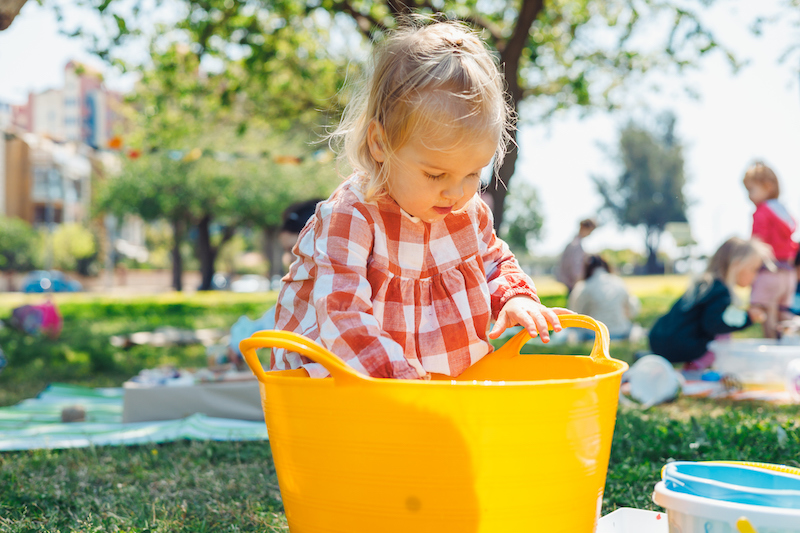
Imagine your two-year-old squishing playdough between tiny fingers or gleefully splashing in a water tub. What if those simple moments of “messy fun” are actually powerful brainwork? Neuroscience tells us they are. During these early years, your toddler’s brain creates more than a million neural connections every second—and sensory play is one of the strongest builders of those connections.
The Science Behind the Magic
Sensory play isn’t just about touch—it’s how children learn to make sense of their world. Activities that engage the senses like the sight, sound, touch, smell, taste, and movement helps to form and strengthen neural pathways that support all areas of development. According to research from the Children’s Hospital of Richmond, sensory experiences during the early years of a child do help toddlers to develop key skills like problem-solving, coordination, communication, and self-regulation. It says when the little ones explore textures, listen to new sounds, or visually track moving objects, they’re strengthening connections between sensory and motor systems in the brain. This early stimulation lays the groundwork for smoother transitions into language, attention, and emotional control as children grow.
Every scoop of rice, squish of dough, or shake of a rattle engages your toddler’s brain at multiple levels. Dr. Carla Hannaford, neurophysiologist and author of Smart Moves, explains that sensory play triggers neurotransmitters that build new synapses—the connections that help children remember, think, and learn. It’s these tiny sparks firing in the brain that prepare children for everything from reading to reasoning—and it all begins with simple, playful exploration.
The Seven Senses—Beyond Just Touch
When we talk about sensory play, it’s helpful to understand the different senses your child is exploring during these activities. Each sense plays a unique role in helping your toddler learn about their environment and develop important skills. Here’s a simple guide to the main sensory types along with examples of fun, everyday activities you can try together:
| Sensory Type | Sense Involved | Examples of Activities |
| Tactile | Touch | Feeling smooth pebbles, sticky playdough, or rough sand |
| Visual | Sight | Noticing shapes, colors, and patterns in toys or books |
| Auditory | Hearing | Listening to crinkly paper, gentle music, or household sounds |
| Olfactory | Smell | Taking in the scent of herbs, paints, or homemade dough |
| Gustatory | Taste | Exploring safe sensory bins with flavored or edible materials |
| Vestibular | Balance | Rocking, spinning, swinging, or gentle bouncing |
| Proprioceptive | Body Awareness | Pushing, pulling, carrying, or squeezing objects like stress balls or pillows |
When these senses work together—a process researchers call sensory integration—your child develops balance, coordination, focus, and emotional control, all of which are crucial for lifelong learning.
8 Must-Try Sensory Activities for Toddler’s Growth and Learning
1. Water Play
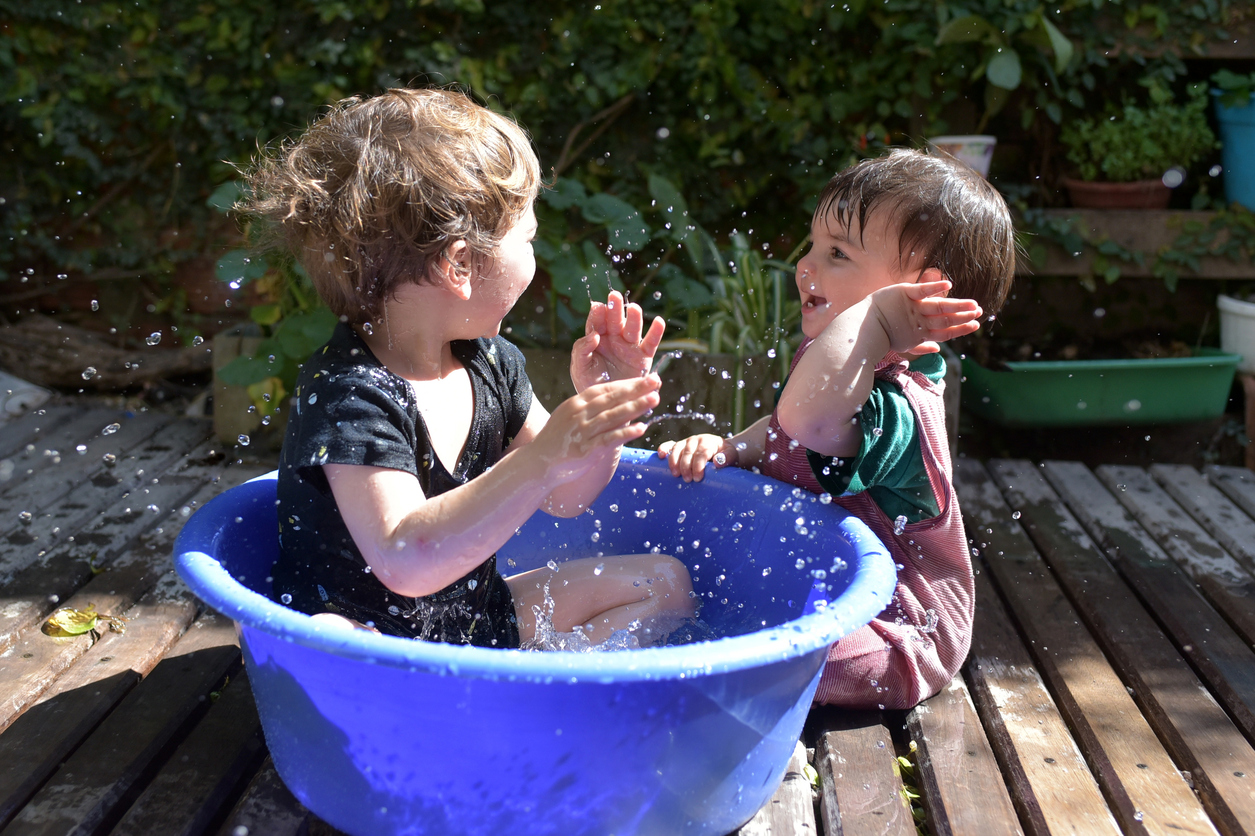
Water play is a favorite at this age—and for good reason. Pouring, scooping, and splashing strengthen fine motor skills while teaching cause and effect (“If I pour it, it spills!”).
Setup: Fill a shallow bin with water and add cups, spoons, sponges, and squeeze bottles.
How to Play: Let your child pour, scoop, and squeeze the water using the tools.
Why It Works: These actions build fine motor skills and teach cause and effect. Plus, the feel of water can be very calming for little ones. Try adding food coloring or floating objects to make it extra fun and educational.
2. Sensory Bins with Varied Textures
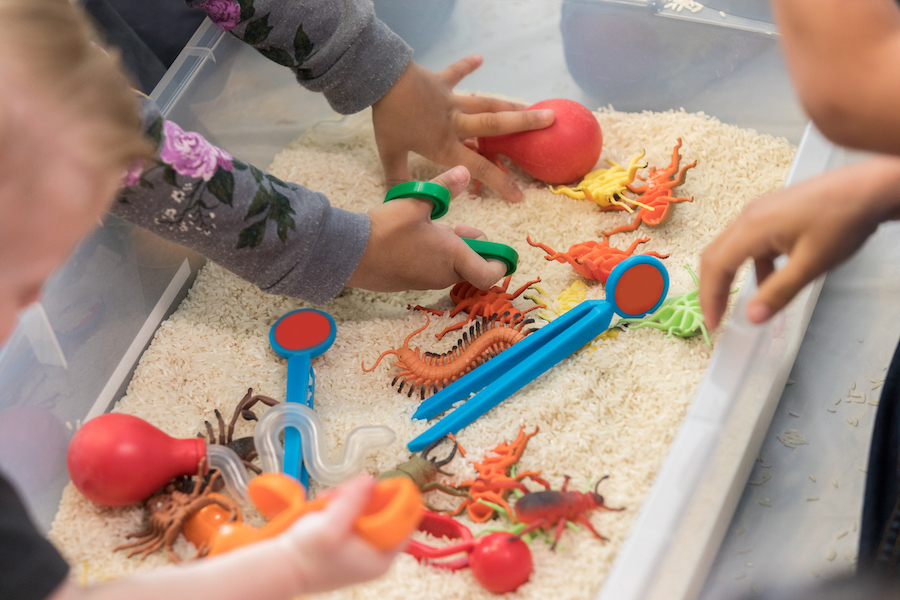
Sensory bins filled with rice, pasta, or beans open up a whole world of exploration and hands-on discovery for toddlers.
Setup: Use a shallow bin filled with rice, dried beans, sand, pasta, or cotton balls. Include scoops, funnels, and small toys to hide.
How to Play: Encourage your toddler to dig, scoop, and find hidden treasures.
Why It Works: Exploring different textures strengthens the brain pathways that help with touch and movement skills. Always watch closely to avoid choking hazards, using larger items for younger toddlers.
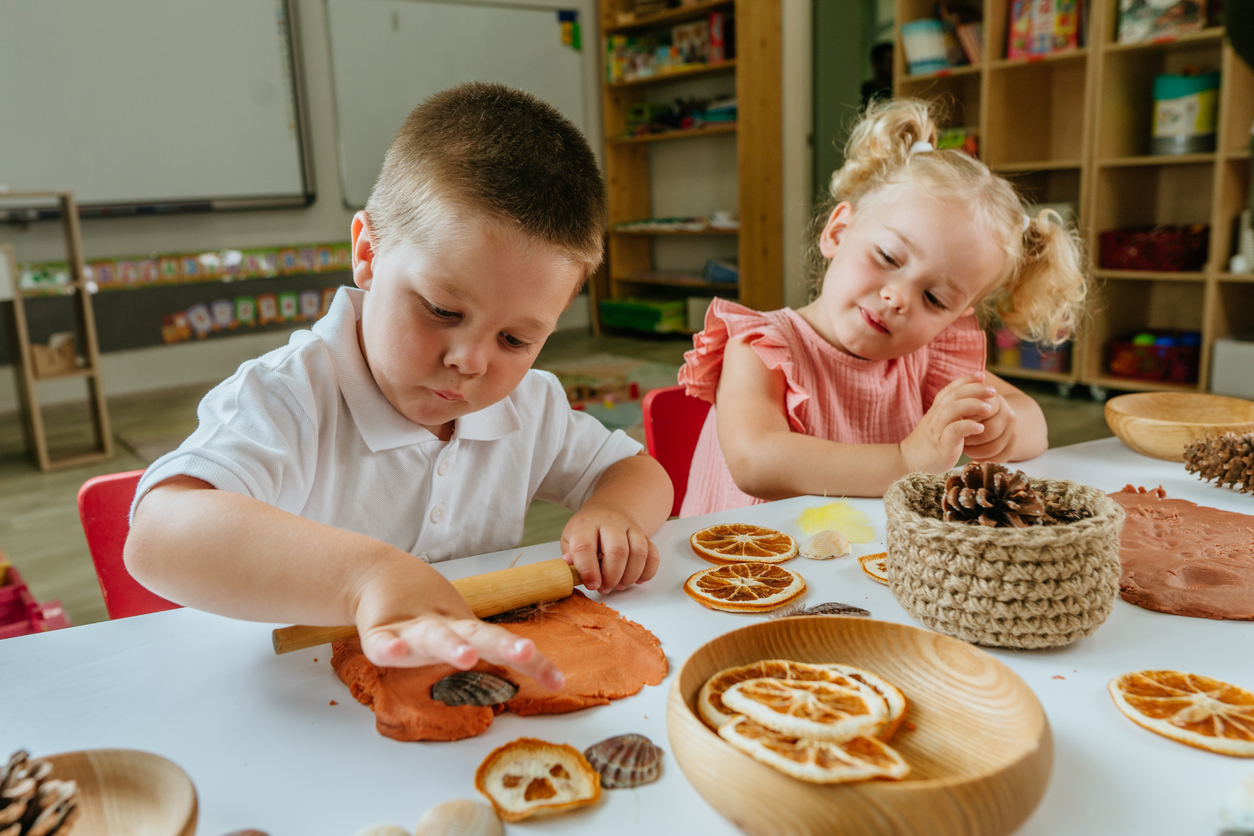
3. Playdough Creation and Exploration
Introducing your toddler to playdough is a wonderful way to combine creativity and sensory exploration all in one fun activity.
Setup: Make homemade playdough together and gather tools like rolling pins, cookie cutters, and plastic knives.
How to Play: Let your child squish, roll, and cut the playdough.
Why It Works: This creative, hands-on activity combines sight, smell, and touch. It also strengthens the hand muscles crucial for future writing skills.
4. Painting with Unusual Tools
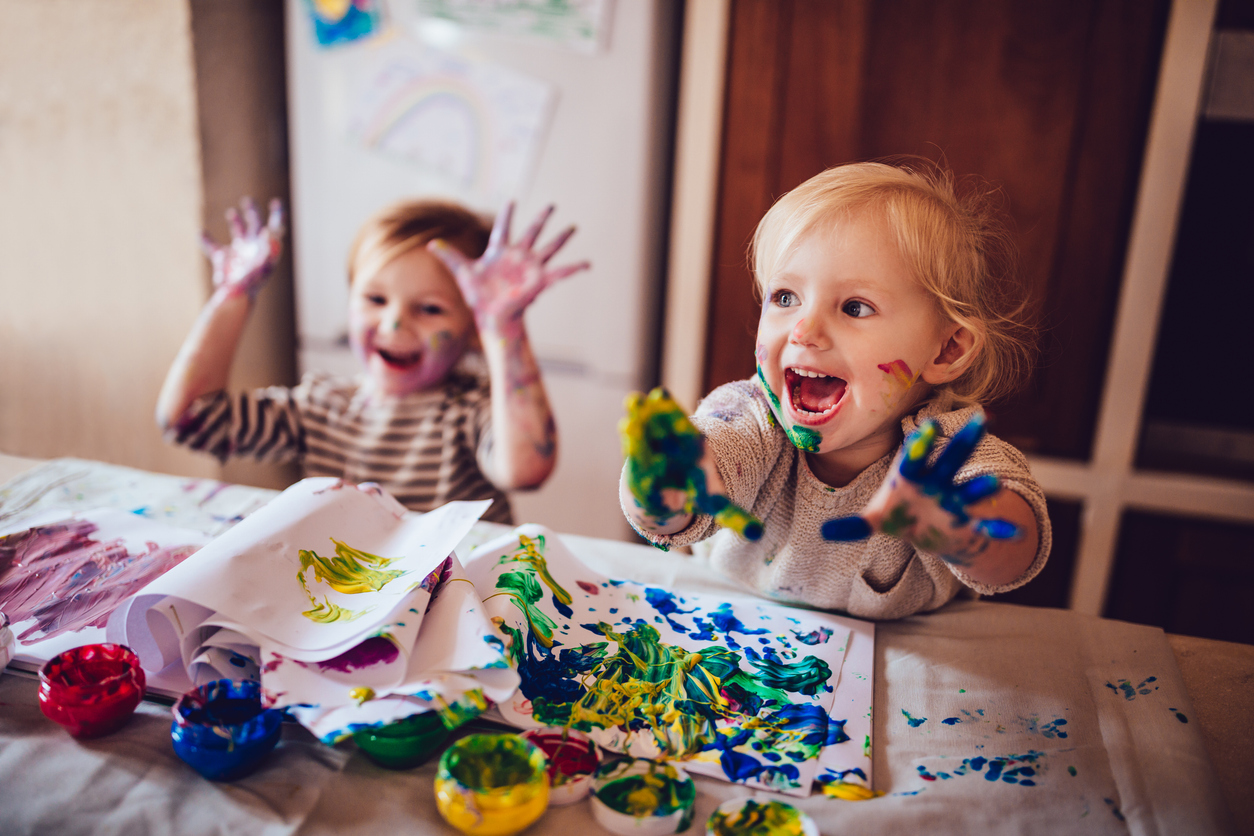
Painting can be a whole new adventure for your toddler when you swap out paintbrushes for everyday objects—like feathers, sponges, or even toy cars.
Setup: Instead of brushes, offer fingers, feathers, sponges, toy cars, or even veggies cut in half.
How to Play: Encourage your toddler to experiment with different tools to paint and create patterns.
Why It Works: Different textures and ways to paint spark creativity and also give varied tactile experiences, sharpening hand-eye coordination.
5. Music and Movement
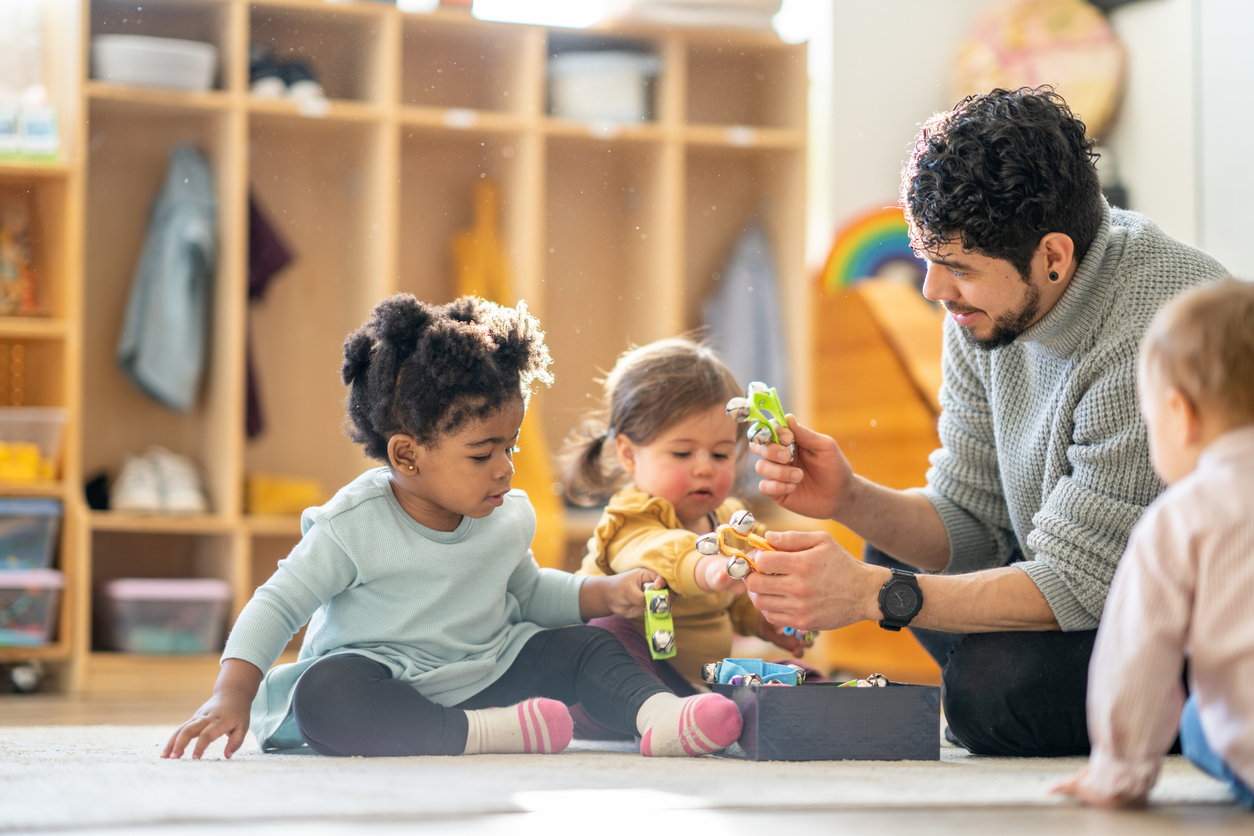
Playing with music and movement is a joyful way to help your toddler develop essential motor skills and a sense of rhythm.
Setup: Use scarves, simple instruments, or just play some music for dancing.
How to Play: Dance, freeze dance, or do action songs with your child.
Why It Works: Movement helps develop balance and coordination, which are important for overall motor skills. Plus, rhythm supports early literacy development.
6. Nature Exploration
Exploring nature together is a simple yet powerful way for your toddler to discover new sights, scents, and textures in the world around them.
Setup: Head outdoors or create a nature bin with leaves, flowers, rocks, and other natural items.
How to Play: Explore textures, smells, sounds, and weights together.
Why It Works: Nature provides a wonderful variety of sensory experiences that help children connect with and understand their world.
7. Sensory Bottles
Sensory bottles are a simple, mess-free way to capture your toddler’s attention and provide calming visual fun, especially during quiet times or while traveling.
Setup: Fill clear bottles with water, food coloring, glitter, or small objects and seal tightly.
How to Play: Let your toddler shake and watch the movement inside the bottle.
Why It Works: These bottles offer visual stimulation, a soothing effect, and simple cause-and-effect learning—perfect for calm moments or on-the-go.
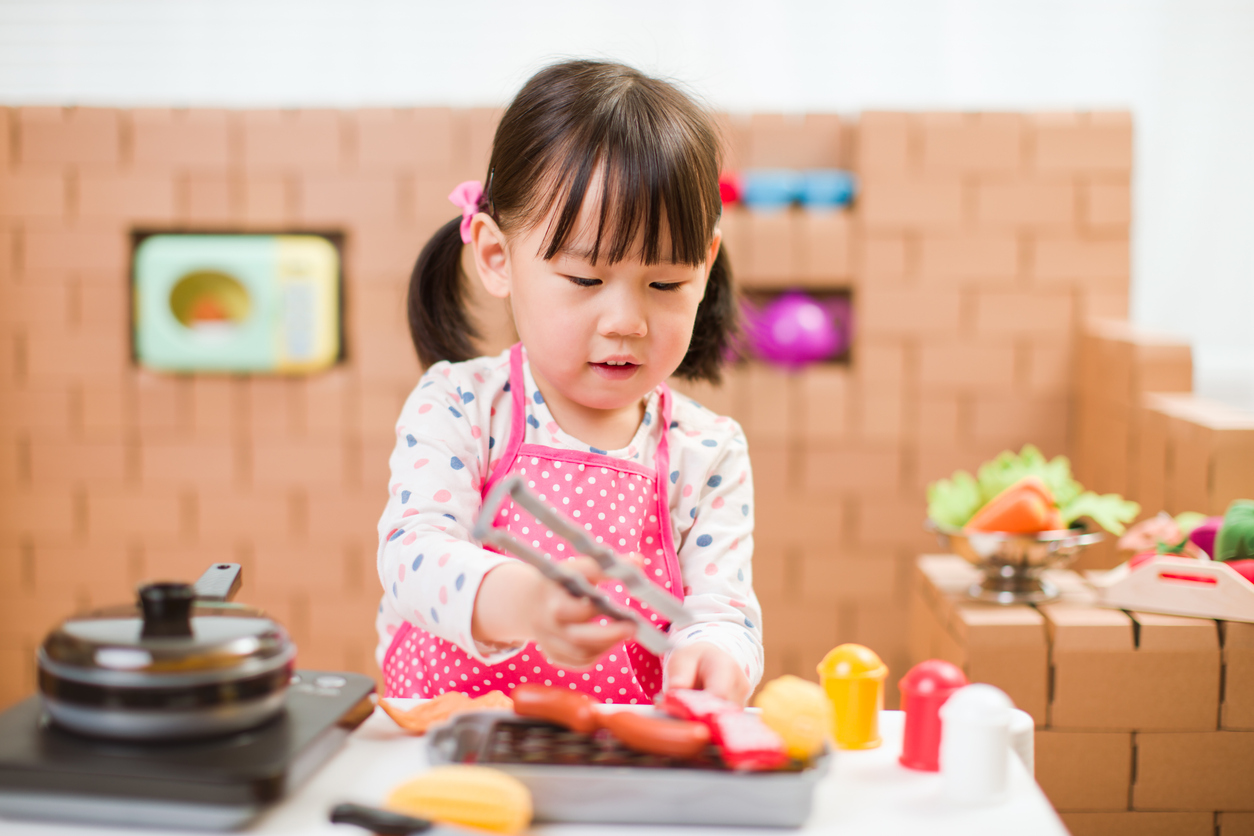
8. Cooking Together
Cooking together is a wonderful way to engage all your toddler’s senses while teaching practical skills and building confidence in the kitchen.
Setup: Involve your child in easy kitchen tasks like stirring, pouring, kneading dough, or washing veggies.
How to Play: Make simple recipes while exploring the textures, smells, sounds, and tastes of ingredients.
Why It Works: Cooking engages all the senses while boosting independence and fostering a healthy relationship with food early on.
When Messy Turns Meaningful
Yes, sensory play can get messy, but behind that chaos is serious brain architecture forming. Neuroplasticity—the brain’s ability to grow and reorganize—is at its peak in these early years. Exposure to different textures, sounds, and movements strengthens these networks, improving everything from problem-solving to emotional resilience.
To manage the mess without losing the magic, set simple boundaries. Play on a mat or in a bin, use old sheets for easy cleanup, or take activities outside. Over time, toddlers learn that materials “stay in the bin,” building discipline alongside creativity.
Watch for Sensory Preferences—And Red Flags
Every child experiences the world differently. Some love messy textures and loud sounds; others shy away. That’s normal. But if your toddler consistently avoids certain sensations or seeks extreme ones—like constantly crashing into things or refusing to touch most textures—it may signal sensory processing challenges. Pediatric occupational therapists can help assess and guide with gentle, play-based strategies that support balance and calm.
The Takeaway: Play is the Brain’s Workout
Each time your toddler stirs dough, shakes a rattle, or digs in sand, they’re literally wiring their brain for future success. These aren’t just games—they’re emotional regulation lessons, problem-solving exercises, and confidence boosters rolled into one.
And the best part? You don’t need anything fancy. Everyday materials—rice, water, beans, flour—paired with your presence and curiosity are enough to fuel remarkable brain growth. In those small, sensory-filled minutes, your child learns focus, creativity, and joy.
So the next time your kitchen looks like a snowstorm of flour, take a breath, smile, and remember: that “mess” is your toddler’s brain growing—one joyful neural connection at a time.

Related Post
15 Fun Activities to Build Gross Motor Skills
Speech Milestones in Children: Age-Wise Guide to parents

How to Build Your Child’s Self-Control
Tweezers and Tongs Activities for Little Hands
Alphabet Books Every Preschooler Should Read
Teaching Sharing and Turn-Taking to Toddlers
Simple Ways to Boost Your Child’s Working Memory
Messy Play Activities: A Detailed Parent Guide
15 Fun Preschool Learning Activities for 3-Year-Olds
Easy Sensory Bin Ideas for Toddlers

Age-Appropriate Learning Activities for Toddlers and Preschoolers
Water Play Activities for Toddlers
Threading and Lacing Activities for Preschoolers

The Secret to Boosting Your Child’s Vocabulary: Pointing Gesture
When to Start Potty Training
How to Raise a Problem-Solver

Building Vocabulary in Toddlers Through Play: The Science-Backed Approach

50 Boredom Busters for Toddlers and Preschoolers
Best Scissor Skills Activities for Preschoolers
STEM Activities Using Kitchen Items for Preschoolers and Kindergarteners

Rhyming Games for Preschoolers: The Secret to Reading Success
Fine Motor Activities for 3-Year-Olds: The Complete Guide to Building Strong, Skilled Hands
Playdough Activities That Build Fine Motor Skills: The Science-Backed Guide for Parents and Teachers

Understanding Your Child’s Language Development

Understanding Executive Functions: Your Child’s Cognitive Toolkit for Success

Bringing WonJo Kids into Your Classroom: A Teacher’s Guide
Sight Words for Kindergarteners: A Complete Parental Guide
25 Fun Sorting Activities for Preschoolers – Easy, Printable & Hands-On Ideas
12 Best Pattern Activities for Preschoolers That Build Math & Reading Skills

Every Child Has a Learning Superpower
The Benefits of (Quality) Interactive Learning Apps for Preschoolers
Counting Activities for 3-Year-Olds: 20 Simple & Fun Ways to Grow Early Math Skills
Best Books for 3 Year Olds: 50+ Must-Read Picks to Spark a Love of Reading

Scientific Experiments for Preschoolers: 15+ Easy Activities That Spark Curiosity and Learning
Teaching Phonics at Home: A Parent’s Guide to Building Strong Readers
2-Year-Old Milestones: What to Look For
Building Confidence and Skills for Kindergarten Readiness

Understanding Your Child’s Gross Motor Development
Beat the Summer Slide Without Breaking a Sweat
Raising Tomorrow’s STEM Leaders: The Power of Spatial Skills

How to Turn Storytime into a Learning Moment?

Embracing Your Child’s Unique Strengths and Challenges: Understanding Learner Variability


