


Rhyming Games for Preschoolers: The Secret to Reading Success

When you think of early reading skills, your mind might go straight to flashcards or alphabet songs. But what if the real secret to raising confident readers starts long before they can even recognize a single letter? It begins with rhyming — those silly, musical word pairs like cat, hat, bat, and mat that make your preschooler giggle.
Why Rhyming Matters More Than You Think
Rhyming is a wonderful way to help your child get ready to read—and it’s a lot of fun too. It predicts success in reading because it helps children develop phonological awareness, a key skill for reading and spelling.
Why is rhyming so important? It teaches children that words are made up of smaller sound parts. When kids notice that “cat” and “hat” sound alike at the end, they’re learning to break words into pieces. This is a critical skill for decoding written words when they start reading. When they hear and make up rhymes, they’re practicing how sounds work inside words, which boosts their reading and spelling skills.
Rhyming is often one of the first building blocks of phonological awareness, helping little learners feel more comfortable and confident as they start their reading journey. By playing with rhymes, children begin to notice repeating sound patterns in language, which makes reading and spelling easier to understand and pick up. Fun rhyming games and activities keep kids engaged and motivated, building their love for words and language while strengthening important early reading skills.
So when you engage your preschooler in rhyming games, you’re not just playing — you’re building the foundation of their reading success in a fun and meaningful way.
How Rhyming Grows Step by Step
Rhyming ability develops in beautiful little stages. Understanding your child’s current stage helps you guide them with suitable activities.
| Level | Description | Example Question | Difficulty Level |
| Level 1: Rhyme Recognition | Children can tell if two words rhyme just by hearing them. | “Do cat and hat rhyme?” | Easy |
| Level 2: Rhyme Matching | Kids can pick the correct rhyming word from a set of options. | “Which rhymes with dog: cat, log, or ball?” | Slightly harder |
| Level 3: Rhyme Oddity | Children can identify which word does not rhyme with the others. | “Which doesn’t rhyme: hat, cat, dog?” | More advanced |
| Level 4: Rhyme Production | Kids can come up with their own rhyming words. | “What rhymes with sun?” | Most challenging |
Most preschoolers journey through these levels naturally — from recognizing rhymes around age three to confidently producing them by five. The goal isn’t perfection, but steady, playful exposure.
Eight Research-Backed Rhyming Games to Boost Your Preschooler’s Reading Skills
Rhyming games are a wonderful way to develop your child’s phonological awareness and early literacy skills—all while having fun together. Here’s a list to make everyday moments special with these easy, research-backed activities.
1. Rhyming Names Game
How to Play: Make up silly rhymes using your child’s name during transitions. For example, say, “If your name rhymes with Barah, touch your nose!” (If your child is Sarah.) This turns routine moments into playful learning.
Why It Works: Making rhymes personal with children’s own names boosts their engagement and enjoyment. This fits well with evidence-backed strategies like those from Digital Promise’s early literacy resources, which emphasize the power of language songs and playful learning to build literacy foundations.
Try It: Use this game during snack time, lining up, or circle time for easy practice.
2. Rhyming Read-Alouds
How to Play: Choose books with rhyming text like Green Eggs and Ham or Llama Llama Red Pajama. Pause before rhyming words and encourage your child to say the next word, turning storytime into an interactive rhyming game.
Why It Works: Hearing rhymes combined with pictures helps your child build strong brain connections for phonological awareness, supporting decoding skills and fostering a love of reading.
3. Rhyming Poetry Playtime
How to Play: Read short, rhythmic poems or simple verses aloud with your child. Encourage them to join in with repeated lines or rhyming words. You can clap, stomp, or use hand motions to emphasize the rhythm and rhyme.
Why It Works: Poetry naturally highlights rhyme and rhythm, helping children notice sound patterns in a fun and engaging way. This supports phonological awareness and early literacy development aligning with Digital Promise’s rich library of poetry resources, which highlights poetry to build strong language foundations.
4. Rhyme Riddles
How to Play: Say something like, “I’m thinking of an animal that rhymes with log.” (Answer: frog.) This simple guessing game grows your child’s ability to recognize and produce rhymes.
Why It Works: It’s easy to play anywhere—car rides, waiting rooms, or mealtimes—and requires no special materials. This playful challenge encourages kids’ active thinking and sound awareness, which are key building blocks for reading and speaking clearly.
5. Word Family Building
How to Play: Start with one word, such as “cat,” and ask your child to name all the members of that “family”: bat, hat, mat, rat, sat. Once they get the sound, write the word family together to show how spelling matches sound.
Why It Works: Grouping words that share sounds helps children see patterns in spelling and builds important skills for reading and spelling confidently. They learn to quickly decode new words, build their vocabulary, and gain confidence in their early literacy skills.
6. Rhyme Box
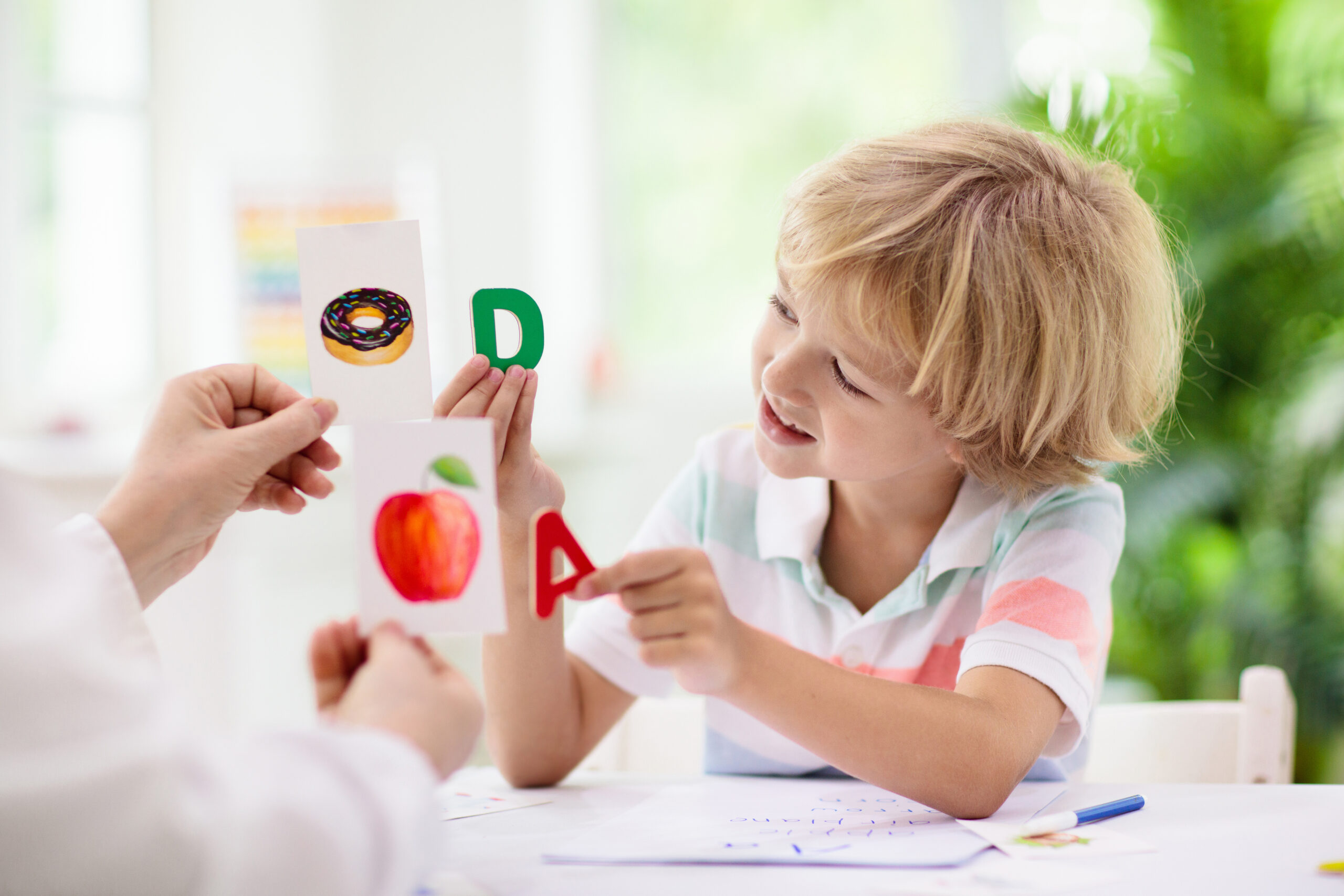
How to Play: Fill a box with picture cards that rhyme, like box/socks or cat/hat. Have your child pick two cards and decide if they rhyme. Keep the pairs that rhyme and return the others.
Why It Works: The visual clues help children connect sounds with objects, making rhyming more tangible and easier to understand. This multisensory approach enhances their ability to recognize sound patterns, boosting early reading and speaking skills.
7. Body Part Rhymes
How to Play: Point to body parts and ask, “What rhymes with hair?” (bear, care, chair) or “What rhymes with knee?” (bee, tree, three). Encourage your child to move and say the words.
Why It Works: This engaging, multisensory game combines movement with sounds, keeping preschoolers active while boosting phonological skills. Connecting physical actions to words supports their coordination and makes learning more engaging and memorable.
8. Nursery Rhyme Songs
How to Play: Sing classic nursery rhymes like “Twinkle Twinkle Little Star” with hand motions. Pause before rhyming words and let your child fill in the blanks.
Why It Works: Music naturally emphasizes rhythm and rhyme, helping children develop phonological awareness effortlessly.
When to Gently Step In
If your child is under four and not yet picking up on rhymes, don’t worry—many little ones just need more time and playful practice for it to click. It’s perfectly normal for children to develop these skills at their own pace. However, if by age five your child still struggles to recognize rhymes, even with support and fun practice, it could be a sign to seek advice from a speech-language professional. Early help can make a big difference in building your child’s confidence and success with reading later on.
The Secret Sauce: Just Five Minutes a Day
You don’t need flashcards or formal lessons. Science shows that even five minutes of rhyming play each day, whether during diaper changes, car rides, or bedtime can make a measurable difference in reading readiness.
So, tonight, make up a silly rhyme about spaghetti and confetti. Tomorrow morning, turn brushing teeth into “clean and gleam” time. Each rhyme, each giggle, is helping your child connect sounds to meaning.
Because when you make rhyme time part of your everyday routine, you aren’t just raising a giggly preschooler — you’re growing a joyful, confident future reader.

Related Post
15 Fun Activities to Build Gross Motor Skills

Speech Milestones in Children: Age-Wise Guide to parents

How to Build Your Child’s Self-Control

Tweezers and Tongs Activities for Little Hands

Alphabet Books Every Preschooler Should Read

Teaching Sharing and Turn-Taking to Toddlers
Simple Ways to Boost Your Child’s Working Memory

Messy Play Activities: A Detailed Parent Guide

15 Fun Preschool Learning Activities for 3-Year-Olds
Easy Sensory Bin Ideas for Toddlers

Age-Appropriate Learning Activities for Toddlers and Preschoolers
Water Play Activities for Toddlers
Sensory Activities for 2-Year-Olds: Brain-Building Through Play
Threading and Lacing Activities for Preschoolers

The Secret to Boosting Your Child’s Vocabulary: Pointing Gesture
When to Start Potty Training
How to Raise a Problem-Solver

Building Vocabulary in Toddlers Through Play: The Science-Backed Approach

50 Boredom Busters for Toddlers and Preschoolers

Best Scissor Skills Activities for Preschoolers
STEM Activities Using Kitchen Items for Preschoolers and Kindergarteners

Fine Motor Activities for 3-Year-Olds: The Complete Guide to Building Strong, Skilled Hands
Playdough Activities That Build Fine Motor Skills: The Science-Backed Guide for Parents and Teachers

Understanding Your Child’s Language Development

Understanding Executive Functions: Your Child’s Cognitive Toolkit for Success

Bringing WonJo Kids into Your Classroom: A Teacher’s Guide

Sight Words for Kindergarteners: A Complete Parental Guide

25 Fun Sorting Activities for Preschoolers – Easy, Printable & Hands-On Ideas

12 Best Pattern Activities for Preschoolers That Build Math & Reading Skills

Every Child Has a Learning Superpower

The Benefits of (Quality) Interactive Learning Apps for Preschoolers

Counting Activities for 3-Year-Olds: 20 Simple & Fun Ways to Grow Early Math Skills
Best Books for 3 Year Olds: 50+ Must-Read Picks to Spark a Love of Reading

Scientific Experiments for Preschoolers: 15+ Easy Activities That Spark Curiosity and Learning
Teaching Phonics at Home: A Parent’s Guide to Building Strong Readers

2-Year-Old Milestones: What to Look For

Building Confidence and Skills for Kindergarten Readiness

Understanding Your Child’s Gross Motor Development

Beat the Summer Slide Without Breaking a Sweat

Raising Tomorrow’s STEM Leaders: The Power of Spatial Skills

How to Turn Storytime into a Learning Moment?

Embracing Your Child’s Unique Strengths and Challenges: Understanding Learner Variability


