


15 Fun Preschool Learning Activities for 3-Year-Olds
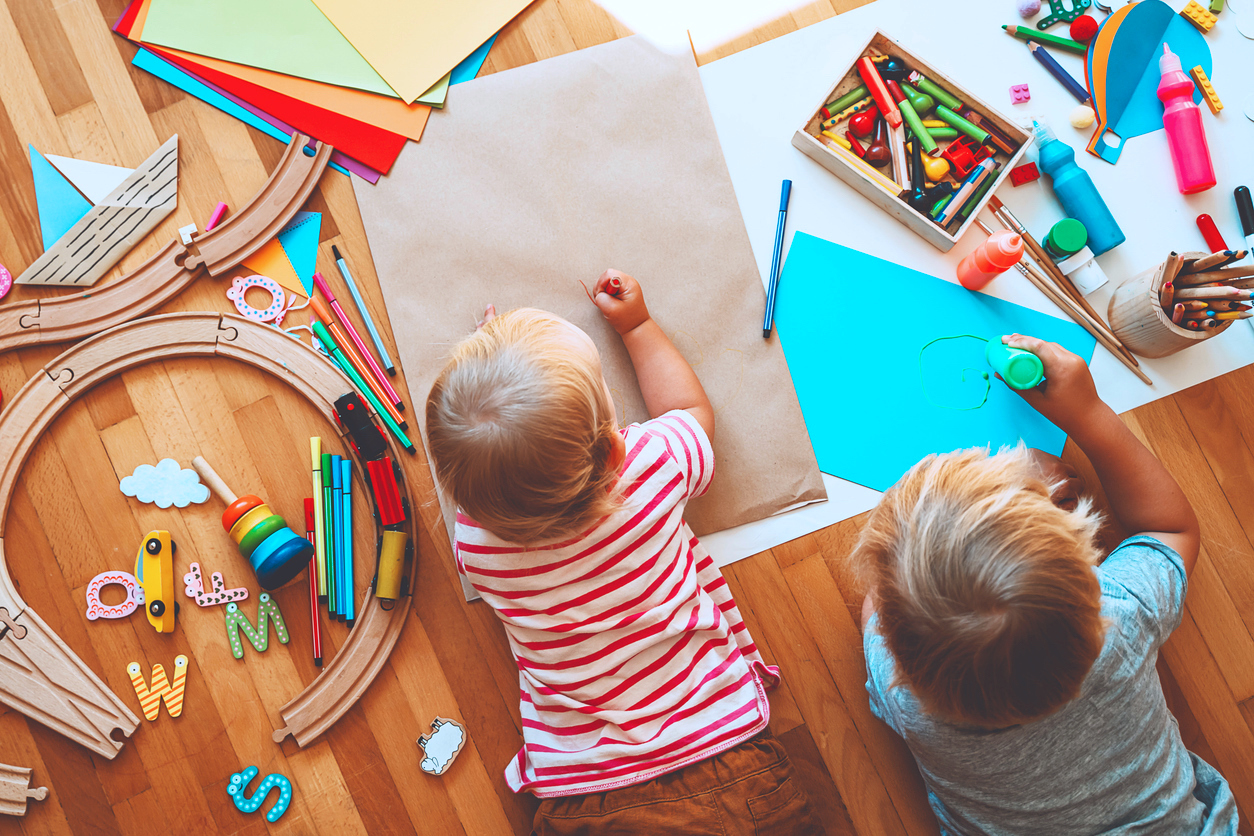
At age three, children’s curiosity explodes, their language blossoms, and their imagination grows in wonderful ways. Because they learn best by touching, exploring, experimenting, moving, and playing, preschool learning activities don’t need to be complicated. Simple, everyday materials can spark big learning moments.
Why Learning Activities Are Important
1. They support brain development – During the preschool years, the brain forms trillions of new connections. Hands-on play strengthens these pathways and boosts memory, attention, and problem-solving skills.
2. They build early academic foundations – Simple counting, sorting, storytelling, and shape activities prepare children for reading and math — without the pressure of formal instruction.
3. They strengthen fine and gross motor skills – Cutting, pouring, jumping, threading, and building all support coordination, balance, and muscle control.
4. They encourage communication and social skills – Activities that involve taking turns, pretending, or explaining ideas help expand language skills, express themselves, and build confidence.
5. They nurture creativity and curiosity – Preschoolers learn best when they play, explore, and experiment. Learning activities give them opportunities to ask questions, imagine, and create.
6. They boost emotional development – They help children to learn emotional regulation, and practice patience.
15 Fun Preschool Learning Activities for 3-Year-Olds
Hands-on learning games that nurture creativity, focus, and foundational skills through play!
1. Color Sorting Bins
Materials: Bowls or muffin tray, colored blocks or objects
How to Play: Place bowls of different colors on a table. Ask your child to sort matching colored objects into each bowl.
Why It’s Effective: Sorting builds color recognition, attention to detail, and early math categorization skills — all key for logical thinking.
2. Sticker Shape Art
Materials: Stickers, paper with hand-drawn or printed shapes
How to Play: Encourage your child to outline or fill each shape using stickers. Mix shapes for variety!
Why It’s Effective: Strengthens fine motor control needed for writing, while helping children recognize geometric shapes and spatial patterns.
3. Water Pouring Station
Materials: Cups, pitchers, spoons, trays, towels
How to Play: Fill one container with water. Have your child pour it into another using a jug or spoon. Try different sized containers for fun challenges.
Why It’s Effective: Builds hand strength, coordination, and focus. Pouring helps children practice balance and control — core Montessori skills.
4. Playdough Letter Stamping
Materials: Playdough, alphabet stamp set (or plastic letters)
How to Play: Flatten playdough and let your child stamp letters into it. Say the letter name and sound together.
Why It’s Effective: Encourages tactile learning — linking touch, sound, and visual memory for stronger letter recognition.
5. Sensory Rice Bin
Materials: Colored rice, scoops, funnels, small toys, tray or basin
How to Play: Fill a bin with rice and hide tiny objects inside. Let your child scoop, pour, and dig to find them.
Why It’s Effective: Sensory play promotes brain development, vocabulary growth, and social-emotional calm through tactile exploration.
6. Nature Scavenger Hunt
Materials: Checklist of items (leaf, rock, flower), small basket or bag
How to Play: Go outside and help your child find the items on the list. Encourage them to describe what they see or feel.
Why It’s Effective: Boosts observation, focus, curiosity, and love for the natural world — all linked to early science learning.
7. Bubble Sorting and Counting
Materials: Paper circles (“bubbles”), markers, small objects (buttons, beans)
How to Play: Mark each bubble with a number. Ask your child to place the same number of items on it.
Why It’s Effective: Develops number sense, one-to-one correspondence, and counting accuracy through visual and tactile input.
8. Tape Rescue Mission
Materials: Toys (cars, action figures), masking tape, flat surface
How to Play: Tape a few toys to a table and challenge your child to “rescue” them by peeling off the tape carefully.
Why It’s Effective: Strengthens pincer grip, finger dexterity, and problem-solving — crucial foundations for early writing readiness.
9. Shape Hop Game
Materials: Painter’s tape or floor tape
How to Play: Use tape to outline shapes on the floor. Call out a shape — your child hops or runs to it.
Why It’s Effective: Combines learning with movement, improving memory retention, motor coordination, and shape recognition.
10. Simple Pattern Chains
Materials: Beads, buttons, paper clips, or color pasta
How to Play: Start a simple color or shape pattern and ask your child to continue it. Try ABAB or ABC sequences.
Why It’s Effective: Strengthens sequencing skills and logic — foundational pre-math abilities that support problem-solving later on.
11. Sponge Painting
Materials: Sponges (cut into shapes), washable paints, paper, aprons
How to Play: Dip the sponge in paint and stamp patterns on paper. Mix colors to discover new ones.
Why It’s Effective: Encourages free expression, creativity, and sensory feedback while improving grip and motor control.
12. Alphabet Fishing Game
Materials: Paper fish with letters, paperclips, magnet on a string, stick
How to Play: Spread the “fish” on the floor. Let your child “fish” for letters using the magnetic rod. Call out letter names or sounds.
Why It’s Effective: Engages auditory, visual, and physical learning channels — perfect for building phonemic awareness and alphabet confidence.
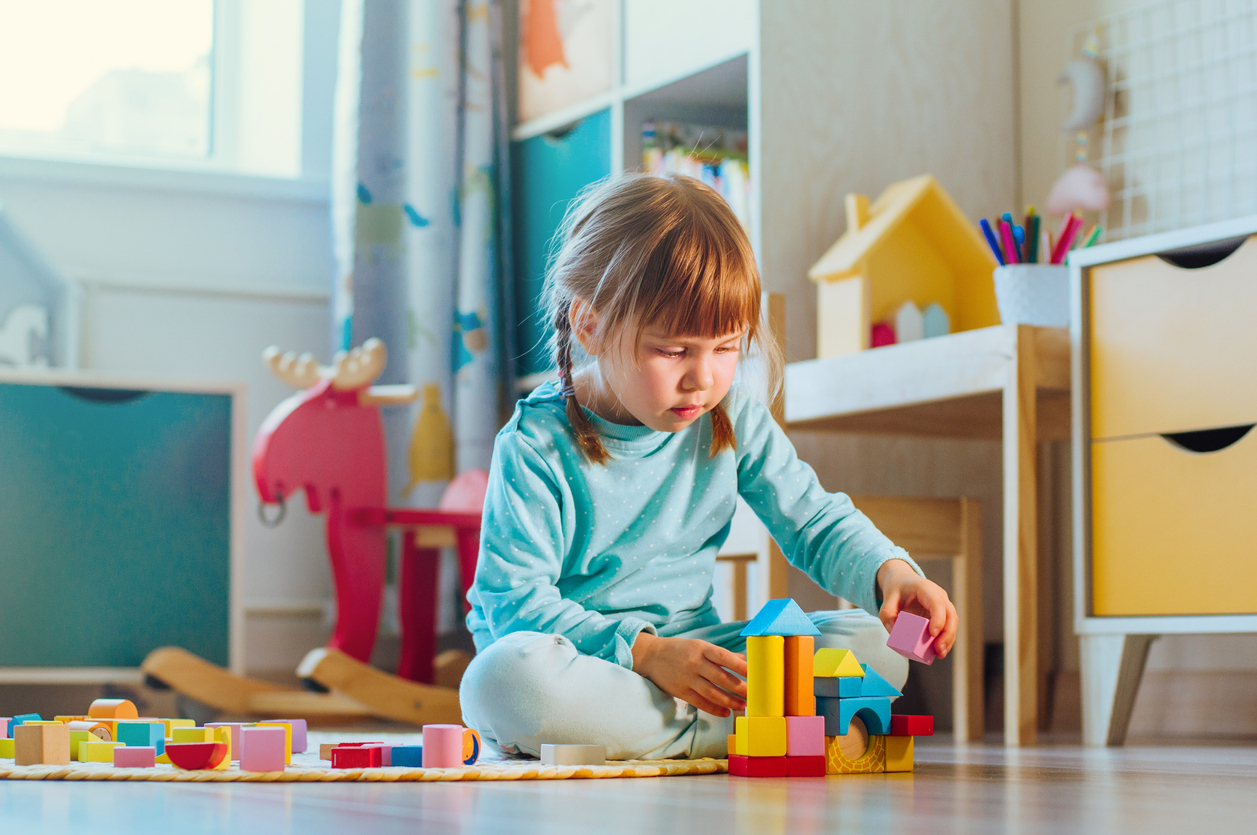
13. Build-a-Tower Challenge
Materials: Building blocks, paper cups, or recycled boxes
How to Play: Let your child build towers of varying heights and test how tall or stable each one is.
Why It’s Effective: Builds spatial reasoning, focus, and creative problem-solving — early STEM foundations.
14. Clay or Dough Faces
Materials: Playdough or clay, loose parts (buttons, beads, googly eyes, sticks)
How to Play: Ask your child to make faces showing different emotions — happy, sad, surprised.
Why It’s Effective: Helps children identify and express feelings while developing emotional intelligence and fine motor skills.
15. Story Basket Time
Materials: Themed basket with small toys or objects from a story (e.g., animals, cars, dolls)
How to Play: Choose a story and let your child retell it using the objects. Or, invite them to create their own story.
Why It’s Effective: Promotes imagination, language development, sequencing, and narrative skills — vital for early literacy.
Why These Activities Work
Wondering why these hands-on activities are such a game-changer? Here’s how they quietly build essential skills for your little one’s growth — at home, daycare, or preschool.
- Play-based learning increases retention and intrinsic motivation.
- Sensory activities promote cognitive flexibility and neural growth.
- Fine motor practice prepares children for writing and self-care tasks.
- Problem-solving play develops executive-function skills like planning and focus.
- Outdoor learning boosts attention span and emotional well-being.
Tips for Parents and Educators
Here are a few gentle tips for parents and educators to make sensory play safe, engaging, and truly magical for little ones.
- Follow your child’s interests. Engagement is the best indicator of learning.
- Keep activities flexible and low-pressure.
- Rotate materials to maintain curiosity.
- Offer simple language prompts like “What do you notice?” or “What happens if…?”
- Always supervise activities with small objects.
Final Summary
Preschool learning activities are more than fun — they play a powerful role in building the foundation for lifelong learning. Through simple, play-based experiences, 3-year-olds strengthen their motor skills, language abilities, creativity, emotional understanding, and early academic skills. The 15 activities in this guide encourage exploration and confidence while offering developmentally rich opportunities for growth. With the right balance of encouragement and supervision, everyday moments become powerful learning opportunities.

Related Post
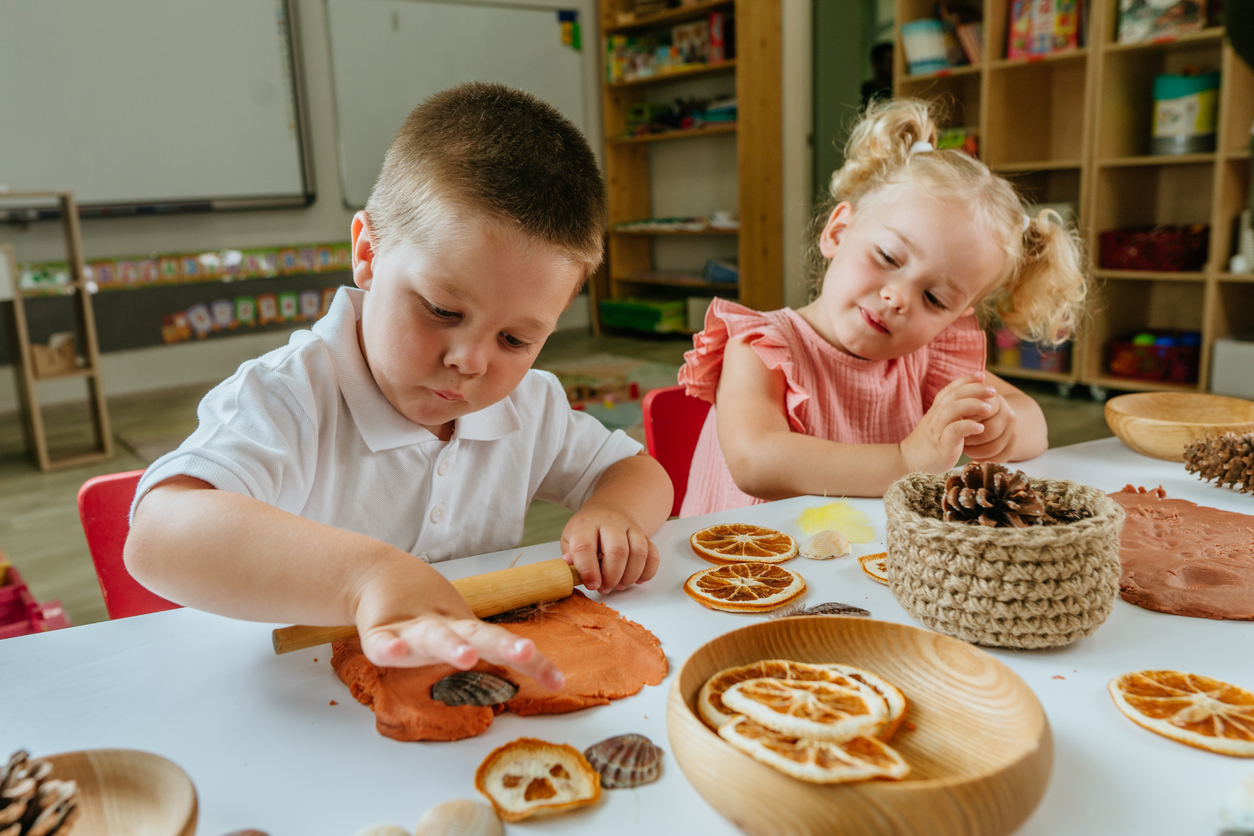
15 Fun Activities to Build Gross Motor Skills

Speech Milestones in Children: Age-Wise Guide to parents

How to Build Your Child’s Self-Control
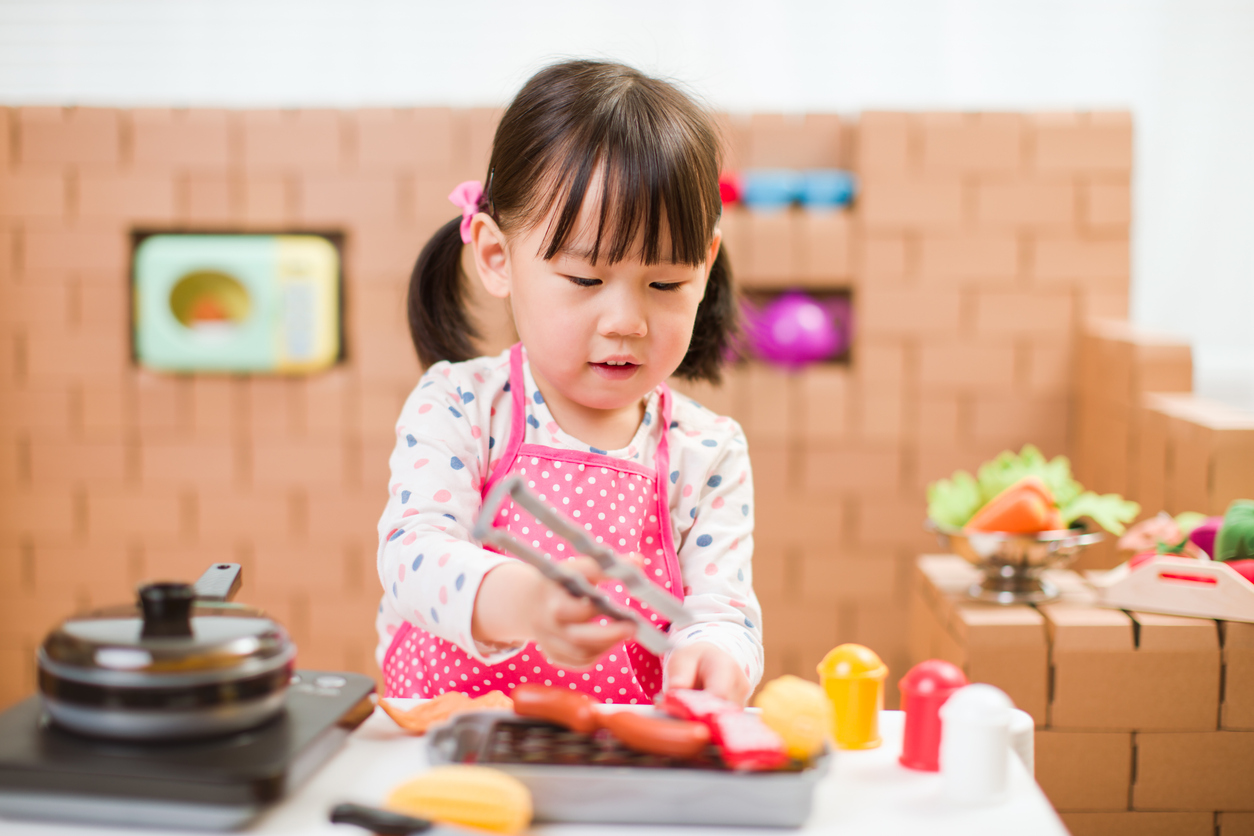
Tweezers and Tongs Activities for Little Hands

Alphabet Books Every Preschooler Should Read

Teaching Sharing and Turn-Taking to Toddlers
Simple Ways to Boost Your Child’s Working Memory

Messy Play Activities: A Detailed Parent Guide
Easy Sensory Bin Ideas for Toddlers

Age-Appropriate Learning Activities for Toddlers and Preschoolers
Water Play Activities for Toddlers
Sensory Activities for 2-Year-Olds: Brain-Building Through Play
Threading and Lacing Activities for Preschoolers

The Secret to Boosting Your Child’s Vocabulary: Pointing Gesture
When to Start Potty Training
How to Raise a Problem-Solver

Building Vocabulary in Toddlers Through Play: The Science-Backed Approach

50 Boredom Busters for Toddlers and Preschoolers
Best Scissor Skills Activities for Preschoolers
STEM Activities Using Kitchen Items for Preschoolers and Kindergarteners

Rhyming Games for Preschoolers: The Secret to Reading Success
Fine Motor Activities for 3-Year-Olds: The Complete Guide to Building Strong, Skilled Hands
Playdough Activities That Build Fine Motor Skills: The Science-Backed Guide for Parents and Teachers

Understanding Your Child’s Language Development

Understanding Executive Functions: Your Child’s Cognitive Toolkit for Success

Bringing WonJo Kids into Your Classroom: A Teacher’s Guide
Sight Words for Kindergarteners: A Complete Parental Guide
25 Fun Sorting Activities for Preschoolers – Easy, Printable & Hands-On Ideas

12 Best Pattern Activities for Preschoolers That Build Math & Reading Skills

Every Child Has a Learning Superpower

The Benefits of (Quality) Interactive Learning Apps for Preschoolers
Counting Activities for 3-Year-Olds: 20 Simple & Fun Ways to Grow Early Math Skills

Best Books for 3 Year Olds: 50+ Must-Read Picks to Spark a Love of Reading

Scientific Experiments for Preschoolers: 15+ Easy Activities That Spark Curiosity and Learning
Teaching Phonics at Home: A Parent’s Guide to Building Strong Readers
2-Year-Old Milestones: What to Look For

Building Confidence and Skills for Kindergarten Readiness

Understanding Your Child’s Gross Motor Development

Beat the Summer Slide Without Breaking a Sweat
Raising Tomorrow’s STEM Leaders: The Power of Spatial Skills

How to Turn Storytime into a Learning Moment?

Embracing Your Child’s Unique Strengths and Challenges: Understanding Learner Variability


