


Playdough Activities That Build Fine Motor Skills: The Science-Backed Guide for Parents and Teachers
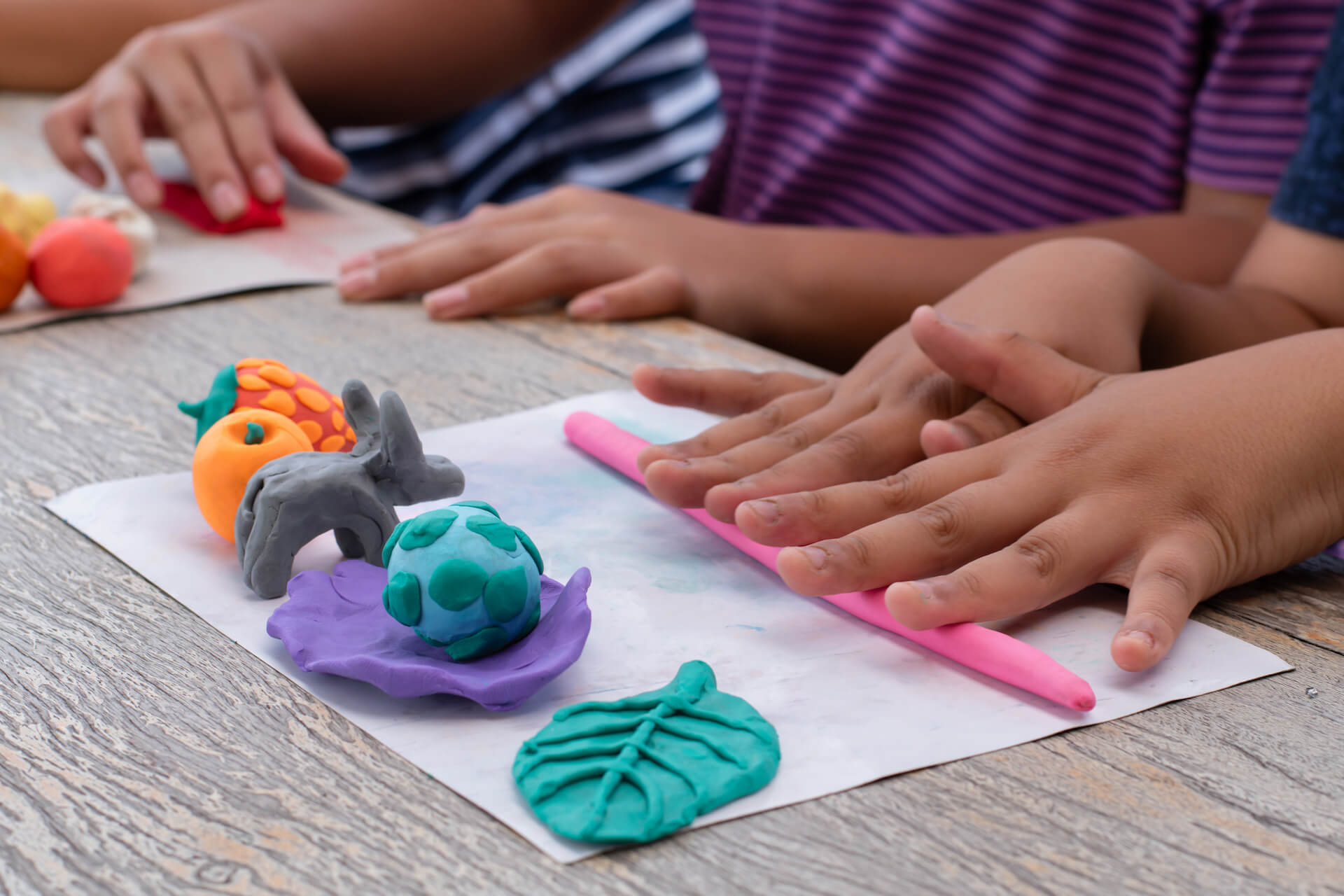
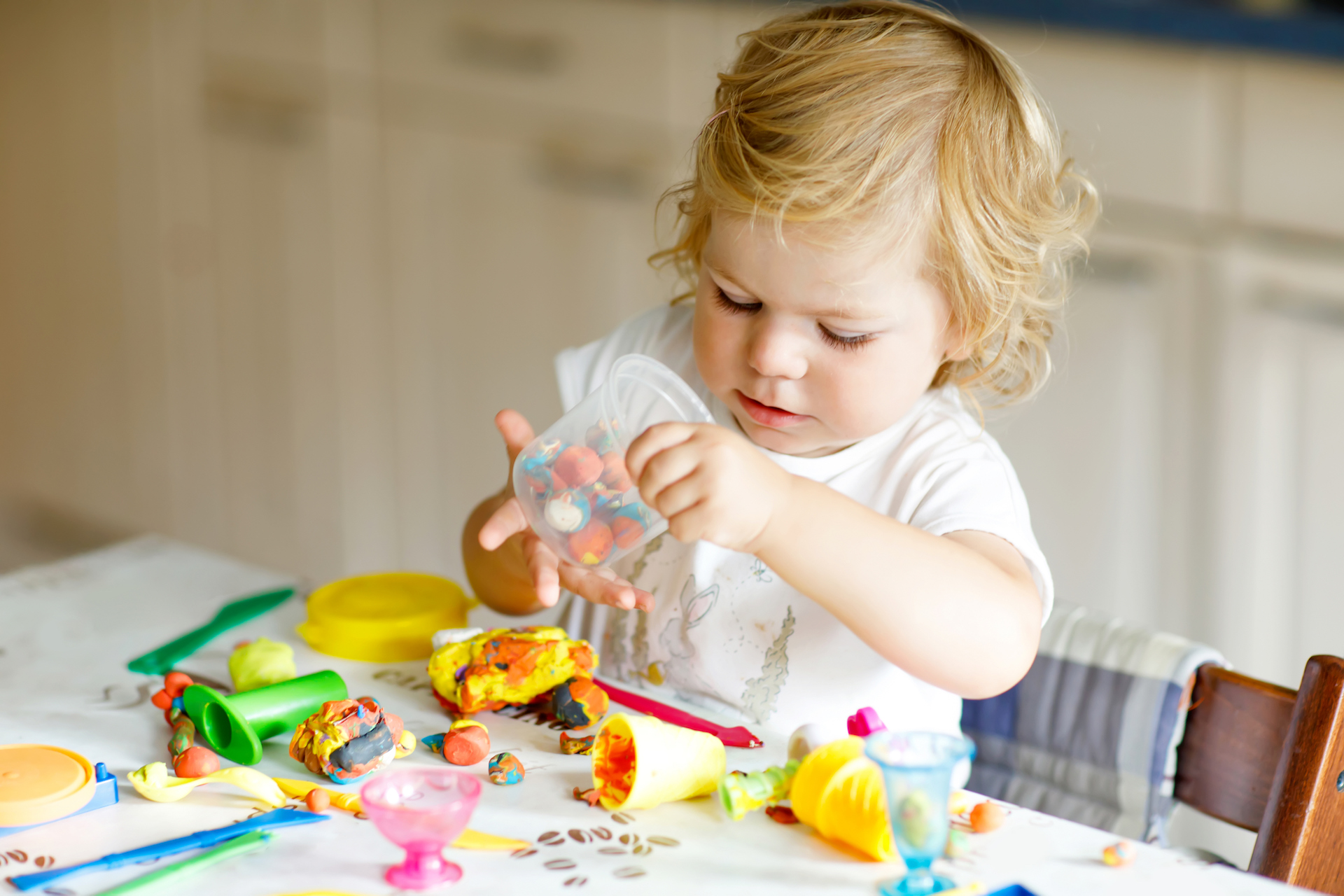
That colorful tub of playdough in your child’s toy box isn’t just for messy fun — it’s a powerhouse tool for building the hand strength, coordination, and motor control every child needs for everything from handwriting to tying shoes.
Playdough play is loved by kids and backed by science. Studies show that regular playdough activities can significantly improve a child’s fine motor skills, finger strength, and hand-eye coordination, setting the stage for school readiness and lifelong success.
This guide shares why playdough is so effective and 20+ evidence-based, playful activities to help your little learner build stronger, more skilled hands.
Why Playdough Is a Fine Motor Powerhouse
When children squeeze, roll, pinch, and poke playdough, they engage in what occupational therapists call “heavy work”—resistive activities that strengthen muscles and improve body awareness.
A study shows kindergarteners who played with playdough had significant improvements in palm and finger strength, flexibility, and hand-eye coordination compared to peers without this intervention.
Playdough’s unique benefits include:
- Resistance training: Its malleable texture offers just enough pushback, gently building hand muscles without frustration.
- Proprioceptive input: Manipulating dough gives joints and muscles feedback about body position, improving body awareness and focus.
- Multi-sensory engagement: The feel, look, and sometimes smell of playdough create rich sensory experiences that engage young brains.
- Low pressure, high engagement: Kids love squishing dough because there’s no “wrong” way to play, lowering anxiety and encouraging longer, more frequent play.
The Fine Motor Skills Developed Through Playdough
According to the National Association for the Education of Young Children (NAEYC), playdough play supports key hand skills like:
- Hand strength: Essential for pencil grip, scissor use, and using utensils
- Finger isolation: Moving individual fingers independently, vital for typing and musical instruments
- Bilateral coordination: Using both hands together—for buttoning and cutting
- Pincer grasp: Thumb-index finger grip needed for small objects and writing tools
- Hand-eye coordination: Matching what they see to precise hand movements
- Tripod grasp development: The classic pencil hold used in writing
Research consistently shows that mastering these skills in early childhood correlates with higher success in writing, reading, and math later on.
Beyond Motor Skills: Holistic Development Through Playdough
Playdough is more than just a fun squishy toy for kids—it’s a fantastic way to help them learn and grow in lots of important areas beyond just hand strength and coordination.
Creativity and Imagination
Playdough sparks symbolic thinking as children pretend the dough is something else—like animals, food, or vehicles—encouraging artistic expression and imaginative play. This play nurtures creativity and helps children construct their understanding of the world.
Language and Literacy
Using playdough provides opportunities for rich language interactions. Children describe their actions (e.g., “cut,” “roll,” “slice”) and invent stories about their creations, expanding vocabulary and narrative skills. Making playdough recipes together also introduces print awareness and connects written and spoken language.
Social and Emotional Growth
Playing with playdough in groups fosters sharing, turn-taking, and cooperation. It provides a safe outlet for emotions, helping children manage stress and express pride in their creations. Interactions during play promote social skills that prepare children for school life.
Science and Math Exploration
Adding materials like sand or sawdust to playdough lets children explore texture and observe changes, building scientific thinking around cause and effect. Measuring ingredients during playdough preparation introduces concepts of volume, counting, and comparison, laying a foundation for math skills like geometry and classification.
Physical Development
The repetitive motions of poking, rolling, flattening, and cutting develop fine motor dexterity, hand-eye coordination, and overall hand strength, essential for handwriting and daily tasks.
20+ Playdough Activities That Build Strong Hands
Try these fun, developmentally targeted playdough games that can easily fit into your daily routine or classroom setting.
Basic Strengthening
- The Pounding Game: Use both palms to pound flattened dough, then squish it back together. This activity strengthens the hands, improves bilateral coordination, and helps to calm children.
- Snake Rolling: Roll long “snakes” of dough using both hands or fingertips. This exercise builds coordination and helps control the amount of pressure applied.
- Tiny Ball Formation: Roll small balls using the thumb, index, and middle fingers to develop precision and enhance the tripod grasp..
Tool-Based Skills
- Scissor Snipping: Roll a dough snake and snip pieces with safety scissors. This is a perfect introduction to cutting skills.
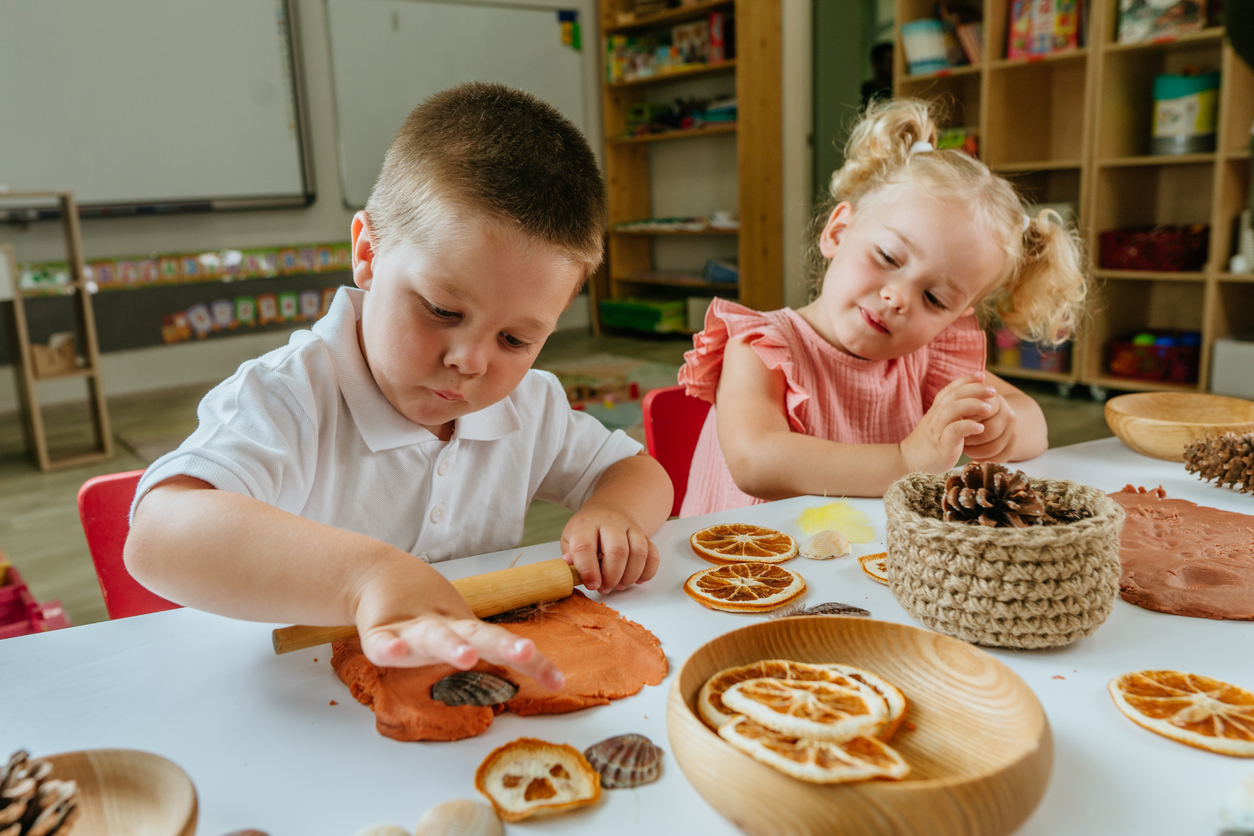
- Rolling Pin Flattening: Use a child-sized rolling pin to flatten dough, which helps boost arm strength and coordination.
- Cookie Cutter Pressing: Press shapes using cookie cutters and then sort them by size or color. This is a multi-skill activity combining math and fine motor development.
- Plastic Knife Slicing: Practice sawing motions by slicing dough “pizza” with safe plastic knives.
- Fork & Spoon Impressions: Press utensils like forks and spoons into dough to create textured patterns, encouraging creative tool use.
Hidden Object Fun
- Treasure Hunt: Hide beads or buttons inside dough balls. Digging them out sharpens finger strength and tactile senses.
- Bead Push-In: Press beads into dough to practice precision and improve visual-motor integration.
Creative Construction
- Coil Pot Building: Roll and coil dough snakes to build 3D pots, promoting planning and sustained bilateral hand use.
- Playdough People: Create figures from small dough balls, practicing fine manipulation and proportional thinking.
- Shape Letters & Numbers: Form alphabets and numbers using dough snakes to enhance motor planning and literacy skills.
Playdough Mat Learning
- Alphabet Mats: Roll dough snakes along laminated letter outlines to develop letter formation and visual tracking skills.
- Number Mats with Ten Frames: Fill number mats with small dough balls to improve counting and one-to-one correspondence.
- Shape & Pattern Mats: Follow printed designs to enhance shape recognition and planning skills.
Advanced Challenges
- Playdough Fossils: Make clay impressions with toys or leaves and carefully lift them to develop precision and observation.
- Marble Maze: Build a maze and blow marbles through it to work on breath control and problem-solving skills.
- Playdough Keyboard: Arrange dough balls like keyboard keys and press them individually to practice isolating finger movements.
- Threading on Straws: Push cut straws into dough to practice controlled force and coordination.
Resistive Dough Activities
- Therapy Putty Alternatives: Progress to stiffer dough or therapy putty for stronger resistance training.
- Pinch and Twist: Pinch small dough pieces and twist them apart to strengthen pincer muscles and twisting motions needed for tasks like container opening.
Making Your Own Playdough
Making playdough at home is a wonderful way to add math, science, and language learning right into your child’s playtime.This includes:
- Measuring ingredients builds math skills
- Mixing and kneading improves sequencing and executive function
- Exploring textures builds descriptive language
- The process itself strengthens hand muscles
Here’s a simple, tasty-sounding recipe for homemade playdough that lasts longer and has better resistance than store-bought dough, making it perfect for building hand strength:
- 2 cups flour
- 2 cups water
- 1 cup salt
- 2 tablespoons vegetable oil
- 1 tablespoon cream of tartar
- Optional: food coloring
Cook and stir the mixture until it forms a dough, allow it to cool, knead it well, and store in an airtight container.
Final Thoughts
Playdough is not just play — it’s a multi-sensory, therapeutic, and scientifically proven way to build the fine motor foundation your child needs.
Make playdough readily accessible, keep activities fun, and enjoy watching little hands grow stronger and more skilled one squeeze, roll, and pinch at a time.

Related Post
15 Fun Activities to Build Gross Motor Skills

Speech Milestones in Children: Age-Wise Guide to parents

How to Build Your Child’s Self-Control
Tweezers and Tongs Activities for Little Hands

Alphabet Books Every Preschooler Should Read

Teaching Sharing and Turn-Taking to Toddlers
Simple Ways to Boost Your Child’s Working Memory

Messy Play Activities: A Detailed Parent Guide
15 Fun Preschool Learning Activities for 3-Year-Olds
Easy Sensory Bin Ideas for Toddlers

Age-Appropriate Learning Activities for Toddlers and Preschoolers
Water Play Activities for Toddlers
Sensory Activities for 2-Year-Olds: Brain-Building Through Play
Threading and Lacing Activities for Preschoolers

The Secret to Boosting Your Child’s Vocabulary: Pointing Gesture
When to Start Potty Training
How to Raise a Problem-Solver

Building Vocabulary in Toddlers Through Play: The Science-Backed Approach

50 Boredom Busters for Toddlers and Preschoolers
Best Scissor Skills Activities for Preschoolers
STEM Activities Using Kitchen Items for Preschoolers and Kindergarteners

Rhyming Games for Preschoolers: The Secret to Reading Success
Fine Motor Activities for 3-Year-Olds: The Complete Guide to Building Strong, Skilled Hands

Understanding Your Child’s Language Development

Understanding Executive Functions: Your Child’s Cognitive Toolkit for Success

Bringing WonJo Kids into Your Classroom: A Teacher’s Guide
Sight Words for Kindergarteners: A Complete Parental Guide
25 Fun Sorting Activities for Preschoolers – Easy, Printable & Hands-On Ideas
12 Best Pattern Activities for Preschoolers That Build Math & Reading Skills

Every Child Has a Learning Superpower
The Benefits of (Quality) Interactive Learning Apps for Preschoolers
Counting Activities for 3-Year-Olds: 20 Simple & Fun Ways to Grow Early Math Skills
Best Books for 3 Year Olds: 50+ Must-Read Picks to Spark a Love of Reading

Scientific Experiments for Preschoolers: 15+ Easy Activities That Spark Curiosity and Learning
Teaching Phonics at Home: A Parent’s Guide to Building Strong Readers
2-Year-Old Milestones: What to Look For

Building Confidence and Skills for Kindergarten Readiness

Understanding Your Child’s Gross Motor Development

Beat the Summer Slide Without Breaking a Sweat
Raising Tomorrow’s STEM Leaders: The Power of Spatial Skills

How to Turn Storytime into a Learning Moment?

Embracing Your Child’s Unique Strengths and Challenges: Understanding Learner Variability


