


Messy Play Activities: A Detailed Parent Guide
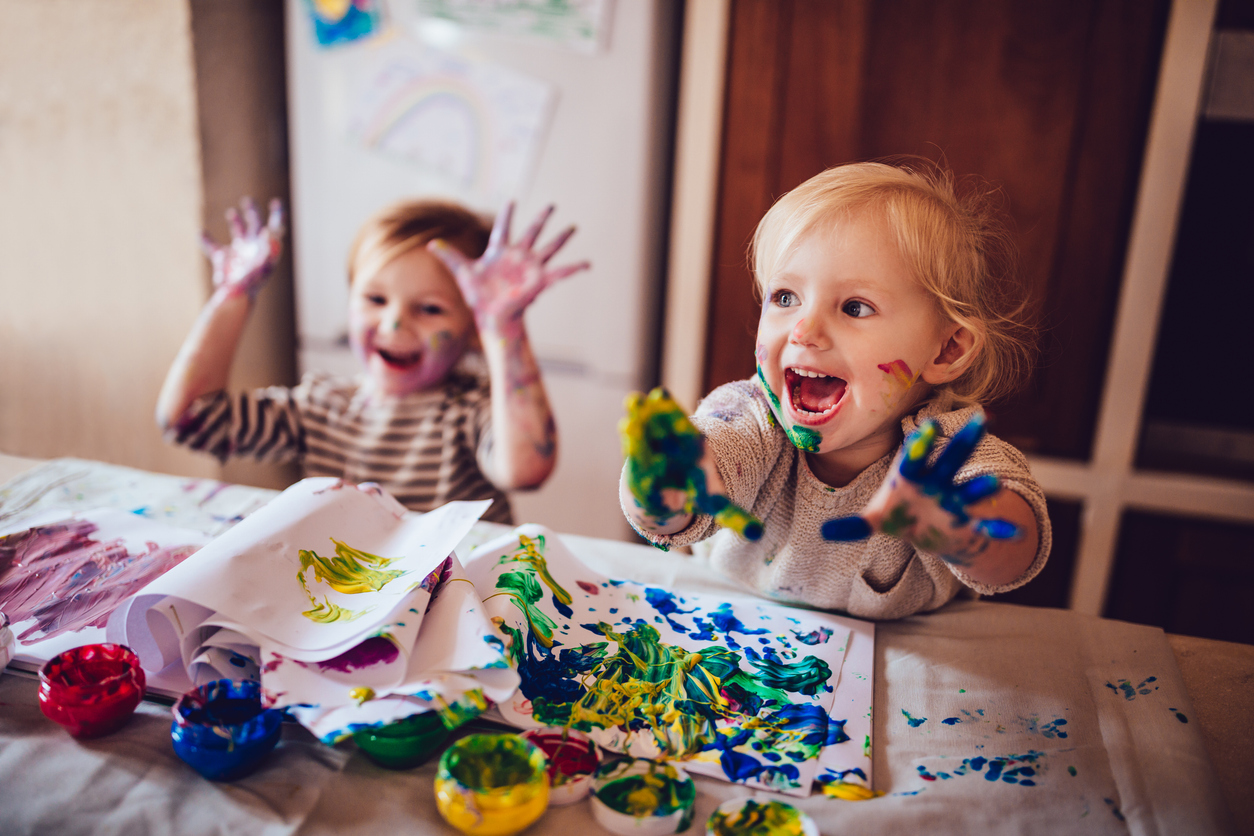
Messy play is one of the most powerful learning tools for young children, even though at first glance it may look like simple fun. From squishing dough to splashing in water trays, these hands-on experiences build real skills that support cognitive, social, emotional, and motor development.
In this guide, we’ll explore what messy play is, which activities support learning, why messy play is important, and safety and encouragement tips for parents and teachers.
What Is Messy Play?
Messy play refers to sensory-rich, open-ended activities where children explore using touch, sight, sound, movement, and sometimes smell and taste. These activities often involve materials like:
- Water
- Sand
- Paint
- Foam or soap
- Mud
- Play dough
- Rice or pasta
- Nature elements
Messy play is child-led, meaning kids choose how to explore, create, and experiment. This freedom is what turns simple materials into powerful learning tools.
Messy Play Activities That Support Learning
Below are research-backed messy play ideas that build early skills while keeping children engaged and curious.
1. Colored Rice Sensory Bin
Materials: Colored rice, large bin, cups, spoons, funnels, and small containers. (To make colored rice, add a few drops of food coloring to rice in a ziploc bag, shake it well, and let it dry. You can also buy ready-made colored rice from craft stores.)
How to Play: Spread the rice in a bin and let children scoop, pour, and transfer it between containers. Challenge them to sort the rice by color or fill cups “half” and “full.”
Why It’s Effective: Strengthens hand and finger muscles, improves coordination, and builds early math vocabulary (more, less, full, empty). Color sorting also boosts focus and classification skills.
2. Foam or Soap Sensory Tray
Materials: Shaving foam or mild soap foam, tray, paintbrushes, or fingers.
How to Play: Fill a tray with foam and encourage children to draw shapes, swirls, lines, or letters with their fingers or tools.
Why It’s Effective: This early pre-writing practice builds fine motor control, spatial awareness, and muscle memory for forming letters and numbers later on.
3. Playdough Play
Materials: Homemade or store-bought playdough, molds, rolling pins, buttons, sticks, bottle caps.
How to Play: Encourage your child to roll, flatten, and shape the dough. Add small objects to decorate or build scenes.
Why It’s Effective: Strengthens finger and hand muscles for pencil grip while promoting creativity and open-ended exploration. It also offers a calming tactile experience that improves focus.
4. Water Play with Measuring Cups
Materials: A large basin or tub, water, measuring cups, spoons, plastic bottles, or funnels.
How to Play: Let kids pour water between containers of different sizes, experimenting with full, half-full, and empty. Add floating toys for extra fun.
Why It’s Effective: Encourages mathematical thinking (“more” vs. “less”), problem-solving, and scientific exploration (sink or float, volume). Pouring builds hand-eye control and patience.
5. Cornflour Slime (Oobleck)
Materials: Cornflour (cornstarch), water, food coloring (optional). Mix two parts cornflour with one part water.
How to Play: Allow your child to explore how the substance behaves—solid when squeezed, liquid when released.
Why It’s Effective: Introduces early physics concepts, fosters curiosity, and builds descriptive language as children discuss texture changes.
6. Mud Kitchen Play
Materials: Mud or soil, old pots, pans, spoons, ladles, and a small outdoor space.
How to Play: Set up an outdoor “kitchen” where children can mix mud, water, leaves, and stones to make imaginative “mud pies” or “soups.”
Why It’s Effective: Promotes dramatic play, vocabulary growth, and cooperative communication. Pretending to cook enhances imaginative thinking and social-emotional learning.
7. Finger Painting
Materials: Washable paints, large sheets of paper, an apron or old T-shirt.
How to Play: Let children paint freely using their fingers and palms. Encourage them to mix colors or create patterns.
Why It’s Effective: Enhances sensory awareness, creativity, and emotional expression. The process gives children an outlet for self-expression while refining coordination and color recognition.
8. Sand Play (Wet & Dry)
Materials: Sand tray or sandbox, buckets, shovels, spray bottle with water, molds.
How to Play: Let children dig, scoop, and build with the sand. Experiment with dry versus damp sand to observe how shapes hold differently.
Why It’s Effective: Supports early engineering skills and critical thinking. Molding and constructing teach cause-and-effect understanding and strengthen hand-eye coordination.
9. Jelly or Water Beads Bin
Materials: Prepared jelly or hydrated water beads, large bin, spoons, small cups, and containers.
How to Play: Place beads or jelly in the bin and encourage children to squeeze, squish, and scoop them. Introduce new words like “bouncy,” “slippery,” and “squishy.”
Why It’s Effective: Enhances tactile sensitivity, descriptive language, and sensory regulation. The texture encourages calm engagement for sensory-seeking children.
10. Nature Sensory Tray
Materials: Collection of natural items (leaves, twigs, seeds, stones, pinecones, shells).
How to Play: Arrange natural materials in a tray. Children can sort by size, color, or texture, or create scenes with the items.
Why It’s Effective: Develops observation, environmental awareness, and classification ability. Nature play also connects children emotionally to the world around them.
Why Is Messy Play Important for Early Learning?
1. Builds Strong Neural Connections
Sensory experiences strengthen the brain’s pathways, improving memory, attention, and cognitive flexibility.
2. Boosts Fine and Gross Motor Skills
Scooping rice builds small hand muscles, while digging in sand develops larger arm and shoulder muscles.
3. Encourages Creativity and Problem-Solving
Messy play has no right or wrong outcome. Children experiment freely, make predictions, and test ideas.
4. Supports Emotional and Sensory Regulation
Touch-based activities are calming and help children manage big emotions through tactile input.
5. Enhances Early Language Skills
Talking about textures, materials, and actions supports vocabulary, descriptive language, and communication.
Safety and Encouragement Tips for Messy Play
Making messy play safe and stress-free is all about preparation and supervision.
1. Choose Age-Appropriate and Safe Materials
- Use edible materials for toddlers under 3.
- Avoid choking hazards.
- Test new materials on a small area of skin if your child is sensitive.
2. Create a Mess-Friendly Area
- Spread a mat, old bedsheet, or newspaper.
- Use washable containers or sensory trays.
- Dress children in play clothes or aprons.
3. Supervise but Don’t Control
Let children explore freely. Your presence ensures safety, but your distance encourages creativity.
4. Teach Simple Play Rules
Examples include:
- “Keep materials in the bin.”
- “Hands stay gentle.”
- “No eating.”
5. Use Encouraging Language
Guide play with positive prompts like:
- “Tell me what it feels like.”
- “What happens if you mix these?”
- “I love how you’re trying new ideas!”
6. Make Clean-Up a Learning Activity
Kids can:
- Sort toys
- Wipe surfaces
- Wash tools
This builds responsibility and routine.
Final Summary
Messy play is one of the richest, most meaningful ways young children learn. Through squishing, pouring, painting, building, and exploring textures, kids develop fine motor skills, creativity, language, emotional regulation, and early math and science concepts.
With the right preparation, safe materials, and simple rules, messy play becomes both manageable and deeply beneficial. Encouraging your child to explore freely allows them to learn through curiosity, the most natural way for early learners to grow.
Messy play might be a little chaotic, but it builds strong brains, confident hands, and joyful learning.

Related Post
15 Fun Activities to Build Gross Motor Skills

Speech Milestones in Children: Age-Wise Guide to parents

How to Build Your Child’s Self-Control
Tweezers and Tongs Activities for Little Hands
Alphabet Books Every Preschooler Should Read
Teaching Sharing and Turn-Taking to Toddlers
Simple Ways to Boost Your Child’s Working Memory
15 Fun Preschool Learning Activities for 3-Year-Olds
Easy Sensory Bin Ideas for Toddlers

Age-Appropriate Learning Activities for Toddlers and Preschoolers
Water Play Activities for Toddlers
Sensory Activities for 2-Year-Olds: Brain-Building Through Play
Threading and Lacing Activities for Preschoolers

The Secret to Boosting Your Child’s Vocabulary: Pointing Gesture
When to Start Potty Training
How to Raise a Problem-Solver

Building Vocabulary in Toddlers Through Play: The Science-Backed Approach

50 Boredom Busters for Toddlers and Preschoolers
Best Scissor Skills Activities for Preschoolers
STEM Activities Using Kitchen Items for Preschoolers and Kindergarteners

Rhyming Games for Preschoolers: The Secret to Reading Success
Fine Motor Activities for 3-Year-Olds: The Complete Guide to Building Strong, Skilled Hands
Playdough Activities That Build Fine Motor Skills: The Science-Backed Guide for Parents and Teachers

Understanding Your Child’s Language Development

Understanding Executive Functions: Your Child’s Cognitive Toolkit for Success

Bringing WonJo Kids into Your Classroom: A Teacher’s Guide
Sight Words for Kindergarteners: A Complete Parental Guide
25 Fun Sorting Activities for Preschoolers – Easy, Printable & Hands-On Ideas
12 Best Pattern Activities for Preschoolers That Build Math & Reading Skills

Every Child Has a Learning Superpower
The Benefits of (Quality) Interactive Learning Apps for Preschoolers
Counting Activities for 3-Year-Olds: 20 Simple & Fun Ways to Grow Early Math Skills
Best Books for 3 Year Olds: 50+ Must-Read Picks to Spark a Love of Reading

Scientific Experiments for Preschoolers: 15+ Easy Activities That Spark Curiosity and Learning
Teaching Phonics at Home: A Parent’s Guide to Building Strong Readers
2-Year-Old Milestones: What to Look For
Building Confidence and Skills for Kindergarten Readiness

Understanding Your Child’s Gross Motor Development

Beat the Summer Slide Without Breaking a Sweat
Raising Tomorrow’s STEM Leaders: The Power of Spatial Skills

How to Turn Storytime into a Learning Moment?

Embracing Your Child’s Unique Strengths and Challenges: Understanding Learner Variability


