


Fine Motor Activities for 3-Year-Olds: The Complete Guide to Building Strong, Skilled Hands
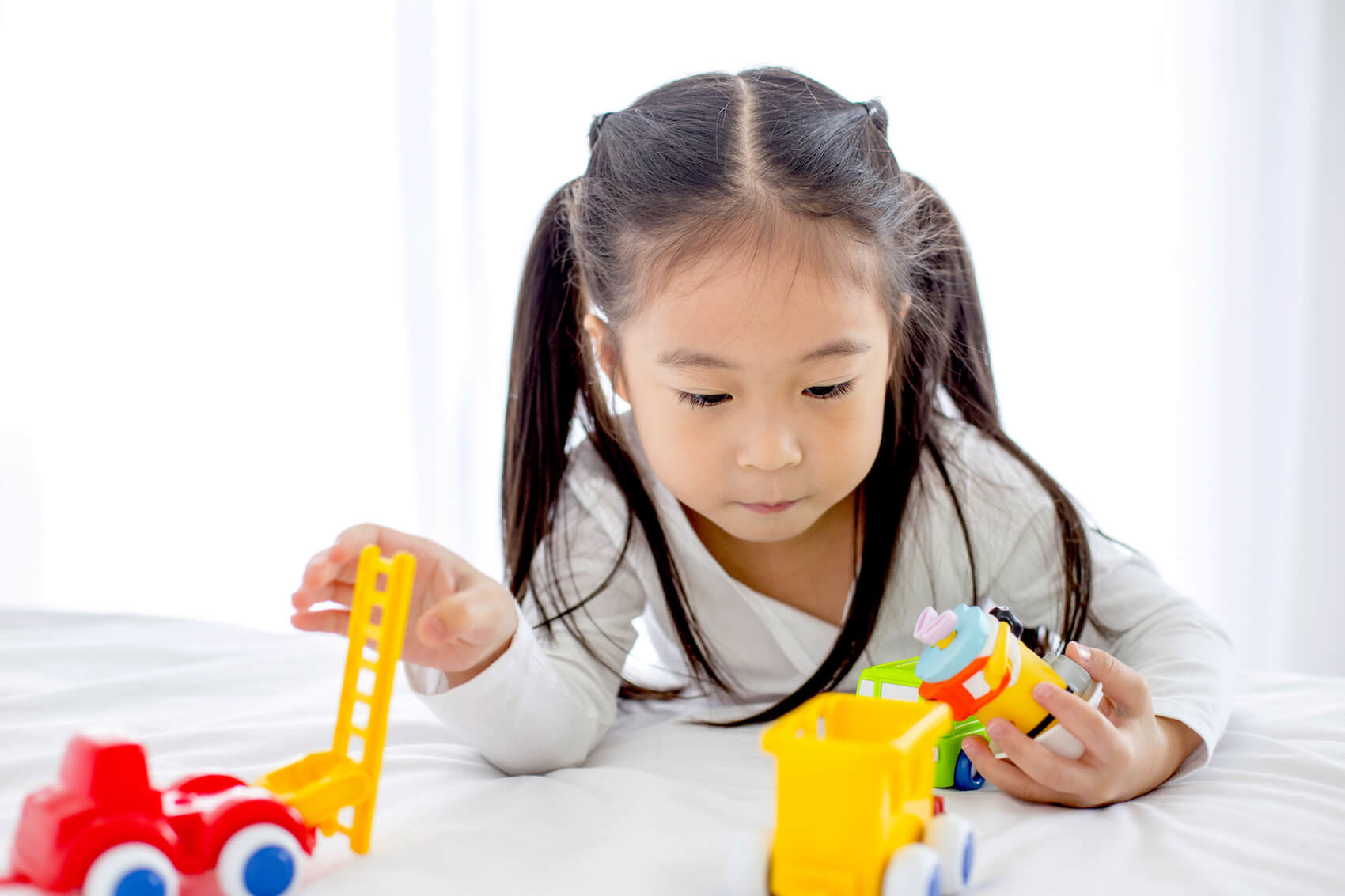
At age three, your child’s tiny hands are doing big work every day — from grasping crayons to buttoning shirts. These small hand movements are called fine motor skills, and they lay the essential foundation for independence, creativity, and school success.
Whether your child is picking up toys or starting to trace letters, this critical stage of development shapes their ability to learn and thrive. This guide shares research-backed, fun, and practical activities to develop your 3-year-old’s fine motor skills, giving you confidence and clear tools to help them grow.
Understanding Fine Motor Skills: Why They Matter
Fine motor skills are the ability to use the small muscles in the hands and fingers for precise movements—like holding a pencil, buttoning clothes, or using scissors. These tiny movements might seem simple, but they play a big role in how your child learns, communicates, and becomes independent.
When children strengthen these hand and finger muscles early, they’re not just getting ready for writing or art projects—they’re also developing focus, coordination, and problem-solving abilities. Strong fine motor skills help children feel confident in daily tasks such as dressing, feeding themselves, and building or creating during play.
Over time, these skills support much more than hand control. They give your child the tools to express ideas on paper, complete classroom tasks proudly, and participate in group play with ease. In short, every squeeze, pinch, and twist helps build not just little hands, but big foundations for learning and growth.
What Can 3-Year-Olds Typically Do With Their Hands?
At age three, your child’s hands are gaining strength and coordination every day. While their movements may still appear clumsy at times, these actions show meaningful progress toward independence. The table below highlights common fine motor milestones for this stage, with easy-to-understand explanations for parents.
| Fine Motor Ability | What It Looks Like | What It Means for Growth |
| Full-hand or “palmar” grasp | Your child holds crayons, toys, or utensils using their entire hand rather than their fingertips. | They are developing the basic hand strength and control needed for later pencil grasp and writing skills. |
| Using both hands together (bimanual coordination) | When threading beads or cutting paper, one hand holds the object while the other works. | This ability builds coordination and balance between both hands, preparing them for dressing, feeding, and craft activities. |
| Relying more on wrist and arm movements than finger precision | Most work comes from larger motions of the wrist or arm, not fine finger control. | It reflects an early stage where bigger muscles are leading; over time, finer movements will appear with regular play. |
| Needing adult support for small-object handling | Your child might need help picking up small pieces like buttons or coins. | This shows they are still building strength, concentration, and coordination—gentle guidance helps them progress with confidence. |
Understanding these normal milestones helps parents choose activities that fit their child’s current ability level. When tasks feel manageable, children gain confidence, stay engaged, and enjoy learning through play.
15 Evidence-Based Fine Motor Activities for 3-Year-Olds
1. Sticker Peeling and Placement
Place stickers on your child’s hands, clothing, or a surface and have them peel them off. This simple activity develops the pincer grasp needed for buttoning clothes.
Materials needed: Stickers, paper, or a flat surface
Why it’s effective: Peeling and placing strengthens the pincer grasp and improves hand-eye coordination.
Progression: Draw circles on paper and challenge your child to place stickers inside the targets, building visual-motor coordination.
2. Cheerio Threading
Start with rigid materials like pipe cleaners or uncooked spaghetti, making it easier for developing hands to thread Cheerios across. Once they master this, progress to string for added difficulty.
Materials needed: Cheerios, pipe cleaners, or a piece of string
Why it’s effective: This activity requires bimanual coordination and visual-motor precision, both critical skills at this age.
3. Coin Bank Play
Picking up coins encourages pincer grasp development, while orienting them to fit through the slot builds visual-motor coordination similar to buttoning.
Materials needed: Coins and a coin bank or small box with a slot
Why it’s effective: Picking and fitting coins strengthens fine muscle control.
Safety note: Always supervise this activity due to choking hazards.
4. Clothespin Activities
Attach clothespins to a cardboard box or thick book to create “legs” for characters. The squeezing motion strengthens the thumb and fingers needed for pencil grip.
Materials needed: Clothespins, cardboard surface, or clothing
Why it’s effective: Squeezing clothespins strengthens thumb and finger muscles.
Variation: Clip clothespins to your child’s clothing and have them locate and remove them, adding a sensory element.
5. Play Dough Manipulation
Squeezing, rolling, pinching, and molding play dough builds hand strength and finger isolation. Research shows this is foundational for later writing skills.
Materials needed: Play dough or homemade dough
Why it’s effective: Promotes hand strength and coordination.
Activity ideas: Roll play dough into “snakes,” press objects into it to make impressions, or hide small toys inside for your child to find.
6. Water Transfer with Straws Straws
Provide cups of colored water and pipettes or medicine droppers. Let your child squeeze and release to transfer water between containers.
Materials needed: Pipettes or droppers, small cups, colored water
Why it’s effective: Strengthens finger muscles and coordination.
Learning bonus: This teaches cause and effect while building the same muscles used for pencil grip.
7. Beading with Large Beads
Use chunky alphabet or wooden beads with large holes and thick string. The larger size is perfect for 3-year-old hands still developing precision.
Materials needed: Large beads and thick string
Why it’s effective: Improves hand-eye coordination and visual focus.
Educational twist: Use alphabet beads to introduce letter recognition alongside motor practice.
8. Pom-Pom Pickup with Tongs
Provide child-safe tweezers or strawberry hullers and colorful pom-poms. Have your child pick up pom-poms and sort them into containers or ice cube trays.
Materials needed: Pom-poms, tweezers or tongs, containers
Why it’s effective: The tong grip mimics proper pencil hold, building the precise muscles needed for writing.
9. Gel Bag Writing
Fill a sealed plastic bag with hair gel and food coloring. Let your child draw shapes and letters by pressing their fingers on the bag, erasing by smoothing it out.
Materials needed: Zip-lock bag, hair gel, food coloring
Why it’s effective: Offers tactile, mess-free sensory practice.
Sensory benefit: This mess-free activity provides tactile input while practicing pre-writing shapes.
10. Painting with Q-Tips
Dot painting with cotton swabs requires precision and control. Provide templates of letters or shapes to trace with dots, building visual-motor integration.
Materials needed: Q-tips, paint, paper or templates
Why it’s effective: Encourages control and steadiness in hand movement.
11. Simple Puzzles with Knobs
Wooden puzzles with large knobs help develop the finger grasp needed for many daily tasks while also building problem-solving skills.
Materials needed: Wooden knob puzzles
Why it’s effective: Strengthens problem-solving skills and finger grasp.
12. Sorting with Tweezers
Set up bowls with beans, buttons, or pasta shapes. Have your child use child-safe tweezers to sort items by color, size, or type.
Materials needed: Child-safe tweezers, bowls, and small items like beans or buttons
Why it’s effective: Involves focus and delicate movements.
Mathematical connection: This activity naturally incorporates early math concepts like categorization and one-to-one correspondence.
13. Cutting Station
Introduce child-safe scissors with construction paper. Start with fringe cuts along the edge, then progress to cutting along straight lines.
Materials needed: Child-safe scissors, construction paper
Why it’s effective: Strengthens hand coordination and precision.
Supervision required: Always monitor scissor use and teach proper safety habits from the start.
14. Lacing Cards
Create simple lacing cards by punching holes around cardboard shapes. Use thick shoelaces or yarn with taped ends for easier threading.
Materials needed: Cardboard, hole punch, shoelace or yarn
Why it’s effective: Enhances sequencing and focus.
Skill building: This activity directly prepares children for tying shoes, a complex fine motor milestone.
15. Rice or Sand Bin with Hidden Objects
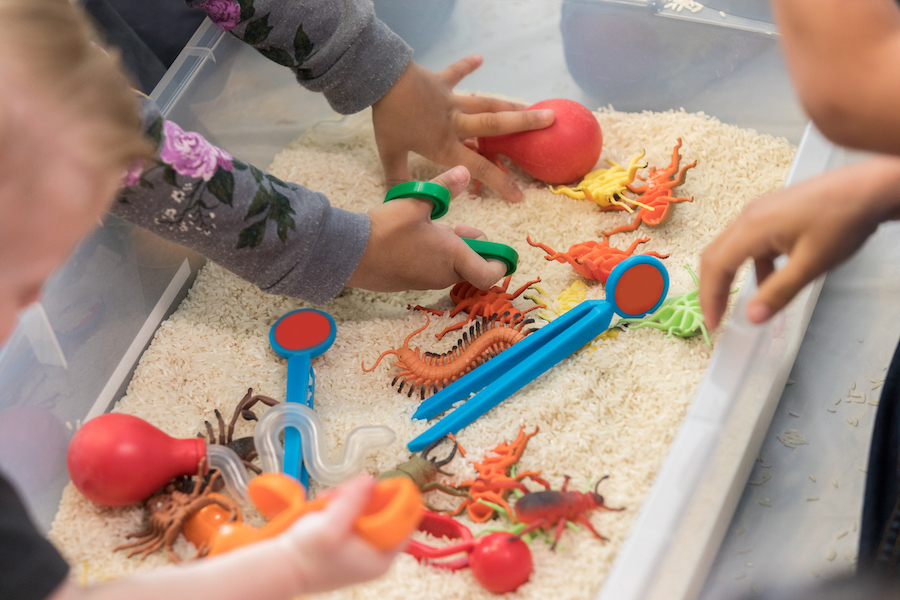
Fill a bin with rice or sand and hide small toys inside. Have your child dig through the material to find objects, then use tweezers or fingers to extract them.
Materials needed: Bin, rice or sand, and small toys
Why it’s effective: Combines tactile play with finger work.
Sensory integration: This combines tactile exploration with fine motor practice for comprehensive development.
Everyday Moments That Strengthen Hands
Look for everyday opportunities for fine motor skill practice that matter just as much as planned activities:
- Dressing: Encourage your child to button large buttons, zip zippers, and put on shoes
- Mealtime: Let them use utensils, pour from small pitchers, and open containers
- Bathroom: Practice hand washing, squeezing soap pumps, and using toilet paper
- Household tasks: Involve them in stirring ingredients, setting the table, or sorting laundry
The frequent, natural practice throughout the day is more effective than rare, formal sessions.
Warning Signs: When to Seek Help
While all children develop at their own pace, consult a pediatrician or occupational therapist if your child:
- Has persistent difficulty holding or manipulating small objects
- Avoids hand-based activities like coloring or feeding
- Uses only one hand for two-handed tasks
- Gets extremely frustrated or overwhelmed with tasks
- Incapable of isolating at least one or two fingers for simple movements
- Has difficulty isolating the movement of at least one or two fingers for simple tasks.
Early intervention can make a significant difference.
Creating a Fine Motor Friendly Environment at Home
You can make your home a wonderful space for tiny hands to explore and grow:
- Making materials accessible: Store supplies at child height in clear containers they can open independently.
- Rotating activities: Keep 3-4 options available at a time to maintain interest without overwhelming.
- Follow their interests: If your child loves cars, dinosaurs, or animals, weave those into play to hold attention.
- Celebrating effort over perfection: Focus on trying, not perfection—every little squeeze or snip builds confidence.
- Encourage independence: Let them help where possible—zipping up, stirring, or sorting helps hands and self-esteem.
Final Thoughts for Parents and Caregivers
Fine motor development at age 3 should be joyful, not stressful. The most effective activities are those your child enjoys and wants to repeat. Focus on creating opportunities for practice through play, everyday routines, and child-directed exploration.
Remember that development unfolds at different rates. What matters most is providing rich, varied experiences with materials that challenge your child’s current abilities while remaining achievable with practice.
With consistency, patience, and playfulness, you can help your 3-year-old build the fine motor foundation they need for a lifetime of capable, confident hand use.


Related Post
15 Fun Activities to Build Gross Motor Skills

Speech Milestones in Children: Age-Wise Guide to parents

How to Build Your Child’s Self-Control
Tweezers and Tongs Activities for Little Hands

Alphabet Books Every Preschooler Should Read
Teaching Sharing and Turn-Taking to Toddlers
Simple Ways to Boost Your Child’s Working Memory

Messy Play Activities: A Detailed Parent Guide
15 Fun Preschool Learning Activities for 3-Year-Olds
Easy Sensory Bin Ideas for Toddlers

Age-Appropriate Learning Activities for Toddlers and Preschoolers
Water Play Activities for Toddlers
Sensory Activities for 2-Year-Olds: Brain-Building Through Play
Threading and Lacing Activities for Preschoolers

The Secret to Boosting Your Child’s Vocabulary: Pointing Gesture
When to Start Potty Training
How to Raise a Problem-Solver

Building Vocabulary in Toddlers Through Play: The Science-Backed Approach

50 Boredom Busters for Toddlers and Preschoolers
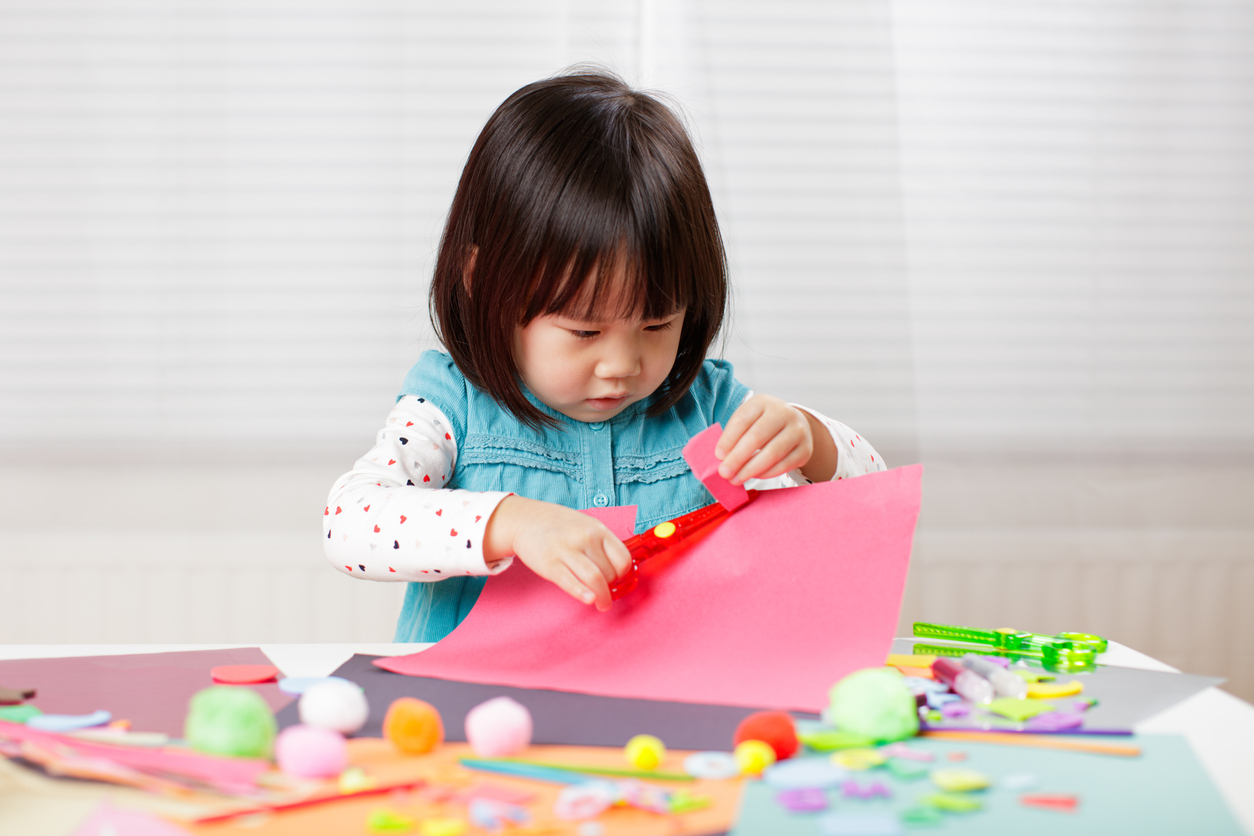
Best Scissor Skills Activities for Preschoolers
STEM Activities Using Kitchen Items for Preschoolers and Kindergarteners

Rhyming Games for Preschoolers: The Secret to Reading Success
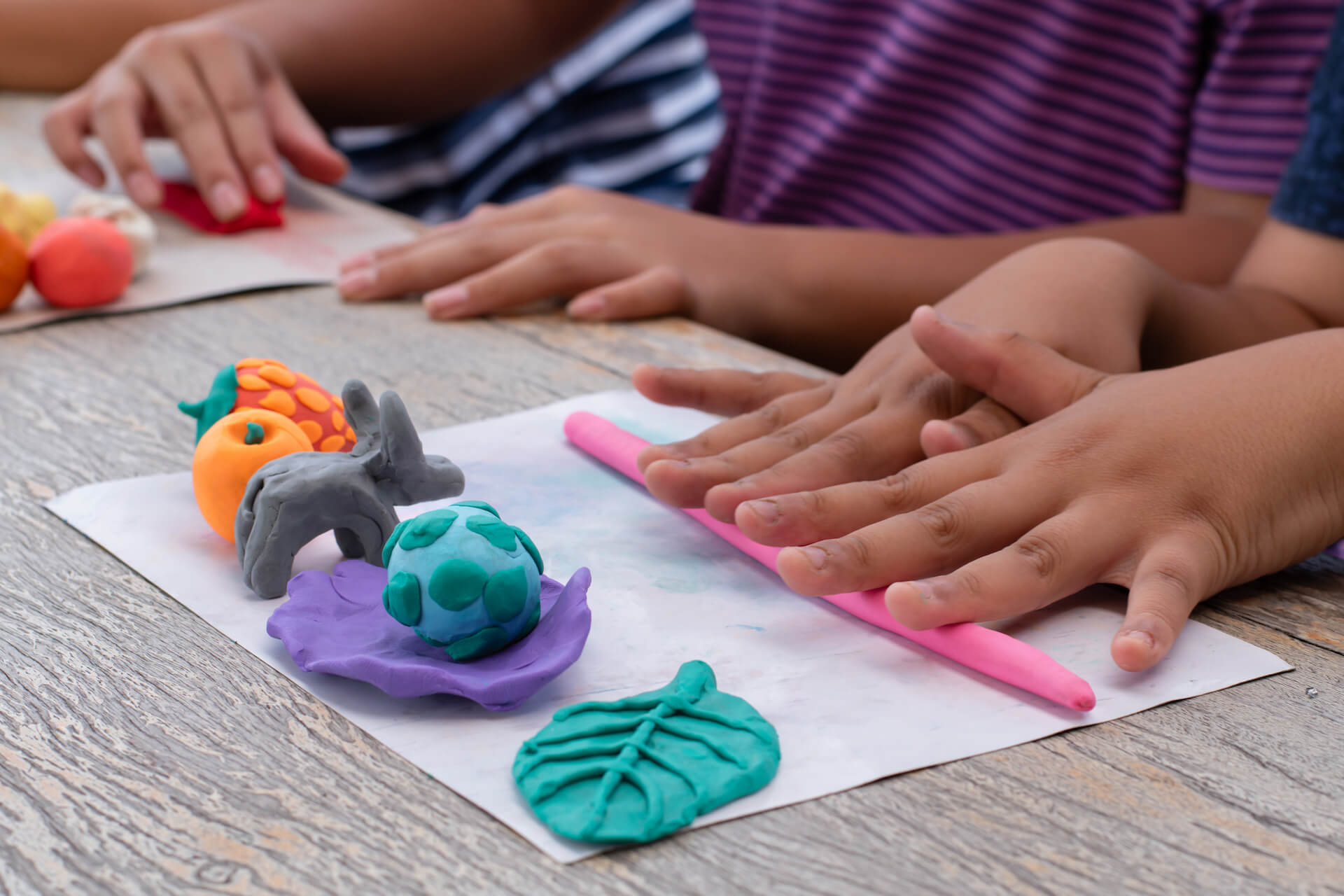
Playdough Activities That Build Fine Motor Skills: The Science-Backed Guide for Parents and Teachers

Understanding Your Child’s Language Development

Understanding Executive Functions: Your Child’s Cognitive Toolkit for Success

Bringing WonJo Kids into Your Classroom: A Teacher’s Guide
Sight Words for Kindergarteners: A Complete Parental Guide
25 Fun Sorting Activities for Preschoolers – Easy, Printable & Hands-On Ideas
12 Best Pattern Activities for Preschoolers That Build Math & Reading Skills

Every Child Has a Learning Superpower

The Benefits of (Quality) Interactive Learning Apps for Preschoolers
Counting Activities for 3-Year-Olds: 20 Simple & Fun Ways to Grow Early Math Skills
Best Books for 3 Year Olds: 50+ Must-Read Picks to Spark a Love of Reading

Scientific Experiments for Preschoolers: 15+ Easy Activities That Spark Curiosity and Learning
Teaching Phonics at Home: A Parent’s Guide to Building Strong Readers
2-Year-Old Milestones: What to Look For

Building Confidence and Skills for Kindergarten Readiness

Understanding Your Child’s Gross Motor Development
Beat the Summer Slide Without Breaking a Sweat
Raising Tomorrow’s STEM Leaders: The Power of Spatial Skills

How to Turn Storytime into a Learning Moment?

Embracing Your Child’s Unique Strengths and Challenges: Understanding Learner Variability


