


Easy Sensory Bin Ideas for Toddlers
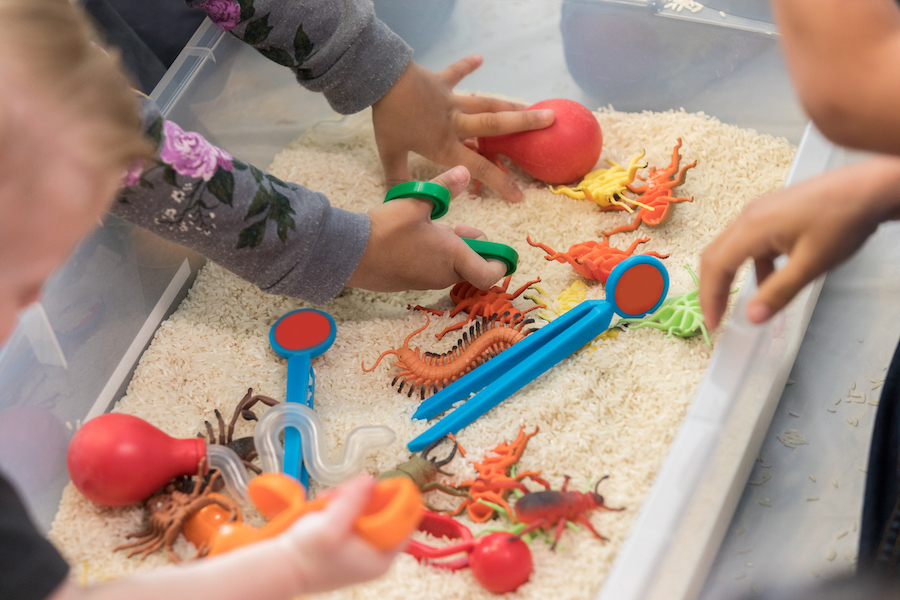
Ever caught your toddler or preschooler mesmerized by a handful of squishy cloud dough or crunchy rice? Sensory bins are that effortless win—shallow trays of safe, textured goodies that ignite curiosity, soothe busy bodies, and sneak in skill-building like fine motor grips and sensory smarts, all with stuff from your pantry. Whether at home during nap-hour chaos or in a classroom circle time, these ideas keep mess low (grab a sheet!) and joy high for 1-5-year-olds.
Why Sensory Bins Spark Growth
Hands diving into various feels like smooth pebbles or sticky foam, help young brains develop focus, creativity, and calm. They boost hand-eye coordination through scooping and sorting, while multi-sense play (touch, sight, sound) strengthens neural paths for language and problem-solving. Teachers love rotating themes to match units. For parents, they’re a 10-minute sanity-saver that preps kids for bigger adventures like buttoning shirts or sharing toys.
Quick parent-friendly setup rules
Keep materials taste-safe for toddlers (especially under age 3), choose larger objects, and supervise them closely. If using food items (rice, pasta, flour), change them often and store them dry to avoid spoilage. In classrooms, rotating bins and limiting the number of children per bin helps reduce mess and also improves turn-taking.
8 Easy Sensory Bin Ideas
Let’s get started with 8 easy sensory bin ideas—gentle, hands-on fun that sparks curiosity and skills using things you likely have at home.
Ocean Discovery Bin
Setup: Add blue-dyed rice (or plain rice) to a shallow tub, plus chunky sea animals, big shells, and a cup or spoon.
How to play (polite guidance): Invite your child: “Can you find the fish hiding under the rice?” Let them scoop, pour, and move animals gently through the “ocean.”
Why it’s effective: Scooping and pouring strengthens hand muscles needed later for crayons and self-help skills, while simple prompts build vocabulary like wet/dry, in/out, under/over.
Dino Dig Excavation
Setup: Use sand or kinetic sand with plastic dinosaurs, smooth stones, and a spoon/brush for “fossil cleaning.”
How to play: Say, “Let’s be paleontologists today.” Encourage slow digging, brushing, and naming what they find. Add counting: “How many dinos did you find?”
Why it’s effective: This supports patience, sequencing (dig → find → brush), and imaginative language through storytelling.
Paper Farm Bin (Toddlers + preschoolers)
Setup: Make a sensory bin using shredded paper, cotton balls, or pom poms. Hide small farm animals throughout the bin.
How to play: Offer a simple storyline: “The animals are hiding in the forest—can you find them?” Let your child dig through the materials to search for and uncover the animals.
Why it’s effective: Digging and searching strengthen fine-motor control, and pretend play naturally supports communication and early social thinking.
Rainbow Pasta Sorting Bin
Setup: Use dried colored pasta (or plain) with bowls/cups and a spoon or tongs (for older preschoolers).
How to play: Gently prompt: “Can we sort all the yellow pasta together?” Then switch to patterns: “Red–blue–red–blue.”
Why it’s effective: Sorting and patterning build early math readiness, and using tongs adds an extra fine-motor challenge.
Shaving Cream “Roads” Tray
Setup: Spray a layer of shaving cream in a tray; add toy cars and optional popsicle sticks to make “roads.”
How to play: Encourage your child to draw roads, make tracks, and drive cars slowly. If they enjoy letters, trace the first letter of their name in the foam.
Why it’s effective: This is calming, tactile input that supports pre-writing strokes and hand control in a low-pressure way.
Bean Construction Zone (Ages 2–5; closely supervised)
Setup: Fill a bin with large dried beans (like kidney beans) and add scoops, small cups, and chunky trucks.
How to play: Say, “Let’s load and unload like a builder.” Invite your child to fill trucks, dump, and repeat.
Why it’s effective: Repetitive fill-and-dump play builds coordination and focus, and it’s great for children who enjoy predictable actions.
Nature Texture Bin (Ages 1–5)
Setup: Collect safe nature items (big leaves, pinecones, smooth stones) and add a magnifier or small basket.
How to play: Use gentle language: “Which one feels soft? Which one feels bumpy?” Let them compare, match, and make little “collections.”
Why it’s effective: Describing textures builds sensory vocabulary and observation skills—useful for both speech development and science learning.
Bubble Foam Treasure Wash (Toddlers + preschoolers)
Setup: Make foam (soap + water whisked) in a tub and add plastic toys, cups, and a soft brush/toothbrush for “washing.”
How to play: Invite: “Let’s give the toys a bath.” Let your child scrub, rinse (with a small cup), and line toys up to “dry.”
Why it’s effective: This builds fine-motor control, practical-life routines (wash/rinse), and often works well as a calming reset activity.
Final Thoughts
Sensory bins turn everyday moments into joyful discoveries that build skills, spark curiosity, and create lasting memories with your little ones.
Whether at home or in the classroom, these simple setups invite hands-on wonder while gently supporting growth—from tiny scoops to imaginative stories. Embrace the mess (a little!), follow their lead, and watch confidence bloom. Happy sensory adventures ahead!

Related Post
15 Fun Activities to Build Gross Motor Skills
Speech Milestones in Children: Age-Wise Guide to parents

How to Build Your Child’s Self-Control
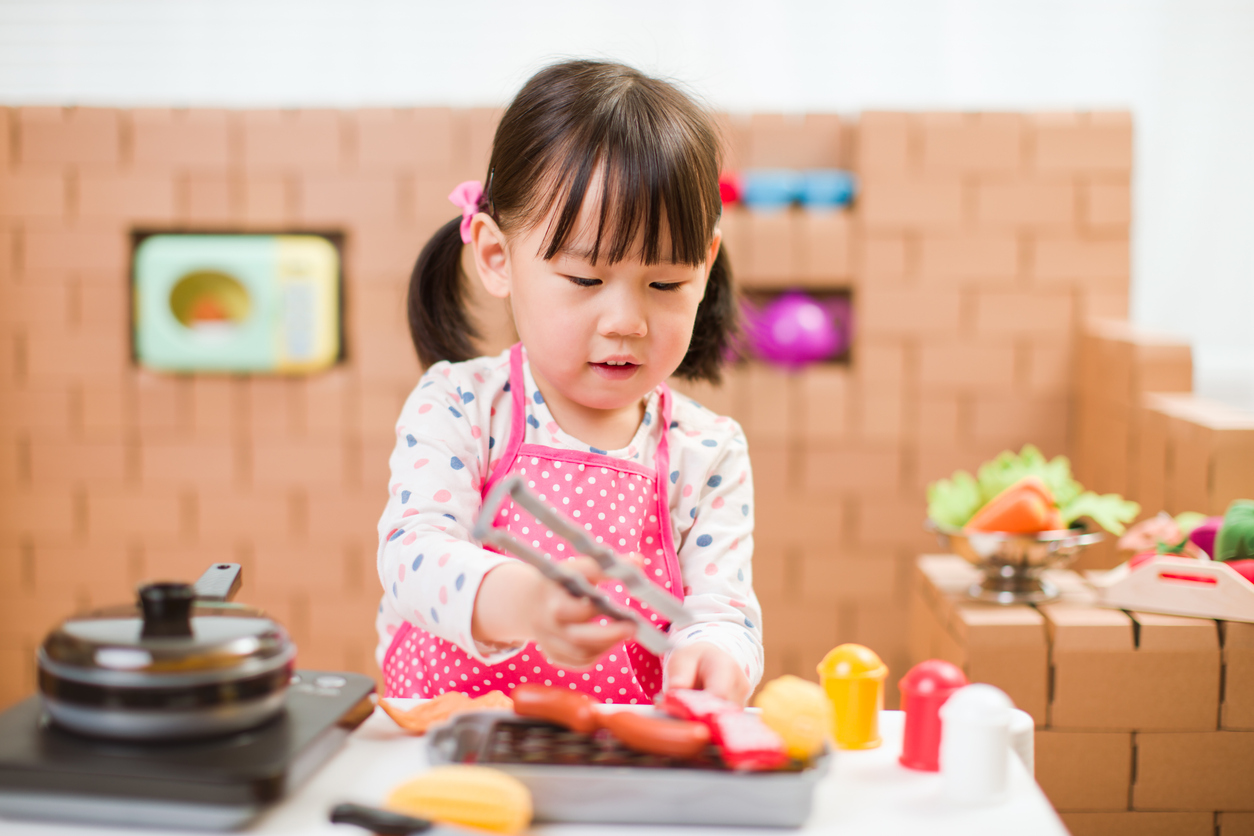
Tweezers and Tongs Activities for Little Hands
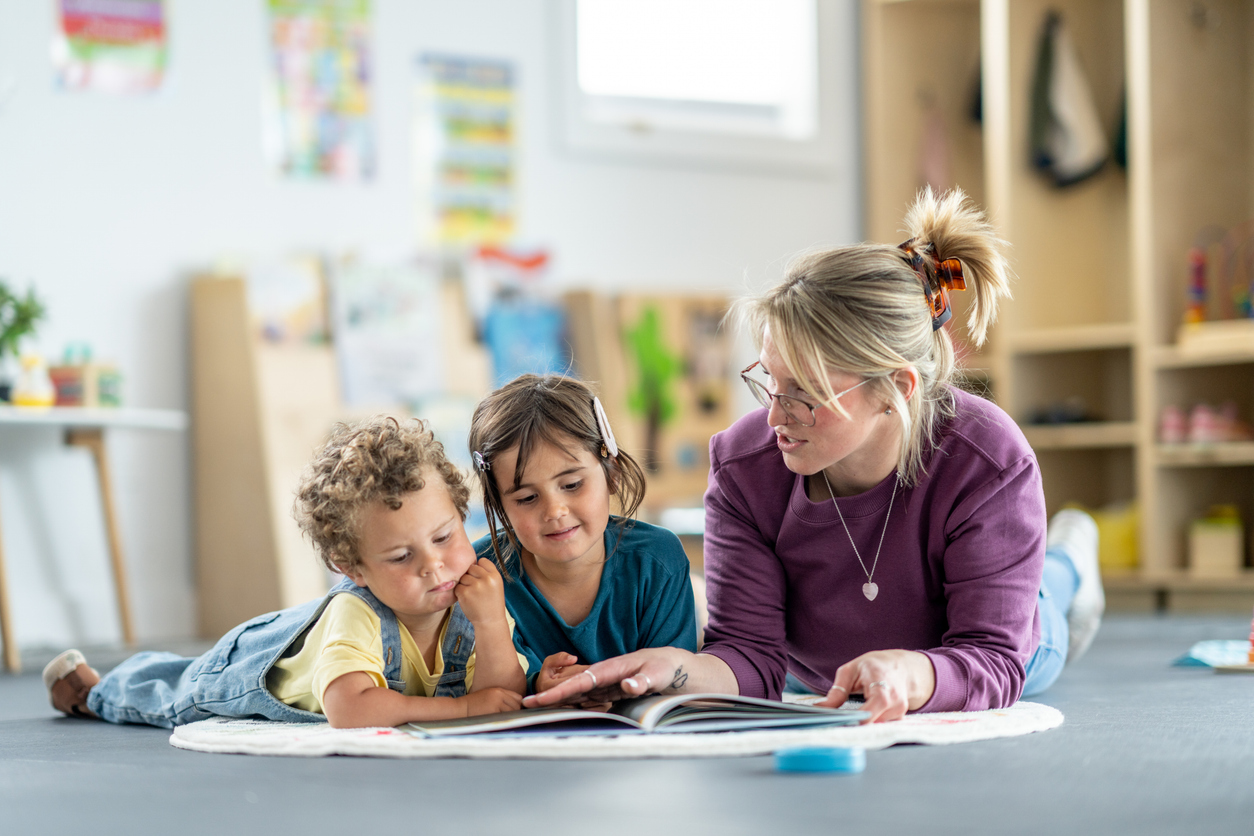
Alphabet Books Every Preschooler Should Read
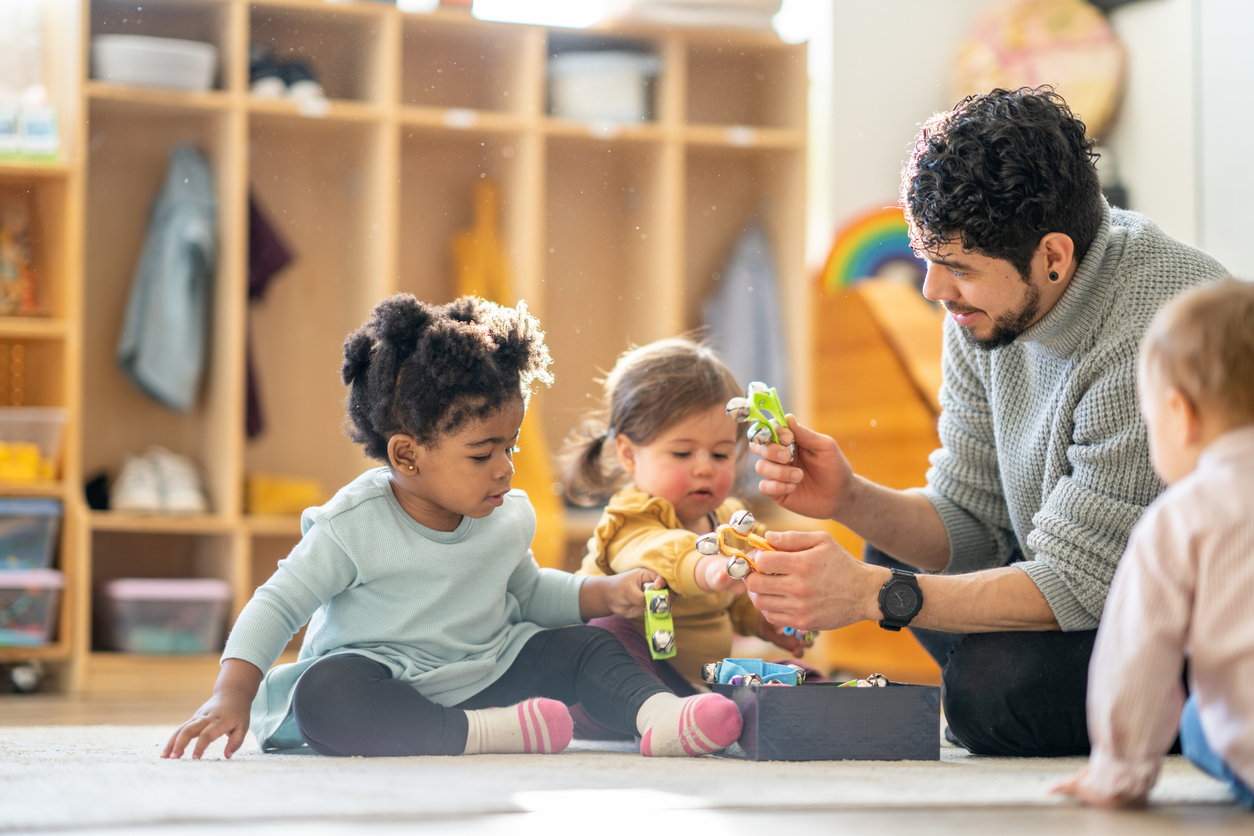
Teaching Sharing and Turn-Taking to Toddlers
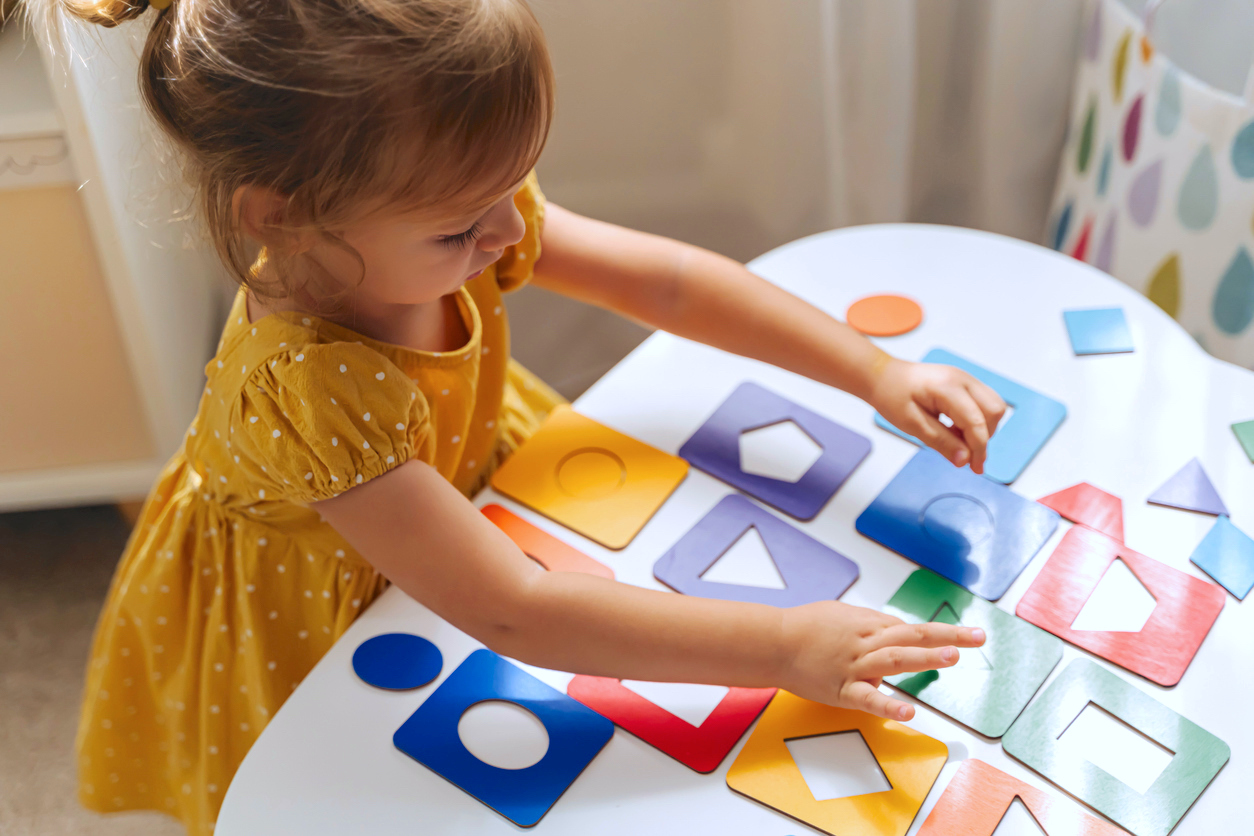
Simple Ways to Boost Your Child’s Working Memory
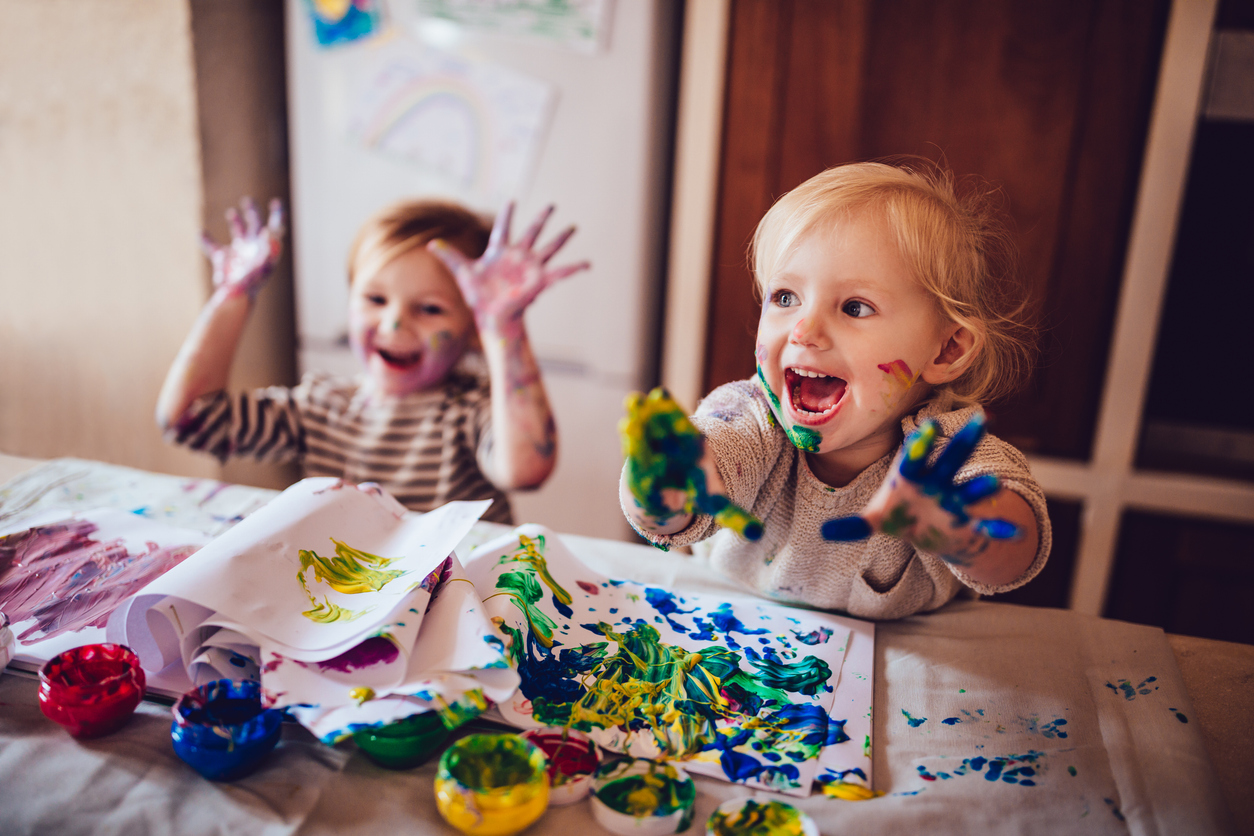
Messy Play Activities: A Detailed Parent Guide
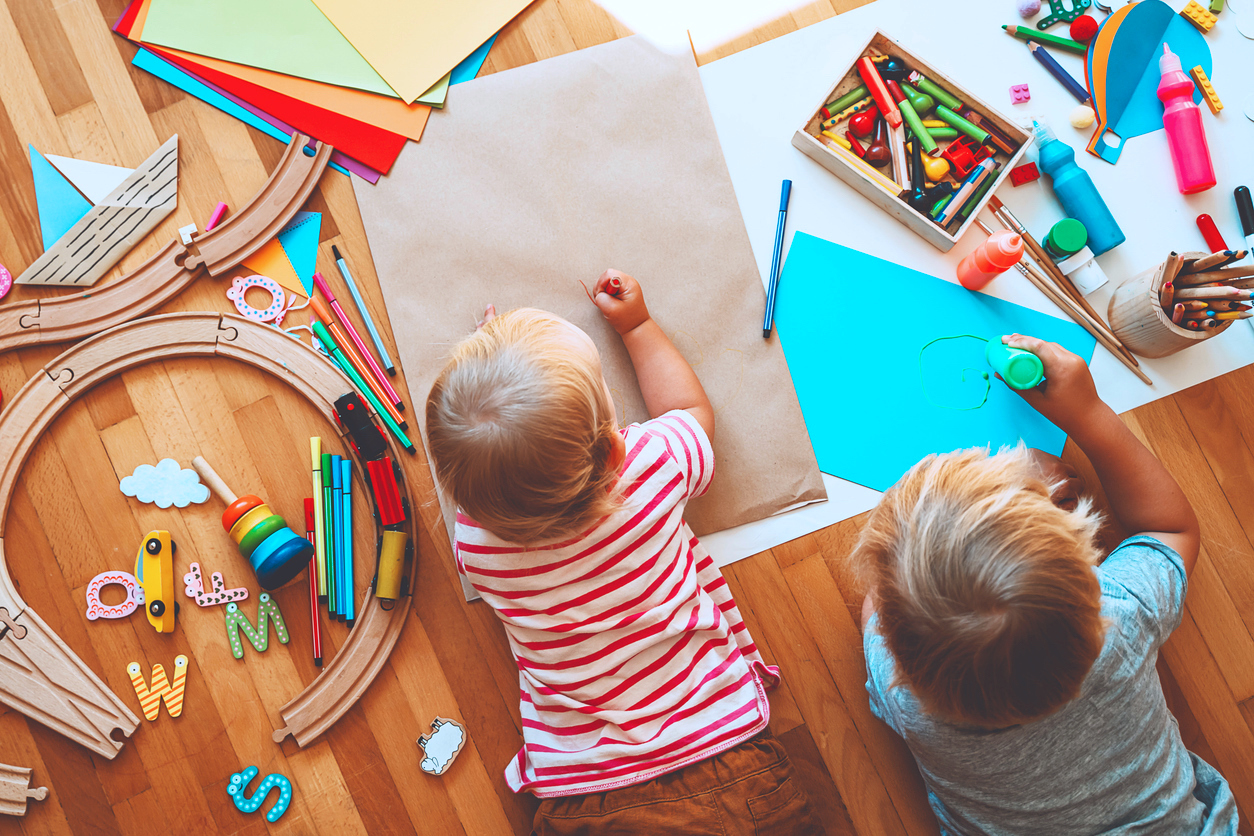
15 Fun Preschool Learning Activities for 3-Year-Olds
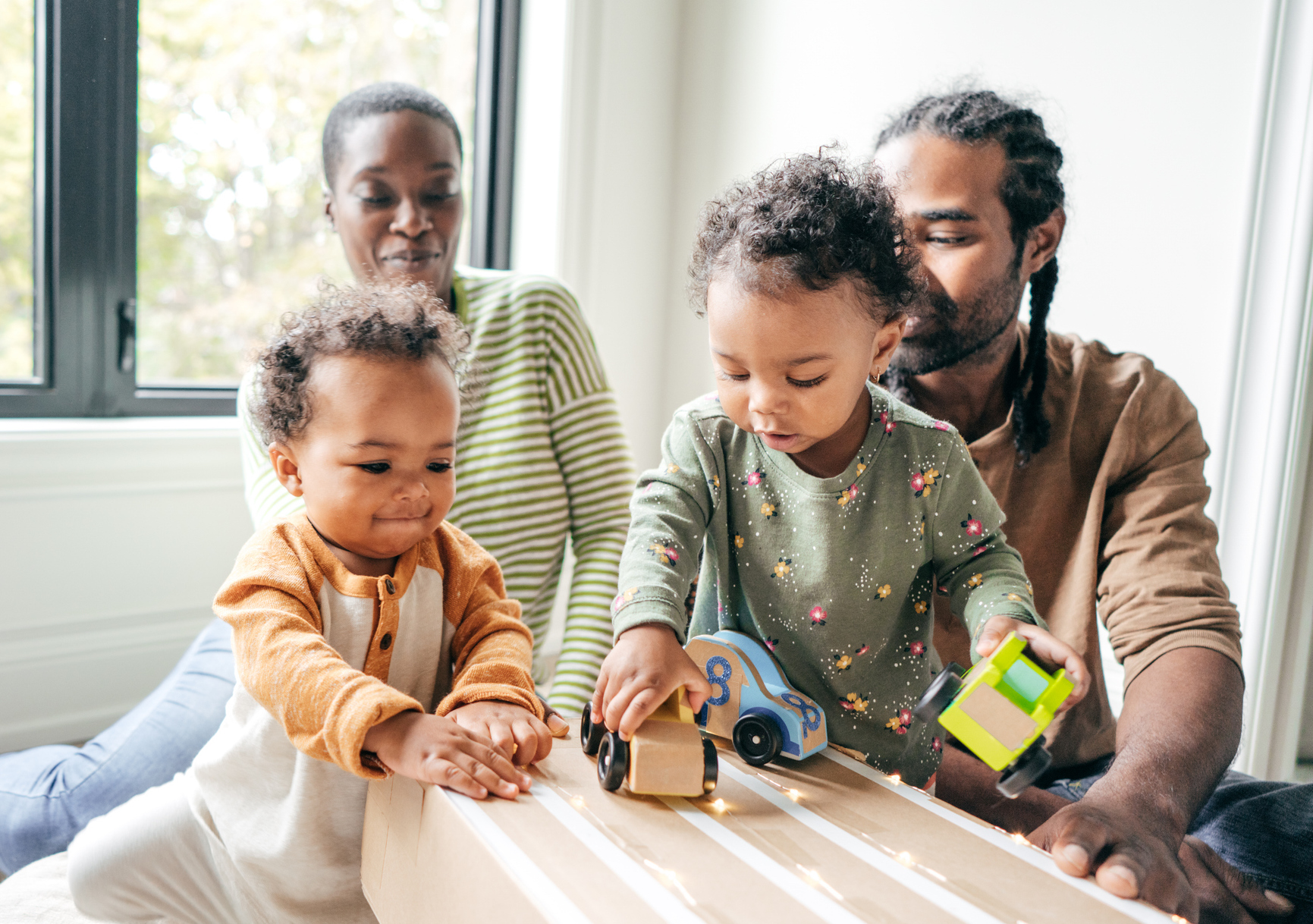
Age-Appropriate Learning Activities for Toddlers and Preschoolers
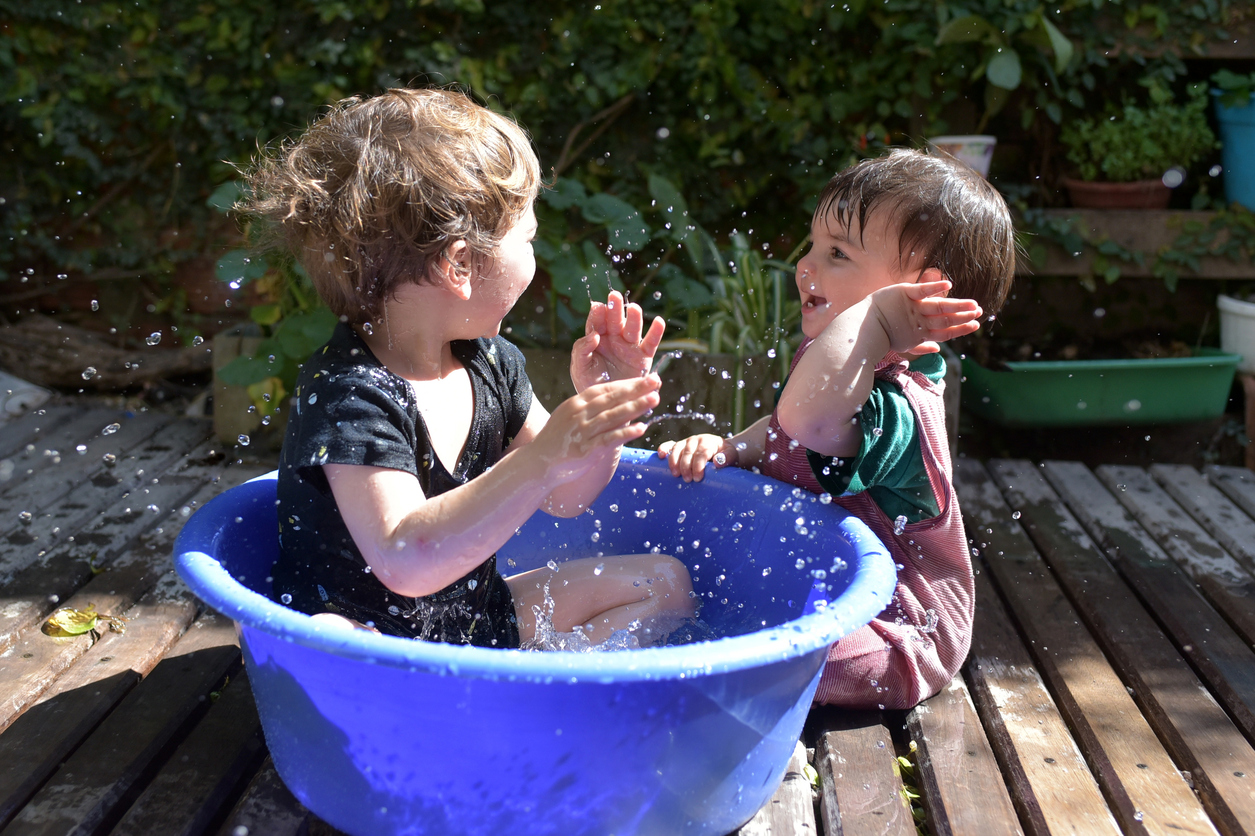
Water Play Activities for Toddlers
Sensory Activities for 2-Year-Olds: Brain-Building Through Play
Threading and Lacing Activities for Preschoolers

The Secret to Boosting Your Child’s Vocabulary: Pointing Gesture
When to Start Potty Training
How to Raise a Problem-Solver

Building Vocabulary in Toddlers Through Play: The Science-Backed Approach

50 Boredom Busters for Toddlers and Preschoolers
Best Scissor Skills Activities for Preschoolers
STEM Activities Using Kitchen Items for Preschoolers and Kindergarteners

Rhyming Games for Preschoolers: The Secret to Reading Success
Fine Motor Activities for 3-Year-Olds: The Complete Guide to Building Strong, Skilled Hands
Playdough Activities That Build Fine Motor Skills: The Science-Backed Guide for Parents and Teachers

Understanding Your Child’s Language Development

Understanding Executive Functions: Your Child’s Cognitive Toolkit for Success

Bringing WonJo Kids into Your Classroom: A Teacher’s Guide
Sight Words for Kindergarteners: A Complete Parental Guide
25 Fun Sorting Activities for Preschoolers – Easy, Printable & Hands-On Ideas
12 Best Pattern Activities for Preschoolers That Build Math & Reading Skills

Every Child Has a Learning Superpower
The Benefits of (Quality) Interactive Learning Apps for Preschoolers
Counting Activities for 3-Year-Olds: 20 Simple & Fun Ways to Grow Early Math Skills
Best Books for 3 Year Olds: 50+ Must-Read Picks to Spark a Love of Reading

Scientific Experiments for Preschoolers: 15+ Easy Activities That Spark Curiosity and Learning
Teaching Phonics at Home: A Parent’s Guide to Building Strong Readers
2-Year-Old Milestones: What to Look For
Building Confidence and Skills for Kindergarten Readiness
Understanding Your Child’s Gross Motor Development
Beat the Summer Slide Without Breaking a Sweat
Raising Tomorrow’s STEM Leaders: The Power of Spatial Skills

How to Turn Storytime into a Learning Moment?

Embracing Your Child’s Unique Strengths and Challenges: Understanding Learner Variability


