


Age-Appropriate Learning Activities for Toddlers and Preschoolers
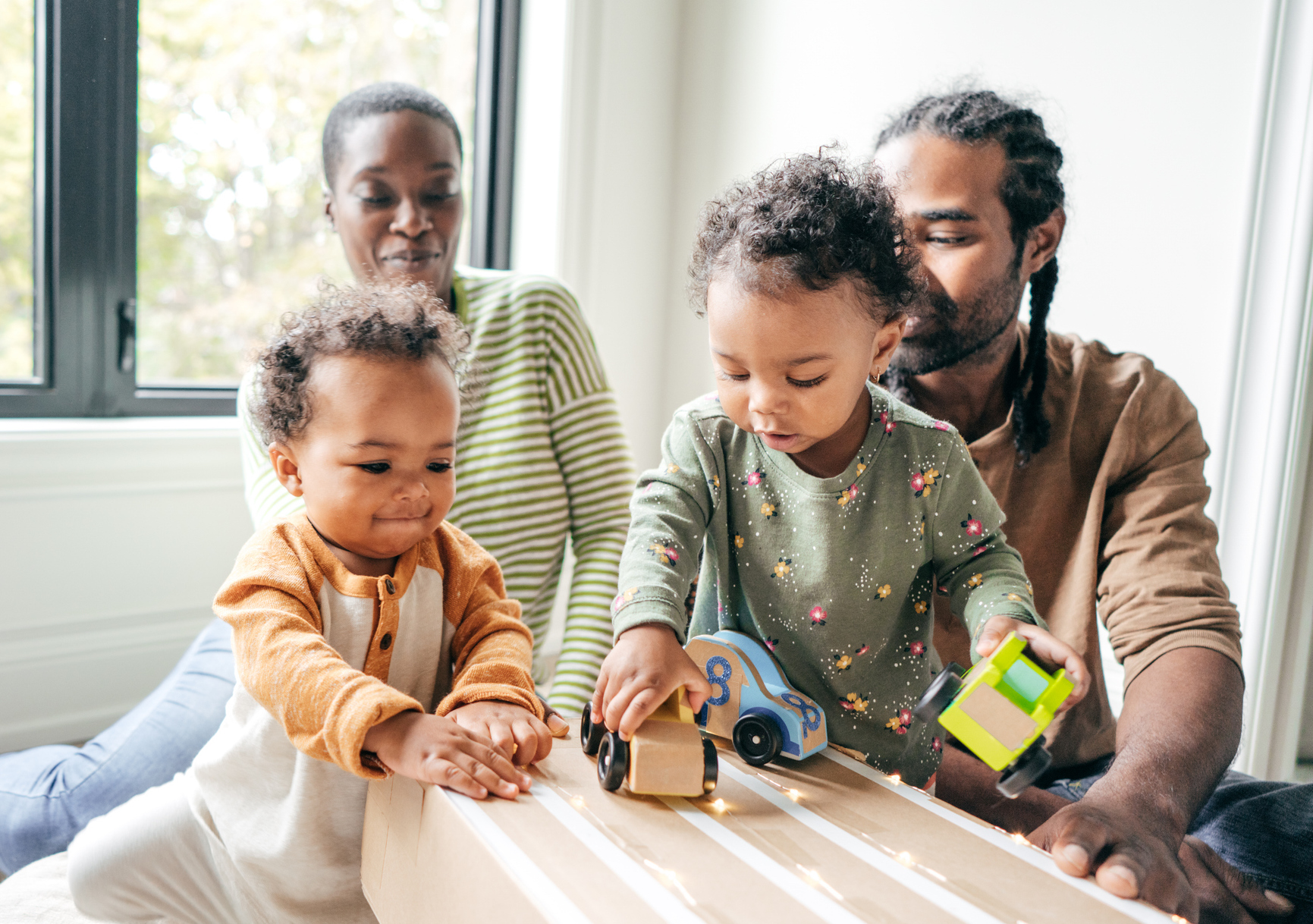
Watching your toddler or preschooler light up during playtime is pure magic. But picking the right activities that match their developmental stage keeps things fun, safe, and supports key developmental skills. From wobbly first steps to chatting up a storm, this guide breaks it down by age, blending home play for busy parents and classroom tips for educators.
Learning Activities and Games for Toddlers
For 1 to 2-Year-Old Toddlers
At this stage, babies are often crawling, standing with support, babbling, and saying first words. Activities can focus on sensory exploration, motor skills, and simple cause-effect relationships. Here is a list of activities that you can try:
-
Simple Follow-Alongs
Materials: Turn the music on or just sing a song.
How to play: Sing rhymes with claps or animal movements and narrate to your child.
Benefits: Singing and rhythmic movement support coordination and early language development, helping build gross motor skills and first words. -
DIY Sensory Bottles
Materials: Clear plastic bottles, water, glitter, beads
How to play: Let toddlers shake and watch the swirling contents for calm focus.
Benefits: Watching swirling glitter can help children calm down and focus.
This promotes sensory exploration and concentration. -
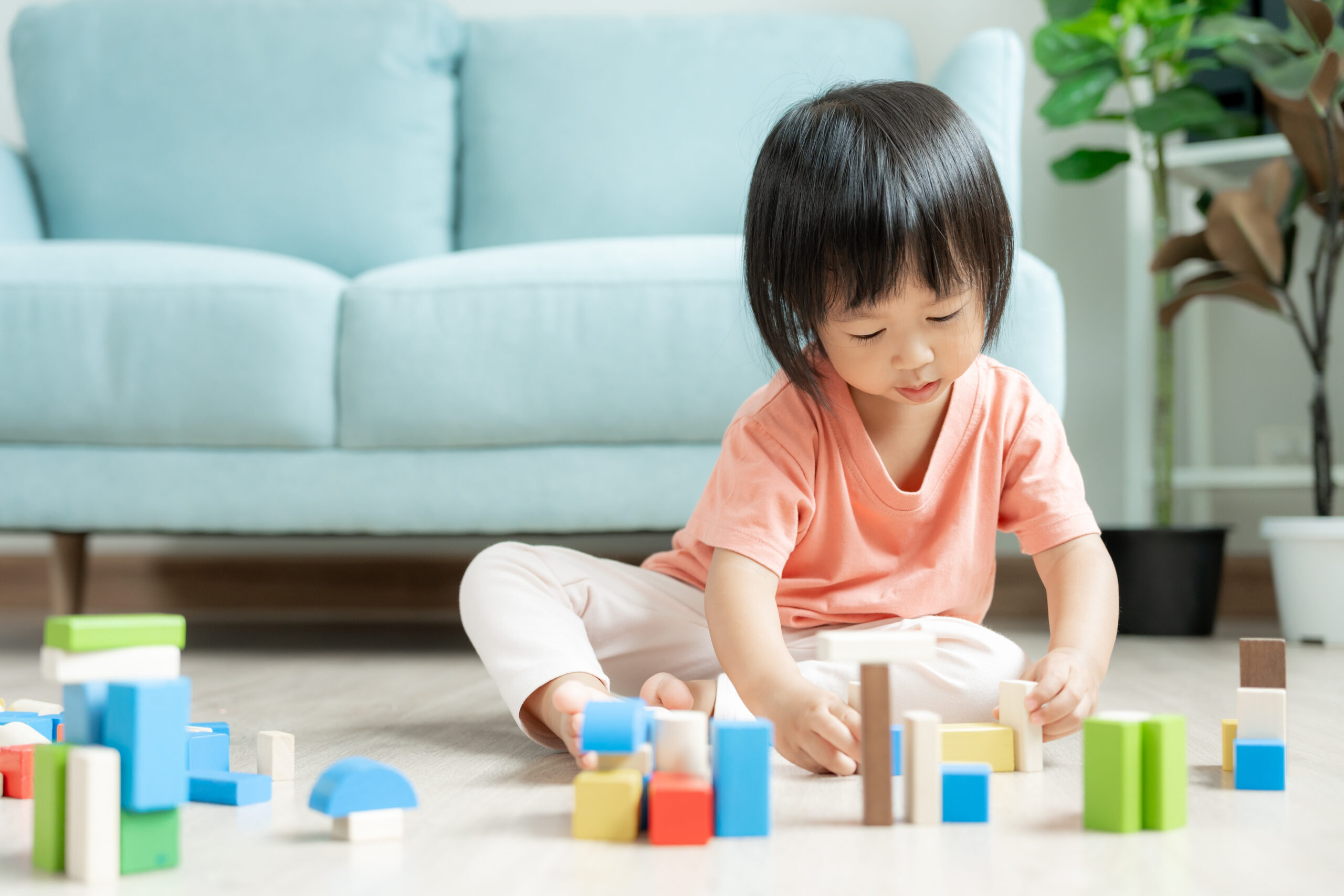
Stacking and Sorting Fun
Materials: Large blocks or shape sorters
How to play: Encourage stacking or shape-matching; teachers can set group tubs for parallel play.
Benefits: Handling large blocks develops hand-eye coordination, spatial reasoning, and problem-solving skills.
For 2 to 3-Year-Old Toddlers
This period is a remarkable phase of rapid growth in both language and physical abilities. Vocabulary expands rapidly as toddlers move from using single words to short phrases, enabling them to express needs, emotions, and curiosity more effectively. Physically, they gain improved balance and coordination, making walking and running more confident and enjoyable. Some activities that boost their development are listed below:
-
Color Sorting Treasure Hunt
Materials: Colored paper circles or cloth pieces, small baskets
How to play: Hide and find colored items to sort into matching baskets.
Benefits: Sorting reinforces color recognition and categorization and gross motor skills in kids. -
Sensory Walks or Bins
Materials: Trays filled with rice, water, or soft fabrics
How to play: Let children explore textures with hands or feet while naming sensations.
Benefits: Exploring varied textures sparks curiosity, and supports early sensory development and vocabulary. -
Animal Walk Relay
Materials: Open space, pictures of animals
How to play: Take turns “walking” like frogs, ducks, or bears across a space.
Benefits: Imitating animals builds gross motor skills and imagination which in turn helps in development of coordination, balance, and imaginative play. -
Bubble Wrap Stomp
Materials: Large bubble wrap taped to floor
How to play: Encourage children to stomp and pop bubbles while moving.
Benefits: Popping bubbles through stomping enhances balance and sensory feedback that encourages coordination and tactile awareness in kids -
Finger Paint Fun
Materials: Washable finger paints, large paper, trays.
How to play: Squeeze paint on paper; kids explore with fingers, naming colors and actions like swirl or tap.
Benefits: Builds hand control, sensory awareness, vocabulary, and imagination in kids
For 3 to 4-Year-Old Preschoolers
Preschoolers engage in imaginative play, follow simple rules, and develop pre-literacy and math skills.
-
Pretend Role-Play Scenarios
Materials: Dress-up props such as kitchen tools, doctor kits
How to play: Act out daily routines or fantasy roles; practice sharing props in groups.
Benefits: Dress-up and story enactment enrich language and social skills that enhance storytelling and social-emotional growth in them. -
Counting and Matching Games
Materials: Colored pom-poms, memory cards
How to play: Match pairs or count items; play group games like “Duck Duck Goose.”
Benefits: Sorting and matching promote early math, categorization skills and quantity understanding. -
Musical Freeze Dance
Materials: Music player or smartphone
How to play: Dance while music plays; freeze when it stops.
Benefits: Dancing and freezing on cue improves self-regulation and body awareness that strengthens motor control, and self-regulation in kids. -
Story Bag Theater
Materials: Bags containing varied objects or toys
How to play: Weave stories around them together and draw them.
Benefits: Creating stories with props boosts narrative abilities and imagination in them. -
Threading Pasta Necklaces
Materials: Holed pasta (e.g., penne), yarn or string
How to play: Thread pasta onto string to create necklaces or bracelets.
Benefits: Improves fine motor skills, hand-eye coordination, and early pattern recognition.
Encouragement for Parents and Educators
These play-based learning activities grow alongside your child’s milestones, from sensory fun in infancy to cooperative games in preschool. The goal is joyful learning, building skills naturally through play, movement, and imagination.
Your active involvement is the greatest support for their growth. By encouraging curiosity and creativity every day, you help lay a strong foundation for lifelong learning and confidence. Let’s turn everyday moments into learning adventures. Happy playing!

Related Post
15 Fun Activities to Build Gross Motor Skills
Speech Milestones in Children: Age-Wise Guide to parents

How to Build Your Child’s Self-Control
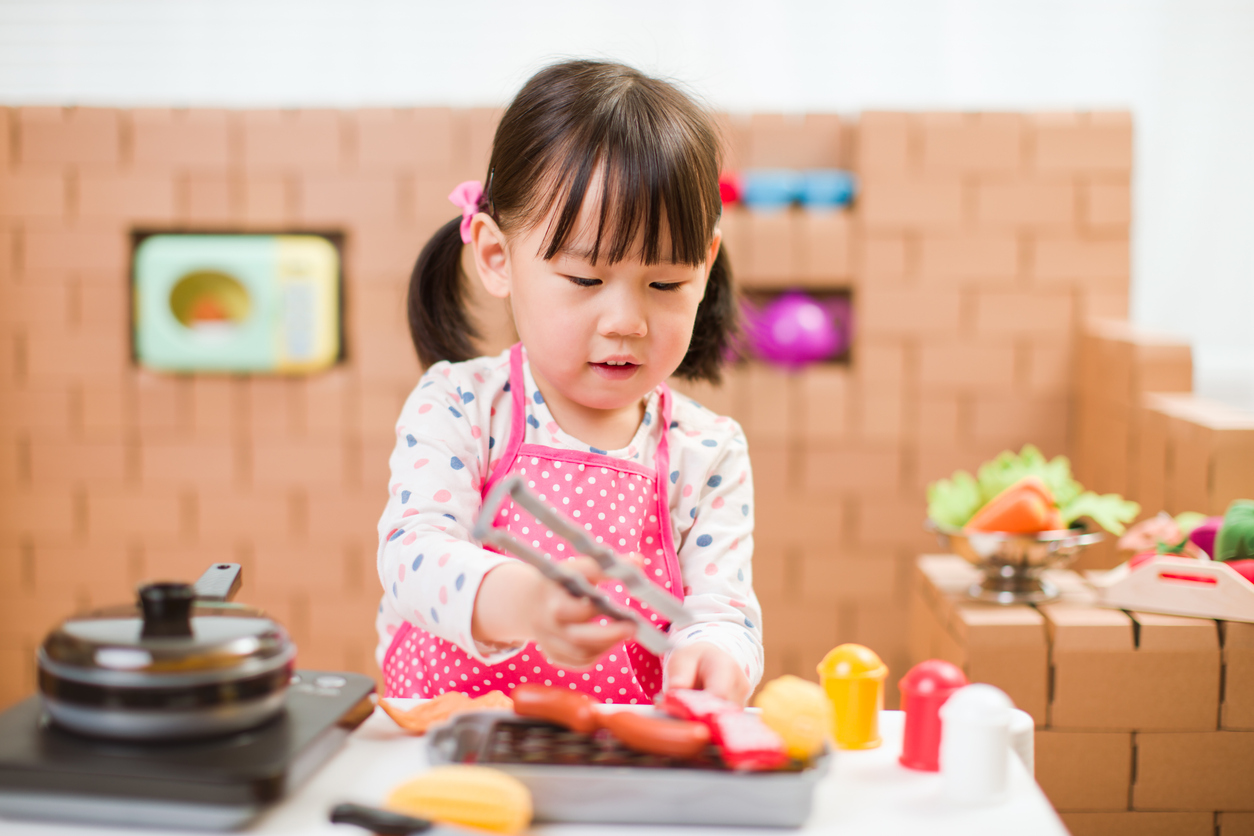
Tweezers and Tongs Activities for Little Hands
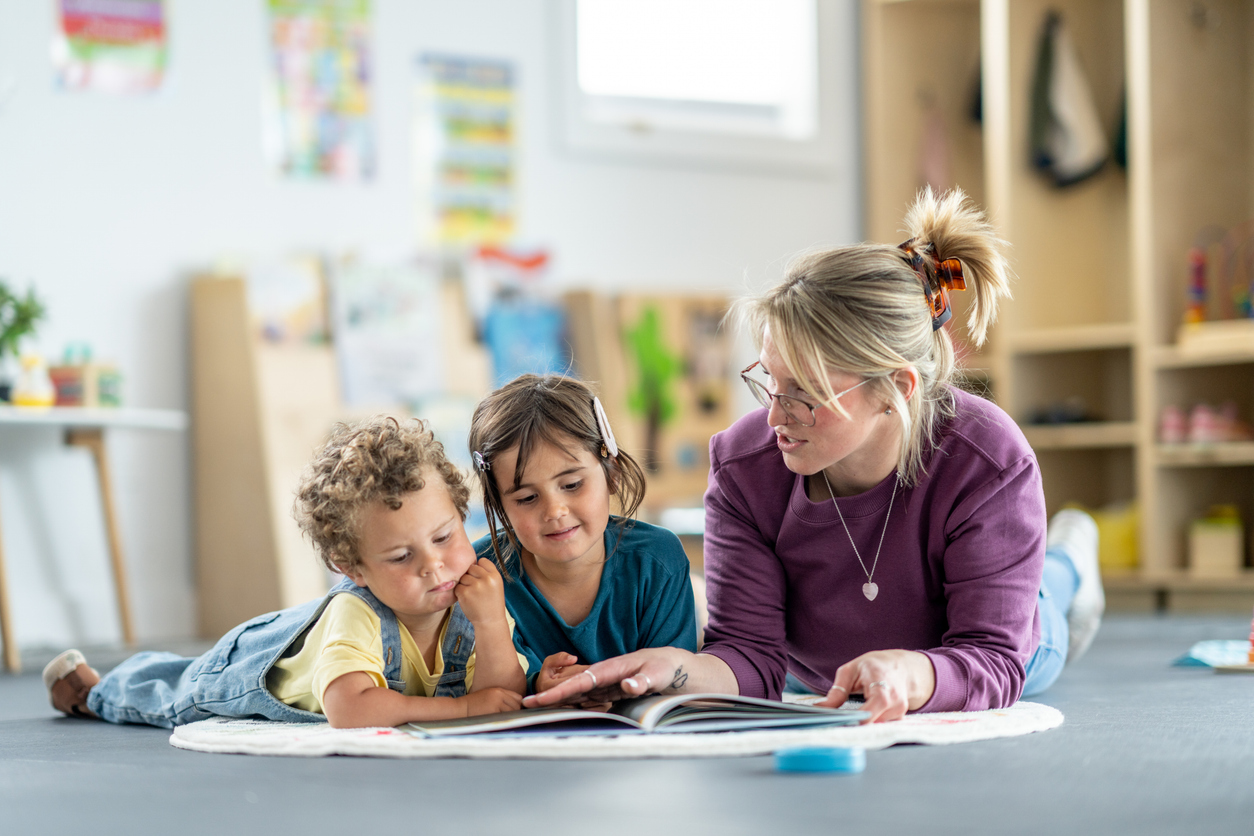
Alphabet Books Every Preschooler Should Read
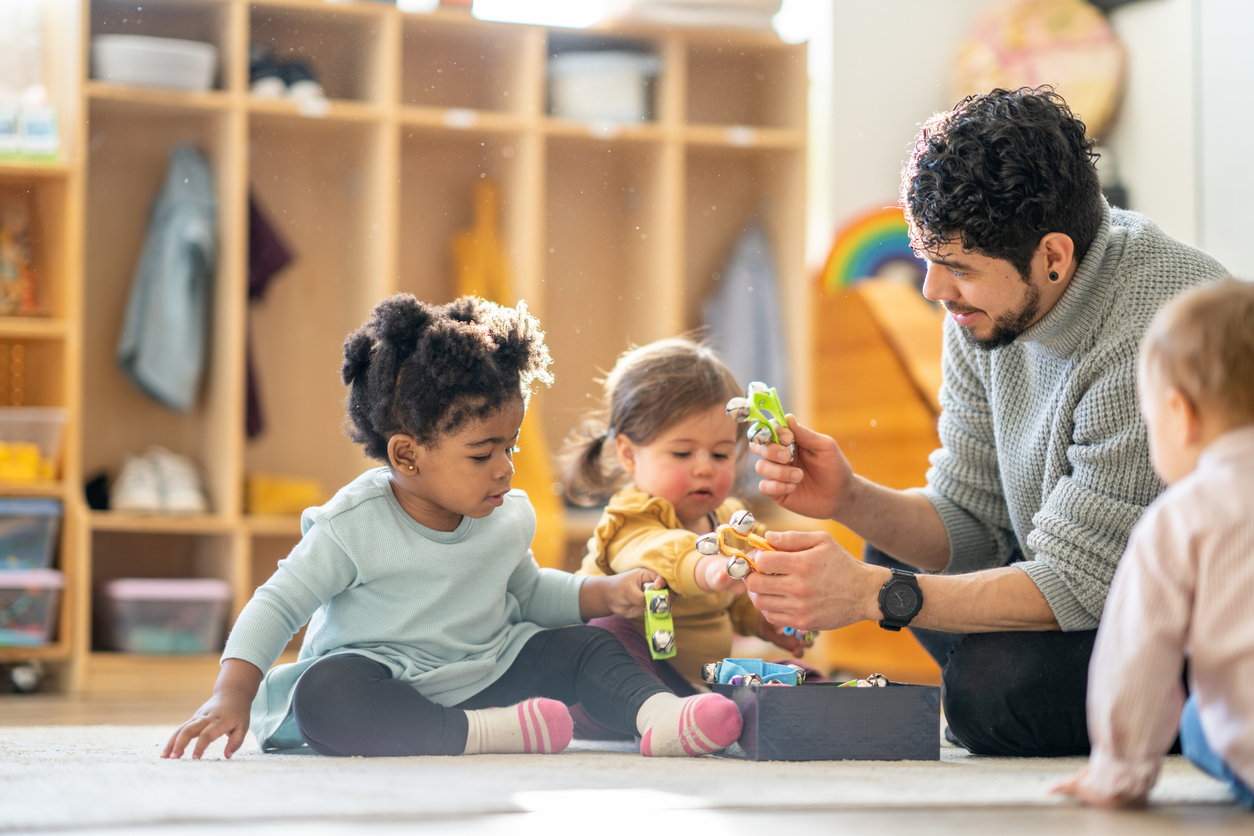
Teaching Sharing and Turn-Taking to Toddlers
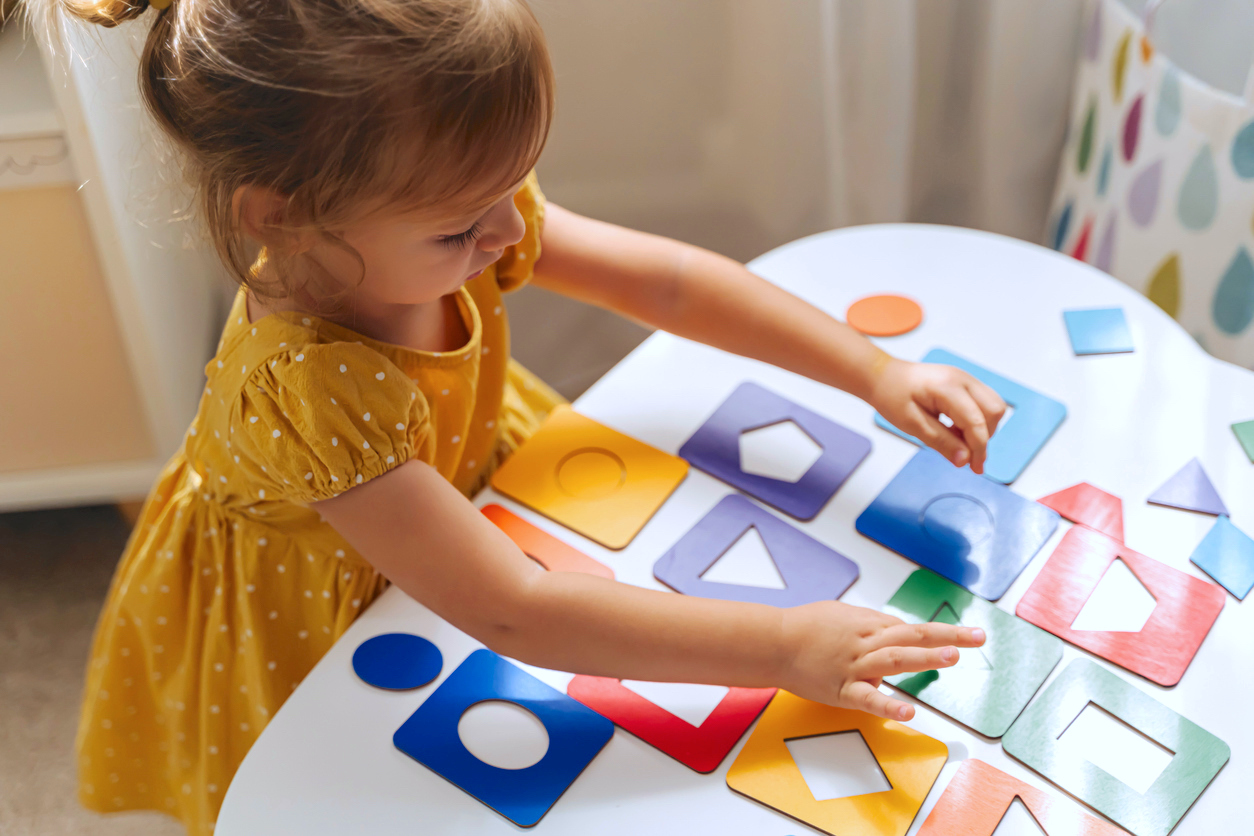
Simple Ways to Boost Your Child’s Working Memory

Messy Play Activities: A Detailed Parent Guide
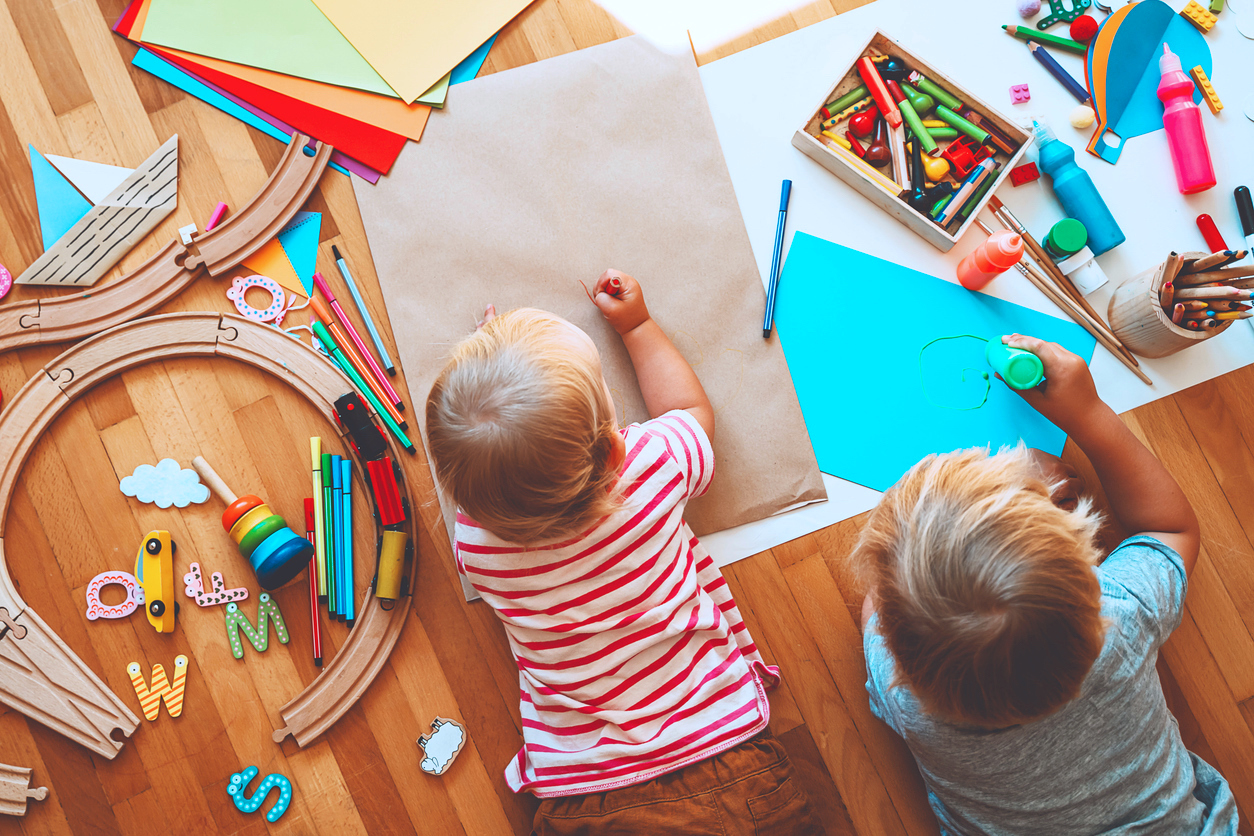
15 Fun Preschool Learning Activities for 3-Year-Olds
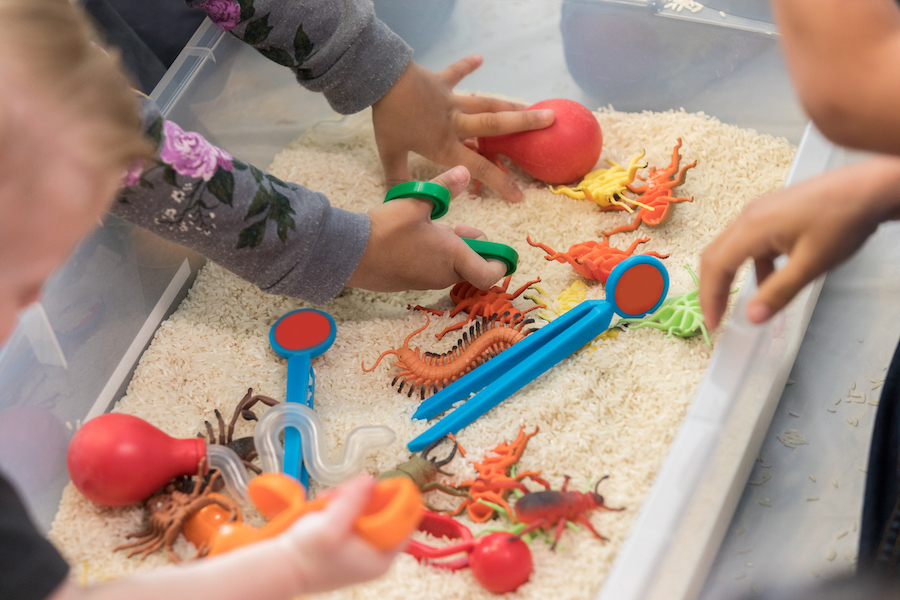
Easy Sensory Bin Ideas for Toddlers
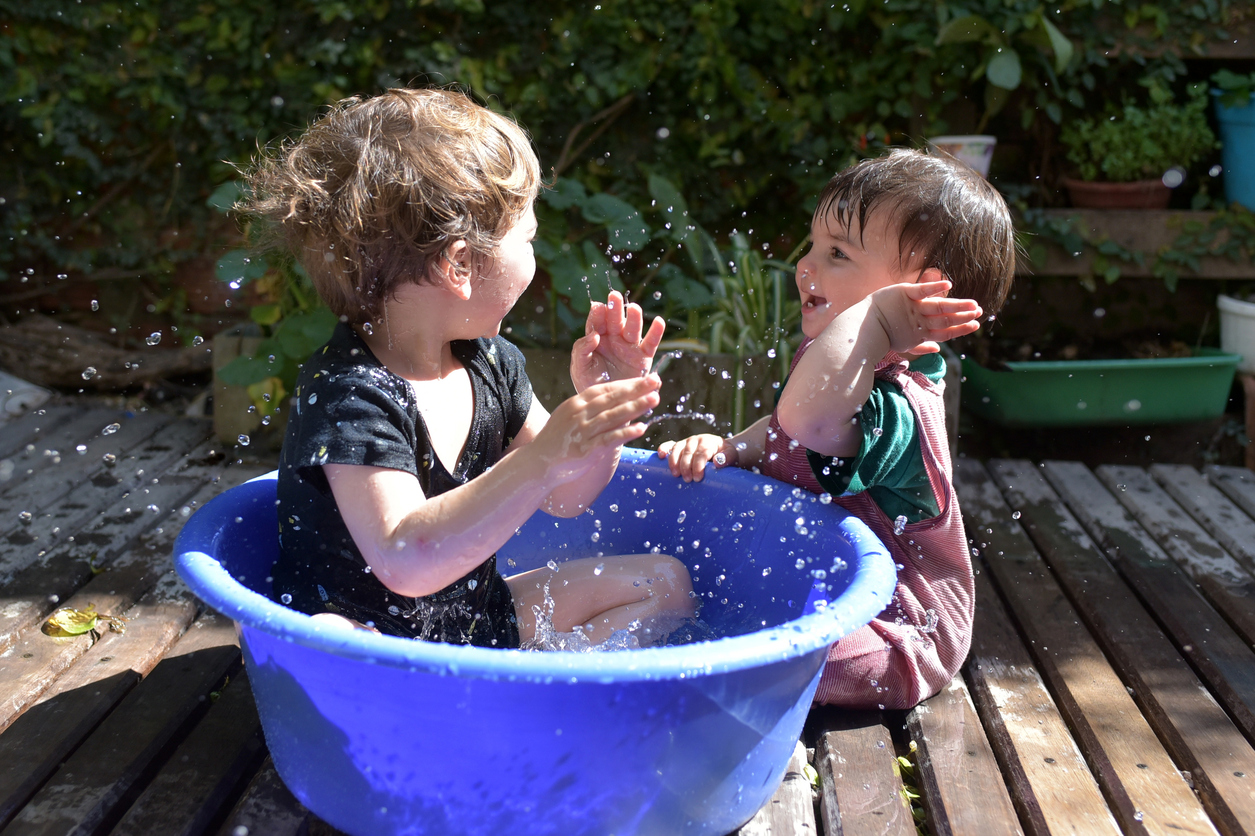
Water Play Activities for Toddlers
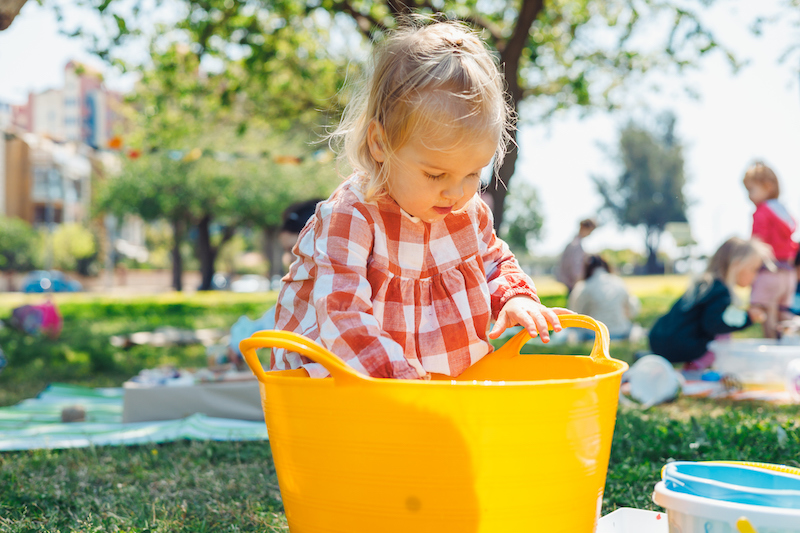
Sensory Activities for 2-Year-Olds: Brain-Building Through Play
Threading and Lacing Activities for Preschoolers

The Secret to Boosting Your Child’s Vocabulary: Pointing Gesture
When to Start Potty Training
How to Raise a Problem-Solver

Building Vocabulary in Toddlers Through Play: The Science-Backed Approach

50 Boredom Busters for Toddlers and Preschoolers
Best Scissor Skills Activities for Preschoolers
STEM Activities Using Kitchen Items for Preschoolers and Kindergarteners

Rhyming Games for Preschoolers: The Secret to Reading Success
Fine Motor Activities for 3-Year-Olds: The Complete Guide to Building Strong, Skilled Hands
Playdough Activities That Build Fine Motor Skills: The Science-Backed Guide for Parents and Teachers

Understanding Your Child’s Language Development

Understanding Executive Functions: Your Child’s Cognitive Toolkit for Success

Bringing WonJo Kids into Your Classroom: A Teacher’s Guide
Sight Words for Kindergarteners: A Complete Parental Guide
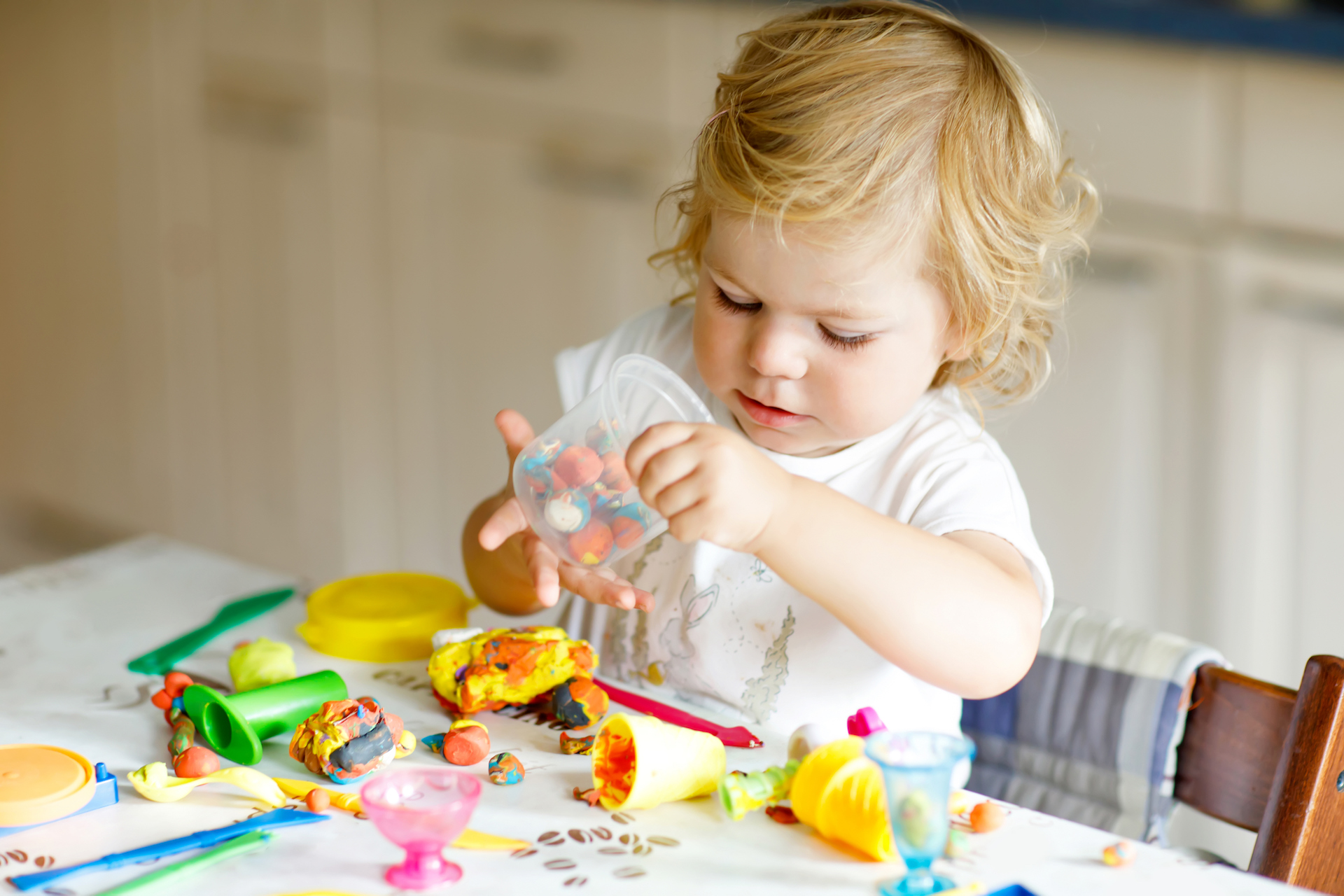
25 Fun Sorting Activities for Preschoolers – Easy, Printable & Hands-On Ideas
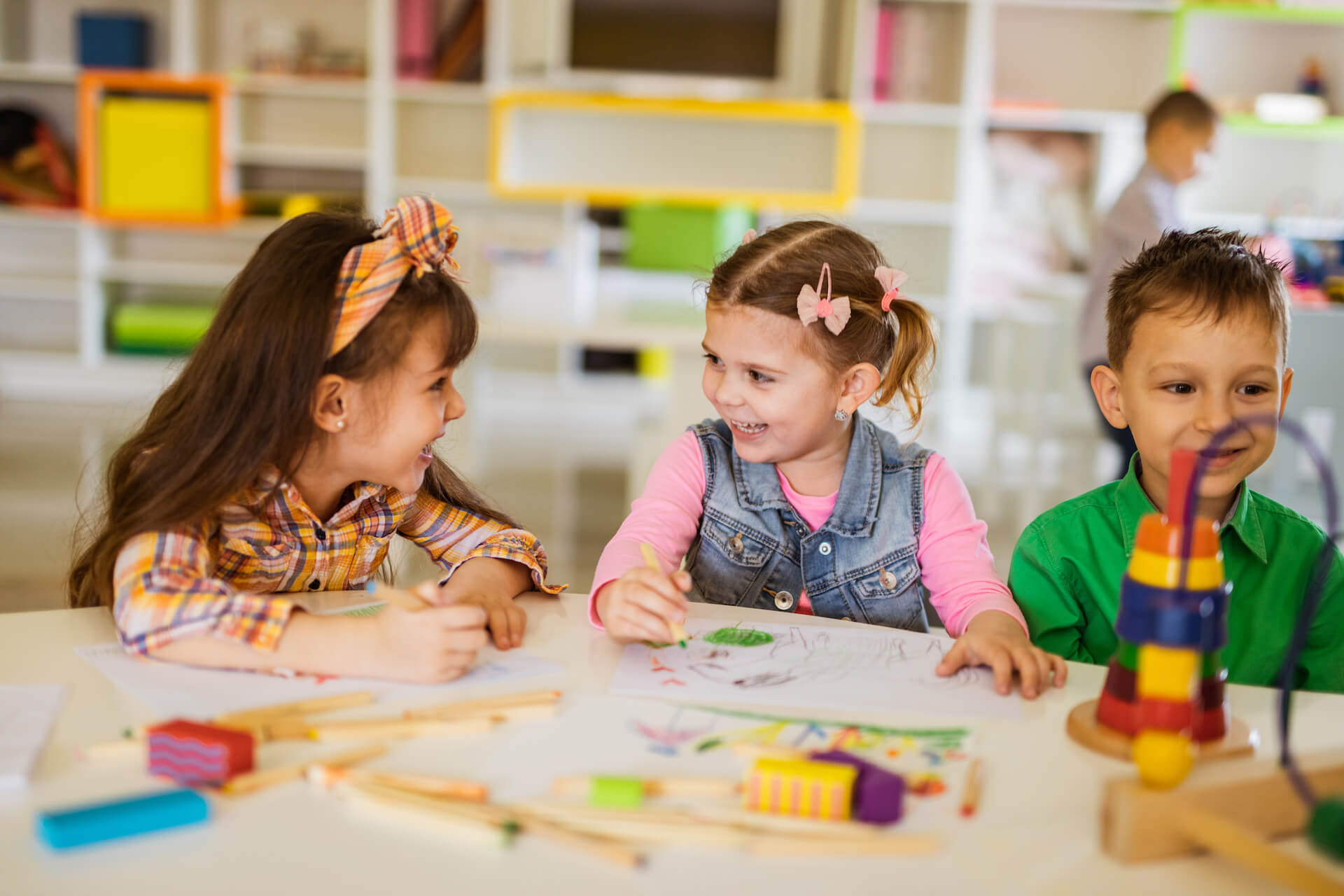
12 Best Pattern Activities for Preschoolers That Build Math & Reading Skills

Every Child Has a Learning Superpower
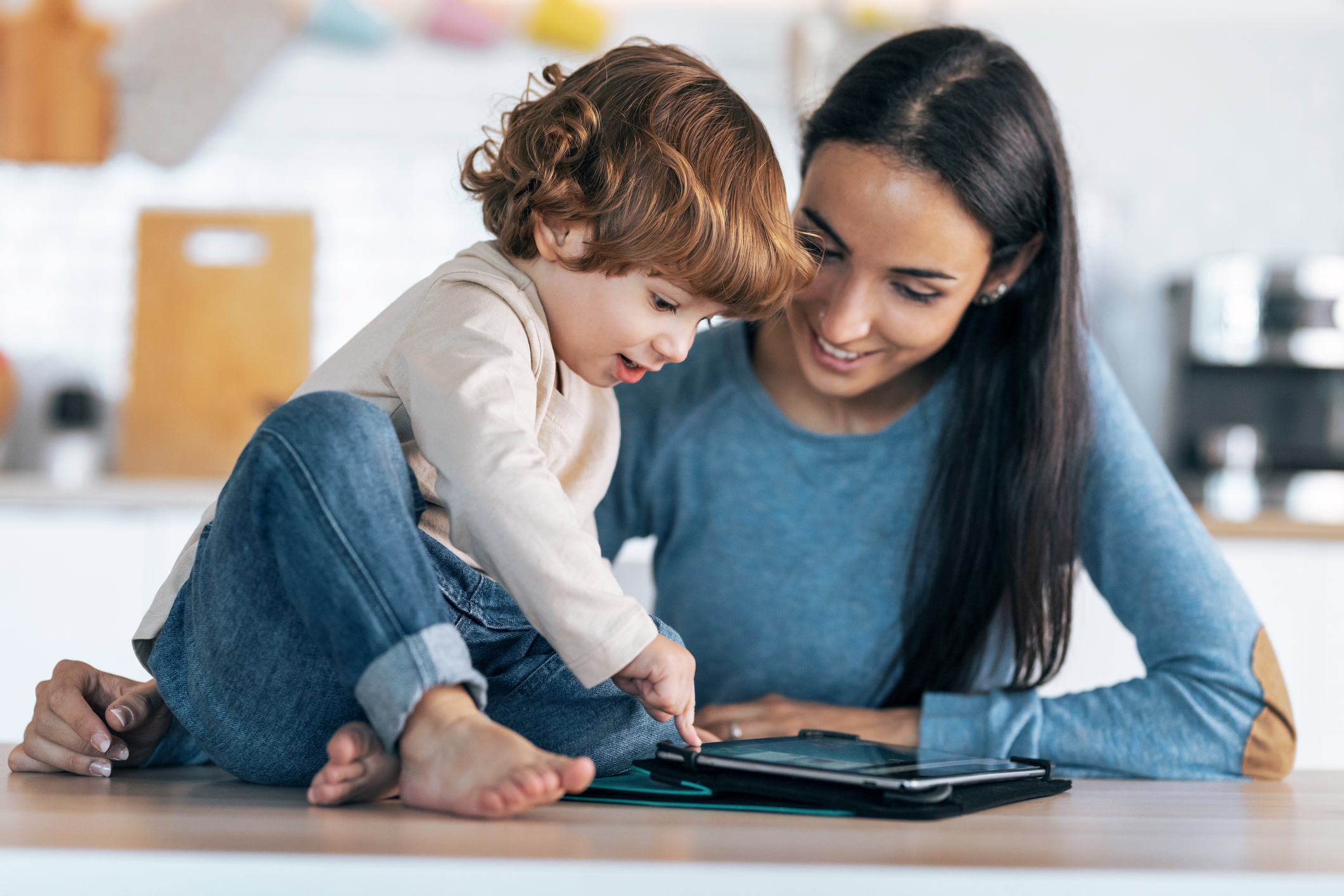
The Benefits of (Quality) Interactive Learning Apps for Preschoolers
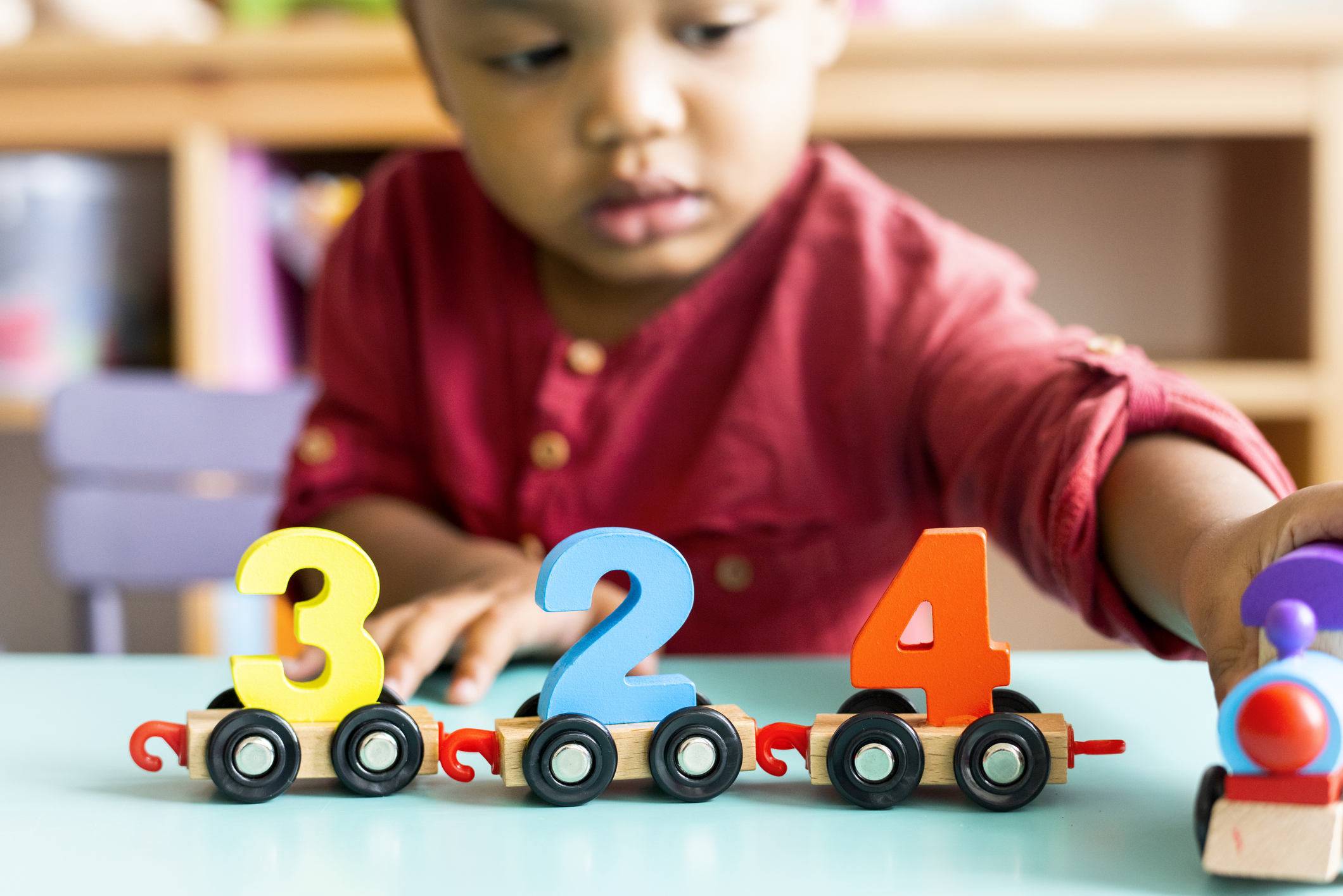
Counting Activities for 3-Year-Olds: 20 Simple & Fun Ways to Grow Early Math Skills
Best Books for 3 Year Olds: 50+ Must-Read Picks to Spark a Love of Reading

Scientific Experiments for Preschoolers: 15+ Easy Activities That Spark Curiosity and Learning
Teaching Phonics at Home: A Parent’s Guide to Building Strong Readers
2-Year-Old Milestones: What to Look For
Building Confidence and Skills for Kindergarten Readiness

Understanding Your Child’s Gross Motor Development
Beat the Summer Slide Without Breaking a Sweat
Raising Tomorrow’s STEM Leaders: The Power of Spatial Skills

How to Turn Storytime into a Learning Moment?

Embracing Your Child’s Unique Strengths and Challenges: Understanding Learner Variability


