


Understanding Separation Anxiety in Children
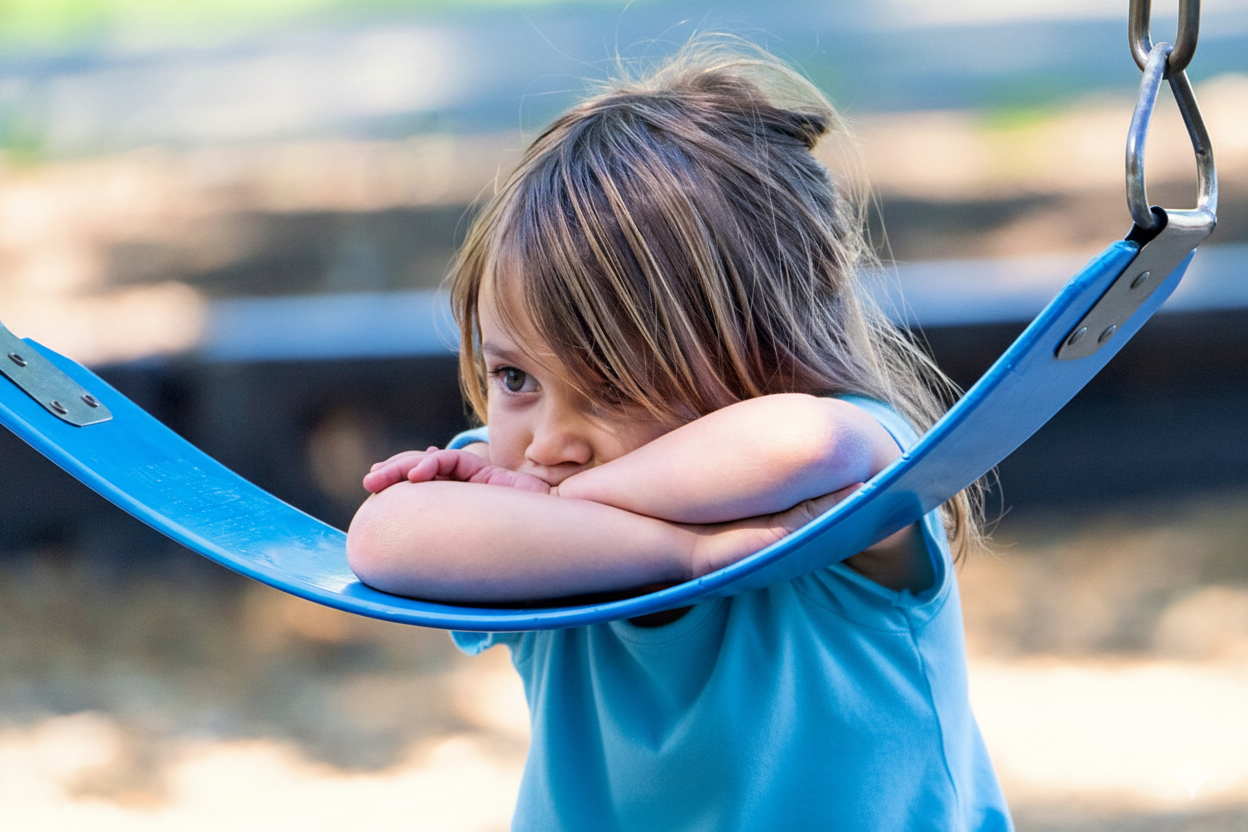
If your toddler clings to your leg at daycare drop-off or your preschooler dissolves into tears when you leave the room, you’re witnessing something completely normal: separation anxiety. While these moments can feel heartbreaking, understanding what’s happening can help you support your child through this developmental phase.
What Is Separation Anxiety?
The American Psychological Association defines separation anxiety as the typical worry a child feels when separated from their caregivers, or even when they think about being apart.
Separation anxiety looks different as children grow:
Babies often begin reacting strongly to separations once they realize that a parent who leaves still exists somewhere else. This awareness usually becomes clear around the end of the first year, though some babies show signs earlier.
In the toddler years, separations can feel even bigger. As children push for independence, they also better understand what it means for you to go away. Their protests may be intense, emotional, and difficult to calm.
By age three, many preschoolers recognize that their tears and pleas affect you. Their feelings are still real, but they may also hope their reaction will change the outcome.
At any age, goodbyes are harder when a child is tired, hungry, or sick.
When Does It Become a Disorder?
Sometimes, separation fears go beyond typical developmental patterns and interfere with daily life. According to DSM-IV-TR, separation anxiety disorder involves excessive, age-inappropriate distress about being apart from home or primary caregivers that persists over time.
Children with this disorder may experience:
- Intense worry before separations happen
- Constant fears that something bad will happen to their parents or that they’ll become permanently separated
- Refusing to go to school
- Being unable to sleep alone or stay in a room by themselves
- Nightmares about being separated
- Physical complaints like headaches, stomachaches, nausea, or vomiting that appear when separation is coming
For a diagnosis, these symptoms must significantly disrupt the child’s daily life, and symptoms need to last for at least 4 weeks.
If you recognize these signs in your child, don’t hesitate to talk with your pediatrician or a child therapist. Getting guidance early can help both you and your child feel better.
How Is the Separation Anxiety Disorder Treated?
If your child’s anxiety crosses into disorder territory, treatments can help:
Cognitive-behavioral therapy (CBT): This approach helps children identify their fearful thoughts and learn tools to manage them more effectively.
Exposure therapy: This method works by introducing separations in tiny, controlled increments. Over time, children learn they can tolerate the discomfort, and their anxiety lessens.
Supportive Parenting for Anxious Childhood Emotions (SPACE): This method works exclusively with parents rather than the child. It teaches you to become more supportive of your child’s emotions while simultaneously reducing the ways you’ve been adapting your behavior to help them avoid distress.
Practical Strategies for Everyday Separations
Whether your child shows typical separation worries or more significant struggles, these approaches can ease daily transitions:
Create a short goodbye routine. Make a simple ritual you repeat every time, like a special handshake and saying “Love you, have fun!” During goodbyes, be completely present and affectionate. Then leave, even if they cry or protest. Keep it quick. The longer you stay, the harder the separation becomes for both of you.
Stick to the same routine. When possible, drop off your child the same way at the same time each day. Knowing what to expect helps children feel secure and builds their confidence in both their independence and your reliability.
Come back when you say you will. Return at the time you promised. Each time you keep your word, you build your child’s trust and independence. Don’t go back unexpectedly to check on them. This can make anxiety worse and restart the whole separation process.
Describe time in ways they understand. Young children don’t know what “5 p.m.” means. Instead, say “I’ll pick you up after you play outside” or “I’ll be home after two bedtimes.” Connect your return to events in their daily life.
Practice being apart. Start small with brief separations at home, like stepping outside to water the plants while your partner stays with your child. Gradually build up to longer stretches, such as leaving them with a grandparent while you go grocery shopping. Before starting preschool, visit the new classroom together and practice your goodbye routine.
Tell them what’s going to happen. Let your child know what’s coming and point out positive parts: “Ms. Chen will read stories tomorrow, and you love story time!” Be honest about when you’ll return.
Recognize their feelings while showing confidence. Validate what they’re experiencing: “I can see you’re really worried about me leaving. But I know you can do this, even though it feels hard.”
Offer rewards for brave behavior. Set small goals, like saying goodbye calmly, and offer meaningful rewards. These don’t need to be big. A sticker, choosing dessert, or picking the bedtime book might work perfectly for your child.
Work with teachers and babysitters. Other caregivers can help by creating fun distractions: “Come help me feed the class fish!” Clear rules about where parents can and can’t go also provide helpful structure.
Try to Remember
When goodbyes feel impossibly hard, remember that separation anxiety is a sign your child loves you and feels safe with you. With patience, consistency, and the right support, most children develop the confidence to explore the world while knowing you’ll always come back.


Related Post

A 7-Day Kindness Challenge for Young Children
Fostering Gratitude in Toddlers and Preschoolers
Seeing Your Child Through Your Eyes: Why Parental Beliefs Matter

How Much Sleep Does Your Child Really Need?
Building Confidence in Shy Children

Emotional Regulation Activities for Young Children: Simple Tips Parents Can Use
How Everyday Moments Can Grow Empathetic Kids- Bruised Heads and Big Hearts
Social Skills Needed for Kindergarten Success: What Really Matters Most
Teaching Children About Kindness
Getting Ready for Kindergarten: Everyday Skills That Build Confidence and Independence

Surviving the Terrible Twos: Understanding and Managing Toddler Tantrums

Encouraging Independence in Young Children
How to Support Your Child’s Mental Health

Fear in Little Kids: What’s Normal and How to Help
What to Do When Your Young Child Has School Anxiety

How to Help Your High-Energy Child Slow Down and Find Calm
More Than Letters and Numbers: The Emotional Side of the Summer Slide

Let’s Talk About Inchstones: The Tiny Triumphs That Matter

Empowering Your Child’s Emotion Regulation Skills: Help Them Calm Down Without Screens


