


Tweezers and Tongs Activities for Little Hands
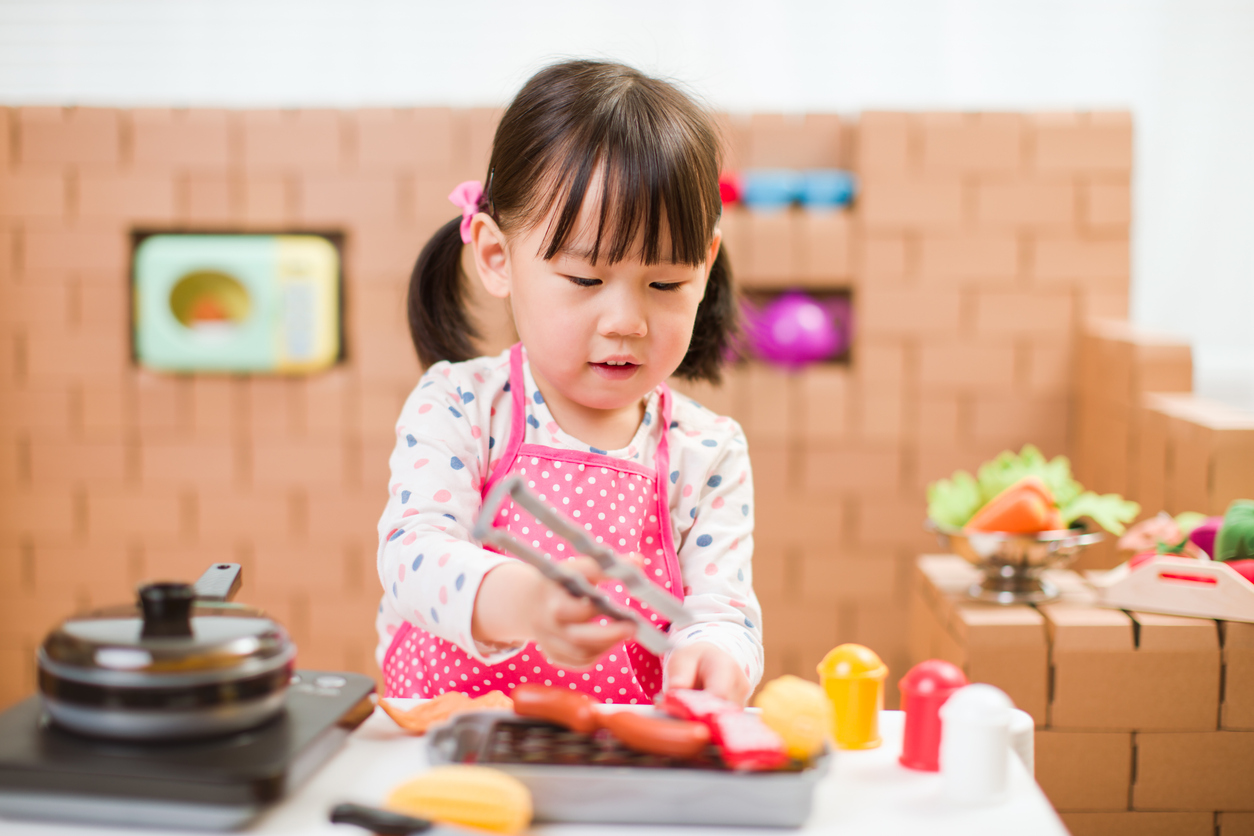
Small hands are getting ready for big things. Long before children learn to write their names, tie their shoes, or button a shirt, they need to build strength and control in their fingers. That’s where tweezers and tongs come in.
As a parent, these activities are genuinely useful: simple to throw together, interesting enough to hold attention, and genuinely helpful for your child’s development without turning into a classroom exercise.
Why These Tools Matter
When kids use tweezers or tongs, they’re using their fingers in a different way than when they’re just grabbing things. They have to slow down, pay attention. and squeeze with just the right amount of pressure.
All of this helps them:
- Build strength in their hand muscles
- Get better at making their hands and eyes work together
- Learn to focus and move with more control
- Get ready for holding a pencil and doing things independently
These are the building blocks for skills they’ll use every day.
When to Start
You can introduce large, easy-grip tongs around age 2 or 2.5 years. Tweezers usually work better once kids are closer to 3 or 4, when their fingers are stronger and more coordinated.
The main thing is to match what you’re giving them to what they can actually handle. If something feels too hard, switch to bigger objects or easier tools.
Activities for Younger Kids (Ages 2–3)
Start with tongs and larger objects
1. Pom-Pom Transfer
Put colorful pom-poms in one bowl. Show your child how to use the tongs to pick one up and move it to an empty bowl.
What it helps: Grip strength, using both hands together, staying focused.
Make it easier: Use big, fluffy pom-poms.
Make it harder: Add a timer and count together how many they can move in one minute.
2. Snack Transfer
Before a meal or snack time, give your child a plate of food, like halved grapes, cereal, crackers, and let them use tongs to move pieces from the serving plate to their own plate.
What it helps: Independence, coordination, confidence.
Make it easier: Start with softer foods that are easier to grip.
Make it harder: Have them count as they go: “Can you move three crackers?”
3. Ice Cube Rescue
Freeze small toys or beads inside ice cubes overnight. Put the ice cubes in a tray and give your child tongs to move them to a tray of warm water. As the ice melts, they can rescue the treasures inside.
What it helps: Patience, sensory exploration, tool control.
Keep it safe: Use larger toys for younger toddlers and supervise closely.
4. Cotton Ball Squeeze Play
Give your child a pile of cotton balls and a container. They use tongs or clothespins to squeeze each one and drop it in.
What it helps: Hand strength, learning how hard to squeeze, building endurance.
Make it more interesting: Use different colored cotton balls and have them sort by color, or add a timer to make it a game.
5. Feed the Toy
Take a stuffed animal or toy with a mouth (or just draw one on a box) and have your child “feed” it by using tongs to pick up small items, like blocks, pom-poms, even toy food, and place them in the mouth.
What it helps: Pretend play, precision, keeping them engaged.
Make it more fun: Use different animal toys and make up stories about what each one likes to eat.
6. Mini Construction Site
Set up two zones (maybe two mats or plates) and give your child tongs to move toy blocks from one to the other. You can call it a construction site and have them “build” something on the other side.
What it helps: Planning ahead, motor coordination, problem-solving.
Make it more fun: Add toy trucks or construction vehicles for pretend play.
If you’re looking for even more ways to build hand strength, check out our fine motor activities for 3-year-olds for simple, play-based ideas.
Activities for Older Kids (Ages 3–5)
Introduce tweezers and smaller objects
7. Color Sorting
Scatter colored items, like pom-poms, beads, or buttons, in a tray. Give your child tweezers and ask them to sort by color into small bowls or a muffin tin.
What it helps: Color recognition, sorting skills, controlled movement.
Make it easier: Start with just two colors.
Make it harder: Create patterns (red-blue-red) and have them copy it.
8. Nature Tray
After a walk outside, gather leaves, small pebbles, seeds, and flowers. Put them in a tray and let your child use tweezers to pick specific items (“Can you find a smooth pebble?”) and put them in a jar.
What it helps: Observation, gentle handling, finger precision.
Make it more interesting: Sort by size or type, or use it as a nature collection activity.
9. Counting Practice
Set up small cups labeled with numbers (1 to 5, or higher if they’re ready). Give your child tweezers and small items like beans or buttons. Ask them to put the right number of items in each cup while counting out loud.
What it helps: Early math, counting, concentration.
Make it easier: Use stickers on cups instead of numbers.
Make it harder: Go up to 10, or ask them to add or take away items.
10. Shape Sorting
Cut out foam or rubber shapes. Draw matching outlines on cards. Have your child use tweezers to pick up shapes and place them on the correct outlines.
What it helps: Spatial awareness, shape recognition, accuracy.
Make it easier: Start with circles and squares.
Make it harder: Add triangles and stars.
11. Sensory Bin Hunt
Fill a bin with rice, dried beans, or pasta, and hide small toys inside. Give your child tweezers and have them search for specific items: “Can you find the blue car?”
What it helps: Sensory exploration, sorting, calm focus.
Keep it safe: Use larger fillers like pasta if your child still puts things in their mouth.
Make it more fun: Theme it, like ocean animals, dinosaurs, farm toys.
12. Water Bead Transfer
Put water beads in a bowl. These are slippery, so your child has to be gentle with the tongs to move them to another bowl without squashing them.
What it helps: Grip control, sensory play, gentle handling.
Keep it safe: Supervise closely and dispose of beads properly when done.
Make it more interesting: Mix different colors.
13. Alphabet Pick-Up
Spread foam or wooden letters on a tray. Call out letters or their sounds, and have your child use tweezers to pick them up and place them in order.
What it helps: Letter recognition, fine motor control, visual tracking.
Make it easier: Start with the letters in their name.
Make it more fun: Sing the alphabet song while they work.
14. Pattern Making
Set out colored beads or small blocks and strips of paper with simple patterns drawn on them (red-yellow-red). Have your child use tongs or tweezers to recreate the pattern.
What it helps: Sequencing, visual memory, logical thinking.
Make it easier: Model the pattern first and let them copy it.
Make it harder: Let them create their own patterns.
15. Clean-Up Game
At the end of playtime, turn clean-up into an activity. Give your child tongs and have them sort toys into bins—blocks here, animals there.
What it helps: Responsibility, independence, coordination.
Make it more fun: Time it as a race or switch up which toys they’re sorting.
A Few Things to Remember
Don’t push too hard. If your child gets frustrated, the activity stops being fun. That’s your sign to make it easier, take a break, or try again another day.
Keep it short. Five to ten minutes is plenty. End while they’re still enjoying it.
Let them lead. If they want to sort by color instead of counting, that’s fine. If they want to use the tongs to build a tower instead of transferring, let them. The real learning happens when they’re interested.
Praise the effort, not the result. Say things like, “You’re working so hard on that!” instead of “You got it right.”
Give them choices. “Do you want to use the tongs or the tweezers today? Red bowl or blue bowl?” Choices make kids feel capable and in control.
Most importantly, step back. Show them once, then let them figure it out. They don’t need you hovering. They need space to try, mess up, and try again.
Final Thoughts
These activities look small, but they’re doing big things. Every time your child squeezes a pair of tongs or carefully picks up a tiny bead with tweezers, they’re building the foundation for writing, getting dressed, and all the little tasks that make up independence.
For you, it’s an easy setup. For them, it’s play. And somewhere in the middle, they’re learning without realizing it.

Related Post
15 Fun Activities to Build Gross Motor Skills
Speech Milestones in Children: Age-Wise Guide to parents

How to Build Your Child’s Self-Control
Alphabet Books Every Preschooler Should Read
Teaching Sharing and Turn-Taking to Toddlers
Simple Ways to Boost Your Child’s Working Memory
Messy Play Activities: A Detailed Parent Guide
15 Fun Preschool Learning Activities for 3-Year-Olds
Easy Sensory Bin Ideas for Toddlers
Age-Appropriate Learning Activities for Toddlers and Preschoolers
Water Play Activities for Toddlers
Sensory Activities for 2-Year-Olds: Brain-Building Through Play
Threading and Lacing Activities for Preschoolers

The Secret to Boosting Your Child’s Vocabulary: Pointing Gesture
When to Start Potty Training
How to Raise a Problem-Solver
Building Vocabulary in Toddlers Through Play: The Science-Backed Approach

50 Boredom Busters for Toddlers and Preschoolers
Best Scissor Skills Activities for Preschoolers
STEM Activities Using Kitchen Items for Preschoolers and Kindergarteners

Rhyming Games for Preschoolers: The Secret to Reading Success
Fine Motor Activities for 3-Year-Olds: The Complete Guide to Building Strong, Skilled Hands
Playdough Activities That Build Fine Motor Skills: The Science-Backed Guide for Parents and Teachers

Understanding Your Child’s Language Development

Understanding Executive Functions: Your Child’s Cognitive Toolkit for Success

Bringing WonJo Kids into Your Classroom: A Teacher’s Guide
Sight Words for Kindergarteners: A Complete Parental Guide
25 Fun Sorting Activities for Preschoolers – Easy, Printable & Hands-On Ideas
12 Best Pattern Activities for Preschoolers That Build Math & Reading Skills

Every Child Has a Learning Superpower
The Benefits of (Quality) Interactive Learning Apps for Preschoolers
Counting Activities for 3-Year-Olds: 20 Simple & Fun Ways to Grow Early Math Skills
Best Books for 3 Year Olds: 50+ Must-Read Picks to Spark a Love of Reading

Scientific Experiments for Preschoolers: 15+ Easy Activities That Spark Curiosity and Learning
Teaching Phonics at Home: A Parent’s Guide to Building Strong Readers
2-Year-Old Milestones: What to Look For
Building Confidence and Skills for Kindergarten Readiness

Understanding Your Child’s Gross Motor Development
Beat the Summer Slide Without Breaking a Sweat
Raising Tomorrow’s STEM Leaders: The Power of Spatial Skills

How to Turn Storytime into a Learning Moment?

Embracing Your Child’s Unique Strengths and Challenges: Understanding Learner Variability


