


Building Vocabulary in Toddlers Through Play: The Science-Backed Approach

Helping your toddler build vocabulary through play is one of the most joyful and powerful ways to set the stage for their language development and later academic success. Play isn’t just fun — it’s the natural way toddlers learn new words, make connections, and practice communication skills essential for life.
Toddler Vocabulary & Language Development
Between the ages of 1 and 3 years, toddlers embark on an exciting journey of learning to understand and use language, though the pace and patterns can vary widely among children.
- Around 12 months: Most toddlers start by saying single words, often simple nouns like names of family members or favorite objects (“mama,” “ball”). They begin to show understanding of simple words and may respond to questions or requests by pointing or gestures.
- By 18 months: Toddlers usually have a vocabulary of about 10 or more words and may begin to follow simple commands, even without gestures. They use gestures and sounds to express themselves and enjoy pretend play and nursery rhymes, building language foundations.
- By 2 years: Vocabulary typically expands rapidly to 50 words or more, including some verbs and adjectives. Toddlers start combining two or more words into simple phrases like “more juice” or “go car.” They understand many more words than they can say and begin to use pronouns (“me,” “you”) and simple questions (“What that?”).
- By 30 months: Many toddlers can use about 50 words, put short phrases together, and are understood by familiar adults about half the time. They can follow two-step instructions such as “Pick up the ball and bring it here.”
- By 3 years: Sentences become longer and more complex, with four or more words used. Toddlers use a growing variety of pronouns and describe ideas, emotions, and needs in greater detail. Speech becomes clearer though some words may still be difficult for unfamiliar listeners.
Every toddler develops language at their own pace. Some begin talking earlier, others focus first on listening and understanding.
If a toddler isn’t speaking or understanding as expected by around 2 to 3 years, or if parents have concerns about hearing or communication, consulting a pediatrician or speech specialist early can provide guidance and support.
Why Early Vocabulary Matters
Many studies show toddlers with larger vocabularies tend to have stronger reading skills and academic outcomes later. Vocabulary knowledge supports:
- Reading and understanding stories
- Expressing thoughts and emotions clearly
- Problem-solving and memory development
- Building social and emotional connections
By embedding vocabulary growth in joyful play, parents help toddlers build a solid foundation for lifelong learning and confidence.
Why Play Is One of the Best Ways to Build Toddler Vocabulary
Young children don’t just learn language by listening—they also learn through active doing and exploring. Play provides toddlers with countless opportunities to hear and use new words in meaningful, engaging contexts, which research shows is essential for strong, lasting vocabulary growth.
According to language development research highlighted by the team from Temple University, the University of Delaware, and Vanderbilt University, children learn new words just as effectively through playful activities as they do through shared book reading. They found that both approaches—guided play and reading—result in similar vocabulary gains when children are active and engaged in learning.
Play encourages toddlers to experiment freely with sounds and words without pressure, boosting their confidence and eagerness to communicate. Through games, story acting, sing-alongs, and other interactive playful activities, toddlers naturally build their vocabulary and language skills in joyful, comfortable ways.
10 Play Activities to Boost Toddler Vocabulary
- Animal Sounds and Toy Play
Toddlers love mimicking animal noises. Show animal pictures or toys and make sounds together. This encourages word association and sound imitation.
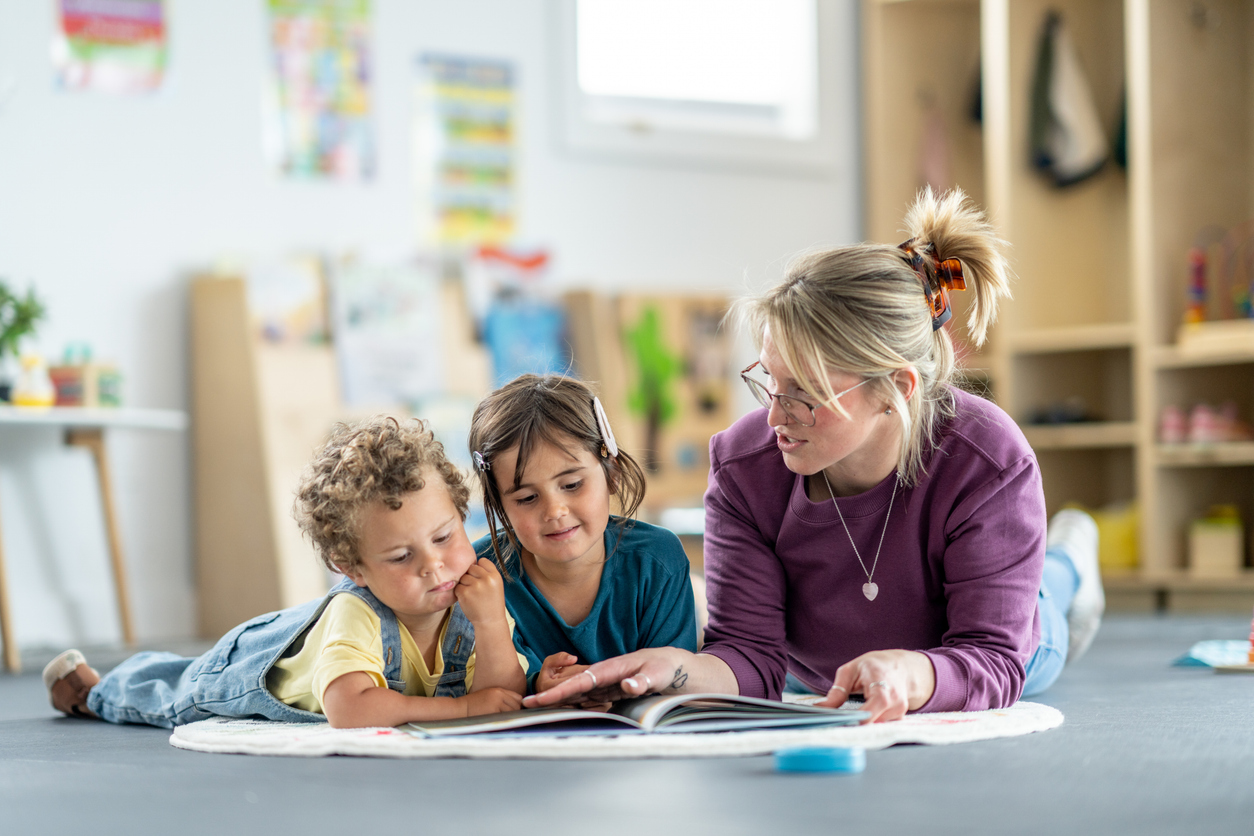
- Interactive Storytime
Choose colorful picture books and ask questions about the story and characters. Label objects and actions to introduce new words.
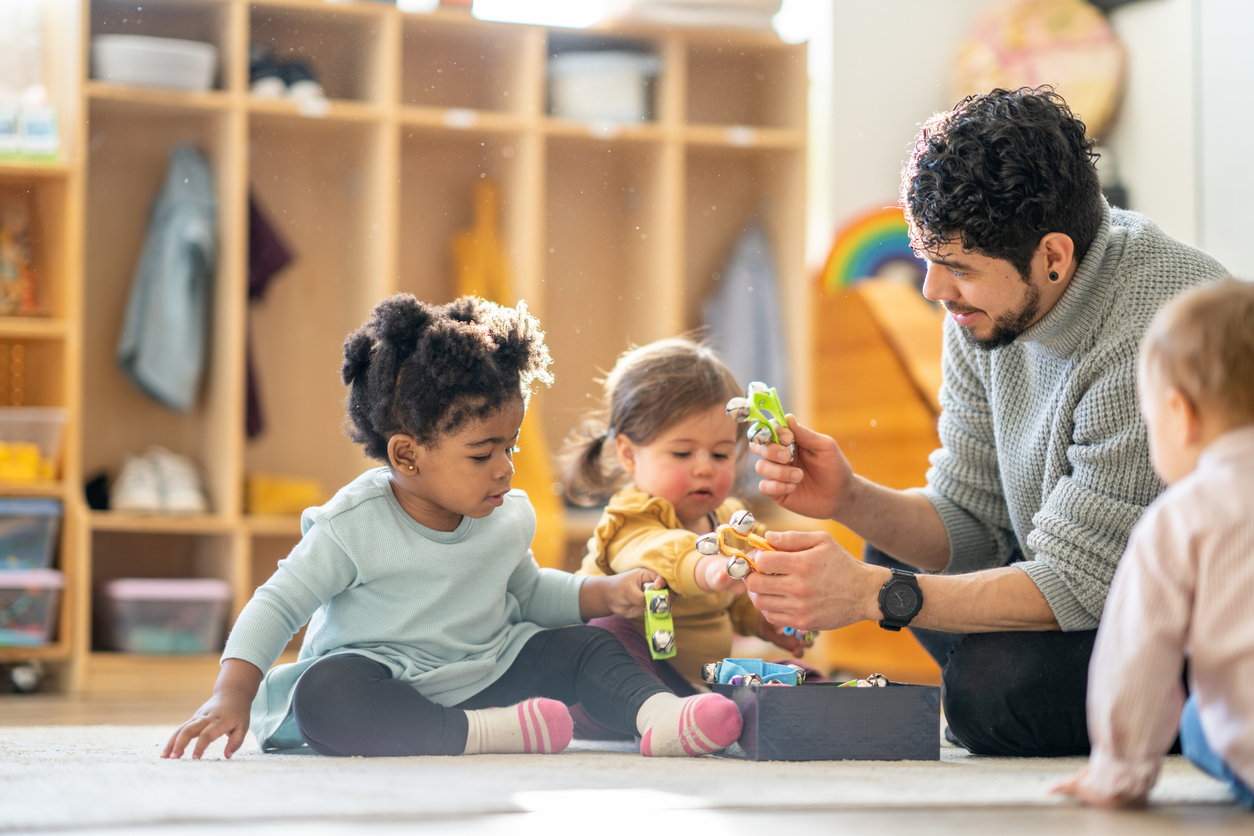
- Sing and Rhyme Together
Songs like “Twinkle, Twinkle” provide rhythm and repetition that naturally reinforce vocabulary.
- Pretend Play with Props
Play kitchen, doctor, or grocery store — introduce relevant words like “spoon,” “doctor,” “buy,” “fruit.” Encourage your toddler to repeat or use new vocabulary in context.
- Label Everyday Objects
Talk through your day by naming items during routine activities like: “Here’s your toothbrush,” “Let’s wash your hands,” “We’re cutting an apple.” Everyday narration builds understanding and encourages your toddler to repeat the words.
- Play “I Spy” With Simple Descriptions
Find objects by colors, shapes, or sizes and name them, helping toddlers connect adjectives with nouns.
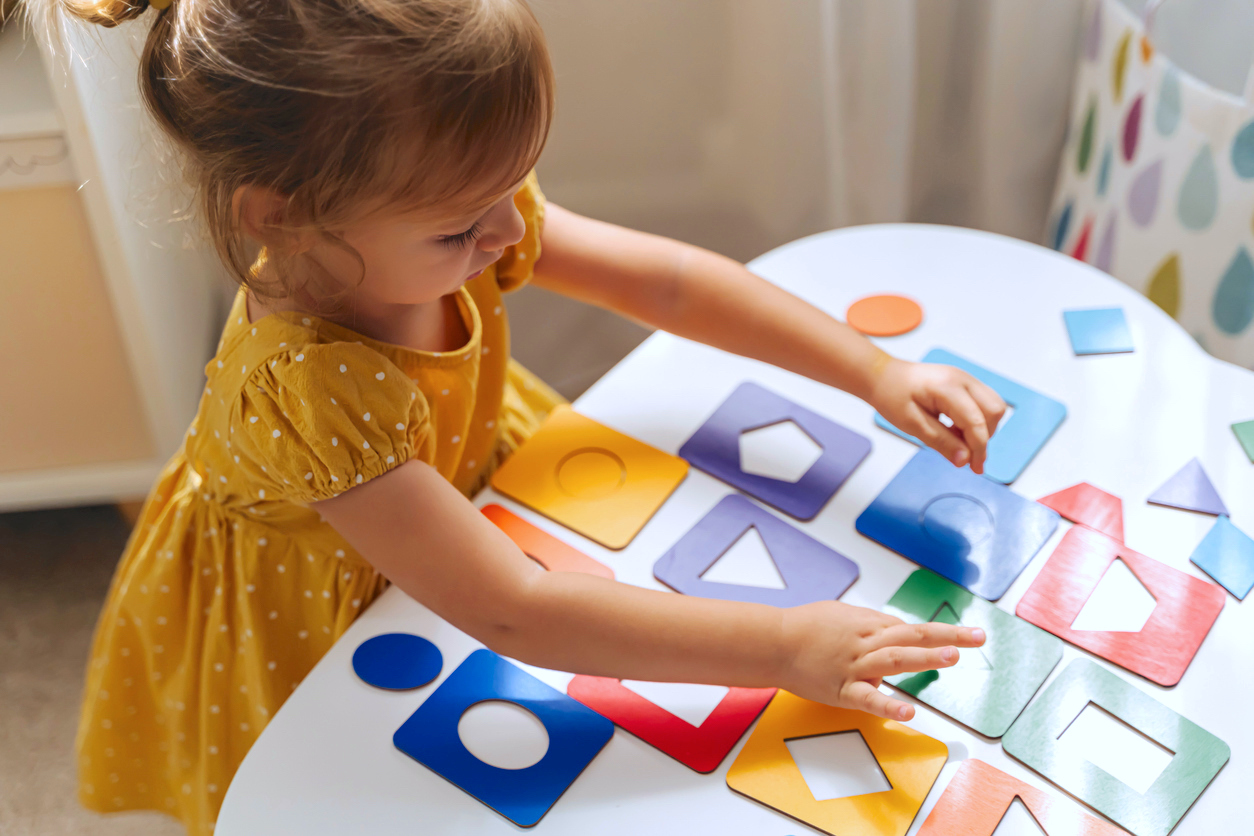
- Sorting and Classifying Games
Play with blocks, shapes, or toys sorted by type or color, teaching category names and descriptors.
- Telephone or Toy Phone Conversations
Pretend phone play introduces greeting words and social phrases like “hello” and “bye,” sparking early conversational skills.
- Exploring Nature Together
Talk about plants, animals, textures, and weather outside using descriptive language and encouraging observation.
- Sound Treasure Hunt
Create a treasure hunt game where you hide various objects or toys around the room. Give your toddler simple clues using sound-related words to find them—for example, “Can you find the thing that says ‘moo’?’” (a toy cow) or “Where’s the car that goes vroom?”(a toy car)..
Tips for Creating a Language-Rich Play Environment
- Use parentese — that warm, sing-song tone that captures your toddler’s attention and helps them focus on your words.
- Stick with themes or related words instead of random lists to help deepen understanding.
- Repeat new words often and use them in different situations so they become familiar.
- Be patient — toddlers learn at their own pace, and all attempts to communicate are progress.
- Follow your child’s lead during play. Their curiosity guides the best learning moments.
- And remember, daily routines — meals, bath time, walks — are perfect for language learning.
Final Thoughts
Building vocabulary in toddlers through play is about connection, exploration, and having fun together. Every song sung, puppet show enacted, or game played is a rich language lesson in disguise.
Start small, keep it playful, and celebrate every new word your child learns. Your time and warmth make all the difference.

Related Post
15 Fun Activities to Build Gross Motor Skills
Speech Milestones in Children: Age-Wise Guide to parents

How to Build Your Child’s Self-Control
Tweezers and Tongs Activities for Little Hands
Alphabet Books Every Preschooler Should Read
Teaching Sharing and Turn-Taking to Toddlers
Simple Ways to Boost Your Child’s Working Memory

Messy Play Activities: A Detailed Parent Guide
15 Fun Preschool Learning Activities for 3-Year-Olds
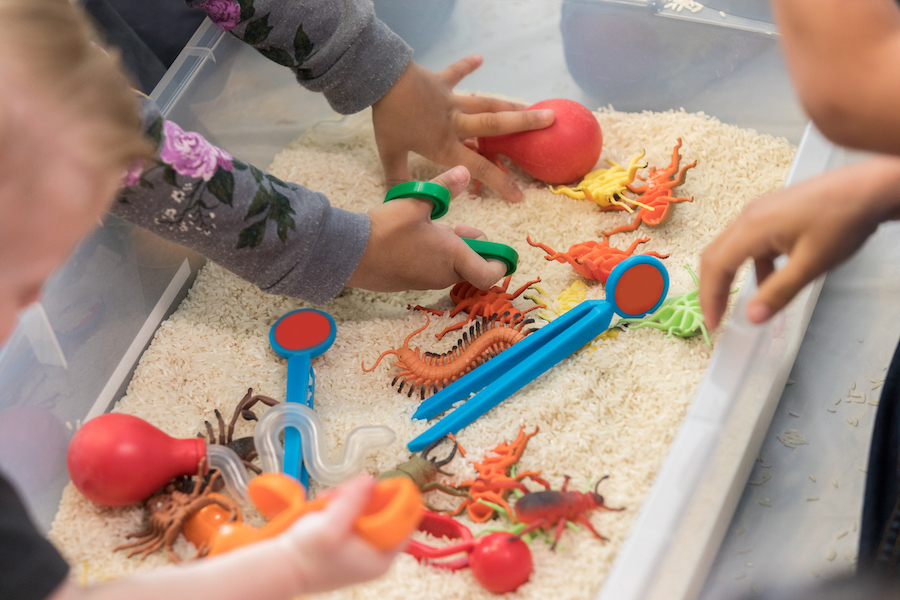
Easy Sensory Bin Ideas for Toddlers
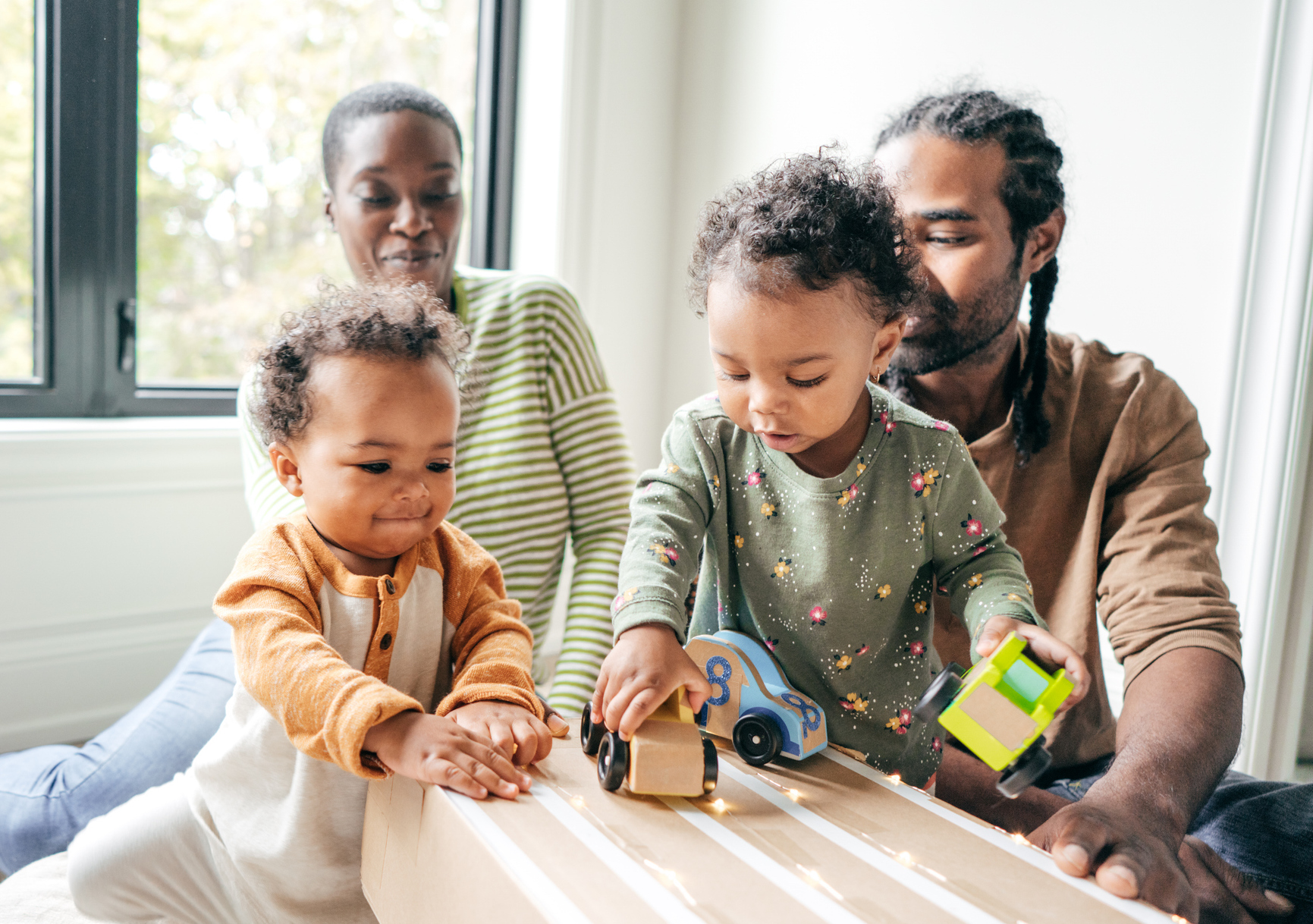
Age-Appropriate Learning Activities for Toddlers and Preschoolers
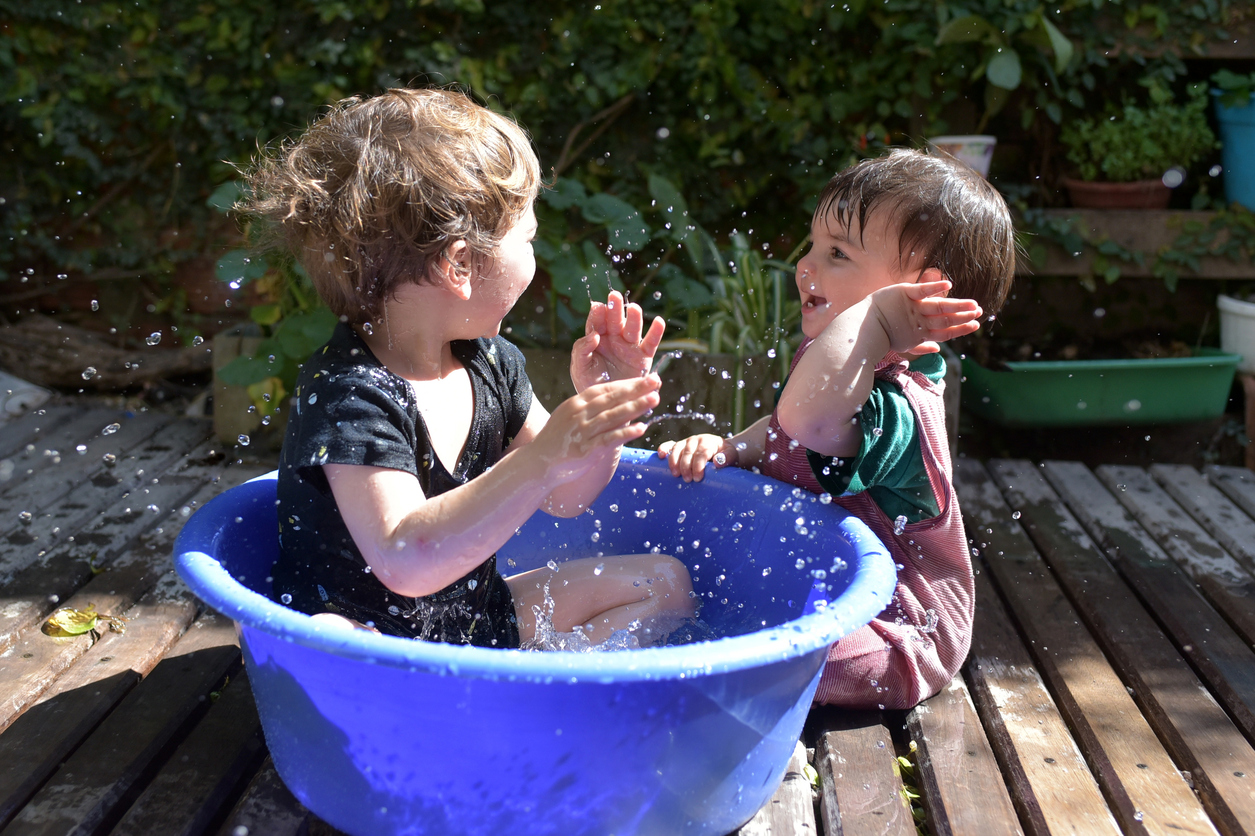
Water Play Activities for Toddlers
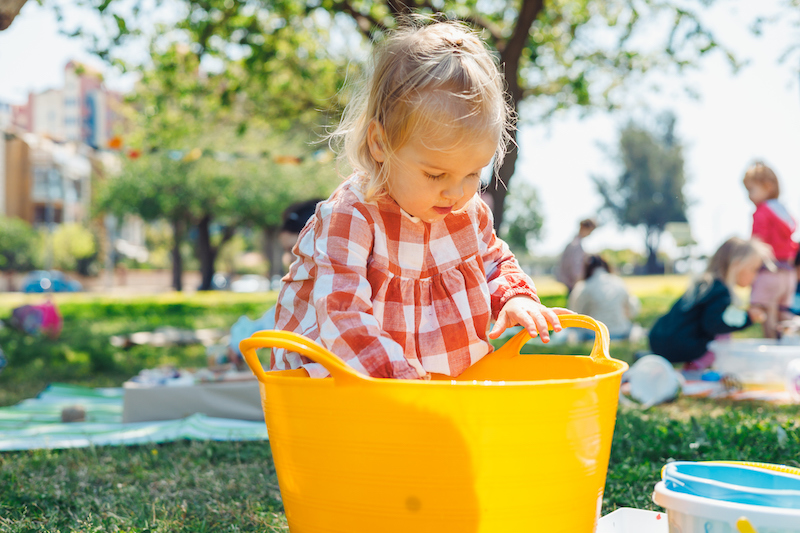
Sensory Activities for 2-Year-Olds: Brain-Building Through Play
Threading and Lacing Activities for Preschoolers

The Secret to Boosting Your Child’s Vocabulary: Pointing Gesture
When to Start Potty Training
How to Raise a Problem-Solver

50 Boredom Busters for Toddlers and Preschoolers
Best Scissor Skills Activities for Preschoolers
STEM Activities Using Kitchen Items for Preschoolers and Kindergarteners
Rhyming Games for Preschoolers: The Secret to Reading Success
Fine Motor Activities for 3-Year-Olds: The Complete Guide to Building Strong, Skilled Hands
Playdough Activities That Build Fine Motor Skills: The Science-Backed Guide for Parents and Teachers

Understanding Your Child’s Language Development

Understanding Executive Functions: Your Child’s Cognitive Toolkit for Success

Bringing WonJo Kids into Your Classroom: A Teacher’s Guide
Sight Words for Kindergarteners: A Complete Parental Guide
25 Fun Sorting Activities for Preschoolers – Easy, Printable & Hands-On Ideas
12 Best Pattern Activities for Preschoolers That Build Math & Reading Skills

Every Child Has a Learning Superpower

The Benefits of (Quality) Interactive Learning Apps for Preschoolers
Counting Activities for 3-Year-Olds: 20 Simple & Fun Ways to Grow Early Math Skills
Best Books for 3 Year Olds: 50+ Must-Read Picks to Spark a Love of Reading

Scientific Experiments for Preschoolers: 15+ Easy Activities That Spark Curiosity and Learning
Teaching Phonics at Home: A Parent’s Guide to Building Strong Readers
2-Year-Old Milestones: What to Look For

Building Confidence and Skills for Kindergarten Readiness

Understanding Your Child’s Gross Motor Development

Beat the Summer Slide Without Breaking a Sweat
Raising Tomorrow’s STEM Leaders: The Power of Spatial Skills

How to Turn Storytime into a Learning Moment?

Embracing Your Child’s Unique Strengths and Challenges: Understanding Learner Variability


