


Teaching Sharing and Turn-Taking to Toddlers
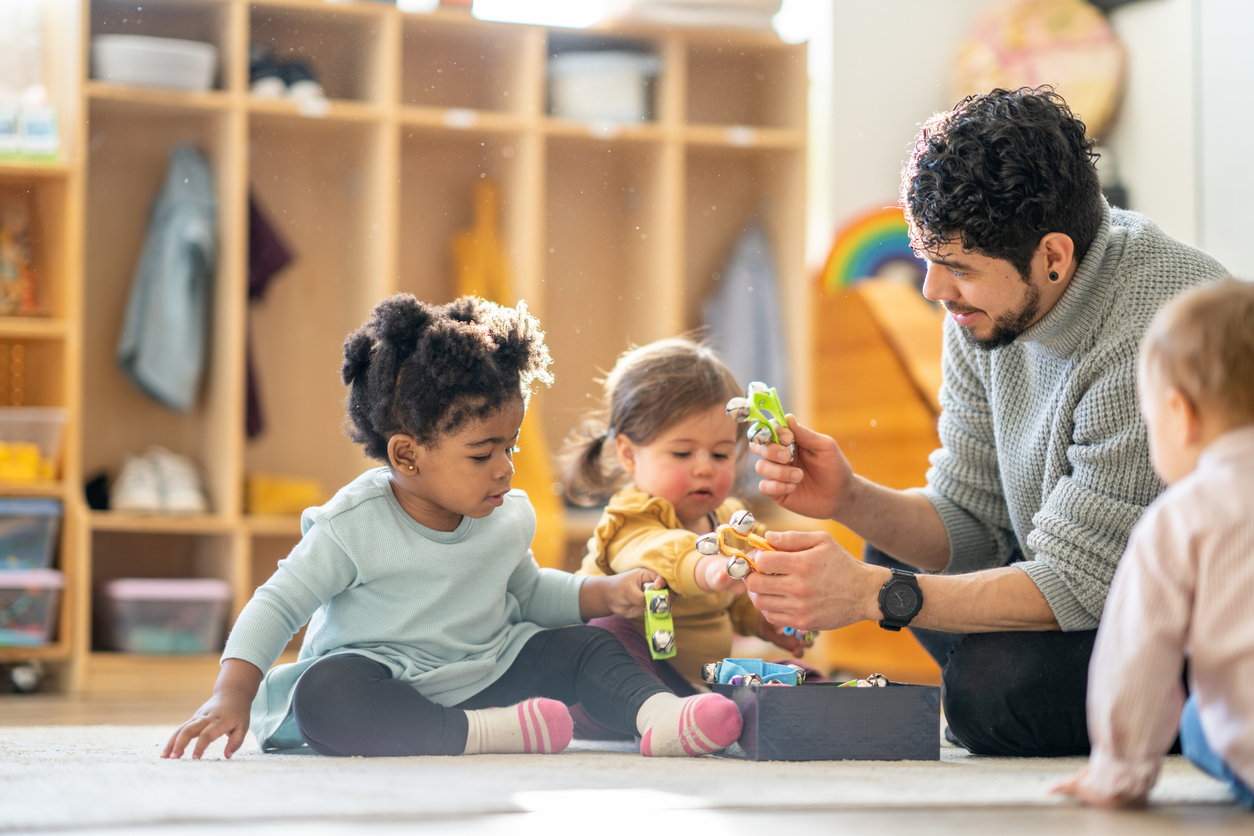
If you’ve ever watched two toddlers reach for the same toy at the same time, you already know sharing doesn’t come naturally.
For toddlers, sharing and turn-taking are learned skills, not manners they should already know. These social skills develop slowly, through experience, patience, and a lot of adult guidance. As parents, our role isn’t to force sharing, but to model it, name it, and gently practice it in everyday moments.
This guide will help you understand why sharing is hard for toddlers and how to teach it in a way that feels calm, age-appropriate, and respectful.
Why Sharing Is Difficult for Toddlers
Toddlers live very much in the present moment. When they hold a toy, it feels like an extension of themselves. The concept of waiting, negotiating, or understanding another child’s perspective is still developing.
At this stage, toddlers:
- Are building emotional regulation
- Have limited impulse control
- Are just beginning to understand “mine” vs “yours”
- Don’t yet grasp fairness or time-based turns
This means grabbing, protesting, or crying is developmentally normal.
What Sharing and Turn-Taking Really Mean at This Age
For toddlers, sharing doesn’t mean giving something up happily. It means:
- Tolerating another child nearby
- Learning to wait briefly
- Accepting adult-guided turns
- Beginning to understand simple social rules
Progress looks small and that’s exactly how it should look.
How to Teach Sharing and Turn-Taking to Toddlers
1. Start With Short, Adult-Guided Turns
Toddlers learn best when turns are short and predictable. Instead of saying “share nicely,” try naming what’s happening.
Example:
“You’re using the truck. When the timer rings, it’s your friend’s turn.”
This makes the process concrete and less emotional.
2. Use Everyday Language to Narrate Social Moments
Toddlers learn through repetition and simple language. Describe what you see happening without blame.
Try phrases like:
- “You’re waiting. I know that’s hard.”
- “Now it’s your turn.”
- “We take turns with toys.”
Naming the experience helps toddlers make sense of it.
3. Practice Turn-Taking During Calm Moments
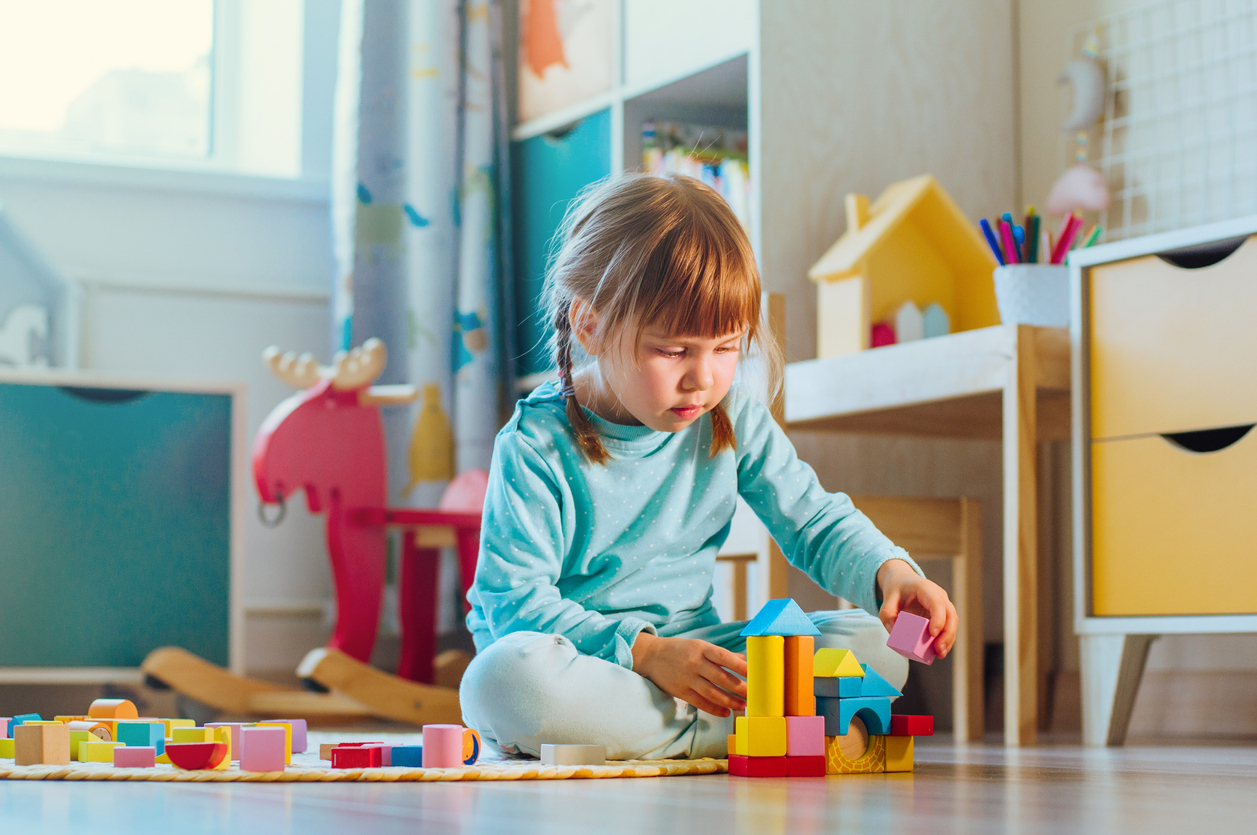
Rolling a ball back and forth, or building together are gentle ways to practice waiting and taking turns. These activities have a natural back-and-forth rhythm: you roll, they roll; you place a block, they place a block, which helps toddlers experience “my turn, your turn” without conflict or high emotion.
It’s easier to learn new skills when emotions are low.
4. Offer Choices Instead of Forcing Sharing
Giving toddlers a sense of control reduces power struggles.
For example:
“Do you want to share the blocks or the cars first?”
Choices help toddlers feel involved while still learning cooperation.
5. Model Sharing in Real Life
Toddlers learn more from what we do than what we say.
Say things like:
- “I’m sharing my snack with you.”
- “I’ll wait for my turn.”
- “Thank you for letting me have a turn.”
Seeing sharing models makes it feel normal and safe.
6. Avoid Labels During Conflicts
Calling a child “selfish” or “not nice” can shut down learning. Instead, focus on the behavior and the solution.
Helpful reframes:
- “You’re having a hard time waiting.”
- “We can figure this out together.”
This keeps your child emotionally secure while still teaching boundaries.
7. Use Visual and Auditory Tools to Support Waiting
Timers, songs, or counting can help toddlers understand that turns are temporary.
A simple timer shows:
- Turns end
- Waiting doesn’t last forever
- Adults will follow through
This builds trust over time.
8. Respect Ownership When Possible
Not everything needs to be shared. If your toddler has a favorite toy or comfort item, it’s okay to put it away before a playdate or let them keep it during play. Learning that some things are “mine” and some things are “for sharing” actually helps toddlers feel safer and more willing to share communal toys. You’re teaching boundaries, not selfishness.
9. Praise Effort, Not Perfection
Acknowledging effort builds confidence.
Notice moments like:
- Waiting briefly
- Handing over a toy with help
- Staying calm during a turn
Even when it’s just for a few seconds, simple affirmations like “You did a great job waiting!” help reinforce learning.
10. Stay Consistent and Patient
Sharing is not a one-time lesson. It develops gradually across months and years. Consistency, calm repetition, and emotional support matter far more than quick results.
Play-Based Activities for Teaching Turn-Taking to Toddlers
Turn-taking is a skill that develops slowly. These activities focus on practice, predictability, and emotional safety, rather than forcing children to “share nicely.” Each activity works best with an adult guiding the experience calmly.
1. Roll the Ball
Sit facing your toddler and gently roll a ball back and forth.
How it helps:
This creates a clear, visible turn structure my turn, your turn without competition.
Parent tip:
Say the words out loud: “My turn… Now it’s your turn.”
2. Push the Car Ramp
Take turns sending a toy car down a ramp or slide.
How it helps:
The physical pause between turns teaches waiting in a natural way.
Parent tip:
Use a countdown: “One… two… three… go!”
3. Musical Turn Pause
Play music and pass an object around. When the music stops, whoever holds it takes a turn.
How it helps:
Combines movement with listening and self-control.
Parent tip:
Keep rounds short to avoid frustration.
4. Stack-One-Block Game
Each person adds one block to a tower per turn.
How it helps:
Encourages patience and cooperation without rushing.
Parent tip:
Celebrate the process, not the height of the tower.
5. Scoop and Pour Station
Set up two containers and take turns scooping items like rice, beans, or water.
How it helps:
Slow, repetitive actions make waiting feel manageable.
Parent tip:
Use one spoon per person if needed, then move to sharing one tool later.
6. Board Books With Turns
Choose lift-the-flap or interactive books and take turns opening flaps or turning pages.
How it helps:
Builds turn-taking into a calm, familiar routine.
Parent tip:
Say: “First you turn the page, then I turn the page.”
7. Pop-the-Bubble Turns
Blow bubbles and take turns popping one bubble at a time.
How it helps:
Fun, motivating, and perfect for practicing impulse control.
Parent tip:
Limit to one pop per turn to keep expectations clear.
8. Toy Washing Station
Wash toy animals or cars together, taking turns scrubbing or rinsing.
How it helps:
Structured roles reduce conflict and support cooperation.
Parent tip:
Assign clear tasks: “You wash, I rinse.”
9. Sing-and-Pause Songs
Use songs with pauses (like action songs) where each child gets a turn to act.
How it helps:
Teaches waiting and anticipation through rhythm.
Parent tip:
Name whose turn is coming next to reduce anxiety.
10. Simple Snack Turns
During snack time, take turns passing items or choosing pieces.
How it helps:
Real-life practice makes turn-taking meaningful.
Parent tip:
Start with snacks your child likes but aren’t their favorite, so waiting doesn’t turn into a power struggle.
11. Toy Timer Game
Use a visual timer for popular toys and switch turns when time ends.
How it helps:
Shows toddlers that turns are temporary and fair.
Parent tip:
Let your child choose or start the timer so they feel involved
12. Copy-My-Move Game
Take turns doing a simple action (clap, jump, spin) and have the other copy it.
How it helps:
Builds attention, imitation, and social connection.
Parent tip:
Keep movements silly and simple.
13. Animal Sound Turns
Each person makes an animal sound on their turn.
How it helps:
Low-pressure and fun, perfect for shy toddlers.
Parent tip:
Model first if your child hesitates.
14. Puzzle Piece Turns
Each person places one puzzle piece at a time.
How it helps:
Encourages patience and shared problem-solving.
Parent tip:
Choose puzzles with large, easy pieces.
15. Turn-Taking With Adults First
Practice all activities with an adult before introducing peers.
How it helps:
Toddlers learn best in emotionally safe and predictable relationships.
Parent tip:
Once comfortable, slowly add other children.
Common Mistakes Parents Can Avoid
- Expecting toddlers to share like older children
- Forcing immediate sharing during emotional moments
- Comparing siblings or peers
- Over-explaining during meltdowns
Final Thoughts
Teaching sharing and turn-taking to toddlers isn’t about perfect behavior, it’s about building trust, patience, and social awareness one moment at a time.
When we slow down, use simple language, and meet toddlers where they are developmentally, we help them learn skills they’ll use for life. With consistency and compassion, sharing becomes less of a struggle and more of a shared experience.

Related Post
15 Fun Activities to Build Gross Motor Skills

Speech Milestones in Children: Age-Wise Guide to parents

How to Build Your Child’s Self-Control
Tweezers and Tongs Activities for Little Hands
Alphabet Books Every Preschooler Should Read
Simple Ways to Boost Your Child’s Working Memory

Messy Play Activities: A Detailed Parent Guide
15 Fun Preschool Learning Activities for 3-Year-Olds
Easy Sensory Bin Ideas for Toddlers
Age-Appropriate Learning Activities for Toddlers and Preschoolers
Water Play Activities for Toddlers
Sensory Activities for 2-Year-Olds: Brain-Building Through Play
Threading and Lacing Activities for Preschoolers

The Secret to Boosting Your Child’s Vocabulary: Pointing Gesture
When to Start Potty Training
How to Raise a Problem-Solver

Building Vocabulary in Toddlers Through Play: The Science-Backed Approach

50 Boredom Busters for Toddlers and Preschoolers
Best Scissor Skills Activities for Preschoolers
STEM Activities Using Kitchen Items for Preschoolers and Kindergarteners

Rhyming Games for Preschoolers: The Secret to Reading Success
Fine Motor Activities for 3-Year-Olds: The Complete Guide to Building Strong, Skilled Hands
Playdough Activities That Build Fine Motor Skills: The Science-Backed Guide for Parents and Teachers

Understanding Your Child’s Language Development

Understanding Executive Functions: Your Child’s Cognitive Toolkit for Success

Bringing WonJo Kids into Your Classroom: A Teacher’s Guide
Sight Words for Kindergarteners: A Complete Parental Guide
25 Fun Sorting Activities for Preschoolers – Easy, Printable & Hands-On Ideas
12 Best Pattern Activities for Preschoolers That Build Math & Reading Skills

Every Child Has a Learning Superpower

The Benefits of (Quality) Interactive Learning Apps for Preschoolers
Counting Activities for 3-Year-Olds: 20 Simple & Fun Ways to Grow Early Math Skills
Best Books for 3 Year Olds: 50+ Must-Read Picks to Spark a Love of Reading

Scientific Experiments for Preschoolers: 15+ Easy Activities That Spark Curiosity and Learning
Teaching Phonics at Home: A Parent’s Guide to Building Strong Readers

2-Year-Old Milestones: What to Look For
Building Confidence and Skills for Kindergarten Readiness

Understanding Your Child’s Gross Motor Development

Beat the Summer Slide Without Breaking a Sweat
Raising Tomorrow’s STEM Leaders: The Power of Spatial Skills

How to Turn Storytime into a Learning Moment?

Embracing Your Child’s Unique Strengths and Challenges: Understanding Learner Variability


