


How to Raise a Problem-Solver
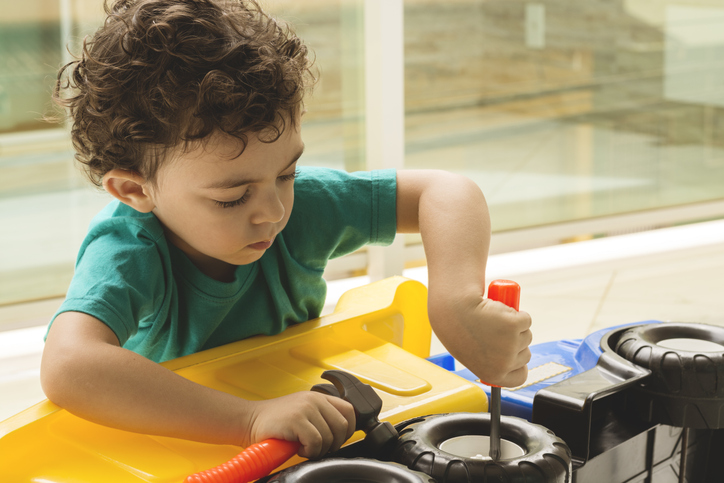
Your child’s puzzle piece slides under the couch and they start crying for you to get it out. Or their favorite toy car loses a wheel and they’re at your side, insisting you fix it right now while you’re trying to make dinner. These moments are frustrating for everyone, but they can also become opportunities for real learning. Understanding your child’s unique problem-solving style makes these breakthroughs even more powerful.
Problem-Solving Starts Earlier Than You Think
Problem-solving is how we figure things out when the answer isn’t obvious. It’s the thinking between “this isn’t working” and “I found a way.” This involves reasoning, creativity, and trying different approaches until something works.
Your child has been doing this since before their first birthday. When a baby figures out how to reach a toy just out of grasp, that’s problem-solving. You’re building on something already there.
Here are some practical ways to strengthen problem-solving skills during preschool and kindergarten years, through the play and daily routines you’re already doing.
The Power of Freedom
- Free Play: Step Back and Let Them Lead
The most powerful thing you can do is let your child play without directing them.
When kids explore on their own terms, they develop more creative and flexible thinking than when adults show them “the right way.” Resist jumping in when they’re struggling to make something work.
The materials matter:
- Give them toys and materials that can be used in many different ways: blocks, cardboard boxes, blankets, art supplies, dress-up clothes
- Household items work beautifully: measuring cups, wooden spoons, cardboard tubes, fabric scraps
- Skip toys that only do one thing at the push of a button
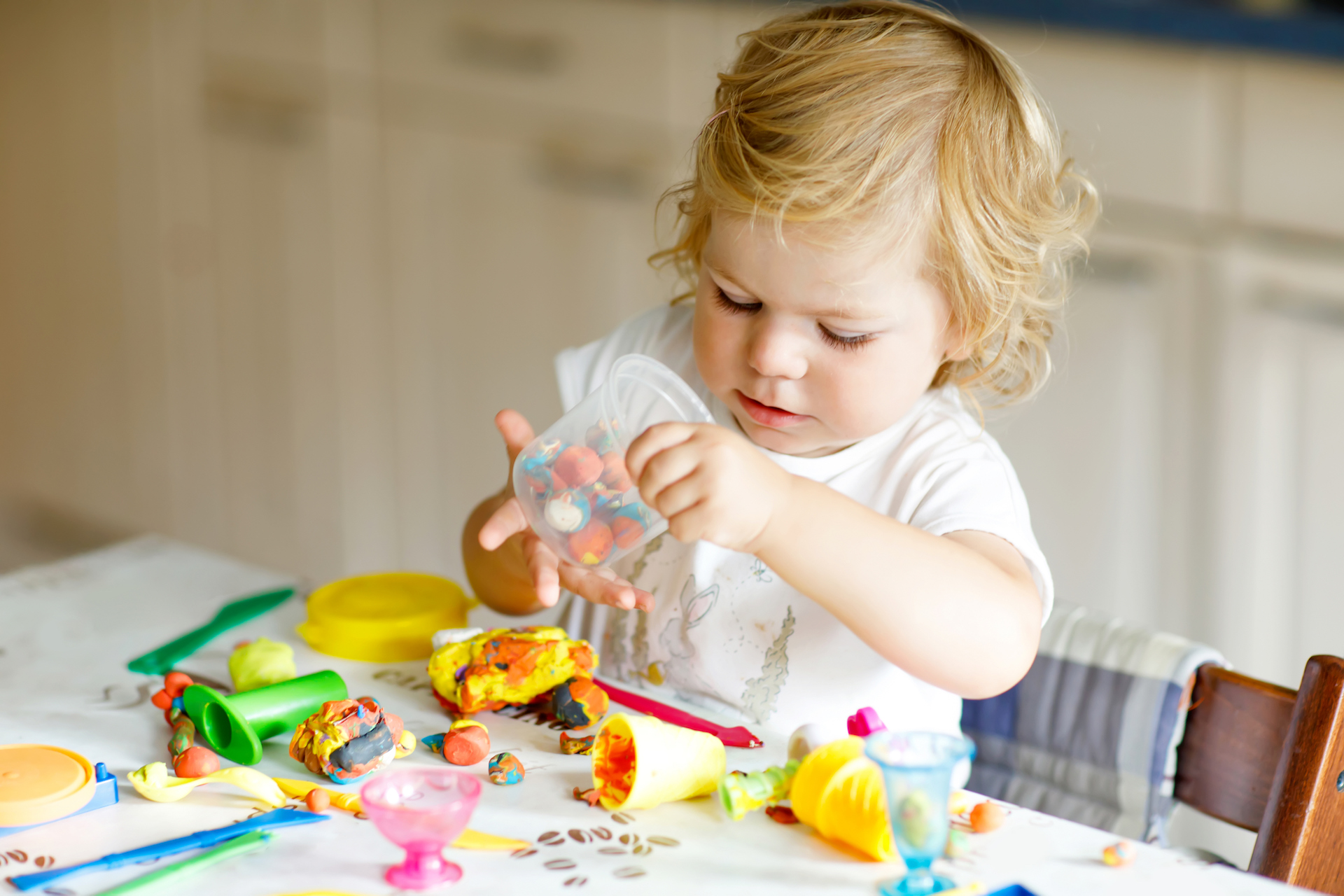
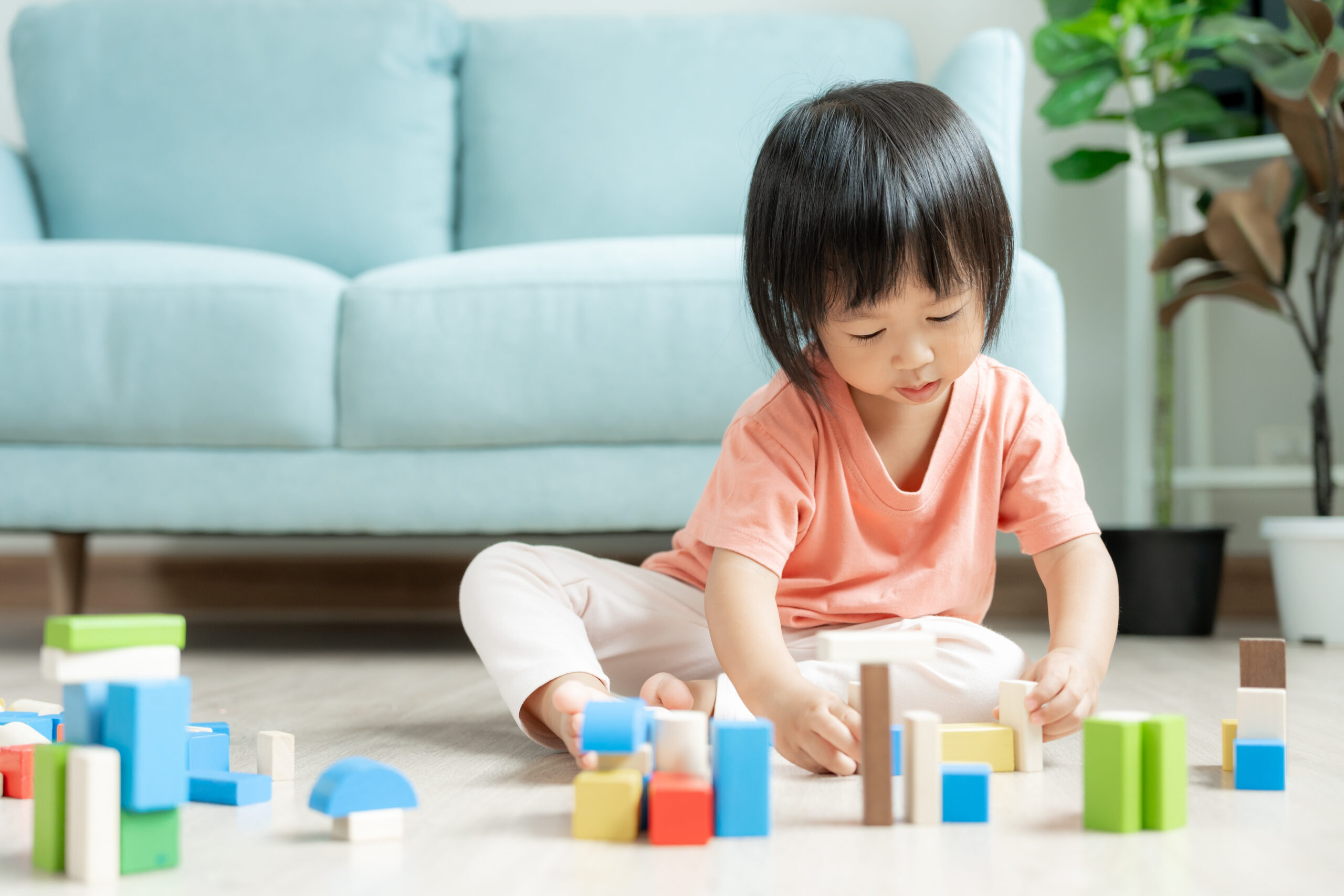
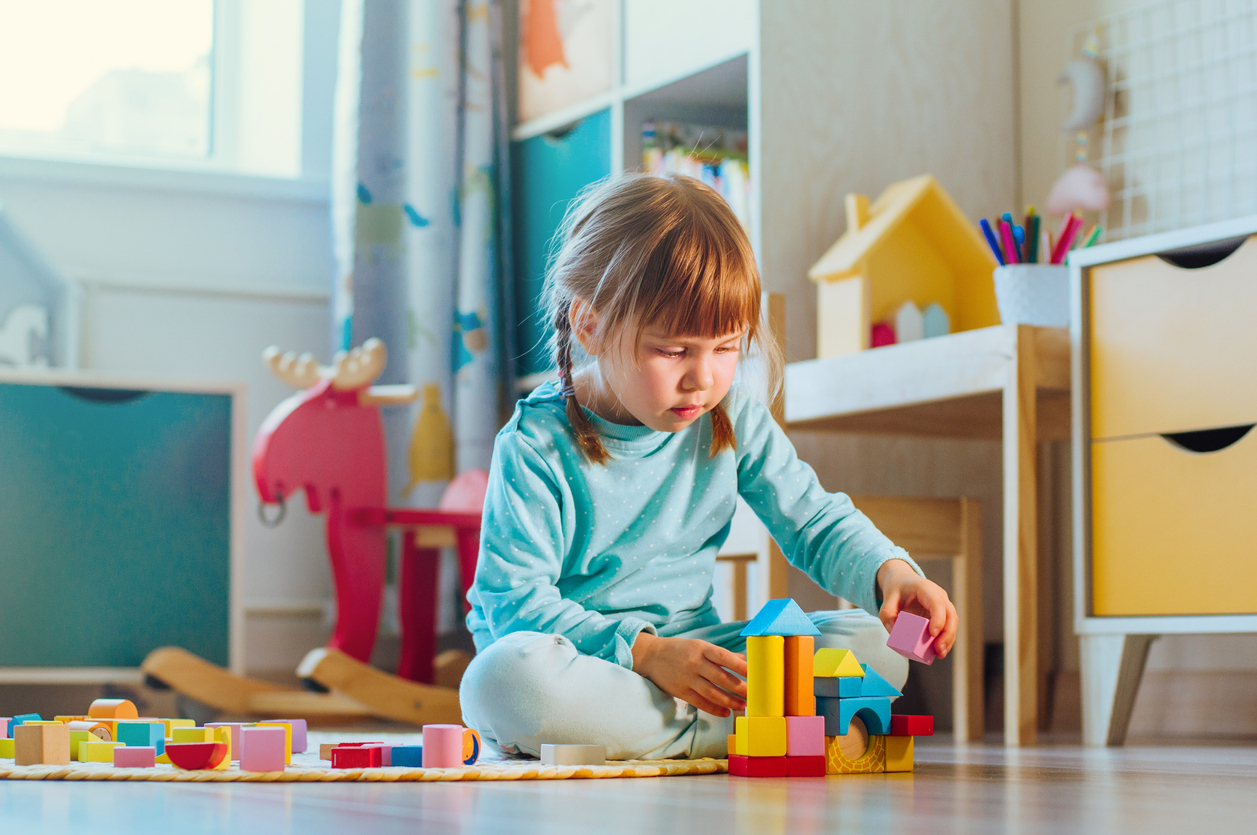
During free play, problems to solve come up naturally: a block tower that keeps falling, play dough that won’t stick together, a blanket fort that won’t stay up. These organic challenges are the best kind of practice.
If you want to create specific problem-solving challenges, here are a few ideas:
- The rescue challenge: Place a small toy in a tall container where their hand can’t reach, and let them figure out how to get it out using things they can find around the house.
- The bridge builder: Set two chairs a foot apart and challenge them to build a bridge strong enough to hold a toy car.
- The marble run: Give them cardboard tubes and tape to create a path that gets a ball from the table to a cup on the floor.
- Free Conversations: Ask Questions That Invite Thinking
The way you talk with your child shapes how they think.
Instead of questions with yes/no answers, try open-ended questions such as:
- “How could we…?”
- “What’s another way to…?”
- “Why do you think that happened?”
When your child is stuck, don’t immediately give the answer. Try: “That is tricky. What have you tried so far?” or “What else could you try?”
Reading books together is perfect for this. Pause and ask what they think will happen next. Ask why a character might be feeling a certain way. Wonder together about how a problem in the story could be solved differently.
The Power of Daily Moments
Problem-solving skills grow during the regular parts of your day when you give your child a little more space to think.
- Getting Dressed
When you have a few extra minutes in the morning, let your child work through the challenges of getting dressed.
Let them figure out:
- Which way the shirt faces
- Which shoe goes on which foot
- How to work the zipper
When something’s not working, don’t immediately fix it. Ask: “How does that feel? Does something seem off?” Let them discover that the tag goes in the back, that the shoe fits better on the other foot, that the zipper needs to start at the bottom.
- Cooking Together
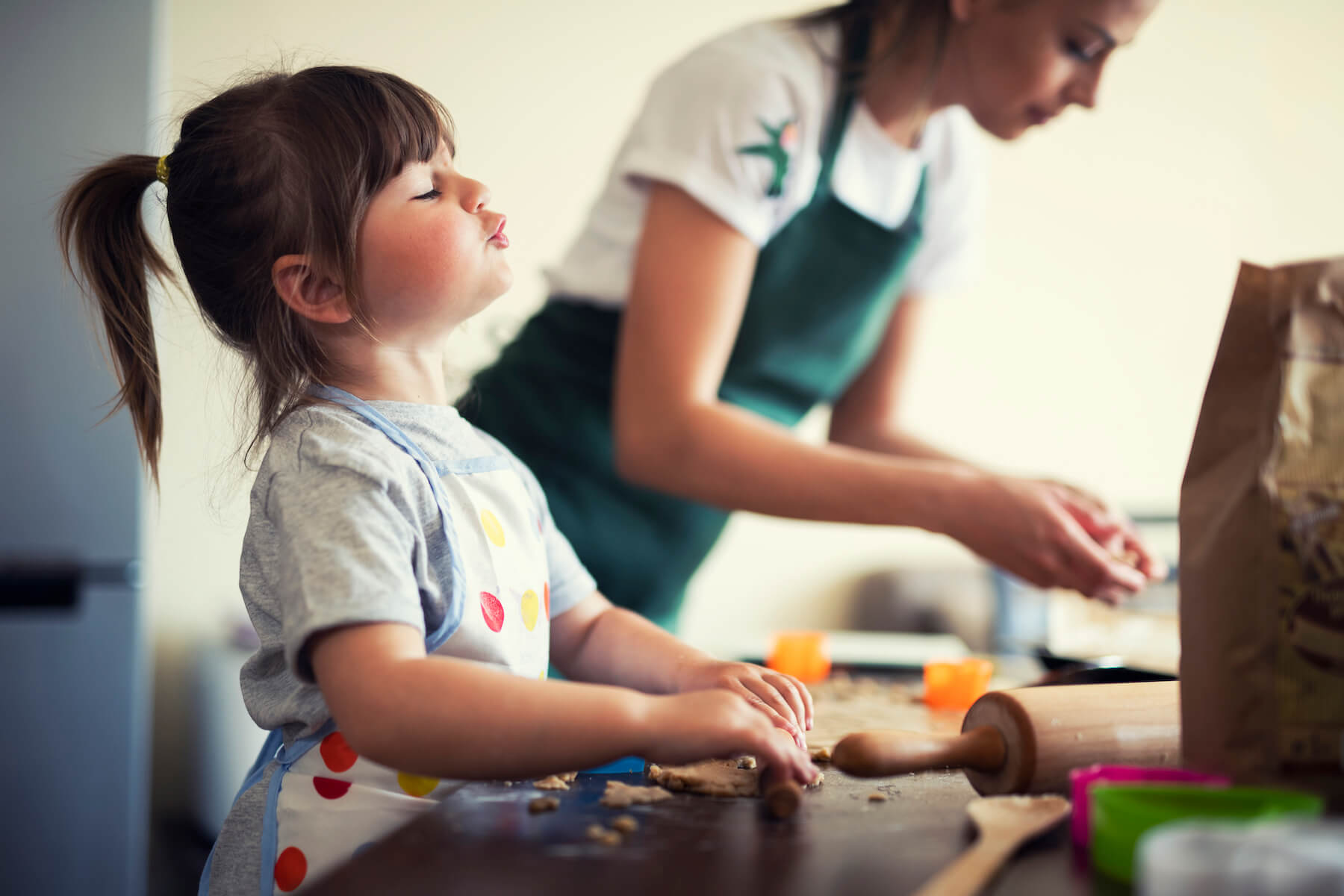
The kitchen is full of problem-solving opportunities, and your child can see you thinking through challenges in real time.
Narrate your own problem-solving out loud and let them help:
- “Hmm, I don’t have enough room on this pan. I could use a bigger pan or make two batches. What do you think?”
- “This dough is too sticky. I wonder if adding more flour would help.”
- “We’re out of milk. Should we go to the store or use water instead?”
- Clean-Up Time
Tell your child the goal: “All the toys need to be off the floor before dinner,” and let them work out how to get there.
They’ll figure out:
- That some things stack and others don’t
- That they can carry more if they use a basket or bin
- That if they shove everything in randomly, the lid won’t close
Let them discover these things through experience. If they’re truly stuck, you can offer a small hint: “I wonder if the bigger blocks might fit better on the bottom?” But resist solving it for them.
When Frustration Hits
Problem-solving involves frustration. Watching your child struggle is uncomfortable, but the struggle is part of the process.
When your child is frustrated:
- Acknowledge the feeling: “You’re really frustrated that tower keeps falling down”
- Express confidence: “This is hard, and I know you can keep trying”
- Offer encouragement to keep going: “You’re figuring it out”
- Give a small hint only if they’re truly stuck, not the whole solution
You’re Already Doing This
Each time you pause before stepping in, you’re helping these skills grow. When you ask, “What do you think?” instead of offering the solution, you’re supporting their thinking. And when you give them materials and let them choose how to use them, you’re opening the door to problem-solving.
Some days you’ll be running late and will just put their shoes on for them, and that’s fine. You don’t need to turn every moment into a teaching opportunity. What matters is creating moments, whenever you can, where your child gets to think, experiment, try again, and discover that their own mind is a powerful tool.

Related Post
15 Fun Activities to Build Gross Motor Skills

Speech Milestones in Children: Age-Wise Guide to parents

How to Build Your Child’s Self-Control
Tweezers and Tongs Activities for Little Hands

Alphabet Books Every Preschooler Should Read

Teaching Sharing and Turn-Taking to Toddlers
Simple Ways to Boost Your Child’s Working Memory

Messy Play Activities: A Detailed Parent Guide
15 Fun Preschool Learning Activities for 3-Year-Olds
Easy Sensory Bin Ideas for Toddlers

Age-Appropriate Learning Activities for Toddlers and Preschoolers
Water Play Activities for Toddlers
Sensory Activities for 2-Year-Olds: Brain-Building Through Play
Threading and Lacing Activities for Preschoolers

The Secret to Boosting Your Child’s Vocabulary: Pointing Gesture
When to Start Potty Training

Building Vocabulary in Toddlers Through Play: The Science-Backed Approach

50 Boredom Busters for Toddlers and Preschoolers
Best Scissor Skills Activities for Preschoolers
STEM Activities Using Kitchen Items for Preschoolers and Kindergarteners

Rhyming Games for Preschoolers: The Secret to Reading Success
Fine Motor Activities for 3-Year-Olds: The Complete Guide to Building Strong, Skilled Hands
Playdough Activities That Build Fine Motor Skills: The Science-Backed Guide for Parents and Teachers

Understanding Your Child’s Language Development

Understanding Executive Functions: Your Child’s Cognitive Toolkit for Success

Bringing WonJo Kids into Your Classroom: A Teacher’s Guide
Sight Words for Kindergarteners: A Complete Parental Guide
25 Fun Sorting Activities for Preschoolers – Easy, Printable & Hands-On Ideas

12 Best Pattern Activities for Preschoolers That Build Math & Reading Skills

Every Child Has a Learning Superpower

The Benefits of (Quality) Interactive Learning Apps for Preschoolers
Counting Activities for 3-Year-Olds: 20 Simple & Fun Ways to Grow Early Math Skills
Best Books for 3 Year Olds: 50+ Must-Read Picks to Spark a Love of Reading

Scientific Experiments for Preschoolers: 15+ Easy Activities That Spark Curiosity and Learning
Teaching Phonics at Home: A Parent’s Guide to Building Strong Readers
2-Year-Old Milestones: What to Look For

Building Confidence and Skills for Kindergarten Readiness

Understanding Your Child’s Gross Motor Development

Beat the Summer Slide Without Breaking a Sweat
Raising Tomorrow’s STEM Leaders: The Power of Spatial Skills

How to Turn Storytime into a Learning Moment?

Embracing Your Child’s Unique Strengths and Challenges: Understanding Learner Variability


