


When to Start Potty Training
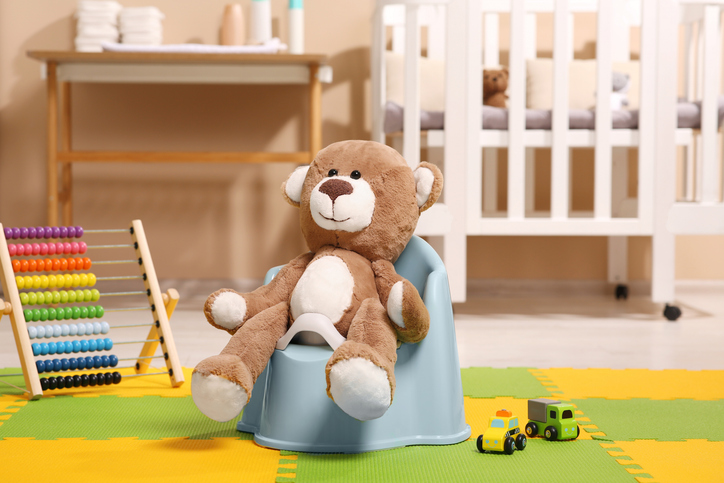
Potty training is one of those parenting milestones that can feel equal parts exciting and overwhelming. While kids are often physically ready around 18 months, emotional readiness matters just as much, and that timeline looks different for every child.
Your child will show you when they’re ready. Let’s walk through what to look for and how to navigate this transition together.
Understanding Physical Readiness
Before your child can be potty trained, their body needs to be ready. The key is sphincter muscle control, those circular muscles that keep the bladder and bowel closed. In babies and young toddlers, these muscles work automatically. When the bladder fills during feeding, it empties without any conscious control.
Until these muscles mature enough to be controlled voluntarily (usually after 18 months), your child physically can’t delay going to the bathroom on purpose. You might get lucky timing and catch them on the potty, but true training requires them to recognize the sensation and hold it.
You’ll know this is developing when:
- They sometimes wake up from naps with a dry diaper
- They stay dry for longer stretches at times (2+ hours)
- They can “hold it” for a few minutes when they need to go
The Readiness Checklist
Look for a combination of these signs across different areas of development:
Physical Signs:
- Recognizes the feeling of needing to go (squatting, grunting, or tugging at their diaper)
- Can walk to the bathroom independently
- Can pull pants up and down with minimal help
Communication Skills:
- Understands simple instructions
- Can tell you they need to go (even if it’s just pointing or a specific sound)
- Uses or understands words for body parts and bathroom functions
Emotional Signs:
- Shows pride in doing things independently (“I can do it!”)
- Gets uncomfortable when their diaper is dirty
- Tries to remove wet diapers or asks to be changed
- Wants to be a “big kid” and copy older siblings or friends
When Do These Signs Appear?
Here’s what research shows about when different readiness signs typically emerge. Notice the wide ranges, every child develops at their own pace:
- Walking independently: 8–18 months
- Voluntary muscle control: 9–24 months
- Following simple directions: 9–26 months
- Expressing the need to go: 9–36 months
- Awareness of bladder sensations: 12–24 months
- Staying dry for longer periods: 12–31 months
- Pride in independence: 12–36 months
- Discomfort with dirty diapers: 18–24 months
- Interest in “big kid” underwear: 18–24 months
- Sitting still on potty for 5–10 minutes: 25–33 months
The overlap in these ranges shows just how individual this process is. Trust yourself, you know your child best.
When Not to Start
Timing matters. Hold off on potty training if your child:
- Resists the idea of the potty or cries when it’s mentioned
- Is going through a major life change (new sibling, moving, starting daycare, switching to a big kid bed)
- Has recently experienced illness, loss, or family stress
- Shows fear or anxiety about the bathroom
Pushing during these times usually backfires, creating power struggles and setbacks that make the process harder for everyone.
Getting Ready: Pre-Training Prep
Before diving into active training, spend a few weeks normalizing the bathroom:
- Read fun picture books together where characters learn how to use the bathroom
- Play pretend bathroom routines with dolls, stuffed animals, or pretend yourself when playing house
- Take your child shopping to pick out their potty or potty seat
- Narrate when you’re going to the bathroom (“Mommy needs to use the potty!”)
- Let them watch you use the toilet and wash hands
- Point out when their diaper is wet or dry
The Bottom Line
There’s no magic “right time” to start potty training. Some kids are ready at 18 months, others not until 3 years, and both are completely normal.
Watch for the combination of physical ability, communication skills, and emotional readiness. When your child checks most of these boxes and life is relatively stable, you’ll have your window.
Remember that every accident, regression, and frustrating moment is part of the journey. You’ve got this, and so does your child. One day (sooner than you think), diapers will be a distant memory.

Related Post
15 Fun Activities to Build Gross Motor Skills
Speech Milestones in Children: Age-Wise Guide to parents
How to Build Your Child’s Self-Control
Tweezers and Tongs Activities for Little Hands
Alphabet Books Every Preschooler Should Read
Teaching Sharing and Turn-Taking to Toddlers
Simple Ways to Boost Your Child’s Working Memory
Messy Play Activities: A Detailed Parent Guide
15 Fun Preschool Learning Activities for 3-Year-Olds
Easy Sensory Bin Ideas for Toddlers
Age-Appropriate Learning Activities for Toddlers and Preschoolers
Water Play Activities for Toddlers
Sensory Activities for 2-Year-Olds: Brain-Building Through Play
Threading and Lacing Activities for Preschoolers

The Secret to Boosting Your Child’s Vocabulary: Pointing Gesture
How to Raise a Problem-Solver
Building Vocabulary in Toddlers Through Play: The Science-Backed Approach

50 Boredom Busters for Toddlers and Preschoolers
Best Scissor Skills Activities for Preschoolers
STEM Activities Using Kitchen Items for Preschoolers and Kindergarteners
Rhyming Games for Preschoolers: The Secret to Reading Success
Fine Motor Activities for 3-Year-Olds: The Complete Guide to Building Strong, Skilled Hands
Playdough Activities That Build Fine Motor Skills: The Science-Backed Guide for Parents and Teachers
Understanding Your Child’s Language Development

Understanding Executive Functions: Your Child’s Cognitive Toolkit for Success
Bringing WonJo Kids into Your Classroom: A Teacher’s Guide
Sight Words for Kindergarteners: A Complete Parental Guide
25 Fun Sorting Activities for Preschoolers – Easy, Printable & Hands-On Ideas
12 Best Pattern Activities for Preschoolers That Build Math & Reading Skills
Every Child Has a Learning Superpower
The Benefits of (Quality) Interactive Learning Apps for Preschoolers
Counting Activities for 3-Year-Olds: 20 Simple & Fun Ways to Grow Early Math Skills
Best Books for 3 Year Olds: 50+ Must-Read Picks to Spark a Love of Reading
Scientific Experiments for Preschoolers: 15+ Easy Activities That Spark Curiosity and Learning
Teaching Phonics at Home: A Parent’s Guide to Building Strong Readers
2-Year-Old Milestones: What to Look For
Building Confidence and Skills for Kindergarten Readiness
Understanding Your Child’s Gross Motor Development
Beat the Summer Slide Without Breaking a Sweat
Raising Tomorrow’s STEM Leaders: The Power of Spatial Skills

How to Turn Storytime into a Learning Moment?

Embracing Your Child’s Unique Strengths and Challenges: Understanding Learner Variability


