


15 Fun Activities to Build Gross Motor Skills
Unlock your child’s potential with fun, everyday activities that supercharge gross motor skills like balance, coordination, and strength. These 15 engaging ideas, tailored for ages 3-5, build directly on milestones from our Gross Motor Skills guide—such as hopping, climbing, and throwing—turning playtime into powerful development
These activities sharpen spatial awareness, boost confidence, and spark joy in movement, reducing sedentary time while fostering family bonding. Kids gain endurance for playground adventures and coordination for sports later on.
Top 15 Activities to Build Gross Motor Skills
1. Obstacle Course Challenge
What it works: coordination, balance, strength
How to do it:
Use pillows, boxes, ropes, and chairs to create a simple course. Kids can:
- crawl under chairs
- jump over pillows
- balance on tape lines
Why it helps: Obstacle courses stimulate multiple muscle groups and improve sequencing of movement.
2. Jumping Games (Hopscotch + More)
What it works: balance, leg muscles, spatial awareness
How to do it:
Draw a hopscotch grid with chalk or tape. Encourage:
- one-foot hops
- two-foot jumps
- jumping forward and backward
Why it helps: Repetitive jumping builds leg strength and body control.
3. Balloon Volleyball
What it works: hand-eye coordination, timing, upper body strength
How to do it:
Use a balloon and string or imagine a net. Kids hit the balloon back and forth without letting it touch the ground.
Why it helps: Slower-moving inflatables like balloons let kids track movement and time their swings.
4. Animal Walks
What it works: strength, coordination
How to do it:
Ask kids to walk like:
- a bear (hands + feet)
- a crab (face up, lift hips!)
- a frog (big jumps)
- a duck (bend low and waddle)
Why it helps: These playful movements activate core, arms, and legs differently than typical walking.
5. Scooter Board Races
What it works: core strength, balance, coordination
How to do it:
Use a small scooter board or sturdy box with wheels. Kids sit or lie and push with feet or hands.
Why it helps: It’s great for building core stability and coordination.
6. Dancing and Freeze Game
What it works: rhythm, balance, muscle control
How to do it:
Play music and dance. When the music stops, kids freeze in place!
Why it helps: Dance improves balance and body awareness; freezing boosts control.
7. Ball Rolling and Kicking
What it works: leg strength, balance, coordination
How to do it:
Roll or gently kick balls of different sizes. Set up targets to make it a goal-oriented game.
Why it helps: Kids learn to control their force and direction while strengthening leg muscles.
8. Balance Beam Walk
What it works: balance, core strength
How to do it:
Use tape or a low plank as a “beam.” Kids walk forward, backward, or sideways.
Why it helps: Focused balance practice refines posture and coordination.
9. Tug of War
What it works: arm and leg strength, teamwork
How to do it:
Using a rope or long cloth, challenge kids to pull against a partner or team.
Why it helps: Pulling requires leg bracing and upper body power — excellent muscle work!
10. Parachute Play
What it works: upper body strength, teamwork
How to do it:
Using a bedsheet, tablecloth, or large piece of fabric:
- lift it high
- make waves
- play cat and mouse under it
Why it helps: Coordinated movements strengthen shoulders and encourage cooperative play.
11. Treasure Hunt with Movement Cues
What it works: directional movement, problem solving
How to do it:
Hide items and give movement instructions like:
- “Take three big steps”
- “Hop to the next clue”
Why it helps: Planning how to move to each clue builds spatial awareness and motor planning.
12. Swimming or Water Play
What it works: whole-body coordination, endurance
How to do it:
In a pool or shallow water, kids can:
- kick
- float
- push/pull water toys
Why it helps: Water supports the body while adding gentle resistance.
13. Animal Rescue Game
What it works: quick reactions, direction changes
How to do it:
Place soft toys around the room. Call an animal to “rescue” — kids run, skip, or gallop to collect them.
Why it helps: Fast transitions between activities improve agility.
14. Yoga for Kids
What it works: balance, concentration, strength
How to do it:
Use simple poses like:
- Tree pose
- Cat-cow
- Downward dog
Why it helps: Yoga builds core stability and calm focus.
15. Scooter or Tricycle Rides
What it works: leg strength, coordination, endurance
How to do it:
Encourage kids to push, steer, and ride on flat pathways.
Why it helps: Riding builds leg muscles and balance in a fun way.
How Often Should These Be Done?
Consistency is key when it comes to building gross motor skills. You can incorporate one to two activities daily, rotate through the full list across the week to keep things fresh, or even turn these activities into fun family playtime that everyone enjoys together. The good news is that it doesn’t require hours—just 10–15 minutes of active play each day can make a meaningful difference in a child’s strength, coordination, and overall physical development.
Final Thoughts
Building gross motor skills doesn’t require complex routines or special equipment—what matters most is regular, joyful movement. When children are given consistent opportunities to run, jump, balance, and play, they naturally develop strength, coordination, and confidence in their bodies. By weaving these activities into everyday routines and keeping play fun and pressure-free, you’re not just supporting physical growth but also encouraging healthier habits, emotional well-being, and a lifelong love for movement.

Related Post
Speech Milestones in Children: Age-Wise Guide to parents

How to Build Your Child’s Self-Control
Tweezers and Tongs Activities for Little Hands
Alphabet Books Every Preschooler Should Read
Teaching Sharing and Turn-Taking to Toddlers
Simple Ways to Boost Your Child’s Working Memory
Messy Play Activities: A Detailed Parent Guide
15 Fun Preschool Learning Activities for 3-Year-Olds
Easy Sensory Bin Ideas for Toddlers
Age-Appropriate Learning Activities for Toddlers and Preschoolers
Water Play Activities for Toddlers
Sensory Activities for 2-Year-Olds: Brain-Building Through Play
Threading and Lacing Activities for Preschoolers

The Secret to Boosting Your Child’s Vocabulary: Pointing Gesture
When to Start Potty Training
How to Raise a Problem-Solver

Building Vocabulary in Toddlers Through Play: The Science-Backed Approach

50 Boredom Busters for Toddlers and Preschoolers
Best Scissor Skills Activities for Preschoolers
STEM Activities Using Kitchen Items for Preschoolers and Kindergarteners

Rhyming Games for Preschoolers: The Secret to Reading Success
Fine Motor Activities for 3-Year-Olds: The Complete Guide to Building Strong, Skilled Hands
Playdough Activities That Build Fine Motor Skills: The Science-Backed Guide for Parents and Teachers

Understanding Your Child’s Language Development

Understanding Executive Functions: Your Child’s Cognitive Toolkit for Success

Bringing WonJo Kids into Your Classroom: A Teacher’s Guide
Sight Words for Kindergarteners: A Complete Parental Guide
25 Fun Sorting Activities for Preschoolers – Easy, Printable & Hands-On Ideas
12 Best Pattern Activities for Preschoolers That Build Math & Reading Skills

Every Child Has a Learning Superpower
The Benefits of (Quality) Interactive Learning Apps for Preschoolers
Counting Activities for 3-Year-Olds: 20 Simple & Fun Ways to Grow Early Math Skills
Best Books for 3 Year Olds: 50+ Must-Read Picks to Spark a Love of Reading

Scientific Experiments for Preschoolers: 15+ Easy Activities That Spark Curiosity and Learning
Teaching Phonics at Home: A Parent’s Guide to Building Strong Readers
2-Year-Old Milestones: What to Look For
Building Confidence and Skills for Kindergarten Readiness
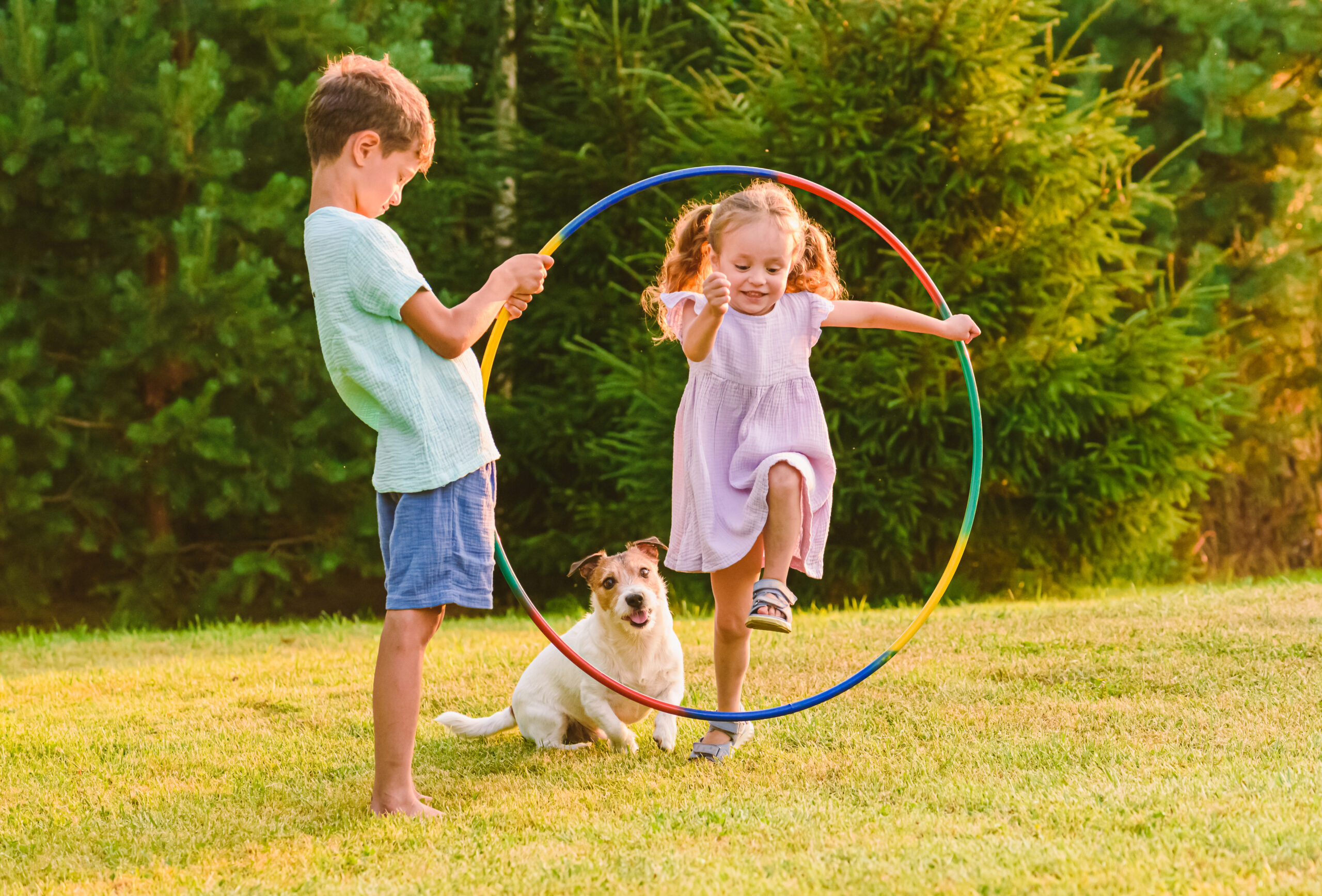
Understanding Your Child’s Gross Motor Development
Beat the Summer Slide Without Breaking a Sweat
Raising Tomorrow’s STEM Leaders: The Power of Spatial Skills

How to Turn Storytime into a Learning Moment?

Embracing Your Child’s Unique Strengths and Challenges: Understanding Learner Variability


