


How to Build Your Child’s Self-Control

What Is Self-Control?
Self-control (or inhibitory control, as it’s called within executive functions) is your child’s ability to pause, stop, or resist an immediate impulse. It’s what helps them wait their turn even when they’re excited, stop running when you call out, or follow a rule that feels hard in the moment.
This skill begins developing in infancy, but real growth happens during the toddler and preschool years. Some forms of inhibition are straightforward, like simply stopping or waiting. Others are more complex because they require remembering a rule and using it to override what feels automatic, like doing the opposite of what they hear or freezing in a specific pose. These more demanding skills improve significantly between ages 3 and 5, though they remain challenging for most preschoolers.
Why Is It Important?
Inhibition is essential for daily life and school success. Children with stronger self-control can focus despite distractions, take turns during group activities, and manage big emotions when things don’t go their way. Children who can regulate their impulses are better able to persist through challenging tasks, cooperate with peers, and navigate complex social situations. Essentially, inhibition gives your child the power to choose their actions rather than simply react.
How Can You Support Your Child’s Self-Control?
These activities are grouped by age, but children develop at different rates. Feel free to try activities from younger or older age groups depending on where your child is, adjusting the difficulty to keep things fun without frustration.
18-36 Months: Simple Stops and Starts
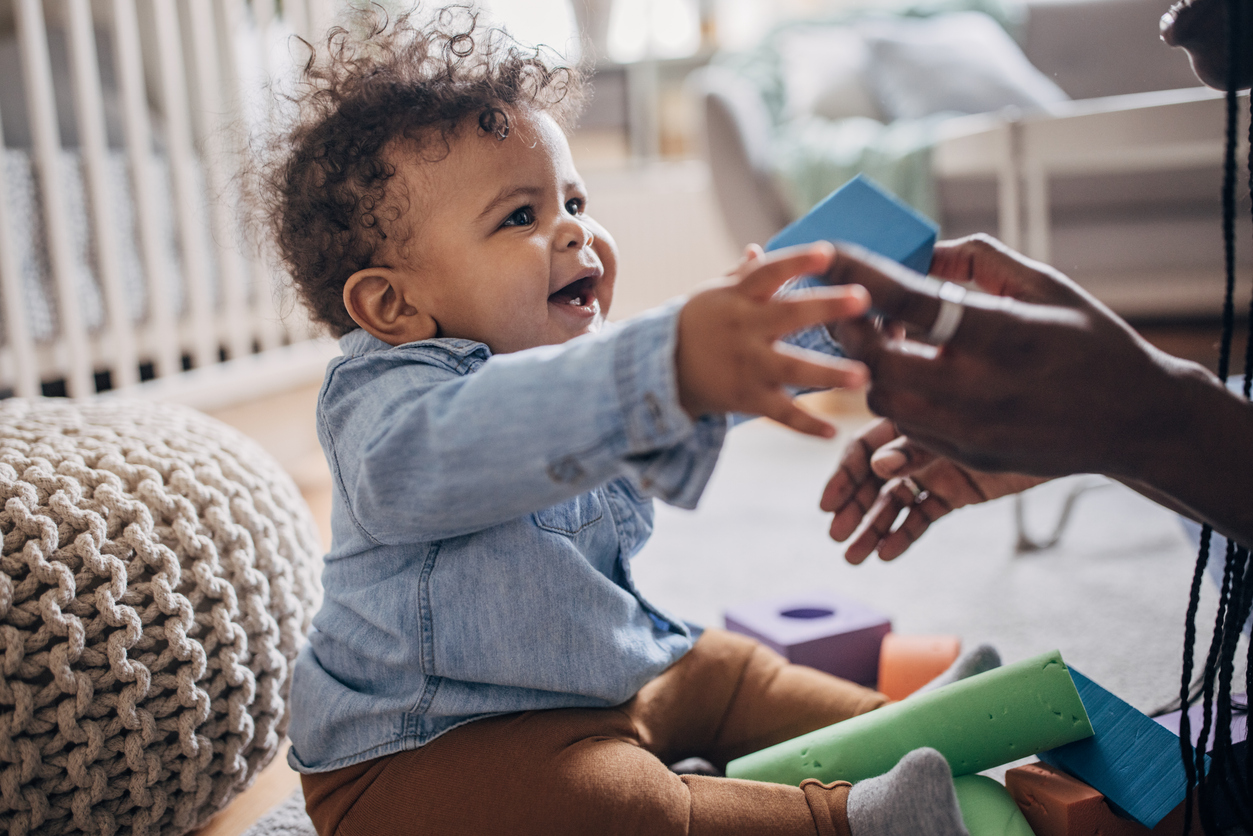
Movement games with clear rules: Play simple “Red Light, Green Light”: when you say “go,” they move; when you say “stop,” they freeze. Roll a ball back and forth, taking turns. The challenge of waiting, even briefly, exercises their emerging self-control.
Music and movement activities: Dance together, then pause the music and both freeze in place. Try songs with stop-and-go actions, like “Ring a Ring o’ Roses,” or make up games where you march fast, then slow, then stop completely.
Sorting games that go against their instincts: Give them a bucket and ask them to put toy cars in it but leave the blocks out. Or sort toys by color but make it backwards—put all the toys that are NOT red in the red basket. These rules require them to stop their automatic response.
3-5 Years: Holding Back and Following Rules
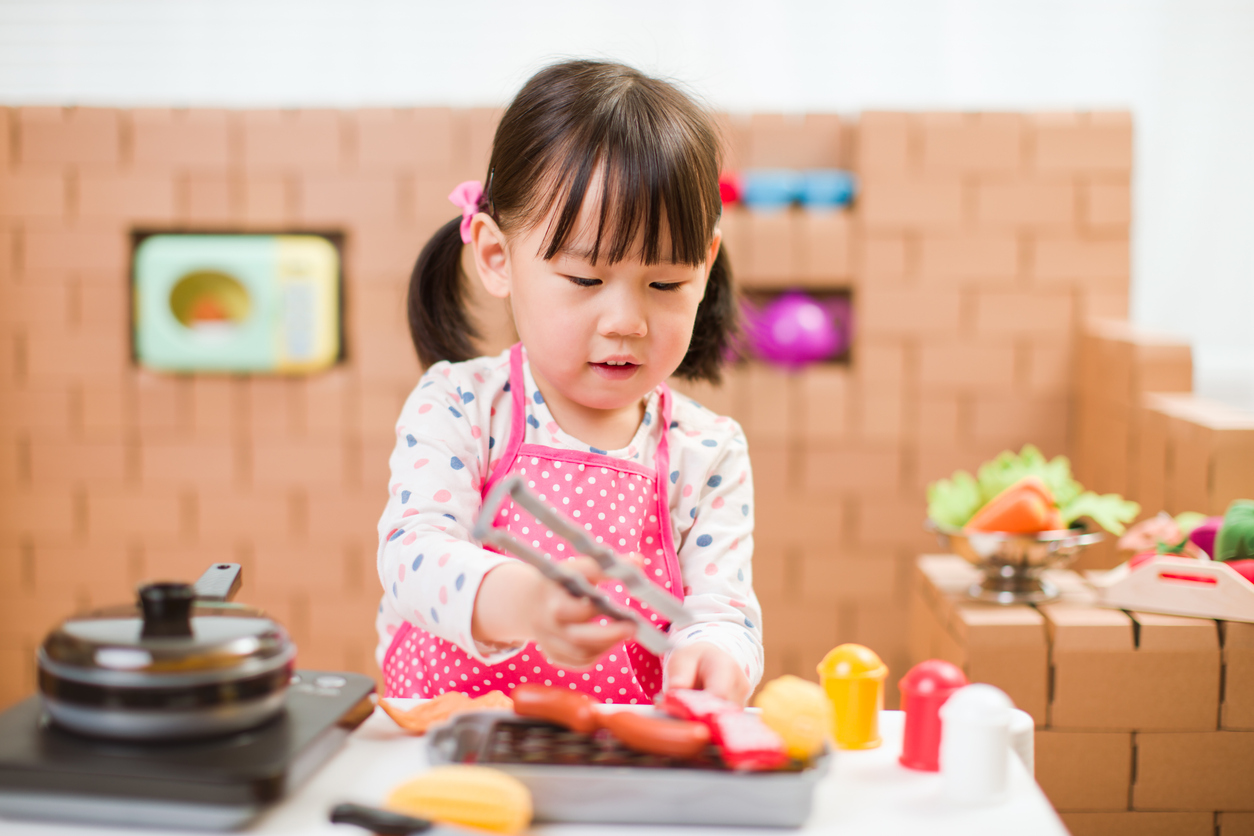
Pretend play: When your child pretends to be a doctor examining a patient, a chef following a recipe, or a teacher waiting for students to answer, they’re practicing impulse control. The key is staying within the rules of that role.
Movement games with changing speeds: Dance together, calling out “fast!” and “slow!” Make freeze dance harder by asking them to freeze in funny positions, like standing on one foot or holding their arms out wide.
Opposite games: Any game where kids need to go against well-known rules works beautifully here. Try “Silly Sun, Sleepy Moon”: show your child a picture of the sun and ask them to say “night,” then show a moon and ask them to say “day.” It sounds simple, but it asks your child to stop their natural response and remember a new rule. You can also play with toy cars where they need to go on red and stop at green, the opposite of real traffic lights.
5-7 Years: Quick Thinking and Complex Rules
Fast-paced card games: Games like “Snap” require children to watch carefully and slap the pile only when two matching cards appear. They must hold back every other time. In “Slapjack,” they react only when they see a Jack, inhibiting the urge to slap at every card.
Active group games: “Duck, Duck, Goose” asks children to sit still and wait as excitement builds. “Red Light, Green Light” becomes more challenging because children can move faster and must stop more suddenly. Musical chairs require them to walk (not run!) around the chairs, balancing control with quick action.
Singing rounds: Start with “Row, Row, Row Your Boat” where one person begins singing and the other starts a few words later. Your child must keep their own place while hearing you sing different words, which requires ignoring the distraction and maintaining their own rhythm.

Related Post
15 Fun Activities to Build Gross Motor Skills
Speech Milestones in Children: Age-Wise Guide to parents
Tweezers and Tongs Activities for Little Hands

Alphabet Books Every Preschooler Should Read
Teaching Sharing and Turn-Taking to Toddlers
Simple Ways to Boost Your Child’s Working Memory
Messy Play Activities: A Detailed Parent Guide
15 Fun Preschool Learning Activities for 3-Year-Olds
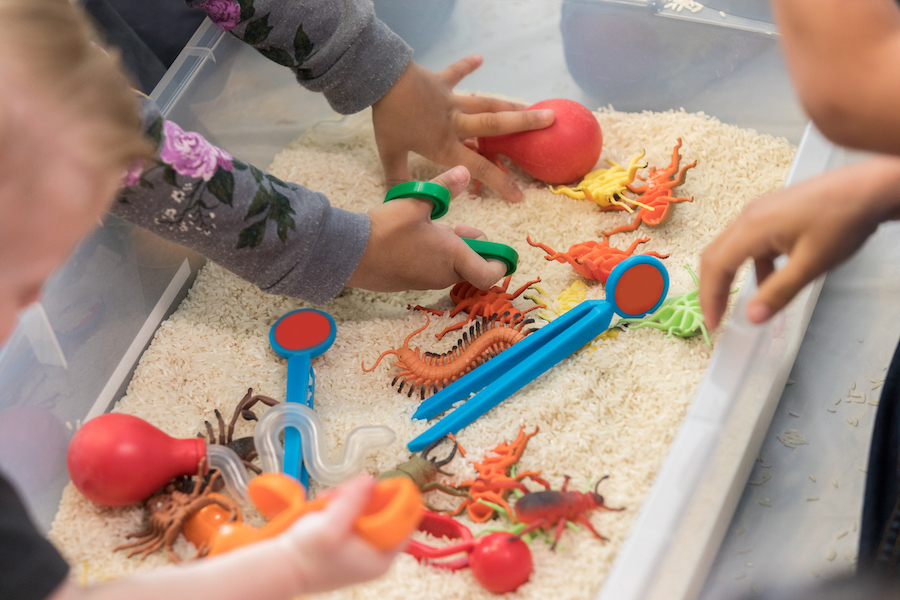
Easy Sensory Bin Ideas for Toddlers
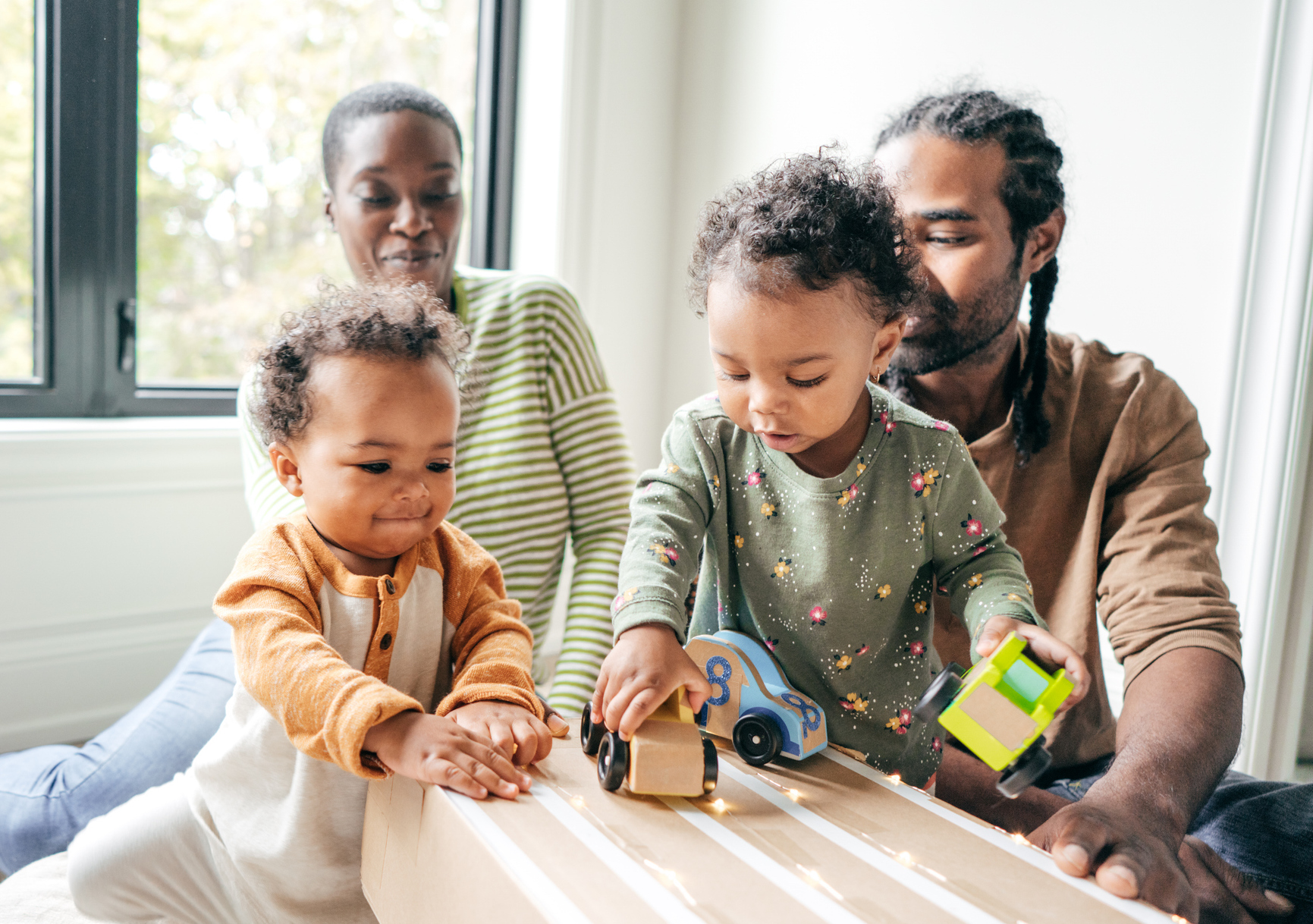
Age-Appropriate Learning Activities for Toddlers and Preschoolers
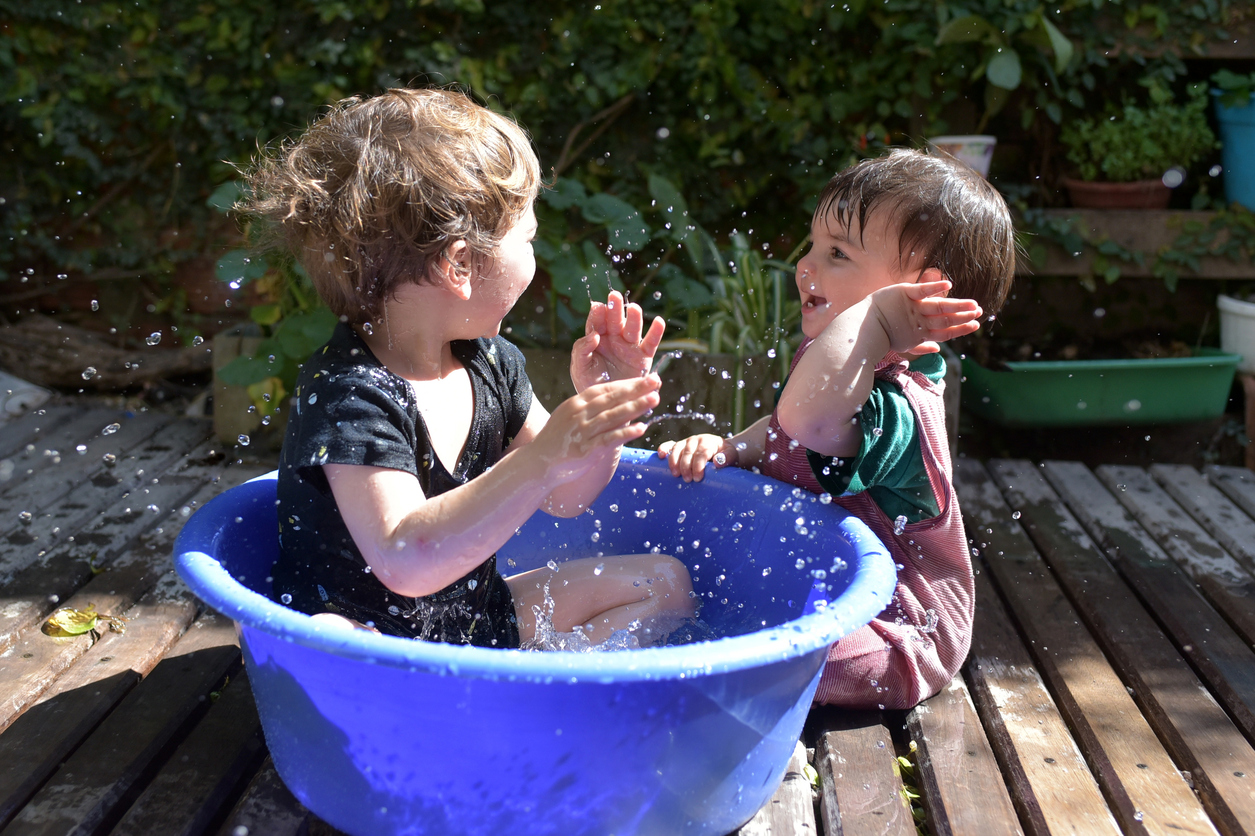
Water Play Activities for Toddlers
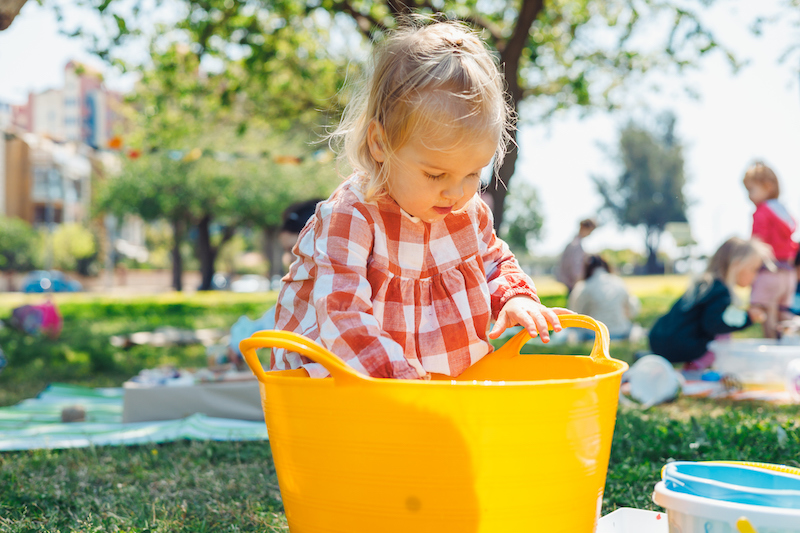
Sensory Activities for 2-Year-Olds: Brain-Building Through Play
Threading and Lacing Activities for Preschoolers

The Secret to Boosting Your Child’s Vocabulary: Pointing Gesture
When to Start Potty Training
How to Raise a Problem-Solver

Building Vocabulary in Toddlers Through Play: The Science-Backed Approach

50 Boredom Busters for Toddlers and Preschoolers
Best Scissor Skills Activities for Preschoolers
STEM Activities Using Kitchen Items for Preschoolers and Kindergarteners

Rhyming Games for Preschoolers: The Secret to Reading Success
Fine Motor Activities for 3-Year-Olds: The Complete Guide to Building Strong, Skilled Hands
Playdough Activities That Build Fine Motor Skills: The Science-Backed Guide for Parents and Teachers

Understanding Your Child’s Language Development

Understanding Executive Functions: Your Child’s Cognitive Toolkit for Success

Bringing WonJo Kids into Your Classroom: A Teacher’s Guide
Sight Words for Kindergarteners: A Complete Parental Guide
25 Fun Sorting Activities for Preschoolers – Easy, Printable & Hands-On Ideas
12 Best Pattern Activities for Preschoolers That Build Math & Reading Skills

Every Child Has a Learning Superpower

The Benefits of (Quality) Interactive Learning Apps for Preschoolers
Counting Activities for 3-Year-Olds: 20 Simple & Fun Ways to Grow Early Math Skills
Best Books for 3 Year Olds: 50+ Must-Read Picks to Spark a Love of Reading

Scientific Experiments for Preschoolers: 15+ Easy Activities That Spark Curiosity and Learning
Teaching Phonics at Home: A Parent’s Guide to Building Strong Readers
2-Year-Old Milestones: What to Look For
Building Confidence and Skills for Kindergarten Readiness

Understanding Your Child’s Gross Motor Development
Beat the Summer Slide Without Breaking a Sweat
Raising Tomorrow’s STEM Leaders: The Power of Spatial Skills

How to Turn Storytime into a Learning Moment?

Embracing Your Child’s Unique Strengths and Challenges: Understanding Learner Variability


