


50 Boredom Busters for Toddlers and Preschoolers

If you live with a toddler or preschooler, you probably hear “I’m boooored!” on repeat. Instead of treating that as an emergency to be fixed, what if boredom was the beginning of something good?
Why is Boredom good?
Researchers and child psychologists alike say that in long stretches of safe, unstructured, screen-free time, curiosity, creativity, and problem-solving can actually get a chance to develop in kids. Boredom is like a little dashboard light for the brain: it tells kids, “This isn’t working, it’s time to try something new,” and nudges them to look around, think for themselves, and experiment.
So instead of rushing in with activities the second your child looks restless, you can do something powerful: pause. Give them a few minutes to sit with that “I don’t know what to do” feeling, poke around the house, daydream, or come up with their own idea. Very often that’s when the best forts, pretend games, and make-believe worlds start to appear.
That’s where these 50 boredom busters come in. But rather than thinking of them as a packed schedule, think of them more like a menu of prompts you can offer once your kid has had that first moment of figuring things out: “You feel like doing art?” “Want to move your body?” “Ready to play outside?” When kids choose what comes next, they’re not just being entertained, they’re building independence, confidence and a toolkit of ways to handle boredom for life.
Creative Art and Craft Activities
Art is a natural way for toddlers and preschoolers to communicate and explore. These activities help develop fine motor skills and encourage creativity.
-
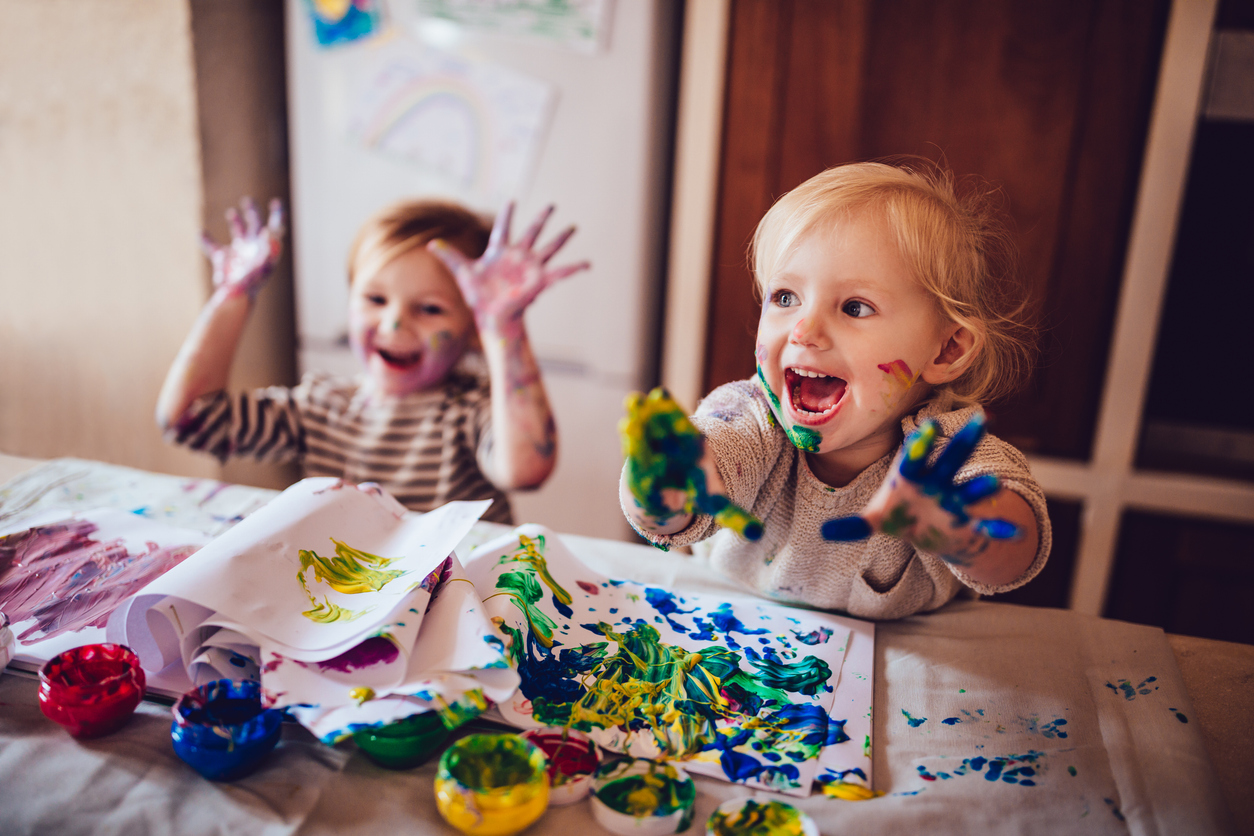
- Bubble painting with colored bubbles: Mix a bit of non-toxic paint with bubble solution and blow bubbles onto paper. Kids love chasing and popping colorful bubbles while creating unique paintings.
- Nature collages: Take a nature walk to collect leaves, flowers, twigs, and pinecones. Use glue or tape to create beautiful collages on cardstock or paper plates. This also teaches about textures and shapes found in nature.
- Mess-free painting: Place paint dots inside a sealed ziplock bag and tape it to a window or table. Children can squish and mix colors without getting messy, making it perfect for younger kids or mess-resistant play.
- Handprint and footprint art: Transform hand or footprint impressions into fun animals like butterflies, fish, or flowers by adding details with markers or paint. These crafts make memorable keepsakes and gifts.
- Recycled crafts: Use old cereal boxes, toilet paper rolls, or bottle caps to make robots, cars, or jewelry boxes. Crafting teaches environmental awareness and resourcefulness.
- Origami and paper folding: Guide kids to fold simple shapes like boats, hats, or airplanes. Enhances hand dexterity and following stepwise instructions.
- Friendship bracelets: Introduce basic string weaving and knotting techniques with colorful embroidery floss to create bracelets. Great for developing finger muscles and pattern recognition.
Engaging Indoor Games and Learning
Indoor time can be just as active and enriching with games that foster learning and social skills.
-
- Scavenger hunts: Create simple clues or picture cards to find items around the house like “something red” or “a soft toy.” This sharpens observation skills and vocabulary.
- Matching and memory games: Use cards with animals, colors, or shapes. Start with a few pairs and gradually increase to build focus, concentration, and memory recall.
- Alphabet and number hunts: Hide magnetic letters or numbers for kids to find and identify, combining physical movement and early literacy/numeracy skills.
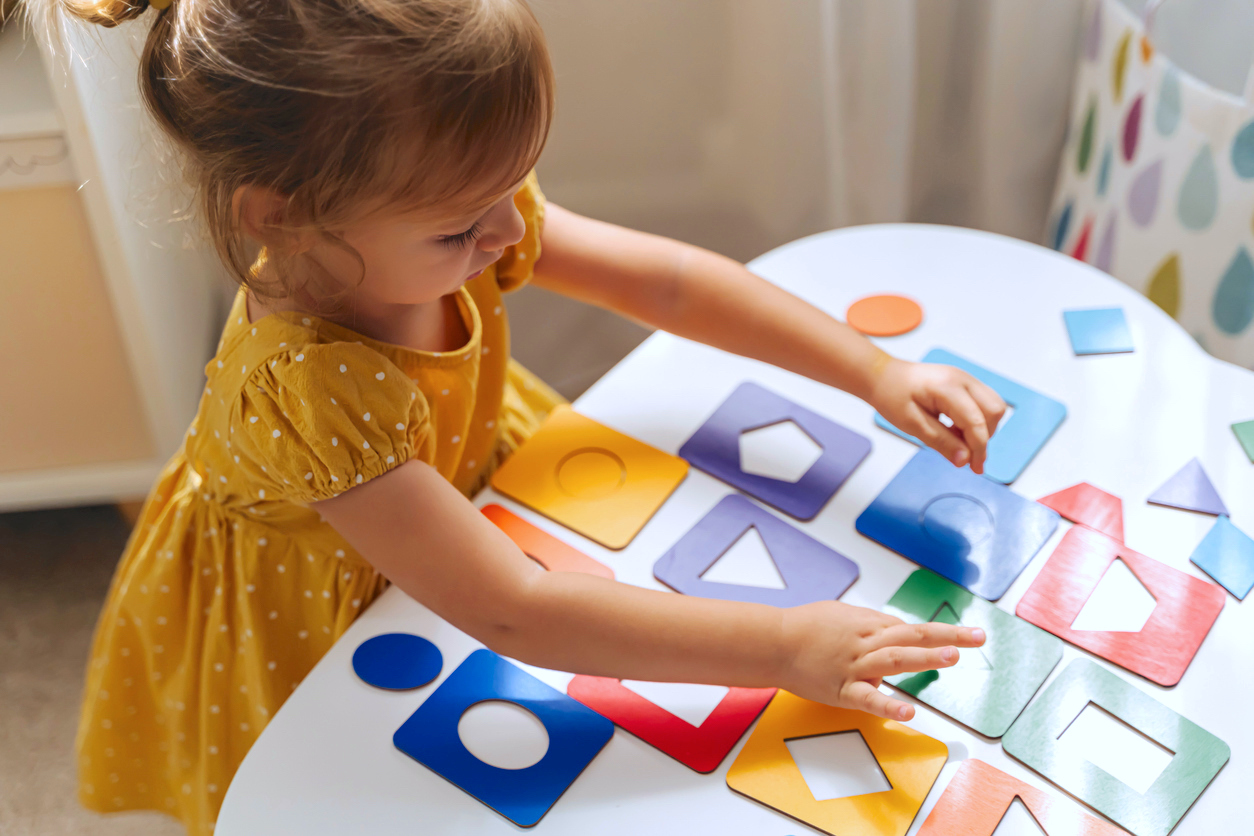
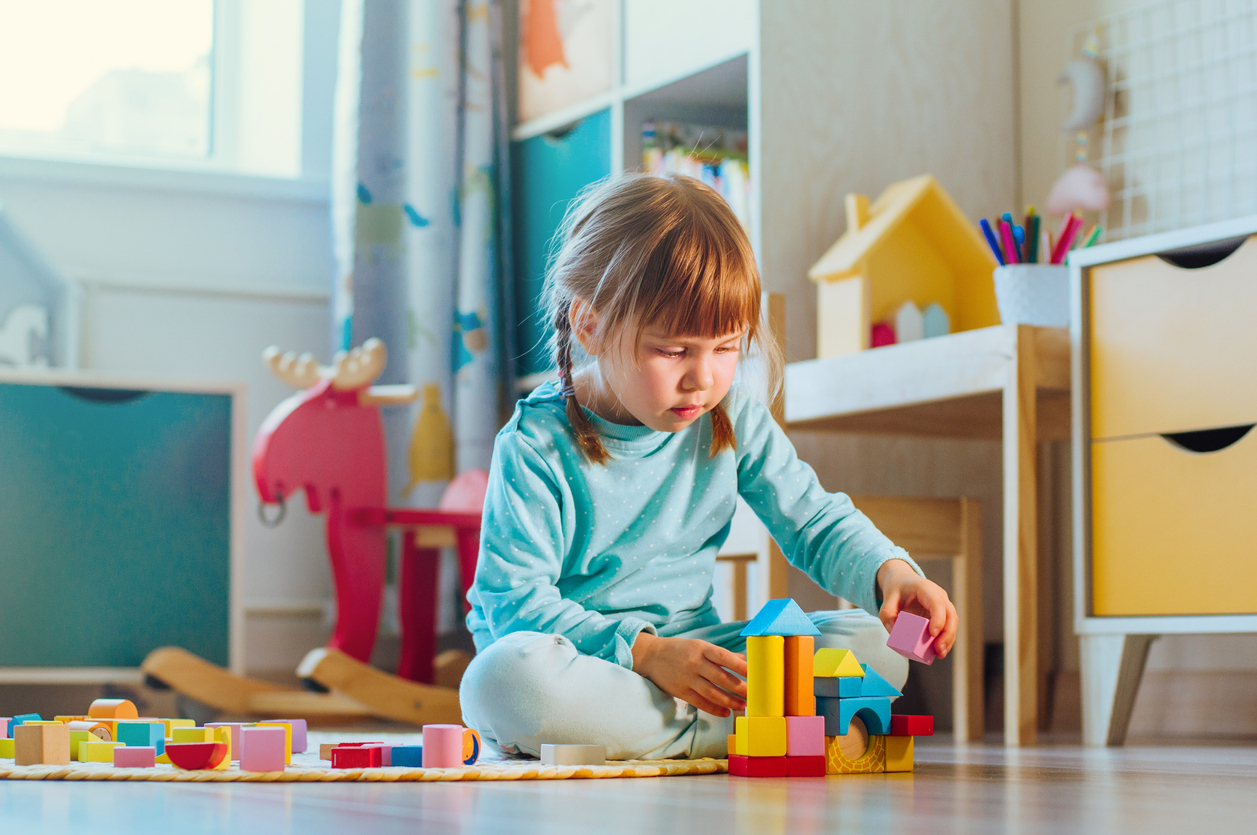
- Sorting and counting: Use toys like colored bears or buttons for sorting by size, shape, or color, then counting them aloud. This introduces classification and early math concepts.
- Simple puzzles: Age-appropriate jigsaw puzzles improve problem-solving skills and hand-eye coordination. Celebrate completing puzzles to build confidence.
- Role-play and dress-up: Kids love pretending to be firefighters, chefs, or superheroes. Costume play enhances imagination, social interaction, and emotional understanding.
- Puppet shows: Craft simple puppets using sock puppets or paper bags and put on a story or song show. Encourages narrative skills, creativity, and communication.
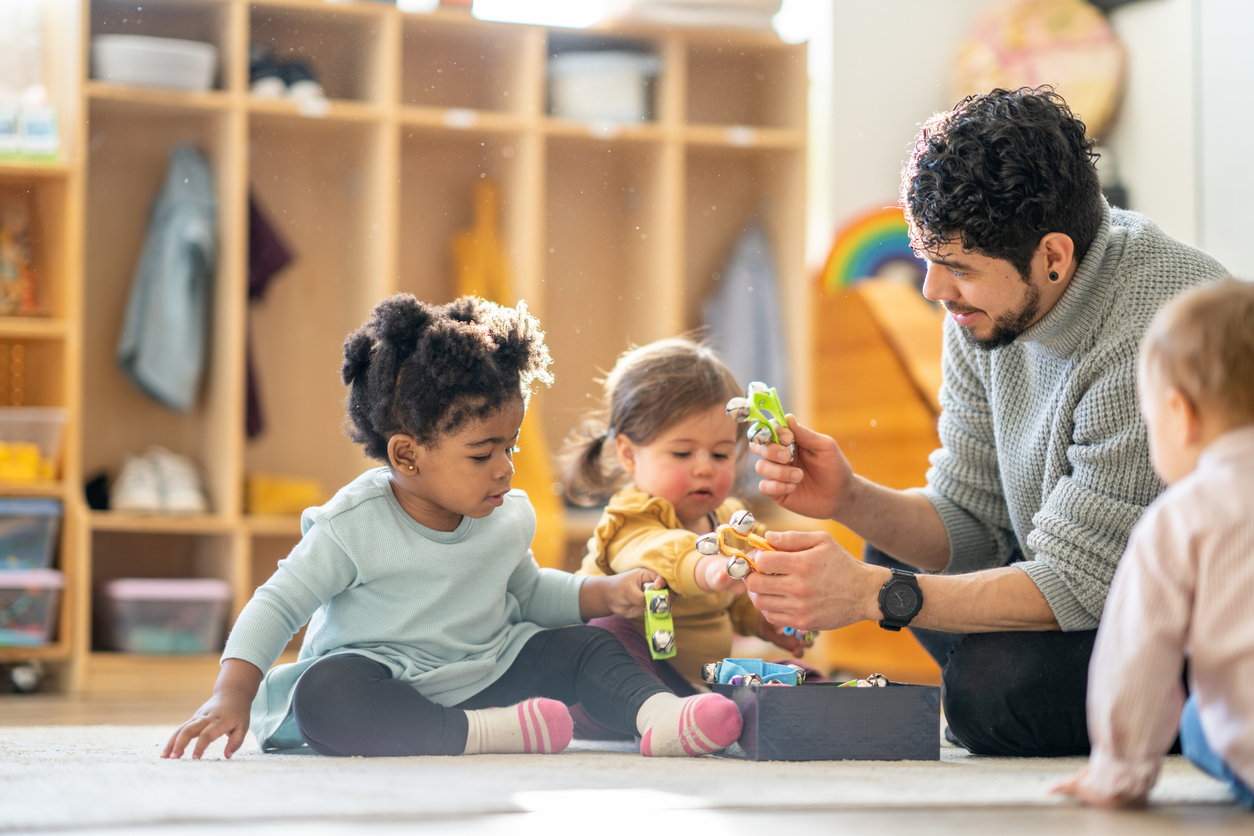
- Make-believe tea parties: Set up a pretend tea party with stuffed animals or dolls. Develops social skills like sharing, turn-taking, and polite conversation.
Outdoor Adventures for Active Play
Outdoor play nurtures physical health and curiosity about the world.
-
- Hide and seek or tag: Classic games that get kids running, develop spatial awareness, and teach rules and fair play.
- Bubble blowing: Use different sized wands for blowing bubbles and chasing them. It’s a simple joy that promotes hand-eye coordination and outdoor exploration.
- Obstacle course: Create a course with items like chairs to crawl under, cones to zigzag around, and ropes to jump over. It builds strength, balance, and motor planning.
- Mini gardening: Plant easy-to-grow seeds like sunflowers or beans in small pots or garden beds. It teaches responsibility and the basics of science and nature.
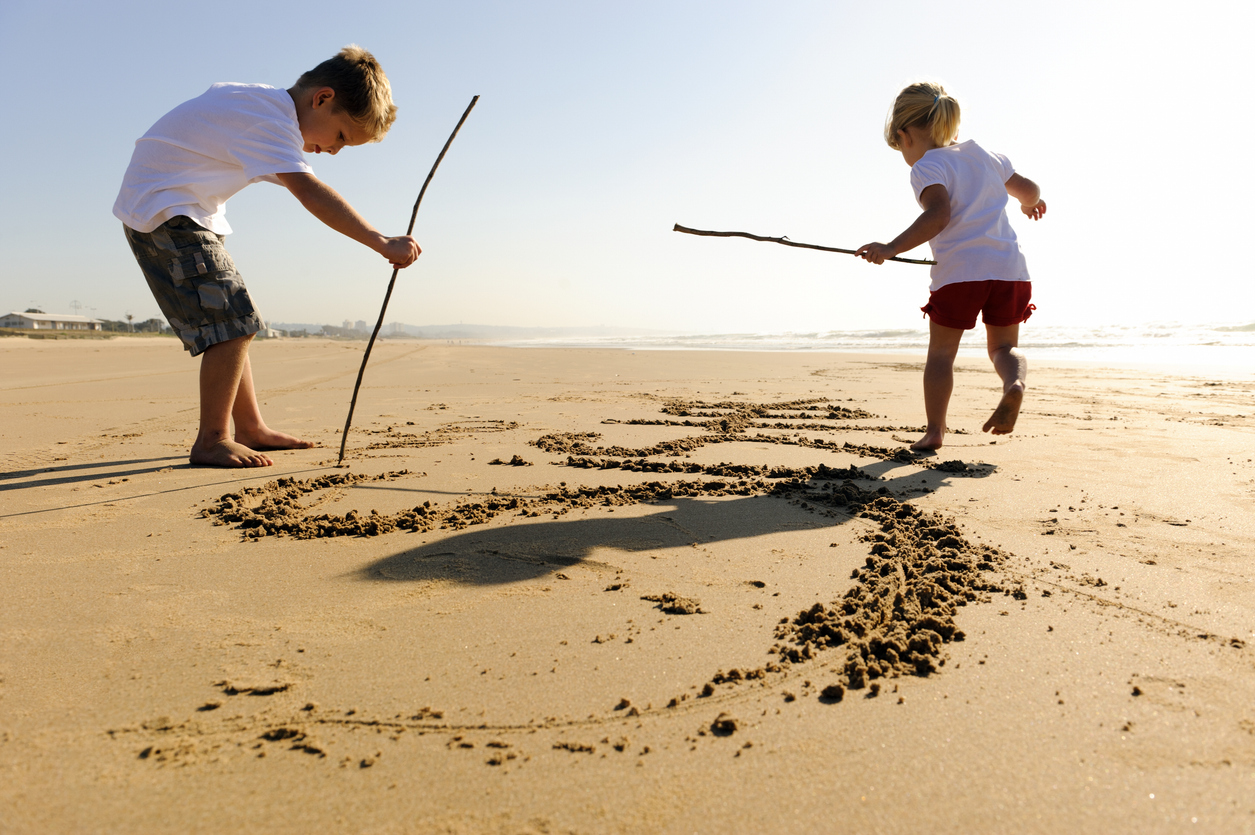
- Sidewalk chalk art: Drawing big colorful pictures or hopscotch games encourages creativity and helps with letter or number learning in a playful way.
- Ball games: Rolling, throwing, or kicking soft balls fosters large muscle development and coordination, plus lots of giggles!
- Nature walks: Use observation jars to collect interesting items for later crafts or sensory bins, connecting kids with nature’s treasures.
- Paper plane races: Fold planes together and have races, testing different shapes for flight distance and encouraging curiosity in physics.
Sensory and Motor Skills Boosters
These activities cater to sensory exploration and enhance fine and gross motor development.
-
- Sensory bins: Fill containers with dry rice, beans, pasta, or sand. Add scoops, cups, and small toys for tactile play that calms and engages children.
- Pom pom drop: Drop colorful pom poms through funnels or tubes into containers—great for hand-eye coordination and cause-and-effect learning.
- Washing animals: Give plastic animals or toys a “bath” with sponges and soapy water. This is fun and improves grasping and cleaning skills.
- Cutting practice: Under supervision, cutting colored paper strips or shapes strengthens hand muscles for writing readiness.
- Balloon rocket race: Attach a balloon to a string and tape; inflate and let it fly. A playful introduction to basic science concepts like propulsion.
- Tongue twisters and silly sounds: Enhance speech development and phonological awareness in a fun way through rhythmic repetition and laughter.
- Bead threading: Thread beads or pasta onto strings or pipe cleaners for concentration and precise finger movements.
Quiet and Relaxing Activities
When it’s time to wind down, these calm activities still nurture creativity and learning.
-
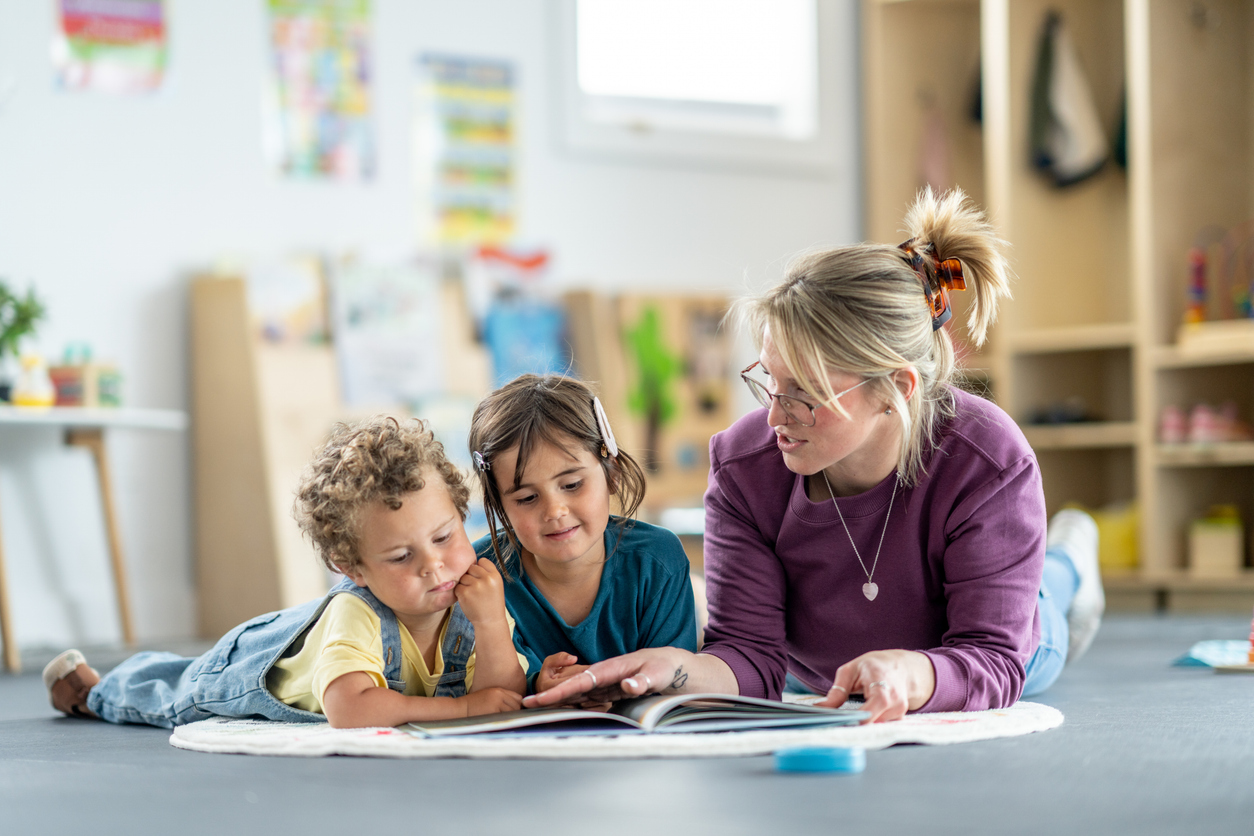
- Storytelling and reading: Choose books with bright pictures and rhythmic text. Encourage kids to predict story endings or act it out.
- Drawing and coloring: Offer crayons or markers and blank paper. This supports fine motor skills and personal expression.
- Card and scrapbook making: Create simple cards or scrapbooks from photos, stickers, and paper. Great for emotional connection and memory skills.
- Mini journals: Younger kids can draw a picture diary of their day. Writing or drawing supports literacy development and reflection.
- Yoga and stretching: Simple kid-friendly poses improve flexibility, balance, and calm mind-body connection.
- Guessing games: Play “Guess the Animal” or “What Am I?” to build vocabulary and listening skills.
- Dream jars: Make jars with notes or drawings of dreams and wishes, creating a soothing bedtime ritual and encouraging hopefulness.
Weekly Activity Planner for Toddlers & Preschoolers
| Day | Creative Art/Craft | Indoor Game/Learning | Outdoor Adventure | Sensory/Motor Skills | Quiet/Relaxing Activity |
| Monday | Bubble painting | Scavenger hunt | Nature walk | Pom pom drop | Storytelling |
| Tuesday | Nature collage | Matching cards | Sidewalk chalk art | Sensory bin play | Drawing/coloring |
| Wednesday | Mess-free painting | Alphabet hunt | Hide & seek | Toy washing | Kids yoga |
| Thursday | Handprint animals | Sorting/counting objects | Ball games | Cutting/color-sorting | Scrapbooking/cards |
| Friday | Recycled crafts | Puppet show | Obstacle course | Bead threading | Guessing games |
| Saturday | Friendship bracelets | Pretend tea party | Gardening/plant seeds | Balloon rocket race | Mini journal/dream jar |
| Sunday | Origami shapes | Role-playing/dress-up | Bubble blowing | Tongue twisters | Family movie/story night |
Download this planner, print it out, and keep it on your fridge or family board! Use the “Notes” section to jot down what your child loved most or ideas for next week. Getting into a routine with varied activities makes it easier for parents to balance fun, learning, and relaxation—even on the busiest days!
Final Thoughts
Parenting little ones is a wild, joy-filled ride—and boredom busters like these are wonderful tools for making memories together. Each day doesn’t have to be perfectly planned, but small shared adventures boost your child’s curiosity, confidence, and happiness, while helping parents feel more connected and less overwhelmed.

Related Post
15 Fun Activities to Build Gross Motor Skills
Speech Milestones in Children: Age-Wise Guide to parents

How to Build Your Child’s Self-Control
Tweezers and Tongs Activities for Little Hands
Alphabet Books Every Preschooler Should Read
Teaching Sharing and Turn-Taking to Toddlers
Simple Ways to Boost Your Child’s Working Memory
Messy Play Activities: A Detailed Parent Guide
15 Fun Preschool Learning Activities for 3-Year-Olds
Easy Sensory Bin Ideas for Toddlers
Age-Appropriate Learning Activities for Toddlers and Preschoolers
Water Play Activities for Toddlers
Sensory Activities for 2-Year-Olds: Brain-Building Through Play
Threading and Lacing Activities for Preschoolers

The Secret to Boosting Your Child’s Vocabulary: Pointing Gesture
When to Start Potty Training
How to Raise a Problem-Solver
Building Vocabulary in Toddlers Through Play: The Science-Backed Approach
Best Scissor Skills Activities for Preschoolers
STEM Activities Using Kitchen Items for Preschoolers and Kindergarteners

Rhyming Games for Preschoolers: The Secret to Reading Success
Fine Motor Activities for 3-Year-Olds: The Complete Guide to Building Strong, Skilled Hands
Playdough Activities That Build Fine Motor Skills: The Science-Backed Guide for Parents and Teachers

Understanding Your Child’s Language Development

Understanding Executive Functions: Your Child’s Cognitive Toolkit for Success
Bringing WonJo Kids into Your Classroom: A Teacher’s Guide
Sight Words for Kindergarteners: A Complete Parental Guide
25 Fun Sorting Activities for Preschoolers – Easy, Printable & Hands-On Ideas
12 Best Pattern Activities for Preschoolers That Build Math & Reading Skills

Every Child Has a Learning Superpower
The Benefits of (Quality) Interactive Learning Apps for Preschoolers
Counting Activities for 3-Year-Olds: 20 Simple & Fun Ways to Grow Early Math Skills
Best Books for 3 Year Olds: 50+ Must-Read Picks to Spark a Love of Reading

Scientific Experiments for Preschoolers: 15+ Easy Activities That Spark Curiosity and Learning
Teaching Phonics at Home: A Parent’s Guide to Building Strong Readers
2-Year-Old Milestones: What to Look For
Building Confidence and Skills for Kindergarten Readiness
Understanding Your Child’s Gross Motor Development
Beat the Summer Slide Without Breaking a Sweat
Raising Tomorrow’s STEM Leaders: The Power of Spatial Skills

How to Turn Storytime into a Learning Moment?

Embracing Your Child’s Unique Strengths and Challenges: Understanding Learner Variability


