


Before You Hand Over the Tablet: A Screen-Free Week Guide for Parents of Young Kids
Screen-Free Week happens every year in early May. The idea is simple: one week without screens for families. But if you have toddlers, preschoolers, or kindergarteners at home, you know that screens don’t just appear out of nowhere. You reach for them for a reason. To get dinner made. To keep the peace on a long car ride. To help a melting-down three-year-old calm down.
So instead of a generic list of “fun activities,” this guide starts with the real question: why do you use screens with your kids? Start there, and you’ll find the swap that might actually work for your family. A screen-free week is most effective when it’s followed by a deliberate reset in how screens are used — not just a return to the previous pattern. Transforming screen time from passive to active learning gives you a framework for what that better default looks like afterwards
When you need to get things done
Sometimes you just need 20 minutes to cook, answer emails, or take a call.
- The “yes” drawer. Dedicate one low kitchen drawer to totally safe items: wooden spoons, silicone containers, a whisk, pot lids. Let them play “kitchen” while you cook.
- A bin of rice or dried pasta. Fill a container with dried rice, pasta, or beans and add small cups, spoons, and funnels. Sensory play like this can keep young kids busy for a surprisingly long time. Put a sheet underneath for easy cleanup.
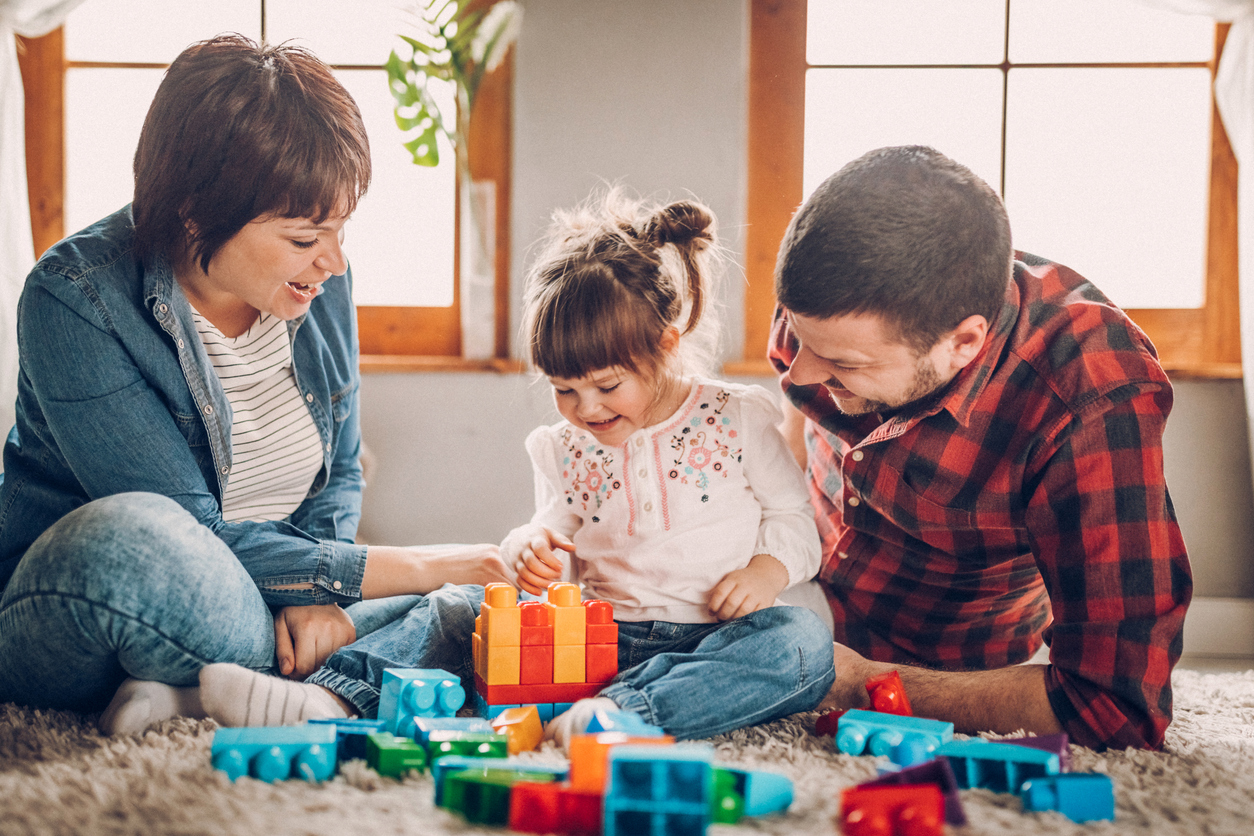
- Open-ended building with a prompt. Set out blocks, Duplo, or cardboard boxes with a simple challenge: “Can you build a house for your stuffed animal?” Then step back.
- Tape town on the floor. Use masking tape to draw “roads” on the floor. Add small toy cars or figures.
- An always-ready art station. Keep a low shelf or box stocked: crayons, blank paper, stickers, child scissors, glue sticks. When they can reach it on their own, they’ll often just start something without being asked.
When they just want to be entertained
Before jumping to activities, it’s worth letting boredom do its thing for a few minutes. Boredom is actually where creativity starts. Once they’ve had a chance to wander and wonder, here are some ideas to have in your back pocket. The hardest part of a screen-free week is the afternoon slump when children are bored and parents are out of ideas. Fun indoor activities for toddlers gives you 12 structured alternatives with clear descriptions — useful for having something ready before the “I’m bored” arrives
- Sock puppets. Pull out mismatched socks, add googly eyes or draw faces with a marker. Take turns putting on shows behind a couch cushion “stage.”
- Freeze dance. Put on music and play freeze dance. When the music stops, everyone freezes. Add silly rules (“freeze like a melting ice cream!”) to keep it going. The Animal Dance Song is one of the easiest screen-free wins during the week — children move like animals while the song plays, which combines music, imagination, and gross motor in a format that fills ten minutes without any parent involvement after you press play
- Blanket fort with a story inside. Build a fort together, crawl in with a flashlight, and take turns adding to a story one sentence at a time. “One day a dinosaur found a magic…” See where it goes.
- Indoor obstacle course. Cushions to jump over, a table to crawl under, tape lines to balance on. Give them a “10-second countdown” to beat their record.
- Put on a concert. Hand out “instruments” from the kitchen (wooden spoon, pot lid, tupperware) and take turns being the performer and the audience. Cheer loudly. Ask for an encore. 50 boredom busters for toddlers and preschoolers is worth bookmarking for the full week — organized by category so you can pick something different each day rather than repeating the same five activities until everyone’s frustrated
When you want them to learn something
Screen-free doesn’t mean learning-free. Real, hands-on experiences are how young children actually build the skills they’ll need in school: curiosity, language, attention, problem-solving.
- Nature walk with a mission. Give them a small bag and ask them to find 5 different things: something soft, something rough, something round, a leaf, a rock. Back home, sort and talk about what they found. Science, language, and observation, all in one walk.
- Number hunt around the house. Call out a number and race to find that many objects: “3 spoons! 7 crayons!” For older kids, write the number and then count to check. Builds number sense without a worksheet.
- Letter of the day. Pick a letter in the morning. Throughout the day, spot things that start with that sound, draw them, eat a snack that starts with the letter.
- Cooking together. Let them measure, pour, and stir. Cooking is math (half a cup), science (why does bread puff up?), and early literacy when you read the recipe together. Toddlers can wash vegetables and tear lettuce.
- A library trip. Let them pick 5 books with no input from you. Then read one right there. Choosing their own books builds a love of reading in a way that sticks.
When screens are supporting a second language
Many bilingual families use screens specifically for language input. Here are some alternatives to try this week.
- Try a new kind of story time. You probably already read aloud in your second language, which is great. This week, try telling a story from memory instead of a book: a folktale, something from your own childhood, or just make one up. Nursery rhymes are one of the most effective screen-free language activities available — no materials, no prep, and the rhyme and rhythm make them genuinely entertaining for young children. Nursery rhymes for kids gives you a collection to draw from across the week
- Cook a dish from the culture. Make a simple recipe together while narrating in the second language. Name the ingredients, give instructions, describe what you smell.
- A phone call with a family member. A grandparent or relative who speaks the language is one of the best resources you have. A 5-minute phone call to hear a story or just catch up goes a long way.
- Play a simple game in the second language. I Spy, Simon Says, or even just naming everything you see on a walk, all in the second language.
- Label everything in both languages. If your child is starting to read, spend 20 minutes making sticky labels for everyday objects: door, fridge, chair, window. Leave them up all week.
When you want to support emotions and routines
Big feelings, difficult transitions, getting out the door in the morning. These moments are hard, and having some tools ready makes a real difference. None of these are instant fixes, but over time they help kids build the skills to handle hard moments themselves.
- A calm-down jar. Fill a jar with water, glitter glue, and glitter. When things are spiraling, shake it together and breathe while the glitter settles. “When the glitter is still, we’re ready.”
- A morning routine chart with pictures. Draw or print pictures of each step: wake up, brush teeth, get dressed, eat, backpack. Let them check things off themselves. When the chart says what comes next, you stop being the one they’re pushing back against.
- Feelings check-in at dinner. Go around the table: what was the best part of your day? What was hard? Even toddlers can answer with one word. Done regularly, this builds the habit of putting feelings into words.
- A transition song. Make up a short, simple song for the tricky transitions: clean-up time, leaving the park, bath time. The ritual of the same song every time creates predictability. And predictability is what toddlers actually need when they fall apart.
- A “what comes next” walk-through. Before a tricky event (a doctor’s visit, a new place, dropping off at school), talk through what’s going to happen, step by step, in simple words. Kids handle hard things better when nothing is a surprise.
When you want to play together
Sometimes it’s not about keeping them busy. It’s about being together. These are activities where you’re in it too, not just watching from the sidelines.
- Make a book together. Fold a few sheets of paper in half and staple them. They draw the pictures, you write down what they tell you to write. Read it at bedtime.
- Make your own game together. Help them create a simple memory card game: draw pairs of pictures on small pieces of paper, flip them over, and play.
- Giant art on the floor. Tape large paper to the floor. Draw a scene together: a jungle, a city, an underwater world. No instructions, no goal.
- A “yes day” afternoon. For a couple of hours, say yes to whatever they want to play, within reason. You play the game they choose, in the role they assign you, for as long as they want. It’s a small thing that feels enormous to a young child.
- Pretend play, and let them lead. Ask “what are we playing?” and commit. If you’re a customer in their restaurant, you are genuinely puzzled by the menu. If you’re the patient, you are very worried about your leg.
When you’re traveling
Long car rides, flights, trains with a restless toddler: these are genuinely hard. A little preparation goes a long way.
- The mystery bag. Pack a bag with 5 or 6 small activities they haven’t seen before: a mini puzzle, a sticker book, a small figurine, a simple activity pad. Reveal them one at a time, spaced out.
- A scavenger hunt card. Make a simple card with drawings of things to spot from the window: a red car, a cow, a bridge, a yellow sign. Draw the pictures so kids who can’t read yet can play too.
- Audiobooks and kids’ podcasts. There are some wonderful ones out there for ages 3 and up. Audio is genuinely different from video: it sparks imagination rather than replacing it.
- Verbal games. Twenty Questions, I Spy, Would You Rather. They require nothing, work anywhere, and can fill a surprising amount of time. Kids as young as 3 can play.
- A travel journal just for this trip. Give them a small blank notebook. Draw things spotted from the window, paste in a boarding pass or ticket, list foods eaten. These become something kids actually treasure later.
A few small things
Talk to your child honestly before and after the week. Tell them what you’re doing and why, in plain language: “We’re trying a whole week without screens to see what we discover.” After the week, ask them: what was hard? What surprised you? What did you like? Kids who understand the reason are far more willing participants, and the conversation itself is valuable.
Expect the first day to be the hardest. The whining, the “I’m bored,” the wandering around not knowing what to do: that’s not failure. Most families find that by day 2 or 3, kids start playing more freely and creatively than they have in a while.
Consider making it a regular habit, not just a once-a-year thing. Screen-free Fridays, one screen-free morning a week, or even just “no screens before 10am.” Small and consistent creates more change than a yearly sprint. If this week feels good, think about what a smaller version might look like going forward.
No guilt, no all-or-nothing thinking. If you hand over the tablet on Wednesday because you’re exhausted and have a deadline, that’s fine. This week is about noticing, not achieving a perfect record.

Frequently Asked Questions
What is Screen-Free Week for kids?
Screen-Free Week is a time when families take a break from tablets, TV, phones, and video games. For young kids, it encourages more hands-on play, outdoor time, reading, creativity, and family connection.
What can toddlers do instead of screen time?
Toddlers can play with blocks, build blanket forts, dance, draw, cook with parents, sort toys, go on nature walks, or try sensory play with rice, pasta, cups, and spoons.
How do I reduce screen time without meltdowns?
Start gently. Offer one small swap, give your child a choice, and use a simple routine so they know what comes next. The first day may feel wobbly, but with practice, play starts to flow.
Are screen-free activities good for learning?
Yes. Hands-on play builds language, problem-solving, focus, creativity, and social skills in real life.
Related Post

My Child Is Lying. What Should I Do?

Toddlers Bedtime Routine: Creating Calm Evenings for Better Sleep

Ready for a Big Kid Bed? Here’s How to Make the Switch
Every Language Your Child Speaks Is a Gift
A Small Seed, a Big Difference: Why Planting with Your Child Is a Great Idea

What Makes Your Family Happy?

Teaching Our Children Well: Positive Discipline
Creating a Learning-Rich Home for Young Children
Fun Indoor Activities for Toddlers on Rainy Days
Weekend Routines That Make Mondays Easier for Kids
Gentle Ways to Help Your Child Try New Foods

Turning Screen Time into ‘Us’ Time: 5 Ways to Bond with Your Child

Screen-Free Dining: Building Bonds and Healthy Habits


