


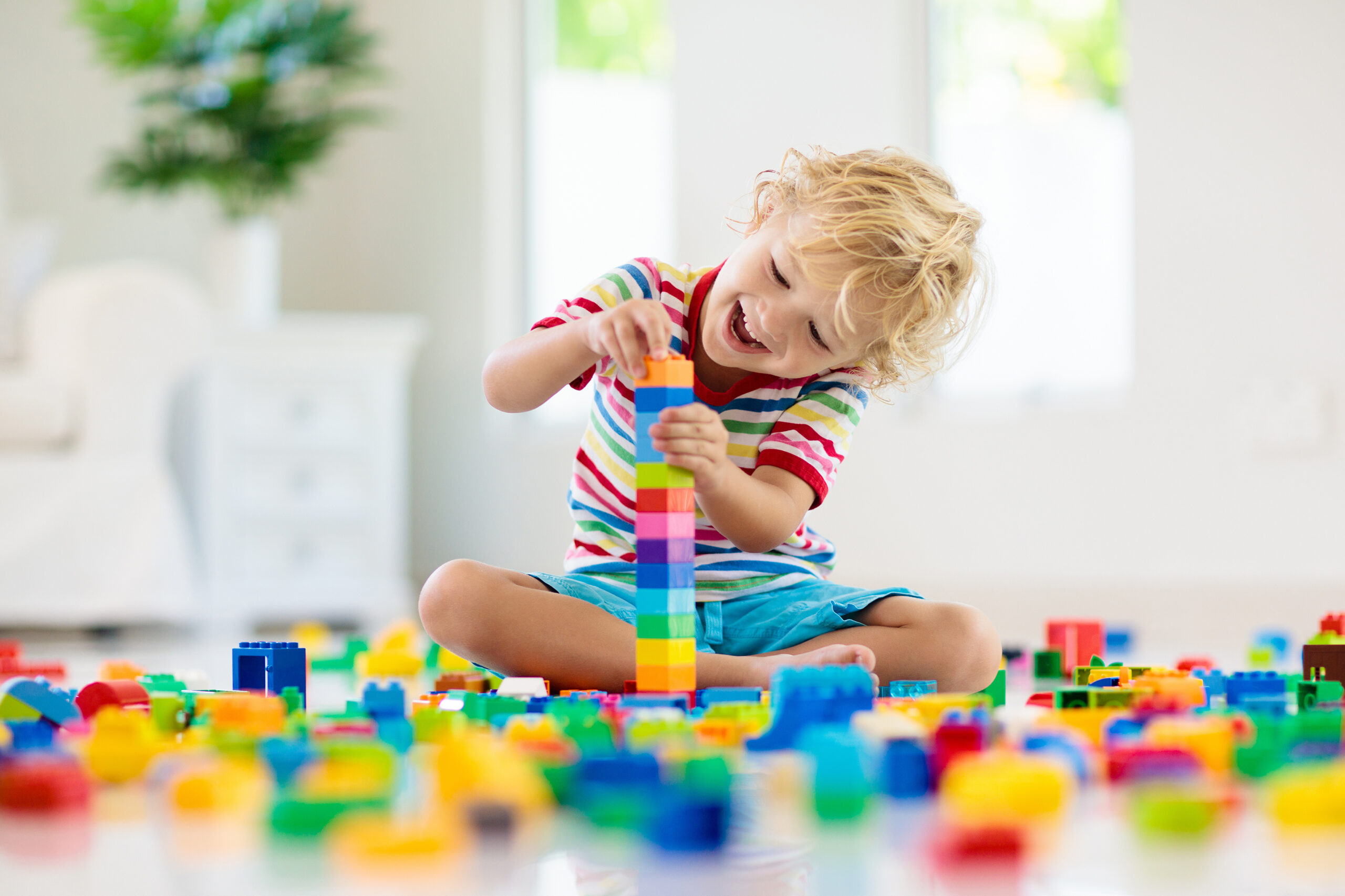
Benefits of Block Play: What Children Really Learn

Building towers, bridges, and castles is more than just play. Discover how block play helps preschoolers develop spatial thinking, early math, problem-solving, and planning skills.
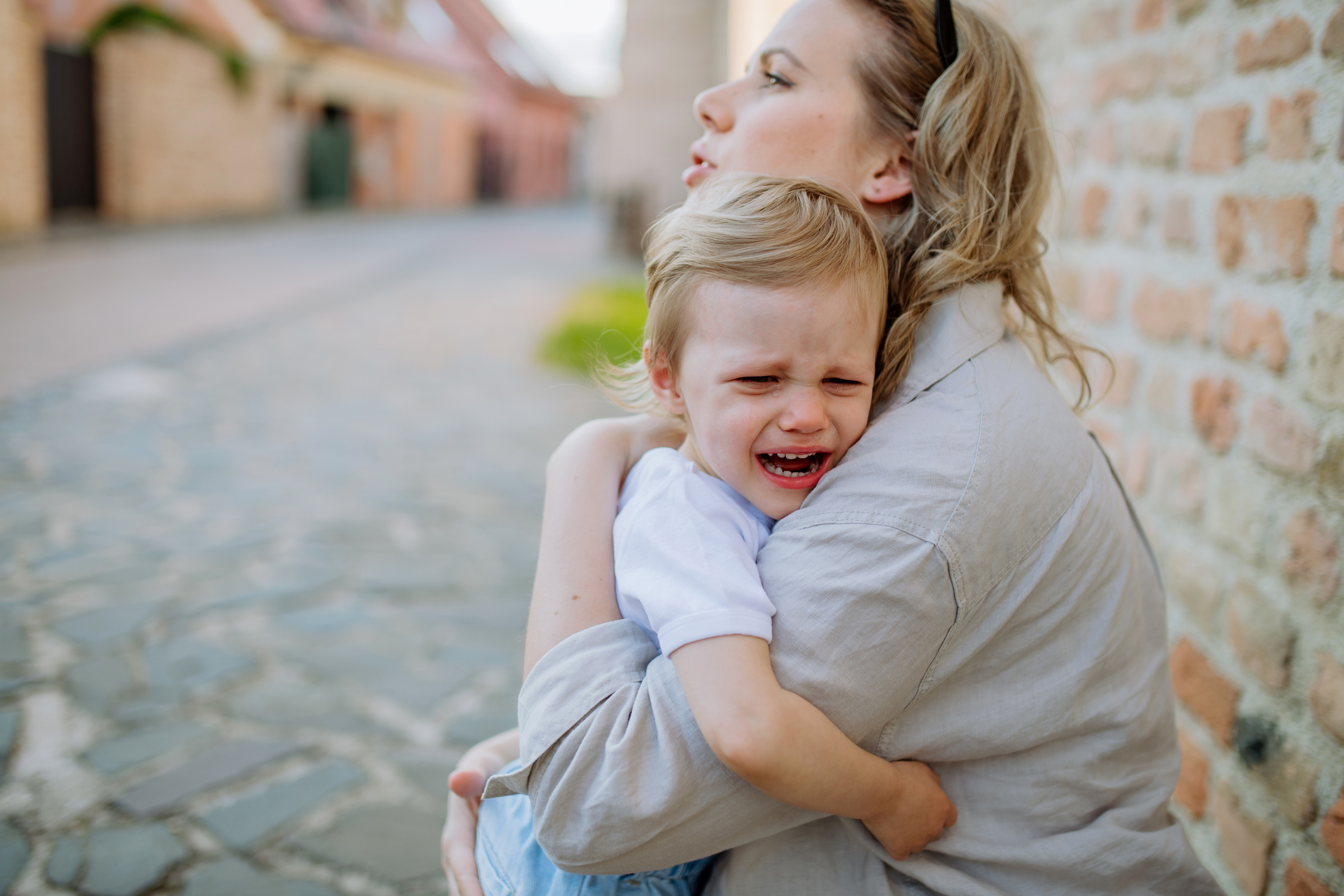
Why Does My Child Fall Apart After School?
Does your child seem happy at school but fall apart at home? Learn why after-school meltdowns happen and discover simple ways to make the transition home easier.
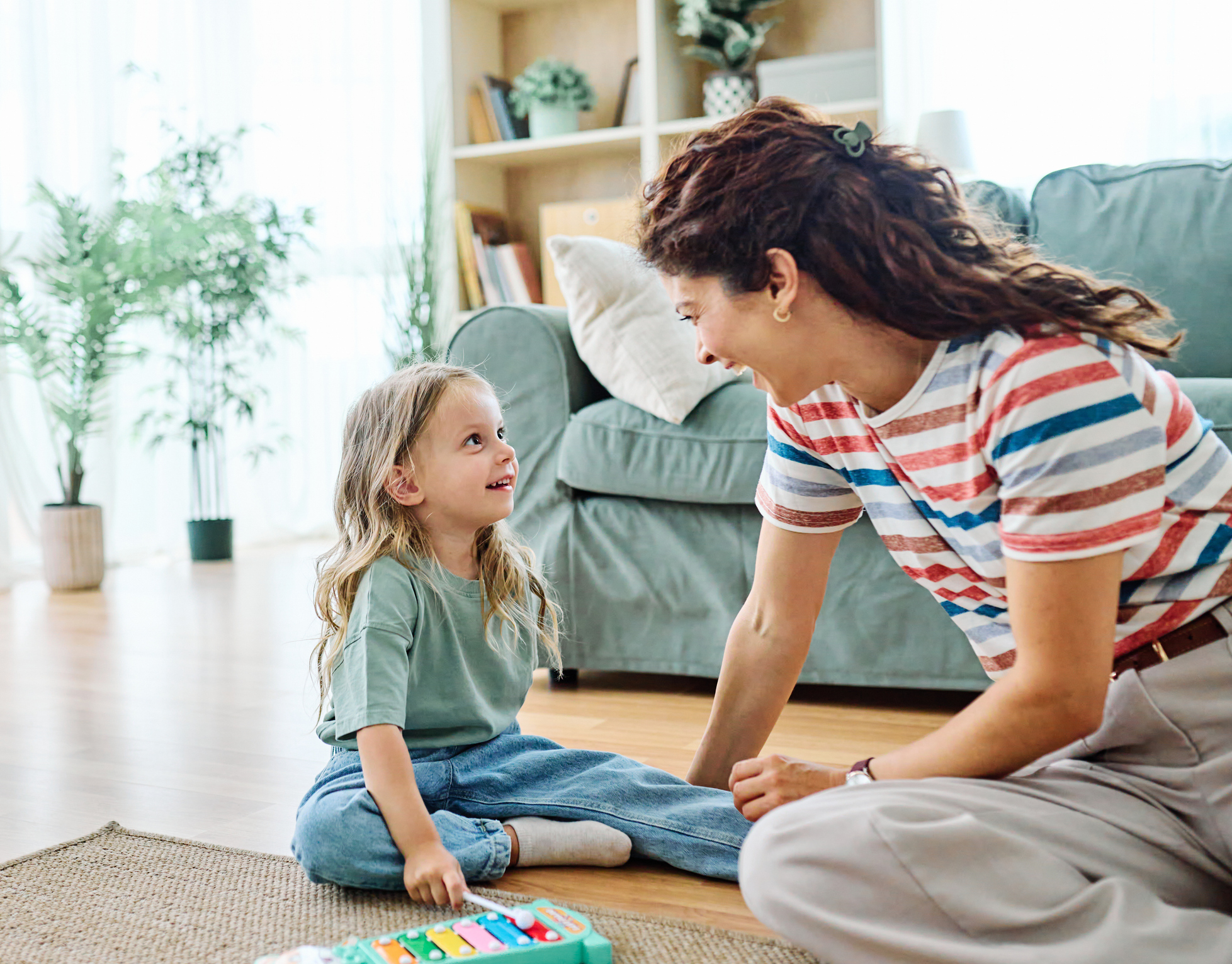
Attention-Seeking Behavior in Children: What They’re Really Telling You
When a child interrupts, whines, gets loud, or repeats the same behavior, it may be easy to call it “attention-seeking.” Learn what can be behind these moments and how to respond with connection, curiosity, and clear boundaries.
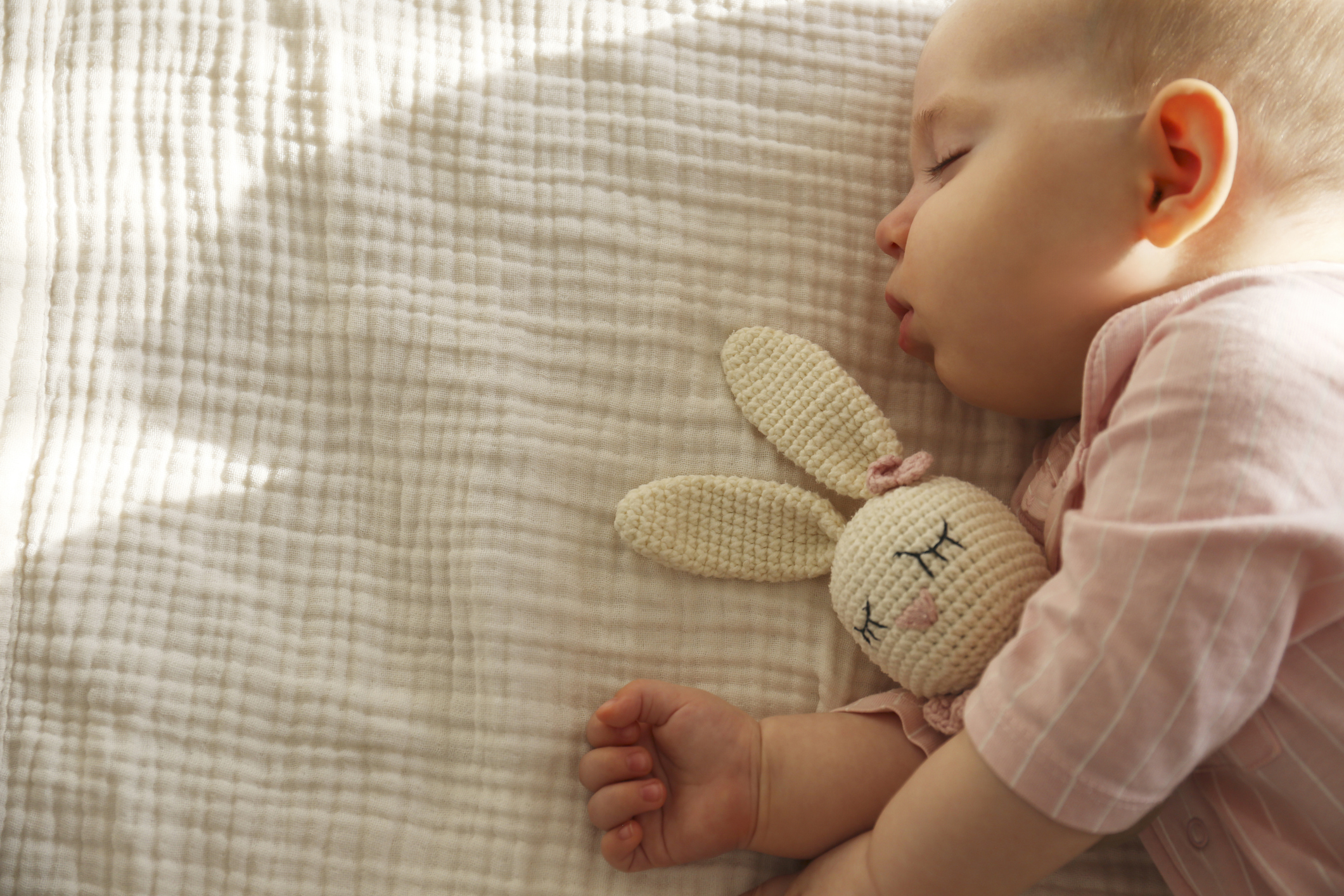
Sleep Schedule by Age: Naps, Night Sleep & Night Waking
Sleep needs change quickly as children grow. This guide explains sleep schedules by age, nap changes, night waking, and simple ways to support healthier sleep routines without following a rigid clock.
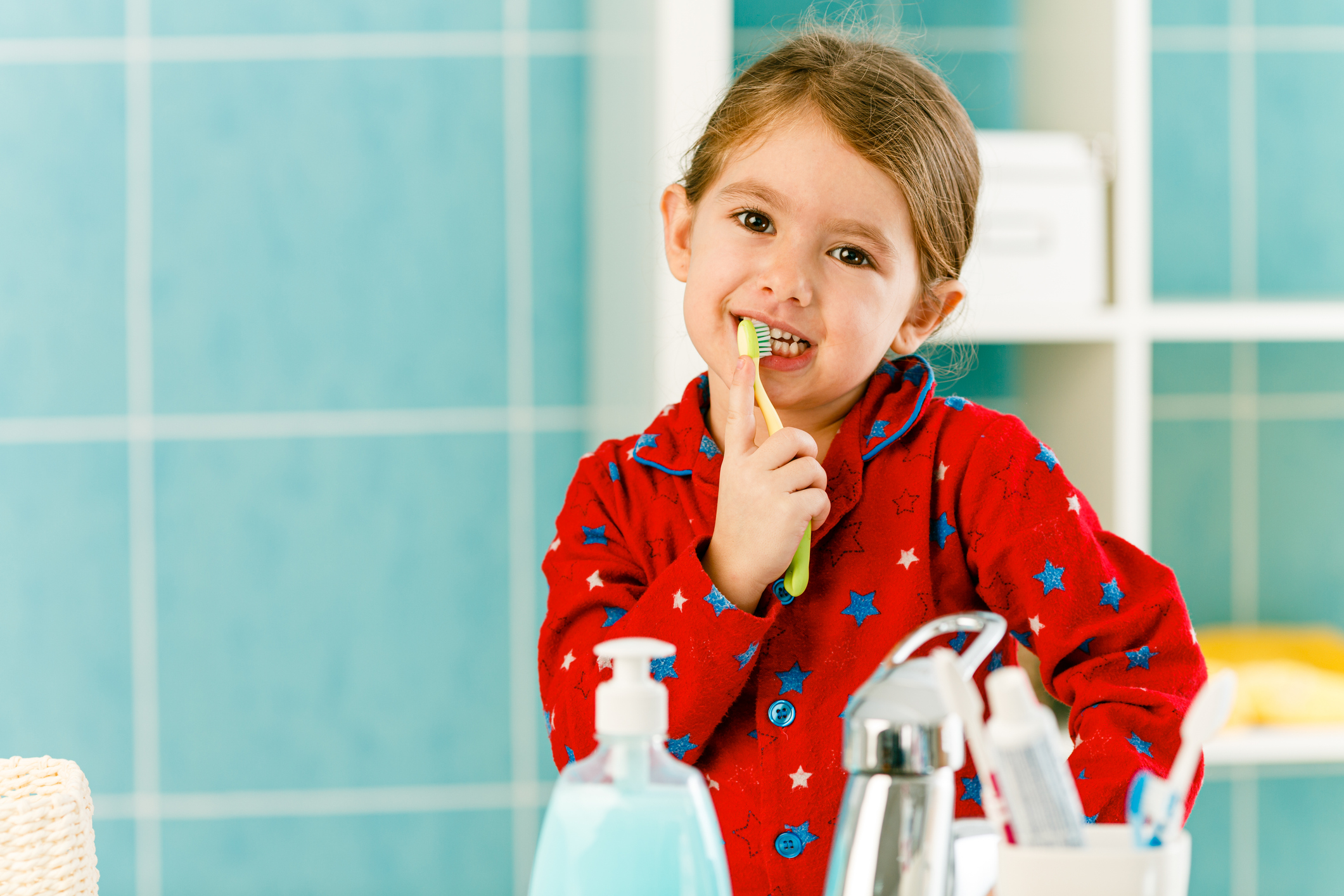
Tooth Brushing for Preschoolers: Simple Routines That Work
Make tooth brushing easier for preschoolers with simple routines, visual cues, songs, and shared brushing. Learn how to build healthy dental habits without turning every morning and bedtime into a struggle.
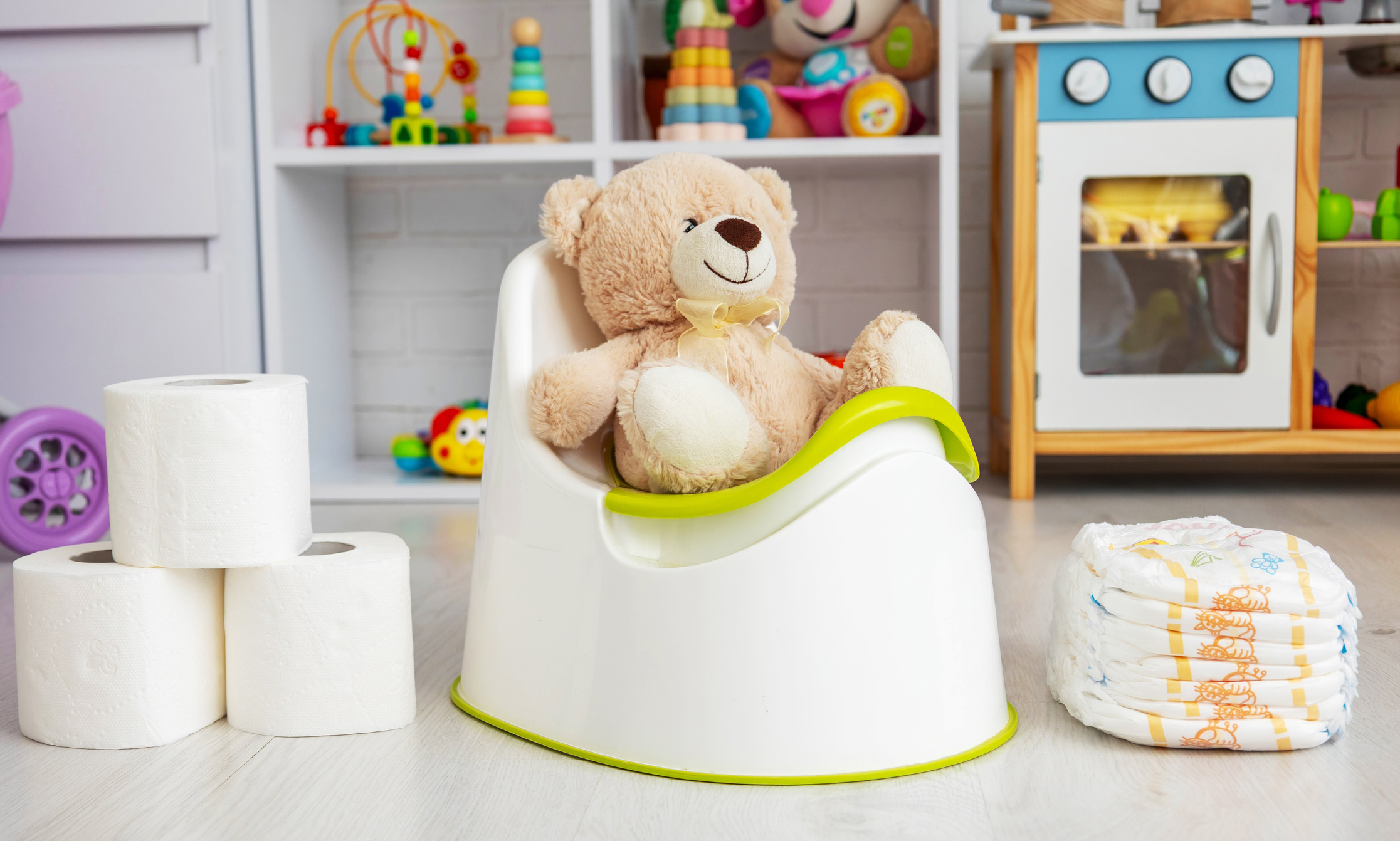
Potty Training Regression: Why It Happens and How to Help
Potty training regression is common after a child seemed fully trained. Learn what can trigger new accidents, when to rule out medical causes, and how to rebuild toilet routines without pressure or shame.
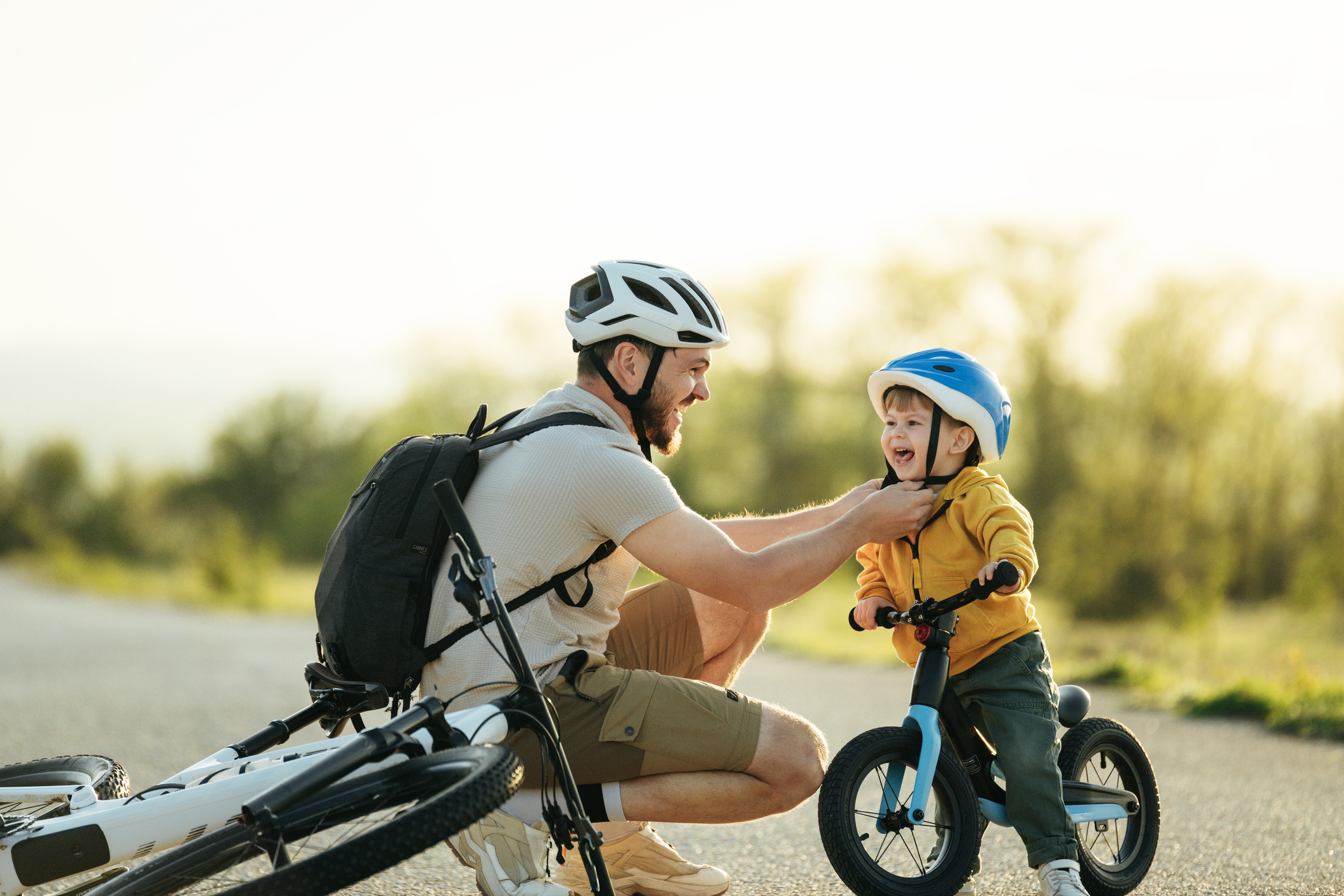
Risky Play for Kids: Why Safe Risk-Taking Matters
Risky play gives children space to climb, jump, balance, explore, and test their limits. Learn how safe, manageable risk can build confidence, independence, emotional regulation, and better judgment.
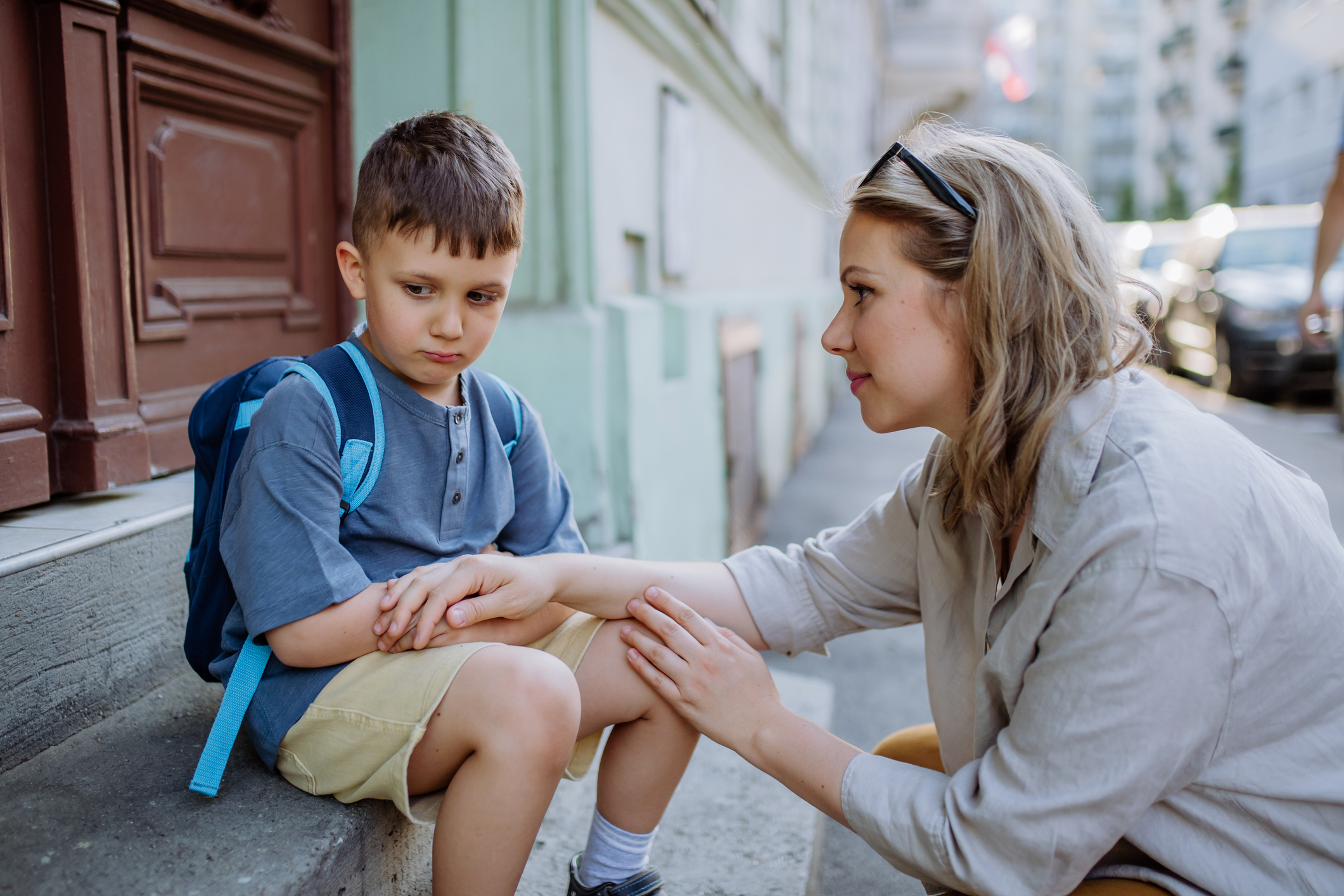
Co-Regulation Before Self-Regulation: How to Help Kids Manage Big Emotions
Before children can calm themselves, they often need a calm adult beside them. Learn how co-regulation builds emotional regulation through connection, comfort, modeling, and everyday practice.
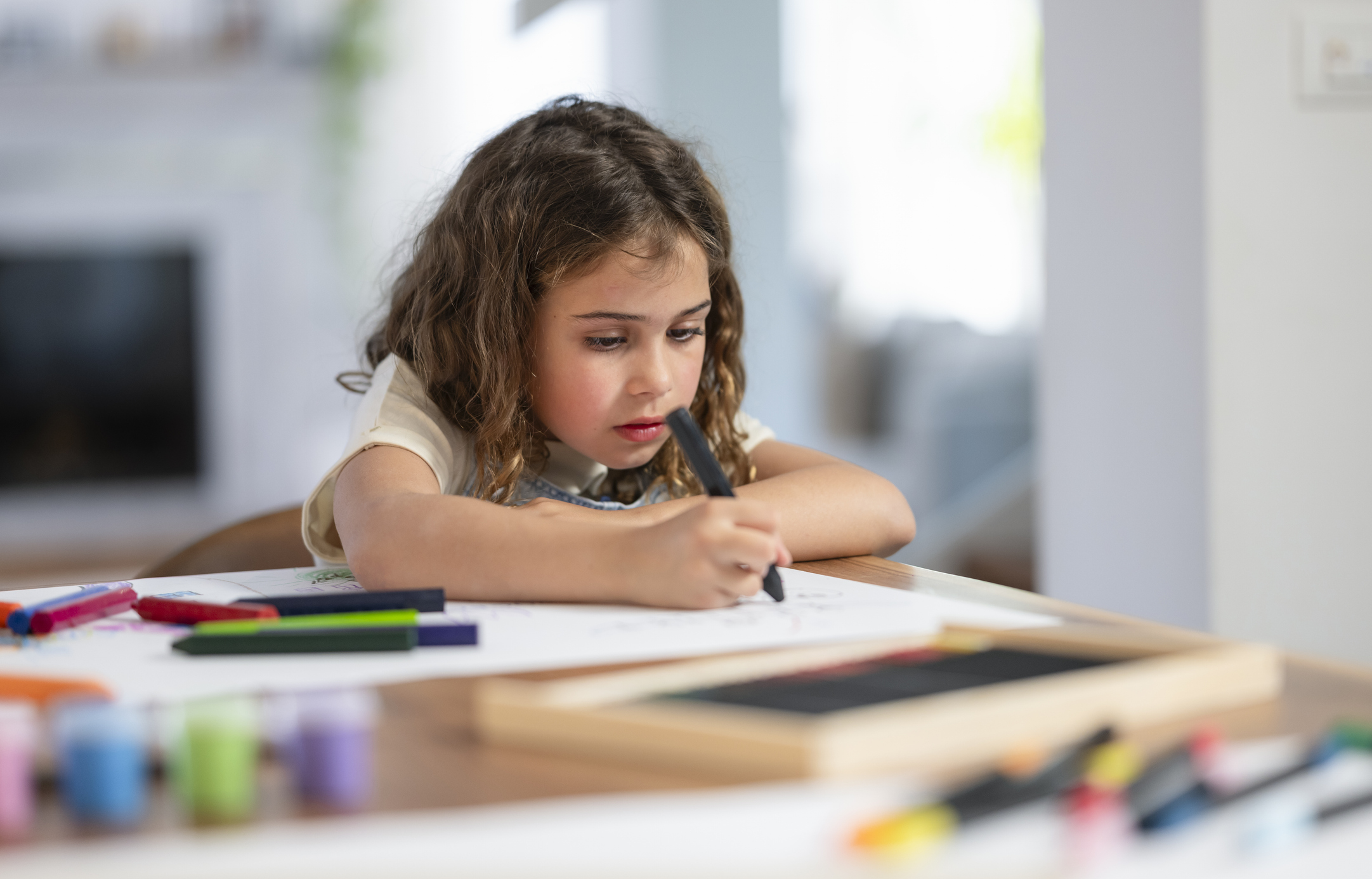
How Art Helps Children Manage Big Feelings and Build Emotional Skills
Art gives children a calm, hands-on way to shift attention away from big feelings and into creating. Learn how drawing, painting, clay, and other open-ended art activities can support emotional regulation and healthy emotional development.
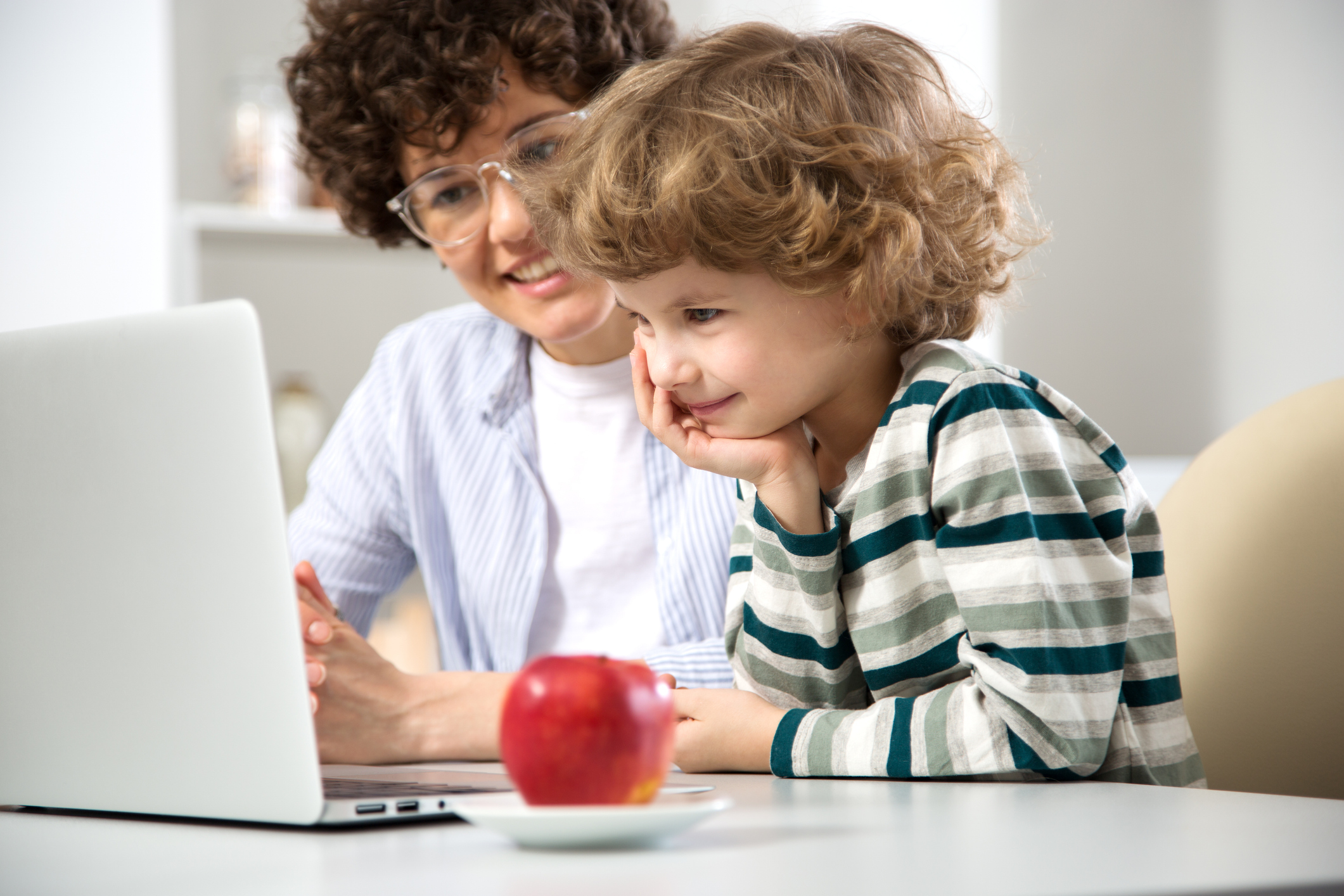
Technology in the Classroom for Preschoolers: How Teachers Can Use Digital Learning the Right Way
Technology can enrich preschool learning when it's used with purpose—not as a replacement for hands-on experiences, but as a tool to support them. Discover practical ways teachers can use educational games, digital storytelling, phonics, math, social-emotional learning, and assistive technology to create engaging, age-appropriate classroom experiences that encourage curiosity, creativity, and active participation.

