


Fostering Gratitude in Toddlers and Preschoolers
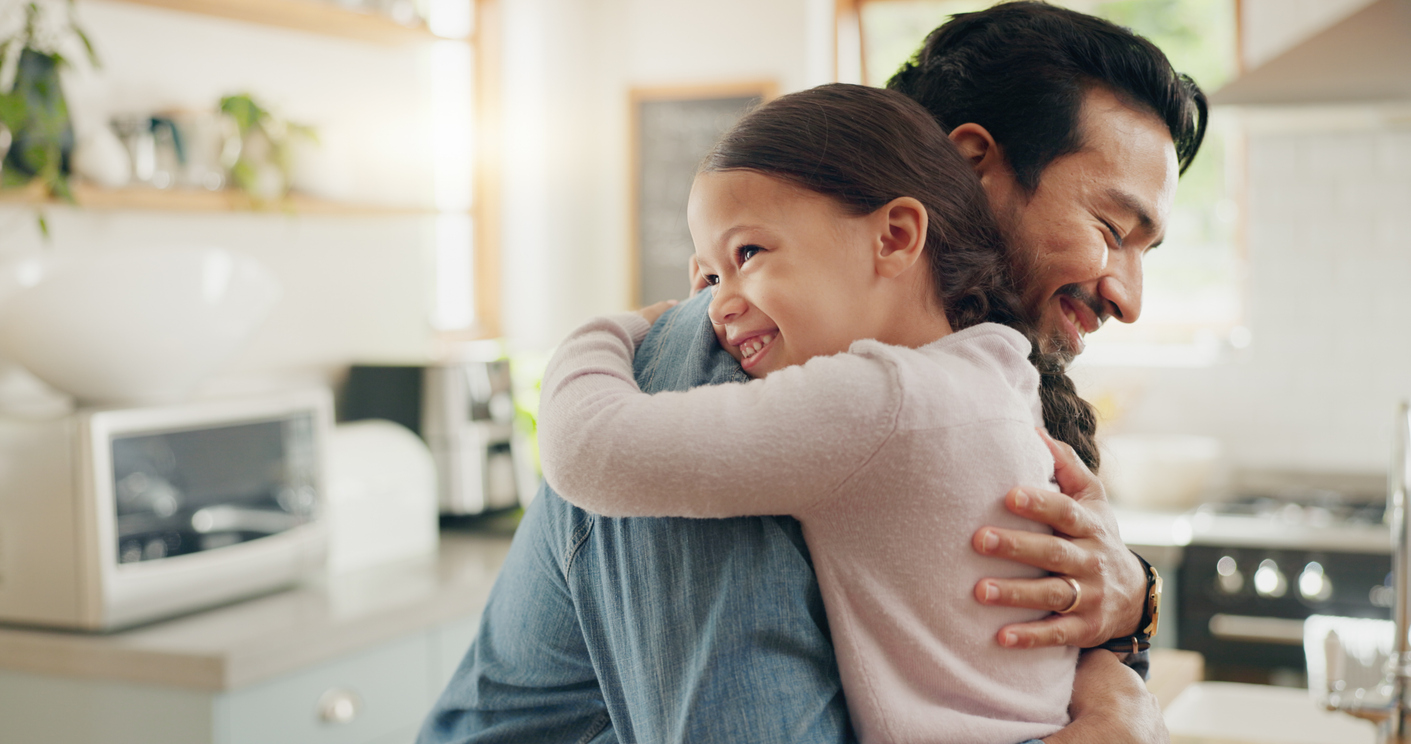
When your three-year-old grabs a cookie and runs off without a word, or your toddler opens a gift and immediately asks for another, you might wonder if gratitude is even on their radar yet. While young children aren’t developmentally ready for the full depth of thankfulness that older kids and adults experience, you can absolutely start laying the groundwork now.
What Gratitude Really Means (and When Kids Get It)
Gratitude goes deeper than polite manners. It’s that warm feeling we get when we recognize something good in our lives and understand it came from somewhere beyond ourselves, whether from another person’s kindness, nature’s beauty, or simply the love surrounding us.
Children typically begin experiencing genuine gratitude around ages 6-8, when their brains develop enough to see things from someone else’s perspective and understand others’ feelings. Even though toddlers and preschoolers aren’t there yet, the habits you build now create the foundation for real gratitude later.
Why This Matters for Your Child’s Future
Studies involving older children and teens show that gratitude connects to some pretty remarkable outcomes. According to the Greater Good Science Center based at the University of California, Berkeley, kids who develop a grateful outlook tend to:
- Feel happier and more satisfied with their lives
- Experience fewer negative feelings like jealousy or sadness
- Feel better in their bodies and make healthier choices
- Enjoy school more
- Do better academically
- Be more generous and willing to help others
- Feel more connected to their community
- Build stronger, more supportive relationships
- Act more kindly and thoughtfully toward people around them
The Four Building Blocks of Gratitude
University of North Carolina at Chapel Hill professor of Psychology and Neuroscience Andrea Hussong has identified four components that make up a complete grateful experience:
- Noticing – Recognizing the good things we have or receive
- Thinking – Understanding where these good things came from and why
- Feeling – Experiencing positive emotions about what we’ve been given
- Doing – Expressing appreciation somehow
Here’s what this looks like in action: Your child notices their grandmother baked their favorite cookies (notice), understands that grandma made them specially because she loves them (think), feels happy and cared for (feel), and then gives grandma a hug or draws her a picture (do).
Young children need help with all four parts, especially connecting their feelings to outward expressions. That’s where you come in.
Building Gratitude Into Everyday Life
1. Keep It Simple and Concrete
Your little one lives in the present moment and thinks in very concrete terms. Instead of abstract discussions about being thankful, point out specific moments: “Grandma gave you that toy because she loves you” or “Look how the rain helps the flowers grow.”
2. Model Gratitude Daily
Children this age learn by watching you far more than by listening to lectures. Say “thank you” warmly and specifically in front of them: “Thank you for sharing your crackers with me. That was so kind!” Talk about what you appreciate: “I’m glad we have this cozy blanket on a cold day.”
3. Ask Questions That Build Awareness
Simple questions help toddlers and preschoolers start noticing:
- “What made you smile today?”
- “Who helped you at the playground?”
- “What’s your favorite thing we did together today?”
You’re not expecting eloquent answers, just helping them pause and reflect.
4. Connect Gifts to People
When your child receives something, help them see the person behind it: “Your friend chose this book just for you. She remembered you love trucks!” This plants the idea that gifts represent someone’s care and thoughtfulness.
5. Notice Acts of Kindness, Not Just Stuff
Help your child see beyond material things. “Your brother waited for you. That was patient of him” or “The mail carrier brings us letters even when it’s raining.” This broadens their understanding of what deserves appreciation.
6. Make Giving Part of the Picture
Let your toddler help you give to others, even in tiny ways. They can hand a treat to a sibling, help water plants, or pick a flower for the table. Experiencing both sides (receiving and giving) helps gratitude take root.
7. Practice Without Pressure
If your preschooler doesn’t want to say thank you in the moment, don’t force it into a power struggle. You might say it for them (“We’re thankful for this gift!”) or circle back later: “Remember that present from auntie? Should we call and tell her you’ve been playing with it?”
8. Weave It Into Your Routines
You can naturally include gratitude throughout your day:
- During meals – Mention one thing that made the food possible: the farmers, the rain, whoever cooked it.
- At bedtime – Ask about one good thing from their day. Just “playing blocks” is a perfect answer.
- On walks – Point out small wonders: “These leaves are so crunchy to step on!”
- After playdates – Talk about what their friend shared or a fun moment they had together.
- With pictures – Look at photos together and talk about the happy memories or people in them.
Playful Gratitude Activities
Sometimes a little structured play can make gratitude more tangible for young children. Try these activities when you have a few extra minutes:
1. Gratitude Scavenger Hunt
Send your child on a hunt around the house or yard to find things they’re thankful for. “Can you find something that makes you laugh? Something someone gave you?” Let them bring back their treasures and talk about why each one matters.
2. The Thankful Jar
Decorate a jar or a box together and drop in small objects or drawings that represent things you’re grateful for. A pebble from a fun day at the park, a drawing of your dog, a cotton ball for “soft pajamas.” Every so often, dump them out and remember the good things together.
3. Gratitude Story Time
During pretend play, narrate gratitude moments for their toys: “Teddy is so happy that bunny shared the blocks with him! How do you think teddy can say thank you?” This makes the concept more concrete without putting your child on the spot.
4. Thank You Drawing
Keep crayons and paper handy for spontaneous “thank you pictures.” Your preschooler doesn’t need to draw anything recognizable. Scribbles with the intention of giving are perfect. They can make one for dad who made breakfast, or for the neighbor who waved hello.
5. Five Senses Game
At different moments throughout the day, ask: “What’s something you can see/hear/smell/touch/taste right now that you like?” This helps them notice the small goods all around them. “I hear birds singing!” or “I smell cookies!”
6. Kindness Hunt
Challenge your child to spot acts of kindness throughout the day. “Did you see anything kind today?” Then celebrate the observations: “Yes! The bus driver did smile at everyone. That was kind of her!”
7. Mirror Thanks
Stand in front of a mirror together and practice saying thank you with different silly voices or faces. This takes pressure off while building the habit, and toddlers love the silliness of it.
Managing Your Expectations
Your two-year-old might notice the pretty flowers but have zero interest in saying thank you. Your four-year-old might mumble “thanks” while already running to the next thing. This is exactly how it’s supposed to look right now.
Young children typically engage with just one or two parts of the gratitude process, and only when you guide them there. They’re not being ungrateful. They simply aren’t ready yet for the full experience. You’re not aiming for perfect gratitude now. You’re building patterns that will deepen naturally as they grow.
Keep noticing the small moments when you can, ask gentle questions and keep showing your own appreciation. The roots you’re planting now will grow into something lovely as your child’s understanding deepens.


Related Post
Understanding Separation Anxiety in Children
A 7-Day Kindness Challenge for Young Children
Seeing Your Child Through Your Eyes: Why Parental Beliefs Matter
How Much Sleep Does Your Child Really Need?
Building Confidence in Shy Children

Emotional Regulation Activities for Young Children: Simple Tips Parents Can Use
How Everyday Moments Can Grow Empathetic Kids- Bruised Heads and Big Hearts
Social Skills Needed for Kindergarten Success: What Really Matters Most
Teaching Children About Kindness
Getting Ready for Kindergarten: Everyday Skills That Build Confidence and Independence
Surviving the Terrible Twos: Understanding and Managing Toddler Tantrums
Encouraging Independence in Young Children
How to Support Your Child’s Mental Health

Fear in Little Kids: What’s Normal and How to Help
What to Do When Your Young Child Has School Anxiety

How to Help Your High-Energy Child Slow Down and Find Calm
More Than Letters and Numbers: The Emotional Side of the Summer Slide
Let’s Talk About Inchstones: The Tiny Triumphs That Matter

Empowering Your Child’s Emotion Regulation Skills: Help Them Calm Down Without Screens


