


Building Confidence in Shy Children
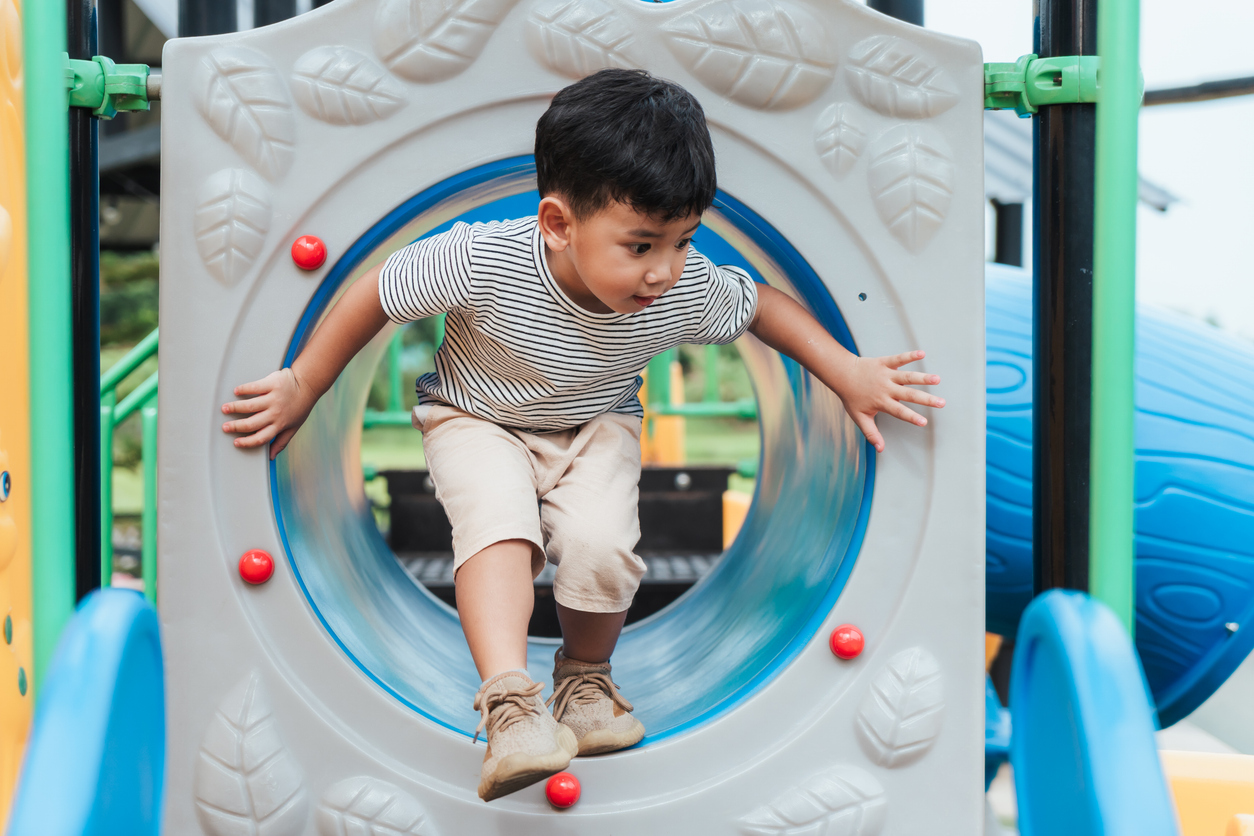
Does your child hesitate at the edge of the playground? Do they hide behind your leg when meeting new people? If you’re raising a shy preschooler or kindergartener, you know that building confidence isn’t about changing who they are. It’s about helping them discover their own strength.
Here’s how to nurture that confidence at home, along with simple activities you can try together.
Five Core Principles for Building Confidence
- Create an Unconditional Safety Net
Your child needs to know one thing above all else: you’re on their side, always. When they spill juice on the carpet, forget their lines in the school play, or refuse to join circle time, they need to feel your support, not your disappointment.
This doesn’t mean ignoring problems. It means responding to mistakes with curiosity instead of criticism. “The milk spilled. Let’s figure out how to clean it up together” teaches problem-solving. “Why are you always so clumsy?” teaches shame.
When your child feels secure in your love regardless of their performance, they’re more willing to take the risks that build confidence.
- Replace “Good Job” with Something Better
Generic praise feels empty, even to young children. “Good job!” tells them nothing about what they actually did well.
Instead, get specific: “You kept trying to zip your jacket even when it was tricky” or “You used such a strong voice when you asked for help.” This kind of feedback shows you’re truly paying attention and helps children understand exactly what strengths they can build on.
- Celebrate the Struggle, Not Just the Success
The moment your child finally pedals their bike without training wheels is thrilling, but don’t let that overshadow all the wobbly attempts that came before.
Tell them you’re proud of their persistence. Point out how they got back on after falling. Notice how they asked for help when they needed it. When children learn that effort matters as much as outcomes, they develop resilience that will serve them their entire lives.
- Teach That Change Is Possible
Some children believe their abilities are fixed: “I’m not good at drawing” or “I’m shy.” Introduce the idea that skills and even personality traits can grow with practice.
If your child says, “I can’t do it,” add one word: “yet.” “You can’t tie your shoes yet, but your fingers are getting stronger every day.”
Share stories of things they once couldn’t do, like rolling over, walking, using words, that are now effortless. Help them see themselves as someone who learns and grows.
- Normalize Failure as Part of Learning
Children need to see mistakes as information, not disasters. When your child feels defeated by a setback, acknowledge their feelings first: “It’s frustrating when things don’t work the way we want.”
Then reframe it: “What could we try differently next time?” Offer concrete suggestions and remind them that everyone, including you, makes mistakes daily.
Model this openly. When you burn dinner or forget your keys, narrate what you’re thinking: “Oops, I made a mistake. It happens! I’ll set a timer next time.” Your example shows that mistakes don’t define us and that moving forward is always possible.
Eight Confidence-Building Activities
- Pack a Brave Backpack
Ask your child to imagine packing an invisible backpack with qualities that make them feel strong: fast legs, giggle power, helping hands, a loud voice, brave words.
Pretend to tuck each one inside with a whoosh sound. Before challenging moments, like the first day of school or a doctor’s visit, ask, “What’s in your brave backpack today?” It makes inner resources feel tangible and ready to use.
- Try the Small Step Challenge
Pick one skill they’re learning and break it into the tiniest possible pieces. If they’re learning to write their name, today you only practice holding the pencil. That’s the whole goal.
Tomorrow, you make one line. The day after, you add a curve. Celebrate each micro-achievement. Small, clear goals feel achievable and prevent overwhelm.
- Make a Confidence Collector
Place a jar or bowl in a visible spot. Every time your child attempts something new, let them add a bead, button, or paper star, whether they succeed or not.
Once a week, pour them out together and count: “Look how many brave things you tried!” This visual reminder reinforces that confidence comes from showing up, not from being perfect.
- Switch Roles
Flip roles for a few minutes: your child becomes the teacher, you become the student. Ask them to show you how to do something they know, like building with blocks, drawing a flower, kicking a ball.
Follow their instructions carefully, even if you “mess up.” Teaching someone else cements the feeling of competence: “I really do know this.”
- Offer Adventure Choices
Offer two appealing options and let your child choose: “Should we walk the long way past the pond or the short way through the gate?” Let them lead the way they picked.
Small decisions about daily routines help children feel capable and heard. Control over their world, even in tiny doses, builds confidence naturally.
- Create a Chores Routine
Assign age-appropriate tasks: putting napkins on the table, feeding a pet, sorting socks. Make it a regular part of their day, not a punishment.
Completing real responsibilities shows children they’re contributing members of the family. That sense of belonging and usefulness is confidence in action.
- Sing Affirmation Songs
Find songs with positive messages about trying, learning, and growing. Sing them during car rides or bedtime.
Music makes ideas memorable, and repeated positive messages sink in over time, especially when paired with shared moments of connection.
- Look Through Old Photos
Pull out pictures from when your child was a baby or toddler. Point out all the things they’ve learned since then: walking, talking, using the potty, putting on shoes.
Celebrate each milestone: “You’ve learned so many things already! You are great at figuring stuff out.” This concrete evidence of past growth builds trust in future growth.
The Long View
Building confidence in a shy child isn’t about transforming them into someone outgoing. It’s about helping them trust their own ability to handle what life brings; one small step, one mistake, one brave moment at a time.
Be patient with the process. Your child is learning not just specific skills, but something deeper: that they are capable, loved, and worthy of taking up space in the world. That’s the foundation of true confidence.


Related Post

Understanding Separation Anxiety in Children

A 7-Day Kindness Challenge for Young Children

Fostering Gratitude in Toddlers and Preschoolers

Seeing Your Child Through Your Eyes: Why Parental Beliefs Matter

How Much Sleep Does Your Child Really Need?

Emotional Regulation Activities for Young Children: Simple Tips Parents Can Use

How Everyday Moments Can Grow Empathetic Kids- Bruised Heads and Big Hearts

Social Skills Needed for Kindergarten Success: What Really Matters Most

Teaching Children About Kindness

Getting Ready for Kindergarten: Everyday Skills That Build Confidence and Independence

Surviving the Terrible Twos: Understanding and Managing Toddler Tantrums

Encouraging Independence in Young Children

How to Support Your Child’s Mental Health

Fear in Little Kids: What’s Normal and How to Help

What to Do When Your Young Child Has School Anxiety

How to Help Your High-Energy Child Slow Down and Find Calm

More Than Letters and Numbers: The Emotional Side of the Summer Slide

Let’s Talk About Inchstones: The Tiny Triumphs That Matter

Empowering Your Child’s Emotion Regulation Skills: Help Them Calm Down Without Screens


