What Does Screen Time Addiction Look Like in Preschoolers?
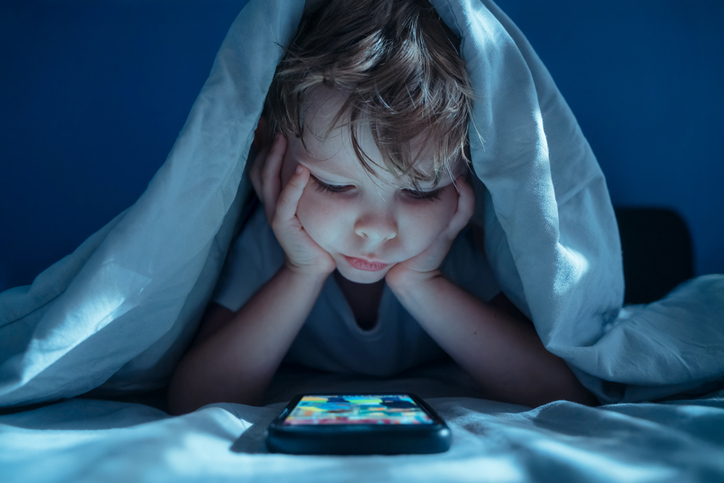
Many parents catch themselves wondering: Is my child spending too much time with screens? Maybe you’ve noticed how your little one melts down the moment screen time ends, or how they ask about the tablet within minutes of waking up. Perhaps they’ve stopped asking to play with their toys altogether, or you’ve caught them sneaking peeks at a device when they thought you weren’t looking.
You’re not alone in these concerns, and you’re right to pay attention.
It’s Not Just About the Hours
Something that often surprises many parents is that the number of hours your child spends with screens isn’t the whole story. Yes, limits matter (and our comprehensive guide on screen time recommendations can help you navigate those). But what researchers have discovered is that how screens are affecting your child’s life matters even more than how long they’re using them.
A Checklist for Parents
Problematic screen use isn’t defined by time alone, but by whether screens begin to interfere with daily life, emotions, and relationships.
Dr. Sarah Domoff from the University of Michigan and her team have developed a practical tool to identify when screen use might be crossing the line from typical to problematic.
As Dr. Domoff explains, “Our study has demonstrated that there is more to it than the number of hours. What matters most is whether screen use causes problems in other areas of life or has become an all-consuming activity.”
Based on their research, here are nine patterns to watch for in your child’s behavior:
- Difficulty with transitions away from screens
- Does it feel like a major struggle every time you try to end screen time? True problematic use means it’s consistently hard to pull your child away, not just the occasional protest.
- Constant preoccupation with screens
- Does your child seem to be thinking about screens even when they’re not using them? This looks like repeatedly asking when they can watch again or talking excessively about their favorite shows or games.
- Loss of interest in other activities
- Has your child stopped being interested in toys, outdoor play, or activities they used to enjoy? When screens become the only thing that excites or motivates them, it’s worth paying attention.
- Increasing demands for more screen time
- Do you notice your child wanting longer and longer periods with devices? It’s concerning when the amount of time that once satisfied them no longer seems enough.
- Using screens to manage emotions
- Does your child turn to screens as their primary way to feel better when upset, bored, or frustrated? Relying on screens as the only emotional coping tool is a red flag.
- Strong emotional reactions when denied access
- Does your child have intense meltdowns, become highly frustrated, or get very angry when they can’t use screens? Occasional disappointment is normal, but extreme reactions are worth noting.
- Sneaky behavior around screens
- Have you caught your child trying to use devices secretly or breaking rules about screen time? This includes hiding device use or being dishonest about how much they’ve been watching.
- Family conflict centered on screen use
- Does screen time regularly cause problems in your household? This might look like fights between siblings over devices or ongoing tension between you and your child about screen rules.
- Interference with family life
- Do screens disrupt normal family routines and togetherness? This includes refusing to come to dinner because of screen use, or being unable to participate in family activities because they’re focused on devices.
If several of these patterns feel familiar and happen regularly, it might be time to reassess your family’s relationship with screens.
A Message for Concerned Parents
Noticing these patterns doesn’t mean you’ve failed as a parent. Today’s children are growing up in a digital world that didn’t exist when we were young. We’re all learning together how to navigate this new landscape.
The fact that you’re here, reading this, and thinking critically about your child’s screen use shows you’re already doing the most important thing: paying attention and caring about your child’s well-being.
If you’re concerned about your child’s screen habits, start small. You don’t have to overhaul everything overnight. Small, consistent changes, like screen-free mealtimes, outdoor play before screens, or turning screen time into quality bonding moments with your child, can make a meaningful difference.


Related Post

Screen Time Tips for Traveling with Toddlers and Preschoolers

How to Choose Safe Apps for Your Preschooler
How Much Screen Time for Kids: What Every Parent Should Know
Transform Screen Time from Passive to Active Learning

Helping Kids Develop a Healthy Relationship with Technology

Navigating Screen Time: A Guide for Parents

How to Choose the Best Educational App for Your Child?