


A Small Seed, a Big Difference: Why Planting with Your Child Is a Great Idea
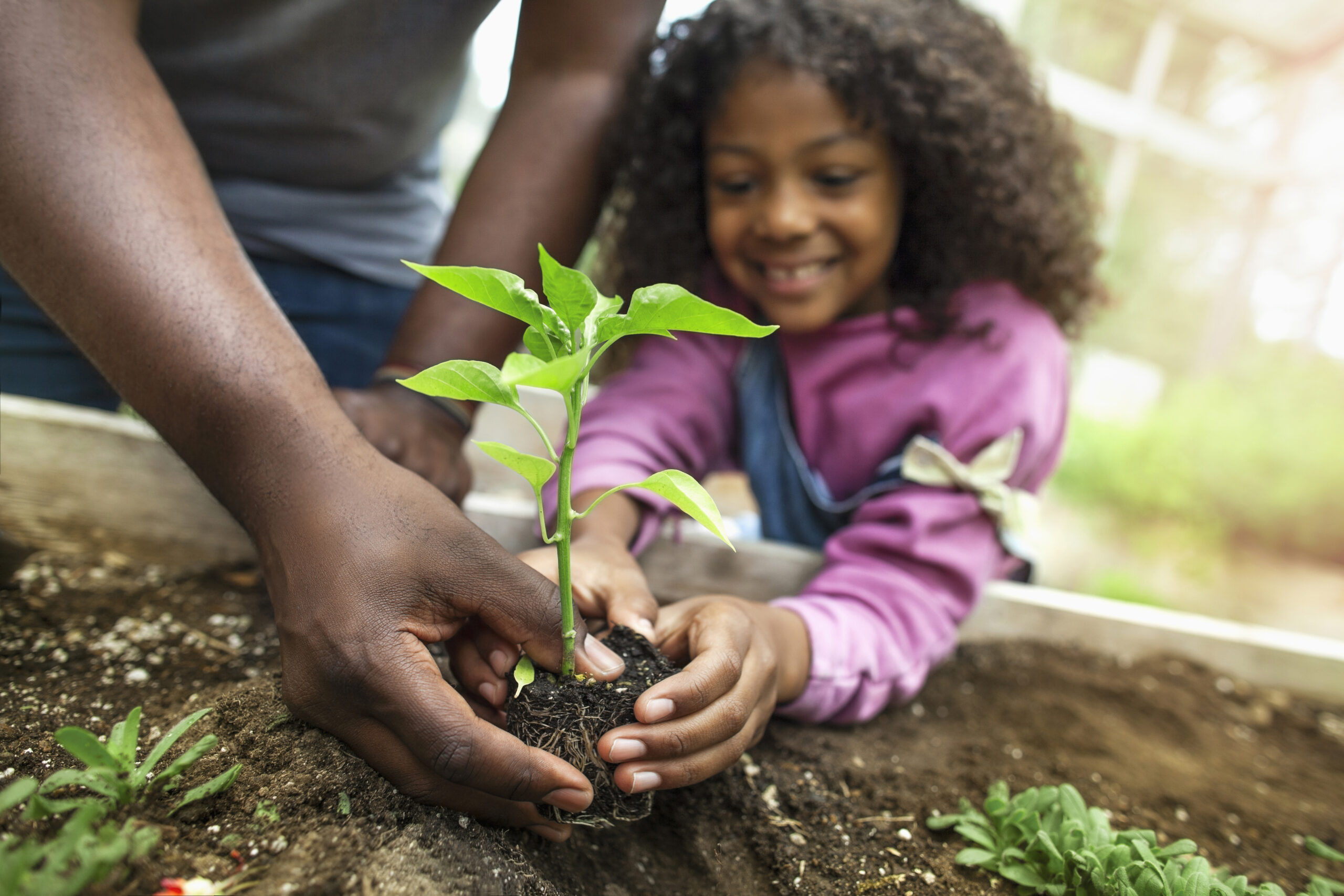
Spring is a great time to slow down and notice small things growing around us. With World Planting Day coming up, it’s a nice reminder that a tiny seed can turn into something meaningful. And for young kids, that process can be surprisingly powerful.
Start as small as you like
You don’t need a garden or a big plan. Start simple. Plant a few seeds in a small pot. Grow an herb in your kitchen, like basil, chives, or mint. Let your child scoop the soil, drop in the seed, and water it.
What this looks like can change depending on your child’s age.
- With children around 2 to 3, it’s more about doing things together. Give one simple task at a time, like pouring water, and let them watch you take care of the plant.
- Around 3 to 4, you can give a bit more responsibility. Ask them to check the plant and decide what it needs, and talk about how they figured it out.
- By ages 5 to 6, many children can take on more ownership, from planting the seed to helping care for it each day.
Don’t worry if your child is hesitant at first. Some kids don’t like getting their hands dirty right away, and that’s completely normal. Let them pour the water. Let them check if the soil is dry. Let them watch the plant grow day by day.
You can also make it part of your routine by watering the plant together in the morning, checking for new leaves after school, and smelling the herbs before dinner.
What happens when kids dig in the dirt
When children take an active role in nature like this, it supports their development in very real ways. Research by Louise Chawla, Professor Emerita at the University of Colorado Boulder, highlights a few important benefits:
- Better focus and less stress: Kids who spend time in gardens often feel calmer and more relaxed. Nature gives them a quiet space to slow down, which supports attention and emotional balance.
- Stronger social skills: Activities like digging, building, or planting naturally lead to cooperation. When kids do these things with others, they talk, negotiate, and solve small problems together.
- Rich sensory experiences: Soil, water, sand, and leaves offer hands-on experiences full of different textures, smells, and movements. Children explore, experiment, and stay deeply engaged.
Planting something together is a small act, but it creates a shared experience. Your child learns patience while waiting for growth, responsibility while caring for something, and joy when they see the first sprout. And like many good things, it’s about balance. Simple, real-world moments like these matter alongside digital experiences.


Related Post

What Makes Your Family Happy?

Teaching Our Children Well: Positive Discipline
Creating a Learning-Rich Home for Young Children
Fun Indoor Activities for Toddlers on Rainy Days
Weekend Routines That Make Mondays Easier for Kids
Gentle Ways to Help Your Child Try New Foods

Turning Screen Time into ‘Us’ Time: 5 Ways to Bond with Your Child

Screen-Free Dining: Building Bonds and Healthy Habits


