


Every Language Your Child Speaks Is a Gift
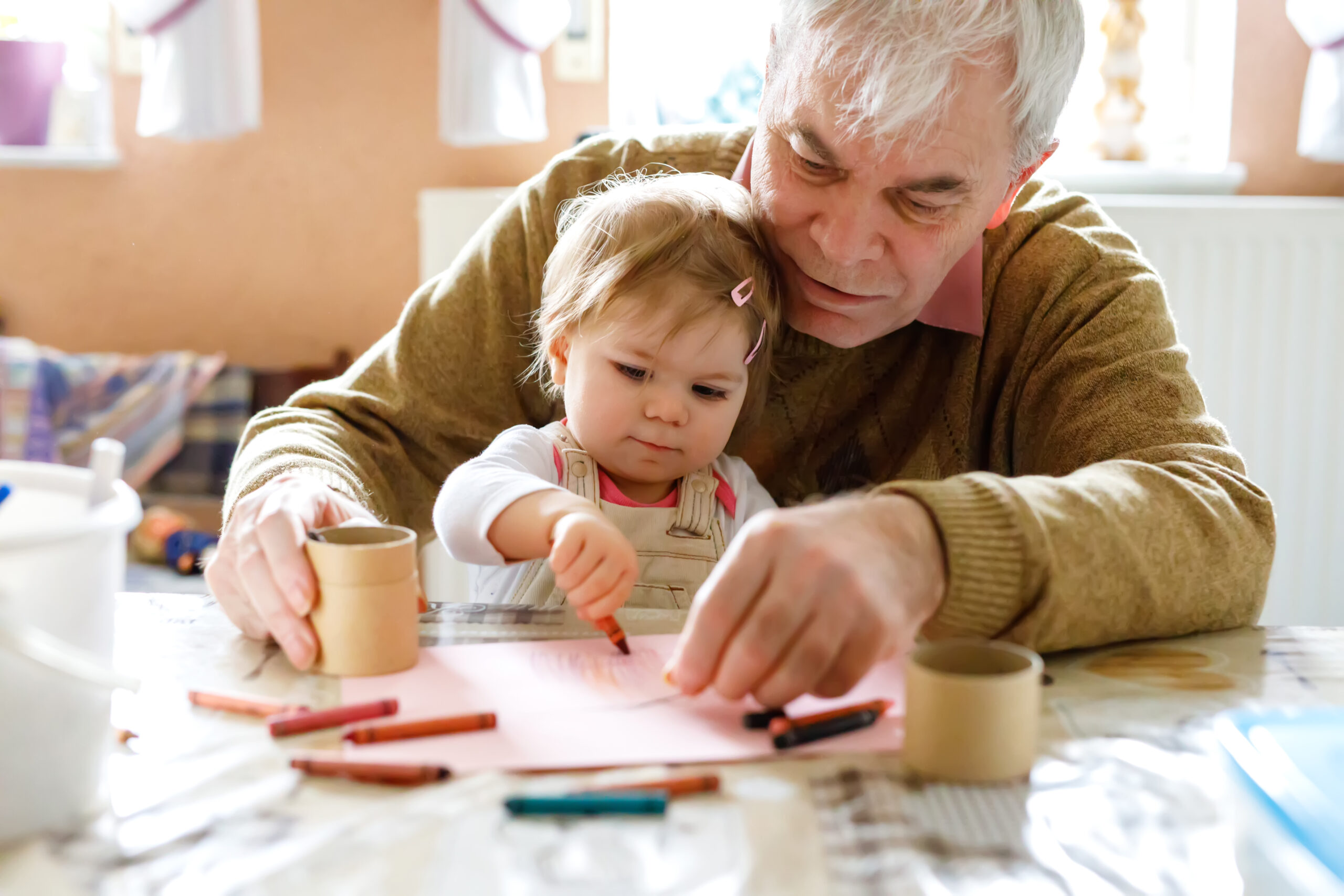
There is something profound about the first word a child speaks. It usually comes wrapped in a familiar voice, a particular rhythm, a specific way of saying I love you. That first language, the one woven into lullabies and dinner tables and grandparent phone calls, is not just communication. It is identity.
On International Mother Language Day, we want to celebrate the families who are raising children in more than one language, and gently encourage those who might be hesitating: your home language is not a barrier. It is a foundation.
What Does the Research Say?
Parents often worry that raising children with two languages will confuse them or slow them down. This concern is understandable, but the evidence points in a reassuring direction.
Bilingual children may take a little longer to reach certain language milestones compared to monolingual peers, but they close the gap, and often go beyond it. Academic achievement, literacy, and language skills generally level out and flourish over time. The early journey simply looks a little different, and that is okay.
One area where research is particularly consistent is theory of mind: the ability to understand that other people have different perspectives, thoughts, and feelings. Children who navigate between languages and cultures develop this skill early and well. In a world that asks us to understand one another across differences, that is no small thing.
There may also be broader cognitive benefits from managing two languages, though scientists are still working out exactly what those are and for whom. What we can say with confidence is that bilingualism does not harm development. And for many children, it opens doors in ways that are hard to measure on any test.
The Advantages That Last a Lifetime
Beyond childhood, the gifts of bilingualism grow:
Connection to family. Language is how we belong to each other. When a child can speak with their grandparents in their grandparents’ language, something real and irreplaceable happens. Stories get told. Jokes land. Love is felt more fully.
Opportunity in a global world. Speaking more than one language is increasingly valuable in careers, in communities, in an economy that spans continents. You are giving your child a practical advantage they will carry for life.
A wider world. Languages carry cultures: their literature, humour, music, and ways of seeing. A child raised with two languages has access to two whole worlds of human experience.
What You Can Do at Home
- Read picture books and stories in your home language.
- Play songs from your own childhood.
- Let them hear natural conversation with grandparents, with friends, at family gatherings.
- Cook traditional meals together and narrate as you go: name the ingredients, the smells, the steps.
- Create a small family dictionary together: your child draws the picture, you write the word in both languages.
- Teach them words that do not translate well: the ones that only exist in your language.
- Let them hear you read out loud: a recipe, a message, a newspaper, anything.
A Note on “Mixing” Languages
If your child switches between languages mid-sentence, congratulations: they are doing something sophisticated. Code-switching is a natural part of bilingual development. It is not confusion. It is competence.
Language is how we first make sense of the world, and how we first feel that we belong in it. When you speak your language to your child, you are not choosing between their future and their roots. You are handing them both.
Celebrate that. Speak it proudly. Sing it loudly.

Related Post
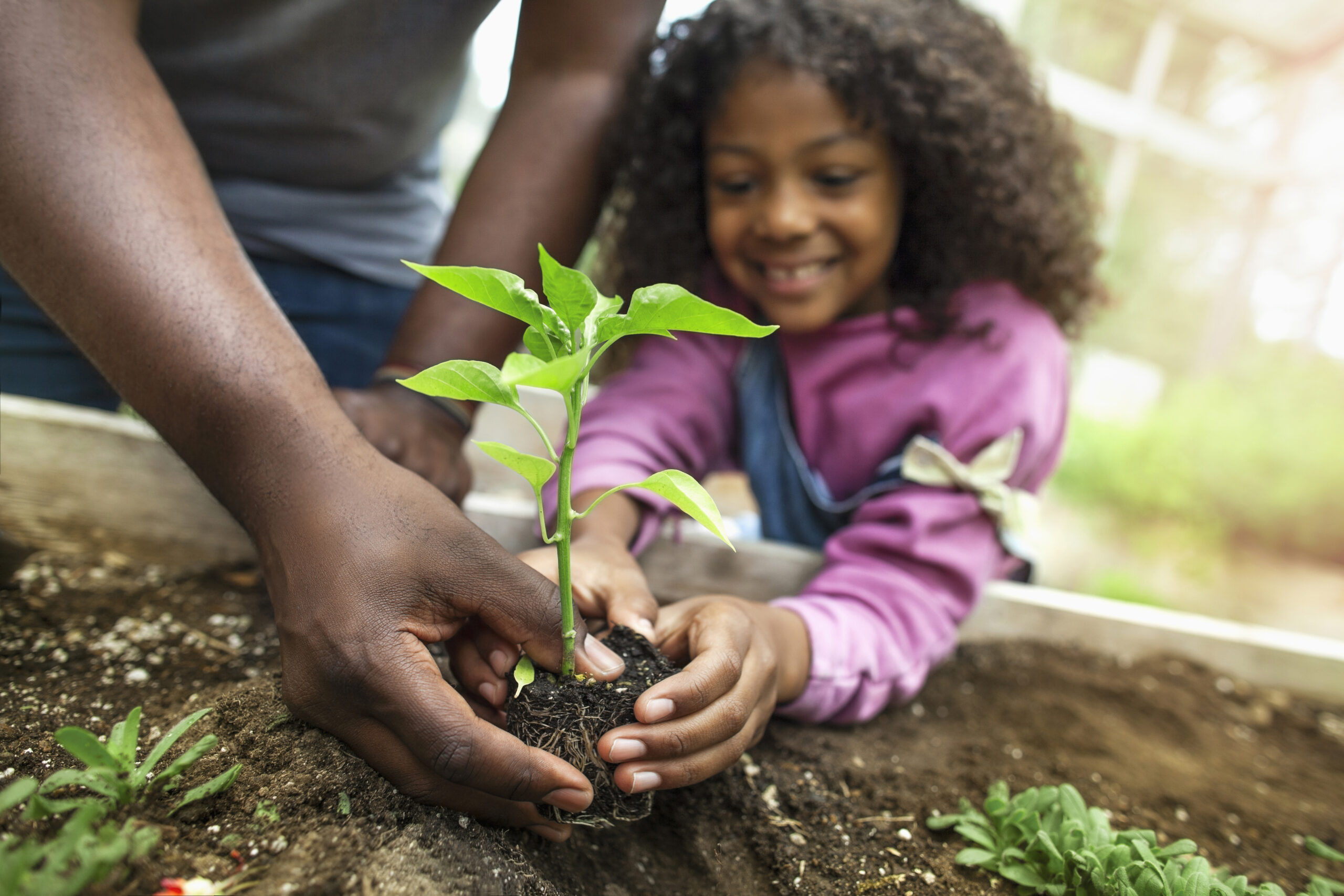
A Small Seed, a Big Difference: Why Planting with Your Child Is a Great Idea
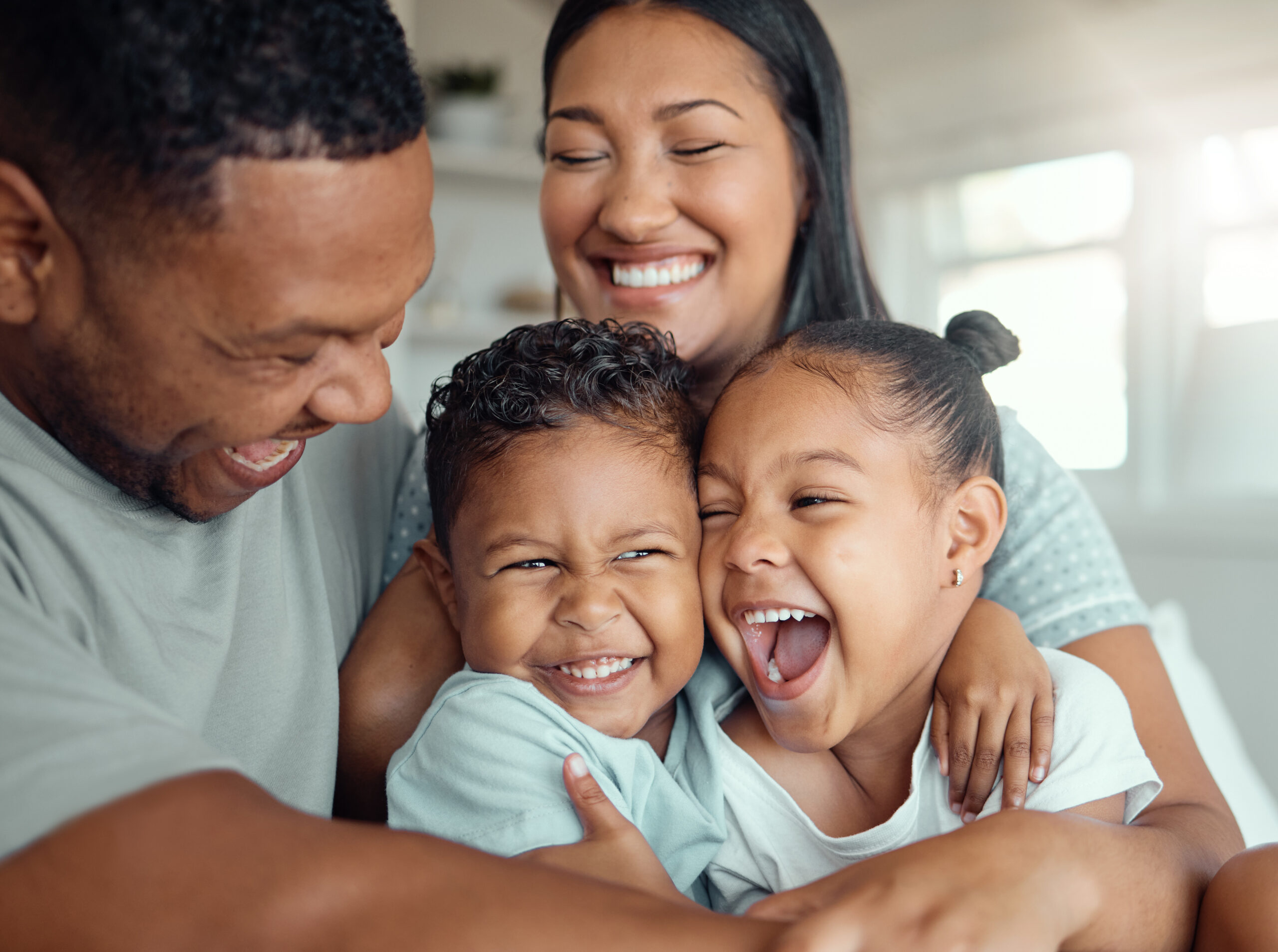
What Makes Your Family Happy?
Teaching Our Children Well: Positive Discipline
Creating a Learning-Rich Home for Young Children
Fun Indoor Activities for Toddlers on Rainy Days
Weekend Routines That Make Mondays Easier for Kids
Gentle Ways to Help Your Child Try New Foods

Turning Screen Time into ‘Us’ Time: 5 Ways to Bond with Your Child

Screen-Free Dining: Building Bonds and Healthy Habits


